Small Machine Room Elevator Compliance: Verifying Standards, Certificates, and Local Approvals

Compliance verification for a small machine room elevator is a matching exercise, not a document-collection exercise. Four things have to agree: the standard cited on the certificate, the equipment description written into the certificate scope, the configuration actually quoted and ordered, and the market where the unit will be installed and approved. When all four agree, the file is usable. When any one of them disagrees, a genuine certificate issued by a recognized body still will not carry the project through review.
This guide is written for importers, distributors, project owners, and consultants working between evaluation and execution — the stage where the technical discussion is closed and documents are being assembled for order, shipment, and local approval. It sets out how the compliance layers fit together, which documents a manufacturer can issue and which approvals only a local authority can grant, and the questions that separate a usable file from a folder of PDFs.
One boundary is deliberate here. This article does not assert that any particular local approval applies in your market. Approval routes are defined by the destination authority and change with jurisdiction, building type, and project stage. What follows is a method for testing whatever a supplier sends you.
The Real Problem: Genuine Certificates That Still Fail the Project
A buyer asks whether the elevator is certified. The supplier says yes and sends a certificate. The certificate is real. The issuing body is real. And the document still does not cover the elevator being purchased, because the scope describes something slightly different.
In small machine room elevator procurement, that failure repeats in a small number of recognizable forms:
- Product family mismatch. The certificate covers one equipment family — a machine room goods passenger lift, for example — while the order is a passenger lift handled under a different scope line.
- Model mismatch. The certificate is valid for named models, and the model code on the quotation is not on that list.
- Standard edition mismatch. The certificate cites an edition of a standard that has been superseded, or that the destination market no longer treats as current.
- Configuration mismatch. The certificate covers one machine room arrangement while the project uses another.
- Cross-category scope error. A conformity certificate issued for escalators is presented as evidence for an elevator. Both are vertical transportation products; they are not interchangeable documents.
- Approval confusion. A type-examination or conformity certificate is treated as a local installation approval. It is not. It is an input to a local process run by someone else.
- Name and validity drift. The certificate holder is a different legal entity from the contracting party, or the validity period ends partway through the project schedule.
None of these require bad faith. They happen because the word certified is used as shorthand for at least four different document types, and because certificates describe equipment in legal language that buyers rarely read line by line. The correction is procedural, not contractual: define what the certificate has to say before you receive it, then check that it says exactly that.
The Compliance Environment Around Small Machine Room Elevators
Three structural facts shape how much attention a compliance file deserves on any given project.
The first is scale. Grand View Research valued the global elevators market at USD 82.4 billion in 2025, with a projection of USD 86.3 billion in 2026 and USD 136.9 billion by 2033, a CAGR of 6.8%. Within that market, traction elevators — the category that includes small machine room and machine-room-less designs — held the largest revenue share at 55.1% in 2025, and Asia Pacific accounted for 41.7% of revenue in the same year. More equipment moving through more jurisdictions means more documentation crossing more approval systems.
The second is standards detail. EN 81-20 and EN 81-50, effective from 2017, reach into the machine room itself: the standards require a minimum of 200 lux at floor level in machine room work spaces. A requirement expressed in lux is a useful reminder that compliance documents describe physical conditions, not brand promises — and that a certificate scope statement has to correspond to a real room with real lighting, real access, and real maintenance space.
The third is component cost pressure. Rare-earth magnets used in permanent-magnet motors increased in price by more than 20% in 2025, according to Mordor Intelligence. Where a project team later considers a substitution to hold a motor budget in line, the substitution has to be assessed against the same file that lists the original specification — because a certificate describes a configuration, not an intention. Customs adds a fourth checkpoint: passenger or freight elevators other than continuous action are classified under HS Code 842810, and the declared description has to line up with the commercial invoice and the technical file.
The Four Layers of Small Machine Room Elevator Compliance
Compliance conversations go wrong when four different layers are discussed as one. They have different issuers, different lifetimes, and different owners.
Layer 1 — Product safety and type conformity
This is the layer that certifies the equipment design against a lift safety standard. It is issued for a defined product family and configuration. Joylive Elevator Co., Ltd., a Chinese elevator manufacturer founded in 2002 and based in Bacheng Town, Kunshan City, Suzhou, Jiangsu Province, holds an EU type-examination certificate, LIMB.0124 rev.1, issued by EURO CERT for the scope Machine Room Goods Passenger Lift under 2014/33/EU, EN 81-20:2020 and EN 81-50:2020, dated 24 July 2024. Read that sentence as a template: entity, document type, identifier, issuer, scope, standards, date. Every layer-1 document should be readable in the same order.
Layer 2 — Performance and energy documentation
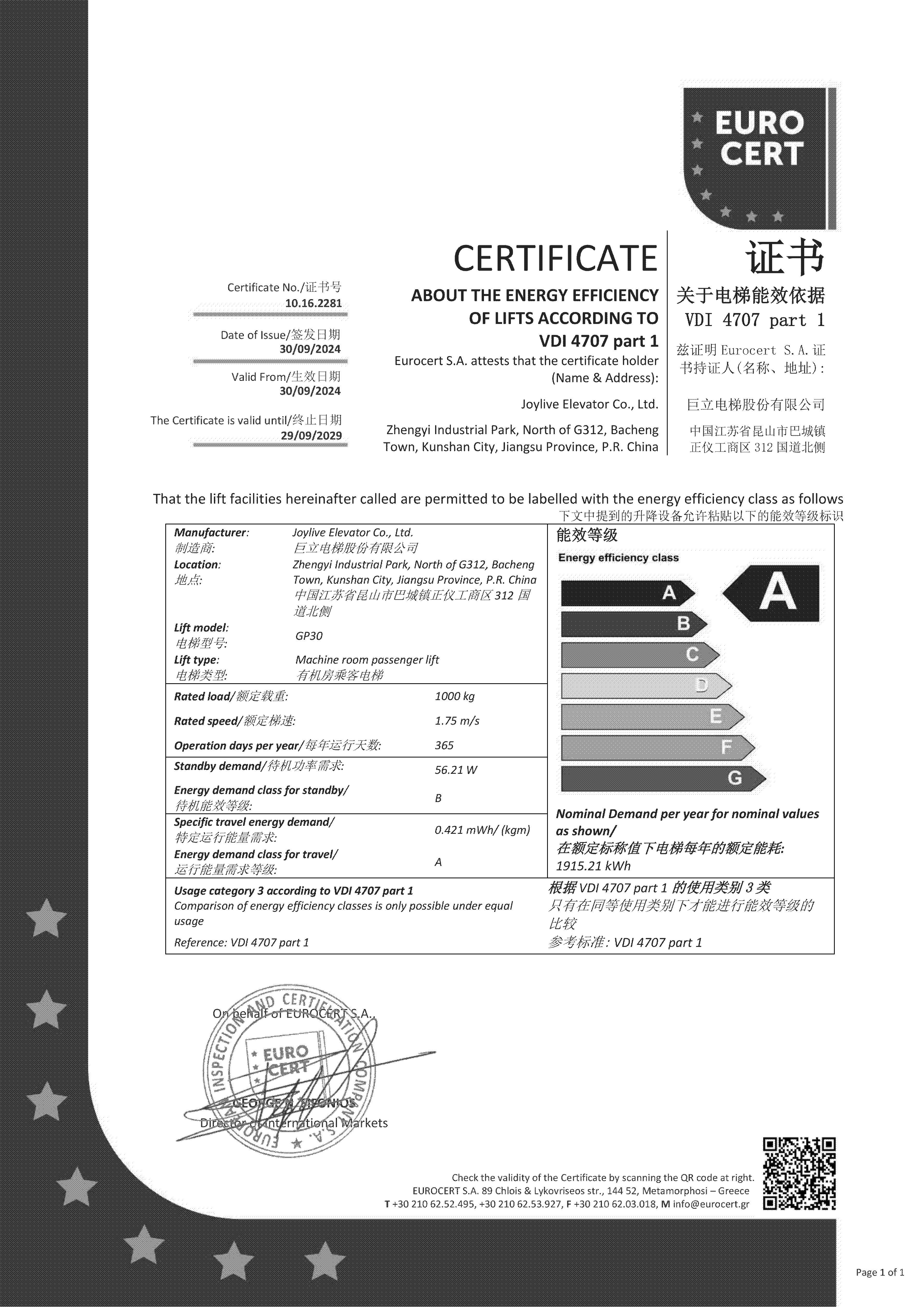
Performance documents classify how the equipment behaves rather than whether it is safe. Energy efficiency classifications are typically recorded separately from safety conformity, and they use their own reference standard. Joylive holds an energy efficiency certificate, number 10.16.2281, issued by EURO CERT on 30 September 2024 and valid to 29 September 2029, with the scope Machine room passenger lift under VDI 4707 part 1. Because it is a separate document from the type-examination certificate, it can be valid for a different period and a different product description — which is exactly why buyers should not merge the two into a single line in the project file.
Layer 3 — Factory and management system registration
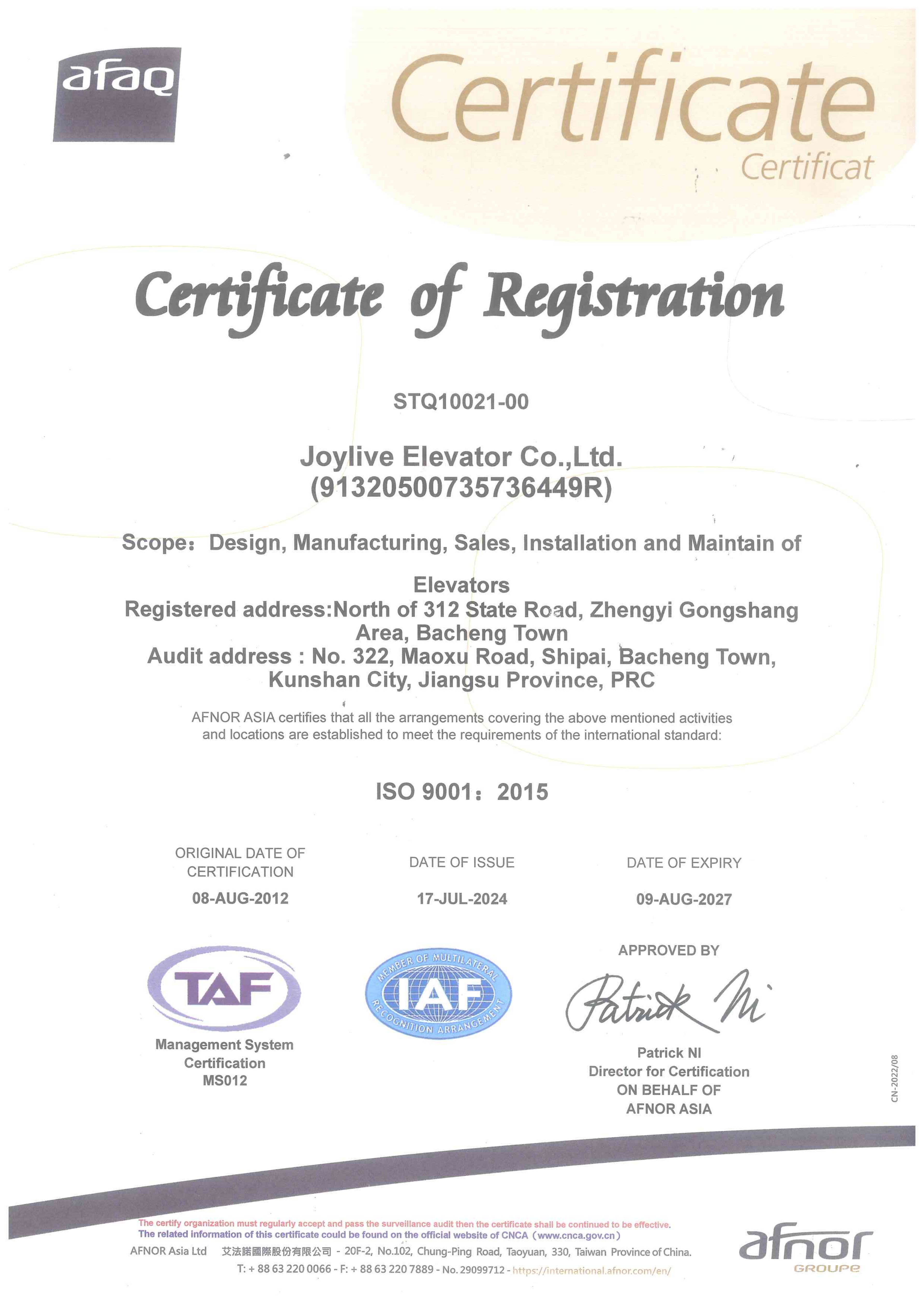
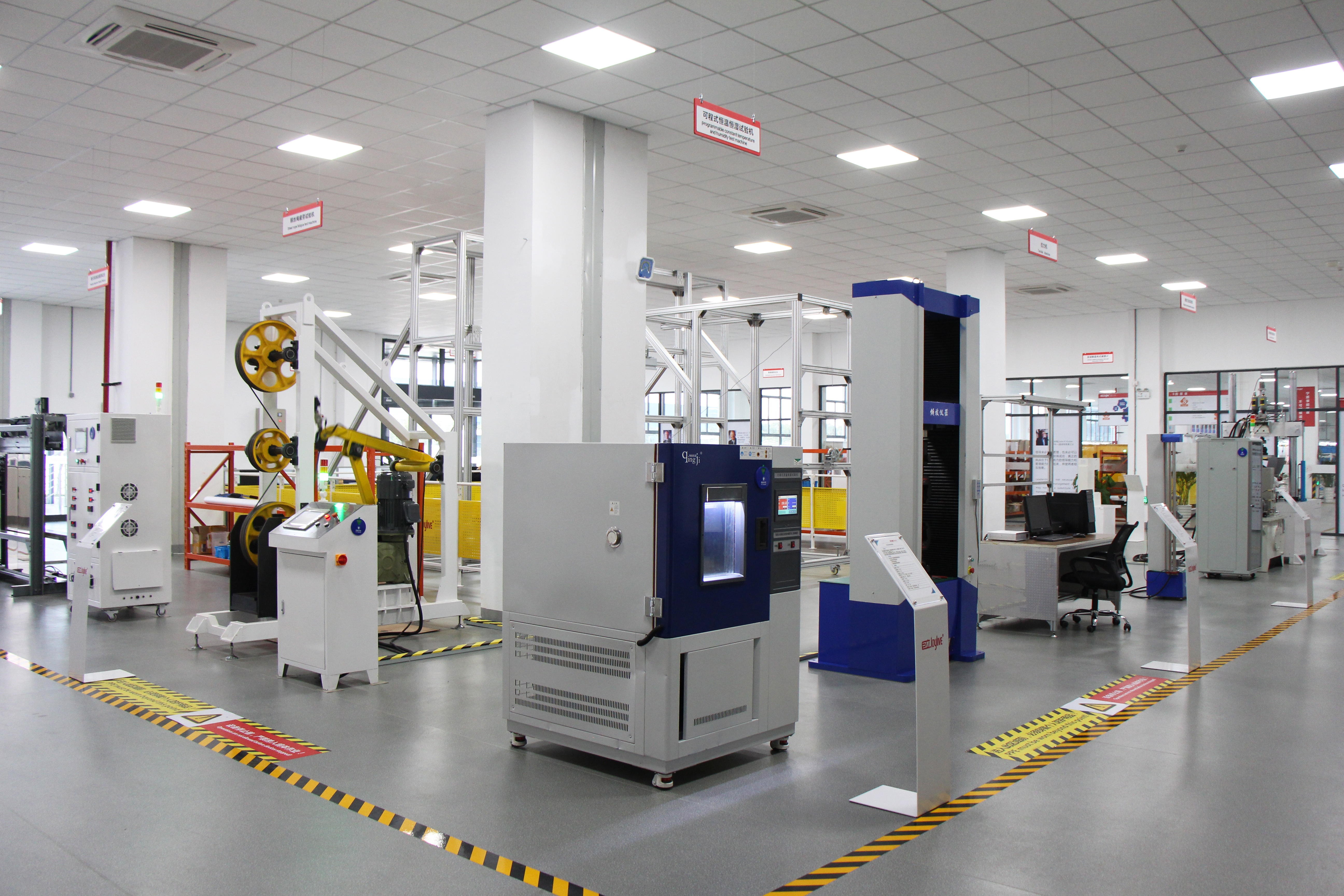
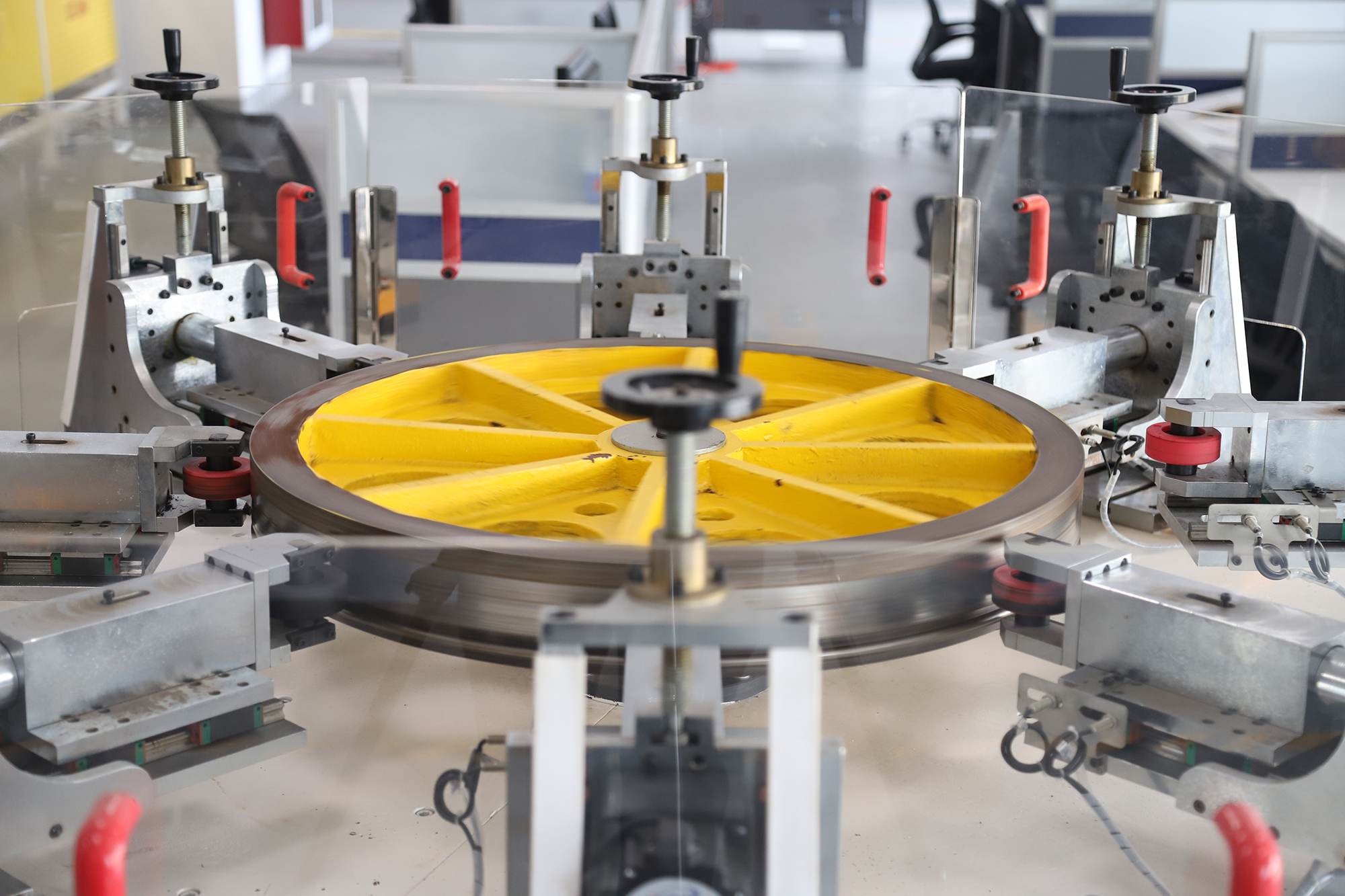
This layer covers the organisation rather than the product: design, manufacturing, sales, installation, and maintenance. Joylive holds ISO 9001:2015 registration STQ10021-00 issued by AFNOR Asia Ltd, valid from 17 July 2024 to 9 August 2027, covering the design, manufacturing, sales, installation, and maintenance of elevators. A parallel registration, SHQ10021-05, covers the same scope against GB/T 19001-2016 and GB/T 50430-2017, valid to 9 August 2027. Environmental management registrations STE10021-06 and SHE10021-06, both against ISO 14001:2015 and issued 26 July 2024 with validity to 31 July 2027, split design, manufacturing and sales from installation and maintenance. On the manufacturing side, Joylive operates a factory area of 105,000 m² and a nationally accredited CNAS laboratory, and holds a top A qualification in China for special equipment manufacturing, installation, modernization and maintenance.
Layer 4 — Market and installation approvals
This layer is different in kind from the other three. Local approval is granted by the destination authority, for a specific building, after installation, on the basis of documents produced by others. Manufacturers supply inputs to layer 4; they do not grant it. Buyers who expect a supplier to 'provide the local approval' are usually buying the wrong deliverable, and the error only surfaces late in the schedule.
What Each Document Proves — and What It Does Not
The fastest way to lose an argument with a supplier is to treat every certificate as equivalent. The table below compares document types by what they cover, the standard they cite, and the claim they cannot support. The identifiers and dates are taken from Joylive's published compliance records and are shown as examples of how a complete entry reads.
| Document type | Scope it covers | Standard cited | What it does not prove | Issuer and identifier |
|---|---|---|---|---|
| EU Type-Examination Certificate | Machine Room Goods Passenger Lift | 2014/33/EU, EN 81-20:2020, EN 81-50:2020 | Does not prove local installation approval in the destination market; does not cover an escalator or a different lift family | EURO CERT, LIMB.0124 rev.1, issued 24 July 2024 |
| Energy Efficiency Certificate | Machine room passenger lift | VDI 4707 part 1 | Does not prove safety conformity; not a substitute for type examination | EURO CERT, 10.16.2281, issued 30 September 2024, valid to 29 September 2029 |
| Certificate of Conformity | Escalators | EN 115-1:2017, EN 60204-1:2018 | Does not cover elevators of any type — a useful example of scope discipline in a document bundle | EURO CERT, 10.16.2112, issued 17 July 2024, valid to 16 July 2029 |
| Quality management registration | Design, manufacturing, sales, installation and maintenance of elevators | ISO 9001:2015 | Does not prove that any individual product complies with a product standard | AFNOR Asia Ltd, STQ10021-00, valid to 9 August 2027 |
| Quality management registration (China dual standard) | Design, manufacturing, sales, installation and maintain of elevators | GB/T 19001-2016 + GB/T 50430-2017 | Does not replace a destination-market product approval | AFNOR Asia Ltd, SHQ10021-05, valid to 9 August 2027 |
| Environmental management registration | Design, manufacturing and sales of elevators; installation and maintenance of elevators | ISO 14001:2015 | Does not address equipment performance, safety, or energy classification | AFNOR Asia Ltd, STE10021-06 and SHE10021-06, valid to 31 July 2027 |
The escalator row is the most instructive. A certificate of conformity for escalators under EN 115-1:2017 and EN 60204-1:2018 is a strong document for an escalator package and an irrelevant one for an elevator package. When a supplier sends a bundle of PDFs, the first pass is simply scope sorting: which document addresses which product family, and does the ordered configuration appear inside that family?
Where Traction, Drive, and OEM Specifications Belong in the File
The equipment schedule is the document that compliance documents get matched against. It should state, in the same order as the certificate scope: product family, machine room configuration, rated load, rated speed, travel height, number of stops, car size, and the traction and drive arrangement. If the schedule is vague, the certificate cannot be checked against it, and the review stalls at the first question.
In modern machine room elevator design, gearless permanent-magnet traction combined with a variable frequency drive is the widely used architecture, and energy-recovery (regenerative) drives are specified on projects where energy performance is a stated requirement. Two practical consequences follow. First, the specification sheet should name the traction type and the drive control explicitly, so that the compliance reviewer is reading a configuration rather than a category. Second, because permanent-magnet motors depend on rare-earth magnets that rose in price by more than 20% in 2025, specification stability is a commercial issue as well as a technical one: a drive or motor change raised after the certificate is issued means the matching work has to be repeated.
For OEM and ODM sourcing, the relevant question is not whether a manufacturer offers customisation in general but whether the customisation touches anything inside the certificate scope. Joylive's published capability profile describes OEM/ODM production with customisation across speed, load, travel height, car size, car decoration, and logo, with a minimum order quantity of 1 unit, monthly capacity of 1,250 units, a lead time of 7 to 45 days, and 100% testing as the stated quality control position. Speed, load, and travel height sit close to the equipment schedule and therefore close to the certificate scope; car decoration and logo sit further away. Buyers should be able to say which is which before placing the order.
Ten Questions to Ask Before You Sign
These questions are designed to be answered in writing. A verbal yes to any of them is not a document.
- Which standard and edition does your type-examination certificate cite, and what is the certificate number and validity period? This establishes whether the document is current before any technical comparison begins.
- What product family and machine room configuration does the certificate scope describe? Ask for the exact scope wording, not a summary. Goods passenger lift and passenger lift are not the same scope line.
- Which models fall under the certificate, and does the model on my quotation appear on that list? A certificate with an annex is only as useful as the annex.
- Who issued the certificate, and is that issuing body acceptable to the authority in my destination market? Recognized in one market does not automatically mean accepted in another.
- Which management system registrations are current, and what scope do they cover? Design-only coverage and design-plus-installation-plus-maintenance coverage are different commitments.
- What tests are performed and documented before shipment? This is where pre-shipment test evidence sits in the acceptance chain.
- What energy efficiency classification applies to the configuration I am buying, and under which standard? Energy documentation is usually a separate file and a separate validity period.
- Under which HS code will the shipment be declared? Elevator shipments are commonly declared under HS Code 842810, and the declared description should match the technical file.
- Which documents will be supplied for the local approval process, in which language, and in what format? Local approval is a layer-4 process; the manufacturer's job is to supply inputs that the local process can consume.
- What happens to the document file if a component is substituted later? This question is worth asking while the specification is still open, not after delivery.
Step-by-Step: Verifying a Document Set in Six Steps
- Write the compliance target before requesting anything. State the destination market, the building type, the product family, and the machine room configuration in one paragraph. Without this, every document you receive will look acceptable.
- Request the full document set in one request. Type examination, energy performance, management system registrations, test evidence, and the equipment schedule. Partial sets hide scope mismatches.
- Cross-check scope against the equipment schedule. Line up the certificate scope wording against the ordered configuration. Where a model list exists, confirm the quoted model appears on it.
- Verify the certificate with the issuing body. Certificate numbers, scopes, and validity dates can be confirmed through the issuing organisation rather than through the supplier's cover email.
- Check dates and editions against the project timeline. A certificate that expires mid-project creates a gap that has to be closed later, usually under time pressure.
- Map the local approval obligations and assign an owner. List which documents the destination authority requires, who submits them, and when — then freeze the file at acceptance and archive it as a single package rather than across email threads.
Applying the Method by Building Type
The same verification method produces a different emphasis depending on the building.
Residential buildings, apartments, and low-rise projects
In residential work, the compliance focus sits on the product family line and on the local registration route for a passenger lift in a residential building. Because loads and speeds are typically modest, the configuration description on the certificate tends to match the order without much negotiation — which makes residential projects the easiest place to build a verification habit before applying it to a harder project.
Hotel and office retrofits
Retrofits add a variable that new-build projects do not have: an existing shaft, existing headroom, and an existing approval history. The compliance file has to describe the installation as it will actually exist, and the local approval stage tends to carry more weight than the product documentation stage.
Commercial landmark and multi-unit projects
At multi-unit scale the work shifts from one certificate to a per-unit model list. Joylive supplied 208 elevators to SAT CITY, a commercial landmark complex in Kazakhstan, with customized car decorations and customer logos, recorded as stable operation over a five-year period. Where car decoration and branding are customised, the project file should separate decorative customisation from configuration items that sit inside the certificate scope.
Industrial and factory projects
Mixed passenger and freight configurations put two product families into a single delivery. Joylive supplied 9 passenger and freight elevators to Inventec in Mexico for a factory application, 87 passenger and freight elevators to Pegatron in Vietnam, and 36 passenger and freight elevators to Wistron in Vietnam — all recorded as stable operation. With two families in one order, the documentation set should be indexed by product family and model, not only by shipment.
The Verification Checklist
The table below converts the method into pass conditions. It is designed to be used as a review sheet before the order is confirmed.
| Verification check | Pass condition | Most common failure |
|---|---|---|
| Certificate scope vs equipment | Scope wording names the same product family and configuration as the quotation | Certificate covers one lift family while the order is another |
| Model list | Every quoted model appears in the certificate annex | Quoted model code is absent from the annex |
| Standard edition | Edition and year cited on the certificate are current for the destination market | A superseded edition is cited |
| Validity window | Issue and expiry dates cover the shipment, installation, and acceptance period | Certificate expires mid-project |
| Issuing body | Body is acceptable to the destination authority | Body recognized in one market only |
| Legal entity | Certificate holder matches the contracting party | Trading entity contracts while another legal entity holds the certificate |
| Local approval | Responsible party identified, process mapped, document list assigned | Assumed the supplier will handle a layer-4 process |
| Archive | Complete file handed over as one package at acceptance | Documents scattered across email threads |
Frequently Asked Questions
Check four fields in this order: the scope wording, the standard and its edition, the model list, and the validity window. The scope wording must name the same product family and configuration you are ordering — for example, a machine room passenger lift rather than a different lift family. The standard should be the edition your destination market treats as current. If the certificate contains a model annex, confirm your quoted model appears in it. Finally, confirm the issue and expiry dates cover shipment, installation, and acceptance. A certificate can be genuine and still fail all four checks for your project, which is why scope sorting comes before any judgement about the document's quality.
Verify it through the equipment schedule rather than through a verbal claim. The schedule should name the traction type, the drive control, rated load, rated speed, travel height, car size, and the number of stops, so that the configuration can be matched line by line against the certificate scope. Joylive operates OEM/ODM production with customisation across speed, load, travel height, car size, car decoration, and logo, at a minimum order quantity of 1 unit, with 100% testing as the stated quality control position and a lead time of 7 to 45 days. Because gearless permanent-magnet traction and variable frequency drives define the equipment behaviour, and because rare-earth magnet prices for permanent-magnet motors rose by more than 20% in 2025, the drive and motor specification should be locked in writing before the order is confirmed — any later substitution restarts the compliance matching work.
The purchasing terms recorded for Joylive orders are: minimum order quantity of 1 unit; delivery terms FOB or CIF; acceptance criteria based on pre-shipment test; and payment terms of 30/70. Buyers should attach the compliance document list to these commercial terms, so that the acceptance stage covers both the physical test and the document handover. Pre-shipment test evidence is the point at which the technical file and the physical unit are checked against each other, which makes it the natural place to confirm that the delivered configuration matches the certified configuration.
Yes, and it is the recommended sequence. Because the minimum order quantity is 1 unit, a buyer can place a single-unit order for a first project rather than committing to a multiple-unit package. Before that order, request the document set in one request — type examination, energy performance, management system registrations, and the equipment schedule — and complete the scope sorting described above. Buyers who verify documents first and configure second tend to avoid the most expensive category of correction, which is a configuration change after the certificate has already been matched to a specification.
Joylive records a lead time of 7 to 45 days, a monthly capacity of 1,250 units, and an annual output of 15,000 units. The compliance implication is simple arithmetic: the project timeline from order to local approval should sit entirely inside the validity window of every certificate in the file. Where a certificate expires during the project, plan the renewal or re-issue before the gap opens rather than after. To start the document review, you can request the current compliance file and product catalogue directly from the Joylive team at marketing@joylive.com or download the product brochure from the link in the section below.
Conclusion: Compliance Is a Matching Habit
Small machine room elevator compliance is not decided by how many certificates a supplier can produce. It is decided by whether four things agree: the standard cited, the scope written on the certificate, the configuration ordered, and the market where the unit will be approved. Type examination, energy performance, and management system registrations are documents a manufacturer can issue and a buyer can verify. Local approval is a separate layer that consumes those documents as inputs and is granted by the destination authority.
Run the checks in the order set out above, keep the document set in one place, and treat every specification change as a trigger to re-match the file. That habit costs very little at the evaluation stage and saves a great deal at the approval stage.
Request the Compliance File and Product Documentation
Joylive Elevator Co., Ltd. (stock short name: Joylive, stock code: 833481) was founded in 2002 and manufactures passenger elevators, freight elevators, home lifts, commercial elevators, and related vertical transportation products from its facility in Bacheng Town, Kunshan City, Suzhou, Jiangsu Province, China.
Website: https://joylivelift.com
Product brochure (download): Joylive product catalogue PDF
Email: marketing@joylive.com
Contact: Alex | Tel: +86 178-0524-3526 | WhatsApp: +8617805243526
Address: No. 322, Maoxu Rd., Bacheng, Kunshan, Suzhou City, Jiangsu Province, China
Send your project market, building type, and product family, and the team will return the document set that matches your scope for review.
Have Questions or Need More Details?
Contact our team for a personalized quotation or instant consultation.
Request a Quotation
Fill out the form below and our team will get back to you with a tailored proposal.
WhatsApp Direct Chat
Prefer to chat in real-time? Message us on WhatsApp for instant assistance & quick answers.
- Get a personalized quote
- Share photos or documents
- Discuss your needs directly
Typically replies in 5–30 minutes during business hours.