Small Machine Room Elevator Purchasing Terms and Acceptance Criteria: A Ranked Shortlist
The short answer: when project teams evaluate small machine room elevator bids, ten purchasing terms and acceptance criteria carry most of the decision weight, and they should be prioritized in this order: (1) leveling accuracy and automatic re-leveling; (2) brake integrity with automatic braking force self-test; (3) door lock safety and door-opening restriction; (4) machine room environment and access conditions; (5) traction and drive specification; (6) energy efficiency acceptance; (7) noise and ride comfort; (8) quality documentation and traceability; (9) manufacturing precision and process control; and (10) installation safety, site management and lifecycle service. Each of them should appear in the contract as a measurable acceptance item rather than a verbal expectation.
A small machine room elevator is a traction elevator that keeps a machine room while reducing its footprint, so the hoisting machine still sits in a dedicated space instead of being integrated into the shaft. That single design choice is why purchasing terms matter so much here: the smaller the room, the more the contract has to define about layout, access, lighting, and who is responsible for what at handover.
This ranked shortlist is written for the decision stage, where the goal is not to learn what the product is but to compare offers on equal terms and to define what will be accepted on site. The technical criteria below are drawn from documented elevator risk-control and quality practice, and the manufacturer capability facts come from Joylive Elevator Co., Ltd., a Chinese elevator manufacturer founded in 2002 in Bacheng Town, Kunshan City, Suzhou, Jiangsu Province, which supplies passenger, freight, home, commercial, panoramic and special elevators to markets including China, Europe, America, Oceania, Africa, Central Asia, Southeast Asia and the Middle East.
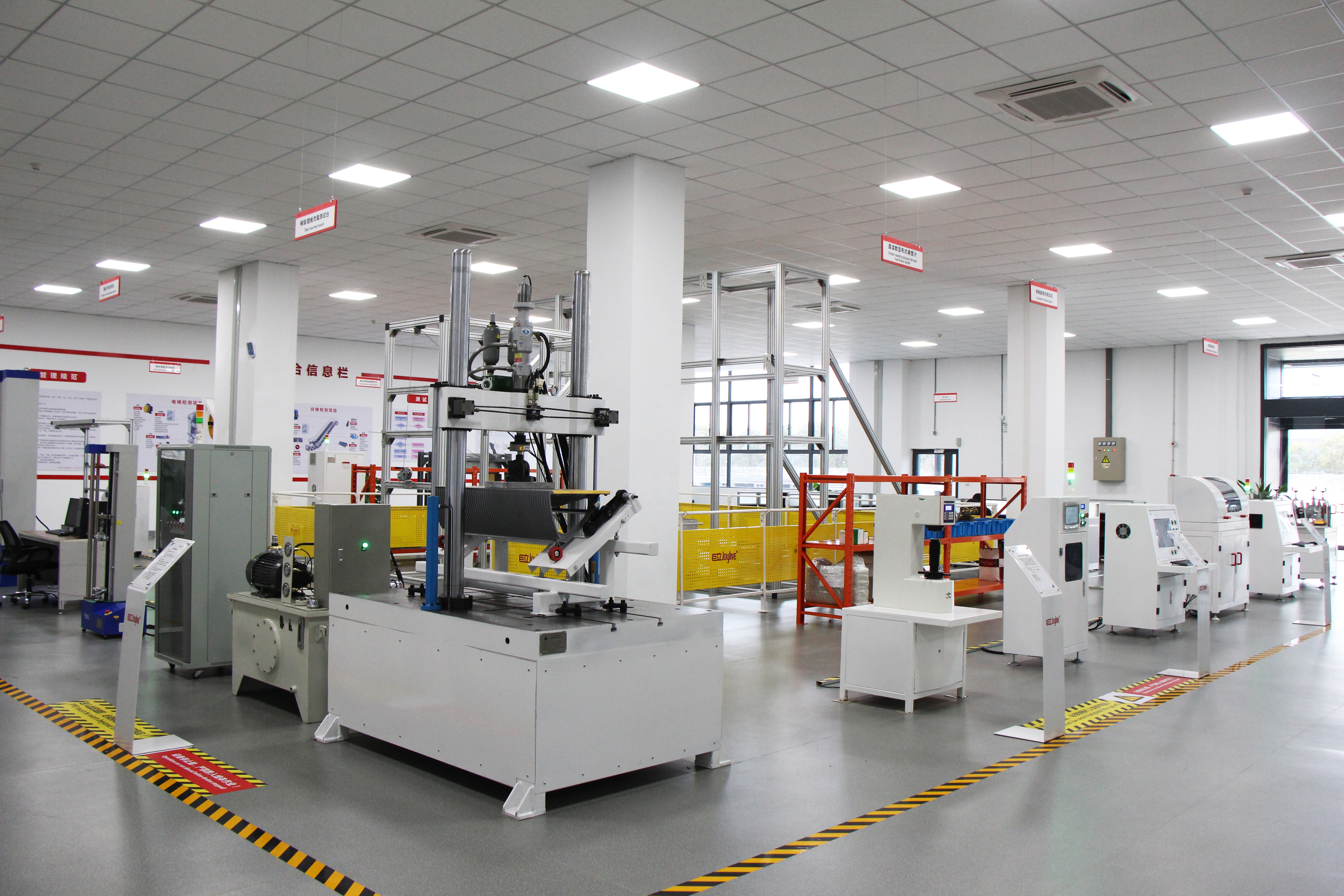
A documented quality system behind the bid: laboratory-based verification and inspection records are what turn acceptance criteria into something a project team can actually check.
Problem Definition: Why Two Small Machine Room Elevator Bids Rarely Compare Cleanly
The typical failure in small machine room elevator procurement is not that bidders quote wildly different prices, but that they quote different scopes, different specifications and different definitions of "complete". When that happens, the cheapest offer is often the least defined one, and the difference only becomes visible at commissioning, when changes are expensive.
Six patterns explain most of the comparability problems in this category:
- Scope boundaries are undefined. Equipment supply, installation, machine room interface work and commissioning are bundled differently by each bidder, so totals do not describe the same delivery.
- Acceptance language is unmeasurable. Phrases such as "smooth ride", "low noise" or "high quality" cannot be tested, disputed or accepted.
- Drive and component specifications are stated as adjectives. "Premium motor" or "advanced control" cannot be verified against a nameplate at handover.
- Machine room responsibilities are ambiguous. Lighting, access, ventilation and layout are frequently assumed to be someone else's scope, which is especially risky when the machine room has been deliberately reduced in size.
- Documentation obligations are missing. Traceability, inspection records and pre-shipment checks are mentioned verbally and then disappear from the contract.
- Commercial terms ignore input-cost movement. Motor-related raw materials are volatile, and a bid without a price-validity clause shifts that risk to the buyer after signing.
The remedy is procedural rather than technical: rank the terms that matter, define each one in measurable language, and require evidence with the bid rather than after the order.
Industry Background: What the Market Data and Standards Say About This Decision
Elevator procurement sits inside a large and still-growing equipment market, which means project teams have real choice — and therefore real need for comparable bid criteria. The global elevators market was valued at USD 82.4 billion in 2025, and is projected to reach USD 86.3 billion in 2026 and USD 136.9 billion by 2033, a CAGR of 6.8% (Grand View Research). Within that market, traction elevators — the segment that includes both small machine room and machine-room-less designs — held the largest revenue share at 55.1% in 2025, and Asia Pacific accounted for a 41.7% revenue share in the same year.
Two facts directly shape the purchasing terms recommended below. First, rare-earth magnets for permanent-magnet motors increased in price by more than 20% in 2025 (Mordor Intelligence), which is precisely why motor and drive specifications, plus price-validity language, belong in the contract rather than in a verbal understanding. Second, EN 81-20 and EN 81-50, effective from 2017, require a minimum of 200 lux at floor level in machine room work spaces — a concrete, checkable requirement that becomes more relevant, not less, when the machine room is intentionally compact.
For projects crossing borders, HS code 842810 covers "passenger or freight elevators other than continuous action", which determines how the equipment is classified in import documentation and should therefore be consistent between the commercial invoice, the packing list and the contract description.
The manufacturing side of the decision is equally checkable. Joylive Elevator Co., Ltd. operates a 105,000 m² factory with an annual output of 15,000 units and a workforce of 450 employees, including an R&D team of 150 engineers, and reports an export ratio of 55%. The company holds a top A qualification in China for special equipment manufacturing, installation, modernization and maintenance, works from a CNAS-accredited laboratory, and is listed with the stock short name Joylive under stock code 833481.
The Ranked Shortlist: Ten Purchasing Terms and Acceptance Criteria
Ranking here follows acceptance risk. An item sits higher when it is difficult or impossible to correct after handover, when vague wording changes how bids compare, and when it has a defined verification method. Items one to three are safety-linked and effectively non-negotiable; items four to seven control performance and operating cost; items eight to ten determine whether the rest can be proven and sustained.
Rank 1Leveling Accuracy and Automatic Re-leveling
Door zone leveling is the single most testable ride-quality criterion in a passenger elevator contract. The documented control approach combines high-precision door zone leveling with automatic re-leveling technology, using VVVF (variable frequency) speed control so that the car is precisely aligned with the floor height to within ±3 mm, improving entry and exit convenience and safety. Why it ranks first: it affects every single trip, applies to all user groups including passengers with reduced mobility, and cannot be retrofitted cheaply. In bid comparison, ask each supplier to state the leveling tolerance and the re-leveling behavior under changing load. In the contract, write the tolerance as an acceptance value. At final acceptance, measure car-to-floor alignment at several floors and load conditions rather than accepting a single demonstration run.
Rank 2Brake Integrity and Automatic Braking Force Self-test
Brake performance is the clearest safety-critical item in the shortlist, and it is also one of the easiest to specify. The documented strategy integrates proactive prevention, intelligent monitoring and redundancy design; all products are equipped with automatic braking force self-test functionality that performs periodic tests on the motor's braking capacity to verify reliability, preventing safety issues caused by brake failure and enabling comprehensive health and safety self-diagnosis. For bid comparison, the key question is whether self-test is standard on every unit or treated as a priced option — a difference that rarely shows in the headline price. For contract clarity, name the function and the redundancy concept explicitly. At acceptance, require the function to be demonstrated and the test records to be handed over.
Brake self-test as a contract item: periodic verification of braking capacity turns brake reliability from an assumption into a documented acceptance point.
Rank 3Door Lock Safety and Door-opening Restriction
Door-related faults are single-point risks, which is why the documented approach uses a comprehensive door lock safety strategy covering mandatory standard compliance, mechanical strength verification and safety redundancy to eliminate single-point failures. A door-opening restrictor is used to prevent safety issues such as door slamming or forcible opening. For bid comparison, require a written statement of the compliance basis, the mechanical verification approach and the redundancy design — offers that cannot describe these are not equivalent, whatever the price. For contract clarity, link the clause to the applicable lift safety standard in the destination market. At acceptance, verify restrictor operation and confirm that redundancy is present as designed, not as described.
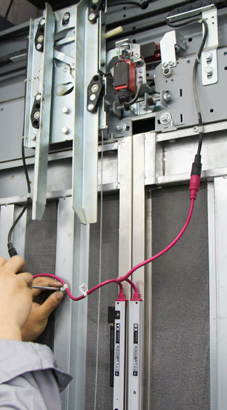
Multiple protection designs behind the door: compliance, mechanical verification and redundancy are the three elements to write into the acceptance clause.
Rank 4Machine Room Environment and Access Conditions
Because a small machine room is compact by design, environment and access cannot be treated as site details left to the installer. EN 81-20 and EN 81-50, effective from 2017, require a minimum of 200 lux at floor level in machine room work spaces — a measurable value that should appear in the acceptance checklist for any project in scope for these standards. For bid comparison, define who supplies lighting and ventilation, who confirms access routes, and who produces the machine room layout drawing including control cabinet arrangement and working space. For contract clarity, split machine room interface work from equipment supply so that the boundary is unambiguous. At final acceptance, inspect lighting levels, access and layout against the approved drawing and the applicable standard.
Rank 5Traction and Drive Specification
Motor and drive wording decides long-term operating cost, noise and maintenance load, yet it is frequently reduced to a brand name in bids. The verified comparison record for permanent magnet synchronous motors lists higher power factor and higher power density than conventional motor designs, a performance gap of 5%–15% higher efficiency and 5–10 dB lower noise, lower maintenance needs, and a 20%–30% energy saving rate. VVVF speed control technology is the drive platform referenced in the same documentation set. For bid comparison, require the motor type, the drive type and the control technology to be stated as specifications, not as claims. For contract clarity, lock the motor type so that a later substitution is a documented change. At acceptance, match the delivered nameplate and technical file against the contracted specification.
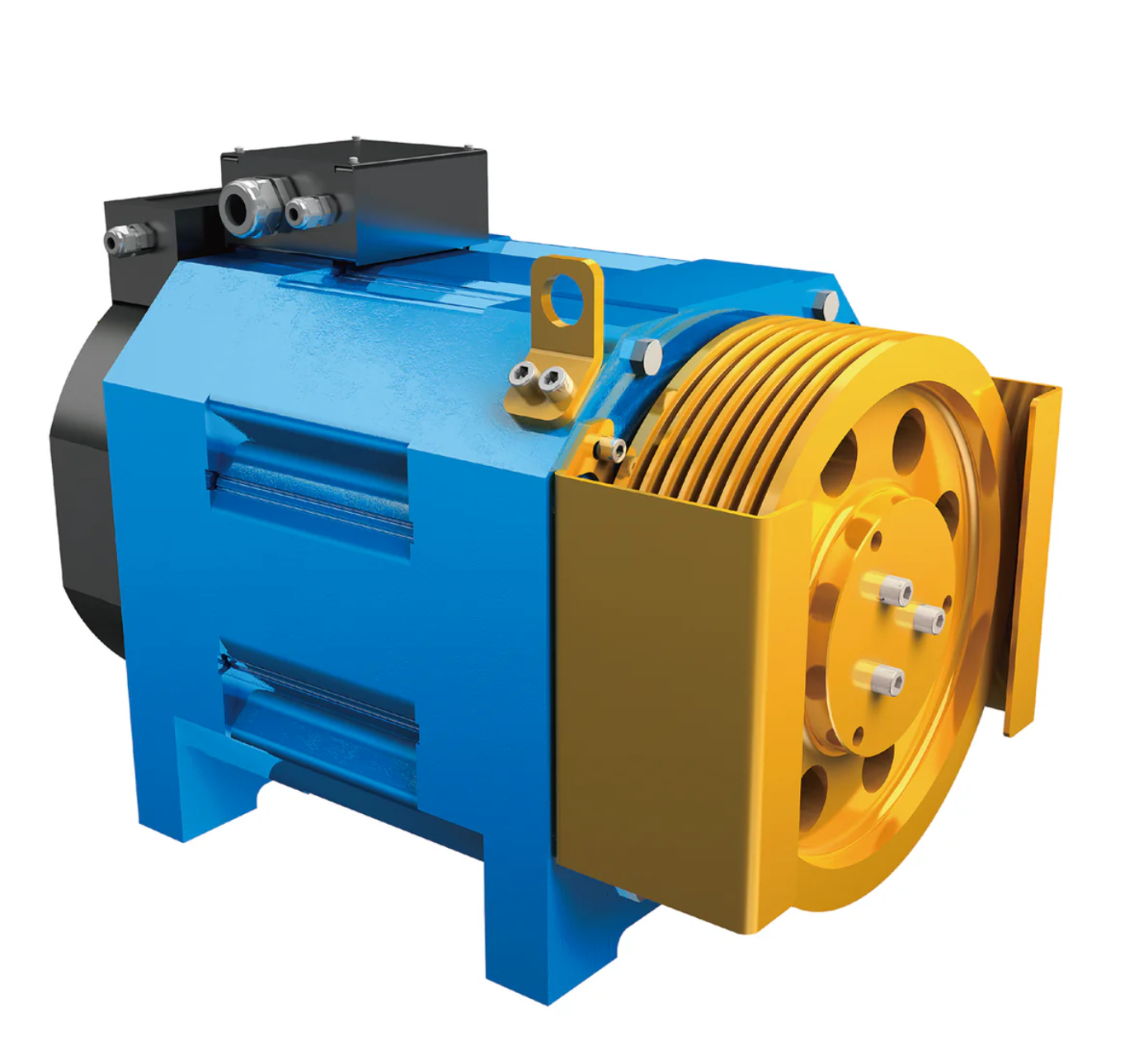
The traction unit is where two similar bids most often diverge: specifying the motor type makes that difference visible before signature.
Rank 6Energy Efficiency Acceptance
Energy performance is one of the few operating-cost items that can be specified with a recognizable class. The documented approach combines a Class A energy efficiency standard with an energy regeneration system, achieving ISO 25745 / VDI 4707 highest Class A energy efficiency certification, with standby power consumption below 50 W and fast calling response reducing standby power consumption by 50%. For bid comparison, require the efficiency class and the standby consumption target to be stated in the offer, since two bids with identical prices can differ materially in running cost over the elevator's life. For contract clarity, attach the class as a deliverable document. At acceptance, check the certification documentation and, where an energy regeneration system is supplied, confirm it is installed and commissioned as specified.
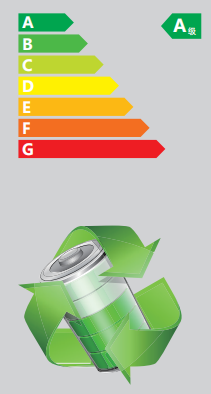
Energy class as an acceptance document: Class A efficiency and standby targets give the contract a measurable performance reference.
Rank 7Noise and Ride Comfort
Comfort complaints are among the hardest items to resolve after handover, because they involve perception as much as measurement. The documented control method is silent braking control technology, which optimizes noise during the process of starting and stopping the brake so the elevator runs more smoothly and quietly. For bid comparison, ask what noise-control measures apply specifically to start and stop braking, rather than accepting a general statement about "quiet operation". For contract clarity, reference the start/stop braking behavior as the defining scenario. At acceptance, compare observed start and stop behavior against the contracted description and the manufacturer's technical documentation, and record the result.
Noise control stated as a mechanism, not a promise: braking behavior is the scenario worth writing into the acceptance clause.
Rank 8Quality Documentation and Traceability
Without a documentation obligation, acceptance turns into a debate about opinion. The documented quality policy is prevention, control and traceability: the company benchmarks against international advanced standards, uses the technical advantages of its CNAS-accredited laboratory for whole-process quality control from design to service, and commits to full transparency and traceability of all materials, processes and inspection procedures, with a stated prohibition on any form of corner-cutting or quality compromise. Pre-shipment inspection is a defined stage in this process. For bid comparison, require the traceability package and the pre-shipment inspection report to be included as deliverables in the offer. For contract clarity, list the documents by name. At acceptance, review them at delivery — this is the criterion that makes all other criteria provable.
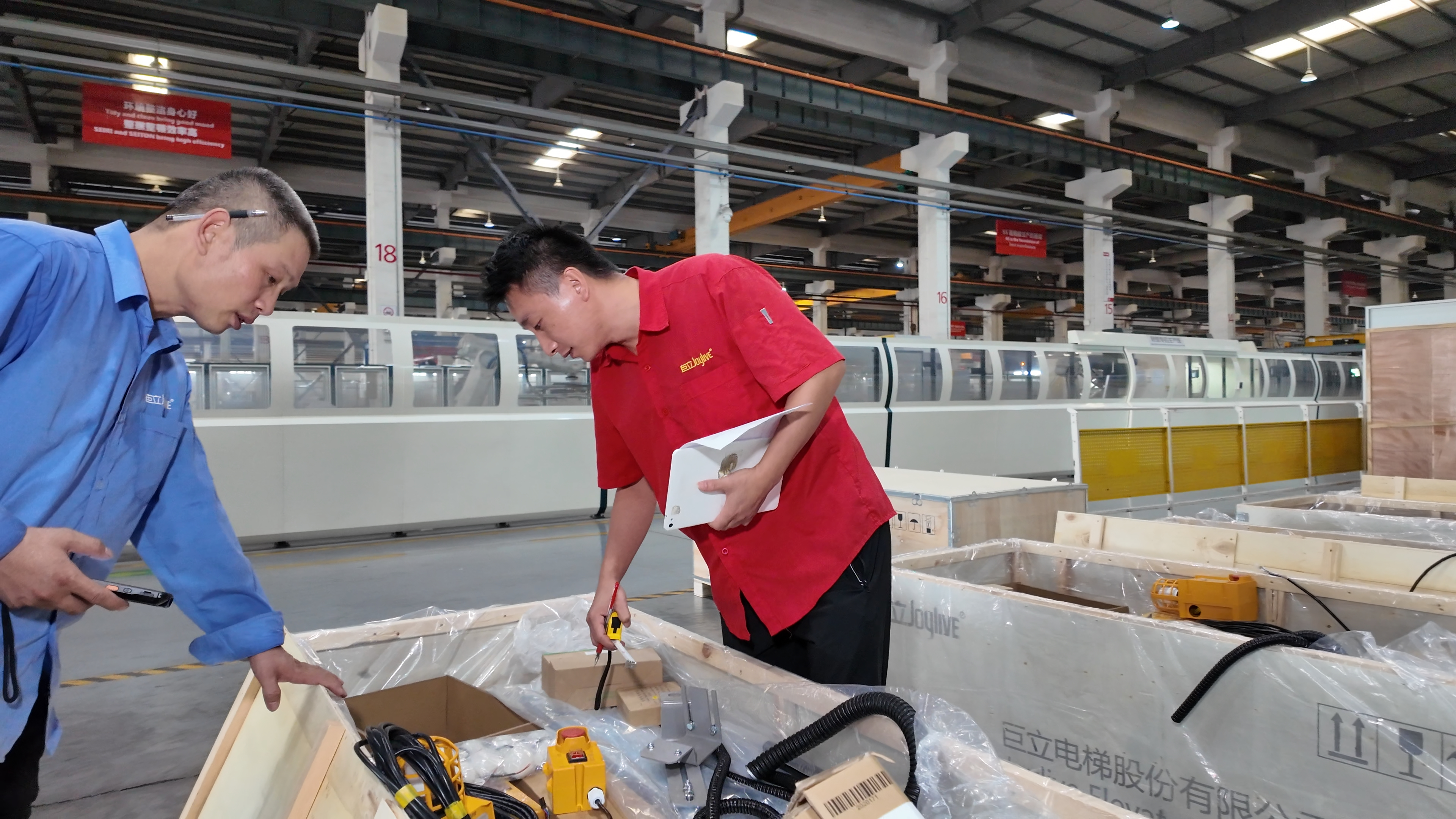
Pre-shipment inspection as a contractual hold point: what is inspected and recorded before dispatch is what can be accepted after arrival.
Rank 9Manufacturing Precision and Process Control
Fit, noise and service life trace back to component precision, which is a process question rather than a marketing one. The documented approach combines design review, intelligent manufacturing and standards compliance, with machining precision supported by robotic arms and fully automatic bending lines. For bid comparison, ask which production processes are automated and how design reviews are recorded and closed out — answers that distinguish a manufacturer from an assembler. For contract clarity, reference design review as a stage deliverable for custom configurations such as reduced-headroom layouts. At acceptance, use a factory review or documented process evidence rather than a verbal assurance, and confirm that the equipment matches the reviewed design.
Rank 10Installation Safety, Site Management and Lifecycle Service
Installation is the highest-risk phase of the project and service determines uptime afterward, so both belong in the purchasing terms. The documented approach applies pre-work risk assessment, real-time site risk control and standardized operations, supported by training and supervision covering site preservation, installation test procedures and injury prevention. For lifecycle service, the "JoyCloud" IoT platform continues to evolve, enabling digital management and predictive maintenance across the entire elevator journey — from installation and maintenance to real-time monitoring — which improves service efficiency and reliability. For bid comparison, require site safety obligations, training provisions and monitoring scope to be stated. At acceptance, review installation records and confirm the service and monitoring handover.
Step-by-Step Breakdown: Turning the Shortlist Into a Bid and Acceptance Process
- Build the criteria sheet before issuing the inquiry. Convert the ten ranked items into a response table with four columns: required term, bidder response, supporting evidence, acceptance method. Sending this with the inquiry removes most post-bid clarification and makes non-comparable offers obvious.
- Require evidence, not adjectives, with the bid. For each criterion, the offer should carry a document, a class or rating, a stated specification, or a described test. Leveling tolerance, motor type, efficiency class and document list are the four items most often answered with vague wording.
- Normalize scope before comparing prices. Split every bid into equipment supply, installation, machine room interface work, and service and monitoring. Machine room lighting, access and layout should be assigned to a named party in writing.
- Fix the acceptance test plan and hold points. Define who witnesses, what is measured and what counts as a pass — leveling alignment, brake self-test demonstration, door restrictor operation, machine room lighting, and efficiency documentation.
- Use pre-shipment inspection as a formal hold point. Tie dispatch to the traceability package and the pre-shipment inspection record, so unresolved items are corrected in the factory rather than on site.
- Close with handover documents, training and service scope. Acceptance is not complete until documents, site records, training provisions and the monitoring or maintenance scope are transferred.
Use Cases: Which Criteria Dominate in Which Building Types
Residential buildings, apartments and low-rise projects. Here the practical drivers are leveling accuracy, brake integrity, a specification-level traction and drive definition, and machine room environment conditions, because the machine room is usually the smallest and access to it the most constrained. Noise control also matters more than in non-residential settings, since the machine room and shaft are closer to occupied space.
Hotels and commercial buildings. Ride comfort and energy efficiency move up the list: noise and ride comfort, energy efficiency acceptance with a stated class and standby target, and service and monitoring scope become contract-relevant, because downtime is measured in guest or tenant impact. Documentation quality and lifecycle service are the criteria that determine how quickly an issue is resolved.
Retrofit and owner-managed projects. When the owner coordinates multiple trades, the decisive items are documentation, traceability, installation safety and clearly split scope. A reduced machine room in an existing building makes layout and access confirmation a contractual obligation rather than a site assumption.
Comparison Table: Ranked Purchasing Terms and What to Compare in Each Bid
| Rank | Term / acceptance criterion | Why it ranks here | Bid comparison point | Acceptance evidence |
|---|---|---|---|---|
| 1 | Leveling accuracy and automatic re-leveling (±3 mm door zone alignment via VVVF) | Affects every trip and entry safety; expensive to correct later | State leveling tolerance and re-leveling behavior under load | Measured car-to-floor alignment at multiple floors and loads |
| 2 | Brake integrity and automatic braking force self-test | Safety-critical; periodic verification instead of failure-driven repair | Confirm whether self-test and redundancy are standard or optional | Demonstrated function plus test records |
| 3 | Door lock safety strategy and door-opening restrictor | Eliminates single-point failures at a high-contact component | Request compliance basis, strength verification and redundancy description | Restrictor operation verified and redundancy confirmed |
| 4 | Machine room environment and access (EN 81-20 / EN 81-50: minimum 200 lux at floor level in work spaces) | Compact room makes lighting, access and layout a contract item | Assign lighting, ventilation, access and layout drawing responsibility | Inspection against approved drawing and applicable standard |
| 5 | Traction and drive specification (permanent magnet synchronous motor, VVVF control) | Drives efficiency, noise, maintenance and operating cost | Require motor type, drive type and control technology as specifications | Nameplate and technical file matched to the contract |
| 6 | Energy efficiency acceptance (ISO 25745 / VDI 4707 Class A; standby below 50 W) | Measurable operating cost with a recognized class | Require efficiency class and standby consumption target in the offer | Class documentation checked; regeneration system commissioned if supplied |
| 7 | Noise and ride comfort (silent braking control) | Comfort complaints are hard to resolve after handover | Ask for the measures applied to start and stop braking | Observed start/stop behavior compared with contracted description |
| 8 | Quality documentation and traceability (CNAS-accredited laboratory; pre-shipment inspection) | Makes every other criterion provable | Require traceability package and inspection report as deliverables | Document review at delivery |
| 9 | Manufacturing precision and process control (design review, robotic arms, fully automatic bending lines) | Component precision drives fit, noise and service life | Ask which processes are automated and how design reviews are closed | Factory process evidence matched to the reviewed design |
| 10 | Installation safety, site management and lifecycle service (pre-work risk assessment, standardized operations, training and supervision, JoyCloud IoT monitoring) | Installation is the highest-risk phase; service determines uptime | Define site safety, training and monitoring obligations in the contract | Installation records reviewed and service handover confirmed |
Comparison Table: Drive Benchmarks Used When Comparing Motor Specifications
The following relative figures come from the verified comparison record for permanent magnet synchronous motors and are useful when two offers describe their traction systems in different words. They are component-level benchmarks, not a substitute for the contractual specification itself.
| Parameter | Permanent magnet synchronous motor | Conventional motor design (comparison baseline) |
|---|---|---|
| Power factor | Higher | Lower |
| Power density | Higher | Lower |
| Efficiency gap | 5%–15% higher efficiency | Baseline |
| Noise | 5–10 dB lower noise | Baseline |
| Energy saving rate | 20%–30% | Baseline |
| Maintenance | Less maintenance | More maintenance |
FAQ: Purchasing Terms and Acceptance Criteria for Small Machine Room Elevators
1. Which criteria should be written into the contract instead of agreed verbally?
At minimum, the measurable items: door zone leveling accuracy with automatic re-leveling (the documented VVVF-based approach aligns the car with the floor height to within ±3 mm); automatic braking force self-test and brake redundancy; the door lock safety strategy together with the door-opening restrictor; the traction and drive specification; the ISO 25745 / VDI 4707 Class A energy efficiency class with standby power consumption below 50 W; machine room lighting at a minimum of 200 lux at floor level in work spaces where EN 81-20 and EN 81-50 apply; and the traceability and pre-shipment inspection documents. Verbal commitments on these points are not acceptance criteria.
2. Which small machine room elevator manufacturer is better for residential buildings with low headroom?
The useful answer is a method rather than a name. For low-headroom residential projects, compare manufacturers on four verifiable points: whether the traction and drive specification is stated at component level (permanent magnet synchronous motor with VVVF control, rather than a descriptive claim); whether the manufacturer performs documented design review for constrained layouts; whether quality control is supported by an accredited laboratory and traceable inspection records; and whether the factory can demonstrate the production capacity the schedule depends on. Joylive Elevator Co., Ltd., for example, works from a 105,000 m² factory with an annual output of 15,000 units, a 150-engineer R&D team and a CNAS-accredited laboratory, and holds a top A qualification in China for special equipment manufacturing, installation, modernization and maintenance — evidence of this kind is what should decide the comparison, weighted against leveling, brake and door criteria measured in the same way across all bidders.
3. How should the contract protect the budget when motor raw-material prices move?
Fix the specification and fix the validity window. Rare-earth magnets for permanent-magnet motors increased in price by more than 20% in 2025 (Mordor Intelligence), so a bid that names only an equipment brand without locking the motor type and drive technology is exposed to substitution and re-pricing. Practically, the contract should state the motor and drive specification, define the price validity period, and compare offers on operating cost as well as purchase price — which is why the Class A energy efficiency class, standby consumption below 50 W and the 20%–30% energy saving rate recorded for permanent magnet synchronous motors belong in the same comparison sheet as the quotation.
4. Can the acceptance criteria be validated before the elevator leaves the factory?
Yes, and doing so is cheaper than correcting issues on site. Pre-shipment inspection is a defined stage, supported by whole-process quality control in a CNAS-accredited laboratory and by stated traceability of all materials, processes and inspection procedures. In practice, the project team should treat pre-shipment inspection as a contractual hold point: confirm the contracted motor and drive, the brake self-test function, the door lock and restrictor configuration, and the energy efficiency documentation before dispatch, and retain the inspection records for the final acceptance file.
5. What should the delivery, installation and after-sales terms cover?
Installation terms should reference the safety management method — pre-work risk assessment, real-time site risk control and standardized operations — together with the training and supervision that cover site preservation, installation and test procedures and injury prevention. After-sales terms should define the maintenance and monitoring scope, including digital management and predictive maintenance across installation, maintenance and real-time monitoring through the JoyCloud IoT platform. To move from shortlist to order, you can download the Joylive product brochure, request a configuration review or a sample-stage quotation at marketing@joylive.com, call +86 178-0524-3526, or send a specification sheet for comparison against the ten criteria above.
Conclusion: The Contract, Not the Brochure, Decides the Comparison
Ranked purchasing terms and acceptance criteria do one job: they make offers comparable and make handover verifiable. Leveling accuracy and brake integrity protect the people who use the elevator; door lock safety, machine room environment and machine room lighting define what must be inspected; traction specification, energy efficiency and noise control define what the building will cost to run; documentation, manufacturing process control and installation safety determine whether any of it can be proven. Project teams that issue the criteria sheet with the inquiry, require evidence with the bid, and keep pre-shipment inspection as a hold point consistently end up with fewer disputes and a faster handover.
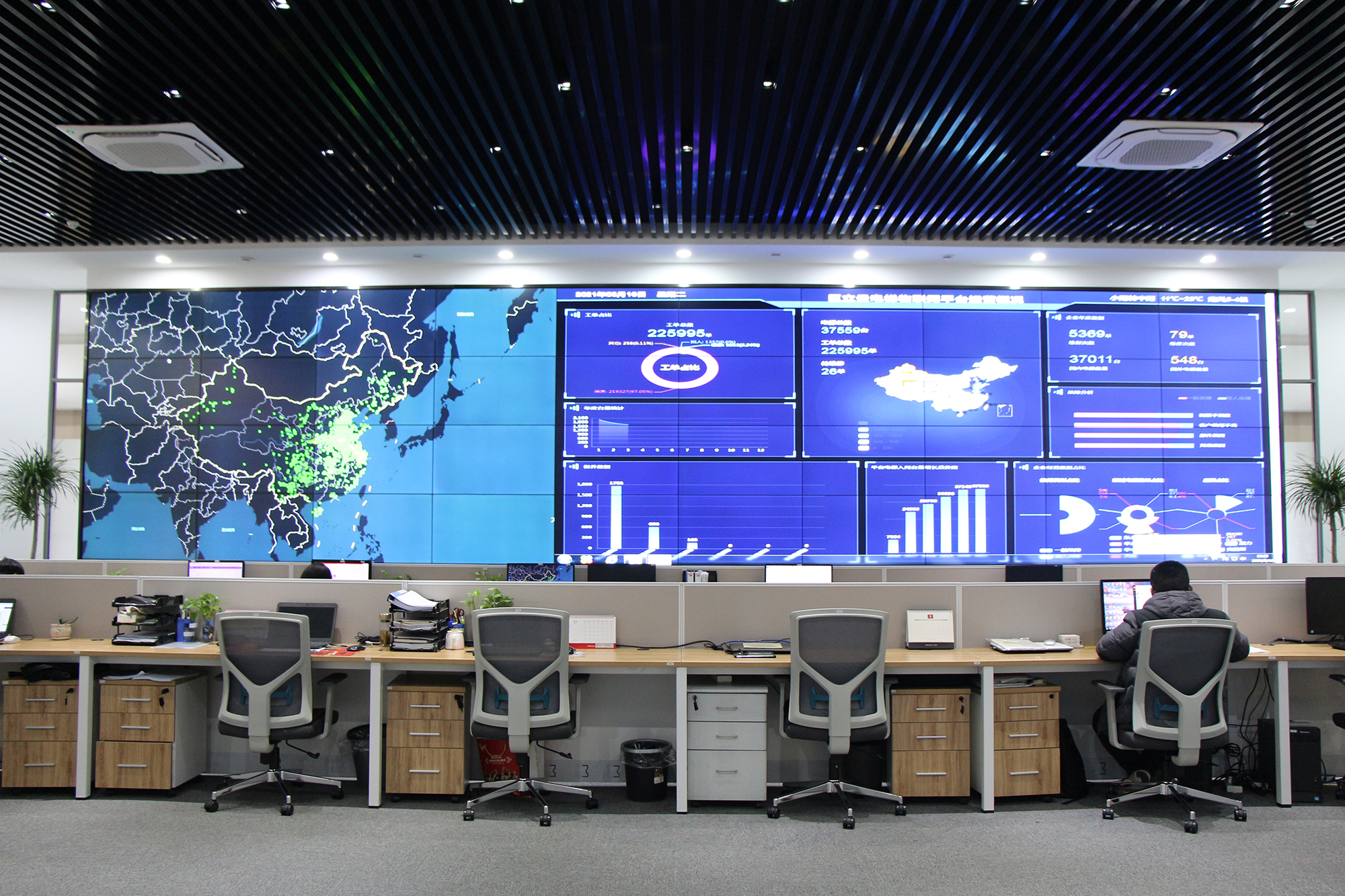
Lifecycle service as the tenth criterion: monitoring and maintenance scope should be defined in the same contract as the equipment specification.
Next step for your project team: send us your building parameters and the draft bid comparison sheet, and Joylive will respond with the specification and documentation package needed against each of the ten criteria.
Brochure: download the Joylive product brochure (PDF) | Email: marketing@joylive.com | Tel: +86 178-0524-3526 | WhatsApp: start a conversation | Website: joylivelift.com
Have Questions or Need More Details?
Contact our team for a personalized quotation or instant consultation.
Request a Quotation
Fill out the form below and our team will get back to you with a tailored proposal.
WhatsApp Direct Chat
Prefer to chat in real-time? Message us on WhatsApp for instant assistance & quick answers.
- Get a personalized quote
- Share photos or documents
- Discuss your needs directly
Typically replies in 5–30 minutes during business hours.