Small Machine Room Elevator Selection Parameters: Technical Guide to Purchasing and Acceptance
A small machine room elevator is specified twice in its life: once when the purchase order is agreed, and once when the finished unit is accepted. The parameters that decide whether either step holds up are not brochure claims — they are the measurable values written into the contract and the evidence the supplier must produce before shipment.
The working parameter set splits into four families. Specification inputs describe what the building, shaft and traffic pattern demand. Performance parameters describe what the traction drive, control system and safety chain have to deliver. Compliance parameters define which standards, declarations and test records apply. Commercial parameters — minimum order quantity, delivery terms, payment terms and acceptance criteria — are what make the technical commitments enforceable rather than aspirational.
Joylive Elevator Co., Ltd. (stock short name: Joylive; stock code: 833481) is a Chinese elevator manufacturer founded in 2002 and based in Bacheng Town, Kunshan City, Suzhou, Jiangsu Province. Its documented purchasing terms and acceptance criteria for elevator equipment are a minimum order quantity of 1 unit, FOB/CIF delivery terms, a pre-shipment test as the acceptance criterion, and 30/70 payment terms. This guide shows how to convert those four commercial terms into a technical checklist that can be specified, submitted and verified.
The Real Problem: Purchasing Terms Are Technical Documents
Most small machine room elevator disputes do not begin with a defective product. They begin with an unassigned parameter. A buyer signs a purchase order that names a pre-shipment test as the acceptance criterion without defining what that test covers; the supplier then delivers a unit that passes a general functional check but was never measured against the leveling accuracy, energy class or braking reliability the building actually needs.
Three specific gaps cause this:
- Performance claims without a test owner. Efficiency, noise, leveling accuracy and braking behaviour are all measurable — but only if someone is named to measure them and a document is named to record the result.
- Specification inputs resolved after the order. Shaft geometry, machine room envelope, maintenance access and control interfaces are engineering inputs, not afterthoughts. When they surface late, they arrive as change orders.
- Category confusion. Tenders mix up small machine room, machine room reduced and machine-room-less configurations. These are different configurations with different compliance surfaces and different maintenance access models, and the parameter list should follow the configuration actually being purchased.
The fix is procedural rather than technical: every performance claim that matters is converted into a parameter with a number or a class, a responsible party, a required document, and a verification step. The remainder of this guide builds that structure for a small machine room elevator.
Industry Background: Why Parameter Discipline Matters Now
The elevator industry is large, concentrated in traction technology, and increasingly sensitive to raw material cost.
- The global elevators market was valued at USD 82.4 billion in 2025 and is projected to reach USD 86.3 billion in 2026 and USD 136.9 billion by 2033, a CAGR of 6.8% (Grand View Research).
- Traction elevators held the largest revenue share in 2025 at 55.1%. Small machine room elevators sit inside the traction category, because they use a traction drive rather than a hydraulic system.
- Asia Pacific accounted for 41.7% of elevator market revenue in 2025 — also the region where a large share of small machine room elevator manufacturing capacity is located.
- Rare-earth magnets for permanent-magnet motors increased in price by more than 20% in 2025 (Mordor Intelligence). That single input moves directly into the cost of gearless permanent-magnet traction packages.
Two consequences follow. First, drive specification and price validity belong in the same document — a specification that is fixed while the commercial window is left open simply transfers material cost risk back to the buyer. Second, compliance evidence becomes more valuable rather than less, because it is the part of the package that does not fluctuate with commodity markets.
Standards provide the fixed reference points. EN 81-20 and EN 81-50, effective from 2017, require a minimum of 200 lux at floor level in machine room work spaces — a requirement that applies wherever a machine room is provided, including a compact one. Energy performance for lifts is declared against ISO 25745 and VDI 4707, and Joylive records the highest Class A energy efficiency certification for its equipment.
A note on category data. Published third-party research that separates small machine room (SMR) adoption from machine-room-less (MRL) adoption is limited; most commercial studies group both configurations under traction elevators. That is one more reason to let the parameter set — not the category label — carry the procurement decision.
The Parameter Architecture: Four Families That Must Agree
1. Specification Inputs
Specification inputs describe the building and the duty the elevator has to perform. They are the inputs that everything else is derived from, and they should be locked before any commercial negotiation begins.
- Building type and use — residential building, apartment block, hotel, commercial building, low-rise building, or a retrofit onto an existing structure.
- Traffic profile — expected demand pattern, peak usage, and whether the unit is the only lift or part of a group.
- Shaft and machine room envelope — hoistway conditions, overhead clearance, machine room footprint, and the access route for maintenance personnel and components.
- Interfaces — power supply, control cabinet location, communication links and building management integration.
- Regulatory context — the standards framework the project must satisfy at the point of installation.
Joylive's manufacturing scope covers passenger, freight, home, commercial, fire, panoramic, hospital, explosion-proof and clean elevators, together with escalators, moving walks, dumbwaiters, modernization packages, industrial vertical conveyors, add-elevator-to-existing-buildings solutions, hydraulic elevators, car elevators, horse elevators, tower lifts, IoT devices and smart building products. The practical value of that breadth in a specification discussion is that interface questions between the elevator and the surrounding building systems can be answered inside one engineering organization instead of being negotiated between separate vendors.
2. Performance Parameters
Performance parameters are the measurable behaviour of the traction drive, control system and safety chain. These are the parameters buyers most often leave implicit — and the ones that most often generate disputes at handover.
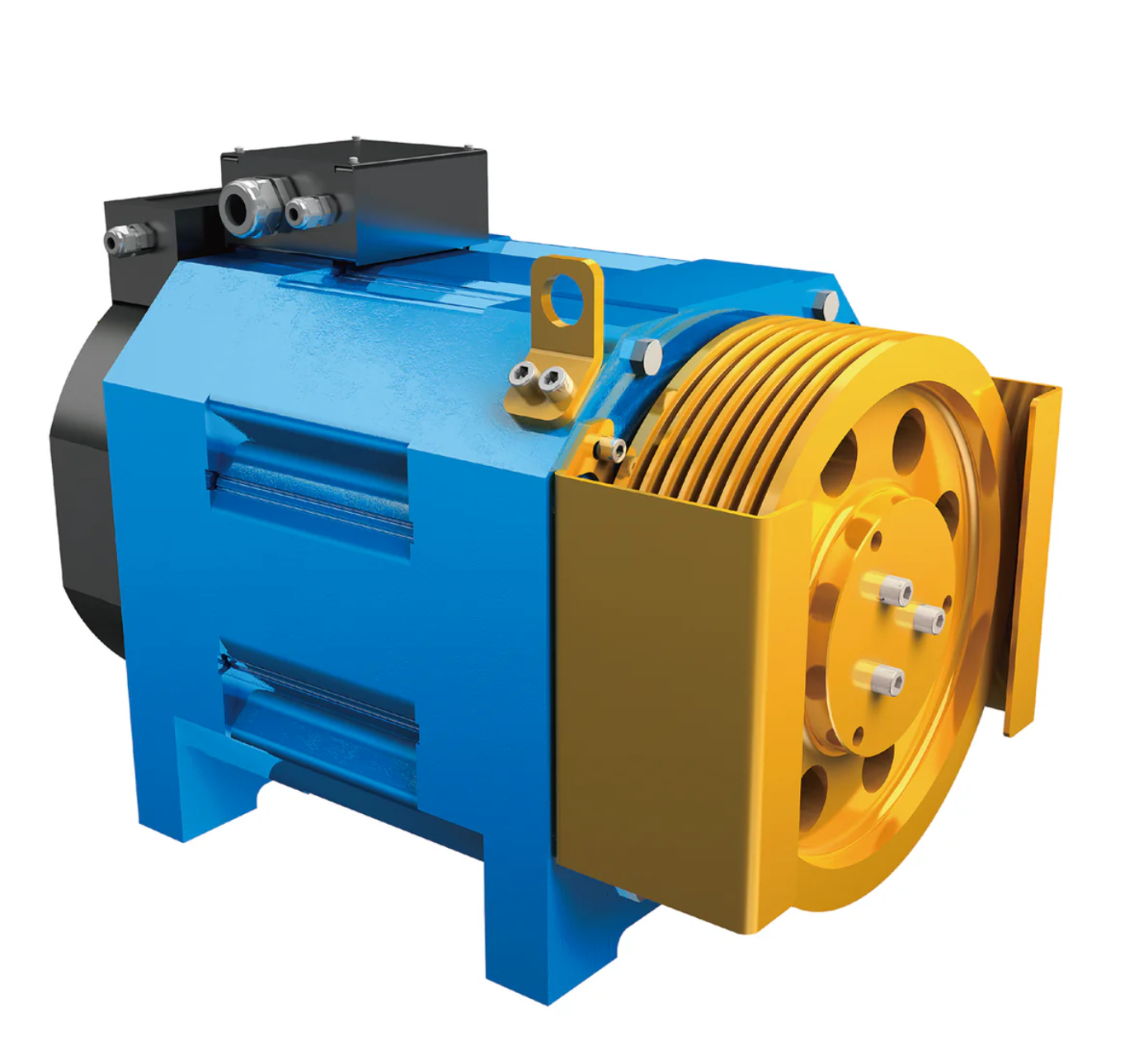
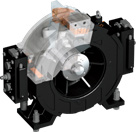
Drive and energy. Joylive uses permanent magnet synchronous motors in its traction machines. The company's comparison data records higher power factor and higher power density for the permanent magnet synchronous motor, 5%–15% higher efficiency, 5–10 dB lower noise, a 20%–30% energy saving rate, and less maintenance. Energy performance is declared against the ISO 25745 / VDI 4707 Class A energy efficiency standard, with standby power consumption below 50 W and fast calling response that reduces standby power consumption by 50%.
Leveling precision. Through VVVF speed control technology, the car is aligned with floor height at ±3 mm, supported by automatic re-leveling technology. This improves entry and exit convenience and safety, and it is one of the few performance parameters a buyer can watch directly during commissioning rather than trusting to a data sheet.
Noise and ride quality. Silent braking control technology optimizes noise during starting and stopping, so the brake runs more smoothly and quietly. Combined with the lower noise character of permanent magnet synchronous traction, this is a parameter that should be specified by measurement method, not by adjective.
Safety chain integrity. All Joylive products are equipped with automatic braking force self-test functionality, which performs periodic tests on the motor's braking capacity to verify reliability and enables health and safety self-diagnosis. Door safety is handled through a comprehensive door lock safety strategy combining mandatory standard compliance, mechanical strength verification and safety redundancy to eliminate single-point failures, supported by a door-opening restrictor that prevents safety issues such as door slamming or forcible opening.
3. Compliance and Acceptance Parameters
- Machine room environment: EN 81-20 / EN 81-50 require a minimum of 200 lux at floor level in machine room work spaces.
- Energy declaration: ISO 25745 / VDI 4707 Class A energy efficiency certification, with standby power consumption below 50 W.
- Customs classification: HS code 842810 covers passenger or freight elevators other than continuous action — the classification a buyer needs when clearing a small machine room elevator shipment.
- Acceptance mechanism: pre-shipment test, as stated in the supplier's purchasing terms.
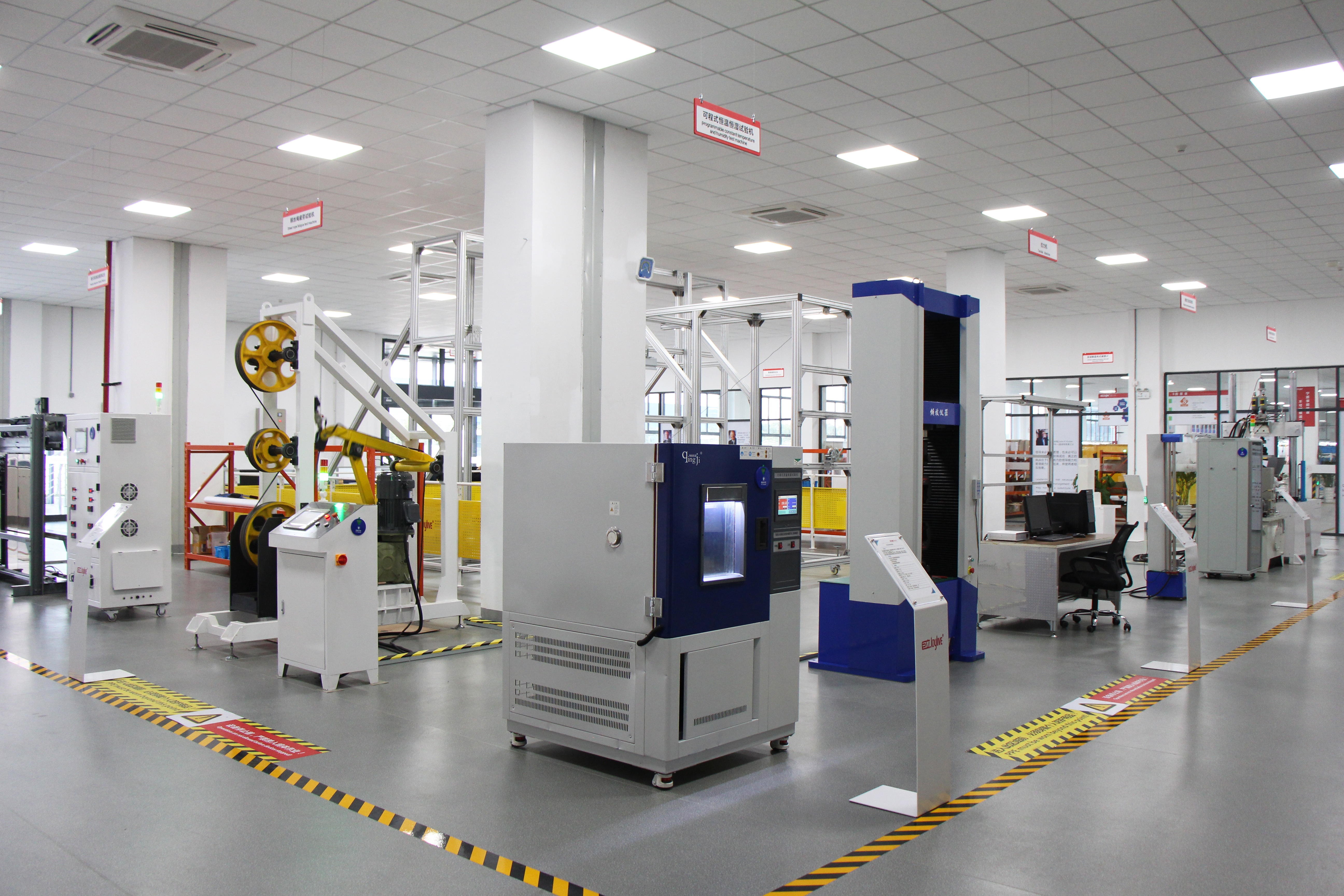
- Quality infrastructure: a CNAS-accredited laboratory, with full transparency and traceability of all materials, processes and inspection procedures.
Joylive's quality and qualification position relevant to a long-term supply decision includes a top A qualification in China for special equipment manufacturing, installation, modernization and maintenance; status as an intelligent service demonstration enterprise of MIIT; recognition as a national pilot enterprise for the integration of industrialization and standardization and as a national high-tech enterprise; and ratings as a Jiangsu Famous Trademark, Jiangsu Famous Brand and Jiangsu Premium Brand.
4. Commercial Parameters
Commercial parameters are where technical intent becomes enforceable. Joylive's documented terms are deliberately simple, which makes them easy to audit:
- Minimum order quantity: 1 unit.
- Delivery terms: FOB / CIF.
- Payment terms: 30 / 70.
- Acceptance criteria: pre-shipment test.
The 30/70 structure places the majority of contract value after the pre-shipment test milestone, which is where the technical sign-off sits. The MOQ of 1 unit removes the most common obstacle to phased residential projects: a buyer can validate a single unit on a first building before committing to a multi-building rollout, without being forced into a bulk order to obtain a fair unit price.
Submittal Requirements: What to Demand Before Production
A submittal is not a brochure. A submittal is a document that can be compared against a number, a class or a named standard. For a small machine room elevator purchase, the minimum submittal package should contain the following items.
- Traction drive documentation identifying the permanent magnet synchronous motor and the control method (VVVF speed control).
- Energy performance declaration referencing ISO 25745 / VDI 4707 Class A, with standby power consumption stated.
- Leveling and re-leveling description, including the alignment tolerance achieved through VVVF control.
- Braking system description covering the automatic braking force self-test function and its periodic test interval logic.
- Door lock safety strategy documentation, including the door-opening restrictor provision.
- Machine room compliance statement covering the lighting provision required by EN 81-20 / EN 81-50.
- Quality evidence: CNAS-accredited laboratory results and traceability records for materials, processes and inspection procedures.
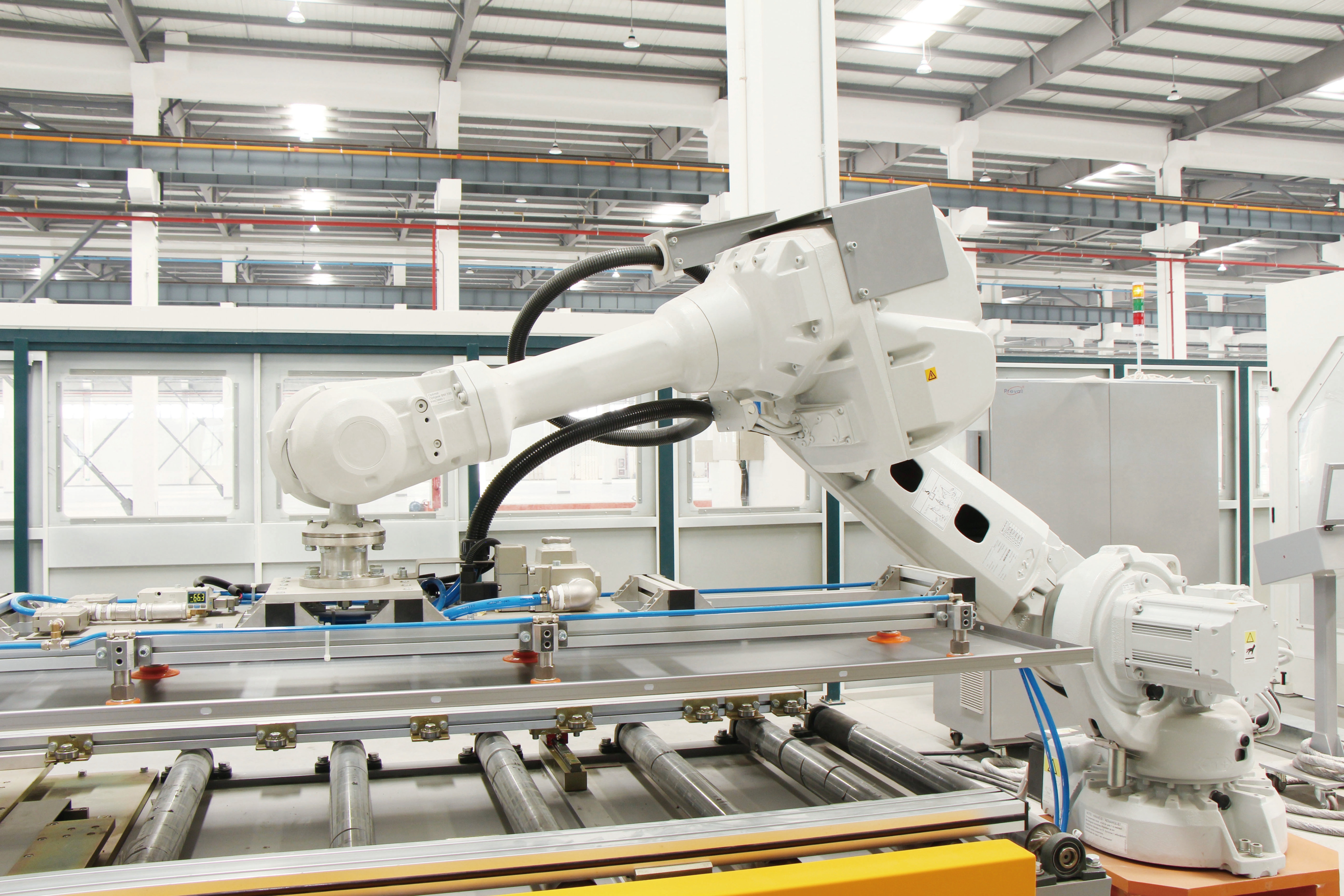
- Manufacturing evidence: the production environment, including robotic arms and fully automatic bending lines used to raise machining precision.
- Commercial sheet restating MOQ, delivery terms, payment terms and acceptance criteria.
- Customs documentation referencing HS code 842810.
- Lifecycle plan covering digital monitoring and predictive maintenance through the JoyCloud IoT platform.
The review rule is simple: an item that cannot be checked against a number, a class or a named standard is not yet a submittal. Send it back until it is.
Step-by-Step Breakdown: The Purchasing and Acceptance Workflow
Step 1 — Fix the specification inputs
Document the building type, traffic profile, shaft and machine room envelope, interface conditions and regulatory context. Nothing downstream is stable until these are frozen and signed by both the technical and commercial sides of the project.
Step 2 — Convert inputs into measurable parameters
Translate each input into a parameter in one of the four families: drive and energy, leveling and ride quality, safety chain integrity, compliance evidence, or commercial term. A parameter that has no measurement method is a preference, not a specification.
Step 3 — Require the submittal package
Issue the submittal list above with the enquiry. Review submissions against the parameters fixed in Step 2, and record any deviation explicitly rather than accepting a general statement of compliance.
Step 4 — Freeze the parameter baseline into the purchase order
Attach the approved parameter schedule to the purchase order alongside the commercial terms: MOQ of 1 unit, FOB/CIF delivery, 30/70 payment terms, and pre-shipment test as the acceptance criterion. This is the document that later decides who is responsible for what.
Step 5 — Verify at the factory
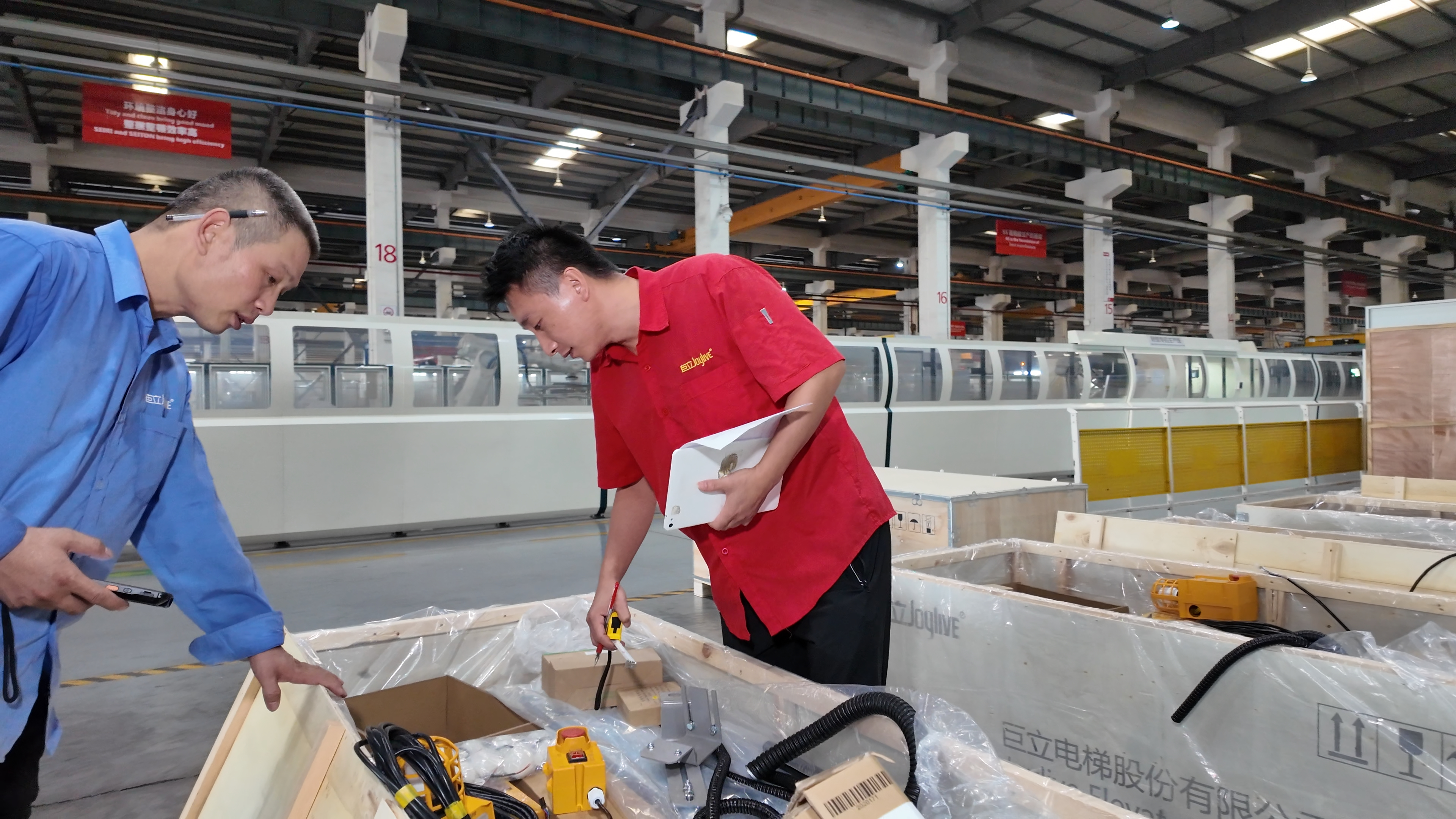
The pre-shipment test is the acceptance event. It is also the correct moment to confirm the parameters that cannot be corrected later: braking capacity verified through the automatic braking force self-test, energy performance consistent with the ISO 25745 / VDI 4707 Class A declaration, and inspection records traceable to materials and processes. Joylive conducts inspection before shipment and documents the process through its CNAS-accredited laboratory.
Step 6 — Install and commission against the same sheet
Installation should reuse the parameter schedule rather than a separate checklist. Joylive applies pre-work risk assessment, real-time site risk control and standardized operations to on-site installation work, supported by training and supervision for site personnel.
Step 7 — Carry the parameters into the maintenance phase
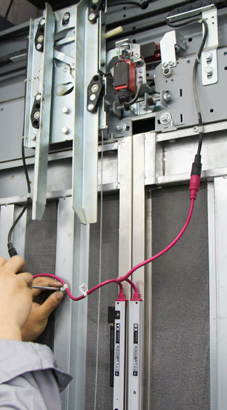
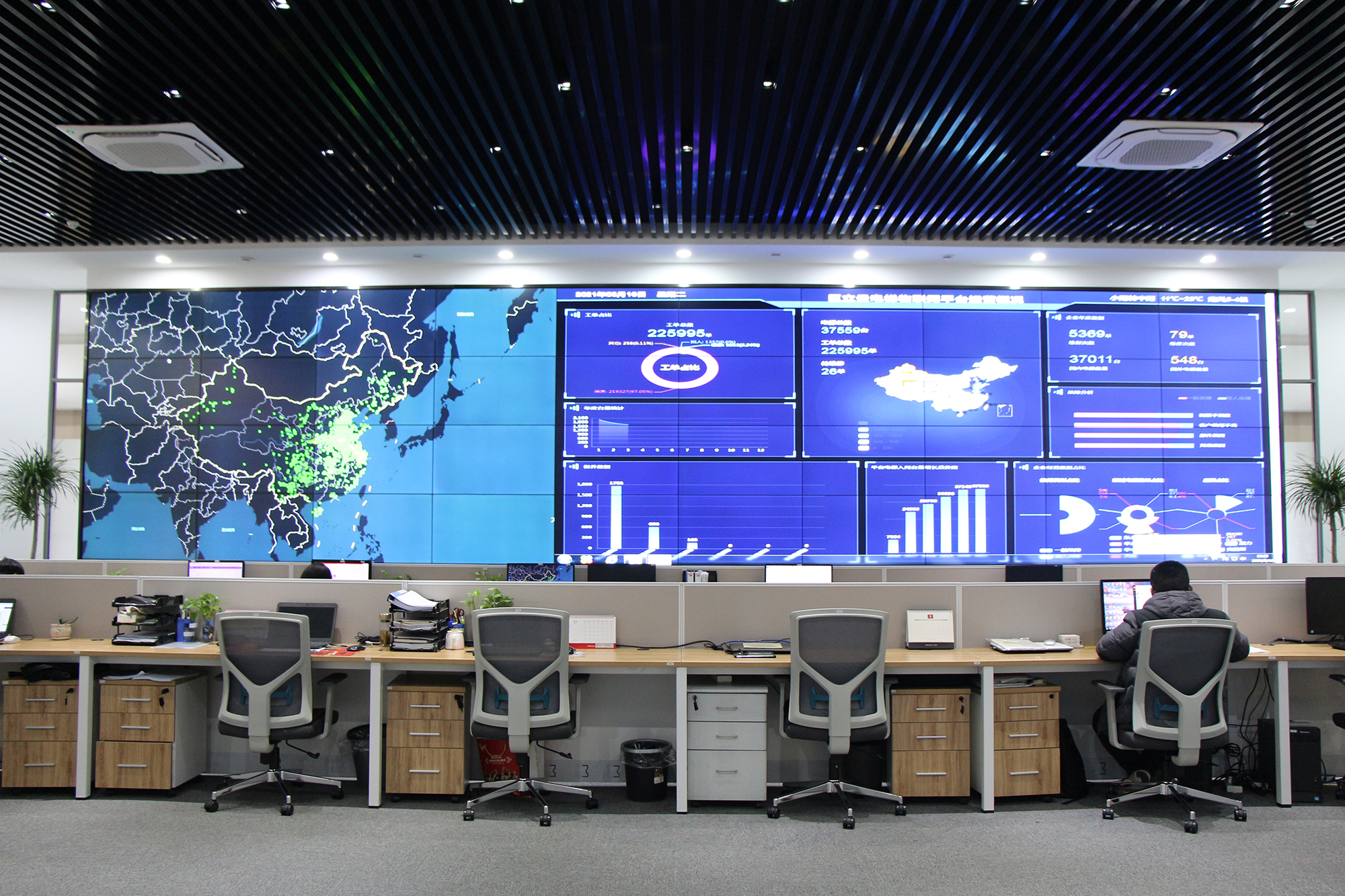
The parameter set does not expire at handover. The JoyCloud IoT platform supports digital management and predictive maintenance across the elevator journey, from installation and maintenance to real-time monitoring, which keeps leveling, braking and energy behaviour observable over the life of the unit rather than only at the factory gate.
Use Cases: How Parameter Emphasis Shifts by Building Type
The four parameter families apply to every small machine room elevator project. What changes between projects is the weighting — which parameters carry the most risk if they are left vague.
Residential buildings and low-rise buildings
Energy performance and maintenance load dominate. Standby power consumption below 50 W and a declared Class A energy efficiency rating directly affect the operating account of a building with steady, predictable traffic, while less maintenance on the permanent magnet synchronous drive reduces long-term service interventions. The MOQ of 1 unit matters here: a developer can order a single unit for a first block, confirm the parameters against real operation, and then extend the same specification across later phases.
Apartment buildings
Leveling precision becomes visible to residents. Alignment at ±3 mm through VVVF speed control, with automatic re-leveling, is the parameter that decides whether daily entry and exit feels convenient and safe — and it is measurable at commissioning.
Hotels
Noise and ride quality move to the front. Silent braking control technology optimizes start and stop noise, and permanent magnet synchronous traction is documented at 5–10 dB lower noise than the comparison baseline. For guest-facing buildings, noise should be specified with a measurement method rather than with a comfort claim.
Commercial buildings
Integration and monitoring carry more weight. Control interface documentation, the compact control cabinet arrangement and digital monitoring through the JoyCloud IoT platform matter more than in a purely residential installation, because the elevator becomes part of a managed building system.
Comparison Tables
The tables below consolidate the comparable, documented facts behind the parameter decisions above. They contain only figures and classifications recorded in Joylive's product and purchasing documentation or in cited third-party research.
Table A — Permanent magnet synchronous motor: documented relative advantages
| Comparison metric | Documented position |
|---|---|
| Power factor | Higher |
| Power density | Higher |
| Efficiency | 5%–15% higher |
| Noise | 5–10 dB lower |
| Energy saving rate | 20%–30% |
| Maintenance | Less maintenance required |
| Documented applicability | All scenarios |
Table B — Purchasing terms and acceptance criteria
| Commercial parameter | Documented term |
|---|---|
| Minimum order quantity | 1 unit |
| Delivery terms | FOB / CIF |
| Payment terms | 30 / 70 |
| Acceptance criteria | Pre-shipment test |
| Export classification | HS code 842810 — passenger or freight elevators other than continuous action |
Table C — Parameter, target and verification method
| Parameter family | Documented target | Verification route |
|---|---|---|
| Drive and energy | Permanent magnet synchronous motor with VVVF speed control; ISO 25745 / VDI 4707 Class A; standby power below 50 W | Drive documentation, energy efficiency certification, factory inspection records |
| Leveling precision | Car aligned with floor height at ±3 mm through VVVF speed control, with automatic re-leveling | Pre-shipment test and commissioning checks |
| Noise and ride quality | Silent braking control technology for smoother, quieter starting and stopping | Factory test records and site commissioning |
| Safety chain | Automatic braking force self-test; door lock safety strategy with redundancy; door-opening restrictor | Periodic brake capacity tests; door lock documentation |
| Quality evidence | Full traceability of materials, processes and inspection procedures | CNAS-accredited laboratory results; inspection before shipment |
| Commercial | MOQ 1 unit; FOB/CIF; 30/70; pre-shipment test | Purchase order terms and pre-shipment test sign-off |
FAQ
What acceptance criteria should a small machine room elevator contract specify?
The acceptance criterion recorded in Joylive's purchasing terms is a pre-shipment test, supported by a CNAS-accredited laboratory and full traceability of materials, processes and inspection procedures. Where a machine room is provided, EN 81-20 and EN 81-50 require a minimum of 200 lux at floor level in machine room work spaces. Energy performance is declared against the ISO 25745 / VDI 4707 Class A energy efficiency standard, with standby power consumption below 50 W. The contract should name each of these as a verifiable item rather than accept a general statement of conformity.
How do I evaluate a long-term Chinese small machine room elevator supplier for residential projects?
Evaluate capacity, engineering depth, quality infrastructure and lifecycle support together rather than on price alone. Joylive Elevator Co., Ltd. operates from a 105,000 m² factory in Kunshan, Suzhou, with an annual output of 15,000 units, 450 employees and an R&D team of 150 engineers. The company holds a top A qualification in China for special equipment manufacturing, installation, modernization and maintenance and operates a CNAS-accredited laboratory. Its products and service network cover China, Europe, America, Oceania, Africa, Central Asia, Southeast Asia and the Middle East, with an export ratio of 55%. For phased residential projects, the MOQ of 1 unit allows a first building to be treated as a validation unit before later phases are committed.
Which purchasing terms affect the total budget of a small machine room elevator?
Four commercial terms matter directly: minimum order quantity (1 unit), delivery terms (FOB/CIF), payment terms (30/70) and acceptance criteria (pre-shipment test). Operating budget is affected by energy performance — the permanent magnet synchronous motor is documented with a 20%–30% energy saving rate, and standby power consumption is below 50 W under the ISO 25745 / VDI 4707 Class A certification. Material market risk also belongs in the budget discussion: rare-earth magnets for permanent-magnet motors increased in price by more than 20% in 2025 (Mordor Intelligence), so fixing drive specification and price validity in the same document protects the buyer.
Can a single small machine room elevator be validated before a full project rollout?
Yes. The documented minimum order quantity is 1 unit, so a buyer can order a single unit as a validation build without committing to a bulk order. Acceptance is a pre-shipment test rather than an on-site-only inspection, and manufacturing is carried out with robotic arms and fully automatic bending lines to raise machining precision, with whole-process quality control supported by the CNAS-accredited laboratory. Safety parameters are also verifiable in this phase: all Joylive products carry automatic braking force self-test functionality that periodically tests the motor's braking capacity, and the door lock safety strategy is documented with mechanical strength verification and redundancy.
How do I keep supply and service stable across a multi-phase residential or commercial project?
Anchor the relationship in lifecycle infrastructure rather than in a single unit price. The JoyCloud IoT platform supports digital management and predictive maintenance across the elevator journey, from installation and maintenance to real-time monitoring, which keeps leveling, braking and energy behaviour observable after handover. Installation work is managed with pre-work risk assessment, real-time site risk control and standardized operations, with training and supervision for site personnel. Using the same commercial framework across phases — MOQ of 1 unit, FOB/CIF delivery, 30/70 payment and pre-shipment test acceptance — keeps each phase comparable. To move from evaluation to execution, request the Joylive product catalog and a project-specific quotation through the channels listed below.
Conclusion
A small machine room elevator purchase succeeds when commercial terms and technical parameters are treated as one document. The four families — specification inputs, performance parameters, compliance parameters and commercial parameters — cover the decisions that later become change orders, handover arguments or maintenance costs.
The verifiable core of that structure is straightforward. Machine room compliance references EN 81-20 / EN 81-50 and its 200 lux requirement for machine room work spaces. Energy performance references ISO 25745 / VDI 4707 Class A, with standby power consumption below 50 W. Leveling is aligned with floor height at ±3 mm through VVVF speed control with automatic re-leveling. Braking capacity is verified through automatic braking force self-test on all products. Drive efficiency sits in the permanent magnet synchronous motor, documented at 5%–15% higher efficiency, 5–10 dB lower noise and a 20%–30% energy saving rate. Acceptance is a pre-shipment test, backed by a CNAS-accredited laboratory and full material, process and inspection traceability.
The commercial envelope that makes these enforceable is equally simple: MOQ 1 unit, FOB/CIF delivery terms, 30/70 payment terms, and a pre-shipment test as the acceptance criterion. Buyers who write those four terms next to the technical parameters — instead of in a separate annex — end up with a specification that can actually be tested.
Turn this parameter checklist into a project quotation
Joylive Elevator Co., Ltd. supplies small machine room elevators and custom elevator system solutions from design and R&D through intelligent manufacturing to whole-life-cycle management. Share your shaft conditions and building type, and the engineering team can return a parameter schedule, a submittal package outline and a quotation against MOQ 1 unit, FOB/CIF delivery, 30/70 payment terms and pre-shipment test acceptance.
Email: marketing@joylive.com | Tel: +86 178-0524-3526 | WhatsApp: +8617805243526 | Web: joylivelift.com
Download the Joylive Product Catalog (PDF)Request a Quotation
Address: No. 322, Maoxu Rd., Bacheng, Kunshan, Suzhou City, Jiangsu Province, China
Have Questions or Need More Details?
Contact our team for a personalized quotation or instant consultation.
Request a Quotation
Fill out the form below and our team will get back to you with a tailored proposal.
WhatsApp Direct Chat
Prefer to chat in real-time? Message us on WhatsApp for instant assistance & quick answers.
- Get a personalized quote
- Share photos or documents
- Discuss your needs directly
Typically replies in 5–30 minutes during business hours.