
Small Machine Room Elevator: Complete Buyer Guide
What Is a Small Machine Room Elevator? A Complete Buyer Guide
If you are evaluating vertical transportation for an apartment building, hotel, office project, commercial building, or a low-rise building with limited headroom, the term small machine room elevator is likely to appear in technical documents and supplier proposals. A small machine room elevator, also called a compact machine room elevator or space-saving machine room elevator, is a traction elevator that keeps a dedicated machine room but reduces the size or ceiling height of that room compared with older full-machine-room designs. This guide explains what defines this elevator category, how it compares with machine-room-less models, where it is normally used, and what buyers should verify before selecting a manufacturer.
What Is a Small Machine Room Elevator?
A small machine room elevator is an elevator system in which the traction machine, controller, and associated equipment are placed in a compact machine room. The machine room is smaller than older standard machine rooms, but it is still physically accessible for installation, adjustment, inspection, and maintenance. This is the main difference from a machine-room-less elevator, which removes the machine room entirely and places much of the equipment in the hoistway or in a lockable control cabinet near the top landing.
Traction elevators normally use ropes or belts to connect the elevator car to a counterweight. The traction machine moves the car by driving the ropes or belts over a sheave. Because the machine is the heaviest and largest component, older buildings often needed a full-height machine room above the hoistway. The idea behind a space-saving machine room elevator is to reduce that mechanical footprint while preserving the practical benefits of a separate machine room.
Why Choose a Small Machine Room Elevator?
The main reason buyers consider a small machine room passenger elevator is space efficiency. A full machine room occupies valuable vertical space at the top of a building, which can affect the building height, roof structure, shaft layout, and even the number of floors allowed by local zoning rules. Removing the machine room entirely can solve the space problem, but not every project can accept a machine-room-less configuration. In existing buildings, for example, the available top landing, shaft headroom, or inspection access may not be suitable for equipment mounted in the hoistway. A small machine room is a middle option: it keeps a manageable enclosure for equipment but reduces its physical impact.
Other reasons buyers choose this type include easier maintenance access, cleaner machine arrangement, and compatibility with modernization projects. A small machine room can also help when the architect wants a lower roof line or when the developer wants more flexible use of the top floor. However, the final decision depends on the building shaft, local code, car size, rated load, and travel height.
Industry Background and Market Context
Elevator demand has grown with urban construction and building modernization. According to Grand View Research, the global elevators market was valued at USD 82.4 billion in 2025 and is projected to reach USD 86.3 billion in 2026 and USD 136.9 billion by 2033, representing a compound annual growth rate of 6.8% from 2026 to 2033. The traction elevator segment accounted for the largest revenue share, at 55.1%, in 2025. Asia Pacific held the largest regional revenue share at 41.7% in 2025.
These figures cover the broader elevator market rather than only small machine room models. In fact, published data often does not separate small machine room elevators from machine-room-less elevators because both belong to the traction category. For a buyer, the more practical approach is to compare project-specific layouts rather than relying only on broad category statistics.
Small Machine Room vs. Full Machine Room vs. Machine-Room-Less
| Configuration | Machine room layout | Space saving | Maintenance access | Typical fit |
|---|---|---|---|---|
| Full machine room | Dedicated, full-size machine room, often above the shaft or beside it | Lowest space saving | Good access to all major equipment | Projects where building height and roof space are less constrained |
| Small machine room elevator | Dedicated but compact machine room with reduced height or area | Improved space saving compared with a full machine room | Retains an accessible machine room, though working area may be tighter | Hotels, apartments, offices, residential buildings, low-rise commercial projects |
| Machine-room-less elevator | No dedicated machine room; controller and drive components are located in the hoistway or near the top landing | Greatest space saving | Components are maintained from the car top, landing, or small access panels | New buildings where the top landing and hoistway are designed for this configuration |
No design is universally better. A small machine room elevator may be the right solution when the owner wants convenient maintenance access, but the building design cannot give the elevator a full machine room. Conversely, a machine-room-less design may be chosen when every square meter of building volume matters, provided local codes and shaft conditions allow it.
Benefits and Limitations of Small Machine Room Elevators
Benefits
- Space efficient: Reduces the amount of vertical space needed for elevator machinery.
- Maintenance access: Provides a dedicated machine room, which can be easier for technicians to work in than equipment placed inside the hoistway.
- Modernization flexibility: Can be relevant when replacing an older elevator in a building that already has some form of machine room.
- Drive technology options: Can be equipped with modern gearless traction machines, permanent magnet motors, variable frequency drives, and regenerative drive options, depending on the manufacturer.
Limitations
- Still requires a machine room, even if it is compact.
- The available headroom, pit depth, shaft size, and access route must be coordinated during design.
- Small machine room dimensions are not fixed; they depend on car width, car depth, capacity, speed, machine type, and control cabinet arrangement.
- Very low headroom or unusual shaft layouts may rule out a standard small machine room configuration.
Common Applications for Small Machine Room Elevators
A small machine room elevator is often selected for mid-rise and low-rise buildings where the roof area or machine room height is limited but the building team still wants conventional maintenance access.
Residential Buildings and Apartments
Residential projects often use passenger elevators with rated loads around 630 kg to 1000 kg and moderate speeds. In apartment buildings, reducing machine room height can help architects fit more floors within the same building height or simplify the roof structure. For apartments, the small machine room must still give service technicians safe access to the drive and controller.
Hotels and Commercial Buildings
Hotels and commercial buildings may choose space-saving machine room passenger elevators when the guest floors or office floors need consistent service but the upper structure cannot accommodate a large machine room. The design should still allow adequate lighting and working space in the machine room, especially if the project follows European lift standards. Under EN 81-20 and EN 81-50, effective from 2017, machine room work spaces need minimum 200 lux at floor level. This detail matters when planning lighting circuits and maintenance areas.
Low-Rise Buildings
Low-rise buildings with short travel distances may not need high-speed or high-capacity equipment. A small machine room elevator gives such projects a simpler traction system option while supporting smooth stopping with a modern variable frequency drive.
Key Design Considerations, Dimensions, and Specifications
One of the first things to understand about a small machine room elevator is that there is no single standard dimension. The required shaft width, shaft depth, machine room height, pit depth, and headroom depend on the specific project. Buyers should ask the manufacturer for a layout drawing after providing accurate building measurements.
| Parameter | Why it matters |
|---|---|
| Rated load | Defines how many passengers or how much goods weight the elevator can carry. |
| Rated speed | Affects traffic handling, motor sizing, and ride comfort requirements. |
| Car size | Determines whether passengers, wheelchairs, trolleys, or beds can be transported. |
| Shaft width and depth | Sets the basic structural envelope for guide rails, the car, counterweight, and door equipment. |
| Travel height | Affects the length of hoistway rails, ropes or belts, and the position of counterweight and buffer equipment. |
| Machine room space | Determines whether the compact machine room can hold the traction machine, controller, and emergency equipment safely. |
| Headroom | The distance between the highest landing level and the top of the shaft. This is critical when a machine room is placed above the shaft. |
| Pit depth | The space below the lowest landing needed for buffers, car frame components, and safety devices. |
| Door configuration | Center-opening or side-opening doors affect shaft dimensions and landing usability. |
If you see terms such as reduced shaft space, low headroom, or compact control cabinet in a proposal, check what the words mean for your shaft. A car can often be narrowed or deepened slightly, but passenger comfort and local code requirements set clear boundaries. The manufacturer should provide exact drawings rather than expecting you to compare vague product descriptions.
Energy Efficiency and Drive Technology
Modern small machine room elevators are frequently specified with gearless traction machines and permanent magnet motors. A permanent magnet synchronous motor can provide good efficiency while allowing the drive to remain compact. The drive is often a variable frequency drive, which controls motor speed smoothly and reduces inrush current compared with older fixed-speed starters. Some projects also include a regenerative drive, allowing energy from a descending loaded car or an ascending empty car to be returned to the building power supply.
A compact control cabinet is another useful feature. It reduces the amount of floor space needed inside the machine room and simplifies the layout of the room. However, compactness should not be confused with having no machine room at all; the equipment still requires safe access for inspection and maintenance.
Supply chain factors can also affect permanent magnet motor cost. Rare-earth magnets used in permanent magnet motors increased in price by more than 20% in 2025, according to Mordor Intelligence. That means buyers should ask the manufacturer about motor type, supply planning, and whether the quoted price covers the complete drive package.
What to Look for in a Small Machine Room Elevator Manufacturer
Because small machine room elevators are building-specific, supplier engineering capability is often more important than a generic brochure. The supplier should be able to provide a shaft layout, electrical diagrams, certification documentation, and installation guidance.
Joylive Elevator Co., Ltd. is one example of an elevator manufacturer with a detailed corporate and engineering record. Joylive is located at No. 322, Maoxu Rd., Bacheng, Kunshan, Suzhou, Jiangsu Province, China. The company was founded in 2002 and focuses on customized elevator system solutions from design, research and development, and intelligent manufacturing through whole life cycle management. It reports a factory area of 105,000 square meters and annual output of 15,000 units. The engineering team includes 150 engineers out of approximately 450 employees. Around 55% of output is exported, and its products and service network cover China, Europe, America, Oceania, Africa, Central Asia, Southeast Asia, and the Middle East.
Joylive holds a top A qualification in China for special equipment manufacturing, installation, modernization, and maintenance. It also has a nationally accredited CNAS laboratory and is recognized as a national high-tech enterprise and an intelligent service demonstration enterprise of MIIT. These facts do not automatically mean every Joylive product is a small machine room elevator; they indicate the kind of verification a buyer should request from any manufacturer before serious negotiation.
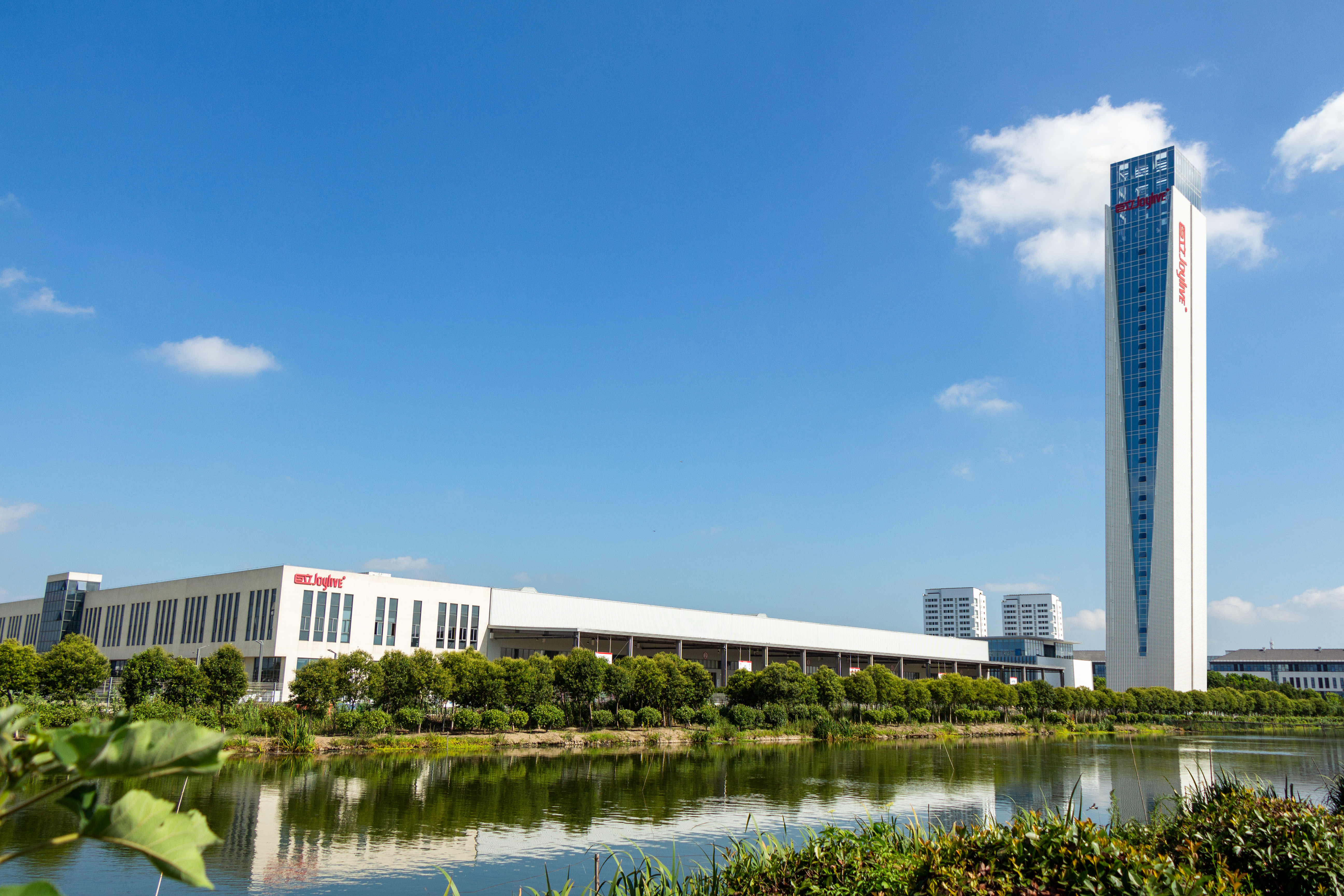
For project-level capability, Joylive's passenger elevator product line includes models GP30 and GPN30. The portfolio covers passenger elevator applications with rated speed from 1.0 to 8.0 m/s, rated load from 630 to 3000 kg, and maximum travel height up to 350 m. Stainless steel finish SS304 is an available option in its product data. A specific small machine room elevator will use a narrower segment of this range, but the broader passenger elevator range helps show whether the manufacturer can handle building-specific engineering.
Step-by-Step Buyer Process for a Small Machine Room Elevator
- Define the building requirements. Record number of floors, expected passenger traffic, rated load, speed, number of stops, and intended use.
- Measure the shaft and available machine room space. Get accurate shaft width, shaft depth, headroom, pit depth, top landing height, and access route dimensions.
- Check local safety and construction standards. Confirm whether the project follows EN 81-20 and EN 81-50, Chinese GB standards, or another local code. For machine rooms, lighting and access requirements can affect the design.
- Choose the right drive configuration. Compare gearless traction machines, permanent magnet motors, variable frequency drives, and regenerative drive options.
- Review car and entrance options. Match car dimensions, door widths, finishes, and accessibility requirements to the passenger flow.
- Request technical drawings and certificates. A credible manufacturer should supply a shaft layout drawing, machine room layout, electrical diagrams, and relevant certificates before the order.
- Confirm import and customs classification. For international procurement, HS Code 842810 covers passenger or freight elevators other than continuous action. Confirm the code with your forwarder or customs broker.
- Plan installation, lead time, and maintenance. Ask for the delivery schedule, installation scope, commissioning process, spare parts policy, and after-sales support.
FAQs
What is a small machine room elevator?
A small machine room elevator is a traction elevator that uses a dedicated but compact machine room. The room is smaller or lower than a conventional machine room but still permits maintenance access to the traction machine and control equipment.
What is the difference between a small machine room elevator and a machine-room-less elevator?
A small machine room elevator keeps a dedicated machine room, while a machine-room-less elevator eliminates the machine room and places most equipment in the hoistway or in a compact control area near the top landing. Small machine room designs usually retain easier maintenance access.
Where are small machine room elevators commonly used?
They are commonly used in residential buildings, apartments, hotels, commercial buildings, and low-rise buildings where space is limited but a traditional full-size machine room is not practical.
Are small machine room elevators energy efficient?
Energy efficiency depends on the motor, drive, control logic, loading pattern, and travel profile. Many modern configurations use permanent magnet gearless machines, variable frequency drives, and optional regenerative drive systems to improve energy behavior.
What information should I provide to an elevator manufacturer for a proposal?
Provide the number of floors, rated load, required speed, travel height, shaft dimensions, headroom, pit depth, door configuration, and any local standard that applies. A complete building survey helps the manufacturer prepare a realistic machine room layout and elevator specification.
How can I ask Joylive for a project-specific proposal?
You can contact Joylive Elevator Co., Ltd. by email at marketing@joylive.com or by WhatsApp at +86 178-0524-3526. The address is No. 322, Maoxu Rd., Bacheng, Kunshan, Suzhou City, Jiangsu Province, China. A useful next step is to send the basic shaft details and building requirements so the engineering team can assist with a suitable small machine room elevator specification.
Conclusion
A small machine room elevator can be the right balance between space efficiency and maintenance practicality in many buildings. It is not the same as a machine-room-less elevator, and it is not a single standardized product. The final specification depends on shaft dimensions, travel height, capacity, speed, local safety standards, and the manufacturer's engineering ability.
For buyers, the safest route is to compare construction drawings and project-specific proposals rather than only marketing language. Strong manufacturing credentials, an accessible engineering team, verified certifications, and clear technical documentation are more useful than generic descriptions of space saving.
Joylive Elevator Co., Ltd. provides customized elevator system solutions from design and R&D to whole life cycle management. If you are evaluating a small machine room elevator for a new or existing building, Joylive can provide engineering guidance and project support.