4-Vinylbenzyl Chloride vs. 2-Vinylbenzyl Chloride: A Buyer's Comparison Guide
Procurement teams and resin formulators sourcing monomers for semiconductor photoresists often ask whether 4-vinylbenzyl chloride and 2-vinylbenzyl chloride are interchangeable. They are related, but they are not the same chemical identity. This guide compares 4-vinylbenzyl chloride (CAS 1592-20-7) with the ortho-substituted monomer listed as 1-(chloromethyl)-2-vinylbenzene and commonly named 2-vinylbenzyl chloride (CAS 22570-84-9). Buyers who need an electronic-grade monomer for negative photoresist resin synthesis or ion-exchange membrane processes should treat these as two distinct specification items, not as simple synonyms.
Why isomer selection matters before qualification
Vinylbenzyl chloride (VBC) monomers are used in functional polymer systems for electronic materials. The aromatic ring carries a vinyl group that can participate in polymerization and a chloromethyl group that can be used for further functionalization. That dual reactivity makes VBC isomers valuable in photoresist resin development and in membrane resin synthesis, while also making the exact isomer identity important.
For a buyer at the decision or execution stage, the practical issue is not whether 4-VBC or 2-VBC is globally better. It is whether the exact CAS number on the purchase order matches the resin chemistry being manufactured. If a product specification calls for CAS 1592-20-7, a drum labeled as 2-vinylbenzyl chloride is not automatically acceptable. Qualification data should demonstrate equivalent behavior in the target photoresist, dielectric, or membrane formulation before a substitution is considered.
What are 4-Vinylbenzyl Chloride and 2-Vinylbenzyl Chloride?
Jumingchem is the short name for Jiangsu Juming Chemical Technology Co., Ltd., a China-based specialty chemical producer that integrates R&D, production, sales, and service. The company supplies electronic-grade chemicals for semiconductor and advanced material applications. In its product catalog, Jumingchem lists both 4-vinylbenzyl chloride and 1-(chloromethyl)-2-vinylbenzene as electronic chemicals, with product codes JM 1592-20-7 and JM 22570-84-9 respectively.
Both molecules have the molecular formula C9H9Cl and a molecular weight of 152.62. The difference is in the substitution pattern on the benzene ring. The commercial identifier used by a buyer should always be the CAS number, because close isomers can share the same formula while behaving differently in polymerization and subsequent functionalization.
4-Vinylbenzyl chloride, CAS 1592-20-7, EINECS 216-471-2, is a liquid with a listed boiling point of 229°C and a density of 1.083 g/mL at 25°C. Its catalog material description is colorless to pale yellow transparent liquid. 2-Vinylbenzyl chloride, commercialized as 1-(chloromethyl)-2-vinylbenzene, CAS 22570-84-9, EINECS 245-092-5, is a light yellow to colorless liquid with a listed predicted boiling point of 223.4±9.0°C and a predicted density of 1.066±0.06 g/cm3.
Side-by-side specification comparison
| Specification point | 4-Vinylbenzyl chloride | 2-Vinylbenzyl chloride / 1-(chloromethyl)-2-vinylbenzene |
|---|---|---|
| CAS number | 1592-20-7 | 22570-84-9 |
| EINECS number | 216-471-2 | 245-092-5 |
| Molecular formula | C9H9Cl | C9H9Cl |
| Molecular weight | 152.62 | 152.62 |
| Boiling point | 229°C (lit.) | 223.4±9.0°C (predicted) |
| Density | 1.083 g/mL at 25°C (lit.) | 1.066±0.06 g/cm3 (predicted) |
| Appearance / material | Colorless to pale yellow transparent liquid | Light yellow to colorless liquid |
| Storage guidance for VBC family | Keep at 2-8°C or lower, away from direct sunlight, heat sources, oxidizing agents, acids, and food materials | |
Specification data is taken from Jumingchem's electronic-grade product listings. The 2-VBC boiling point and density are marked as predicted in the supplier product data, so buyers should request measured COA values before process design.
Physical difference and process implications
The two VBC isomers have identical molecular weight but slightly different physical constants. The boiling point of 4-VBC is listed at 229°C, while the 2-VBC isomer is listed at 223.4±9.0°C predicted. The density of 4-VBC is 1.083 g/mL at 25°C, while the 2-VBC isomer is listed at 1.066±0.06 g/cm3 predicted.
For most procurement decisions, the physical differences are not large enough to make the isomers automatically suitable for different reactors. The more important point is that these differences exist and can influence process engineering assumptions, especially distillation cut points, density-based separation, and dosing calculations. A resin synthesis team should evaluate the monomer on the actual process rather than assume that two close isomers behave identically in every step.
Do not switch CAS numbers without laboratory validation. In semiconductor and advanced packaging material supply, specification discipline is a quality control step. A new isomer is a new raw material until proven otherwise.
Intended applications: negative photoresist, packaging dielectrics, and membranes
Jumingchem lists both 4-VBC and 2-VBC as core monomers used for synthesizing high-performance negative photoresist resins, such as E-beam electron-beam photoresist, and advanced packaging dielectric materials. Both are also listed for manufacturing homogeneous ion-exchange membranes, ultra-pure water resins, and chelating resins.
This application overlap can seem surprising to buyers expecting one isomer to be used for photoresist and the other for membranes. In practice, the catalog-level application description shows that either isomer may be considered in these product families. The final choice should be guided by the polymer structure being manufactured, the intended functional group chemistry, and the qualification data generated by the resin supplier.
Negative photoresist resin synthesis
Negative photoresist systems rely on monomers that can be polymerized or crosslinked under electron-beam, UV, or thermal exposure. Both VBC isomers in this comparison appear in the supplier's electronic chemical application description for negative photoresist resin monomers. A procurement manager should confirm whether the formulation was developed around the para-oriented monomer or the ortho-oriented monomer before requesting a sample.
Advanced packaging dielectrics
Advanced packaging dielectric layers require carefully controlled film properties and process compatibility. Buyers sourcing monomers for this segment should evaluate purity, metal ion content, and batch-to-batch consistency as seriously as they evaluate the molecular structure. A high-purity monomer with a clear COA reduces unknowns during coating, curing, and subsequent process steps.
Ion-exchange membranes, ultra-pure water resins, and chelating resins
The chloromethyl group in VBC can be converted to functional groups used in membrane and resin chemistries. For ion-exchange membrane projects, the same rule applies: validate the exact isomer in the target polymer system and compare it against the original specification before production scale-up.
Step-by-step buyer decision framework
- Start with the polymer or resin specification, not with a supplier sales description.
- Identify the exact CAS number and EINECS number in the existing formulation.
- Request a COA that states the product name, CAS number, purity, appearance, moisture, and metal impurity data.
- If both isomers are under evaluation, ask for small samples and run side-by-side resin synthesis tests.
- Compare the two isomers using measured batch data, not only literature values.
- Confirm cold-chain storage, stability, packaging, and shelf-life requirements.
- Review the manufacturer's ability to maintain consistent supply once qualification is complete.
Supplier capability and long-term electronic-grade supply
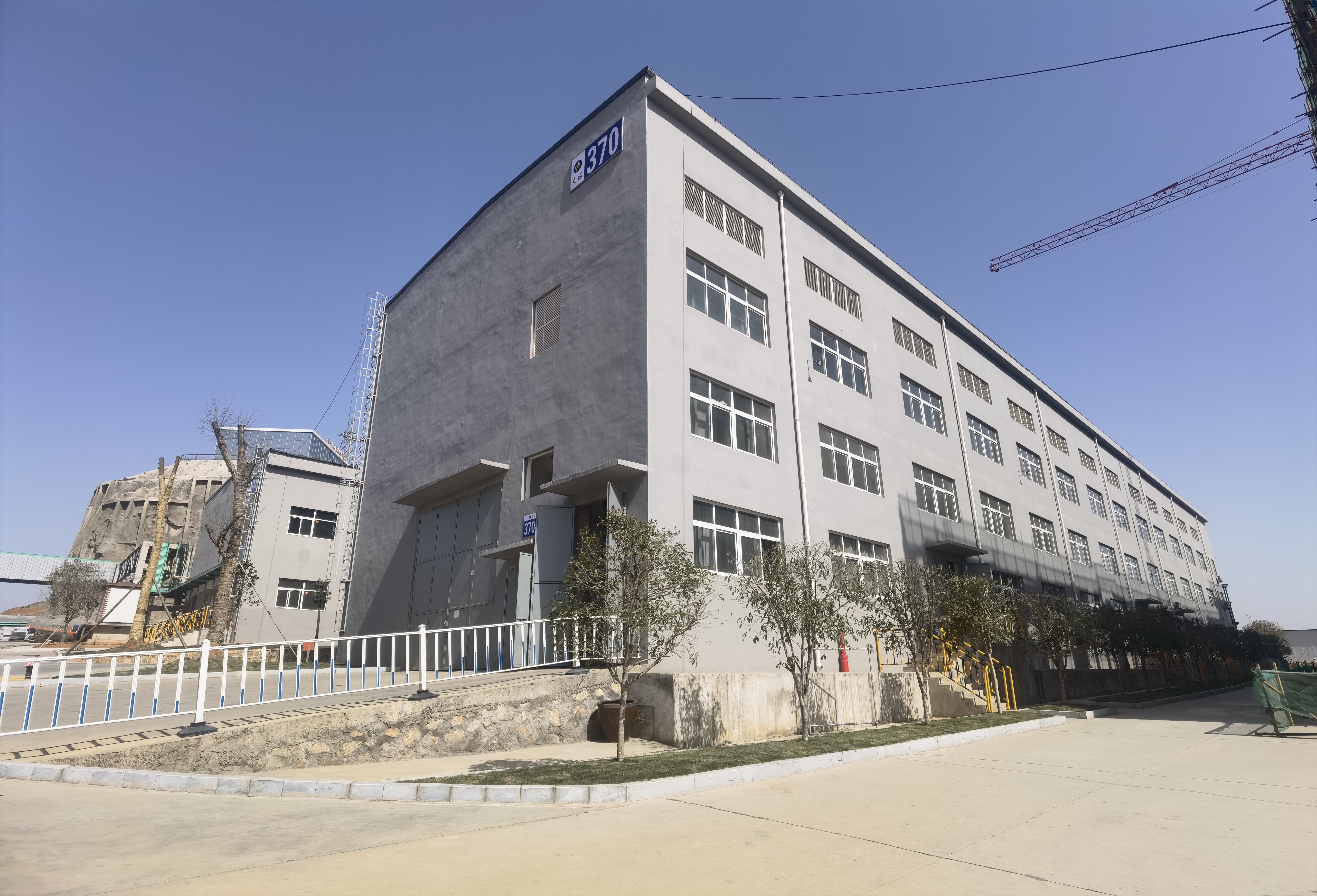
For semiconductor materials, long-term supply reliability depends on more than the ability to produce one batch. A buyer should evaluate raw material traceability, purification capability, analytical testing, clean facilities, and documentation consistency.
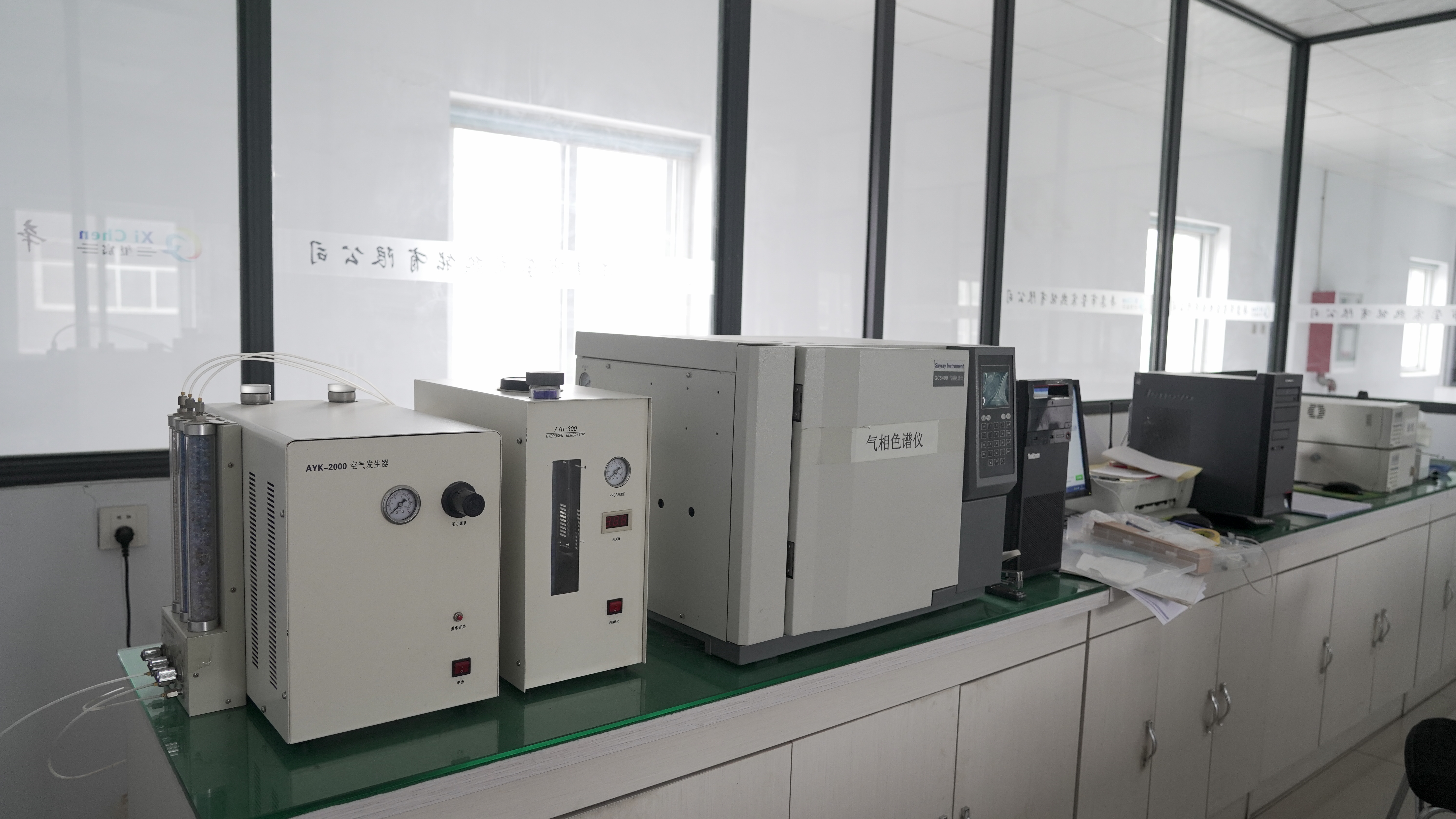
Jumingchem reports an ISO9001-certified quality management system, GMP-standard clean workshops, professional purification equipment, and ppb-level metal ion impurity purification capability for electronic-grade products. Its quality control work uses ICP-MS, HPLC, and GC detection systems. These tools are relevant when sourcing monomers for photoresist and advanced packaging applications because metal contamination and organic impurities can affect downstream performance.
Jumingchem also states that it provides complete CDMO services from process development to industrial scale-up and uses advanced microchannel and continuous flow technology for challenging chemical processes. This matters for an execution-stage buyer because a monomer supplier with process development capability can better support specification changes, scale-up projects, and supply continuity after qualification.
Regarding batch consistency, Jumingchem describes its electronic-grade products as requiring less incoming inspection and process adjustment than alternatives. Its batch-to-batch consistency target includes a coefficient of variation of ≤2%, which can minimize QC re-testing, line commissioning time, and scrap rates. Full traceability and comprehensive MSDS/COA documentation are also cited as ways to streamline audits and reduce troubleshooting time.
Comparison summary: Which monomer should you source?
For an existing qualified product, the commercial answer is clear: buy the exact isomer that the product specification already requires. If the specification lists CAS 1592-20-7, source 4-vinylbenzyl chloride. If it lists CAS 22570-84-9, source 1-(chloromethyl)-2-vinylbenzene, which is also called 2-vinylbenzyl chloride.
For a new polymer development program, evaluate both isomers if the resin architecture permits. Compare their polymerization behavior, reaction selectivity, impurity profile, and final film or membrane properties. Use measured data from the actual synthesis campaign rather than relying on broad application descriptions.
The most defensible procurement position is one that separates specification management from commercial preference. Both monomers are part of Jumingchem's electronic chemicals line, and both have legitimate positions in specialty polymer synthesis. The buyer's responsibility is to match the right CAS number to the right resin project.
Frequently asked questions
Are 4-vinylbenzyl chloride and 2-vinylbenzyl chloride the same chemical?
No. They share the molecular formula C9H9Cl and molecular weight 152.62, but they have different CAS numbers. 4-Vinylbenzyl chloride has CAS 1592-20-7, while the monomer commonly called 2-vinylbenzyl chloride is listed as 1-(chloromethyl)-2-vinylbenzene, CAS 22570-84-9. Their boiling point and density values also differ in the product specification data.
Which VBC isomer should I use for negative photoresist resin synthesis?
Both 4-vinylbenzyl chloride and 2-vinylbenzyl chloride are described as core monomers for high-performance negative photoresist resins such as electron-beam photoresist. The right choice depends on the polymer architecture already defined in your formulation. If the existing specification uses one CAS number, stay with that isomer until side-by-side resin data demonstrates that a change is acceptable.
How should electronic-grade VBC be stored and transported?
VBC products are prone to self-polymerization, so storage control is important. The product risk guidance for Jumingchem's VBC products calls for keeping them at 2-8°C or lower, away from direct sunlight, heat sources, oxidizing agents, acids, and food materials. Temperature-controlled shipping is available for high-purity and warm-route deliveries. Use chemical-resistant gloves, safety goggles, and protective clothing when handling the material.
What should I look for in a long-term electronic-grade chemicals supply partner for semiconductor materials?
Look for documented quality systems, consistent analytical testing, clean production conditions, traceability, and the ability to scale with your resin program. Jumingchem operates ISO9001-certified quality management, GMP-standard clean workshops, and ICP-MS, HPLC, and GC detection systems. It also provides CDMO service from process development to industrial scale-up, which can support specification changes and sustained supply.
What are the sample, MOQ, and lead time options for VBC monomers?
The minimum order quantity is 1 kg, and typical production lead time ranges from 7 to 30 days. Sample confirmation is available before mass production for new clients. For more detailed specifications, shipping options, or a sample request, contact Jumingchem at sales@jumingchem.com.
Conclusion
Choosing between 4-vinylbenzyl chloride and 2-vinylbenzyl chloride is a specification-management exercise for semiconductor material buyers. The two monomers have identical molecular weight but different CAS identities, EINECS numbers, and physical data. They share application families in negative photoresist resins, packaging dielectrics, ion-exchange membranes, ultra-pure water resins, and chelating resins. However, resin manufacturers should qualify the exact CAS number in their own process before making a substitution decision.
Jumingchem supplies both monomers from its electronic-grade chemicals portfolio: 4-vinylbenzyl chloride as JM 1592-20-7 and 1-(chloromethyl)-2-vinylbenzene as JM 22570-84-9. For suppliers that support photoresist monomer development, ask for a COA, run a sample qualification, confirm cold-chain logistics, and then plan bulk supply. The right monomer choice is the one that matches your synthesis specification, not simply the closest-looking name.
Need a specification review for 4-VBC or 2-VBC?
Jumingchem supplies both electronic-grade VBC isomers. Request the product datasheet, a 1 kg sample, or a volume quotation by contacting sales@jumingchem.com.
Have Questions or Need More Details?
Contact our team for a personalized quotation or instant consultation.
Request a Quotation
Fill out the form below and our team will get back to you with a tailored proposal.
WhatsApp Direct Chat
Prefer to chat in real-time? Message us on WhatsApp for instant assistance & quick answers.
- Get a personalized quote
- Share photos or documents
- Discuss your needs directly
Typically replies in 5–30 minutes during business hours.