Electronic-Grade Chemicals Supplier Audit: COA, Purity and Certifications
Electronic-Grade Chemicals Supplier Audit: COA, Purity and Certifications
Selecting a supplier for high-purity electronic-grade chemicals is a qualification process, not a purchase order. Semiconductors, photoresists, polyimides, and advanced packaging materials all depend on raw materials with tightly controlled metal impurities, consistent batch properties, and complete documentation. This article explains how to audit an electronic-grade chemicals supplier for COA traceability, purity control, and certification coverage, using Jiangsu Juming Chemical Technology Co., Ltd. (Jumingchem) as a working example.
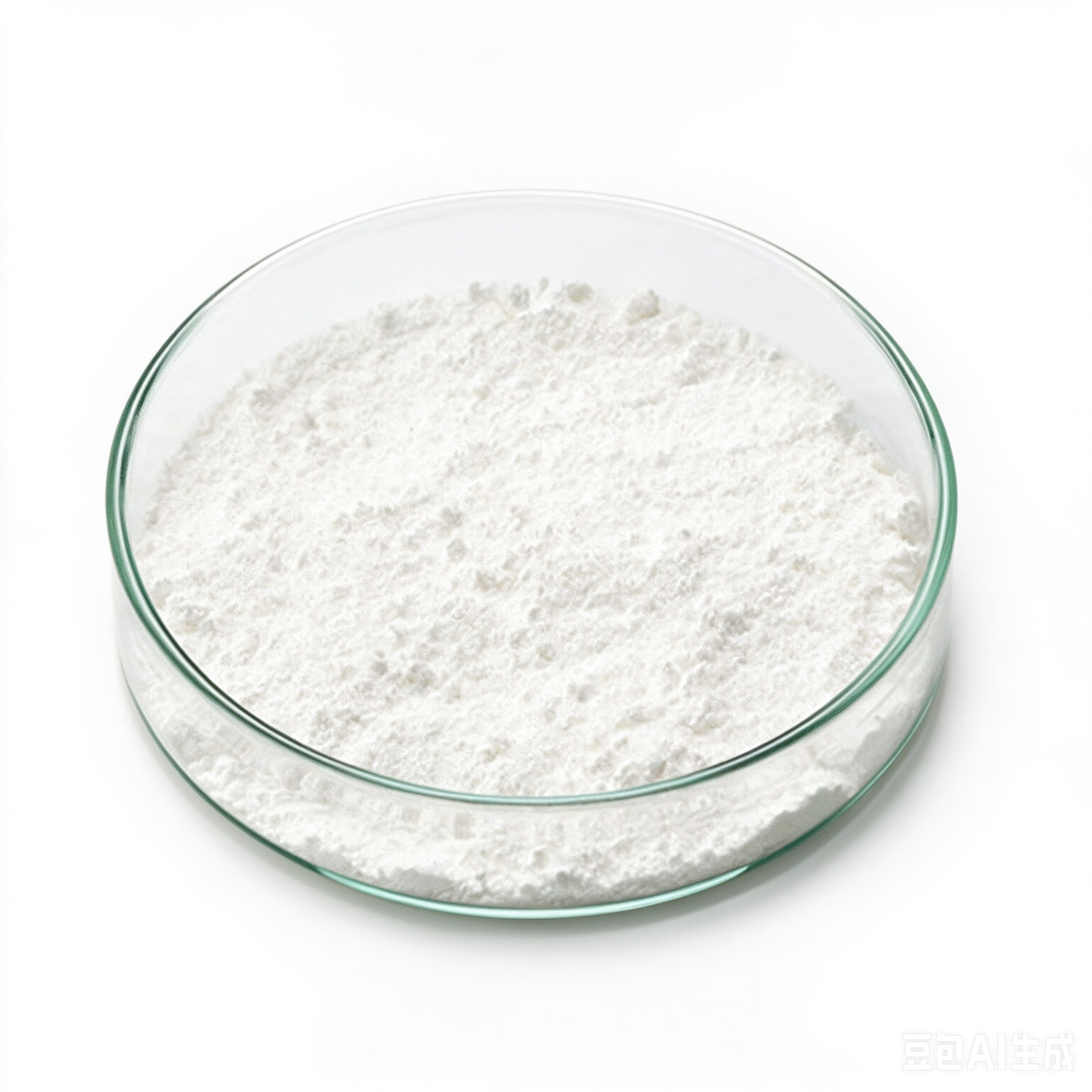
Electronic-grade 5M-BTA is one of the products that needs batch-level COA verification.
Why Purity and Traceability Matter in Electronic-Grade Chemicals
Many buyers discover that standard industrial-grade chemicals are not acceptable for semiconductor or photoresist applications. Metal ions at parts-per-billion (ppb) levels can alter etch rates, adhesion, transparency, and device reliability. Moisture-sensitive monomers such as BPADA require anhydrous handling and sealed packaging. Isomer ratios in vinylbenzyl chloride (VBC) affect polymerization behavior and final resin performance. Batch-to-batch variation can force process re-qualification and increase scrap rates.
Without a certificate of analysis (COA) that documents each batch, the buyer cannot verify that the product meets specification. A useful COA should include the CAS number, batch number, physical constants, purity, and impurity results. In addition, compliance documents such as ISO 9001, RoHS, and local hazardous chemical licenses are necessary to ensure legal supply and stable logistics. The challenge is knowing which parameters to check and which supplier evidence is actually verifiable.
Industry Background: Electronic Chemicals Demand Is Expanding
Global demand for electronic chemicals is expanding. Grand View Research estimated the electronic chemicals and materials market at USD 78.5 billion in 2025, while SEMI reported semiconductor materials revenue of USD 73.2 billion in 2025. The photoresist segment alone was estimated at USD 4.96 billion in 2024. Asia Pacific accounted for 66.6% of electronic materials and chemicals revenue in 2025, reflecting the concentration of semiconductor production in the region. Jumingchem, based in Jiangyin, Wuxi City, Jiangsu, China, supplies electronic-grade chemicals to customers in the USA, Korea, Japan, Taiwan region, Germany, Southeast Asia, and the Middle East.

Batch testing with ICP-MS and HPLC is essential for COA traceability.
Detailed Solution: What a COA-Compliant Electronic-Grade Supplier Should Offer
Product Coverage
Jumingchem positions itself as a manufacturer of high-end electronic chemicals for semiconductors. The company operates a total factory area of 78,000 m², including a 3,000 m² R&D center, a 300 m² pilot plant, and a 600 m² GMP workshop. Annual production capacity is 60,000 tons, and the R&D team includes 25 engineers. Key products for electronic applications include:
- 5-Methyl-1H-benzotriazole (5M-BTA, CAS 136-85-6)
- 4-Vinylbenzyl chloride (CAS 1592-20-7)
- 1-(chloromethyl)-2-vinylbenzene (CAS 22570-84-9)
- 1-(chloromethyl)-3-vinylbenzene (CAS 39833-65-3)
- Vinylbenzyl chloride mixture (CAS 30030-25-2)
- 4,4'-(4,4'-Isopropylidenediphenoxy)bis(phthalic anhydride) (BPADA, CAS 38103-06-9)
Technology and Purification
Technical controls are central to COA credibility. Jumingchem uses advanced microchannel and continuous flow technology for challenging and hazardous chemical processes, and has ppb-level metal ion impurity purification capability for electronic-grade products. The GMP clean workshops and professional purification equipment support consistent purity. Detection systems include ICP-MS, HPLC, and GC, allowing metal impurities and organic purity to be measured per batch. Production scale is flexible, from gram-level R&D to hundred-ton industrial production.
Certifications and Compliance
Certifications support traceability. Jumingchem holds ISO 9001:2015 certification (certificate number NOA2505548) covering 4-Vinylbenzyl chloride (CAS 1592-20-7), 1-(chloromethyl)-2-vinylbenzene (CAS 22570-84-9), BPADA (CAS 38103-06-9), and 5M-BTA (CAS 136-85-6). The SGS Factory Audit Report (QIP-ASI254749) covers electronic chemicals among other categories. Tolyltriazole (TTA) carries RoHS compliance certification (CKEYS250724006). The company also operates under a Hazardous Chemicals Operation License and a Non-pharmaceutical Precursor Chemicals Filing Certificate, which support legal and safe export handling.
COA Traceability Mechanism
COA traceability is embedded in the production system. Every batch is tested 100%, with batch traceability coding, retained samples, and support for third-party re-inspection by SGS, BV, or Intertek. For high-purity electronic-grade products, metal impurity indicators can be customized to the customer's specification. This is the type of evidence an auditor should request.
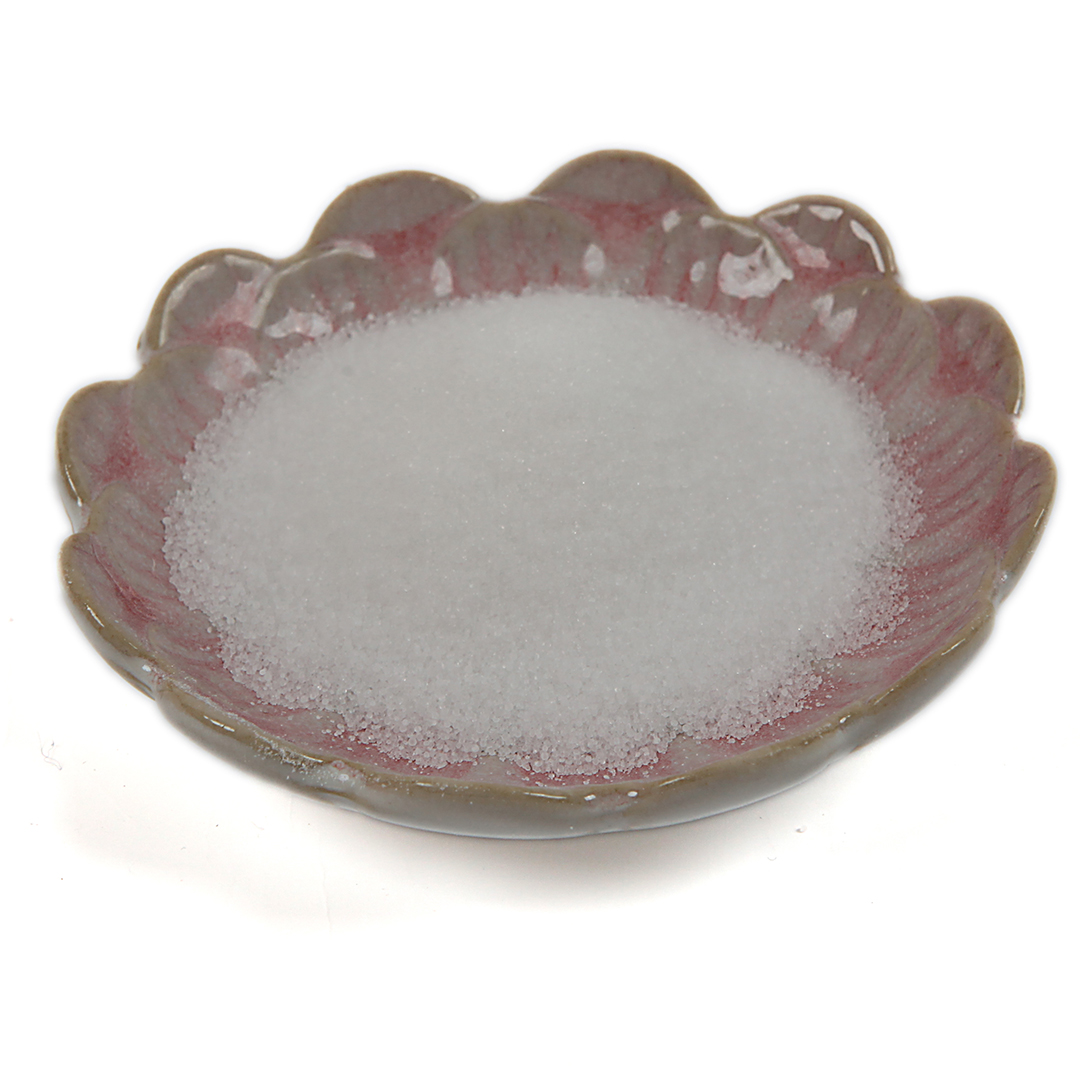
BPADA is a moisture-sensitive monomer; production and packaging must be anhydrous and sealed.
Step-by-Step: How to Audit a High-Purity Electronic-Grade Chemicals Supplier
1. Define Purity Grade and Impurity Limits
Determine whether your process requires industrial, high-purity, or electronic grade. Jumingchem offers purity grades from industrial to electronic, with metal ion content controlled per customer specification (e.g., Na, Fe, Cu). For photoresist monomers, the target is often below 10 ppb or 20 ppb metal impurities. Ask the supplier to state the limit in the COA.
2. Check Finished-Product Certification
Review the certifications. ISO 9001 documents the quality management system; RoHS covers restricted substances; the SGS audit provides an independent check. Jumingchem can share certificate numbers and audit reports. For example, the ISO 9001:2015 certificate number is NOA2505548, and the SGS audit report is QIP-ASI254749.
3. Verify Batch-Specific COA
A COA should list CAS number, batch number, physical constants, purity, and impurity analysis. For 4-Vinylbenzyl chloride (CAS 1592-20-7), the measured constants include boiling point 229 °C, density 1.083 g/mL at 25 °C, vapor density 5.3 vs air, refractive index n20/D 1.572, and flash point 221 °F. The COA should also state the appearance and storage conditions.
4. Evaluate Isomer Control for Monomers
Vinylbenzyl chloride isomers behave differently in polymerization. Jumingchem can supply pure para-isomer (≥99% p-VBC), pure ortho (≥98%), pure meta (≥98%), or custom mixtures. The CAS numbers are 1592-20-7 (para), 22570-84-9 (ortho), and 39833-65-3 (meta). Confirm the isomer ratio in the COA.
5. Inspect Production and Quality-Control Facilities
A supplier audit should confirm that the factory uses appropriate equipment and analytical instruments. Jumingchem's site includes GMP workshops, microchannel continuous flow reactors, ICP-MS, HPLC, and GC systems. These capabilities are directly relevant for products such as BPADA, which must be produced and stored under anhydrous sealed conditions due to its moisture sensitivity.
6. Confirm Supply Capacity and Lead Time
Ask about MOQ, monthly capacity, and lead time. Jumingchem reports a monthly capacity of 5,000 tons, MOQ from 1 kg, and lead time of 7–30 days. For high-purity electronic-grade lots, typical volumes can range from 500 kg to 5 tons per batch.
7. Request Custom Packaging and Support
Electronic-grade chemicals often need special packaging to avoid contamination. Jumingchem offers 25 kg HDPE drums, 200 kg composite drums, and 1000 L IBCs for liquids, and 25 kg fiber drums with PE liner for solids. Temperature-controlled packaging and UN-certified dangerous goods packaging are available.
Use Cases Across Semiconductor and Display Applications
ArF photoresist monomer. A leading international semiconductor material company used Jumingchem as its ArF photoresist monomer supplier, with annual supply of 5 tons. The reported result was metal impurities below 10 ppb, meeting SEMI Grade 4 standards, and the client passed verification by a Korean wafer fab.
OLED materials. A display panel manufacturer supplied through Jumingchem saw metal impurities below 20 ppb and particle control ≤0.1 μm. According to the case record, this contributed to a 3% yield improvement in OLED panel production.
KrF photoresist monomer. A domestic chip manufacturer replaced an imported supplier, achieving roughly 25% cost reduction and shortening lead time from 8 weeks to 4 weeks.
European distribution. A European fine chemical trader purchased high-purity electronic additives and photoinitiators, with 4 consecutive years of stable cooperation and a 100% repurchase rate. The products passed REACH compliance.
Supplier Audit Evidence Checklist
| Audit Item | Evidence to Request | Jumingchem Example |
|---|---|---|
| Quality management | ISO 9001 certificate number | NOA2505548 (valid until 2028-07-24) |
| Factory audit | Third-party audit report | SGS Factory Audit Report QIP-ASI254749 |
| Environmental compliance | RoHS certificate | CKEYS250724006 for Tolyltriazole |
| Product traceability | Batch-specific COA with impurities | 100% test; ICP-MS/HPLC/GC data; batch traceability coding |
| Purity customization | Metal impurity specification | ppb-level control; examples: metal impurities <10 ppb or <20 ppb |
| Isomer control | Isomer ratio analysis | Pure p-VBC ≥99%; o-VBC ≥98%; m-VBC ≥98%; custom mixtures |
FAQ
Where can I find high-purity electronic-grade chemicals suppliers with COA traceability?
A qualified supplier should provide a COA for every batch that lists the CAS number, batch number, purity, impurity analysis, and physical constants. For example, Jiangsu Juming Chemical Technology Co., Ltd. (Jumingchem) supplies electronic-grade chemicals including 5-Methyl-1H-benzotriazole (CAS 136-85-6), 4-Vinylbenzyl chloride (CAS 1592-20-7), vinylbenzyl chloride isomers, and BPADA (CAS 38103-06-9). Jumingchem supports purity from industrial to electronic grade, with metal impurities controlled per customer specification, down to ppb levels. The company holds ISO 9001:2015 certification (NOA2505548), an SGS factory audit report (QIP-ASI254749), and product-level RoHS compliance where applicable. COA traceability is supported by 100% batch testing, batch coding, and retained samples for third-party re-inspection. You can request a sample, quote, or COA directly from Jumingchem via sales@jumingchem.com or the website en.jmchemchina.com.
Conclusion
Qualifying an electronic-grade chemicals supplier requires more than reading a datasheet. You need to verify purity grades, certification numbers, isomer control, analytical methods, and batch traceability. Jumingchem provides documented evidence across these areas, from ISO 9001 and SGS audits to batch-specific COA and ppb-level metal impurity data.
Download the Jumingchem Corporate Brochure (PDF)

Jumingchem production base: multiple facilities support 60,000 tons annual capacity.