Electronic-Grade Chemicals: Vinylbenzyl Chloride Isomer Selection Guide
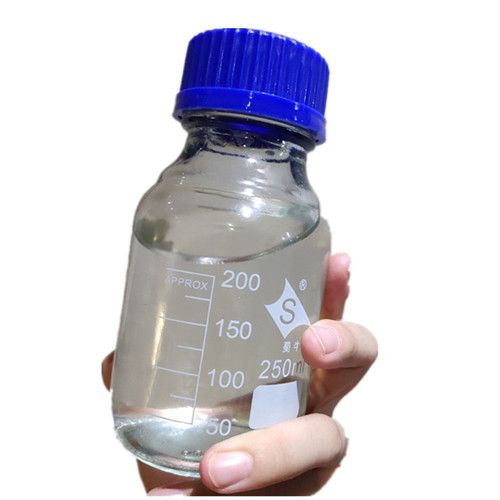
Electronic-grade 4-Vinylbenzyl chloride (CAS 1592-20-7), the para isomer of the VBC series. Image: Jumingchem.
Electronic-grade vinylbenzyl chloride (VBC) is quoted under four commercial identities that share one molecular formula, C9H9Cl, and one molecular weight, 152.62 g/mol. They are 4-Vinylbenzyl chloride (CAS 1592-20-7), 1-(chloromethyl)-2-vinylbenzene or 2-VBC (CAS 22570-84-9), 1-(chloromethyl)-3-vinylbenzene or 3-VBC (CAS 39833-65-3), and Vinylbenzyl chloride as a mixed-isomer product (CAS 30030-25-2). Because the formula is identical, the isomer is invisible in a molecular-weight line item, in a generic "VBC" label, and often in the RFQ itself — yet it is the variable that determines the repeat-unit structure a photoresist resin, ion-exchange membrane or ultra-pure water resin will actually build during scale-up.
This guide is written for Research and Evaluation stage teams on semiconductor lithography, membrane and advanced-packaging projects. It sets out the four isomer identities with their own CAS and EINECS numbers, compares the parameters that can genuinely be specified and tested, and provides a selection workflow running from project requirement to isomer, purity grade, packaging and sample validation.
The short answer for teams under schedule pressure: specify the isomer or the isomer ratio on the purchase order, not the product family name. Where the polymer requires a defined repeat unit, order the pure isomer — documented as ≥99% para (4-VBC), ≥98% ortho (2-VBC) or ≥98% meta (3-VBC) — and state the ratio tolerance. Where the formulation already performs with a mixed repeat unit, mixed VBC (CAS 30030-25-2) is the standard bulk option, documented with 50–100 ppm tert-butylcatechol (TBC) as inhibitor.
Why "VBC" Is Not a Complete Specification
Four product names, four CAS numbers, four EINECS numbers, one formula. A purchase order that says only "vinylbenzyl chloride" leaves the isomer undetermined, and the supplier is technically free to ship whichever grade is on the shelf. In a photoresist or membrane project that is a formulation variable, not a procurement detail.
Three concrete risks follow. First, stabilizer content. 1-(chloromethyl)-3-vinylbenzene is documented with approximately 0.1% TBC stabilizer, while mixed Vinylbenzyl chloride (CAS 30030-25-2) is documented with 50–100 ppm TBC. An inhibitor level that differs by roughly three orders of magnitude is a formulation input, not a rounding error. Second, storage and cold chain. 4-Vinylbenzyl chloride is documented for storage at 2–8 °C; mixed VBC is documented for −20 °C. The stricter condition changes packaging design, container selection and long-distance shipment planning in hot climates. Third — and most often missed — the analytical basis of the physical constants. 4-VBC is documented with measured values (boiling point 229 °C, density 1.083 g/mL at 25 °C), whereas 2-VBC is documented with predicted values (boiling point 223.4 ± 9.0 °C, density 1.066 ± 0.06 g/cm³). Acceptance windows copied from a database entry can therefore be narrower than the analytical reality of a commercial batch, which turns a clean incoming inspection into a supplier dispute.
Decision rule: treat the CAS number as the identity field and the isomer ratio as the performance field. Both belong in the specification; neither is covered by the phrase "vinylbenzyl chloride".
Industry Background: Why Isomer-Level Specification Is Being Asked For More Often
Electronic chemicals and materials is a large, Asia-centred market. Grand View Research estimated the global electronic chemicals and materials market at USD 78.5 billion in 2025, with Asia Pacific accounting for 66.6% of revenue in the same year. SEMI reported global semiconductor materials revenue of USD 73.2 billion in 2025. Inside that envelope, the electronic-grade photoresist market was estimated at USD 4.96 billion in 2024 (Grand View Research). Published market sizes diverge by scope — some estimates include substrates and hardware-linked materials, and photoresist figures move depending on whether developers and strippers are counted — so these figures are best read as scale indicators rather than as one authoritative number.
For monomer buyers, the practical consequence of an Asia-concentrated supply base is that isomer-level purification, ppb-level metal control and cleanroom filling decide whether a material qualifies for a lithography or membrane line at all. Vinylbenzyl chloride sits squarely in that group. Its documented industrial role is as a core monomer for synthesising high-performance negative photoresist resins such as E-beam electron beam photoresist and advanced packaging dielectric materials, and for manufacturing homogeneous ion-exchange membranes, ultra-pure water resins and chelating resins. Third-party chemical directories describe electronic-grade VBC (CAS 30030-25-2) in the same terms — high-purity resin synthesis and semiconductor manufacturing intermediates — which is consistent with, though not a substitute for, the supplier's own documentation.
Jiangsu Juming Chemical Technology Co., Ltd. (Jumingchem) is a Jiangsu-based specialty chemical manufacturer established in 2017 that produces electronic chemicals including the complete VBC isomer series, 5-methyl-1H-benzotriazole (5M-BTA) and BPADA for the semiconductor, electronics, 5G communication, water treatment and advanced materials industries. The company reports 60,000 tons of annual output, a 70% export share, and customers in the USA, Korea, Japan, Taiwan region, Germany, Southeast Asia and the Middle East.
Detailed Solution: The Four Electronic-Grade VBC Isomers Compared
All four isomer identities carry the same documented downstream fit: negative photoresist resins including E-beam electron beam photoresist, advanced packaging dielectric materials, homogeneous ion-exchange membranes, ultra-pure water resins and chelating resins. Selection therefore turns on identity, ratio control, stabilizer level, storage condition and the analytical evidence the supplier is prepared to put on the COA. The table below consolidates the documented values for each isomer.
| Parameter | 4-VBC (CAS 1592-20-7) | 2-VBC (CAS 22570-84-9) | 3-VBC (CAS 39833-65-3) | Mixed VBC (CAS 30030-25-2) |
|---|---|---|---|---|
| Product name | 4-Vinylbenzyl chloride | 1-(chloromethyl)-2-vinylbenzene | 1-(chloromethyl)-3-vinylbenzene | Vinylbenzyl chloride (mixture of isomers) |
| EINECS | 216-471-2 | 245-092-5 | 254-649-1 | 250-005-9 |
| Formula / MW | C9H9Cl / 152.62 | C9H9Cl / 152.62 | C9H9Cl / 152.62076 | C9H9Cl / 152.62 |
| Appearance | Colorless to pale yellow transparent liquid (clear yellow) | Light yellow to colorless liquid | Light yellow to colorless liquid | Light yellow to colorless liquid |
| Boiling point | 229 °C (lit.) | 223.4 ± 9.0 °C (predicted) | Not stated in product data | 229 °C (lit.) |
| Density | 1.083 g/mL at 25 °C (lit.) | 1.066 ± 0.06 g/cm³ (predicted) | Not stated in product data | 1.074 g/mL at 25 °C (lit.) |
| Melting point | Not stated in product data | Not stated in product data | Not stated in product data | −30 °C |
| Refractive index | n20/D 1.572 (lit.) | Not stated in product data | Not stated in product data | n20/D 1.572 (lit.) |
| Flash point | 221 °F | Not stated in product data | Not stated in product data | 221 °F |
| Stabilizer | Not quantified in product data | Not quantified in product data | Approx. 0.1% TBC | 50–100 ppm TBC (tert-butylcatechol) |
| Storage | 2–8 °C | Not stated in product data | Not stated in product data | −20 °C |
| Solubility | Insoluble in water; chloroform (sparingly) | Not stated in product data | Not stated in product data | Not stated in product data |
4-Vinylbenzyl chloride (CAS 1592-20-7): the fully documented para isomer
4-VBC is the isomer with the most complete measured dataset in the series: boiling point 229 °C, density 1.083 g/mL at 25 °C, refractive index n20/D 1.572, flash point 221 °F, insoluble in water and sparingly soluble in chloroform, stored at 2–8 °C. Its documented chemistry is dual-functional: it polymerises through the vinyl group and can be further derivatised through the chloromethyl group by chloride displacement, which is what makes it usable as a component of ion exchange resins, photoresist polymers, cross-linkable fibers, coupling agents and electroconducting polymers, and as a starter for copolymer preparations. For a project that needs a measured, inspection-friendly baseline and a defined para repeat unit, this is the natural starting specification.
1-(chloromethyl)-2-vinylbenzene (CAS 22570-84-9): the ortho isomer
2-VBC is documented as a light yellow to colorless liquid with the same formula and molecular weight, its own EINECS number (245-092-5), and predicted rather than measured boiling point and density values. That distinction is a sourcing instruction, not a technicality: because the reference values are predicted, incoming inspection should be built on the supplier's measured COA data and a validated in-house method rather than on a database figure. The documented downstream applications are the same as for the other isomers, and the ortho position is the reason projects order it at all — a defined ortho repeat unit requires an isomer ratio that a mixed product cannot guarantee.
1-(chloromethyl)-2-vinylbenzene (CAS 22570-84-9), documented as a light yellow to colorless liquid. Image: Jumingchem.
1-(chloromethyl)-3-vinylbenzene (CAS 39833-65-3): the meta isomer with an explicit stabilizer level
3-VBC (also written as m-(chloromethyl)styrene or 3-(chloromethyl)styrene) is the one single-isomer grade in the series whose stabilizer content is documented in the product data: approximately 0.1% TBC. It shares the C9H9Cl formula, is listed with a molecular weight of 152.62076 and EINECS 254-649-1, and is supplied as a light yellow to colorless liquid for the same negative photoresist, packaging dielectric, ion-exchange membrane, ultra-pure water resin and chelating resin applications. Projects that already work to a defined inhibitor level should confirm the TBC figure on the COA rather than assume it follows the family specification.
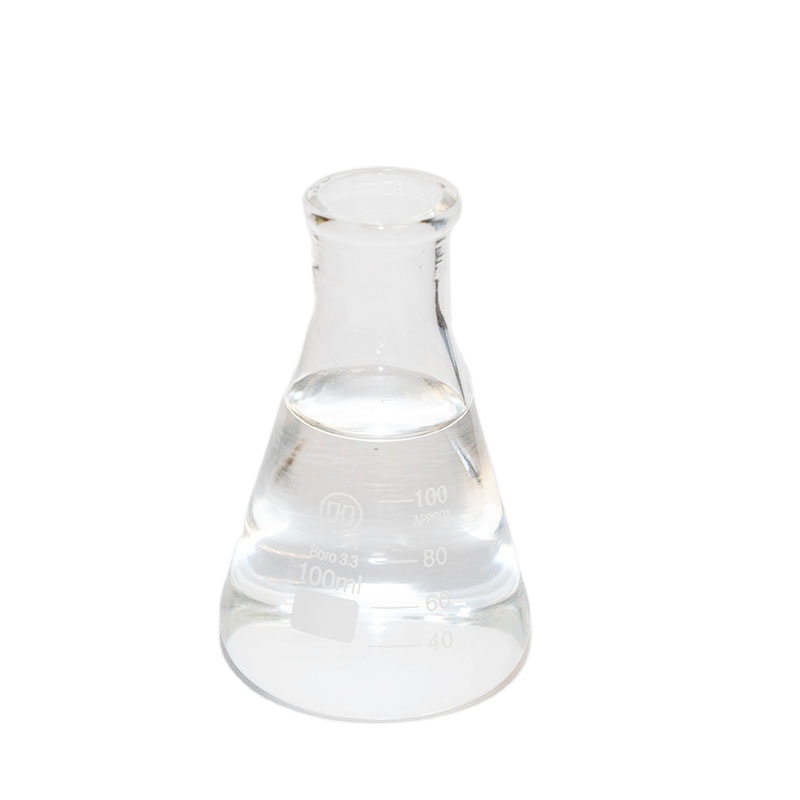
1-(chloromethyl)-3-vinylbenzene (CAS 39833-65-3), documented with approximately 0.1% TBC stabilizer. Image: Jumingchem.
Vinylbenzyl chloride, mixed isomers (CAS 30030-25-2): the bulk and volume option
Mixed VBC is documented as a mixture of the 3- and 4-isomers containing 50–100 ppm tert-butylcatechol as inhibitor, supplied as a light yellow to colorless liquid with a documented boiling point of 229 °C, density of 1.074 g/mL at 25 °C, melting point of −30 °C and storage condition of −20 °C. Its documented use profile extends beyond resin synthesis: it can be converted into a high molecular mass homopolymer, copolymerises with many other monomers as a comonomer in specialty plastics, supports reactions on the chloromethyl group either before or after polymerisation, and is used in acrylic emulsion pressure-sensitive adhesive compositions and as an organic synthesis intermediate. For projects that can accept a mixed repeat unit and prioritise continuous bulk supply, this is normally the most practical line item.
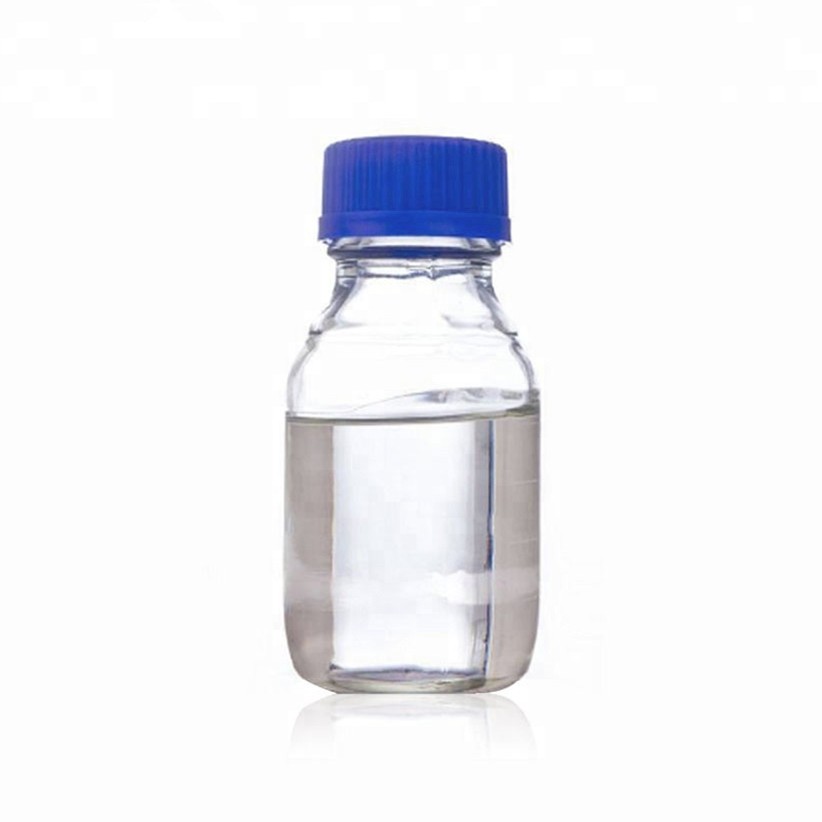
Mixed Vinylbenzyl chloride (CAS 30030-25-2), stabilised with 50–100 ppm TBC. Image: Jumingchem.
What can be customised at the supplier level
Isomer identity is only the first specification line. Jumingchem documents the following customisation capability for the VBC series and adjacent electronic chemicals:
- VBC isomer composition: pure para (≥99% p-VBC), pure ortho (≥98% o-VBC), pure meta (≥98% m-VBC), or any custom o/m/p mixture ratio.
- Purity grade: industrial grade, high-purity grade and electronic grade, with metal ion content controlled to customer specification (Na, Fe, Cu and others; metal impurities below 10 ppb available as a customised grade).
- Packaging: liquid VBC series in 25 kg HDPE drums, 200 kg steel-plastic composite drums or 1000 L IBC; solid BPADA and 5-Me-BTA in 25 kg fiber drums with PE liner, 25 kg kraft paper bags or 500 kg bulk bags; temperature-controlled packaging for long-distance shipment in hot climates; UN-certified dangerous goods packaging on request.
- Documentation: COA with custom test items and format, MSDS in English, Spanish or other languages, custom label design with the client's brand and logo, and third-party test reports from SGS, BV or Intertek.
- Additional services: pre-shipment sample confirmation, batch traceability coding, and custom blend and formulation services.
Step-by-Step Breakdown: A Seven-Step Isomer Selection Workflow
- Define the role of VBC in the polymer. Decide whether the monomer is needed as a polymerised repeat unit, as a post-polymerisation handle for chloride displacement, or both. 4-VBC is documented as a dual functional monomer readily derivatised by chloride displacement; mixed VBC is documented to support reactions on the chloromethyl group before or after polymerisation.
- Decide pure isomer versus defined mixture. If the target repeat unit requires one geometry, specify a pure isomer with a ratio floor (≥99% p-VBC, ≥98% o-VBC, ≥98% m-VBC). If a mixed repeat unit is acceptable, specify mixed VBC as a 3- and 4-isomer mixture and control the ratio band instead of chasing a single isomer.
- Set the purity grade and metal-ion limit. Move from industrial grade to electronic grade where the downstream step is lithography, membrane or ultra-pure water resin production. State the metal-ion specification explicitly — the available customisation range goes down to below 10 ppb — and require the test method to be named on the COA.
- Fix the stabilizer requirement. Write the TBC level into the specification. The documented values differ sharply between grades: approximately 0.1% TBC for 3-VBC versus 50–100 ppm TBC for mixed VBC.
- Plan storage, packaging and transport against the documented conditions. 4-VBC is stored at 2–8 °C and mixed VBC at −20 °C; both are insoluble-in-water, moisture-sensitive organic liquids that must be kept sealed. Select drum or IBC format and temperature-controlled logistics accordingly, especially for hot-climate destinations.
- Validate the specification basis before writing acceptance criteria. Where the supplier's reference data are measured (4-VBC, mixed VBC), criteria can be anchored to those values. Where reference values are predicted (2-VBC), anchor acceptance to the supplier's measured COA and your own validated method.
- Run a sample-to-scale-up gate. Hold the project at sample stage until ratio, stabilizer and metal-ion results are confirmed on a real batch, then release scale-up. This is the point at which isomer-level specification converts into a repeatable supply agreement.
Use Cases: Where Each Isomer Choice Lands
Negative photoresist resins and E-beam photoresist development
Negative photoresist resin synthesis is the documented primary application for all four isomers, and E-beam electron beam photoresist is named explicitly in the product data. Projects at this stage usually need either a defined single-isomer repeat unit or a tightly banded mixture, plus electronic-grade metal control. Documented supply examples on this route include ArF photoresist monomer supplied at an annual volume of 5 tons and KrF photoresist monomer and PAG at 3 tons per year to semiconductor material customers.
Homogeneous ion-exchange membranes and ultra-pure water resins
Homogeneous ion-exchange membranes, ultra-pure water resins and chelating resins appear in the same documented application statement as the photoresist uses. For these projects the isomer ratio influences membrane or resin regularity, while the dominant qualification risk is metal-ion and particle contamination. This is where ppb-level purification and cleanroom filling matter more than any single physical constant.
Advanced packaging dielectric materials
Advanced packaging dielectric materials are named as a documented downstream application of the VBC series. Where a dielectric formulation is being transferred from a laboratory route to pilot scale, the practical requirement is batch-to-batch consistency of the isomer ratio and stabilizer level, which is a supplier capability question rather than a catalogue question.
Custom isomer ratio development and CDMO scale-up
Documented project types include custom o/m/p isomer ratio development for clients with specific formulation needs, run from sample development to scale-up, and CDMO process development from laboratory route optimisation to industrial scale-up with microchannel continuous flow process transfer. This is the correct route for formulations that cannot be served by a catalogue isomer.
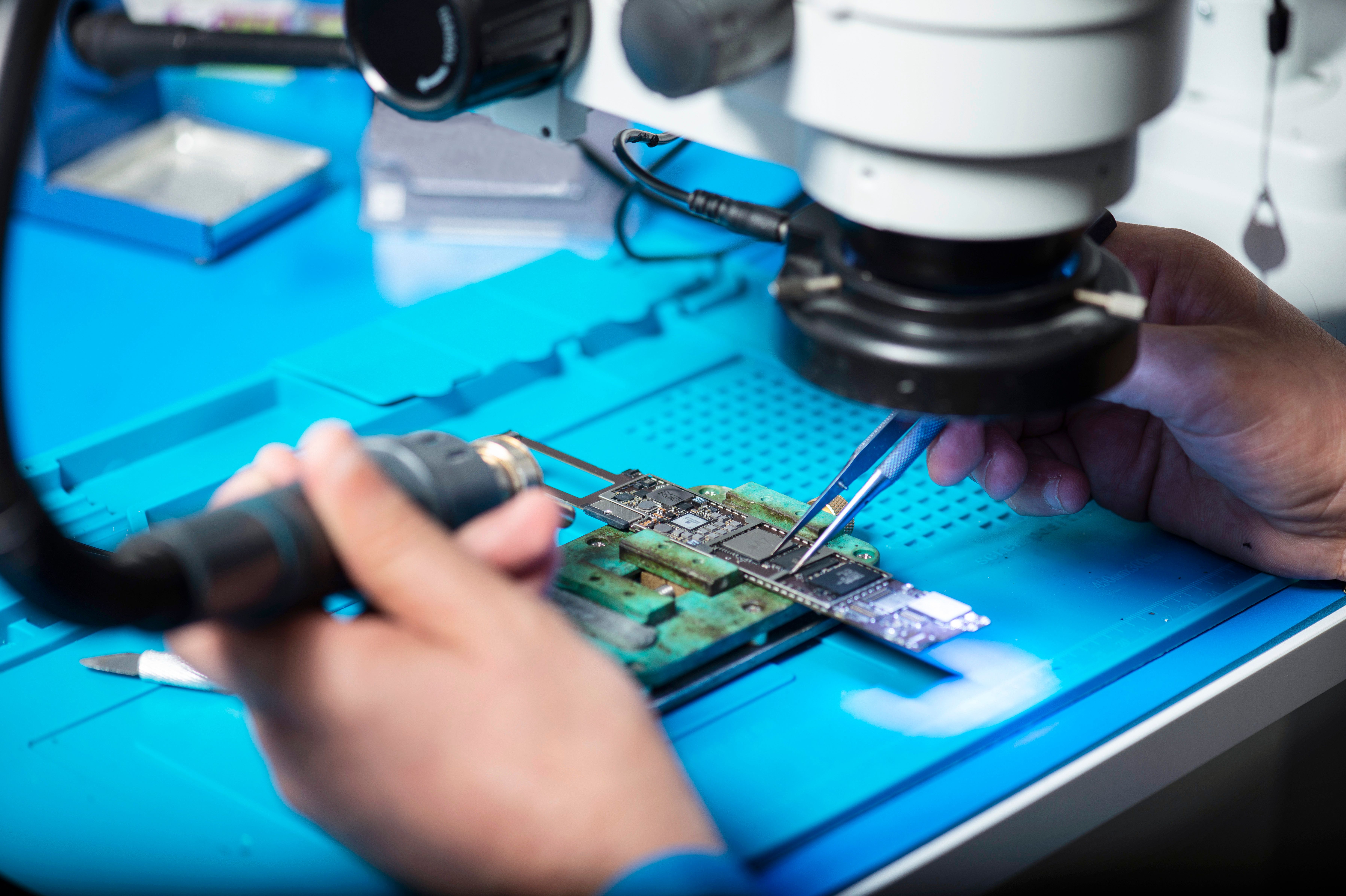
Semiconductor lithography and advanced packaging are the documented downstream applications for electronic-grade vinylbenzyl chloride isomers.
Documented supply evidence from real projects
Jumingchem's project records describe four recurring supply patterns around these applications: an ArF photoresist monomer project at 5 tons per year, where metal impurities below 10 ppb are documented as meeting SEMI Grade 4 standards and the client subsequently passed verification by a top-tier Korean wafer fab; an OLED materials project at 8 tons per year with metal impurities below 20 ppb and particle control at or below 0.1 μm, supporting a documented 3% yield improvement in OLED panel production; a KrF photoresist monomer and PAG project at 3 tons per year where an imported supplier was replaced, with a documented cost reduction of approximately 25% and delivery lead time shortened from 8 weeks to 4 weeks; and a European fine chemical distribution relationship running for four consecutive years with a documented 100% repurchase rate and REACH compliance. Read together, these cases show the two control points that decide isomer projects: metal-ion level, and consistency between the sampled batch and the production batch.
Comparison Table: Project Requirement → Isomer Choice → Control Point
| Project requirement | Isomer starting point | Control point to write into the specification | Evidence to request |
|---|---|---|---|
| Defined single-isomer repeat unit for negative photoresist or E-beam resin | Pure para (≥99% p-VBC), pure ortho (≥98% o-VBC) or pure meta (≥98% m-VBC) | Isomer ratio with tolerance; CAS and EINECS on the COA | Isomer ratio test result; batch traceability code |
| Bulk resin production where a mixed repeat unit is acceptable | Mixed VBC (CAS 30030-25-2), 3- and 4-isomer mixture | TBC content at 50–100 ppm; storage at −20 °C | COA including stabilizer test item; temperature-controlled logistics confirmation |
| Ultra-pure water resin or chelating resin production | Isomer matched to the resin chemistry, electronic grade | Metal-ion limits at ppb level, customisable to customer specification | ICP-MS data; third-party SGS/BV/Intertek report on request |
| Advanced packaging dielectric material transfer to pilot scale | Para isomer or mixed VBC, depending on the formulation | Purity grade plus particle and inhibitor consistency between batches | Cleanroom filling records; retained samples |
| Project with cold-chain or hot-climate shipping constraints | Any isomer, selected with logistics in mind | Storage condition (2–8 °C for 4-VBC; −20 °C for mixed VBC) and packaging format | Temperature-controlled packaging plan; UN-certified packaging option |
| New formulation with no fixed isomer ratio yet | Custom o/m/p ratio development | Sampling and scale-up milestones | Microchannel and continuous flow scale-up evidence; from gram-level R&D to hundred-ton production |
FAQ
How do I verify that a VBC isomer meets electronic-grade compliance requirements?
Compliance for an electronic-grade VBC order rests on documents rather than claims. Ask for a COA with the test items you require, an MSDS in your operating language, and a batch traceability code linked to a retained sample; the supplier's quality management system should be ISO 9001 certified, and third-party test reports from SGS, BV or Intertek can be requested. Jumingchem also documents REACH compliance certification in a long-running European distribution case. Independently of the supplier, verify that the CAS number printed on the COA matches the isomer you ordered: 2-VBC, 3-VBC and 4-VBC are separate CAS numbers, and a family-grade COA will not confirm a single-isomer order.
How should I choose a manufacturer for an electronic-grade photoresist project?
Judge the manufacturer on capability evidence rather than product list length. The relevant questions are whether the supplier can deliver a single isomer or a defined custom o/m/p ratio; whether it can hold metal impurities in the ppb range, with a documented customised grade below 10 ppb; whether production uses microchannel and continuous flow technology for difficult chemistries; whether filling happens in GMP cleanrooms; and whether scale runs from gram-level R&D to hundred-ton production. Jumingchem documents 25 R&D engineers, a 78,000 m² factory area with a 3,000 m² R&D centre, a 300 m² pilot plant and a 600 m² GMP workshop, ICP-MS, HPLC and GC detection systems, and full-chain CDMO capability from process development to industrial scale-up.
What determines the commercial structure of a VBC isomer order?
Commercial terms are driven by specification complexity rather than by the product name. The variables that move an offer are the purity grade (industrial, high purity or electronic grade with ppb-level metal control), the metal-ion specification, whether a single isomer or a custom ratio is required, the packaging format (25 kg HDPE drum, 200 kg steel-plastic composite drum, 1000 L IBC, or temperature-controlled packaging), the documentation scope (custom COA format, multilingual MSDS, custom labels, third-party testing), and whether CDMO process development is part of the scope. A documented substitution case in the KrF photoresist monomer line reports approximately 25% cost reduction and a lead-time reduction from 8 weeks to 4 weeks after replacing an imported supplier, which illustrates how much of the cost sits in specification and logistics rather than in the molecule.
What is the minimum order quantity, and how does sampling work?
The documented minimum order quantity for this electronic chemicals range is 1 kg, and pre-shipment sample confirmation is a standard service, which allows a project to validate isomer ratio, stabilizer level and metal-ion results on a real batch before committing to scale. Development orders and industrial orders follow the same specification logic, so the sample result becomes the acceptance baseline for the first production batch. Requests for a VBC isomer sample can be sent to sales@jumingchem.com with the target CAS number, required isomer ratio and metal-ion limit.
What lead time and supply continuity can be expected?
Documented lead time for the electronic chemicals range is 7–30 days, supported by a monthly capacity of 5,000 tons and 60,000 tons of annual output across multiple production bases. For continuity, the capability set includes microchannel and continuous flow production, ppb-level purification, inert-gas protected batch reaction with closed-system feeding and handling, and a documented 72-hour emergency order response mechanism. Where a project carries a cold-chain requirement — 2–8 °C for 4-VBC or −20 °C for mixed VBC — lead time and logistics should be agreed together, because temperature-controlled long-distance shipping constrains routing more than production does.
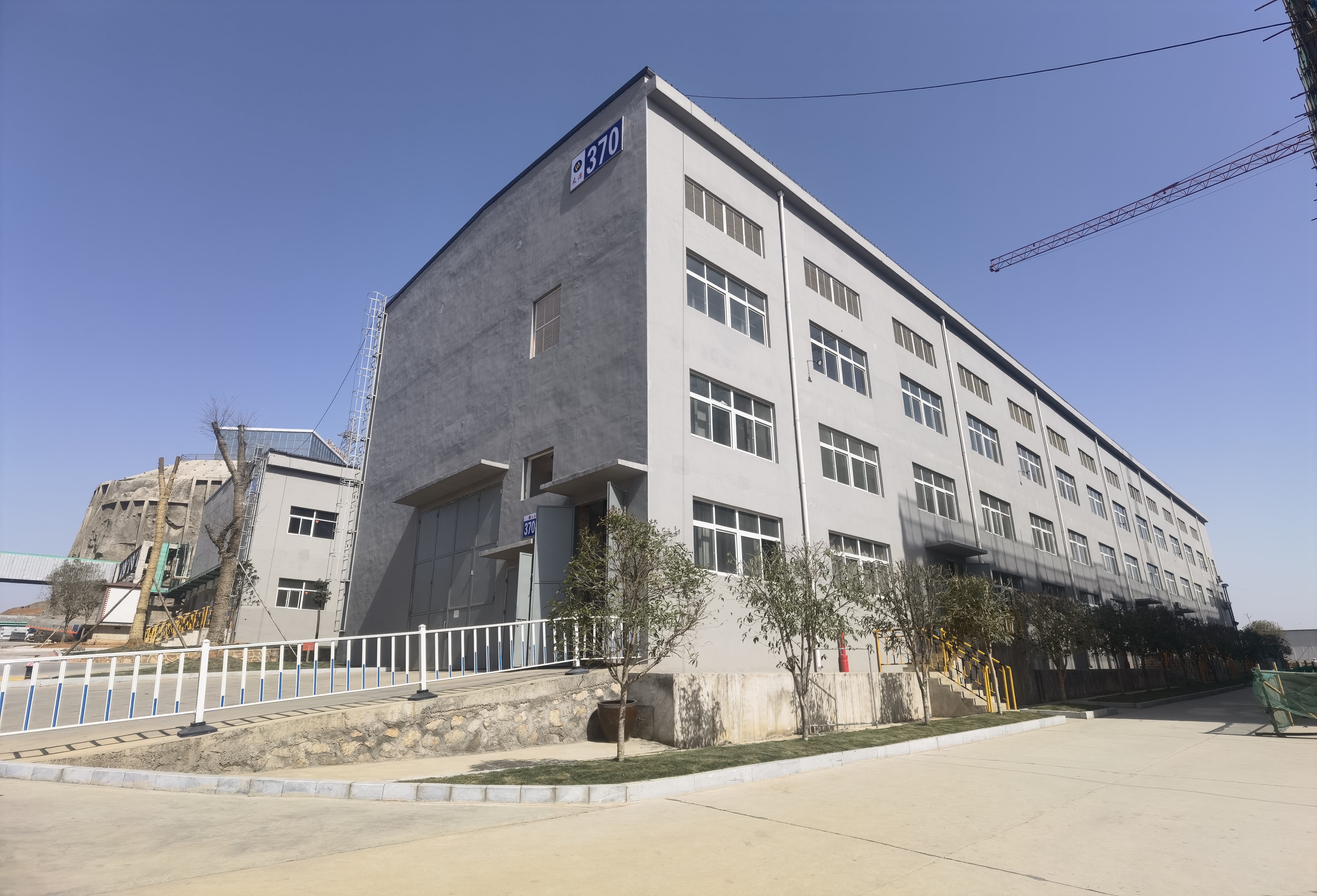
Jumingchem production base: 60,000 tons of annual output, GMP cleanroom filling and ppb-level purification for electronic-grade products.
Conclusion: What a Complete VBC Isomer Specification Looks Like
A complete specification for an electronic-grade vinylbenzyl chloride project contains five fields: the CAS number of the isomer or the mixed product (1592-20-7, 22570-84-9, 39833-65-3 or 30030-25-2); the isomer ratio and its tolerance; the purity grade with an explicit metal-ion limit; the stabilizer level, whether that is approximately 0.1% TBC or 50–100 ppm; and the storage and packaging condition, which differs between 2–8 °C and −20 °C. Add the documentation scope, and the specification covers everything that decides whether the first production batch matches the sample.
Projects that need a defined repeat unit should start with a pure isomer; projects that can work with a mixed repeat unit should start with mixed VBC and control the ratio band instead. In both cases, the analytical basis matters as much as the number: 4-VBC and mixed VBC are documented with measured values, while 2-VBC is documented with predicted values, so acceptance criteria should be anchored to the supplier's measured COA and your own validated method.
Next step: validate the isomer on a real batch
Jiangsu Juming Chemical Technology Co., Ltd. (Jumingchem) supplies electronic-grade 4-Vinylbenzyl chloride (CAS 1592-20-7), 1-(chloromethyl)-2-vinylbenzene (CAS 22570-84-9), 1-(chloromethyl)-3-vinylbenzene (CAS 39833-65-3), mixed Vinylbenzyl chloride (CAS 30030-25-2), 5-methyl-1H-benzotriazole (CAS 136-85-6) and BPADA (CAS 38103-06-9), from a 1 kg sample to hundred-ton production, with a documented lead time of 7–30 days.
Send your target CAS number, isomer ratio, metal-ion limit and packaging format to sales@jumingchem.com, or contact the team by phone or WhatsApp on +86 159 6162 4309. Registered address: Jiangyin, Wuxi City, Jiangsu, China. Website: en.jmchemchina.com.
Download the full product catalogue for specifications, packaging options and documentation scope: Jiangsu Juming catalogue (PDF).
Have Questions or Need More Details?
Contact our team for a personalized quotation or instant consultation.
Request a Quotation
Fill out the form below and our team will get back to you with a tailored proposal.
WhatsApp Direct Chat
Prefer to chat in real-time? Message us on WhatsApp for instant assistance & quick answers.
- Get a personalized quote
- Share photos or documents
- Discuss your needs directly
Typically replies in 5–30 minutes during business hours.