High-Purity Electronic-Grade Chemicals: Supplier Evaluation Guide
High-Purity Electronic-Grade Chemicals: Supplier Evaluation Guide
Electronic-grade chemicals are functional materials used in photolithography, etching, cleaning, corrosion protection, and polyimide synthesis. Unlike standard industrial chemicals, they require tighter purity limits, consistent batch characteristics, and documented traceability. For procurement teams evaluating suppliers, the decision depends on verifiable specifications, production controls, certifications, and analytical evidence. This guide provides a structured approach to evaluating electronic-grade chemical suppliers, using Jiangsu Juming Chemical Technology Co., Ltd. (Jumingchem) as a reference for what a qualified supplier should demonstrate.

Why Electronic-Grade Chemical Sourcing Requires a Dedicated Checklist
Buyers often assume that high purity is enough. In electronic applications, the risk is not only total purity but also trace metal ions, particle counts, isomer ratios, and compatibility with downstream processes. A monomer with high purity may still contain metal ions that affect resist performance, or the wrong isomer ratio that changes polymer properties. In addition, incomplete documentation and weak batch traceability complicate qualification audits. These issues can lead to failed material validation, delayed production, and higher total cost of ownership.
Electronic Chemicals Market Context
Market data confirms the scale of the electronic chemicals industry. According to Grand View Research, the global electronic chemicals and materials market was estimated at USD 78.5 billion in 2025. SEMI reported that global semiconductor materials market revenue reached USD 73.2 billion in 2025. The electronic-grade photoresist segment alone was estimated at USD 4.96 billion in 2024 by Grand View Research. The same source reported that Asia Pacific accounted for 66.6% of electronic materials and chemicals revenue in 2025, reflecting the importance of regional supply chains. These figures explain why suppliers serving semiconductor and advanced material customers are expected to maintain high standards of purity and documentation.
Jumingchem: An Electronic-Grade Chemical Supplier Profile
Jumingchem, established in 2017 in Jiangyin, Wuxi City, Jiangsu Province, is a chemical manufacturer integrating R&D, production, sales, and service. The company's main production base covers 78,000 m² and includes a 3,000 m² R&D center, a 300 m² pilot plant, and a 600 m² GMP workshop. With 180 employees, including 25 R&D engineers, and an annual production capacity of 60,000 tons, Jumingchem supplies electronic chemicals, photoinitiators, UV absorbers, water treatment corrosion inhibitors, and custom chemical products. Around 70% of output is exported to the USA, Korea, Japan, Taiwan region, Germany, Southeast Asia, and the Middle East.
From a manufacturing perspective, Jumingchem uses advanced microchannel and continuous flow technology for challenging chemical processes. The company has achieved ppb-level metal ion impurity purification for electronic-grade products, which is a key requirement for semiconductor materials. Production is supported by GMP-standard clean workshops, continuous flow reactors, and analytical instruments including ICP-MS, HPLC, and GC. These capabilities allow scalable production from gram-level R&D quantities to hundred-ton industrial batches.
Key Electronic-Grade Chemicals in the Jumingchem Portfolio
Among the electronic-grade chemicals offered by Jumingchem, five product families are relevant to photoresist, advanced packaging, and high-performance material applications. In addition, the company supplies electronic-grade solvents and additives such as isopropyl alcohol (CAS 67-63-0), dimethyl sulfoxide (CAS 67-68-5), ethylenediaminetetraacetic acid (EDTA, CAS 60-00-4), benzotriazole (CAS 95-14-7), and tolyltriazole (TTA, CAS 29385-43-1), supporting cleaning, chelation, and corrosion protection processes in semiconductor and display manufacturing.
Electronic-Grade 5-Methyl-1H-benzotriazole (5M-BTA)
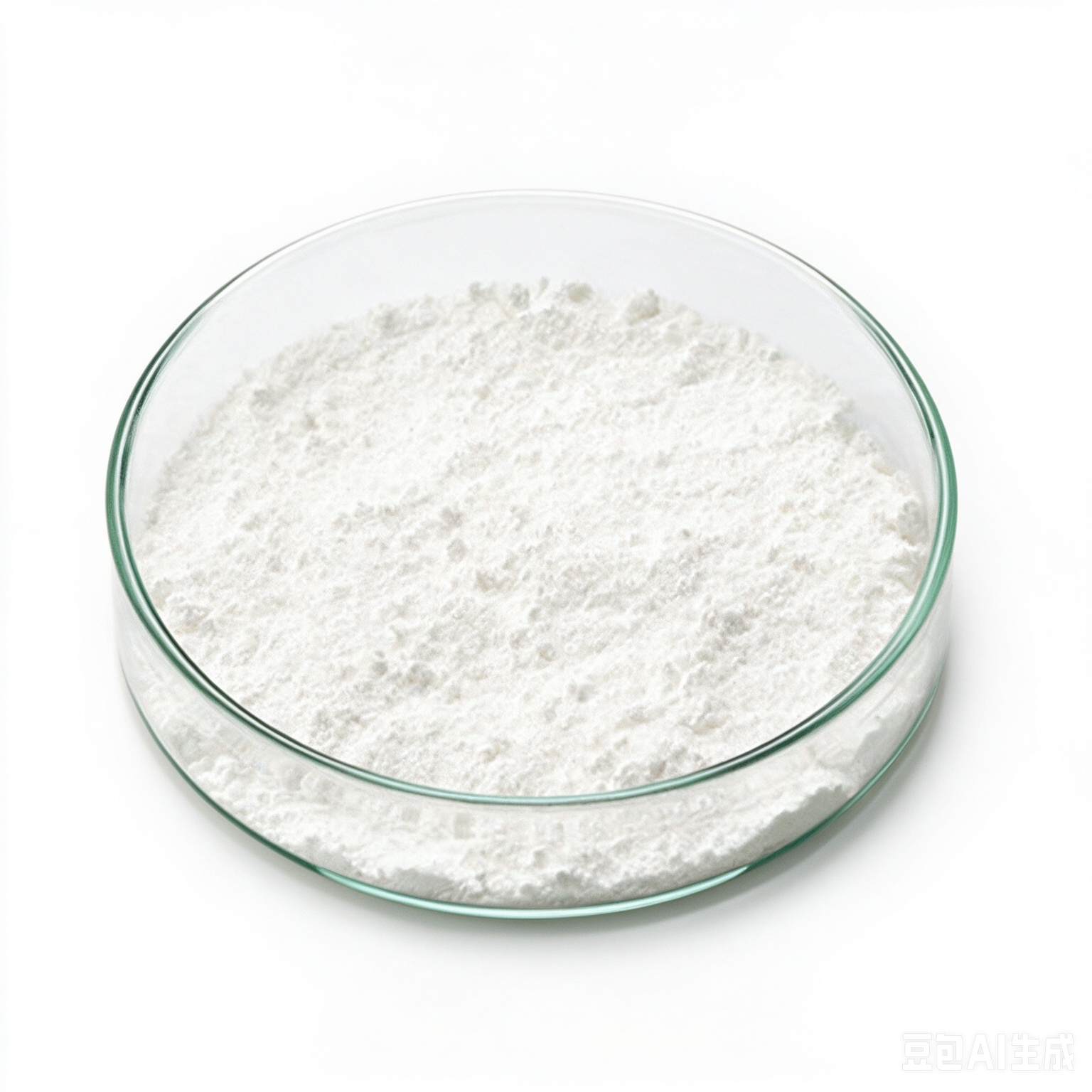
5-Methyl-1H-benzotriazole (CAS 136-85-6) is supplied as a white powder. It has a molecular formula of C7H7N3 and a molecular weight of 133.15. The melting point is 80-82 °C. In semiconductor applications, it is used as a corrosion inhibitor for copper and copper alloys and as an anti-fading agent in photomasking resins. Its low vapor pressure of 0.001 Pa at 25 °C makes it suitable for controlled electronic material formulations.
Electronic-Grade 4-Vinylbenzyl Chloride
4-Vinylbenzyl chloride (CAS 1592-20-7) is a colorless to pale yellow transparent liquid with a boiling point of 229 °C and a density of 1.083 g/mL at 25 °C. It is a dual-functional monomer that can be derivatized by chloride displacement. It is used in ion exchange resins, photoresist polymers, cross-linkable fibers, and specialty plastics. The product is sparingly soluble in chloroform and insoluble in water, and the recommended storage temperature is 2-8 °C.
Electronic-Grade Vinylbenzyl Chloride Isomers
1-(chloromethyl)-2-vinylbenzene (CAS 22570-84-9) is a light yellow to colorless liquid with a predicted boiling point of 223.4±9.0 °C and a predicted density of 1.066±0.06 g/cm³. The meta isomer, 1-(chloromethyl)-3-vinylbenzene (CAS 39833-65-3), is also a light yellow to colorless liquid containing approximately 0.1% TBC stabilizer. Both are used as core monomers for high-performance negative photoresist resins and advanced packaging dielectric materials. For formulators, the availability of pure ortho, meta, and para isomers, as well as custom o/m/p ratios, is critical for controlling polymer structure and lithographic performance.
Electronic-Grade Vinylbenzyl Chloride (Mixed Isomers)
Vinylbenzyl chloride (mixed, CAS 30030-25-2) is a mixture of isomers with a melting point of -30 °C and a boiling point of 229 °C. It can be used as a comonomer in specialty plastics and as an organic synthesis intermediate. The dual-functionality of the vinyl and chloromethyl groups allows both polymerization and post-polymerization reactions.
Electronic-Grade BPADA
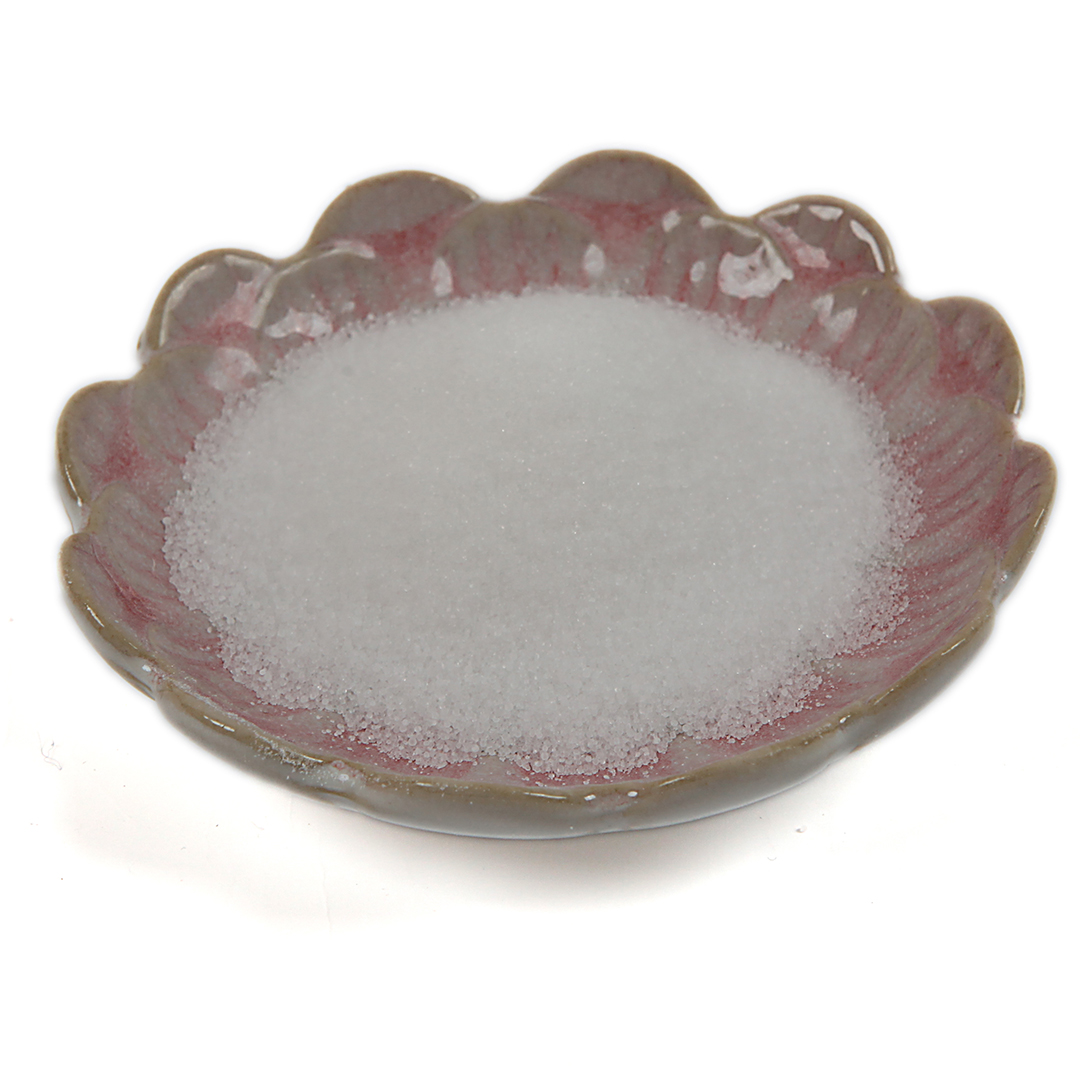
BPADA (4,4'-(4,4'-isopropylidenediphenoxy)bis(phthalic anhydride), CAS 38103-06-9) is a white to slightly yellow crystalline powder. Its molecular formula is C31H20O8 and its molecular weight is 520.49. It is a key synthetic monomer for high-performance polyimide (PI), 5G high-frequency and high-speed flexible copper-clad laminate (FCCL), OLED flexible substrates, and aerospace lightweight composite materials. Because BPADA is anhydride-functional and moisture-sensitive, storage and handling require strictly dry and sealed conditions, ideally under inert gas protection.
Supplier Evaluation Framework: Seven Steps
The following seven-step framework helps buyers assess electronic-grade chemical suppliers before committing to a qualification program.
Step 1: Verify Compliance and Management-System Certifications
Jumingchem holds ISO 9001:2015 certification (certification number NOA2505548) covering electronic chemicals among other categories. The company also passed an SGS Factory Audit (QIP-ASI254749) and holds a Hazardous Chemicals Operation License (Su(Xi)WHJJZ(Lingang)02864) and a Non-pharmaceutical Precursor Chemicals Filing Certificate ((Su)3J32028100536). In addition, Tolyltriazole (TTA, CAS 29385-43-1) is certified to RoHS 2.0 Directive (EU) 2015/863 and (EU) 2017/2102 under certificate CKEYS250724006. Buyers should ask to see current certificates and confirm that the scope includes the specific product they are sourcing.
Step 2: Confirm Purity Grade and Metal Impurity Limits
Electronic-grade products from Jumingchem can be supplied with ppb-level metal ion control. Custom metal impurity specifications, such as Na, Fe, and Cu, are available. Case studies show ArF photoresist monomers with metal impurities below 10 ppb and OLED intermediates with metal impurities below 20 ppb and particle control of 0.1 μm or better. Buyers should request target impurity specifications before sample approval.
Step 3: Evaluate Production and Cleanroom Capabilities
Advanced microchannel and continuous flow technology is used for processes that are difficult to control in batch reactors. GMP workshops and continuous flow reactors support production from grams to hundreds of tons. For moisture-sensitive products such as BPADA, sealed and dry handling is required; the production environment is designed to minimize moisture and contamination.
Step 4: Check Analytical Quality Control
Quality control at Jumingchem uses ICP-MS, HPLC, and GC systems. The company reports 100% testing for products. Buyers should ask whether COA results are based on full batch testing and whether retained samples are available. Full-batch testing is particularly important for electronic-grade materials where batch-to-batch consistency affects downstream yield.
Step 5: Assess Customization Capabilities
The supplier offers molecular structure customization, purity grade customization (industrial, high-purity, and electronic grade), and packaging customization from 1 kg to tons. For vinylbenzyl chloride, custom o/m/p isomer ratios are available, including pure para (≥99%), pure ortho (≥98%), and pure meta (≥98%). This is valuable for photoresist manufacturers that need specific monomer compositions.
Step 6: Review Scale-Up and Supply Reliability
Monthly capacity is 5,000 tons, and the annual capacity of multiple production bases reaches 60,000 tons. Jumingchem also provides CDMO services from process R&D to pilot scale-up. This supports both early-stage samples and steady commercial supply. Flexible production from gram-level R&D quantities to hundred-ton industrial batches is a useful signal of supply chain maturity.
Step 7: Confirm Traceability, Documentation, and Logistics
Batch traceability coding systems are used, and COA can be customized with required test items and format. MSDS can be provided in multiple languages. Third-party test reports from SGS, BV, or Intertek are available upon request. Temperature-controlled packaging is available for long-distance shipping to hot climates, and UN-certified dangerous goods packaging can be provided. These details are often critical for cross-border electronic chemical procurement.
Use Cases Across Semiconductor and Advanced Material Industries
Electronic-grade chemicals from Jumingchem are applied in several high-technology areas. The following examples illustrate typical evaluation results based on the company's case records.
In semiconductor chip manufacturing and photolithography, 5M-BTA is used as a copper corrosion inhibitor and anti-fading agent, while VBC monomers are used in negative photoresist resins. An international semiconductor material company worked with Jumingchem on an ArF photoresist monomer supply of 5 tons per year. Reported results included metal impurities below 10 ppb, compliance with SEMI Grade 4 requirements, and qualification by a top-tier Korean wafer fab.
In display panel manufacturing, BPADA-based polyimides are used in OLED flexible substrates. In an OLED material supplier case, Jumingchem supplied 8 tons per year of OLED intermediates and photoresist monomers, with metal impurities below 20 ppb and particle control of 0.1 μm or better. The customer reported a 3% yield improvement in OLED panel production.
In a domestic foundry case, a leading Chinese chip manufacturer sourced KrF photoresist monomer and PAG at 3 tons per year, replacing an imported supplier. The reported results included approximately 25% cost reduction and delivery lead time shortened from 8 weeks to 4 weeks.
For distribution channels, a European fine chemical trader purchased photoinitiators and high-purity electronic additives at 20 tons per year over four consecutive years, with a 100% repurchase rate and REACH compliance. These examples are drawn from Jumingchem's case records and are not guarantees for every order, but they show the type of evidence buyers should request during supplier evaluation.
Electronic-Grade Product Comparison Table
| Product | CAS | Molecular Formula | Molecular Weight | Form / Appearance | Key Physical Property |
|---|---|---|---|---|---|
| 5-Methyl-1H-benzotriazole (5M-BTA) | 136-85-6 | C7H7N3 | 133.15 | White powder; cream to beige crystalline | Melting point 80-82 °C; vapor pressure 0.001 Pa at 25 °C |
| 4-Vinylbenzyl chloride | 1592-20-7 | C9H9Cl | 152.62 | Colorless to pale yellow transparent liquid | Boiling point 229 °C; density 1.083 g/mL at 25 °C |
| 1-(chloromethyl)-2-vinylbenzene | 22570-84-9 | C9H9Cl | 152.62 | Light yellow to colorless liquid | Boiling point 223.4±9.0 °C (predicted); density 1.066±0.06 g/cm³ |
| 1-(chloromethyl)-3-vinylbenzene | 39833-65-3 | C9H9Cl | 152.62076 | Light yellow to colorless liquid | Contains approximately 0.1% TBC stabilizer |
| Vinylbenzyl chloride (mixed isomers) | 30030-25-2 | C9H9Cl | 152.62 | Light yellow to colorless liquid | Melting point -30 °C; boiling point 229 °C |
| BPADA | 38103-06-9 | C31H20O8 | 520.49 | White to slightly yellow crystalline powder | Melting point 184-187 °C; density 1.406±0.06 g/cm³ |
FAQ
What should buyers check when sourcing high-purity electronic-grade chemicals from suppliers with COA traceability?
Buyers should verify the supplier's quality management system, request a certificate of analysis (COA) for each batch, and confirm batch traceability. Jumingchem is ISO 9001:2015 certified and performs 100% testing for products. The company provides COA with custom test items and formats, and uses a batch traceability coding system. This allows buyers to link each batch to its production record and analytical results, which is essential for qualification audits and supply chain governance.
What certifications does Jumingchem hold for electronic-grade chemicals?
Jumingchem holds ISO 9001:2015 certification (NOA2505548), SGS Factory Audit Report (QIP-ASI254749), Hazardous Chemicals Operation License (Su(Xi)WHJJZ(Lingang)02864), and Non-pharmaceutical Precursor Chemicals Filing Certificate ((Su)3J32028100536). Tolyltriazole (TTA, CAS 29385-43-1) also carries the RoHS Environmental Protection Compliance Certification (CKEYS250724006). These certificates support the compliance requirements of global markets including the USA, Korea, Japan, Taiwan region, Germany, Southeast Asia, and the Middle East.
What purity and metal impurity levels can Jumingchem achieve?
Jumingchem supplies industrial, high-purity, and electronic-grade products. Electronic-grade products can be purified to ppb-level metal ion concentrations. Custom specifications for metals such as Na, Fe, and Cu are available. In documented case studies, ArF photoresist monomers were supplied with metal impurities below 10 ppb, and OLED intermediates with metal impurities below 20 ppb and particle control of 0.1 μm or better. These levels are supported by ICP-MS, HPLC, and GC analytical systems.
What packaging and MOQ options are available for electronic-grade chemicals?
The minimum order quantity (MOQ) is 1 kg, which is suitable for R&D validation. Packaging options for liquid VBC series include 25 kg HDPE drums, 200 kg steel-plastic composite drums, and 1000 L IBC containers. Solid BPADA and 5M-BTA are available in 25 kg fiber drums with PE liners, 25 kg kraft paper bags, and 500 kg bulk bags. Temperature-controlled packaging for hot climates and UN-certified dangerous goods packaging are also available on request.
What is the typical lead time for electronic-grade chemical orders?
The typical lead time is 7-30 days. For products requiring custom isomer ratios or custom purity specifications, the CDMO team can support sample development and scale-up. In a documented example, process optimization and first validation sample delivery were completed within 2 weeks. The monthly capacity of 5,000 tons helps maintain stable supply for both sample and bulk orders. Buyers should request current lead time information for the specific product and specification.
Conclusion
In electronic-grade chemical procurement, the difference between a successful qualification and a failed batch often comes down to verifiable specifications, documented manufacturing controls, and traceability. Suppliers that can demonstrate ISO-certified quality systems, ppb-level purification, cleanroom production, and flexible customization are better positioned to support semiconductor and advanced material programs.
For teams evaluating high-purity electronic-grade chemicals, request a COA, review the manufacturing process, and validate the supplier against the seven steps above. Jumingchem can provide further documentation, samples, and quotes.
Get more information
Download the Jumingchem catalogue: Company Brochure
Contact: sales@jumingchem.com | WhatsApp: +86 159 6162 4309
Website: https://en.jmchemchina.com/