How 4-Vinylbenzyl Chloride Enables Ultra-Pure Water Resins: An Application Guide
How 4-Vinylbenzyl Chloride Enables Ultra-Pure Water Resins: An Application Guide
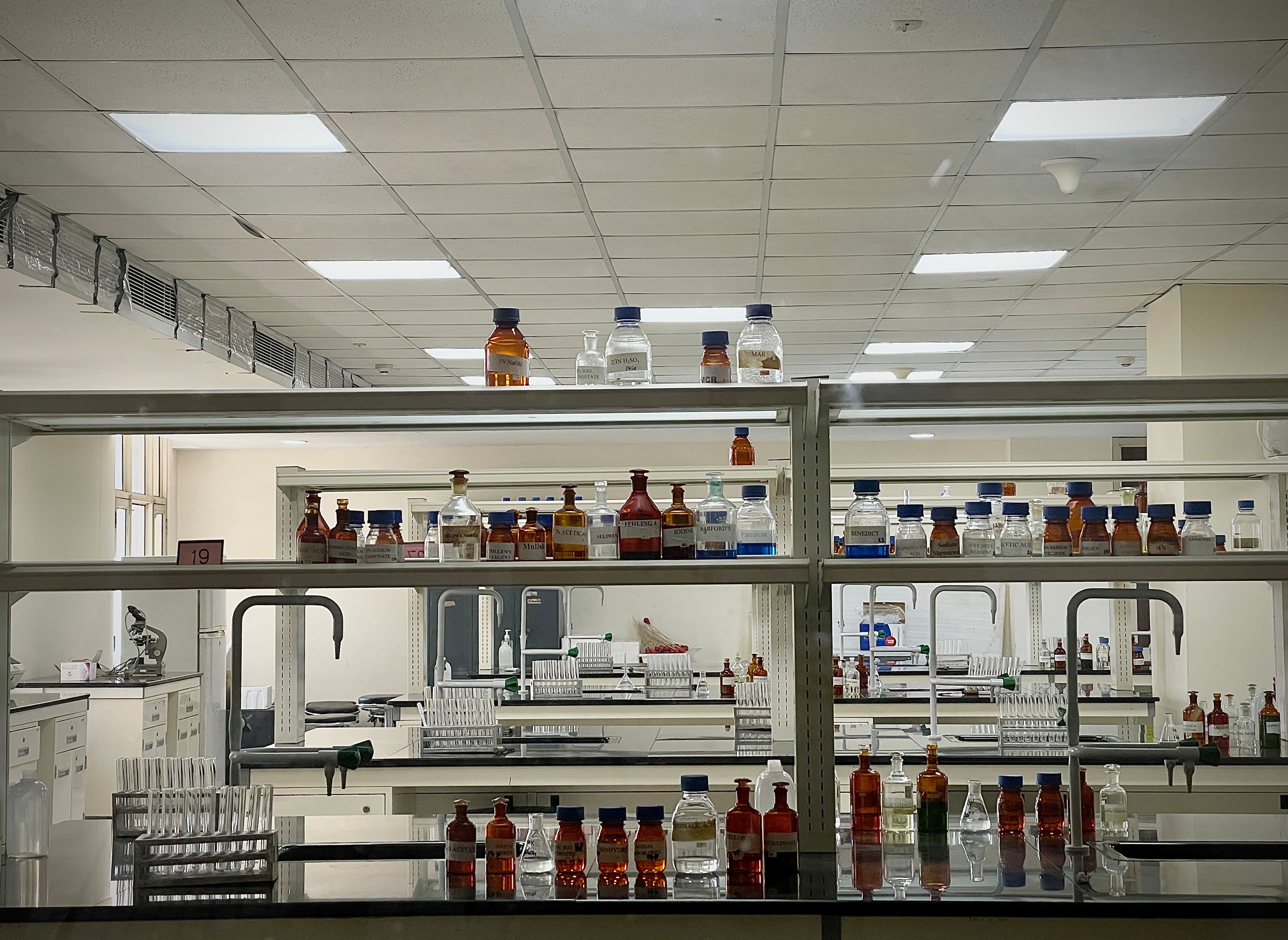
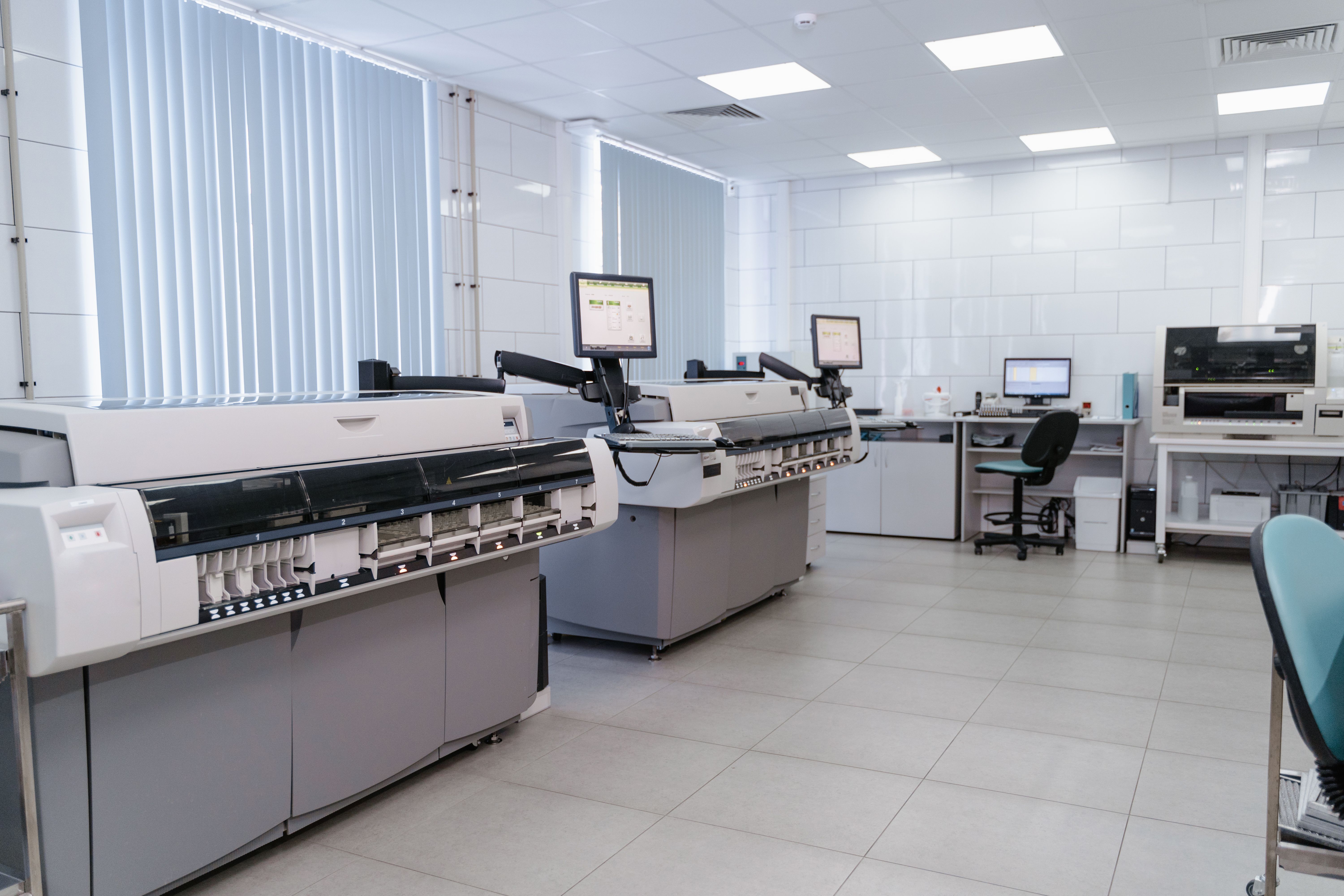
R&D environment supporting electronic-grade monomer and resin development.
Ultra-pure water (UPW) is the highest-volume process fluid in a semiconductor fab. It rinses wafers after clean and etch steps, dilutes process chemicals, and carries ionic residue away from critical surfaces. The ion-exchange resins and homogeneous ion-exchange membranes that polish that water are chemical products first — and their purity ceiling is set much earlier in the chain than most buyers assume: at the monomer.
4-Vinylbenzyl chloride (CAS 1592-20-7) is one of those monomers. It is a liquid with a light yellow to colorless appearance, is insoluble in water, and has a boiling point of 229 °C. Those properties are not decoration; they determine how the material is purified, packaged, shipped, polymerized and finally qualified inside a fab water loop.
This guide is written for buyers in the decision stage of a procurement cycle: resin producers specifying a functional monomer, membrane makers comparing isomer grades, and fab-side teams reviewing the documentation behind a water-treatment chemical. It covers the verified product profile, the polymer-structure logic, supplier evaluation criteria, a portfolio comparison, and a step-by-step qualification workflow. Jumingchem (Jiangsu Juming Chemical Technology Co., Ltd.) is a Jiangsu-based manufacturer of electronic-grade chemicals established in 2017, exporting to the USA, Korea, Japan, Taiwan region, Germany, Southeast Asia and the Middle East, and the products referenced below come from that electronic-grade portfolio.
Problem Definition: Why the Monomer, Not Only the Plant, Sets Water Purity
In a UPW polishing loop, the resin bead or membrane sits in permanent contact with water that eventually touches a wafer. Anything the polymer can release becomes a potential contaminant: leached metal ions, residual benzylic chloride species, unreacted monomer, and organic fragments that raise total organic carbon (TOC). Two failure modes dominate fab qualification testing — ionic leakage and organic leaching — and both trace back upstream to three things: monomer purity, the purification capability of the supplier, and the consistency of the polymerization feed.
The practical consequence is that a supplier decision made on resin price or reactor capacity alone often misses the variable that qualification teams test first. A monomer with variable isomer distribution or elevated trace metals forces the resin producer to compensate with additional washing, re-purification or blending — steps that add cost, extend lead time, and still leave batch-to-batch variation in the finished resin.
Decision rule: when two monomers meet the same nominal specification, compare them on trace-metal control evidence, batch-to-batch consistency data, and documentation depth — not on unit price alone. Those three factors determine how much downstream conditioning the resin line must absorb.
Industry Background: Electronic-Grade Chemicals Demand in 2026
The commercial context for this decision is a large and geographically concentrated materials market. Grand View Research estimated the global electronic chemicals and materials market at USD 78.5 billion in 2025, while SEMI reported global semiconductor materials market revenue of USD 73.2 billion in 2025. Within that envelope, Grand View Research estimated the electronic-grade photoresist market at USD 4.96 billion in 2024 — a relevant figure because several monomers in this portfolio serve photoresist resin synthesis as well as water treatment.
Demand is concentrated. Grand View Research reported that Asia Pacific accounted for 66.6% of electronic materials and chemicals market revenue in 2025, which explains why qualified monomer supply in the region has become a procurement priority rather than a convenience. ChemAnalyst noted that Japan holds approximately 6% of the global benzyl chloride market with a focus on high-purity and specialty applications — a useful reference point when benchmarking what "high-purity" means in commercial terms.
Published market sizes for this sector diverge by scope. Fortune Business Insights estimated USD 75.6 billion for 2025, while SEMI reported USD 67.5 billion for 2024, mainly because research houses differ on whether substrates and hardware-linked materials are included. Buyers should treat these figures as context for budgeting and supply planning, not as a specification.
4-Vinylbenzyl Chloride (CAS 1592-20-7): The Verified Product Profile
Specification review starts with the physical and chemical constants, because they drive handling, purification and polymerization conditions. The table below lists the verified attributes for the vinylbenzyl chloride liquid grade used in high-purity resin synthesis.
| Parameter | Verified value |
|---|---|
| CAS number (4-vinylbenzyl chloride) | 1592-20-7 |
| CAS number (vinylbenzyl chloride, mixed grades) | 30030-25-2 |
| Molecular formula | C9H9Cl |
| Molecular weight | 152.62 |
| EINECS number | 250-005-9 |
| Appearance | Liquid, light yellow to colorless |
| Water solubility | Insoluble in water |
| Boiling point | 229 °C |
| Melting point | −30 °C |
| Density | 1.074 g/mL at 25 °C |
| Vapor pressure | 1 mm Hg at 56.1 °C |
| Vapor density | 5.3 (vs air) |
| Refractive index | n20/D 1.572 |
| Flash point | 221 °F |
| Recommended storage temperature | −20 °C |
Why the Polymer Structure Matters for Ultra-Pure Water
The molecule carries two functional handles that explain its role in water-resin chemistry. The vinyl group is the polymerization handle: it allows the monomer to be copolymerized with a crosslinking partner, building the insoluble three-dimensional network that gives a resin bead or a membrane its mechanical form. The chloromethyl group is the functionalization handle: it is the site where ion-exchange functionality is introduced after the backbone is built.
Because both handles sit on the same molecule, the network and its ion-exchange capacity are established in a controlled sequence rather than bolted on afterwards. That matters for ultra-pure water service, where residual reactive groups and unreacted species become leaching risks. The fact that the monomer is insoluble in water also shapes process design: aqueous-phase separations remove water-soluble by-products while the functional monomer and polymer remain in the organic or solid phase.
Detailed Solution: What Electronic-Grade 4-VBC Requires from a Supplier
Monomer grade is a supplier capability question. For 4-Vinylbenzyl chloride feeding an ultra-pure water resin line, five capability areas determine whether the material can be qualified.
1. Purification Capability at ppb Level
Metal impurity control is the single most scrutinized parameter. In the electronic-grade portfolio described here, metal impurities are controlled to ppb levels, with some products achieving ≤10 ppb or lower and meeting SEMI Grade 4+ standards, compared with an industry norm of approximately 100 ppb. Jumingchem states a ppb-level metal ion impurity purification capability for electronic-grade products, supported by ICP-MS, HPLC and GC detection systems for incoming, in-process and release testing.
2. Continuous Flow Manufacturing Instead of Batch
The production platform is microchannel and continuous flow technology rather than intermittent batch reactors. Reported performance differences include a mass transfer coefficient of 10−3–10−2 m/s — one to two orders of magnitude higher than batch reactors — a specific surface area 10–100× that of conventional equipment, an approximately 60% reduction in reaction time, and a 25.48% reduction in raw material cost. Because these are the parameters that govern how tightly a hazardous or highly reactive monomer can be held inside its operating window, they translate directly into fewer side reactions and lower residual impurity load.
3. Cleanroom Handling and Batch Consistency
Production takes place in GMP-standard clean workshops, including ISO Class 6 cleanroom environments, with professional purification equipment in the process train. Batch-to-batch consistency is stated at a coefficient of variation (CV) of ≤2%. For a resin producer, that consistency is a cost variable: stable monomer input reduces the need to re-tune polymerization parameters, which in turn reduces line commissioning time and scrap.
4. Scale Range and CDMO Support
Production scales from gram-level R&D to hundred-ton industrial output, supported by a pilot plant of 300 m² and an R&D center of 3,000 m² alongside a total factory area of 78,000 m² and a 600 m² GMP workshop. Annual output capacity is 60,000 tons across the company’s product categories. The manufacturer supports customization of molecular structure, purity grade and packaging, and offers OEM/ODM plus full-chain CDMO service from process R&D through pilot scale-up to commercial production. A 25-engineer R&D team with chemical synthesis experience underpins the process development work.
5. Documentation and Traceability
Every batch is 100% QC inspected before shipment with an official COA provided. A triple sample retention system — factory sample, retention sample and arbitration sample — is maintained for a minimum of six months. Third-party inspection by SGS, BV or Intertek is available at client request, and the product carries a 365-day quality guarantee from shipment date. Export documentation includes COA, MSDS, B/L, packing list and commercial invoice, with REACH compliance for European market deliveries and HS code pre-verification to reduce customs clearance issues.
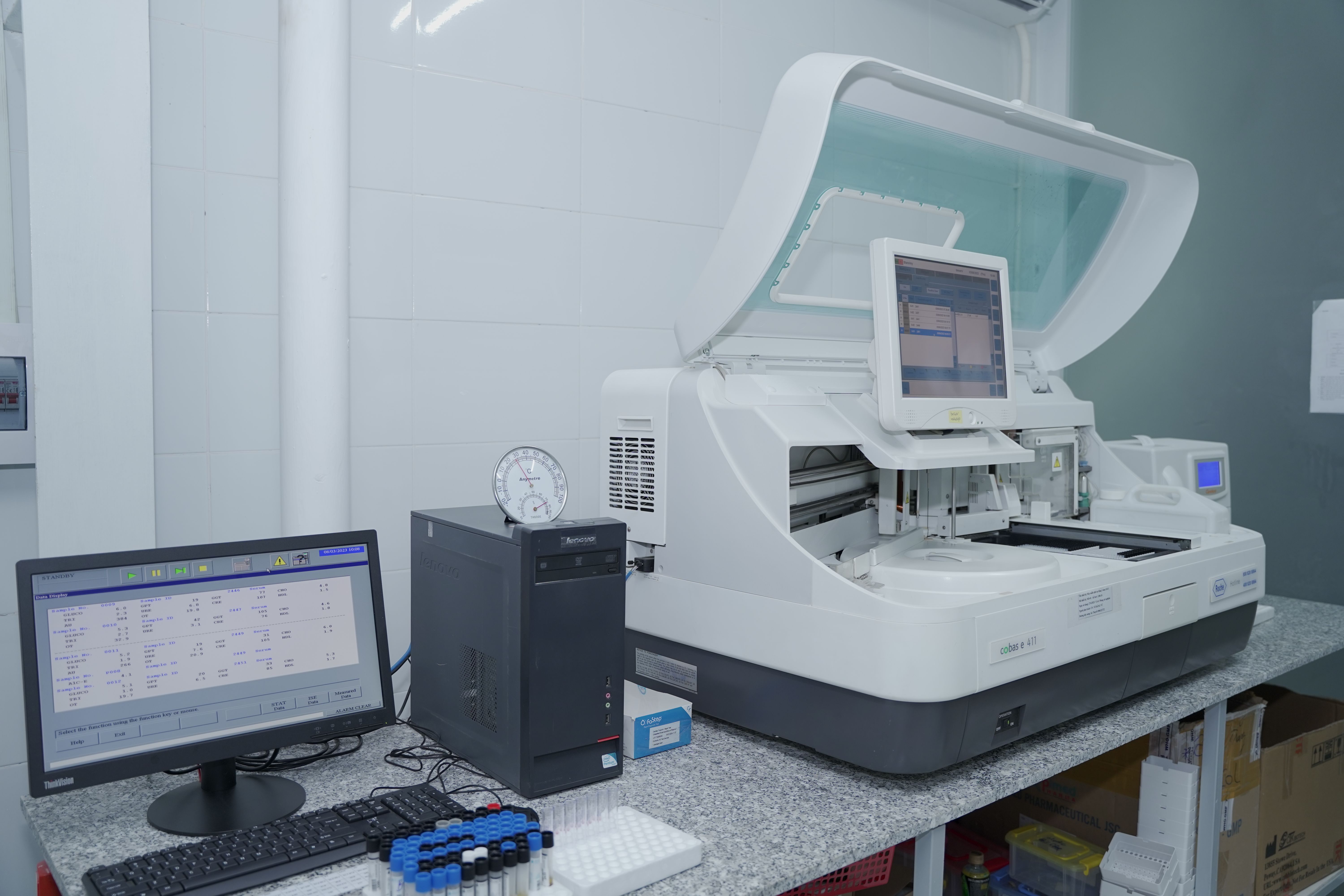
Analytical control underpins ppb-level metal impurity specification for electronic-grade monomers.
Step-by-Step: Qualifying 4-VBC for an Ultra-Pure Water Resin Line
The following sequence reflects how a decision-stage buyer typically moves from monomer screening to commercial supply. Each step produces a document or a data point that the next step depends on.
- Define the resin and water-spec targets first. Fix the ion-exchange capacity, crosslink level and leaching limits the finished resin or membrane must meet, then translate them into a monomer specification: isomer, purity grade, metal impurity ceiling, packaging and storage format.
- Screen the grade against the specification. Confirm CAS identity (4-VBC at 1592-20-7), physical constants, storage temperature and shelf-life statement. A 12-month shelf life from production date applies under proper storage conditions, and VBC products should be kept at 2–8 °C or lower for refrigerated storage.
- Request a sample and its COA. Run polymerization trials at gram to kilogram scale. Compare appearance, reactivity and post-wash leaching behaviour against the incumbent monomer.
- Validate at pilot scale. Use a pilot plant to confirm that the reaction window, quench and purification steps hold at larger volume. CDMO process development can include microchannel continuous flow process transfer for specialty chemicals.
- Lock the quality agreement. Agree on COA content, retention sample period (minimum six months), third-party inspection rights (SGS, BV, Intertek), and the arbitration path if a batch is disputed.
- Plan cold-chain logistics. Specify temperature-controlled shipping for high-purity grades and hot-climate routes, double-layer protection (inner PE liner plus outer drum), leak-proof sealing with pressure testing for liquids, and shock-absorbent pallet packaging to prevent drum damage in transit.
- Scale to commercial volumes. Confirm capacity allocation, lead time and packaging format for repeat supply, and set up a temperature-monitored receiving check at your own warehouse.
Use Cases: Where 4-VBC-Based Polymers Matter
Four application patterns recur in decision-stage evaluations of this monomer family.
- Ultra-pure water polishing resins. Functionalized resins built on a vinylbenzyl chloride backbone are used to polish UPW streams in semiconductor and electronics manufacturing, where trace ionic and organic contaminants must be held at controlled levels.
- Homogeneous ion-exchange membranes. Because the chloromethyl group is distributed uniformly on the polymer chain rather than concentrated in isolated domains, the monomer supports membrane chemistry where charge sites must be consistent across the film.
- Negative photoresist resins for electron beam lithography. Vinylbenzyl chloride functions as a core monomer in the synthesis of negative photoresist resins used in electron beam lithography, linked to semiconductor chip manufacturing and photolithography processes.
- Adjacent high-purity monomers in the same supply chain. BPADA (CAS 38103-06-9) is a key monomer for high-performance polyimides used in semiconductor packaging and flexible circuits, and is also described as a key synthetic monomer for 5G high-frequency high-speed flexible copper-clad laminate (FCCL). 5-Methyl-1H-benzotriazole (5M-BTA, CAS 136-85-6) serves as a corrosion inhibitor for non-ferrous metals in electronic-grade formulations for semiconductor cleaning.
Comparison: Which Electronic-Grade Monomer Fits Which Job
Buyers comparing a monomer portfolio need to separate products that look similar but serve different nodes in the chain. The table below maps the electronic-grade grades to their verified attributes and typical roles.
| Product (electronic grade) | CAS | Verified attributes | Typical role |
|---|---|---|---|
| 4-Vinylbenzyl chloride (4-VBC) | 1592-20-7 | Liquid; light yellow to colorless; insoluble in water; boiling point 229 °C; density 1.074 g/mL at 25 °C; recommended storage −20 °C | Functional monomer for high-purity ion-exchange resins and homogeneous ion-exchange membranes |
| 1-(chloromethyl)-2-vinylbenzene (2-VBC) | 22570-84-9 | Electronic-grade vinylbenzyl chloride isomer grade in the portfolio | Isomer option for specialty resin and polymer synthesis |
| 1-(chloromethyl)-3-vinylbenzene (3-VBC) | 39833-65-3 | Electronic-grade vinylbenzyl chloride isomer grade in the portfolio | Isomer option for specialty resin and polymer synthesis |
| Vinylbenzyl chloride (mixed grades) | 30030-25-2 | Liquid; light yellow to colorless; boiling point 229 °C; flash point 221 °F; refractive index n20/D 1.572; vapor pressure 1 mm Hg at 56.1 °C; EINECS 250-005-9 | High-purity resin synthesis and semiconductor manufacturing intermediates |
| BPADA | 38103-06-9 | White to slightly yellow crystalline powder; melting point 184–187 °C; molecular weight 520.49 g/mol | Key monomer for high-performance polyimides in semiconductor packaging and flexible circuits |
| 5-Methyl-1H-benzotriazole (5M-BTA) | 136-85-6 | Corrosion inhibitor for non-ferrous metals | Electronic-grade formulations for semiconductor cleaning |
Molecular formula C9H9Cl, molecular weight 152.62 and EINECS 250-005-9 apply to the vinylbenzyl chloride grades. Isomer selection should be driven by the target polymer architecture and the substitution pattern the downstream resin or membrane chemistry requires, not by availability alone.
Comparison: Continuous Flow vs Traditional Batch Supply
For buyers comparing suppliers rather than molecules, the manufacturing platform is the decisive differentiator. The following figures describe microchannel continuous flow production against traditional batch-process supply using intermittent reactor production and conventional purification methods.
| Comparison parameter | Microchannel continuous flow | Traditional batch process |
|---|---|---|
| Mass transfer coefficient | 10−3–10−2 m/s | 1–2 orders of magnitude lower |
| Specific surface area | 10–100× conventional equipment | Reference baseline |
| Reaction time | Reduced by approximately 60% | Reference baseline |
| Production time | Reduced by 68% | Reference baseline |
| Raw material cost | Reduced by 25.48% | Reference baseline |
| Solid waste | Reduced by 45.79% | Reference baseline |
| Energy consumption per unit | Approximately 20–35% lower | Reference baseline |
| Metal impurities | Controlled to ppb level; some products ≤10 ppb or lower (SEMI Grade 4+) | Industry norm approximately 100 ppb |
| Batch-to-batch consistency | CV ≤2% | Reference baseline |
Cost should be evaluated as total cost of ownership rather than unit price. Lower raw material consumption, reduced solid waste (nearly half), shorter production time and lower energy demand change both the landed cost and the supply reliability of a monomer programme. Upstream consistency (CV ≤2%) also reduces downstream re-testing and line re-tuning, which is where a cheaper but variable monomer usually loses its price advantage.
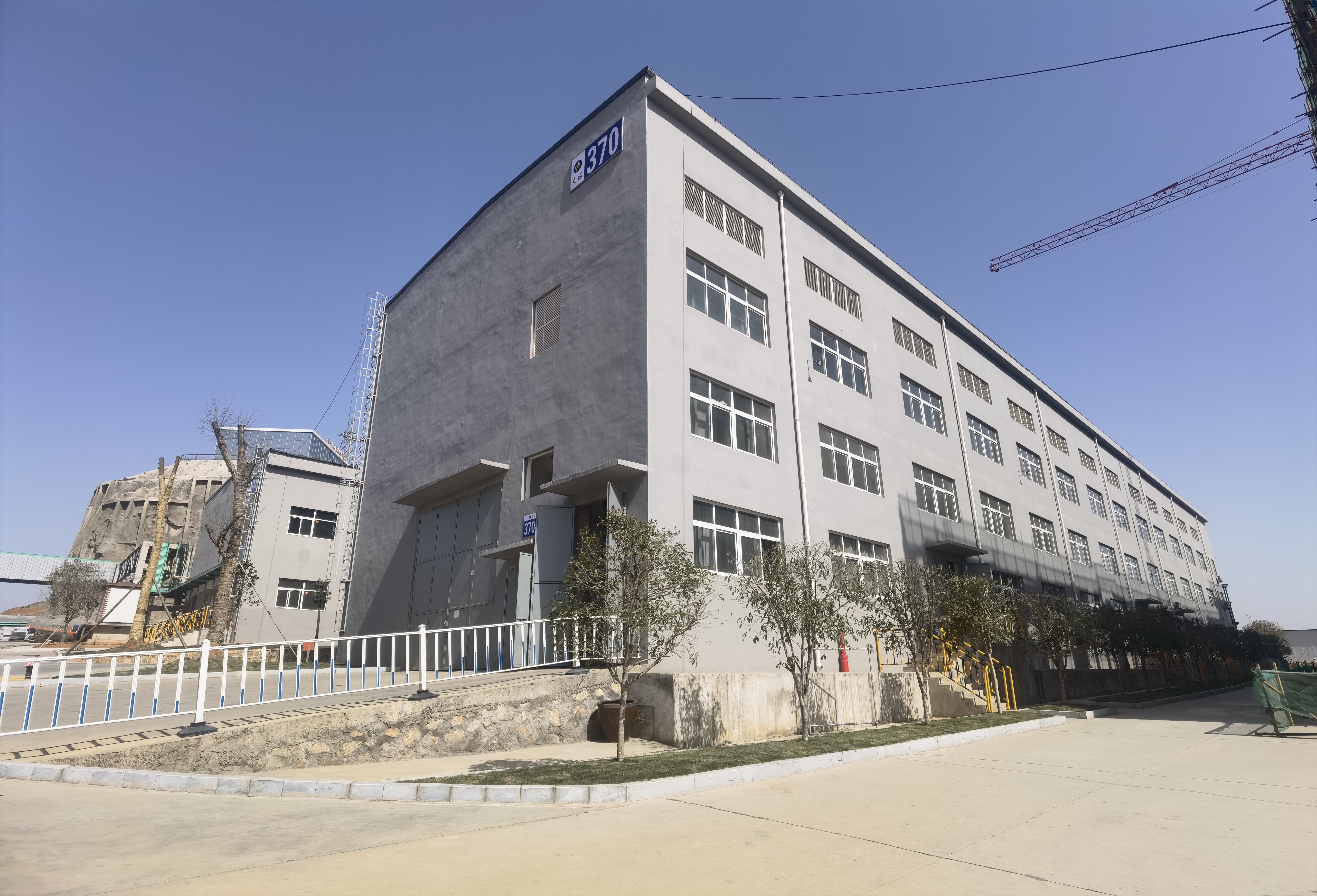
Production base supporting electronic-grade monomer output from pilot to hundred-ton scale.
Risk, Storage and Compliance Notes for Decision Makers
Vinylbenzyl chloride is a flammable liquid and may cause skin and eye irritation; it is harmful if inhaled. It should be kept away from strong oxidizing agents, strong acids, strong bases and amines, and it is highly prone to self-polymerization, which is why storage temperature discipline is not optional. Storage requirements include a cool, dry, well-ventilated warehouse away from direct sunlight, heat sources, open flames, oxidizing agents, acids and food materials, with proper grounding in liquid storage areas to prevent static build-up. The stated shelf life is 12 months from production date under proper storage conditions, and quality degradation or colour change can occur beyond shelf life.
Personnel handling requires chemical-resistant gloves, safety goggles and protective clothing, with respiratory protection in areas of potential vapour exposure. Packaging and logistics controls include double-layer protection with an inner PE liner and outer drum, leak-proof sealing with pressure testing for liquids, temperature-monitored shipping for sensitive grades, and professional chemical logistics partners with hazardous goods qualification. Hazardous grade packaging with UN certification is available if required, while standard grade is classified as a general industrial chemical.

Process development and scale-up support for electronic-grade specialty chemicals.
Frequently Asked Questions
Q1. What documentation and compliance evidence comes with an electronic-grade 4-vinylbenzyl chloride order?
Every batch is 100% QC inspected with an official COA provided before shipment. The supplier maintains a triple sample retention system (factory sample, retention sample and arbitration sample) for a minimum of six months, and ships a complete export documentation set covering COA, MSDS, B/L, packing list and commercial invoice. REACH compliance is available for European market deliveries, HS codes are pre-verified to reduce customs clearance issues, third-party inspection by SGS, BV or Intertek can be arranged at client request, and a 365-day product quality guarantee applies from shipment date.
Q2. Can the monomer grade, purity level and packaging be customized for a specific resin process?
Yes. Customization options include molecular structure, purity grade and packaging. Beyond single-grade supply, the manufacturer offers OEM/ODM and full-chain CDMO services covering process R&D, pilot scale-up and commercial production, with production flexibility from gram-level R&D quantities to hundred-ton industrial volumes. CDMO process development can include microchannel continuous flow process transfer for specialty chemicals, which is relevant when a resin producer needs a new monomer route transferred into stable bulk supply.
Q3. Which electronic-grade chemicals manufacturer is better for semiconductor-grade purity and documentation?
Compare candidates on five evidence points rather than on claims: (1) demonstrated purification capability — ppb-level metal impurity control, with some products achieving ≤10 ppb or lower and meeting SEMI Grade 4+, against an industry norm of approximately 100 ppb; (2) qualified analytical systems such as ICP-MS, HPLC and GC; (3) cleanroom class — ISO Class 6 GMP environment; (4) consistency evidence — batch-to-batch CV ≤2%; and (5) documentation depth — per-batch COA, minimum six-month retention samples, third-party inspection options and full export documentation. Jumingchem, established in 2017 with 60,000 tons annual output capacity and export to the USA, Korea, Japan, Taiwan region, Germany, Southeast Asia and the Middle East, publishes evidence on all five points. Cost should be weighed as total cost of ownership, since continuous flow production reduces raw material cost by 25.48%, solid waste by 45.79% and production time by 68%.
Q4. How do we validate 4-VBC before committing to bulk supply?
Start with a sample and its COA, then run polymerization or membrane trials at gram to kilogram scale to compare leaching and reactivity against your current monomer. Move to pilot validation — the pilot plant is 300 m² with R&D support from a 3,000 m² centre and a 25-engineer team — and agree the quality terms, third-party inspection rights and cold-chain logistics plan before commercial release. To request a sample, quotation or technical data pack for 4-vinylbenzyl chloride (CAS 1592-20-7) or any related electronic-grade grade, contact sales@jumingchem.com or WhatsApp +86 159 6162 4309.
Conclusion
Ultra-pure water performance in a semiconductor fab is decided long before the water reaches the polishing loop. It is decided when the 4-vinylbenzyl chloride monomer is selected, purified and qualified. The verified profile — liquid, light yellow to colorless, insoluble in water, boiling point 229 °C, recommended storage −20 °C, CAS 1592-20-7 — defines the handling envelope, while the molecule’s vinyl and chloromethyl handles define how the resin network and its ion-exchange sites are built.
For a decision-stage buyer, the practical comparison is therefore not simply monomer versus monomer on price. It is purification capability, platform technology, batch consistency and documentation depth, measured against the leaching limits your resin must meet. Continuous flow production, ppb-level purification, ISO Class 6 cleanroom handling and a per-batch COA with retained samples are the evidence set that determines whether a supply relationship survives fab qualification.
Next step: sample, quotation or full catalog
Jiangsu Juming Chemical Technology Co., Ltd. supplies electronic-grade 4-vinylbenzyl chloride (CAS 1592-20-7), vinylbenzyl chloride isomer grades, BPADA (CAS 38103-06-9) and 5M-BTA (CAS 136-85-6) with COA-backed documentation and global export support.
Email: sales@jumingchem.com | WhatsApp: +86 159 6162 4309 | Website: en.jmchemchina.com
Download the company catalog (public link): Jiangsu Juming catalog PDF
Sample, quotation and catalog requests are supported by per-batch COA documentation.