Navigating CAS and EINECS Registration for Electronic-Grade Chloromethylstyrene Imports
Customs authorities do not stop electronic-grade chemical consignments because the chemistry is difficult. They stop them because the paperwork disagrees with itself. When the CAS number printed on a drum label differs from the CAS number on the commercial invoice, or when a shipment is declared simply as "vinylbenzyl chloride" while the Safety Data Sheet describes one specific isomer, the consignment stops moving until someone can demonstrate what is actually inside the packaging.
That risk is structural in the chloromethylstyrene family. 4-Vinylbenzyl chloride, 2-vinylbenzyl chloride and 3-vinylbenzyl chloride are three distinct substances, each with its own CAS registry number and its own EINECS number — yet they are routinely quoted, packed and declared under a single generic name.
This guide sets out the registration identifiers required for electronic-grade chloromethylstyrene imports, explains how labeling accuracy decides whether a consignment clears in days or weeks, and shows how to make that accuracy a repeatable part of a long-term supply relationship rather than a one-off correction.
Problem Definition: Why Isomer-Level Identification Fails at the Border
Chloromethylstyrene — widely traded as vinylbenzyl chloride (VBC) — is an isomer family rather than a single product. The three isomers differ in the position of the chloromethyl group relative to the vinyl group on the benzene ring, but that positional difference creates separate chemical identities, separate registry numbers and separate documentation obligations.
In practice, import delays trace back to three recurring documentation failures:
- Generic naming. The invoice, packing list or drum label states "VBC", "chloromethylstyrene" or "vinylbenzyl chloride" without an isomer-specific CAS number. Anyone comparing the label against the Safety Data Sheet then has no way to confirm which registered substance was declared.
- Cross-isomer mismatch. A supplier packs one isomer but declares the CAS number of another. Because each isomer is a separately registered substance, the declaration is inaccurate even though the product is chemically related.
- Missing EC number. European consignees frequently require the EINECS/EC identifier alongside the CAS number before they can complete their own substance-registration checks. A file carrying only a CAS number is incomplete for those destinations.
Each of these is a documentation failure rather than a production failure, and each is preventable at the point where the order is confirmed — not at the port.
Industry Background: Why Electronic-Grade Intermediates Face Stricter Scrutiny
Electronic-grade chemicals form a large and structurally cross-border segment of the global materials supply chain. Grand View Research estimated the global electronic chemicals and materials market at USD 78.5 billion in 2025, while SEMI reported global semiconductor materials market revenue of USD 73.2 billion in 2025. Within that picture, the electronic-grade photoresist segment alone was estimated at USD 4.96 billion in 2024, and Asia Pacific accounted for 66.6% of electronic materials and chemicals market revenue in 2025.
Two consequences follow from that structure. First, most electronic-grade intermediates cross at least one border before reaching a resin plant or a fab, so the import file is part of the quality chain rather than an administrative afterthought. Second, because electronic-grade buyers specify impurity limits in the parts-per-billion range, the identity of the substance matters as much as its purity: a correctly purified wrong isomer is still a failed delivery.
Vinylbenzyl chloride sits at the monomer end of that chain and is used in high-purity resin synthesis and as a semiconductor manufacturing intermediate. Related electronic-grade families follow the same logic. 5-Methyl-1H-benzotriazole (CAS 136-85-6) functions as a corrosion inhibitor for non-ferrous metals and appears in electronic-grade formulations for semiconductor cleaning, while BPADA (CAS 38103-06-9) is a key monomer for high-performance polyimides used in semiconductor packaging and flexible circuits. In every case, the registration identifier is the anchor that lets a buyer, a carrier and a regulator agree on what is being moved.
Detailed Solution: The CAS and EINECS Reference Set for Chloromethylstyrene Isomers
Jiangsu Juming Chemical Technology Co., Ltd. — trading as Jumingchem, a Jiangsu-based manufacturer of 5-Methyl-1H-benzotriazole, BPADA and vinylbenzyl chloride isomers — supplies the isomer set under the following registered identifiers. These are the numbers that should appear, unchanged and spelled identically, on the label, the Safety Data Sheet, the Certificate of Analysis and the commercial invoice.
| Product (catalogue name) | CAS number | EINECS number |
|---|---|---|
| 4-Vinylbenzyl chloride (4-VBC) | 1592-20-7 | 216-471-2 |
| 1-(chloromethyl)-2-vinylbenzene (2-VBC) | 22570-84-9 | 245-092-5 |
| 1-(chloromethyl)-3-vinylbenzene (3-VBC) | 39833-65-3 | 254-649-1 |
| Vinylbenzyl chloride (mixed grade) | 30030-25-2 | — |
The mixed grade carries its own CAS number, 30030-25-2, and should be declared under that number rather than under the CAS number of any single isomer. The three isomer-specific CAS numbers are not interchangeable: a label carrying 1592-20-7 describes 4-vinylbenzyl chloride and nothing else, and a label carrying 22570-84-9 describes 1-(chloromethyl)-2-vinylbenzene and nothing else. Because EINECS numbers belong to the same substance entries, the CAS–EINECS pair on a document is itself a consistency check.
Import rule of thumb: one drum, one isomer, one CAS number, one EINECS number. If any document in the shipping file shows a different identifier, the file is already inconsistent before it reaches the border, regardless of how pure the material is.
Buyers consolidating a mixed consignment should apply the same discipline to adjacent product families. Jumingchem registers 5-Methyl-1H-benzotriazole (5M-BTA) under CAS 136-85-6 and BPADA under CAS 38103-06-9. Describing those products together with a chloromethylstyrene shipment under a single generic "electronic chemicals" line item is a common trigger for classification queries, because a single generic description cannot carry three different CAS numbers.
How Accurate Labeling Affects Customs Clearance and Regulatory Adherence
Clearance for electronic-grade chemicals is a cross-document verification exercise. The declared name, the declared CAS number, the declared HS code and the physical label all have to describe the same substance in the same way. Where they do not, the shipment is held pending clarification — and that clarification consumes days a production schedule rarely has.
The label on the drum
The drum label is the only document physically attached to the goods, and therefore the first one inspected. It should carry the full chemical name together with the isomer-specific CAS number and the EINECS number, plus the batch number, net weight and storage instruction. A label reading only "vinylbenzyl chloride" forces an inspector to open the Safety Data Sheet to identify the substance, which converts a routine check into a manual review.
The Safety Data Sheet and the Certificate of Analysis
The SDS establishes the identity and hazard profile of the substance, and the COA establishes the quality of the specific batch. Jumingchem issues a COA for each shipment covering purity by GC or HPLC, moisture, appearance, colour, acid value and, for electronic-grade material, metal content. When the CAS number on the SDS does not match the CAS number on the invoice, the discrepancy is read as a declaration error rather than a typographical one — the correct assumption when three isomers share a trade name.
The commercial invoice and packing list
The invoice should repeat the isomer name and CAS number exactly as they appear on the label, and the packing list should state the package type, net weight and inner-liner specification. For liquid products Jumingchem uses double-layer export packaging with an inner PE liner inside an outer drum, with leak-proof sealing and pressure testing. Recording that specification on the packing list gives the carrier and the consignee a verifiable statement about containment, which matters for a product that is temperature-sensitive and prone to self-polymerisation if stored incorrectly.
HS code alignment
HS codes are assigned by chemical family, and an incorrect code combined with an isomer-specific CAS number produces an internally contradictory file. Jumingchem performs HS code pre-verification before shipment specifically to reduce customs clearance issues of this kind. Importers should treat that pre-verification as a starting point and confirm the final code against their own national tariff schedule.
European destinations and REACH
Shipments destined for Europe require REACH compliance documentation in addition to the standard export set. Jumingchem provides REACH compliance for European market deliveries, together with the complete export documentation set: COA, MSDS, bill of lading, packing list and commercial invoice. Because EINECS identifiers are the EC-number series inherited from the pre-REACH European inventory and are still used to identify substances in European regulatory documentation, a European consignee that receives a CAS number without the matching EINECS number has an incomplete record on its side of the transaction.
Step-by-Step Breakdown: A Labeling and Documentation Workflow for Importers
The workflow below is designed for repeat importers of electronic-grade chloromethylstyrene, and it can be run entirely at the order-confirmation stage — before any material is packed.
- Fix the isomer and its CAS number before the purchase order is issued. State the full chemical name and the CAS number in the PO itself. "4-Vinylbenzyl chloride, CAS 1592-20-7" removes ambiguity at source; "VBC" does not.
- Request the EINECS/EC number in writing. For 4-VBC this is 216-471-2, for 2-VBC 245-092-5, and for 3-VBC 254-649-1. Keep that reply in the shipment file, because it is the number a European consignee will ask for.
- Cross-check the Safety Data Sheet against the label template. Compare name, CAS number and EC number line by line. Any divergence between SDS and label is a discrepancy an inspector will find.
- Confirm the Certificate of Analysis covers the correct batch and the correct isomer. A COA is only meaningful when the batch number on it matches the batch number on the drum and the identity on it matches the declared CAS number.
- Confirm the hazard classification and the packaging grade. Standard-grade material is classified as a general industrial chemical (non-hazardous) for shipping, while hazardous-grade packaging with UN certification is available where required. VBC is nonetheless a flammable liquid and may cause skin and eye irritation, with a documented self-polymerisation risk, so the classification stated on the file must match the material actually packed.
- Align the HS code with the declared CAS number. Ask the supplier to state the HS code they intend to use and confirm it against your own tariff schedule. Pre-verification at this stage is cheaper than a re-classification at the port.
- Confirm REACH documentation for European delivery. Request it as part of the quotation, not as an afterthought once the goods are on the water.
- Confirm cold-chain and storage declarations. VBC products should be stored at 2–8 °C or lower, away from heat sources, open flames, oxidizing agents, acids and food materials, with a shelf life of 12 months from the production date under proper storage conditions. Temperature-controlled shipping is available for high-purity grades and hot-climate routes; the declared transport condition should match the product sensitivity.
- Retain the complete file for traceability. Jumingchem operates a triple sample retention system (factory sample, retention sample, arbitration sample) with samples retained for a minimum of six months, and supplies the full document set with every shipment. Retaining the matching documents on the importer side closes the traceability loop.
Use Cases: Where Isomer-Level Registration Changes the Outcome
Photoresist monomer sourcing
Photoresist and resin producers buy chloromethylstyrene as a functional monomer, which means the identity of the isomer is written into the formulation. If a shipment is declared under a generic name and a different isomer arrives, the reaction pathway in the resin synthesis is not the one that was validated. Isomer-level CAS registration on the import file is therefore the first control point of a formulation change-control process.
High-purity resin and specialty polymer production
Electronic-grade vinylbenzyl chloride (CAS 30030-25-2) is used in high-purity resin synthesis and as a semiconductor manufacturing intermediate. Buyers in this segment typically operate under their own incoming-inspection protocols, and a supplier's SDS and COA are the documents those protocols are built around. When the CAS number on the incoming COA matches the CAS number on the purchase specification, incoming inspection can be reduced to confirmation rather than full re-identification.
Semiconductor packaging materials
For buyers combining chloromethylstyrene with polyimide chemistry, BPADA (CAS 38103-06-9) is the relevant electronic-grade monomer: it is a key building block for high-performance polyimides used in semiconductor packaging and flexible circuits, and polyimide films synthesised from this molecule have high optical transparency. A consolidated shipment containing both a VBC isomer and BPADA requires two distinct CAS numbers on the same file — a configuration that generic product descriptions cannot support.
Corrosion inhibitor programmes in semiconductor cleaning
5-Methyl-1H-benzotriazole (CAS 136-85-6) is used as a corrosion inhibitor for non-ferrous metals and in electronic-grade formulations for semiconductor cleaning. Because it is frequently co-shipped with photoresist monomers, importers should keep its CAS number explicitly separate from the chloromethylstyrene CAS numbers to avoid a mixed declaration.
Comparison Table: Where Each Identifier Must Appear in the Shipping File
The table below maps the three chloromethylstyrene isomers and the mixed grade to the documents on which their identifiers must appear consistently.
| Document | Identifier that must appear | Why inconsistency causes a hold |
|---|---|---|
| Drum label | Full chemical name + CAS number + EINECS number + batch number | A generic trade name gives an inspector no way to confirm the declared substance |
| Safety Data Sheet | CAS number and EINECS/EC number of the specific isomer | A CAS mismatch against the invoice reads as a mis-declaration, not a typo |
| Certificate of Analysis | Batch number, isomer identity, purity (GC/HPLC), moisture, metal content | A COA for a different batch or isomer cannot support the declaration |
| Commercial invoice | Isomer name + CAS number (1592-20-7 / 22570-84-9 / 39833-65-3 / 30030-25-2) | The invoice is the declaration of record; it must match the label |
| Packing list | Package type, net weight, inner-liner and outer-drum specification | Containment statements must be verifiable for a flammable, polymerisation-prone liquid |
| REACH / compliance pack | EC-number identity plus REACH compliance statement for European delivery | European consignees cannot complete their own registration checks without the EC number |
Supporting Long-Term Supply: What Registration Accuracy Buys Over Repeat Orders
A correct CAS and EINECS file is worth more than a single clean clearance. For importers buying electronic-grade chloromethylstyrene on a recurring basis, documentation accuracy is the visible surface of a broader capability set that determines whether a supply relationship holds up over years rather than shipments.
Batch-to-batch consistency is the first requirement. Jumingchem maintains a coefficient of variation (CV) of ≤2% across batches, which reduces the need for incoming inspection and process adjustment compared with alternatives: at that level of consistency, QC re-testing, line commissioning time and scrap rates all fall, and full traceability with comprehensive MSDS and COA documentation streamlines audits and reduces troubleshooting time. For a buyer running a validated formulation, that consistency is what makes a second order behave like the first.
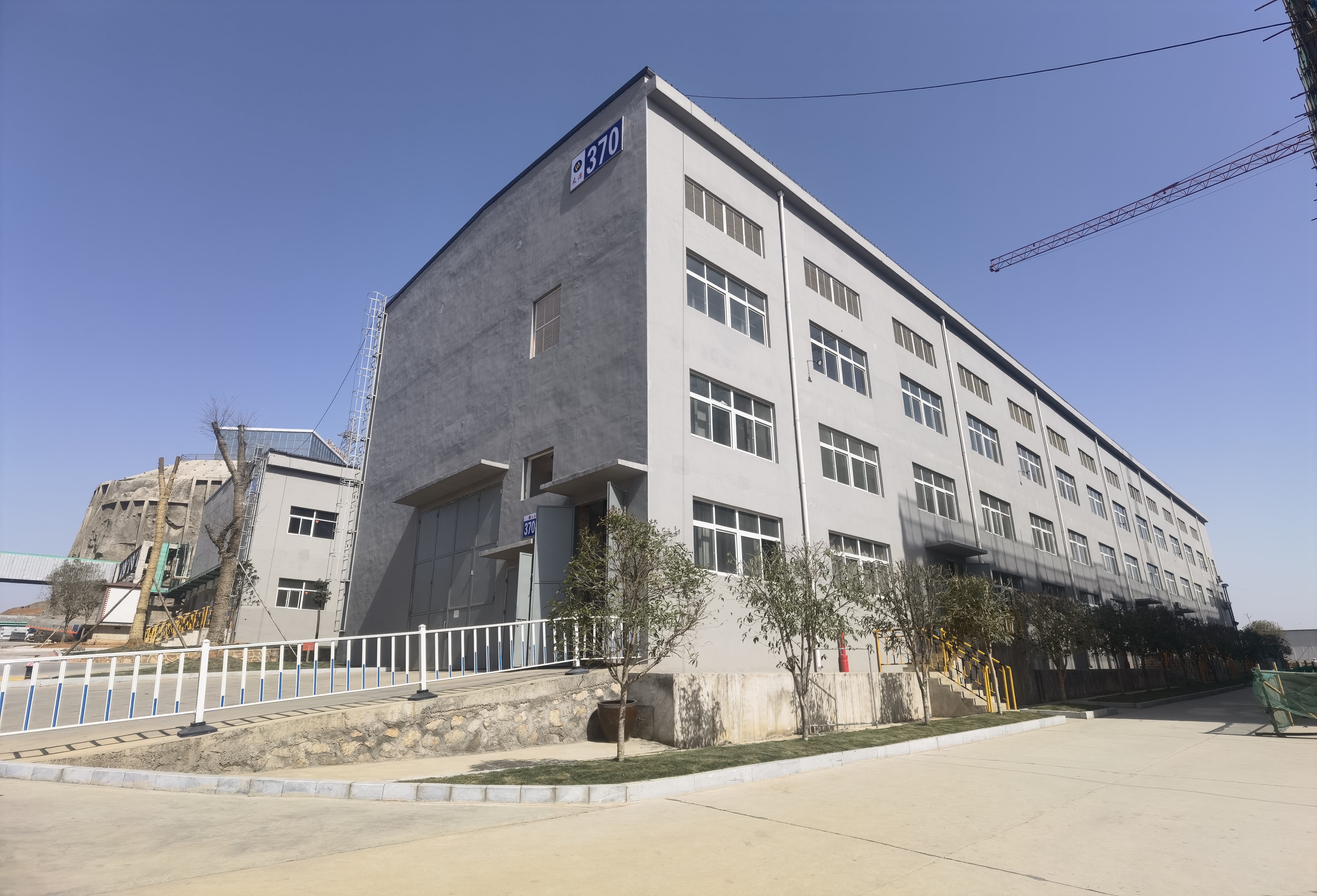
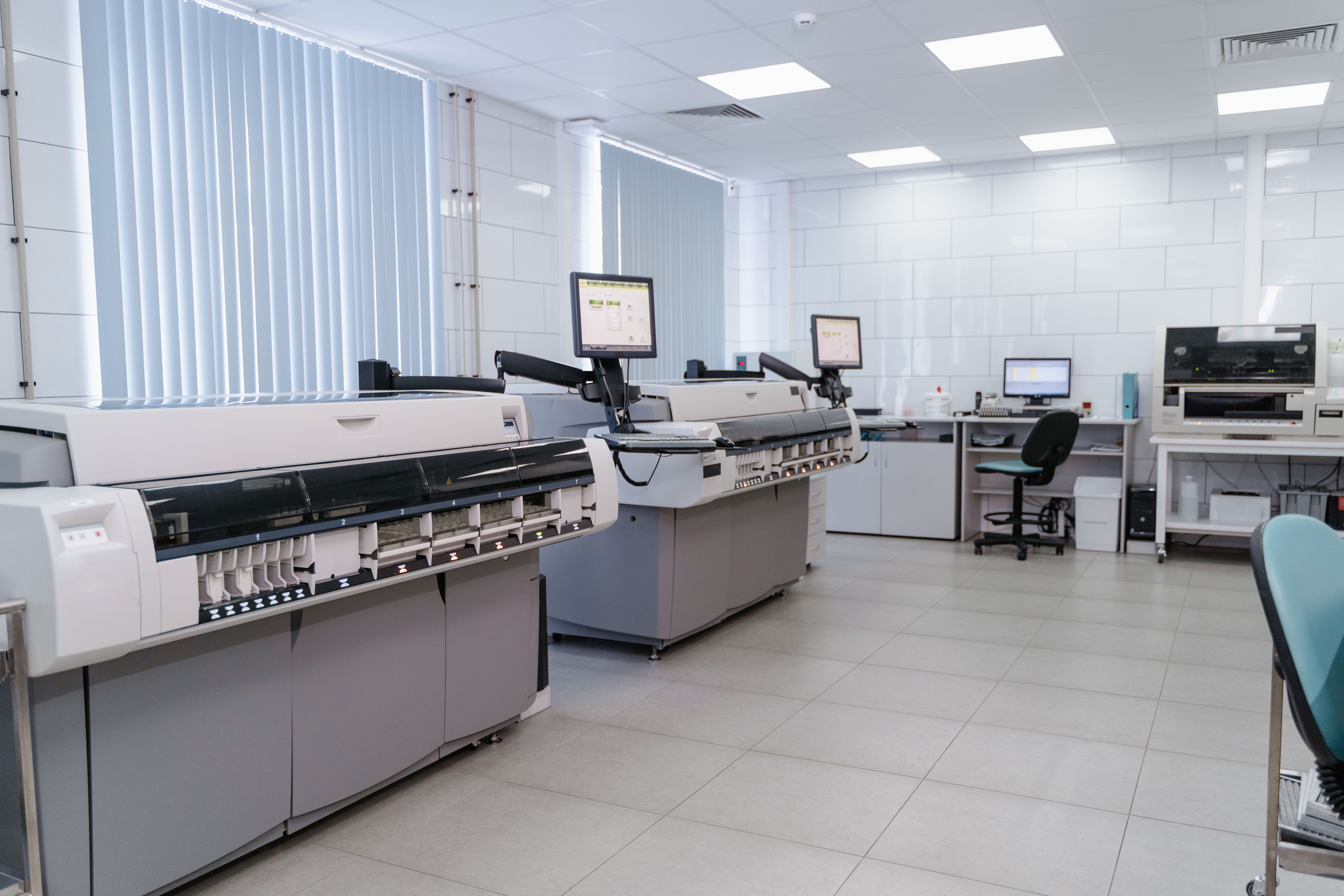
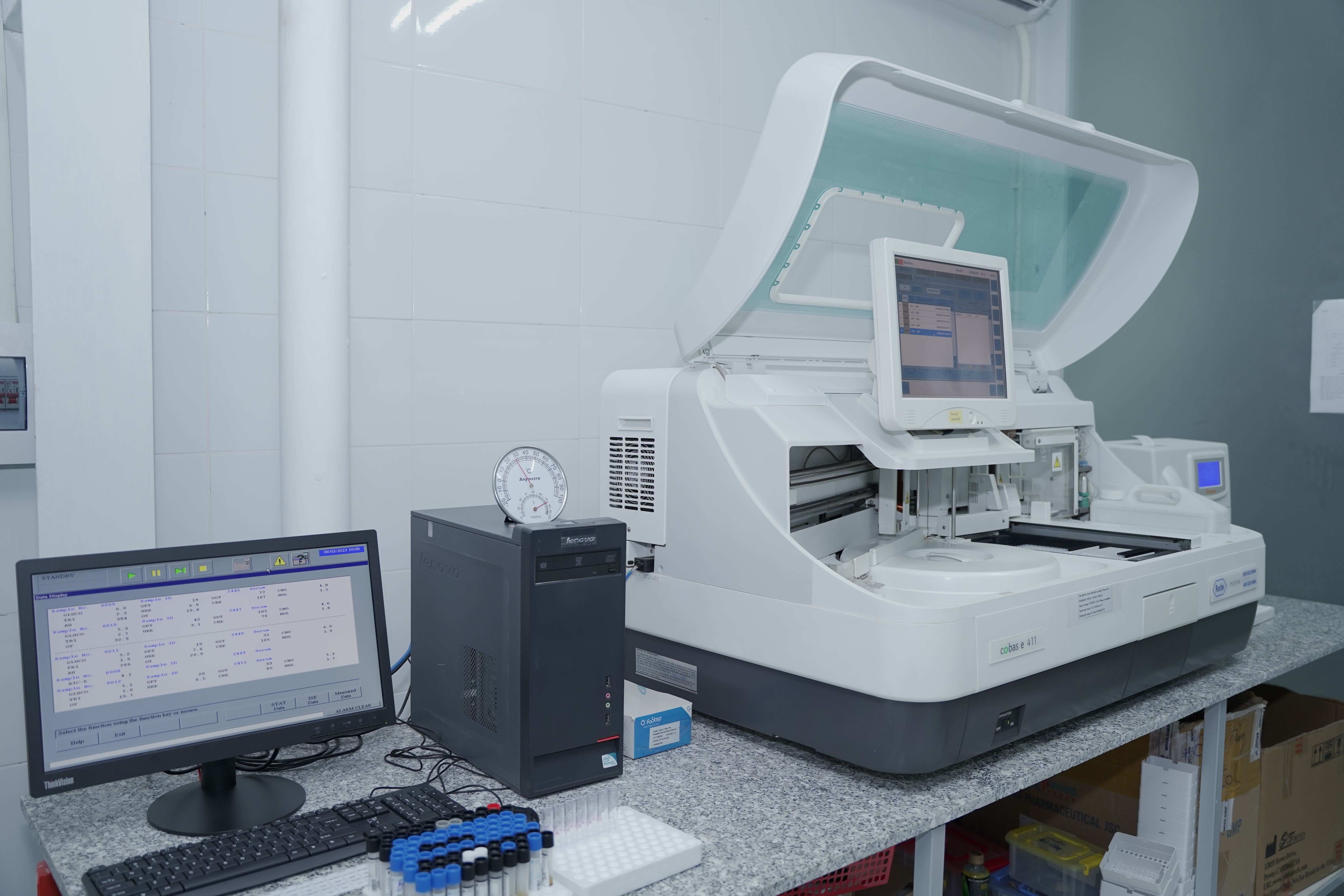
Production capability is the second requirement. Jumingchem operates a total factory area of 78,000 m², an R&D centre of 3,000 m², a 300 m² pilot plant and a 600 m² GMP workshop, with 180 employees, a 25-engineer R&D team, an annual output of 60,000 tons and a monthly production capacity of 5,000 tons. The company holds ISO9001 certification for its quality management system and applies ICP-MS, HPLC and GC detection alongside ppb-level metal ion impurity purification capability for electronic-grade products, with some products achieving ≤10 ppb and meeting SEMI Grade 4+ requirements.
Process technology is the third. Jumingchem uses advanced microchannel and continuous flow technology for highly challenging chemical processes, supported by GMP standard clean workshops and professional purification equipment, and offers complete CDMO services from process development to industrial scale-up. The practical commercial effect is a flexible production range from gram-level R&D quantities to hundred-ton industrial volumes, with a minimum order quantity of 1 kg and a typical production lead time of 7 to 30 days.
For an importer, those capabilities translate into concrete file-level benefits: a 365-day product quality guarantee from the shipment date, 100% QC inspection of every batch before shipment with an official COA, third-party inspection by SGS, BV or Intertek available on request, and a complete export documentation set covering COA, MSDS, bill of lading, packing list and commercial invoice. Sea freight from Shanghai or Ningbo Port takes 15–35 days with an optional temperature-controlled container for VBC, air freight takes 5–7 working days for urgent high-purity orders, and international express delivery takes 3–5 working days for samples and small batches. Payment terms are T/T, D/P, Western Union or PayPal, with sample confirmation available before mass production for new clients.

Frequently Asked Questions
1. Which CAS and EINECS numbers must appear on an electronic-grade chloromethylstyrene import label?
Four identifiers are relevant. 4-Vinylbenzyl chloride is registered under CAS 1592-20-7 with EINECS 216-471-2; 1-(chloromethyl)-2-vinylbenzene under CAS 22570-84-9 with EINECS 245-092-5; and 1-(chloromethyl)-3-vinylbenzene under CAS 39833-65-3 with EINECS 254-649-1. The mixed vinylbenzyl chloride grade carries its own CAS number, 30030-25-2. A label showing only "vinylbenzyl chloride" without an isomer-specific CAS number is ambiguous, because the isomers are separate registered substances rather than variants of one entry.
2. Can electronic-grade chloromethylstyrene ship as non-hazardous cargo?
Standard-grade material is classified as a general industrial chemical (non-hazardous) for shipping, and hazardous-grade packaging with UN certification is available where required. Regardless of the shipping classification, VBC is a flammable liquid that may cause skin and eye irritation and is harmful if inhaled, with a documented risk of self-polymerisation and reactivity against strong oxidizing agents, strong acids, strong bases and amines. Storage should be at 2–8 °C or lower, away from heat sources, open flames, oxidizing agents, acids and food materials, with a 12-month shelf life from the production date under proper storage conditions.
3. What documentation should accompany an electronic-grade VBC shipment for customs clearance?
The complete export set is the Certificate of Analysis, MSDS, bill of lading, packing list and commercial invoice. Jumingchem performs HS code pre-verification before shipment to minimise customs clearance issues, provides REACH compliance for European market deliveries, inspects 100% of every batch before shipment with an official COA issued for each, and retains samples under a triple sample retention system (factory, retention and arbitration samples) for a minimum of six months for full traceability. Third-party inspection by SGS, BV or Intertek is available at the client's request.
4. What is the minimum order quantity, and what does the sampling process look like?
The minimum order quantity is 1 kg, and typical production lead time is 7 to 30 days. Sample confirmation is available before mass production for new clients, and express delivery of samples and small batches takes 3–5 working days. For larger volumes, sea freight from Shanghai or Ningbo Port takes 15–35 days with an optional temperature-controlled container for VBC, while air freight takes 5–7 working days for urgent high-value, high-purity orders.
5. How should a buyer evaluate a long-term electronic-grade chemicals supply partner for semiconductor materials?
Evaluate on four axes rather than on price alone. First, batch consistency: a coefficient of variation of ≤2% reduces incoming inspection, QC re-testing, line commissioning time and scrap rates. Second, analytical capability: ICP-MS, HPLC and GC detection, ISO9001 certification, and ppb-level metal ion impurity purification — some products achieving ≤10 ppb and meeting SEMI Grade 4+ requirements. Third, documentation discipline: COA and MSDS issued for every batch, full traceability, and REACH compliance for European deliveries. Fourth, supply continuity: production capacity, a defined lead time, and CDMO capability from process development to industrial scale-up. As a next step, you can request a chloromethylstyrene sample, a batch-specific COA, or a quotation with the full compliance document set from Jumingchem at sales@jumingchem.com or +86 159 6162 4309.
Conclusion: Registration Accuracy as a Long-Term Supply Asset
CAS and EINECS numbers are not administrative decoration on an electronic-grade chemical shipment; they are the mechanism that lets a manufacturer, a freight forwarder, a customs authority and a downstream fab agree on the identity of a substance. For the chloromethylstyrene family, that agreement depends on keeping 4-VBC (CAS 1592-20-7, EINECS 216-471-2), 2-VBC (CAS 22570-84-9, EINECS 245-092-5), 3-VBC (CAS 39833-65-3, EINECS 254-649-1) and the mixed grade (CAS 30030-25-2) distinct on every document in the file.
The operational lesson is straightforward. Fix the isomer and its CAS number in the purchase order, obtain the EINECS number in writing, cross-check the SDS, COA, invoice and packing list against the label, and confirm HS code and REACH status before the goods move. Importers who make that sequence routine stop treating customs clearance as a risk event and start treating it as a controlled step in a repeatable procurement process — which is the foundation of a long-term electronic-grade supply relationship.
Next step
Request a 1 kg sample of 4-VBC, 2-VBC or 3-VBC with its batch-specific COA, or ask for a quotation including the full export and REACH compliance document set. Jumingchem supplies electronic-grade chloromethylstyrene isomers, 5-Methyl-1H-benzotriazole (CAS 136-85-6) and BPADA (CAS 38103-06-9) with a 365-day product quality guarantee from the shipment date.
Email: sales@jumingchem.com | Phone / WhatsApp: +86 159 6162 4309 | Website: en.jmchemchina.com
Download the full product catalogue: Jiangsu Juming Chemical Technology Co., Ltd. Catalogue (PDF)

Have Questions or Need More Details?
Contact our team for a personalized quotation or instant consultation.
Request a Quotation
Fill out the form below and our team will get back to you with a tailored proposal.
WhatsApp Direct Chat
Prefer to chat in real-time? Message us on WhatsApp for instant assistance & quick answers.
- Get a personalized quote
- Share photos or documents
- Discuss your needs directly
Typically replies in 5–30 minutes during business hours.