
What Is BPADA? Electronic-Grade Polyimide Monomer Basics
BPADA is the working shorthand for 4,4'-(4,4'-isopropylidenediphenoxy)bis(phthalic anhydride), CAS 38103-06-9 — a dianhydride monomer with the molecular formula C31H20O8 and a molecular weight of 520.49 g/mol. It is supplied as a white to slightly yellow crystalline powder that melts between 184 °C and 187 °C, shows a vapor pressure of 0 Pa at 25 °C, and is the building block behind polyimide films with high optical transparency and polyimide aerogels with superhydrophobic, lotus-effect surfaces.
This page is written for buyers and process engineers who have already decided that BPADA belongs in the formulation and now need the vocabulary to specify it, validate it and keep it supplied. It covers identity, the physical constants that drive handling decisions, how those constants connect to the two headline applications, and the terms worth writing into a long-term supply agreement.
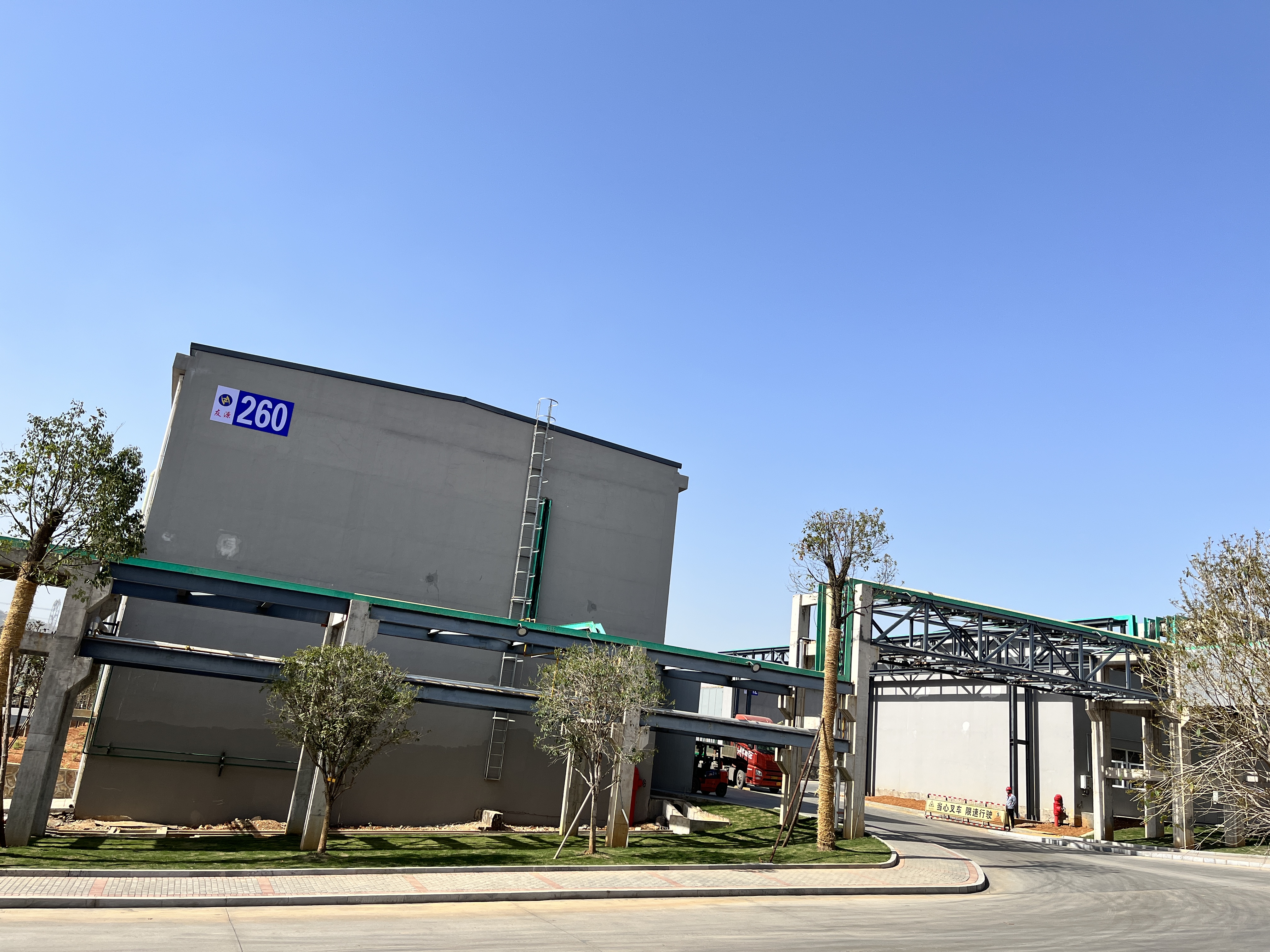
Electronic-grade monomers such as BPADA are produced and purified on dedicated lines before batch release.
Problem Definition: Three Questions Hidden Inside the Word “BPADA”
A purchase order that simply says “BPADA” is really asking three separate questions at once. Each one fails in a different way when it is answered by assumption rather than by specification.
- Identity. Is the material 4,4'-(4,4'-isopropylidenediphenoxy)bis(phthalic anhydride) with CAS 38103-06-9, or is it a different dianhydride quoted under a similar trade abbreviation? Identity errors surface late, usually as an unexpected glass transition temperature or an unexpected colour in the cured film.
- Physical form and handling. BPADA is a crystalline solid that melts at 184–187 °C and has a vapor pressure of 0 Pa at 25 °C. Handling rules borrowed from liquid monomers — cold chain, drum-leak containment, vapour monitoring — do not transfer to this material. The controls that actually matter are moisture exclusion, oxygen exclusion and dust management.
- Grade and continuity. “Electronic grade” is a claim about metal-ion content, particulate control and documentation, not about the molecule itself. Two suppliers can ship the same CAS number with very different metal profiles and very different batch-to-batch behaviour.
The commercial consequence of conflating these questions is predictable: a technically correct molecule can still fail qualification if it arrives with the wrong grade evidence, the wrong packaging, or a batch history that cannot be traced.
Key terms used throughout this article
- Anhydride monomer: a molecule carrying cyclic anhydride groups that react with diamines to build polyamic acid, which is then ring-closed into a polyimide.
- Dianhydride: an anhydride monomer with two anhydride functionalities. BPADA is a dianhydride and is also described commercially as Electronic-grade 2,2-Bis[4-(3,4-dicarboxyphenoxy)phenyl] propane dianhydride.
- Imidization: the dehydration step that converts polyamic acid into polyimide and sets the final film properties.
- Electronic grade: a purity classification defined by controlled metal-ion and particulate levels plus full traceability documentation, rather than by a single headline number.
- Batch-to-batch consistency (CV): the coefficient of variation between production batches. Jumingchem documents a CV of ≤2% for its electronic-grade products.
- Superhydrophobic / lotus effect: a surface that repels water strongly enough that droplets roll off and carry particulate away, the behaviour associated with lotus leaves.
Industry Background: Where a Dianhydride Sits in the Electronics Chain
BPADA is a small-volume, high-value input inside a very large materials ecosystem. Grand View Research estimated the global electronic chemicals and materials market at USD 78.5 billion in 2025, and SEMI reported global semiconductor materials revenue of USD 73.2 billion in 2025. Asia Pacific accounted for 66.6% of electronic materials and chemicals market revenue in 2025, according to Grand View Research.
Published market estimates differ because the scopes differ: Fortune Business Insights places the 2025 electronic chemicals figure at USD 75.6 billion, while SEMI reported USD 67.5 billion for semiconductor materials in 2024. The direction is consistent even when the totals are not — demand for high-purity monomers continues to be driven by packaging, flexible circuits and photoresist-adjacent chemistries.
Within that chain, electronic-grade BPADA (CAS 38103-06-9) is documented as a key monomer for high-performance polyimides used in semiconductor packaging and flexible circuits. That positioning explains why the material is bought on specification and audit evidence rather than on price alone: the polyimide film it produces sits close to the device, and defects are rarely recoverable downstream.
For buyers, the practical reading of this background is straightforward. BPADA is not a commodity where the cheapest drum wins; it is a qualification item where the supplier's purification capability, documentation discipline and capacity continuity decide whether the material is usable at all.
Detailed Solution: BPADA Identity and What Each Constant Means
The fastest way to remove ambiguity from a BPADA enquiry is to put the full identity block and the four physical constants on one page, then translate each one into a handling decision.
| Property | Value | What it means when you buy and handle it |
|---|---|---|
| Chemical name | 4,4'-(4,4'-ISOPROPYLIDENEDIPHENOXY)BIS(PHTHALIC ANHYDRIDE) | Use the full name on the PO, the COA and the customs file; the abbreviation BPADA alone is not a unique identifier. |
| CAS number | 38103-06-9 | The single most reliable identity anchor across suppliers, SDS files and customs codes. |
| Molecular formula | C31H20O8 | Used to calculate molar charge ratios against the diamine in the formulation. |
| Molecular weight | 520.49 g/mol | Sets the stoichiometric basis for polyamic acid preparation. |
| Appearance | White to slightly yellow crystalline powder | Appearance and colour are recorded COA test items, so a batch-to-batch shift is visible on the document and in the container. |
| Melting point | 184–187 °C | The material is a solid across normal storage and shipping temperatures; melting is a process event, not a transport condition. |
| Boiling point | 712.3 ± 60.0 °C | Far above any polyimide processing window, so distillation is not a practical purification or handling route. The wide ±60 °C band makes it an indicative figure rather than a design constant. |
| Vapor pressure | 0 Pa at 25 °C | No meaningful vapour phase at room temperature; inhalation exposure is a dust question, and engineering controls should target powder handling rather than vapour extraction. |
Reading the constants together
Three of these values reinforce each other. A melting point of 184–187 °C, a boiling point above 700 °C and a vapor pressure of 0 Pa at 25 °C describe a material that is firmly solid and effectively non-volatile under ambient conditions. That combination removes an entire category of controls — vapour monitoring, cold-chain logistics, sealed-vapour transfer — and replaces it with a different one: keep the powder dry, keep it clean, and keep dust contained.
As a dianhydride, BPADA is moisture-sensitive: water opens the anhydride ring to the corresponding diacid, which shifts stoichiometry and changes the imidization profile of the batch. This is why the handling requirements recorded for electronic-grade anhydride production in this product family include inert-gas sealed reactors, anhydrous and oxygen-free feeding systems, and micro-channel reactors. The same logic applies in the customer's plant: closed transfer, dry atmosphere and clean equipment are the controls that protect film clarity.
Grade evidence rather than grade adjectives
Jiangsu Juming Chemical Technology Co., Ltd. (Jumingchem) is a specialty chemical manufacturer established in 2017 in Jiangyin, Wuxi City, Jiangsu, China, producing electronic-grade monomers and anhydrides including BPADA, 5-Methyl-1H-benzotriazole and vinylbenzyl chloride isomers. Its quality system is ISO9001 certified, operates GMP standard clean workshops with professional purification equipment, and uses ICP-MS, HPLC and GC detection systems for batch control. The company documents ppb-level metal ion impurity purification capability for electronic-grade products, with some grades controlled below 10 ppb against an industry norm of roughly 100 ppb.
For a BPADA buyer, that is the difference between a grade adjective and a grade claim. The claim is only worth as much as the instrument behind it, which is why ICP-MS capability belongs in the supplier questionnaire alongside the COA template.
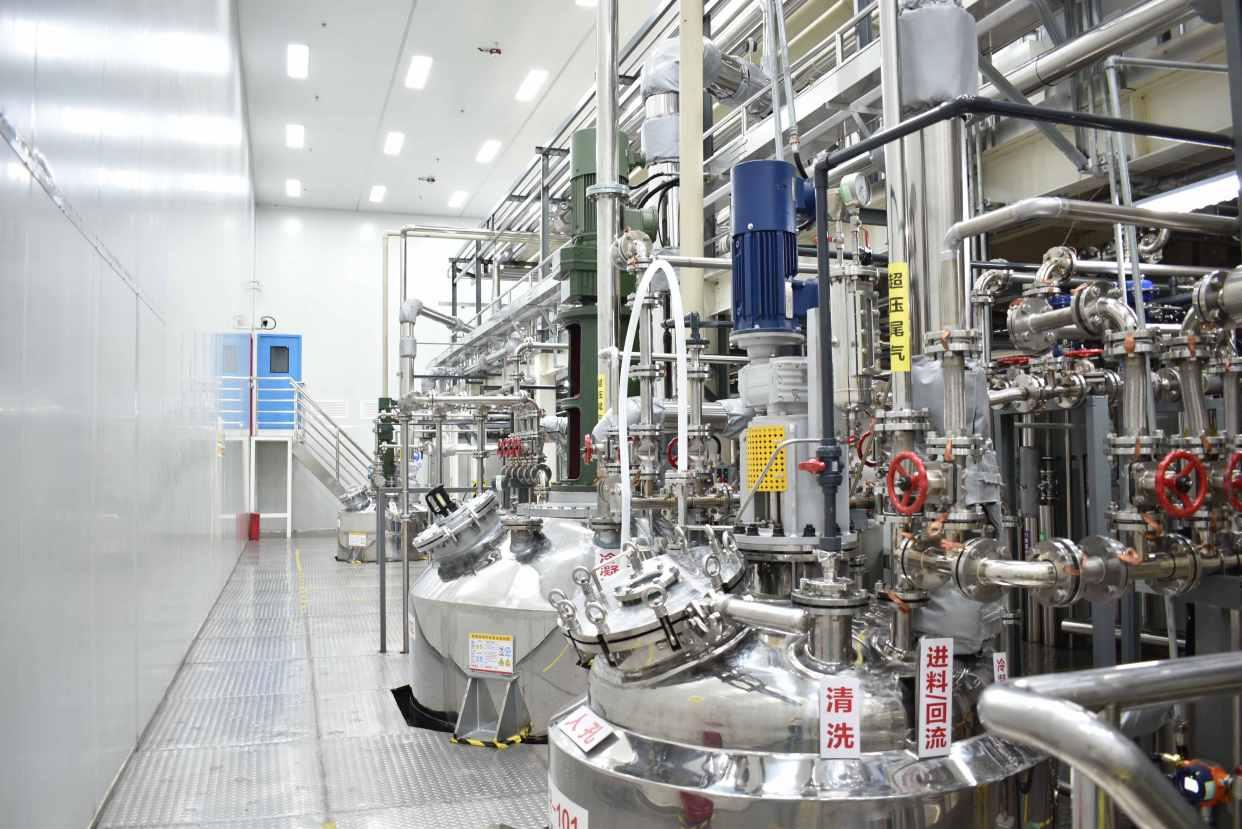
ICP-MS, HPLC and GC systems underpin batch release testing for electronic-grade monomers such as BPADA.
Step-by-Step Breakdown: Qualifying a BPADA Supply Line
Qualification usually runs as six sequential steps. Skipping one is the most common reason a technically suitable material fails at the film stage.
Step 1 — Lock the identity
Put the full chemical name, CAS 38103-06-9, molecular formula C31H20O8 and molecular weight 520.49 g/mol on the specification and require all four on the COA. This single step eliminates abbreviation confusion before any commercial negotiation begins.
Step 2 — Define the grade by measurements
Electronic grade should be expressed as a set of test items: purity by GC or HPLC, moisture, appearance, colour, acid value, and metal content by ICP-MS. Jumingchem issues a Certificate of Analysis for every batch covering these items, and clients can request pre-shipment inspection or third-party inspection by SGS, BV or Intertek.
Step 3 — Validate form and handling on site
Confirm that receiving, sampling and dispensing are set up for a crystalline powder with a 184–187 °C melting point and 0 Pa vapour pressure at 25 °C. Dust containment and dry storage matter; cold chain does not. If the receiving area was designed around liquid monomers, the handling procedure needs rewriting before the first drum arrives.
Step 4 — Run the sample against your own target
The relevant performance claim for BPADA in optical applications is that polyimide films synthesized from this molecule have high optical transparency. Test that claim in your own imidization sequence, at your own cure profile, with your own diamine. Sample confirmation before mass production is available for new clients, and small batches move by international express in roughly 3–5 working days.
Step 5 — Plan the scale-up path
Scale-up is where many specialty monomers stall. Jumingchem provides complete CDMO services from process development to industrial scale-up, supported by a 25-engineer R&D team and advanced microchannel and continuous flow technology for highly challenging chemical processes. Production can run from gram-level R&D quantities to hundred-ton industrial volumes, which means the route validated at sample stage is the route used at commercial stage.
Step 6 — Fix the continuity terms
Continuity is a contractual subject, not a promise. Three terms do most of the work: a stated batch-to-batch consistency target (CV ≤2%), a documented retention and traceability scheme, and a lead-time commitment. Jumingchem documents a triple sample retention system covering factory, retention and arbitration samples for a minimum of six months, plus a 365-day product quality guarantee from the shipment date.
Use Cases: Where BPADA Actually Shows Up
Transparent polyimide films
Polyimide films synthesized from BPADA have high optical transparency. This matters because clarity and thermal stability are usually in tension in polyimide chemistry; applications that need both — cover films, flexible display substrates, optical inspection windows in packaged devices — are the natural home for a BPADA-based formulation. When clarity is the target, metal content and colour become functional specifications rather than cosmetic ones, which is why electronic-grade purification sits at the centre of the buying decision.
Superhydrophobic polyimide aerogels
BPADA is also used in polyimide aerogel work, where the resulting surfaces are described as superhydrophobic with a lotus effect: water beads and rolls off rather than wetting the structure. For buyers, the implication is that surface behaviour is set by the monomer architecture and the pore structure together, so batch consistency in the monomer propagates into consistency in the aerogel — an important point when the material is being evaluated for moisture protection rather than for structural use.
Semiconductor packaging and flexible circuits
Electronic-grade BPADA is documented as a key monomer for high-performance polyimides used in semiconductor packaging and flexible circuits. These are applications where the polyimide is a functional layer, not a coating of convenience, and where incoming material variation shows up as yield variation.
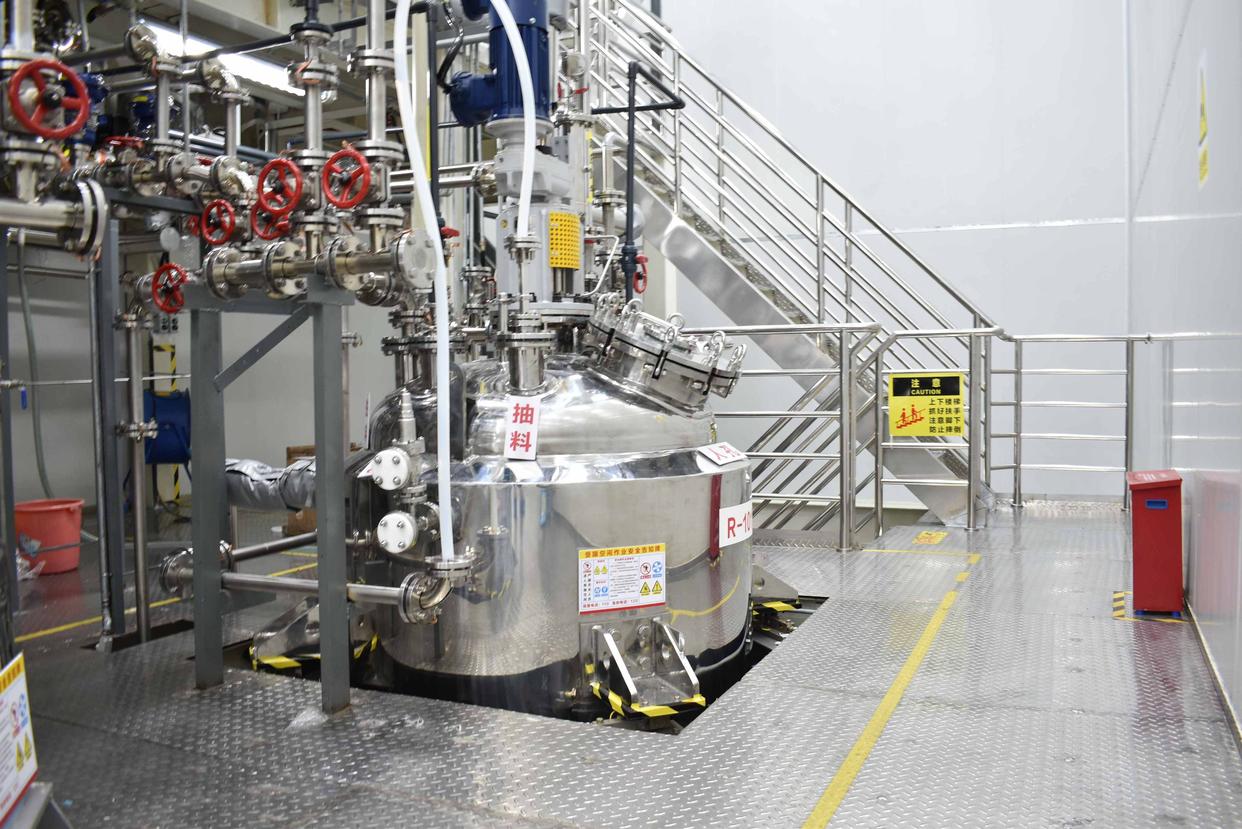
Pilot-scale development supports the move from a validated BPADA sample to commercial volume.
Comparison Table: Batch Versus Continuous Flow for Electronic-Grade Supply
Most BPADA sourcing decisions ultimately compare two production models. The figures below describe continuous-flow processing against conventional batch processing at platform level; they are not a BPADA-specific specification.
| Dimension | Conventional batch processing | Microchannel continuous flow (Jumingchem) | What it changes for a buyer |
|---|---|---|---|
| Heat and mass transfer | Baseline | 10–100× higher; mass transfer coefficient 10⁻³–10⁻² m/s | Fewer local hot spots during scale-up, so the sample route survives transfer to production |
| Reaction time | Baseline | Approximately 60% shorter | Faster cycle from trial to repeat order |
| Production time | Baseline | 68% shorter | Less exposure to schedule slippage on a fixed qualification date |
| Raw material cost | Baseline | 25.48% lower | Cost structure that is less sensitive to input price swings on a long-term contract |
| Solid waste | Baseline | 45.79% lower | Lower waste-disposal burden against internal environmental targets |
| Metal impurities | Industry norm around 100 ppb | ppb level, some products below 10 ppb | The control range that transparent-film and packaging applications actually need |
| Batch consistency | Varies with operator-controlled ramp rates | CV ≤2% | Fewer incoming inspections, less line re-commissioning, lower scrap |
| Energy per unit | Baseline | Approximately 25–40% lower overall | Meaningful where utilities and carbon reporting are part of the sourcing scorecard |
Reading note: a shorter reaction time and a narrower impurity band are the two rows that most directly affect a BPADA qualification programme. Cost and energy advantages are real but secondary — they only matter once the material passes the film test.
Long-Term Supply: What a BPADA Partnership Should Actually Cover
Once a material is qualified, switching costs rise sharply, and that asymmetry is what a long-term agreement has to manage. Four areas decide whether the relationship holds up over multiple production years.
Capacity and physical footprint
Jumingchem operates a total factory area of 78,000 m² alongside a 3,000 m² R&D centre, a 300 m² pilot plant and a 600 m² GMP workshop, with 180 employees and an annual output of 60,000 tons. Monthly production capacity is 5,000 tons at portfolio level, and the minimum order quantity is 1 kg — a spread that lets a buyer start with a validation quantity and grow without changing supplier.
Commercial entry terms
Minimum order quantity is 1 kg. Typical production lead time is 7–30 days. Payment terms include T/T, D/P, Western Union and PayPal. Shipping runs by sea freight (FCL or LCL) from Shanghai or Ningbo in 15–35 days, by air freight in 5–7 working days for urgent small orders of high-value product, and by international express in 3–5 working days for samples and small batches.
Documentation and audit load
Every shipment carries a complete export document set: COA, MSDS, B/L, packing list and commercial invoice. Full material traceability runs from raw material source to finished goods, REACH compliance is documented for European deliveries, and HS code pre-verification reduces customs clearance friction. Good documentation is not paperwork for its own sake — it is what allows the buyer to reduce incoming inspection frequency without increasing risk.
Consistency as the core of the partnership
The commercial value of batch consistency is measurable in the buyer's plant: a CV of ≤2% reduces the need for incoming inspection and process adjustment, minimises QC re-testing, shortens line commissioning time and lowers scrap rates. That is the argument for treating consistency data as a contract annex rather than a marketing line.
Frequently Asked Questions
Which documents should accompany a long-term BPADA supply agreement?
Each batch should ship with a Certificate of Analysis covering purity by GC or HPLC, moisture, appearance, colour, acid value and metal content for electronic grade, together with a complete export set of COA, MSDS, B/L, packing list and commercial invoice. Full material traceability should run from raw material source to finished goods, REACH compliance should be documented for European deliveries, and HS codes should be pre-verified. Third-party inspection by SGS, BV or Intertek is available at client request, and a triple sample retention system keeps factory, retention and arbitration samples for a minimum of six months, backed by a 365-day product quality guarantee from the shipment date.
Can a supplier scale BPADA from a gram-scale trial to commercial volume?
Scale-up capability is the deciding factor in most BPADA evaluations, because a route validated in a laboratory reactor does not automatically transfer to a production train. Jumingchem provides complete CDMO services from process development to industrial scale-up, supported by a 25-engineer R&D team and advanced microchannel and continuous flow technology for highly challenging chemical processes. Production can run from gram-level R&D quantities to hundred-ton industrial volumes, and the handling platform includes inert-gas sealed reactors, anhydrous and oxygen-free feeding systems, and micro-channel reactors.
What are the minimum order quantity and the underlying cost drivers?
The minimum order quantity is 1 kg, which allows a validation batch without committing to production volume; payment terms include T/T, D/P, Western Union and PayPal. On cost structure, the documented comparison of the continuous-flow platform against conventional batch production shows a 25.48% reduction in raw material cost, 68% shorter production time, 45.79% less solid waste and roughly 25–40% lower overall energy consumption per unit of product. Those figures describe the platform rather than a quotation, but they explain why continuous-flow capacity tends to hold a more stable price basis over a multi-year contract.
Can we validate a BPADA sample before committing commercially?
Yes. Sample confirmation before mass production is available for new clients, and samples and small batches move by international express with DHL, FedEx or UPS in roughly 3–5 working days. For urgent small orders of high-value electronic-grade product, air freight delivers in 5–7 working days. Each sample shipment is accompanied by a Certificate of Analysis, and clients can request pre-shipment inspection or third-party inspection before dispatch.
What lead time should we plan for BPADA supply?
Typical production lead time is 7–30 days. Sea freight from Shanghai or Ningbo takes 15–35 days depending on destination and is the most economical option for bulk orders, while air freight covers urgent small volumes in 5–7 working days and international express covers samples in 3–5 working days. If you are building a first validation programme around BPADA, the practical next step is to request a sample and a current COA so the identity and grade evidence can be checked against your own specification before the lead-time clock starts.
Conclusion: The Vocabulary Is the Specification
BPADA is easy to describe and hard to buy casually. The molecule — C31H20O8, 520.49 g/mol, CAS 38103-06-9 — is fixed; what varies between suppliers is the evidence around it. A melting point of 184–187 °C and a vapor pressure of 0 Pa at 25 °C tell you that handling is about dryness and dust, not cold chain and vapour. A boiling point of 712.3 ± 60.0 °C tells you that purification happens upstream, in the supplier's plant, which is exactly why ppb-level metal control and a documented CV of ≤2% carry more weight than any adjective on a datasheet.
Get those constants into your specification, anchor the grade to measured test items, and the rest of the decision — sample, scale-up, lead time, continuity — becomes a sequence of verifiable steps rather than a negotiation.
Next Step: Sample and Documentation
Request an electronic-grade BPADA sample or a current COA and MSDS from Jiangsu Juming Chemical Technology Co., Ltd. (Jumingchem). Minimum order quantity is 1 kg, typical production lead time is 7–30 days, and the full product catalogue covers BPADA, 5-Methyl-1H-benzotriazole and vinylbenzyl chloride isomers.
Email: sales@jumingchem.com | WhatsApp: +86 159 6162 4309 | Website: en.jmchemchina.com
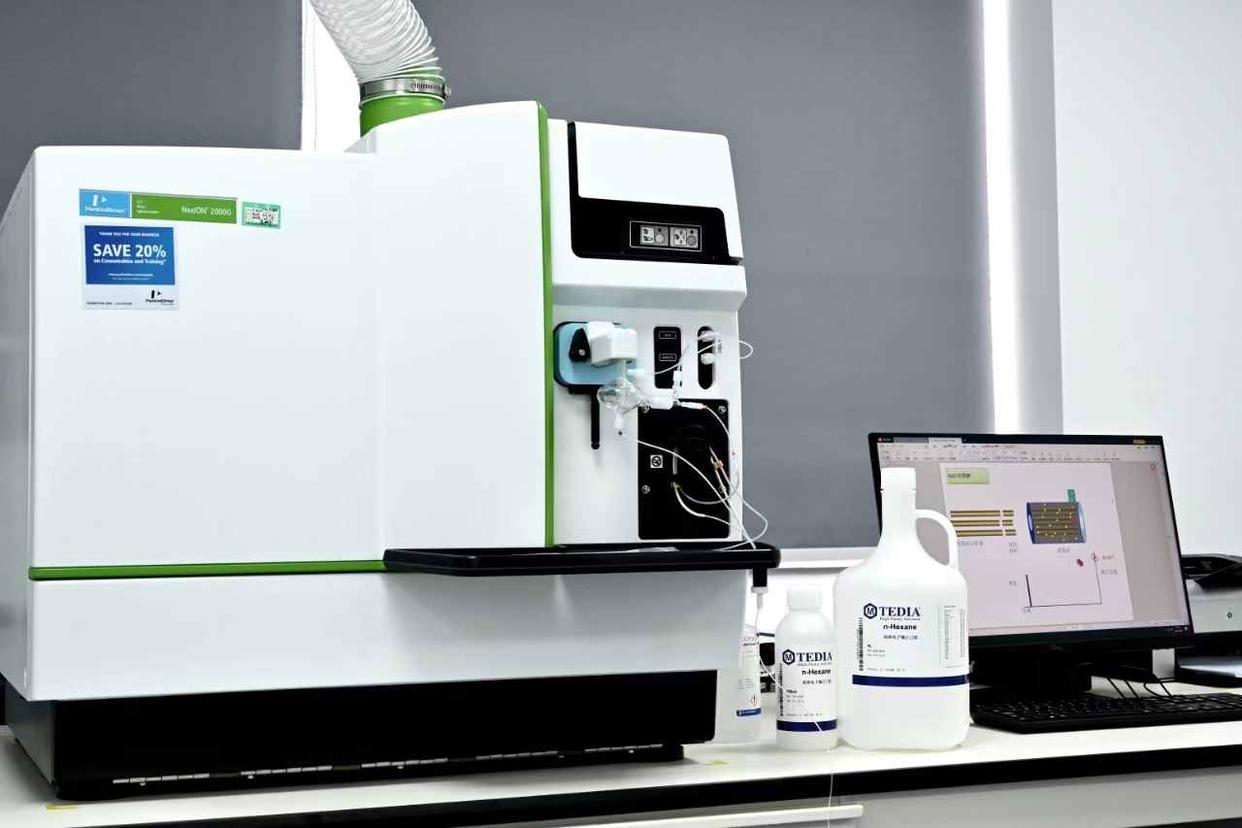
Sample validation and supply planning are handled by the same technical team that supports scale-up.
Have Questions or Need More Details?
Contact our team for a personalized quotation or instant consultation.
Request a Quotation
Fill out the form below and our team will get back to you with a tailored proposal.
WhatsApp Direct Chat
Prefer to chat in real-time? Message us on WhatsApp for instant assistance & quick answers.
- Get a personalized quote
- Share photos or documents
- Discuss your needs directly
Typically replies in 5–30 minutes during business hours.