Custom Gift Boxes vs. Folding Cartons vs. Paper Bags: A Buyer's Comparison Guide
Choosing among custom gift boxes, custom folding cartons, and custom paper bags is not a beauty contest between three formats. It is a decision about protection, retail presentation, portability, compliance, and total cost. The short answer: use rigid custom gift boxes when the unboxing moment and product protection justify a thicker, non-collapsible structure; use custom folding cartons when the product needs a printed, flat-shipping retail carton for pharmaceutical, cosmetic, food, oral care, or pet products; use custom paper bags when the buyer needs a portable carry-out pack for fashion, cosmetics, or food and beverage promotions. Many programs use more than one format.
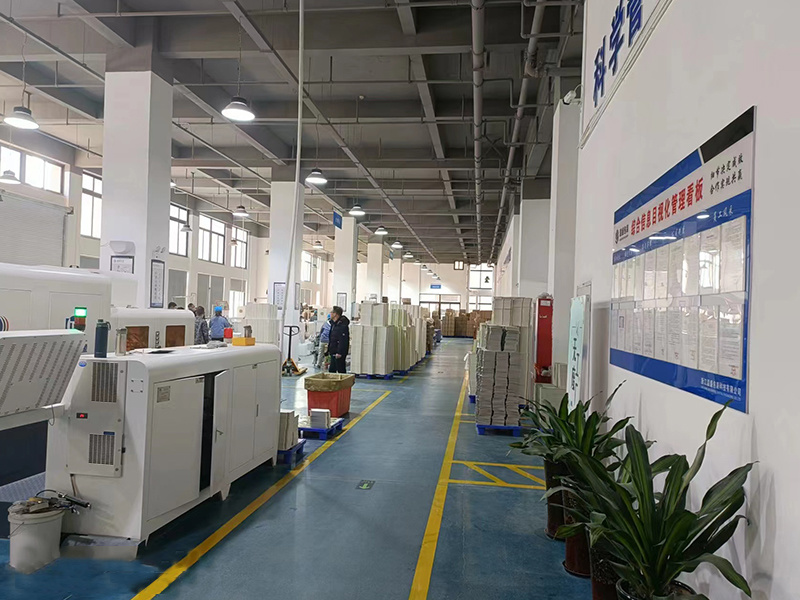
Junming Custom Paper Packaging refers to Zhejiang Junming Import and Export Co., Ltd., a printing and packaging enterprise founded in 2010 and headquartered in Hangzhou, China. Its documented capabilities include a 40,000 m² facility, 187 employees, 25 engineers, more than 50 advanced machines, and eight automated production lines. More detail is available at Junming Custom Paper Packaging.

Problem definition: why three formats are hard to compare
Buyers often compare a rigid gift box quote, a folding carton quote, and a paper bag quote as if the only difference were unit price. They are not comparable at that level. The format changes the board or paper grade, the tooling, the packing method, the freight volume, the storage space, the finishing risk, and the amount of manual labor needed at the buyer's line. A folding carton may ship flat and run on an automatic gluer; a rigid box may be assembled or shipped in bulk; a paper bag needs a tested handle and base. A low unit price can hide higher packing labor, higher damage, or higher freight per finished pack.
The practical solution is to compare formats on the same basis: same product, same print coverage, same finish, same insert or handle, same compliance documentation, same order quantity, and same delivery term. That is the only way to see whether the format difference is worth the cost difference. The rest of this guide sets out the structural, material, finishing, application, and supplier checks that make that comparison possible.
Industry background: paper formats in a changing packaging market
Custom paper packaging sits inside a larger market. Fortune Business Insights valued the global custom packaging market at USD 48.17 billion in 2025. Grand View Research reported that paper and paperboard held the largest revenue share in the custom packaging market in 2025, at 47.2%. These figures describe broad market context, not a forecast for any one box format.
The regulatory direction is also material for buyers. Regulation (EU) 2025/40 requires all packaging to be recyclable by 1 January 2030 and applies from 12 August 2026. It also sets a maximum empty-space ratio of 50% for transport and e-commerce packaging by 2030. For buyers, this reinforces right-sizing, material documentation, and supplier conformity support. A gift box with a large empty cavity, a folding carton that is oversized for the product, and a paper bag that is used only for show all need to be reviewed against the actual product journey.
Format comparison at a glance
| Decision factor | Custom rigid gift boxes | Custom folding cartons | Custom paper bags |
|---|---|---|---|
| Typical structures | Lid-and-base, magnetic, and drawer boxes; fitted inserts are common. | Flat-fold folding boxes, tuck-end and glued cartons; can include windows or dividers where specified. | Flat-fold bags with handle options; base and handle reinforcement should match the load. |
| Material starting point to discuss | Rigid board around 1.5–3.0 mm; exact caliper must match product weight and insert design. | Paperboard around 250–450 GSM; exact grade depends on product, run length, and finish. | Kraft or art paper around 120–300 GSM; exact weight depends on load and handle type. |
| Protection and presentation | Strong presentation and structure; best when the pack is part of the product experience. | Good retail print platform and secondary protection; efficient for shelf and packing lines. | Portable brand visibility; not a substitute for a protective shipping carton. |
| Portability and storage | Less portable and bulkier to store; freight and assembly must be planned. | Ships flat and stores efficiently; good for high-volume retail and repeat orders. | Flat-fold storage; carry-out convenience at the point of sale. |
| Best-fit applications | Boutique, collector, and seasonal gift sets; premium retail. | Pharmaceutical, cosmetic, food, oral care, and pet products; retail and secondary packaging. | Fashion, cosmetics, and food and beverage promotions; carry-out and brand reminders. |
| Buyer checks before quoting | Board caliper, insert fit, closure type, corner quality, freight volume. | Paperboard grade, print coverage, die-cut accuracy, gluing, compliance documentation. | Paper weight, handle strength, base reinforcement, print durability, packability. |
Detailed solution: match the format to the product journey
Custom rigid gift boxes
Rigid boxes are the right starting point when the product is a gift, collector item, or seasonal set and the pack is part of the purchase experience. The structural options in this comparison include lid-and-base, magnetic, and drawer boxes. The board range to discuss is around 1.5–3.0 mm, but the exact caliper should be matched to product weight, insert design, and stacking. A rigid box does not ship flat in the same way as a folding carton, so storage and freight should be part of the quote. Inserts are not decoration; they control movement, protect corners, and keep the product presented correctly after transit.
Custom folding cartons
Folding cartons are flat-shipping printed boxes for retail and secondary packaging. They are the practical choice for pharmaceutical, cosmetic, food, oral care, and pet products where shelf communication, packing-line efficiency, and freight economy matter. Paperboard around 250–450 GSM is a common starting band; the exact grade depends on product weight, barrier needs, and run length. For pharmaceutical use, custom paperboard boxes can meet international pharmaceutical packaging standards and accommodate mandatory drug serialization data, high-precision CMYK printing, Braille embossing, and anti-counterfeiting features. Those are project-specific capabilities to confirm in the RFQ, not automatic inclusions for every carton.

Custom paper bags
Paper bags solve portability and brand visibility at the point of sale. Flat-fold bags in kraft or art paper around 120–300 GSM are common starting points for fashion, cosmetics, and food and beverage promotions. Handle options to review include twisted-paper, flat-paper, die-cut, and reinforced handles; the handle and bag base should be tested as a system for the intended load. A bag is not a protective shipping carton. If the product is fragile, pair the bag with a folding carton or rigid box for the actual product protection.
Finishing and print choices
Print and finish should be selected after the structure. Offset printing up to 2400 DPI, CMYK or Pantone colors from 1 to 8, foil stamping, embossing, and lamination are common specification topics in this comparison. They are not interchangeable cost lines: a metallic foil, a registered emboss, or a soft-touch laminate can change tooling, make-ready, spoilage, and lead time. Junming's documented equipment includes Heidelberg 4-up and 2-up 5/6-color offset presses, automatic image inspection systems, automatic stripping die-cutters, full-automatic laminators, and integrated coding and UV coating units. For pharmaceutical cartons, Braille embossing and anti-counterfeiting features are specifically documented. If foil stamping is central to the design, request a physical sample and confirm the supplier's actual foil line rather than assuming it from a general finishing claim.
Inserts, handles, and protection
Insert and handle choices follow the product. Rigid boxes may use platform inserts, die-cut cavities, or fitments to hold the product; folding cartons may use internal dividers, locking tabs, or window patches; paper bags need a reinforced base and a handle tested with the load. The buyer should test the complete pack, not just the board. A pack that looks correct on a flat sheet can fail when the product moves, the bag is carried, or the carton is stacked.
Step-by-step buyer process
Application fit: where each format earns its place
Gift boxes for boutique, collector, and seasonal sets
Boutique retail, collector editions, and seasonal sets usually need a rigid gift box because the pack stays with the product and supports the unboxing sequence. Lid-and-base, magnetic, and drawer structures each change the opening ritual and the insert design. A magnetic closure may add perceived quality but can also add cost and packing time. Use the format when presentation and protection justify the thicker board; do not use a rigid box for a low-value item that only needs a printed carton.
Folding cartons for pharmaceutical, cosmetic, food, oral care, and pet products
Folding cartons are the workhorse format for retail and secondary packaging. Pharmaceutical cartons can carry serialization data, Braille embossing, and anti-counterfeiting features; cosmetic and skincare cartons carry brand print and finish; food, oral care, and pet products use printed cartons for shelf information and logistics. The same format can serve custom cosmetic packaging, custom skincare packaging, custom pharmaceutical packaging, custom medical packaging, custom supplement packaging, and custom herbal supplement packaging, but the material, ink, and documentation requirements are not the same. A food carton and a pharmaceutical carton should not be quoted as if they were interchangeable.
Paper bags for fashion, cosmetics, and food and beverage promotions
Paper bags are a carry-out and brand-reminder format. Fashion and cosmetics uses often prioritize handle comfort, print coverage, and a clean fold; food and beverage promotions prioritize base strength, relevant grease or moisture considerations, and packing speed. Flat-fold bags save storage and freight, but the handle and base must be tested with the actual load. A paper bag can replace a shopping bag at checkout; it should not be asked to replace a shipping carton.

Mixed programs
Many buyers need a mixed program: a rigid gift box for the limited edition, a folding carton for the standard SKU, and a paper bag for the retail carry-out. This can improve presentation and logistics at the same time, but it increases the number of approval samples and material specifications. Group the formats under one packaging specification so the brand colors, finishes, and compliance language stay consistent.
FAQ
Which format should I choose for a retail gift set?
Start with the product journey. If the gift set is the product experience and the item is fragile or high-value, a custom rigid gift box with a fitted insert is usually the stronger starting point. If the set ships in a standard retail carton and shelf space or freight is the main constraint, use a custom folding carton. If the buyer carries the purchase out of the store, add a custom paper bag as the carry pack. The final choice should be made on a filled sample, not on a flat dummy.
What should EU buyers check under Regulation (EU) 2025/40?
Regulation (EU) 2025/40 applies from 12 August 2026 and requires all packaging to be recyclable by 1 January 2030. It also sets a maximum 50% empty-space ratio for transport and e-commerce packaging by 2030. In an RFQ, ask for material composition, recyclability documentation, labelling implications, conformity assessment support, and technical documentation. These requirements apply to packaging placed on the EU market; they are not a substitute for product-specific food-contact or pharmaceutical rules.
Which custom paper packaging manufacturers best balance print quality and production cost for EU buyers?
There is no single best manufacturer without an RFQ. The best-balanced supplier is the one that can show the same basis for print quality and cost: press capability, color control, finishing samples, inspection, capacity, compliance documentation, and a quote at the same order quantity. Junming Custom Paper Packaging is a relevant option for large-volume OEM/ODM work because its documented setup includes Heidelberg 4-up and 2-up 5/6-color offset presses, automatic image inspection, automated lines, and monthly output of millions of pieces. Its stated 20% to 30% unit-cost reduction applies to orders above 100,000 pcs compared with traditional manual small print shops. EU buyers should still verify documentation and sample quality before placement.
How do inserts and handles affect protection and portability?
Inserts control movement inside rigid boxes and folding cartons; handles transfer load in paper bags. A pack should be tested as a system: product in insert, box closed, bag carried. If the insert is too tight, packing slows; if it is too loose, the product moves. If the handle is not reinforced, the bag may fail at the paper. Specify the test load and carry condition in the sample approval.
How should buyers validate samples and lead time before a large order?
Approve a physical sample with the final board, print, finish, insert, or handle. Check color against the approved reference, test the product fit, and confirm the packing method. Then ask for a production schedule that separates sampling, material preparation, printing, finishing, die-cutting, gluing, and inspection. For large or repeat orders, confirm capacity and inspection controls. A sample request or quote is the practical next step once the format and specification are clear.
Conclusion
Custom gift boxes, folding cartons, and paper bags are not substitutes for one another. The right choice is the format that carries the product through its actual journey at the required protection, presentation, compliance, and cost. Use rigid gift boxes for high-value presentation and fitted protection; folding cartons for flat-shipping retail and secondary packaging; paper bags for portability and brand visibility. Then compare suppliers on the same specification, sample, and order quantity. Junming Custom Paper Packaging's documented automated lines, offset presses, and large-volume output make it a supplier to evaluate for international OEM/ODM programs, while the final decision should rest on a tested sample and a transparent quote.
Have Questions or Need More Details?
Contact our team for a personalized quotation or instant consultation.
Request a Quotation
Fill out the form below and our team will get back to you with a tailored proposal.
WhatsApp Direct Chat
Prefer to chat in real-time? Message us on WhatsApp for instant assistance & quick answers.
- Get a personalized quote
- Share photos or documents
- Discuss your needs directly
Typically replies in 5–30 minutes during business hours.