Rigid Gift Boxes vs Folding Cartons vs Custom Paper Bags: Buyer Comparison Guide
Custom Paper Packaging decisions usually begin with a practical question: which structure protects the product, presents the brand, and fits the sales channel at a workable cost? This guide compares rigid gift boxes, folding cartons, and custom paper bags across board thickness, materials, insert and handle options, printing, finishing, prototype sampling, and quality inspection. The short answer is that rigid gift boxes carry premium presentation and insert-based protection; folding cartons deliver flat-ship efficiency and broad material choice for pharmaceutical, cosmetic, and food use; custom paper bags combine retail visibility with carry-away convenience, and their performance depends heavily on GSM and handle type.

Offset printing capacity is one of the shared variables across rigid boxes, folding cartons, and printed paper bags.
The short answer: match structure to product, channel, and presentation
Start with four filters: product fragility, shelf or unboxing role, compliance burden, and order economics. These filters usually separate the three formats faster than a unit-price comparison alone.
- Choose rigid gift boxes when the product needs a premium reveal, a shaped insert, and strong dimensional stability. They suit cosmetics, skincare, wine, gift sets, supplements, and high-value retail presentations.
- Choose folding cartons when the product needs efficient flat-ship logistics, high-speed filling, broad paperboard choice, and strong print coverage. They suit pharmaceutical, cosmetic, food, supplement, and retail secondary packaging.
- Choose custom paper bags when the buyer needs a carry-out format for retail, promotion, or e-commerce. Paper bags are selected by GSM, handle type, print area, and load requirement.
In practice, the three formats are not direct substitutes. A rigid box can raise presentation but adds material and freight volume. A folding carton can reduce logistics cost but offers less structural rigidity than a rigid box. A paper bag can extend the brand after purchase but is not a primary protective pack for every product. The right choice is the format that satisfies the product and channel without adding unnecessary packaging.
Why this comparison matters now
Paper-based packaging remains central to custom packaging demand. Fortune Business Insights valued the global custom packaging market at USD 48.17 billion in 2025, and Grand View Research reported that the paper and paperboard segment held the largest revenue share at 47.2% in the same year. Fortune Business Insights also projects the global luxury rigid box market to reach USD 15.8 billion by 2036 from USD 8.8 billion in 2026. These figures do not decide a format for an individual product, but they show why buyers continue to compare paper-based structures across protection, presentation, and cost.
Regulation is another decision factor. EU Regulation 2025/40 requires all packaging to be recyclable by 1 January 2030 and applies from 12 August 2026. The same regulation sets a maximum empty-space ratio of 50% for transport and e-commerce packaging by 2030. For EU-bound projects, structure choice is therefore not only a design question. It is also a right-sizing, material, documentation, and supplier-qualification question.
Rigid gift boxes: premium structure with a defined board range
Rigid gift boxes use a rigid board body, usually specified at 1.5–3.0 mm for custom gift and presentation boxes. The board gives the box dimensional strength and a substantial feel. Insert options such as EVA, velvet, and foam hold the product in place and shape the unboxing experience. The insert also affects protection: a well-fitted EVA or foam cavity can limit movement, while velvet adds a soft contact surface for cosmetic, skincare, and gift items.
Rigid boxes are a strong fit for cosmetic and skincare sets, wine and spirits gifts, premium supplements, limited editions, and retail launches where the box is part of the product presentation. They can carry wide print coverage, foil stamping, lamination, and other surface finishes. However, rigid boxes are not automatically the lowest-cost or lowest-impact choice. They use more material, take more space in storage and freight, and often require more assembly or hand-finishing than a folding carton. Buyers should confirm board thickness, insert fit, closure type, print coverage, and transit protection before approving a rigid box specification.
Folding cartons: flat-ship efficiency and material choice
Folding cartons are printed paperboard blanks that ship flat and are erected at the filling line. This makes them efficient for storage, freight, and high-volume packing. Material choice usually centers on SBS, kraft, and solid cardstock. SBS supports bright print and clean cosmetic or retail presentation. Kraft gives a natural or unbleached look and can suit food or lifestyle brands. Solid cardstock can provide strength and a practical surface for pharmaceutical, cosmetic, and food folding cartons.
For pharmaceutical use, custom paperboard boxes are typically specified to meet the applicable international pharmaceutical packaging standard and to accommodate mandatory drug serialization data, high-precision CMYK printing, Braille embossing, and anti-counterfeiting features. A blister pack combined with a custom folding paper box supports moisture and light protection, tamper evidence, and a large surface for regulatory labeling and brand messaging. For cosmetic and food use, the buyer should still confirm the exact board grade, coating, ink, and food-contact suitability with the converter and test documentation.
The main limitation of folding cartons is structural. They are lighter and flatter than rigid boxes, so protection depends on board grade, carton design, inserts, and transit conditions. A folding carton that works on a retail shelf may need a different board grade or an inner fitment for e-commerce shipping. Buyers should not assume that a retail carton is also a shipping carton without validation.
Custom paper bags: GSM, handles, and retail function
Custom paper bags are usually specified from 120–300 GSM. Lower GSM values suit lighter retail items and promotional use, while higher GSM values provide more body for heavier or premium carry-out bags. GSM alone does not define load performance. Bag size, base construction, handle attachment, print coverage, and paper grade also affect how the bag performs in use.
Handle options include cotton rope, ribbon, twisted paper, and die-cut handles. Cotton rope and ribbon handles can support a more premium retail presentation. Twisted paper handles offer a paper-based carry option. Die-cut handles are integrated into the bag body and avoid a separate handle material, but the opening and paper strength need to match the load. Buyers should confirm handle pull strength, attachment method, bag base, and whether the bag is intended for retail carry-out, event use, or e-commerce transit.
Paper bags are not a substitute for a protective shipping carton in every case. They are strongest as a retail, carry-out, promotional, or secondary presentation format. For e-commerce, a paper bag may need an inner wrap, a shipping carton, or additional protection depending on the product and route.
Side-by-side comparison table
| Decision factor | Rigid gift boxes | Folding cartons | Custom paper bags |
|---|---|---|---|
| Typical material or thickness | Rigid board at 1.5–3.0 mm; EVA, velvet, or foam inserts | SBS, kraft, or solid cardstock; flat-ship paperboard | 120–300 GSM paper; cotton rope, ribbon, twisted paper, or die-cut handles |
| Structural protection | High dimensional stability; insert can hold product shape | Moderate; depends on board grade, design, and fitment | Carry-out protection; load depends on GSM, base, and handle |
| Presentation | Premium unboxing and shelf presence | Strong printed shelf billboard; efficient retail look | Brand extension after purchase; retail carry visibility |
| Typical product and channel fit | Cosmetics, skincare, wine, gift sets, premium supplements | Pharmaceutical, cosmetic, food, supplement, retail secondary packaging | Retail carry-out, promotions, events, e-commerce presentation |
| Print and finish fit | Wide print coverage; foil stamping, lamination, UV coating | High print coverage; foil stamping, lamination, UV coating | Printed panels; lamination or coating where specified |
| Logistics and storage | More volume and weight; assembled or partly assembled | Ships flat; efficient storage and freight | Ships flat or nested; handle assembly may apply |
| Compliance questions | Material, finish, recyclability, and labeling claims | Board grade, ink, coating, serialization, Braille, food-contact suitability | Paper grade, handle material, coating, recyclability claims |
| Cost and volume drivers | Board, insert, assembly, finishing, freight volume | Board grade, print coverage, die-cut, gluing, finishing | GSM, size, handle type, print coverage, assembly |
| Main limitation | Higher material and freight intensity; storage space | Less rigid than a rigid box; transit protection must be validated | Load and handle limits; not a universal shipping pack |
Print, finishing, and prototype choices that apply to all three
Print and finish should be specified against the final substrate, not against a generic paper stock. For print-intensive custom paper packaging, compare offset printing up to 2400 DPI equivalent, then approve a proof on the actual board or bag paper. Finishing options include foil stamping, lamination, and UV coating where specified. Foil and lamination can change the recyclability and repulpability profile of the pack, so buyers should ask for material and finish declarations before making environmental claims.

Print, coding, and coating steps should be matched to the final board or bag material and approved on a physical sample.
Prototype sampling is the point where the format becomes verifiable. A sample should use the intended board, GSM, insert, handle, and finish. For rigid boxes, check insert fit and closure. For folding cartons, check erection, glue tabs, board cracking, and print registration. For paper bags, check handle attachment, base strength, and print coverage at the folds. A sample that is made from a different material or finish does not validate the production specification.
Step-by-step buyer selection checklist
- Define the product and channel. Confirm whether the pack is for retail shelf, e-commerce transit, gift presentation, clinical supply, or carry-out. The same product may need different formats by channel.
- Set the protection level. Decide whether the pack must hold the product shape, resist compression, provide moisture or light protection, or simply carry the product after purchase.
- Choose the material and thickness. For rigid boxes, confirm 1.5–3.0 mm board and insert material. For folding cartons, choose SBS, kraft, or solid cardstock against print, strength, and compliance needs. For paper bags, set GSM within 120–300 GSM and confirm handle type.
- Select the insert or handle. Use EVA, velvet, or foam where the product needs shaped protection. Use cotton rope, ribbon, twisted paper, or die-cut handles where carry method and presentation require them.
- Specify print and finish. Confirm offset printing up to 2400 DPI equivalent where relevant, then approve foil stamping, lamination, or UV coating on the final substrate.
- Request a prototype sample. Approve a physical sample in the production material and finish before mass production.
- Agree on the inspection plan. Define checks for print, color, dimensions, board thickness, GSM, handle pull, insert fit, gluing, and surface defects.
- Scale the order. Reconfirm unit cost, lead time, packaging, and inspection records at the actual order quantity.
Use cases by product and channel
Cosmetics and skincare. A rigid gift box with an EVA or velvet insert can present a serum, cream, or set. A folding carton is often more efficient for the standard retail unit. A printed paper bag can support counter pickup or promotional events. The buyer should match the format to the price tier and channel, not use a rigid box for every SKU.
Pharmaceutical and medical. Folding cartons are the usual secondary pack because they ship flat, support serialization, Braille embossing, and anti-counterfeiting features, and can be combined with a blister pack. Rigid boxes may be considered for clinical trial kits or premium presentation, but they should not replace the compliant primary and secondary pack without review.
Food and beverage. Folding cartons suit dry food, tea, confectionery, and beverage secondary packaging. Paper bags suit retail carry-out and bakery or cafe use. Rigid boxes can suit wine, spirits, and gift food sets where presentation and insert protection matter. Food-contact suitability, ink, coating, and migration requirements should be confirmed with the converter.
Supplements and herbal supplements. The format follows the brand and regulatory position. A folding carton can carry mandatory text efficiently. A rigid box can support a premium supplement set. A paper bag can support retail pickup. The buyer should keep claims, labeling, and material declarations consistent across all three.
Retail and e-commerce. Right-sizing matters. EU Regulation 2025/40 sets a maximum 50% empty-space ratio for transport and e-commerce packaging by 2030. A folding carton or paper bag that is oversized for the product can increase freight and fail the practical intent of right-sizing. Buyers should review cube efficiency together with presentation.
How Junming Custom Paper Packaging fits the comparison
Junming Custom Paper Packaging is a custom paper packaging manufacturer and exporter headquartered in Hangzhou, China. The company was founded in 2010, operates more than 40,000 m² of facilities, employs 187 people, and maintains a 25-engineer in-house design and structural engineering team. Its production base includes more than 50 advanced machines, such as Heidelberg 4-up and 2-up 5/6-color offset presses, automatic image inspection systems, automatic stripping die-cutters, full-automatic laminators, integrated coding and coating units, and gluer-inspection combo lines. It operates 8 fully automated production lines with a daily capacity of 1 million units and monthly output in the millions of pieces.
For this comparison, the relevant supplier facts are volume consistency, finishing control, and inspection support. Junming states that its automated lines and full finishing capabilities support high-volume consistency and complex finishing, and that monthly output of millions of pieces supports large-volume and repeat orders compared with thousands of pieces per month for traditional small print shops. For orders above 100,000 pieces, Junming reports a 20%–30% unit-cost reduction compared with traditional manual small print shops. Traditional small print shops remain relevant for small-batch prototyping and local quick samples. Buyers should still compare suppliers at the same format, material, finish, order quantity, sample, and inspection plan.
Quality-inspection questions before mass production
Quality inspection should be format-specific. A rigid box, folding carton, and paper bag fail in different ways, so the inspection plan should reflect the structure and its use.
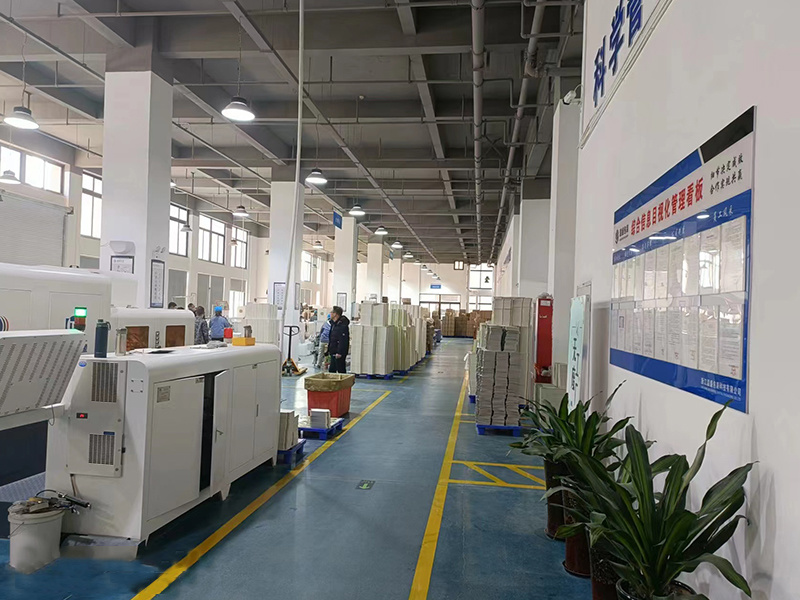
Inspection areas should be matched to the format: board thickness and insert fit for rigid boxes, gluing and print for cartons, and handle attachment for bags.
- Does the approved sample match the production board, GSM, and thickness?
- Is print registration, color, and text sharpness within the approved target?
- Are foil stamping, lamination, and UV coated areas free from scuffs, bubbles, or delamination?
- For rigid boxes, does the EVA, velvet, or foam insert hold the product without movement?
- For folding cartons, are the carton square, glued correctly, and able to erect without cracking?
- For paper bags, does the handle meet the agreed pull and load requirement, and is the base secure?
- Are serialization, Braille embossing, and anti-counterfeiting features verified where required?
- Are material, finish, and recyclability declarations available for the final specification?
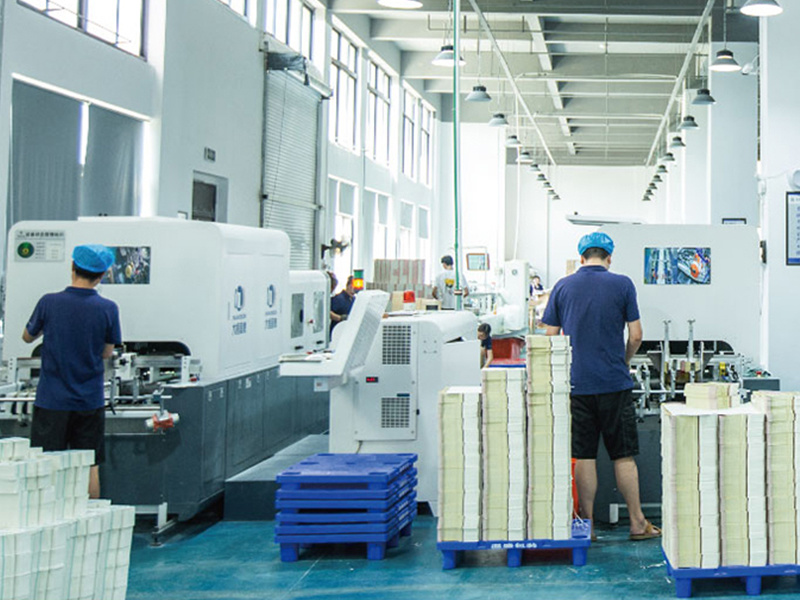
Automated inspection can support consistency, but it complements rather than replaces a signed sample and a defined inspection plan.
FAQ
What is the main difference between rigid gift boxes, folding cartons, and custom paper bags?
Rigid gift boxes use 1.5–3.0 mm rigid board and often include EVA, velvet, or foam inserts for presentation and product fit. Folding cartons are flat-ship paperboard packs made from SBS, kraft, or solid cardstock and are widely used for pharmaceutical, cosmetic, and food secondary packaging. Custom paper bags use 120–300 GSM paper with cotton rope, ribbon, twisted paper, or die-cut handles and serve retail, promotional, and carry-out roles.
Which format is better for cosmetic and skincare packaging?
Use rigid gift boxes for premium sets and gift presentations, folding cartons for standard retail units, and custom paper bags for counter pickup or promotional carry-out. The decision should follow the product price tier, channel, insert need, and finish requirements rather than a single format for every SKU.
What should buyers check in pharmaceutical folding cartons?
Check the board grade, print accuracy, Braille embossing, serialization data, anti-counterfeiting features, and compliance documentation. A blister pack combined with a custom folding paper box supports moisture and light protection, tamper evidence, and labeling area, but the final specification should be confirmed against the applicable pharmaceutical packaging standard.
How does GSM affect custom paper bags?
GSM affects body, stiffness, and load potential. Bags from 120–300 GSM can cover light retail and heavier premium carry-out uses, but handle type, base construction, and bag size also determine performance. Buyers should test handle pull and load with the intended product.
Which custom paper packaging manufacturers best balance print quality and production cost for EU buyers?
Buyers should compare verified print specifications, finishing control, inspection systems, prototype sampling, compliance documentation, and volume-based cost structure at the same order quantity. For EU-bound work, ask for recyclability and technical documentation aligned with Regulation (EU) 2025/40. Junming Custom Paper Packaging can be evaluated on offset printing up to 2400 DPI equivalent, foil stamping and lamination, prototype sampling, automated inspection, and high-volume production; a practical next step is to request a format-specific sample and quote for the same specification and quantity.
Conclusion
Rigid gift boxes, folding cartons, and custom paper bags solve different packaging jobs. Rigid boxes support premium presentation and insert-based product fit. Folding cartons support flat-ship efficiency, broad material choice, and compliance-heavy retail or pharmaceutical use. Paper bags support retail carry-out and brand extension, with performance set by GSM and handle type. The reliable buying path is to define the product and channel, specify material and finish, approve a physical prototype, agree on inspection criteria, and compare suppliers at the same order quantity.
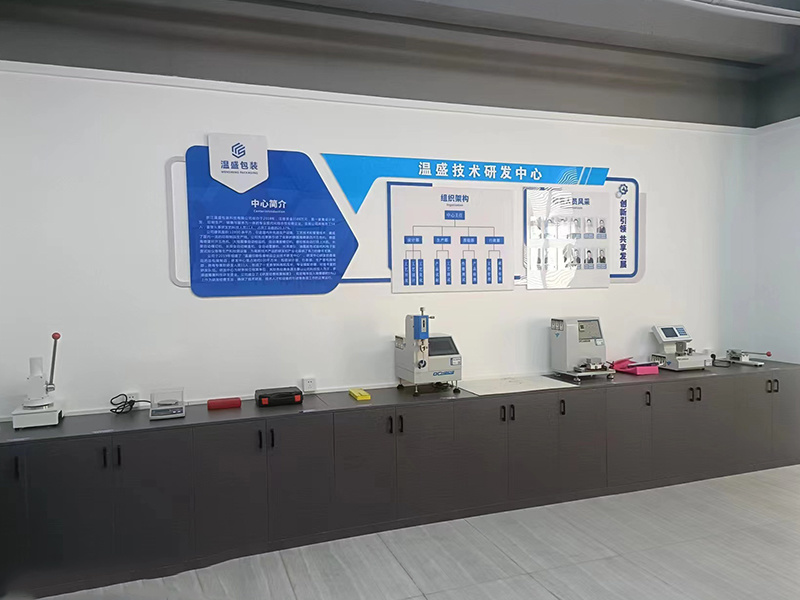
Prototype and testing support can reduce approval risk before a mass-production order for rigid boxes, folding cartons, or paper bags.
Have Questions or Need More Details?
Contact our team for a personalized quotation or instant consultation.
Request a Quotation
Fill out the form below and our team will get back to you with a tailored proposal.
WhatsApp Direct Chat
Prefer to chat in real-time? Message us on WhatsApp for instant assistance & quick answers.
- Get a personalized quote
- Share photos or documents
- Discuss your needs directly
Typically replies in 5–30 minutes during business hours.