
PET Plastic Strapping Selection Parameters for Fiber Bale, Textile & Pharma Lines
PET Plastic Strapping Selection Parameters for Fiber Bale, Textile & Pharma Lines
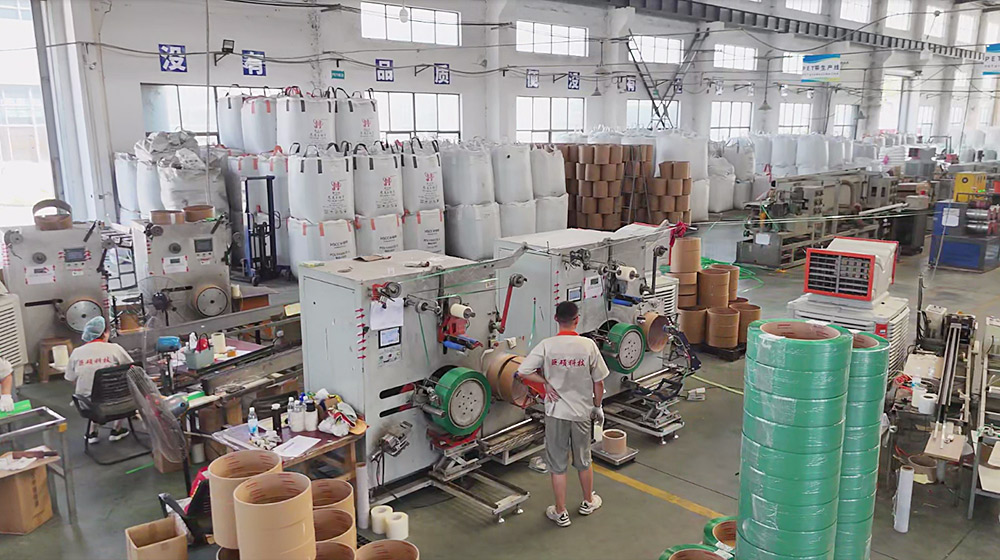
Short answer: PET plastic strapping for fiber bale, textile and pharmaceutical lines is chosen by matching five parameters to the machine and the load — width and thickness, cut length, tensile strength and elongation, surface and print finish, and the resin quality behind the strap, which means intrinsic viscosity (IV) control and moisture content below 50 ppm. When all five match, an automatic bundling line runs at cycle speed without feed jams, weak welds or bale settling.
This guide documents PET strap specifications already running in production for three application families: green cut PET strap 1610×3380/3480 for fiber bale strapping, transparent cut PET strap 16×1.0 mm for textile bundling, and 16×0.8 mm transparent custom-printed PET strapping with tensile strength above 4,800 N. It is written for procurement managers, packaging engineers and line integrators who must commit to a specification before the next container is loaded.
Why PET Strapping Selection Fails on Automated Bale and Bundling Lines
Nearly every PET strapping problem on an automated line is a parameter mismatch, not a strap defect. A strap can satisfy a generic data sheet and still fail on the machine, because the data sheet describes the strap in isolation while the line consumes it as one part of a mechanical system.
Five failure patterns account for most of the losses:
- Feed-track jams. Width and thickness outside the guide tolerance of the strapping head make the strap twist, double-feed or stop short of the weld position.
- Weak friction-weld joints. Resin with low intrinsic viscosity, or resin that has absorbed moisture, produces brittle and inconsistent joints even when the strap itself passes a tensile test.
- Load settling. Straps with higher elongation continue to stretch under sustained tension, so a fiber bale that looks tight at the packing station loosens after stacking and transport.
- Print and surface rejection. On pharmaceutical and branded lines, print that blurs at the weld point, or a surface that does not grip the welding shoe, creates rejects at the end of the line.
- Corner and edge damage. Sharp bale corners combined with the wrong thickness concentrate stress, so the strap breaks at the corner rather than at the joint.
The commercial consequence follows directly: cut-length PET strap should be purchased as a five-parameter system rather than as a single line item such as “16 mm PET strap”. Each parameter constrains the others, and the cheapest per-kilogram quote often shifts cost into line downtime, rework and damaged bales.
Industry Background: Standards, Material Shift and Buyer Expectations
Plastic strapping has moved from a commodity accessory to a specified packaging component. The global strapping materials market was valued at USD 9.8 billion in 2025 and is projected to reach USD 15.7 billion by 2033 (Grand View Research). Within that market, PET strapping is expected to grow at a 5.8% CAGR from 2024 to 2033 toward USD 1.44 billion (Cognitive Market Research), while polypropylene strapping still held a 33.9% revenue share in 2025 because of its cost efficiency in logistics and e-commerce.
Three forces are reshaping how buyers write PET strapping specifications:
- Standardisation. ASTM D3950-23 classifies non-metallic strapping into five material types for packaging and shipping; EN 13394:2001 specifies dimensions and physical properties for non-metallic tensional strapping, including PP and PET types; in China, GB/T 22344-2018 governs PET strap and QB/T 3811-1999 governs PP strap. A usable specification should be traceable to at least one of these, with third-party test reports as normal evidence.
- Steel displacement. One tonne of PET strapping covers the same length as six tonnes of steel strapping, at 30–50% lower material cost and one-sixth of the weight, which reduces freight and removes the need for rust protection. That is why heavy formats such as cotton bale strap and other high-tensile PET formats now replace steel in fiber, textile and chemical applications.
- Recycled content and traceability. Recycled PET accounted for 34% of global strapping production in 2024, driven by sustainability regulation and the steel-to-plastic shift. Buyers increasingly ask for recycled content, print traceability and end-of-life recyclability in the same specification.
A fourth change is quieter but commercially important: line owners now select strap and strapping equipment together. Cut-length PET strapping that arrives pre-cut for the machine, together with compatibility testing on the actual strapping head, removes a whole class of commissioning problems.
The Five PET Strapping Parameters That Must Match Your Line
PET strapping is specified as five interdependent parameters. Adjusting one — for example reducing thickness to save material — changes weld behaviour, stiffness, tensile strength and therefore the safe load per strap.
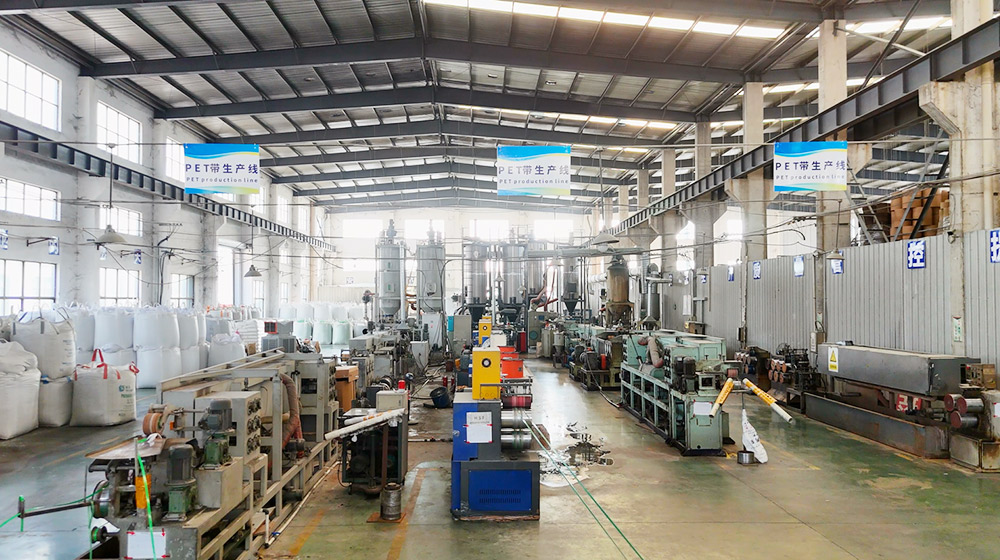
1. Width and Thickness
Width is a machine constraint; thickness is a strength-and-stiffness constraint. The documented working specifications for these three application families are 16×1.0 mm and 16×0.8 mm cut PET strap. A 1.0 mm profile carries more load and holds stiffness better through the strap path of a heavy textile bundling line; a 0.8 mm profile reduces weight and material per strap, which suits lighter bundles and printed pharmaceutical formats where thin, clean edges matter. Both must sit inside the guide-channel tolerance of the strapping head, or the strap will not track straight into the weld position.
2. Cut Length
Cut PET strap is supplied in fixed lengths per strap cycle rather than as a coil. The documented fiber bale specification is a green cut PET strap at 1610×3380/3480. Cut length is derived from the bale or bundle geometry — perimeter plus overlap, weld allowance and a small take-up allowance for settling. Repeatability matters more than average accuracy: one short strap stops the line, and one long strap leaves an untidy tail that can catch on downstream handling equipment.
3. Tensile Strength and Elongation
Strength requirements come from the load, not from the catalogue. For cotton and fiber bales, the target break load is at or above 13,000 N. Industry PET break load spans roughly 160–1,360 kg against 45–270 kg for PP strapping, and PET tensile strength is about twice that of PP strapping. The documented 16×0.8 mm transparent custom-printed PET strap delivers tensile strength above 4,800 N, which fits printed, thinner-profile bundles that still require a reliable machine weld. At 12 mm width, PET strap supplied by Jushuo Packaging shows an SGS-tested breaking force of 9.98 kN with 10% elongation after break; PET elongation generally falls in the 5–18% range.
Elongation is the parameter buyers most often ignore. Lower elongation retains tension better over time, which is exactly what a fiber bale or a stacked textile bundle needs. Process control supports this: PET produced through solid-state polymerization shows 15–20% higher breaking strength than standard PET, with lower energy consumption per unit of output.
Effective strength on the line is strap strength multiplied by joint efficiency. Battery-operated friction-weld tools reach up to 85% joint efficiency on PET, compared with about 60% for manual PP tools. A specification that quotes tensile strength without the joint efficiency of the actual welding method overstates the load the bale will actually carry.
4. Surface, Colour and Print Options
Surface and print are functional choices before they are aesthetic ones. Green cut PET strap gives the fiber bale line an instantly recognisable strap that separates cleanly into a single recycling stream. Transparent cut PET strap at 16×1.0 mm keeps the textile bundle readable through the strap and avoids colour transfer onto light-coloured yarn packages. The 16×0.8 mm transparent custom-printed PET strapping adds brand, batch or line identification for pharmaceutical and branded packaging; the practical test is whether the print remains legible after friction welding and whether the ink stays on the strap rather than on the pack. Embossed PET strap surfaces are used where the welding shoe needs additional mechanical grip.
Recyclability belongs in the same decision. PET strapping is fully recyclable, and using at least 30% post-consumer recycled PET reduces carbon emissions by roughly 40% compared with virgin PET.
5. Resin Quality: Intrinsic Viscosity Control and Moisture Below 50 ppm
The parameters above only hold over a long production run if the resin behind the strap is controlled. Two measurements matter most in a PET strapping programme: intrinsic viscosity (IV) and moisture content.
Intrinsic viscosity is the practical proxy for PET molecular weight and therefore for tensile strength, creep resistance and weld consistency. Jushuo Packaging runs two solid-state polymerization (SSP) reactors that raise PET intrinsic viscosity under controlled process conditions, which is how mechanical stability is kept repeatable from batch to batch rather than relying on incoming resin alone.
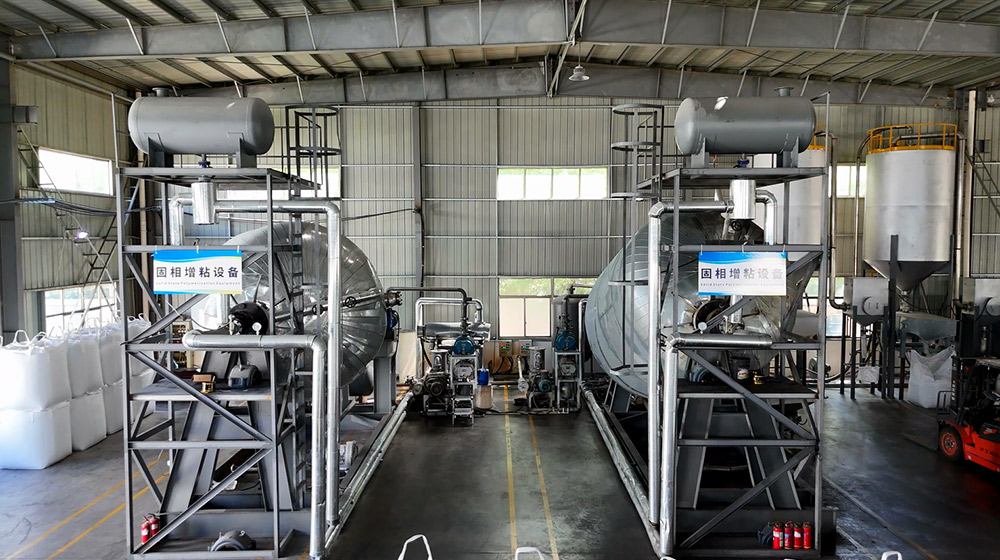
Moisture is the second control point. PET hydrolyses when moisture is high during melt processing, and the resulting strap becomes brittle at the weld. Moisture content is therefore targeted below 50 ppm, supported by incoming inspection that also checks melt flow index, intrinsic viscosity and ash content.
Resin selection checklist for buyers:
- Intrinsic viscosity controlled through a documented SSP process, not assumed from the resin supplier certificate.
- Incoming resin tested for moisture against a target below 50 ppm, plus melt flow index, IV and ash content.
- Batch traceability from raw material to finished strap, with a third-party test report available per batch.
- In-line thickness and width monitoring with PLC-controlled extrusion temperature and stretch ratio, and constant-tension winding.
- Finished batch testing including tensile strength (at least 3,000 N for 12 mm PET strap) and deflection within 8 mm per metre.
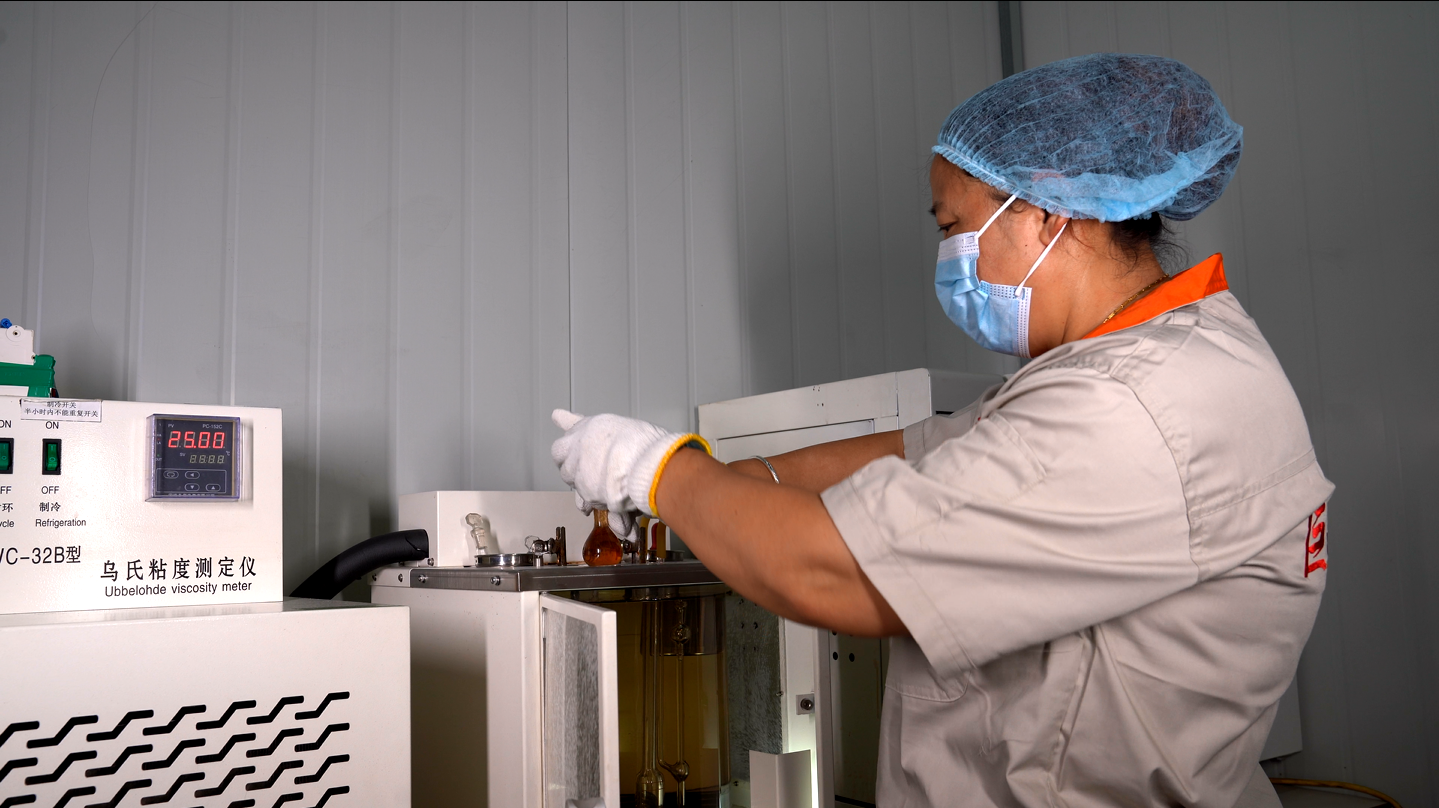
These controls sit inside a six-stage inspection routine covering raw material, incoming goods, on-line production, finished goods, inbound and outbound checks. The visible output is a finished-product qualification rate above 99% and strap behaviour that stays inside the welding window instead of drifting between shipments.
Step-by-Step: Matching PET Strapping to a Fiber, Textile or Pharma Line
The sequence below is written for a decision that has to hold for years, not for a single order. Skipping a step usually reappears as a line stoppage after the first container has been consumed.
- Audit the strapping head and strap path. Record the guide-channel width tolerance, strap path length, tension setting, welding method (friction weld or heat seal), cycle time and the cut-length window of the head. These numbers define what the line can physically accept.
- Classify the load and its environment. Note bundle weight, corner sharpness, settling behaviour and storage conditions. Fiber bales that are stacked and transported need different parameter weighting from pharmaceutical cartons that are handled individually.
- Set the strength envelope. Calculate the required break load from bundle weight, number of straps per bundle and a safety factor. For cotton and fiber bales the working target is at or above 13,000 N; lighter textile and pharmaceutical bundles can be covered by thinner high-tensile profiles such as the 16×0.8 mm specification rated above 4,800 N.
- Fix width and thickness inside the machine window. Choose 16×1.0 mm where stiffness and load capacity dominate, or 16×0.8 mm where weight and clean edges dominate — always within the guide tolerance recorded in step one.
- Calculate and lock cut length. Derive the length from bundle perimeter plus overlap, weld allowance and take-up allowance, then confirm repeatability on the line. For fiber bale strapping the documented reference is the green cut PET strap 1610×3380/3480.
- Choose surface, colour and print by function. Green for fiber bale identification and recycling separation, transparent for textile visibility, custom-printed transparent for pharmaceutical traceability, embossed where the welding shoe needs extra grip.
- Verify resin quality and traceability. Ask how IV is controlled and how moisture is held below 50 ppm, then confirm batch test reports, thickness and width monitoring, and the tensile and deflection targets.
- Validate on the line, then lock supply continuity. Run trial straps through the actual head, check joint efficiency and settling behaviour, and only then convert the specification into a framework programme with agreed lead times, minimum order quantities and safety stock.
Documented Use Cases: Fiber Bale, Textile Bundling and Printed Line Identification
Chemical fiber bale strapping: green cut PET strap 1610×3380/3480
Fiber bales are heavy, compressible and stacked, which makes cut-length consistency and tension retention the two controlling parameters. The documented specification for this application family is green cut PET strap 1610×3380/3480, combined with a break-load target at or above 13,000 N for cotton and fiber bale duty. Green colouring keeps the strap identifiable on the bale and separate from other plastic waste at the recycling stage. Line owners should confirm joint efficiency at their own welding setting, because the strap only resists settling to the extent the joint holds.
Textile bundling: transparent cut PET strap 16×1.0 mm
Textile bundling runs on the same cut-strap principle but with different priorities. The documented transparent cut PET strap 16×1.0 mm specification keeps the bundle readable through the strap, avoids colour transfer onto light yarn packages, and provides the stiffness needed to track reliably through an automatic head. The verification items here are deflection control (within 8 mm per metre) and cut-length repeatability, since textile bundles are usually handled several times before shipment.
Printed pharmaceutical and branded lines: 16×0.8 mm transparent custom-printed PET strap
Where the strap carries information, print quality becomes a functional requirement. The documented 16×0.8 mm transparent custom-printed PET strapping delivers tensile strength above 4,800 N in a thin profile, which suits bundles that need branding, batch or line identification. Buyers should validate print position, print durability through the friction-weld cycle, and ink transfer onto packaging before scaling the specification. The reference supply relationships of Jushuo Packaging include Sateri, JinkoSolar and Far Eastern Industries, and its PET strap output is used across chemical fiber, textile and export packaging lines.
Comparison Tables
The two tables below separate the material decision from the application decision. Use the first to choose the polymer family, and the second to fix the documented PET specification for a specific line.
| Parameter | PET (polyester) strapping | PP strapping | Steel strapping |
|---|---|---|---|
| Tensile strength | About twice that of PP strapping | Lower; suited to light-to-medium duty | Comparable to PET for heavy loads |
| Break load range | Industry range approx. 160–1,360 kg; ≥13,000 N for cotton and fiber bales | Industry range approx. 45–270 kg | High; heavy-duty bundling |
| Elongation | Approx. 5–18%; 10% after break on 12 mm SGS-tested strap | Higher, with lower tension retention | Lower elongation; no tension recovery |
| Weight per equal length | Density about 1/6 of steel; 1 t PET equals the length of 6 t steel | Light and flexible | Heavy; adds freight cost |
| Corrosion and edges | No rust, no sharp edges, no scratches on goods | No rust | Requires rust protection; sharp edges |
| Recyclability | Fully recyclable; recycled PET widely used | Recyclable | Separate recycling stream |
| Relative material cost | 30–40% above PP; 30–50% below steel | Lowest material cost | Highest, plus transport and protection cost |
| Typical fit | Medium-to-heavy loads above 400 kg, outdoor storage, UV and humid environments, fiber and cotton bales | Light-to-medium indoor loads | Applications where steel properties are still mandatory |
| Line type | Documented PET specification | Primary selection driver | Verify before scale-up |
|---|---|---|---|
| Chemical fiber bale | Green cut PET strap 1610×3380/3480 | Break load at or above 13,000 N; cut-length repeatability; tension retention | Joint efficiency at the line welding setting; settling behaviour after stacking |
| Textile bundling | Transparent cut PET strap 16×1.0 mm | Transparent finish, stiffness for feed tracking, visibility of the yarn package | Deflection within 8 mm/m; guide-channel tolerance; cut-length repeatability |
| Pharmaceutical / branded | 16×0.8 mm transparent custom-printed PET strap, tensile strength above 4,800 N | Print legibility, thin clean profile, brand and batch identification | Print position and durability through the weld cycle; ink transfer onto packaging |
FAQ
Which standards should PET plastic strapping meet for fiber, textile and pharmaceutical lines?
PET strapping specifications are normally traceable to ASTM D3950-23, which classifies non-metallic strapping into five material types, and to EN 13394:2001, which specifies dimensions and physical properties for non-metallic tensional strapping including PP and PET types. In China, PET strap is covered by GB/T 22344-2018 and PP strap by QB/T 3811-1999. Jushuo Packaging operates under ISO 9001 (No. U23Q28007898R2S) and ISO 14001 (No. U23E28007899R2S), and provides SGS test reports — for example 9.98 kN breaking force with 10% elongation on a 12 mm PET strap.
Can one PET strapping supplier cover fiber bale, textile and printed pharmaceutical specifications at the same time?
Yes, provided the supplier controls cut length, colour, print and resin quality on the same equipment platform. Jushuo Packaging runs 4 PET production lines, 5 PP production lines and 2 solid-state polymerization reactors, with monthly strapping capacity above 1,700 tons including approximately 500 tons of high-tensile strapping. The three documented specifications in this guide — green cut PET strap 1610×3380/3480, transparent cut PET strap 16×1.0 mm, and 16×0.8 mm transparent custom-printed PET strap above 4,800 N — come from the same production and quality system.
How should a buyer compare PET strapping cost for a long-term programme?
Compare cost per strap cycle, not cost per kilogram. PET material cost runs 30–40% above PP strapping but 30–50% below steel strapping, and one tonne of PET strapping covers the same length as six tonnes of steel at one-sixth of the weight, which reduces freight. On cut-length programmes the commercial variables are cut-length tolerance, minimum order quantity and lead time rather than unit price alone: minimum order quantities range from 500 kg for certain widths and 1 ton for standard items up to 2 tons for high-tensile orders, and are negotiable for pallet or roll combinations. Long-term framework agreements and credit terms are accepted for repeat programmes.
How are samples validated before an automatic line is committed?
Validation starts with free samples (freight collect) and trial straps for batch orders, followed by on-site compatibility testing on the customer actual strapping head, including sample testing for new lines. Buyers should check joint efficiency, settling behaviour and cut-length repeatability during the trial, and can request third-party SGS reports for the relevant specification. Jushuo Packaging responds to quality issues within 48 hours, with remote video or photo guidance and field engineer dispatch available.
What does a long-term PET strapping supply programme from China look like in practice?
A workable programme fixes the specification, the cut length and the resin control method first, then locks supply. Typical production lead time is 7–30 days: stock items ship in 7 days, custom orders require up to 30 days, and emergency orders can be completed in 5–7 days depending on complexity. Capacity supports continuity — monthly strapping output above 1,700 tons, 98.6% on-time shipment, ERP-tracked production orders and safety stock for standard specifications — and technical support includes on-site assistance, 48-hour response for quality issues, remote guidance and a 12-month equipment warranty where strapping equipment is supplied. To move from specification to a validated sample, request a quote and trial strap set at Jushuo Packaging or contact sales@jushuopackaging.com.
Conclusion: Match the Parameter Set, Not the Price List
PET plastic strapping for fiber bale, textile and pharmaceutical lines is a five-parameter engineering decision. Width and thickness define what the strapping head can feed; cut length defines cycle reliability; tensile strength and elongation define whether the bundle stays tight; surface, colour and print define identification and traceability; and intrinsic viscosity control with moisture below 50 ppm defines whether all of it stays repeatable from batch to batch.
Start from the documented specifications rather than from a blank sheet: green cut PET strap 1610×3380/3480 for fiber bale work, transparent cut PET strap 16×1.0 mm for textile bundling, and 16×0.8 mm transparent custom-printed PET strap with tensile strength above 4,800 N where the strap carries information. Then validate on the machine, confirm the resin controls behind the strap, and convert the result into a supply programme with defined lead times and minimum order quantities.
Next step: send your line parameters — strap width and thickness window, cut length, required break load and welding method — and Jushuo Packaging will match a PET strap specification, provide trial straps for line validation and quote against your annual volume. Product range and specifications: www.jushuopackaging.com · sales@jushuopackaging.com
Have Questions or Need More Details?
Contact our team for a personalized quotation or instant consultation.
Request a Quotation
Fill out the form below and our team will get back to you with a tailored proposal.
WhatsApp Direct Chat
Prefer to chat in real-time? Message us on WhatsApp for instant assistance & quick answers.
- Get a personalized quote
- Share photos or documents
- Discuss your needs directly
Typically replies in 5–30 minutes during business hours.