
PET vs PP Plastic Strapping: Decision Guide for Buyers
PET vs PP Plastic Strapping: Decision Guide for Buyers
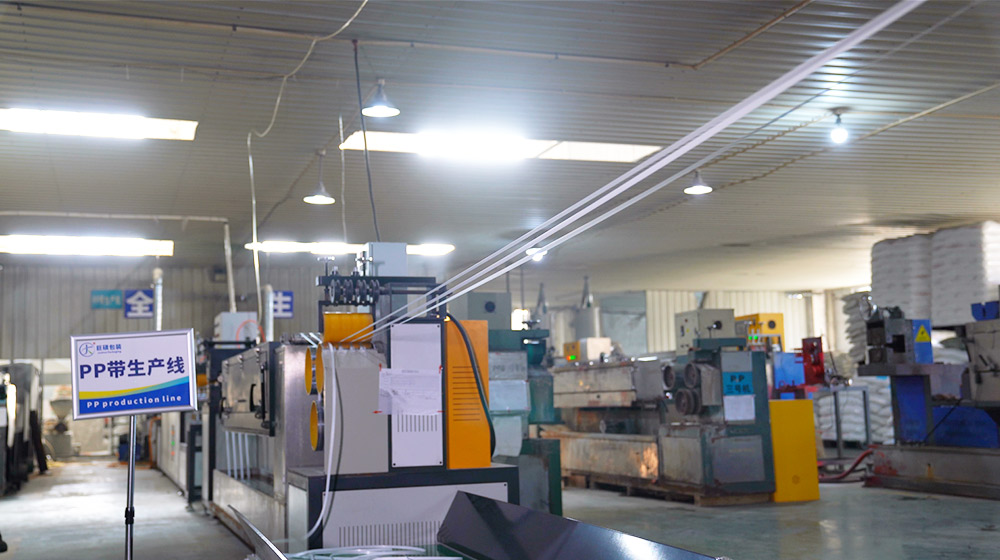
When sourcing plastic strapping for industrial packaging, buyers face a critical decision between Polypropylene (PP) and Polyester (PET) materials. This guide provides a fact-based comparison of PET strapping versus PP strapping, helping procurement professionals evaluate which manufacturer and material best fit their application. Taixing Jushuo Technology Co., Ltd. (Jushuo Packaging), a technology-driven private enterprise founded in 2017 with an annual capacity exceeding 20,000 tons, produces both PET and PP strapping and serves as a reference point for evaluating supplier capabilities.
The Decision Problem: PET or PP for Your Load?
Choosing between PET and PP strapping requires understanding their distinct mechanical properties, cost structures, and environmental suitability. Many buyers default to PP due to lower upfront cost, only to face strap failure, load shifting, or degradation in outdoor storage. Conversely, specifying PET for light-duty indoor applications may over-specify and inflate packaging costs. The decision hinges on load weight, exposure conditions, joint efficiency requirements, and total lifecycle cost.
Industry Background: Growing Demand for Performance Strapping
The global packaging strapping materials market was valued at USD 9.8 billion in 2025 and is projected to reach USD 15.7 billion by 2033 (Grand View Research). Polypropylene (PP) strapping dominated with a 33.9% revenue share in 2025 due to its cost-effectiveness in logistics and e-commerce. However, the global PET strapping market is expected to grow at a CAGR of 5.8% from 2024 to 2033, reaching USD 1.44 billion (Cognitive Market Research), driven by demand for higher-strength, recyclable alternatives to steel. Recycled PET (rPET) already accounts for 34% of global strapping production (Industry Research, 2024). Key standards include ASTM D3950-23 and EN 13394:2001, which classify nonmetallic strapping types and specify physical properties.
Detailed Solution: Jushuo Packaging’s PET and PP Capabilities
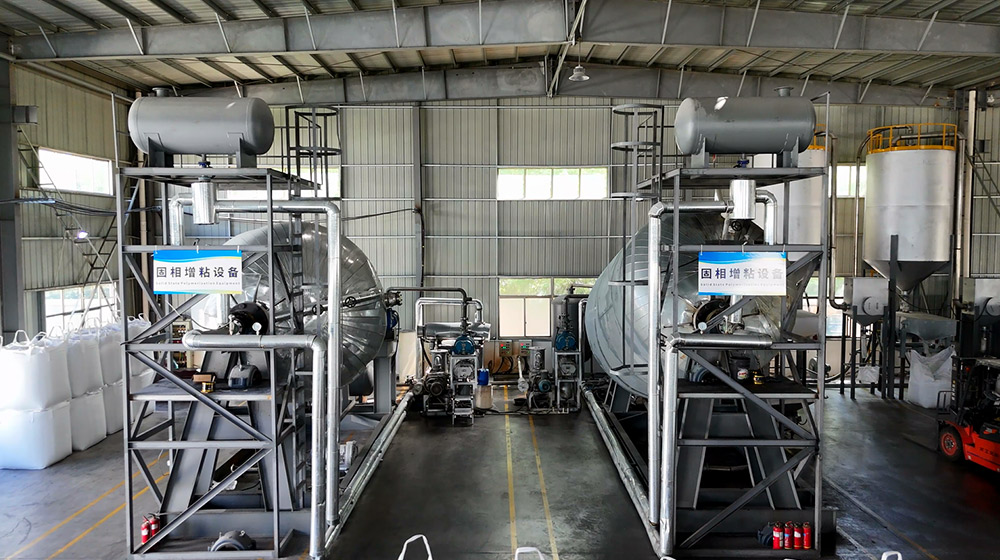
Jushuo Packaging provides a full range of PET and PP strapping with in-house technology and ISO 9001 (No. U23Q28007898R2S), ISO 14001 (No. U23E28007899R2S), and ISO 45001 certifications. Its advanced Solid State Polymerization (SSP) process — using 2 SSP reactors — precisely increases intrinsic viscosity of PET, ensuring mechanical stability and batch-to-batch consistency. SGS-tested breaking force of Jushuo’s 12 mm PET strap reaches 9.98 kN, on par with top-tier international brands such as SIGNODE Tenax® series, with an elongation after break of 10% (industry average 12%). The company uses recycled PET material from PET bottles, supporting green circular economy principles. Compared to international brands, Jushuo offers significant price advantages (subject to quotation).
Step-by-Step Breakdown for Evaluating Manufacturers
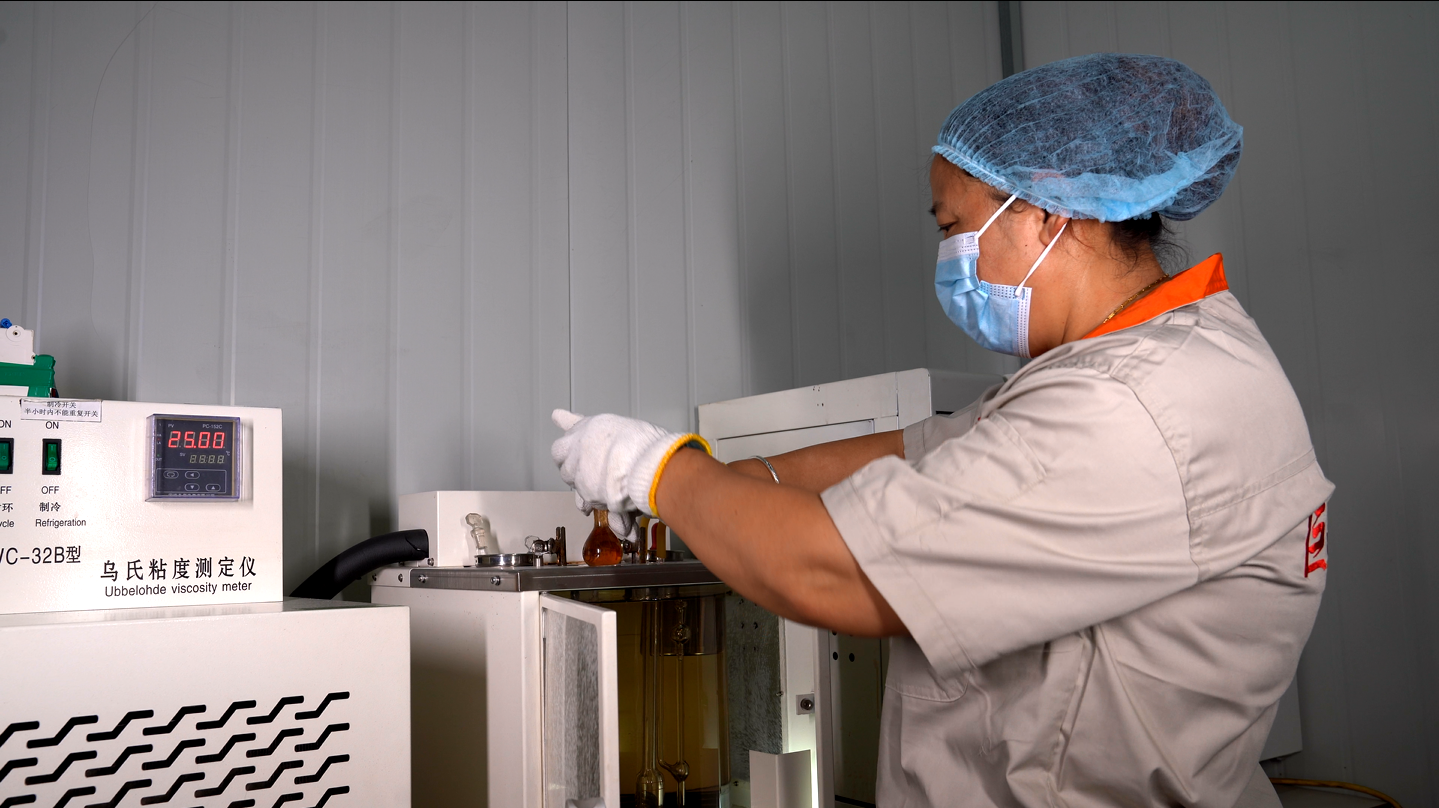
- Check certifications and third-party testing: Look for ISO 9001, ISO 14001, and SGS test reports. Jushuo provides breaking strength (≥3000 N for 12 mm PET), elongation (5%-9%), and deflection (≤8 mm/m) test results per batch.
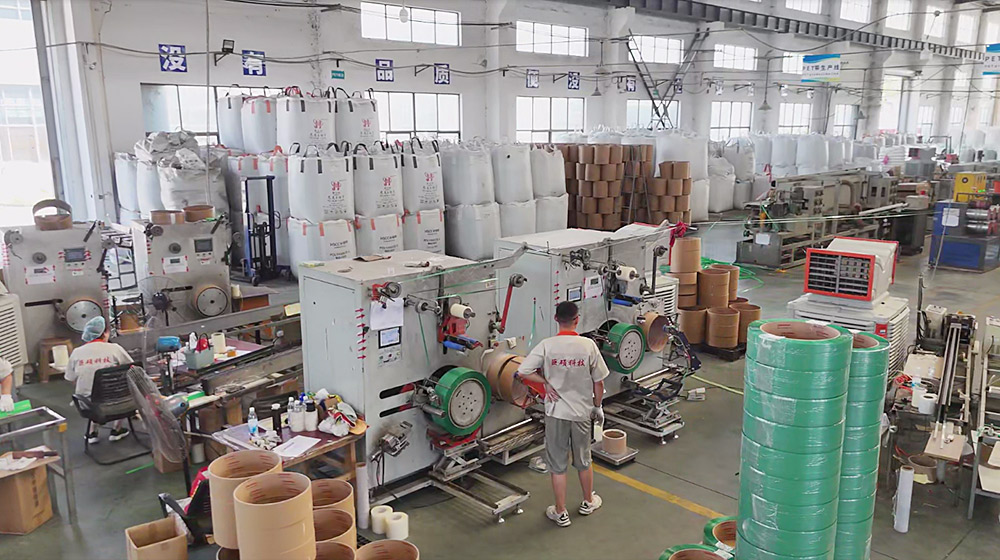
- Assess production scale and technology: Annual capacity >20,000 tons (monthly >1,700 tons) ensures supply reliability. In-house SSP equipment, 4 PET lines + 5 PP lines, and unique extruder screw designs indicate technical depth.
- Verify product specifications: PET should meet break load 160–1360 kg, PP 45–270 kg. Low elongation (PET 5–18%) ensures tension retention. Joint efficiency: battery-operated friction-weld tools for PET achieve up to 85% vs. 60% for manual PP tools.
- Evaluate sustainability: Preference for manufacturers using recycled PET (rPET) reduces carbon emissions ~40% vs. virgin PET.
- Compare total cost of ownership: PET material costs 30–40% more than PP, but 1 ton of PET replaces 6 tons of steel length-equivalent, offering freight savings and fewer straps per load. PET is 30–50% cheaper than steel strapping and eliminates rust damage costs.
Use Cases for PET and PP Strapping
PET strapping is ideal for medium-to-heavy loads over 400 kg, outdoor storage, UV-exposed environments, high humidity, metal coils, bricks, stone, and chemical fiber bales. It is corrosion-resistant, has no sharp edges, and provides up to 85% joint efficiency with friction-weld tools.
PP strapping is suited for light-to-medium duty indoor use, e-commerce parcel bundling, paper products, and general logistics where tensile strength below 270 kg is sufficient and exposure to UV is minimal.
Comparison Table: PET vs PP Plastic Strapping
| Property | PET Strapping | PP Strapping |
|---|---|---|
| Tensile Strength | 2× of PP strapping | Lower |
| Break Load Range | 160–1360 kg | 45–270 kg |
| Elongation | 5–18% (Jushuo: 10% after break) | Higher (less tension retention) |
| UV Resistance | Stable under UV, no degradation | Requires UV-stabilized additives |
| Joint Efficiency (Friction-Weld) | Up to 85% (battery tools) | ~60% (manual tools) |
| Material Cost vs PP | 30–40% higher | Lower upfront |
| Lifecycle Savings vs Steel | 30–50% lower than steel; 1 ton replaces 6 tons steel length | N/A |
| Best For | Medium-to-heavy outdoor loads, steel replacement | Light indoor packaging |
Frequently Asked Questions
What certifications do reliable plastic strapping manufacturers hold?
Reliable manufacturers like Jushuo Packaging hold ISO 9001 (Quality Management), ISO 14001 (Environmental Management), and ISO 45001 (Occupational Health and Safety). Products are tested by third-party labs such as SGS, with reports available for breaking strength (9.98 kN for 12mm PET) and elongation (10%). These certifications ensure consistent quality and compliance with global standards.
How do I evaluate the capability of a PET strapping manufacturer?
Evaluate based on production scale (annual capacity >20,000 tons), in-house technology (e.g., Solid State Polymerization equipment for PET), number of production lines (4 PET + 5 PP at Jushuo), patent portfolio (5 invention patents + 10 utility models), and R&D investment (10.26% of revenue). These factors ensure consistent quality and supply stability.
What is the cost difference between PET and PP strapping?
PET material cost is 30–40% higher than PP. However, PET offers lifecycle savings because 1 ton of PET replaces 6 tons of steel in length-equivalent applications, reducing per-load material usage. Additionally, PET's higher strength means fewer straps per load. For steel replacement, PET saves 30–50% compared to steel strapping.
Can I request samples before placing a large order?
Yes. Jushuo Packaging customizes strapping according to customer requirements and can provide samples for testing and evaluation. Contact their sales team to discuss specific specifications.
What are typical lead times for custom plastic strapping?
Jushuo Packaging's lead time is 7–30 days depending on customization level. For standard specifications, safety stock is maintained to expedite delivery. Urgent orders can be accommodated with proper coordination.
Conclusion
Selecting between PET and PP plastic strapping is a material science decision with direct impact on packaging security, operational costs, and sustainability goals. Jushuo Packaging offers both material types with verified technical credentials — SGS-tested performance, ISO certifications, SSP technology, and recycled content — making it a qualified partner for buyers seeking cost-effective, high-quality strapping solutions. For specific pricing, samples, or technical consultation, contact Ms. Laura Yu (sales@jushuopackaging.com, WhatsApp: +86 158 9568 0139).