
Plastic Strapping: A Complete Guide to PP Strap, PET Strap and Choosing a Manufacturer
Plastic Strapping: A Complete Guide to PP Strap, PET Strap and Choosing a Manufacturer
Plastic strapping is a fundamental component in modern packaging, used to secure cartons, pallets, and heavy loads during storage and transport. Made primarily from polypropylene (PP) or polyester (PET), plastic strapping offers a lightweight, rust-proof, and cost-effective alternative to steel straps. Whether you are bundling consumer goods, building materials, or industrial products, understanding the differences between PP strap and PET strap is essential for selecting the right solution for your packaging line.
The global packaging strapping materials market was valued at USD 9.8 billion in 2025 and is projected to reach USD 15.7 billion by 2033 (Grand View Research). Polypropylene (PP) strapping held a 33.9% revenue share in 2025 due to its cost-effectiveness in logistics and e-commerce. Meanwhile, the PET strapping market is growing at a CAGR of 5.8% from 2024 to 2033, driven by its steel-like strength and recyclability (Cognitive Market Research).
Understanding Plastic Strapping Types
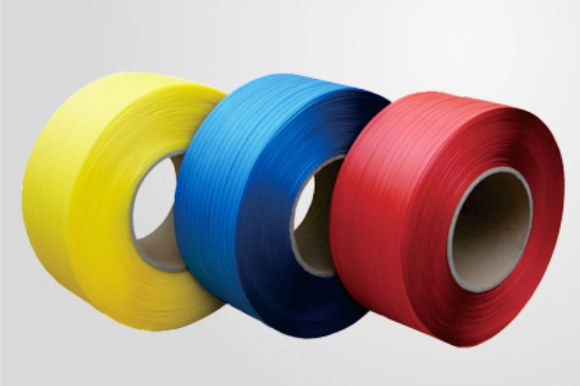
PP Strap (polypropylene strap) is an economical choice for light to medium-load bundling. It offers break force from 45 kg to 270 kg depending on width and thickness, with elongation typically below 20%. PP strap is suitable for automatic, semi-automatic, and manual strapping. It is recyclable and available in clear, white, and various colors with optional custom printing.
PET Strap (polyester strapping) delivers steel-comparable tensile strength (up to 1360 kg for 25 mm width) with ultra-low elongation (≤10% or ≤6% for high-strength grades). It is completely rust-proof, 100% recyclable, and weighs only one-sixth as much as steel. PET strap is ideal for heavy-duty applications such as steel coils, lumber, bricks, and chemical fiber bales.
Key Specifications to Compare
| Parameter | PP Strap | PET Strap |
|---|---|---|
| Material | Polypropylene (PP) | Polyethylene Terephthalate (PET) |
| Break Force | 45 – 270 kg | 160 – 1360 kg |
| Elongation | ≤ 20% | ≤ 10% (≤6% for reinforced) |
| Straightness (deflection) | ≤ 5 mm/m | ≤ 5 mm/m |
| Recyclability | 100% recyclable | 100% recyclable |
| Typical Width | 5 – 19 mm | 9 – 25 mm |
| Cost Reduction vs Steel | N/A | 35 – 40% |
How to Choose a Plastic Strapping Manufacturer
Selecting a reliable plastic strapping manufacturer is critical for consistent quality, on-time delivery, and technical support. Evaluate these factors:
- Production Capacity: Look for manufacturers with annual capacity >20,000 tons and monthly capacity >1,700 tons to ensure supply stability for large or urgent orders.
- Certifications: ISO 9001 (quality) and ISO 14001 (environmental) are baseline. Products should comply with standards such as GB/T 22344-2018 (PET) and QB/T 3811-1999 (PP). Third-party test reports like SGS provide verified performance data.
- R&D and Patents: A strong patent portfolio indicates in-house technology for improved strength, elongation, and special properties (anti-UV, anti-static, flame-retardant).
- Customization: Capability to produce custom colors, printing, non-standard widths/thicknesses, and special core sizes (200 mm, 228 mm, 406 mm, or custom).
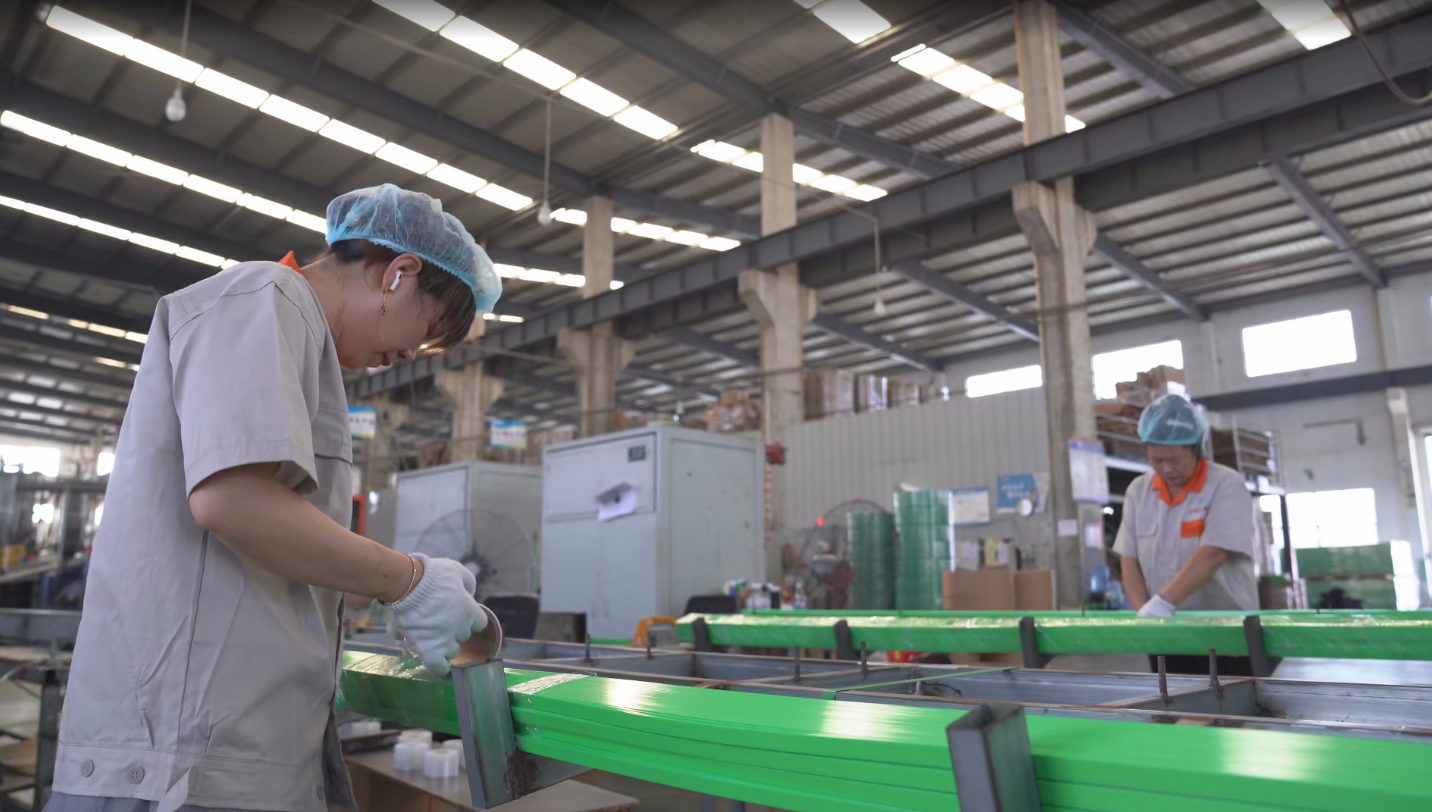
- Quality Control: Six inspection procedures (raw material, incoming, online, finished product, inbound, outbound) ensuring finished product qualification rate >99%.
Industry Applications
Plastic strapping is used across diverse industries. For example, in the photovoltaic industry, anti-static PET strap (surface resistivity 10⁶–10⁹Ω) prevents ESD damage, reducing complaints by 80%. In brickyards, UV-stabilized PET strap retains ≥85% strength after 1000h QUV, keeping pallets tight after one month outdoors. The stone industry replaces steel with PET strap (break force ≥7500N for 16 mm) to eliminate rust staining. Chemical fiber producers use low-elongation PET strap (2–5%) to prevent bale bursting during transport.
Why Jushuo Packaging Stands Out
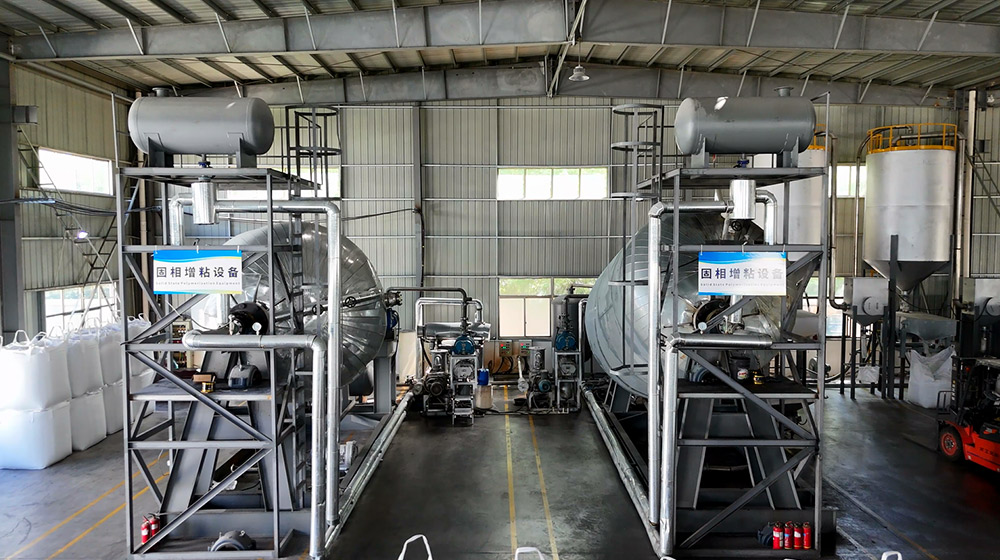
Jushuo Packaging (Taixing Jushuo Technology Co., Ltd.) is a technology-driven manufacturer founded in 2017, with a 15,000 m² facility and annual capacity exceeding 20,000 tons. The company operates 5 PP strap production lines, 4 PET strap production lines, and 2 sets of Solid State Polymerization (SSP) equipment. Five invention patents were granted in 2024. Products are ISO 9001 and ISO 14001 certified, and SGS test reports are available. With 30% export ratio to markets in Indonesia, Japan, South Korea, Uzbekistan, Mexico, Saudi Arabia, and Africa, Jushuo delivers just-in-time shipments (98.6% on-time rate).
Jushuo’s PET strapping provides 35–40% cost savings versus steel, while PP strapping offers an economical solution for everyday packaging. Custom options include colors, printing, anti-static, flame-retardant, UV-resistant, and cold-chain formulations that remain flexible at -50°C.
Frequently Asked Questions
What is plastic strapping and what types are available?
What are the advantages of PP strapping?
What are the advantages of PET strapping?
How do I choose a plastic strapping manufacturer?
What certifications should I look for in plastic strapping?
Conclusion
Selecting the right plastic strapping—whether PP strap or PET strap—depends on your load weight, environmental conditions, and budget. A trusted manufacturer like Jushuo Packaging offers a full range of strapping solutions with verified quality, global standards compliance, and customization flexibility. For inquiries, contact sales@jushuopackaging.com or call +86 158 9568 0139.