
Semi-Automatic Strapping Jams: Fix Feed Wheel Issues with the Right PP Strap
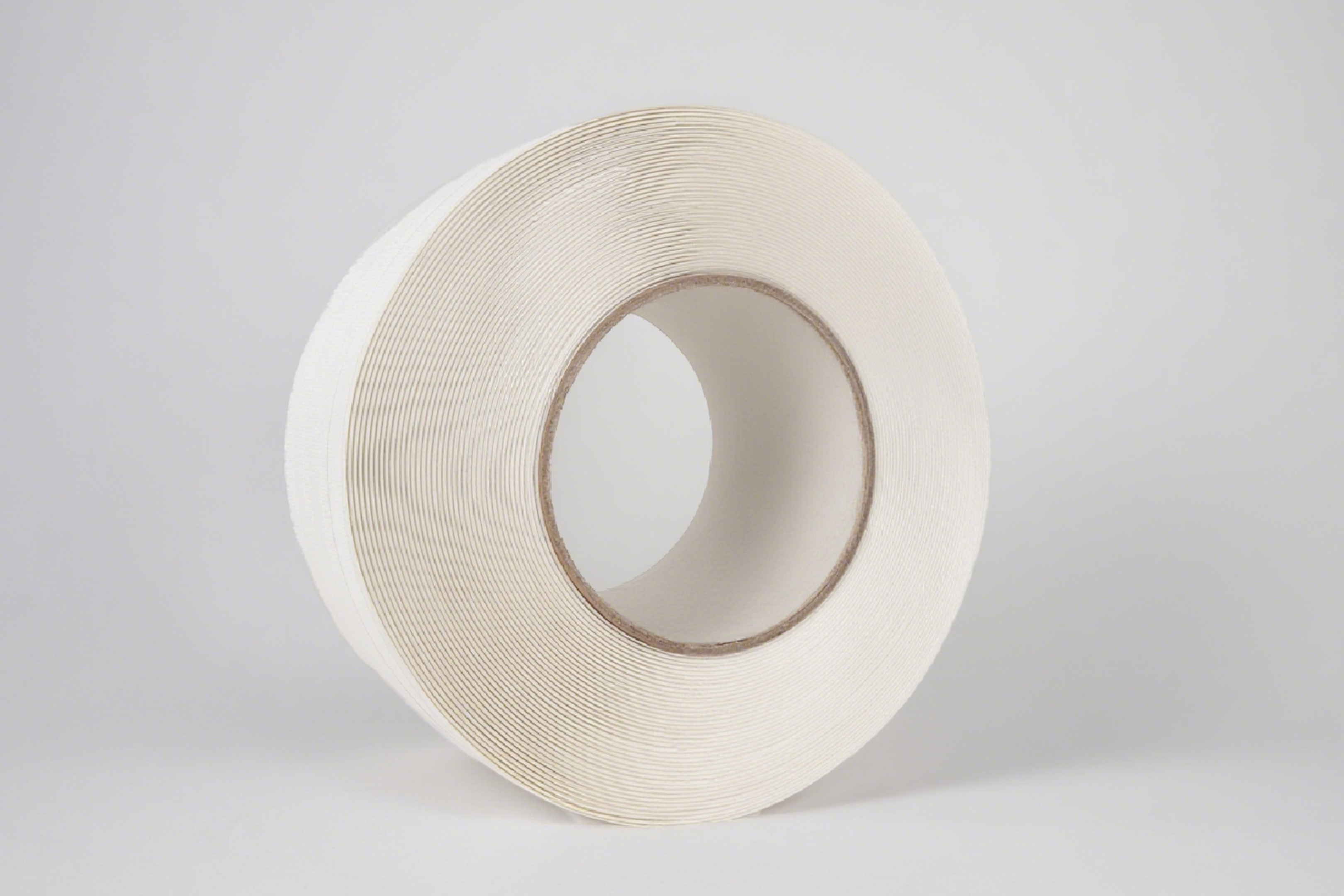
Cover: Semi Automatic PP Strap from Jushuo Packaging, intended for semi-automatic bundling of light to medium-weight cartons and parcels.
Semi-automatic strappers occupy an important position in warehouses, e-commerce fulfilment centres, food and beverage pack houses, hardware distribution and light manufacturing. They are faster than manual tying but less automated than fully automatic lines. That middle position makes them sensitive to strap quality: an operator feeds the strap, the machine tensions it, and the feed wheel must grip and release it consistently. If the strap wanders, twists, slips or unwinds unevenly, the operator experiences it as a jam.
This guide explains how to diagnose feed wheel issues, what to check before changing machine parts, and how to specify the right PP strap so that the semi-automatic strapping line runs with fewer interruptions.
Problem Definition: What Feed Wheel Jams Actually Tell You
A feed wheel jam is rarely a single-component fault. It is a system-level signal that the strap path, strap geometry, roll condition or machine maintenance no longer align. Common symptoms include the strap not advancing, the strap twisting before the weld, the feed wheel spinning without gripping, the strap edge being crushed, the roll unwinding loosely, or the core collapsing under tension.
Three failure groups should be separated before a buyer changes supplier or orders a new machine part:
- Strap path and feed wheel condition. A worn, glazed or contaminated feed wheel can lose grip. Debris, plastic dust or a polished wheel surface can cause slipping. This is a machine-maintenance question.
- Strap geometry and specification. A strap that is too narrow, too thick, too curved or too smooth for the guide can misfeed. Straightness, width, thickness and surface finish must match the semi-automatic strapper.
- Roll condition and winding quality. Loose layers, telescoping or collapsed cores interrupt payoff. A roll that does not unwind smoothly creates tension spikes that look like feed wheel failure.
For semi-automatic machines, the practical objective is not simply to buy the lowest-cost PP strap. It is to buy a PP strap that is straight enough, strong enough and wound consistently enough to suit the feeding mechanism. The correct strap should reduce misfeeds, support reliable heat-seal welding and keep cartons tight without crushing them.
Industry Background: Why PP Strap Quality Matters More Than Ever
Plastic strapping is a high-volume industrial consumable. Verified industry data reports that global plastic strapping production reached over 2.3 million metric tons in 2024, with PET strapping accounting for approximately 60% of that volume. PP strapping remains widely used for light to medium-duty cartons, parcels and bundling tasks where flexibility, cost control and heat-seal welding are important.
For semi-automatic operations, PP strap is often the practical choice. It is lighter than steel, rust-free and suitable for cartons, food boxes, daily chemicals, hardware tools, pharmaceutical cartons and logistics bundles. The challenge is consistency. A PP strap that looks similar on the outside can behave very differently on a semi-automatic machine if its straightness, thickness tolerance, winding tension or surface finish is not controlled.
Jushuo Packaging, formally Taixing Jushuo Packaging Technology Co., Ltd., is a China-based manufacturer of PP strapping, PET strapping and related packaging materials. The company was founded in 2017, operates a 15,000 m² factory and reports annual production capacity exceeding 20,000 tons. Its PP strapping range includes semi-automatic grades, machine grades and hand grades. The company states that it is ISO 9001 and ISO 14001 certified and follows six inspection procedures covering raw material, incoming, online, finished-product, inbound and outbound inspection. These process controls matter for buyers evaluating feed reliability because strap defects often begin with dimensional or winding variation, not with the machine alone.
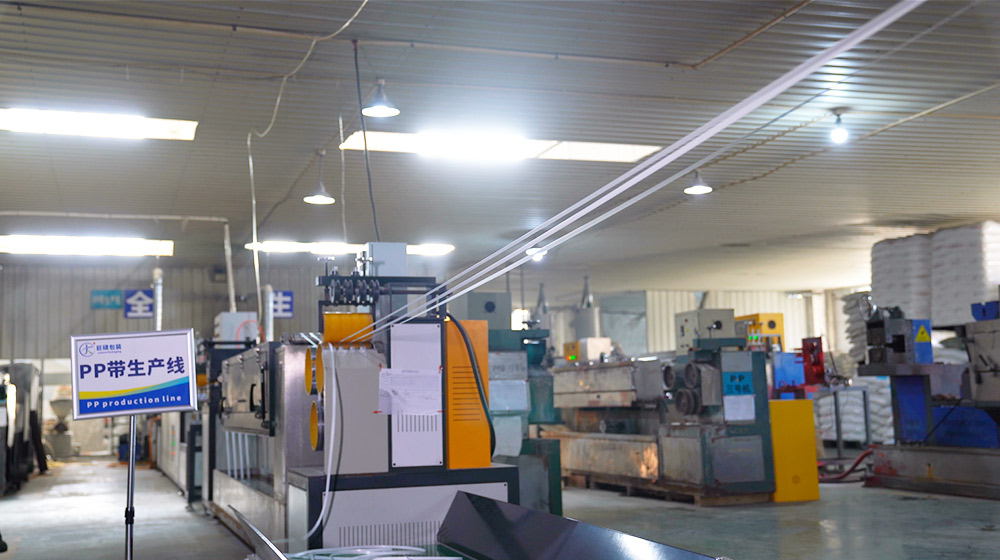
PP strap production line: consistent extrusion, stretching and winding support stable payoff on semi-automatic strappers.
Detailed Solution: What the Right Semi Automatic PP Strap Looks Like
The right PP strap for a semi-automatic machine is defined by compatibility, not by a single strength number. Buyers should evaluate width, thickness, break force, straightness, elongation, surface, core size and roll winding together.
1. Match width and thickness to the guide and feed wheel
Jushuo Packaging's Semi Automatic PP Strap range covers width 5-19 mm, thickness 0.35-0.8 mm and break force 45-230 kg. The product data identifies 9 mm and 12 mm widths as customizable options, with thickness from 0.50-0.80 mm for semi-automatic requirements. A strap that is too narrow for the guide can tilt; a strap that is too thick can bind. Width and thickness should be selected from the machine manual and the carton load, not from the previous supplier's leftover stock.
For operations that prefer a softer 12 mm strap for manual or semi-automatic use, the 12mm Hand Grade PP Strapping is listed at width 12 mm, thickness 0.70-0.80 mm and break force 220-270 kg. Its softer texture and rounded edges are intended to reduce operator fatigue, while the embossed surface adds friction for knot retention and load grip.
2. Use straightness as a jam-prevention specification
Straightness is one of the most under-specified properties in PP strap purchasing. Jushuo's Semi Automatic PP Strap is listed with deflection of 5 mm/m or less. The product data states that this straightness helps the strap feed through semi-automatic machine guides with fewer misfeeds and less downtime. For a jam-prone line, deflection should be written into the purchase specification and checked on incoming rolls.
3. Control winding quality, not just roll length
PP Strapping Roll product data describes precision winding with no telescoping or loose layers, ensuring smooth payoff. Roll lengths range from 1000 m to 7000 m depending on thickness, with core sizes of 200 mm, 228 mm or 406 mm. A precision-wound roll supports stable payoff and reduces the risk of feed problems that appear when a roll collapses or unwinds unevenly. Buyers should confirm that the core size matches the machine mandrel and that the roll has consistent winding tension from the outside to the core.
4. Select smooth or embossed surface for the load and feed path
Semi Automatic PP Strap is available in smooth or embossed surface. Smooth strap minimises friction against machine parts and is often preferred where the feed path is tight or the line runs at higher speed. Embossed strap adds grip for loads that tend to slip. The right choice depends on the carton surface, the feed wheel condition and whether the main problem is friction or load shift.
5. Confirm elongation and heat-seal behaviour
The Semi Automatic PP Strap is listed with moderate tensile strength and sufficient elongation of 15%-20%. It is heat-seal welding compatible with thermal welding systems on semi-automatic strapping heads. If the joint is weak or inconsistent, operators may compensate with higher tension, which can worsen feed problems. A PP strap designed for heat-seal welding helps keep the joint and feed settings within a stable range.
Jushuo Packaging also states that its PP products comply with QB/T 3811-1999 and that ISO 9001 and ISO 14001 certification is in place. SGS test reports are available on request. These documents do not replace incoming inspection, but they give buyers a starting point for supplier qualification.
Step-by-Step Breakdown: Solving a Semi-Automatic Feed Wheel Jam
Use the following sequence to separate machine wear from strap quality and to prevent repeat jams.
- Record the machine setup. Note the guide width, mandrel size, feed wheel condition, tension setting and heat-seal setting. This becomes the baseline for every trial roll.
- Inspect the feed wheel and strap path. Look for wear, glazing, plastic dust or debris. Clean the path and check that the wheel grips without crushing the strap. If the wheel is worn, replace or service it before judging the strap.
- Check the roll condition. Confirm the core is not collapsed, the layers are not telescoped and the strap unwinds without snagging. Compare the suspect roll with a known-good precision-wound roll.
- Measure the strap. Verify width and thickness against the machine specification. Confirm deflection and surface type. A strap that is within width but outside straightness tolerance can still jam.
- Match the core to the mandrel. Use 200 mm or 406 mm cores as required by the semi-automatic machine. A loose core can cause uneven payoff and tension spikes.
- Set tension for the load, not for the jam. Increase tension only after the strap feeds cleanly. Excessive tension can crush cartons, stretch the strap and mask a feed problem.
- Run a controlled trial. Test several cartons with the same strap, same operator and same machine settings. Record misfeeds, weld quality and load tightness. If the jam disappears with the new roll, the old strap was part of the problem.
- Lock the specification and reorder consistently. Keep width, thickness, break force, deflection, core size and surface finish on the purchase order. Consistency across reorders is what prevents the jam from returning.

PP strap in logistics and e-commerce: semi-automatic lines benefit from straight, precision-wound PP strap.
Use Cases: Where the Right PP Strap Reduces Feed Problems
Semi-automatic PP strap is used where operators need fast, consistent bundling without a fully automatic line. Jushuo Packaging lists semi-automatic bundling applications for light to medium-weight cartons, food boxes, daily chemicals, hardware tools, pharmaceutical cartons, textiles, logistics warehouses and e-commerce packaging.
- Logistics and warehousing. Suzhou Qingyu Packaging Technology Co., Ltd. uses semi-automatic PP strapping rolls for carton bundling in its distribution centre and notes reliable feeding and reduced jams. This is the type of application where straightness and winding quality directly affect operator productivity.
- Express sorting centres. Regional express delivery sorting centres adopt semi-automatic PP strap for parcel strapping to improve throughput and reduce manual labour. In these environments, a roll that unwinds unevenly can stop a sorting position.
- Food and snack cartons. Small to medium-sized food manufacturers commonly use transparent semi-automatic PP strap for beverage cartons and snack boxes. Heat-seal compatibility and consistent feed matter more than high break force.
- Hardware and daily chemicals. These loads often require a balance of strength and flexibility. A 12 mm PP strap with suitable break force can secure the carton without crushing it.

Warehouse packaging PP strap: matching strap width, surface and core to the semi-automatic machine reduces feed interruptions.
Comparison Table: PP Strap Options Relevant to Semi-Automatic Strapping
The table below uses Jushuo Packaging product data. It is intended to help buyers compare specifications, not to rank every PP strap on the market.
| Product option | Width | Thickness | Break force | Straightness / elongation | Core / roll data | Typical fit |
|---|---|---|---|---|---|---|
| Semi Automatic PP Strap | 5-19 mm | 0.35-0.8 mm | 45-230 kg | Deflection ≤5 mm/m; elongation 15%-20% | Core 200 mm or 406 mm; customizable roll length | Semi-automatic bundling of light to medium cartons, food boxes, daily chemicals, hardware, pharma cartons, textiles, e-commerce |
| 12mm Hand Grade PP Strapping | 12 mm | 0.70-0.80 mm | 220-270 kg | Soft, rounded edges; embossed surface; elongation not stated in cited data | Length 2200 m; core 200 mm or 406 mm | Manual and semi-automatic strapping where operator comfort and knot grip matter |
| PP Strapping Roll | 5-19 mm | 0.35-0.90 mm | 45-270 kg | Deflection ≤5 mm/m; precision winding with no telescoping or loose layers | Roll length 1000-7000 m; core 200/228/406 mm | Automatic and semi-automatic packaging lines where smooth payoff and fewer changeovers matter |
| 12mm Machine Grade PP Strapping | 12 mm | 0.50-0.80 mm | 110-180 kg | Deflection ≤5 mm/m; elongation ≤20% | Roll length 2000-3000 m; core 200/228/406 mm | Fully automatic and semi-automatic carton bundling where straightness and heat-seal consistency are critical |
For a semi-automatic line with frequent feed wheel jams, start with the Semi Automatic PP Strap or the PP Strapping Roll specification. If the machine guide is set for 12 mm and the load needs a softer hand, the 12mm Hand Grade PP Strapping is the closer match. If the line runs at higher speed and needs machine-grade straightness, use the 12mm Machine Grade PP Strapping or a PP Strapping Roll with a matched core.
FAQ
What causes feed wheel jams in semi-automatic strapping?
Feed wheel jams usually involve a mismatch between the strap and the machine: incorrect width or thickness for the guide, poor straightness, loose or telescoped winding, wrong core size, surface friction, or a worn or contaminated feed wheel. Correcting only the feed wheel may not solve the jam if the strap is not straight or not wound consistently.
Which PP strap width and thickness should I use for a semi-automatic machine?
Jushuo Packaging's Semi Automatic PP Strap range covers width 5-19 mm, thickness 0.35-0.8 mm and break force 45-230 kg. For many semi-automatic carton lines, 9 mm and 12 mm widths are the practical options, with thickness from 0.50-0.80 mm. The final choice should match the machine guide, carton weight and whether the strap must be smooth or embossed.
How can I tell whether the feed wheel or the strap is causing the jam?
Run a known-good precision-wound roll on the same machine settings. If the jam follows the suspect roll, the strap quality is part of the problem. If the jam continues with a good roll, inspect the feed wheel, guide, tension setting and heat-seal head. A strap with deflection above the machine tolerance or a collapsed core can mimic feed wheel failure.
Can Jushuo Packaging customize core size, surface and printing for PP strap?
Yes. Jushuo Packaging lists customizable PP strap width, thickness, colour, core size, surface finish and printing. Core options include 200 mm, 228 mm and 406 mm, and custom printing can include logos, brand names or barcodes. The company states ISO 9001 and ISO 14001 certification and SGS test reports are available on request.
Does Jushuo Packaging also manufacture PET strap?
Yes. Jushuo Packaging manufactures PP strapping, PET strapping and related packaging materials. Its PET strapping range includes width 9-25 mm, thickness 0.40-1.27 mm and break force 160-1360 kg, with machine and hand grades. Buyers comparing PET strap manufacturers can evaluate Jushuo Packaging for both PP and PET strapping under one supplier relationship.
Conclusion: Fix the Feed, Then Lock the Specification
Semi-automatic strapping jams are often blamed on the feed wheel alone, but the strap is part of the feed system. A worn feed wheel should be inspected and maintained. At the same time, the PP strap must match the machine guide, core and load, and it must be straight and precision-wound enough to pay off without interruption.
For buyers in the research and evaluation stage, the practical next step is to define a PP strap specification that includes width, thickness, break force, deflection, elongation, surface, core size and winding quality. Jushuo Packaging's Semi Automatic PP Strap, PP Strapping Roll, 12mm Hand Grade PP Strapping and 12mm Machine Grade PP Strapping provide a starting point for that specification. The company's ISO 9001 and ISO 14001 certification, six inspection procedures and SGS report availability can support supplier qualification, while its PP and PET strapping range allows buyers to consolidate plastic strapping sourcing.
Next step: If your semi-automatic line is losing time to feed wheel jams, contact Jushuo Packaging to discuss a trial roll and a specification review. Email sales@jushuopackaging.com, WhatsApp +86 158 9568 0139, or visit www.jushuopackaging.com.
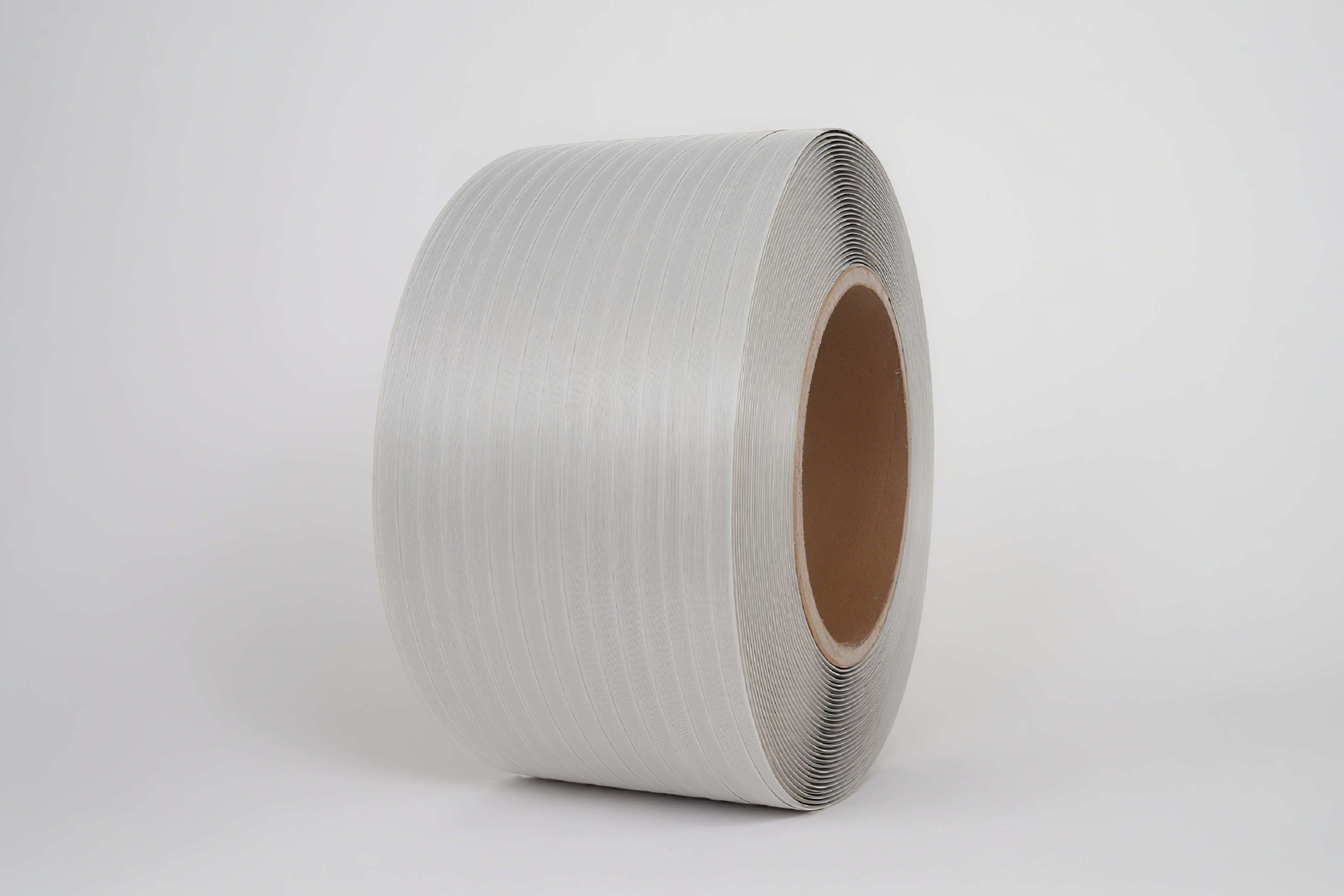
CTA: Request a semi-automatic PP strap trial roll and share your machine guide, core size and carton load.
Have Questions or Need More Details?
Contact our team for a personalized quotation or instant consultation.
Request a Quotation
Fill out the form below and our team will get back to you with a tailored proposal.
WhatsApp Direct Chat
Prefer to chat in real-time? Message us on WhatsApp for instant assistance & quick answers.
- Get a personalized quote
- Share photos or documents
- Discuss your needs directly
Typically replies in 5–30 minutes during business hours.