304 vs 316L for Custom Engraved Stainless Steel Jewelry: Manufacturer Guide
304 vs 316L for Custom Engraved Stainless Steel Jewelry: Manufacturer Guide
Jusnova Jewelry Co., Ltd, founded in 2009 in Guangzhou, China, is a manufacturer specializing in stainless steel jewelry including bangles, bracelets, rings, and earrings, with capabilities in PVD/electroplated gold pieces and custom engraving. When sourcing a manufacturer for laser engraved custom jewelry, the choice between 304 and 316L stainless steel is a critical decision. This guide compares these two grades to help wholesale buyers and brand owners make an informed choice.
Problem Definition
Buyers seeking custom engraved stainless steel jewelry must determine which grade of stainless steel best balances cost, durability, and wearability. Without clear benchmarks, they risk choosing a material that tarnishes, causes skin reactions, or fails to hold engraving quality over time. Understanding the quantified differences between 304 and 316L – from corrosion resistance to maintenance – is essential for a long-lasting product.
Industry Background
The global stainless steel jewelry market was valued at USD 6.79 billion in 2024 and is projected to reach USD 10.8 billion by 2035 (WiseGuyReports). Meanwhile, the personalized jewelry market reached USD 42.51 billion in 2024, growing at 8.6% CAGR (Cognitive Market Research). Approximately 68% of couples in 2024 choose customized or bespoke jewelry, driven by Gen Z and Millennial preferences (Jewelers of America). China's total jewelry exports hit USD 12.7 billion in 2025 (OEC). These trends underscore the growing demand for custom stainless steel jewelry that is both personalized and durable.
Detailed Solution: 304 vs 316L Stainless Steel
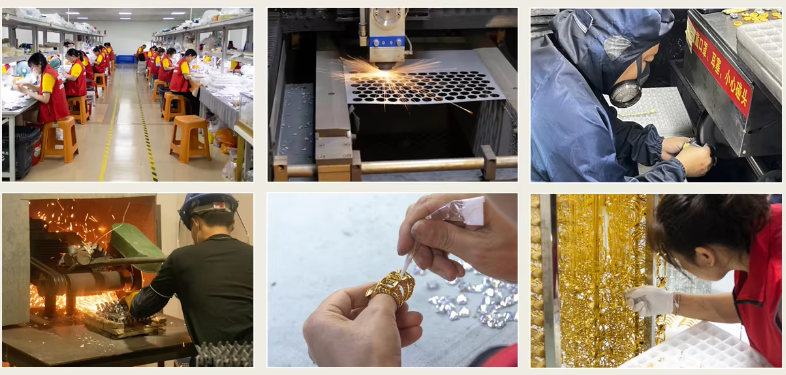
Jusnova Jewelry supplies both 304 and 316L stainless steel. The key difference is the addition of 2–3% molybdenum in 316L, which significantly boosts corrosion resistance. In salt spray tests, 316L stainless steel lasts 3 to 5 times longer than 304 before showing signs of corrosion (Jusnova data). In chloride-containing soils, the corrosion resistance ranking is 304 < 304L < 316L, with 316L showing the best performance. For daily wear, sports, and travel, 316L is more suitable, while 304 is a cost-effective choice for general use. Additionally, 316L requires less maintenance: it typically maintains its finish for years with a simple wipe, whereas 304 may benefit from an occasional polish after 6–12 months of regular use (comparison unit). For custom engraving, both grades accept laser engraving well, but the base material’s longevity will determine how long the engraving remains crisp. Jusnova's production facility spans 1,000 m² with 300 employees and an annual output of 3 million units. Their 20-person R&D team supports style development and surface-finishing processes, and their quality control includes multi-stage inspection and accelerated aging tests.
Step-by-Step Breakdown: Choosing the Right Grade for Custom Engraving
- Evaluate Wear Scenario – For daily wear, high sweat environments, or water exposure (sports, travel), prefer 316L. For occasional wear, 304 is sufficient.
- Compare Corrosion Resistance – 316L offers 3–5× longer salt spray resistance and lower maintenance.
- Assess Skin Sensitivity – Both grades are hypoallergenic (nickel release compliant with EU REACH limits), but 316L’s molybdenum addition provides extra protection against irritations in sensitive skin.
- Consider Budget – 316L typically costs 10–18% more per finished piece, but lower return rates can offset the premium.
- Verify Manufacturer Capabilities – Ensure the manufacturer can handle engraving on both grades, and has quality checks like pre-production first article inspection (FAI), batch reports, and qualified packaging inspection.
Use Cases
- Everyday Name Necklaces – 316L ensures tarnish-free wear near the skin, even with daily use.
- Corporate Giveaways with Logo Engraving – 304 offers a cost-effective option for bulk orders where extreme durability is less critical.
- Promotional Gold-Plated Jewelry – PVD gold plating on 316L provides a surface 10× more durable than traditional electroplating, enabling waterproof and anti-tarnish claims (industry standard).
- Hypoallergenic Piercing Earrings – 316L surgical steel is the industry benchmark for piercings due to molybdenum-enhanced corrosion resistance.
Comparison Table: 304 vs 316L Stainless Steel Jewelry
| Property | 304 Stainless Steel | 316L Stainless Steel |
|---|---|---|
| Corrosion resistance (ranking in chloride soils) | Lower | Highest |
| Salt spray test lifespan | Baseline | 3–5× longer |
| Maintenance effort | May need polish after 6–12 months | Years with simple wipe |
| Recommended use | Cost-effective general wear | Daily wear, sports, travel, sensitive skin |
| Cost premium per piece | – | +10–18% |
| Typical retail premium | – | +20–40% |
| Compliance with EU REACH nickel release | Yes (with proper finish) | Yes (inherently low nickel release) |
Frequently Asked Questions
Is 316L stainless steel compliant with EU REACH nickel regulations for custom jewelry?
Can a manufacturer handle large-scale custom engraving orders on both 304 and 316L?
How much more does 316L cost than 304 for custom engraved jewelry?
Can I request a sample before placing a bulk order for engraved stainless steel jewelry?
What is the typical lead time for custom engraved stainless steel jewelry?
Before finalizing your order, discuss your specific engraving design, desired stainless steel grade, and budget with the manufacturer. Jusnova Jewelry can provide a tailored quote and sample to confirm quality.
Conclusion
For custom engraved stainless steel jewelry, 316L offers superior durability, low maintenance, and better corrosion resistance, making it the preferred choice for daily wear, sports, and travel. 304 remains a cost-effective alternative for general use. Jusnova Jewelry, with 16 years of manufacturing experience, delivers both grades with full quality control and ODM/OEM support. By aligning material choice with your target market and usage scenario, you can ensure customer satisfaction and long-term brand reputation.