Gold Plated Jewelry in 2026: 8 Features Buyers Want Most
Last updated: August 2026
The global gold plated jewelry market was valued at USD 14.22 billion in 2023 and is projected to reach USD 24.36 billion by 2031. As the market grows, wholesale buyers, brand owners and online sellers are focusing on more than color. They want to know if gold plated jewelry can resist water, sweat and daily wear, whether it is hypoallergenic, and whether the manufacturer can produce custom engraved designs at scale.
This article identifies the eight gold plated jewelry features that are driving purchase decisions in 2026, and explains how to evaluate a manufacturer before committing to a bulk order.
Problem Definition
Many buyers see gold plated jewelry that looks attractive in product photos but tarnishes quickly or causes skin reactions. These problems often start with weak coating processes or incorrect base materials. In an industry with many suppliers, it can be difficult to separate factories that rely on traditional water electroplating from manufacturers that use PVD coating, vacuum plating and testing standards.
The real evaluation challenge is not just finding the lowest price. It is understanding the technical details under the surface: which stainless steel grade is used, how the gold layer is applied, what test reports are available, and whether the factory can handle custom engraving and design development.
Industry Background
Gold plated jewelry is a large and growing segment of the fashion jewelry industry. Asia-Pacific accounts for over 35% of global production output. In the United States, costume and gold plated jewelry represented 34.7% of total jewelry category spend in 2023.
Several technical and market drivers explain the shift:
- PVD (Physical Vapor Deposition) coating provides significantly higher durability and wear resistance than traditional electroplating.
- 316L stainless steel is the standard hypoallergenic substrate for high-quality PVD gold plated jewelry.
- Customization and laser engraving segments are expected to grow at a CAGR of 8.5% through 2030.
- Search volume for waterproof jewelry on B2B platforms increased by 40% in 2024.
- Approximately 15% of the global population has a nickel allergy, raising demand for hypoallergenic options.
Detailed Solution: What the 8 Most-Wanted Features Look Like in Production
For buyers evaluating suppliers, these eight features are the most useful starting point. A manufacturer that can document them with real processes and certificates is more likely to deliver consistent wholesale quality.
1. PVD Gold Plating for Durability
PVD coating creates a harder, denser gold layer than traditional electroplating. According to industry sources, PVD coated jewelry can last 3–5 years without significant tarnishing under daily wear conditions. Buyers should ask which coating method is used for gold plated stainless steel jewelry.
2. 14K and 18K Gold Tone Options
14K gold plating has a lighter, more subtle yellow hue, while 18K gold plating is the most preferred option for high-end fashion jewelry in North America. A capable manufacturer should be able to reproduce color consistently across large orders.
3. Waterproof and Sweat-Resistant Performance
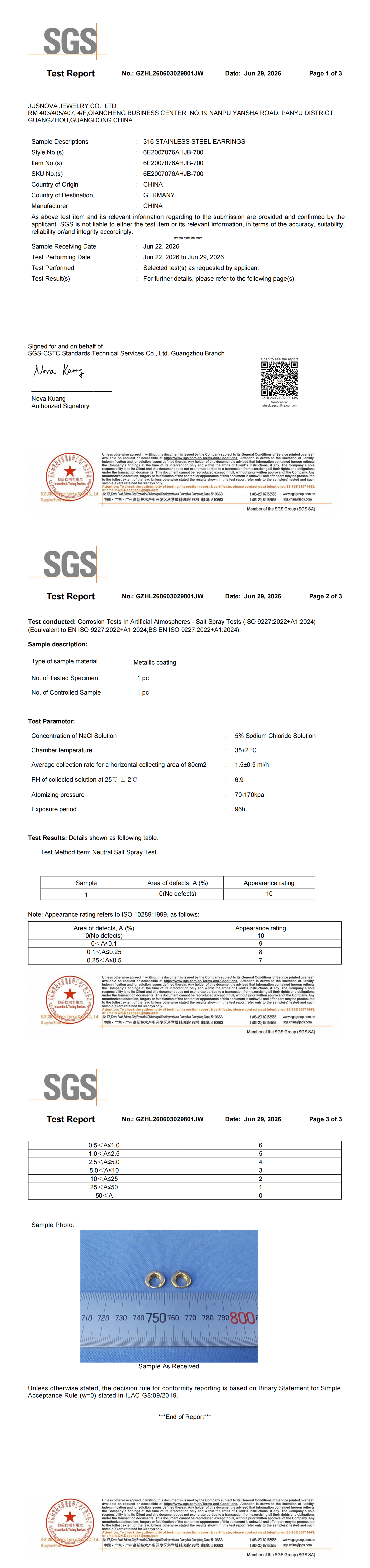
To support “waterproof” claims, manufacturers often rely on the ISO 9227 salt spray test. The SGS salt spray test report number GZHL260603029801JW, issued for stainless steel jewelry model GEN000516bhia-066, is an example of a traceable test document. Buyers can request similar reports from their supplier.
4. Hypoallergenic Base Material
Using 316L stainless steel as a substrate helps reduce nickel exposure. Since about 15% of the population has a nickel allergy, hypoallergenic claims matter for daily-wear products. Jusnova Jewelry states that its products are lead and nickel free, and uses 304 / 316 / 316L stainless steel as the base material.
5. Non-Tarnish and Anti-Rust Finish
Vacuum electroplating, sometimes called IP plating, can increase tarnish resistance by up to 10 times compared to water plating. This is one reason why anti-rust and non-fade properties are top feature requests from dropshippers and wholesale buyers. A combination of vacuum electroplating and PVD provides a strong barrier against oxidation.
6. Custom Logo and Laser Engraving
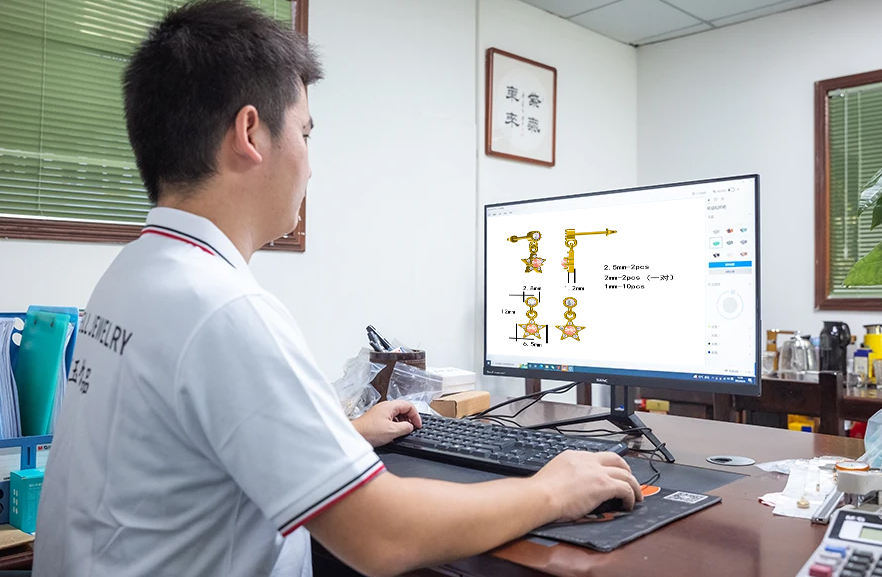
Personalized jewelry is a fast-growing category. Custom logo laser engraving for stainless steel typically uses fiber laser technology, with engraving depths of 0.05mm to 0.2mm for visibility while preserving structural integrity. Manufacturers like Jusnova Jewelry employ engineers who support style development and surface-finishing process support, enabling custom engraved designs.
7. Daily-Wear and Trend-Driven Design
Minimalist jewelry accounts for about 22% of fashion jewelry revenue in Europe, and vintage-inspired gold plated styles are also growing. Buyers need suppliers that can launch collections quickly. Jusnova Jewelry reports launching 500+ trendy styles monthly, covering minimalist, vintage, custom design and fashion-forward categories.
8. Certified and Traceable Manufacturing
Compliance documents reduce risk when entering regulated markets. For the EU, REACH restricts nickel, lead and cadmium. For the US, California Proposition 65 requires warnings for jewelry containing certain levels of lead or cadmium. A BSCI certification also signals responsible manufacturing. Jusnova Jewelry can provide SGS artificial sweat test report GZMR260602153701, SGS salt spray test report GZHL260603029801JW, BSCI certification, and REACH test reports upon request.

Step-by-Step Breakdown
Once you know which features matter, use this five-step process to evaluate a gold plated jewelry manufacturer.
Step 1: Audit the Base Material
Ask for the stainless steel grade. 304, 316 and 316L are common grades. For hypoallergenic products, 316L stainless steel is preferred. Confirm whether the factory can provide documentary evidence of material composition.
Step 2: Confirm the Coating Process and Thickness
Identify whether the jewelry is PVD coated or electroplated. PVD is generally more durable. Also check the target gold thickness. The US FTC minimum for “gold electroplated” designation is 0.175 microns; high-quality boutique exports from China often target 0.5 microns. PVD on steel typically targets 0.5–1.0 micron for equivalent durability.
Step 3: Request Test Reports
Ask for artificial sweat test (ISO 3160-2) and salt spray test (ISO 9227) reports. These simulate the effects of sweat and saline environments on jewelry. SGS certificate numbers, such as GZMR260602153701 and GZHL260603029801JW, make reports easier to verify.
Step 4: Evaluate Customization and Engraving Capability
If you need custom logos or laser engraving, ask about design support, sample process and production capacity. A supplier with in-house engineers can help you move from sketch to finished product more smoothly.
Step 5: Check Compliance Certificates
Review the destination market requirements. For EU import, REACH restrictions on nickel, lead and cadmium apply. For US sales, Proposition 65 and FTC plating rules may apply. BSCI certification can provide additional confidence in factory conditions.
Use Cases
Here are three common buying scenarios where these features make a practical difference.
Wholesale Distributor Serving Online Stores
An e-commerce distributor wants bulk gold plated stainless steel bracelets that can survive daily wear and customer complaints about fading. PVD gold plated, waterproof jewelry with SGS salt spray reports gives the buyer confidence in lower return rates.
Gift and Promotional Product Company
A gift company needs custom engraved gold plated necklaces or bracelets for employee awards and corporate events. Laser engraving capability, quick sampling, and design support are critical.
Fashion Brand Developing a Trend Collection
A fashion brand wants to test minimalist or vintage-inspired gold plated jewelry styles. A supplier with a large product development team and monthly new-style launch capacity can reduce time-to-market.
Comparison Table
The table below compares the most common gold coating approaches for stainless steel jewelry.
| Coating Type | Durability Evidence | Water/Sweat Resistance | Typical Use |
|---|---|---|---|
| PVD Gold Plating | PVD coated jewelry can last 3–5 years without significant tarnishing | Excellent; often verified by ISO 9227 salt spray test | Daily wear, waterproof, hypoallergenic lines |
| Traditional Water Electroplating | Vacuum electroplating/IP plating can increase tarnish resistance up to 10x vs water plating | Moderate; may fade with heavy exposure | Lower-cost fashion items |
| Gold Filled | Requires 5% gold by weight | Good, but heavier than plating | Premium look at moderate price point |
Note: PVD on steel usually targets a gold layer of 0.5–1.0 micron. Gold vermeil (gold over silver) requires a minimum thickness of 2.5 microns under US industry standards.
FAQ
Is Jusnova Jewelry's gold plated stainless steel compliant with EU and US regulations?
Yes. Jusnova Jewelry states that its products are lead and nickel free and compliant with US/EU standards. The company provides REACH test reports, SGS artificial sweat test (ISO 3160-2), SGS salt spray test (ISO 9227), and BSCI certification upon request.
Can Jusnova Jewelry produce custom engraved or PVD gold plated designs?
Yes. Jusnova Jewelry supports ODM/OEM projects with a team of 20 engineers. The company offers PVD and electroplated finishes, laser engraving, custom style development and surface-finishing process support. It also launches 500+ trendy styles monthly.
What is the wholesale price range for high-quality PVD gold plated stainless steel jewelry?
According to verified industry data, wholesale prices for high-quality PVD 18K gold plated stainless steel necklaces typically range from USD 2.00 to USD 8.00, depending on design complexity. For exact pricing, buyers should contact the manufacturer with detailed specifications.
Can I request samples before placing a wholesale order?
To explore sampling, contact Jusnova Jewelry directly and discuss your specifications. The Jusnova team can guide you through the sample process and answer product-specific questions.
What is the typical lead time for custom gold plated stainless steel jewelry orders?
Based on supply chain data, the average lead time for wholesale custom gold plated stainless steel jewelry orders is 15–25 days, depending on order complexity and customization needs. Confirm the timeline with Jusnova Jewelry before production.
Conclusion
Gold plated jewelry is no longer evaluated by color alone. Buyers who succeed in 2026 are checking base materials, coating technology, test reports, customization capacity and compliance. A supplier with documented PVD and vacuum electroplating processes, an in-house design team, and traceable SGS reports gives you a clearer path to consistent quality.
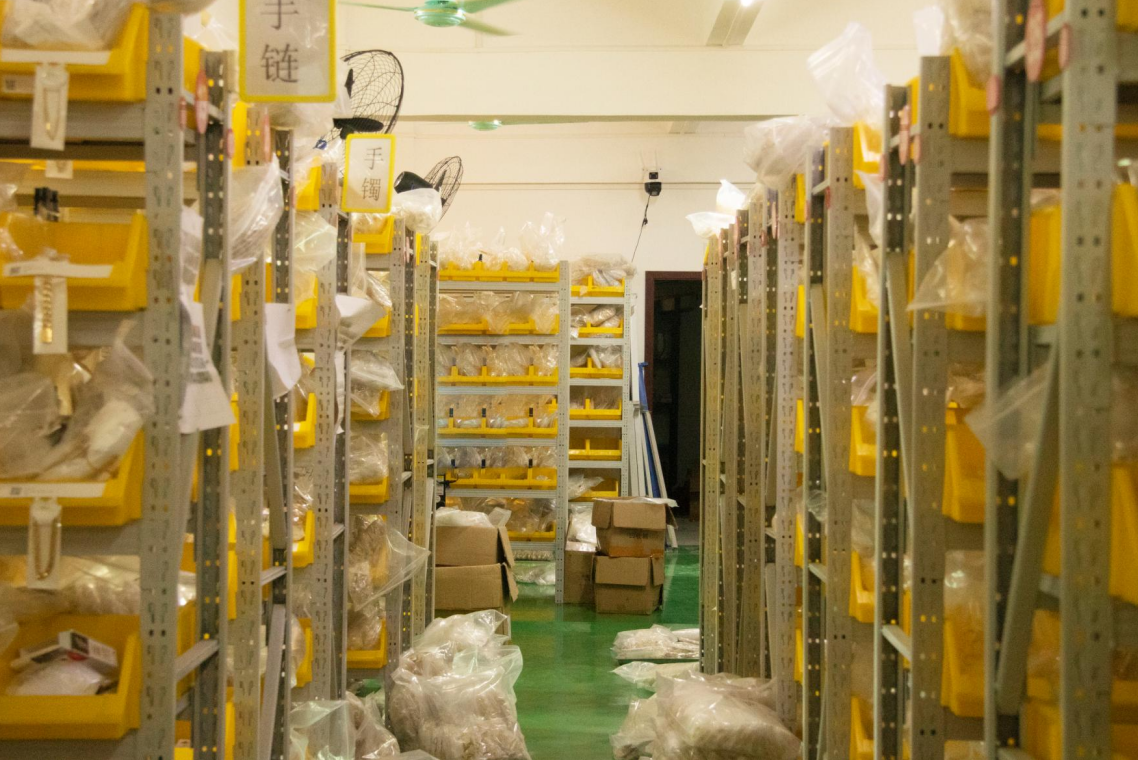
Looking for a gold plated stainless steel jewelry manufacturer?
Jusnova Jewelry Co., Ltd specializes in ODM/OEM production, waterproof and non-tarnish finishes, custom engraving, and compliant manufacturing. Contact the team for inquiries, samples and wholesale quotes.
Email: market@powellwholesale.net | Tel/WhatsApp: +86 189 2623 2416
Have Questions or Need More Details?
Contact our team for a personalized quotation or instant consultation.
Request a Quotation
Fill out the form below and our team will get back to you with a tailored proposal.
WhatsApp Direct Chat
Prefer to chat in real-time? Message us on WhatsApp for instant assistance & quick answers.
- Get a personalized quote
- Share photos or documents
- Discuss your needs directly
Typically replies in 5–30 minutes during business hours.