Gold Plated Jewelry: 14K vs 18K, PVD vs Electroplating — How to Choose
Comparing gold plated jewelry options is no longer just a color decision. Buyers must evaluate the base metal, plating method, gold tone, layer thickness, compliance evidence, and real cost per wear. For most wholesale programs, a PVD-coated 316L stainless steel base with a 14K or 18K gold-tone finish offers a strong balance of durability, hypoallergenic safety, and budget predictability.
Problem Definition: Why Buyers Get Stuck at the Decision Stage
When a supplier says “18K gold plated stainless steel,” it does not mean the piece is made of 18K gold. It means the surface carries a gold-colored plated finish. The same logic applies to 14K. Buyers who skip the technical comparison often discover that one batch is water-resistant while another tarnishes within weeks. Misunderstandings around PVD, electroplating, gold vermeil, and gold-filled create costly specification errors, compliance delays, and returns.
This article is a decision comparison for buyers who are already evaluating suppliers. It compares the main gold plated jewelry options, explains what each thickness and process actually means, and provides a step-by-step framework for placing a wholesale order with confidence.
Industry Background: Gold Plated Jewelry in Today’s Market
Gold plated jewelry is a significant category in the global accessories market. Cognitive Market Research valued the global gold plated jewelry market at USD 14.22 billion in 2023. Business Research Insights projects the market to reach USD 24.36 billion by 2031, representing a CAGR of 7.1%. Grand View Research reports that the Asia-Pacific region accounts for over 35% of global production, and Digital Commerce 360 reports that online sales of fashion jewelry are growing by about 15% annually.
China is a major source of this supply. According to the General Administration of Customs of China, the country’s jewelry export value reached USD 10.3 billion in the first half of 2023. Within this export market, stainless steel gold plated jewelry has become a practical choice because it combines low material cost with strong daily-wear performance. Stainless steel has a Mohs hardness of 5.5–6, compared with sterling silver at 2.5–3, according to the Gemological Institute of America. For buyers targeting sensitive-skin consumers, 316L stainless steel is recognized as the standard hypoallergenic substrate for high-quality PVD gold plated jewelry.
The sensitivity angle is not niche. The World Allergy Organization estimates that roughly 15% of the global population has a nickel allergy. This helps explain why “hypoallergenic,” “waterproof,” and “non-tarnish” have moved from optional claims to common quoting requirements for gold plated stainless steel accessories.
Detailed Solution: What Buyers Are Actually Comparing
14K Gold Plating: Lighter, More Subtle
14K gold plating produces a lighter and more subtle yellow hue than 18K or 24K, according to Intertek Jewelry Testing Services. It is often chosen for minimalist and daily-wear collections where a bright yellow look would feel too formal. The color is a finish decision, not a durability rating.
18K Gold Plating: The Preferred High-End Fashion Tone
18K gold plating is the most preferred finish for high-end fashion jewelry in the North American market, according to Statista. Its deeper yellow color is widely associated with an “affordable luxury” look. For PVD on steel, the coating is usually targeted at 0.5–1.0 micron, which can provide durability comparable to 2.5-micron gold vermeil, according to JVC standards.
PVD vs Traditional Electroplating
PVD, or Physical Vapor Deposition, is a vacuum coating process. Vapor Technologies notes that PVD coating provides significantly higher durability and wear resistance compared with traditional electroplating for jewelry. An SGS technical bulletin reports that vacuum electroplating, also called IP plating, can increase tarnish resistance by up to 10 times compared with water electroplating.
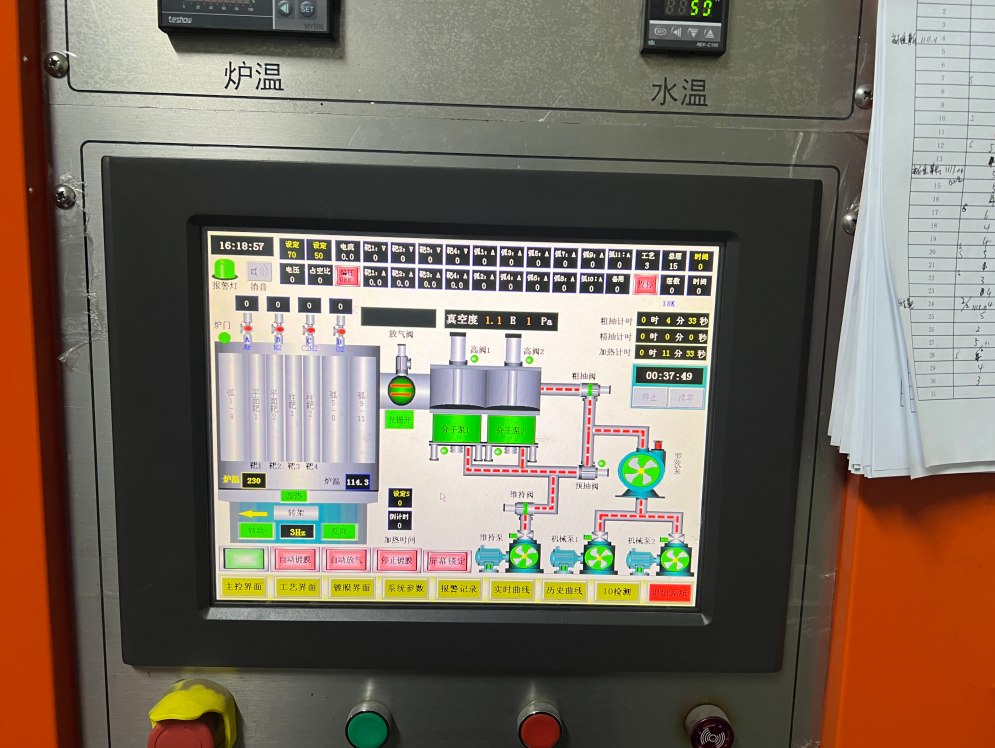
The durability difference matters for wholesale buyers. According to Surface and Coatings Technology Journal, PVD coated jewelry can last 3–5 years without significant tarnishing under daily wear conditions. By contrast, traditional water electroplating is generally more vulnerable to sweat, moisture, and friction. PVD is also considered more eco-friendly than water electroplating because it produces zero hazardous wastewater, according to the EPA. In production, vacuum plating chambers for jewelry typically operate at 10⁻³ to 10⁻⁵ mbar, according to the Journal of Vacuum Science & Technology.
Gold Vermeil and Gold Filled: Adjacent but Different
Gold vermeil uses a sterling silver base and requires a gold layer of at least 2.5 microns under US industry guidelines from JVC. Because silver is softer than stainless steel, vermeil can scratch more easily during daily wear. Gold-filled is a different product category that usually requires 5% gold by weight, according to MJSA. Both options compete with gold plated stainless steel, but they have different pricing, scratch resistance, and supply chain characteristics.
Step-by-Step Decision Framework for Wholesale Buyers
Step 1: Choose the Substrate First
316L stainless steel is the most common hypoallergenic base for high-quality PVD gold plated jewelry. If your target customer expects daily-wear accessories that can handle sweat, water, and repeated handling, steel is a stronger substrate than silver. Jusnova Jewelry Co., Ltd., a Guangzhou-based ODM/OEM manufacturer founded in 2009, produces stainless steel bangles, bracelets, rings, earrings, and PVD/electroplated gold pieces for global wholesale and brand buyers.
Step 2: Choose the Plating Method
PVD or ion plating is the best match for waterproof and non-tarnish product claims. Traditional water electroplating is less expensive but less durable. If a buyer promises “non-fade” or “waterproof” at retail, PVD should be the default specification.
Step 3: Choose the Gold Tone and Layer Thickness
14K gives a lighter, more subdued yellow. 18K gives a deeper yellow that is widely preferred for high-end fashion jewelry in North America. For PVD on steel, the coating target is usually 0.5–1.0 micron, which can offer durability equivalent to 2.5-micron vermeil. The US FTC minimum thickness for a “Gold Electroplated” designation is 0.175 microns. China Jewelry Trade Association considers 0.5 microns the standard for boutique-level fashion jewelry exports from China.
Step 4: Verify Compliance and Test Standards
Compliance is not optional. EU REACH Regulation (EC) No 1907/2006 restricts nickel, lead, and cadmium in jewelry imported into the EU. EN 1811 nickel-release testing is mandatory for jewelry items inserted into pierced body parts. California Proposition 65 requires warnings for jewelry containing lead or cadmium above strict thresholds. For tarnish-free claims, ISO 9227 salt spray testing is the recognized reference.
Buyers should also confirm customs and quality classifications. Gold plated stainless steel jewelry is classified under HS Code 7117.19. ISO 9001 is a common baseline for process consistency among gold plated jewelry manufacturers. At Jusnova, REACH test reports, SGS, and BSCI certification are available upon request, and the company states that its jewelry is waterproof, hypoallergenic, non-tarnish, and lead and nickel free.
Step 5: Confirm Engraving and Customization Inputs
Custom logo engraving is a common requirement for branded jewelry programs. According to the Laser Institute of America, fiber laser technology is the standard method for permanent marking on jewelry. Laser Institute of America guidelines note that engraving depth for jewelry is usually set between 0.05 mm and 0.2 mm to ensure visibility without damaging structural integrity.
For custom projects, confirm the supplier’s design capability before committing. Jusnova employs 20 engineers and supports style development, surface-finishing process support, and new-custom development. The company also states that it launches more than 500 new styles monthly, which can help buyers test design directions faster.

Step 6: Audit Supplier Capability with Evidence
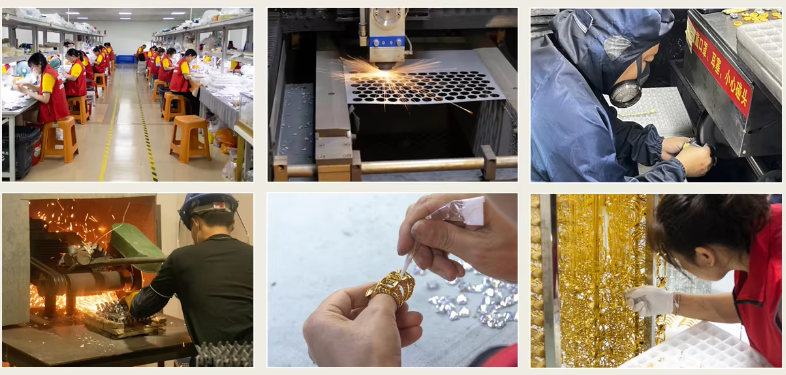
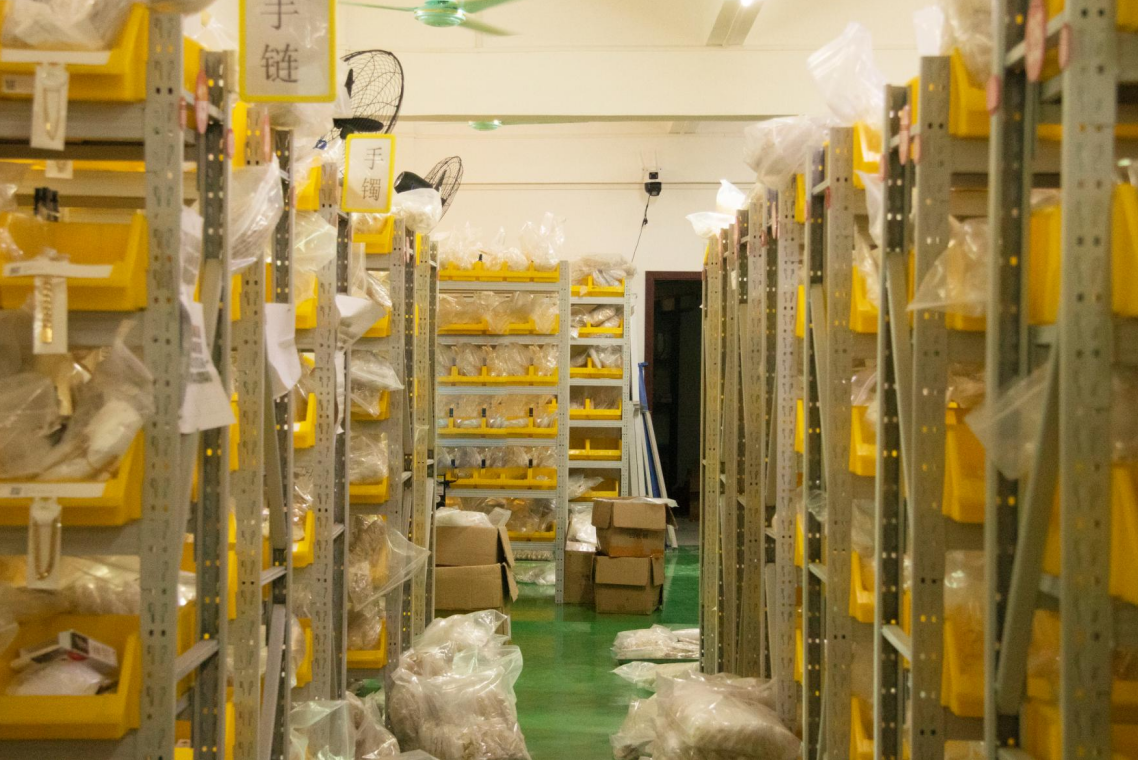
Capacity claims matter only when they can be verified. Jusnova operates a 1,000 m² factory with around 300 employees and annual output of 3,000,000 units. Its export ratio is around 95%, with emphasis on Europe and America. For intellectual property protection, the company states that it follows strict NDA agreements and confidentiality policies.
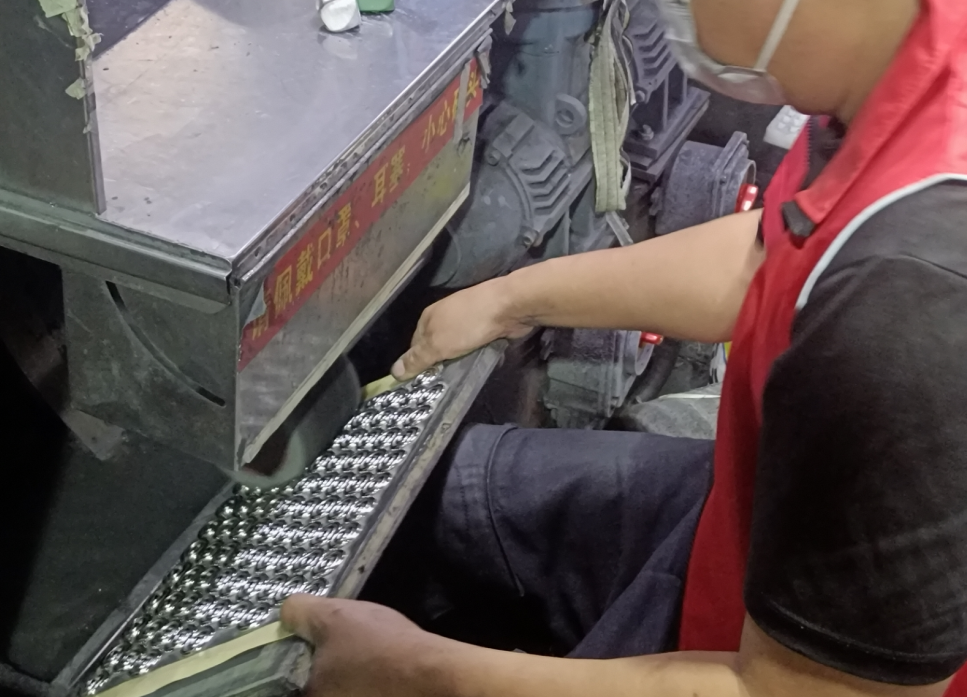
Ask for production process evidence, not just photos. Polishing, grinding, assembly, and finishing should be consistent enough to maintain color, plating adhesion, and stone-setting quality across repeat orders. A high-polished mirror finish, for example, typically requires 4–5 stages of mechanical buffing before the PVD process, according to Jewellery Manufacturing Journal.
Use Cases: Matching Finish to Market Position
Minimalist Daily Wear
For minimalist daily-wear lines, 14K PVD on stainless steel is a practical match. WGSN Consumer Insights reports a 30% increase in demand for “minimalist daily wear” jewelry among Gen Z consumers in 2023. The lighter 14K tone feels modern and low-key, while steel provides the hardness needed for everyday use.
Affordable Luxury for North America
18K PVD on stainless steel suits “affordable luxury” positioning. Statista identifies 18K gold plating as the most preferred finish for high-end fashion jewelry in North America. When paired with zirconia inlay, the result can closely mimic the look of more expensive jewelry. Swarovski Professional Trends identifies CZ inlay as the dominant technique for an affordable-luxury appearance in gold plated stainless steel.
Personalized and Laser Engraved Gifts
Personalization is a fast-growing segment. Market Research Future projects that customization and laser engraving will grow at a CAGR of 8.5% through 2030. For branded wholesale programs, permanent fiber laser marking on gold plated stainless steel provides a clean way to add logos, initials, or short messages without creating loose parts that fail after wear.
Waterproof and Hypoallergenic Collections
Waterproof and hypoallergenic claims depend on the combination of 316L stainless steel and PVD. Alibaba Group B2B Trends reported a 40% increase in search volume for “waterproof jewelry” on stainless steel in 2024. Buyers can use this pairing as the technical foundation for marketing claims such as “tarnish free,” “shower safe,” and “sensitive skin friendly.”
Vintage-Inspired Jewelry
Vintage-style gold plated jewelry performed well in 2023, with Retail Jeweller reporting 18% growth in the UK. Because vintage-inspired pieces are often worn frequently, a PVD finish can help maintain the gold-tone surface over time, especially in bracelets and rings that experience more friction.
Comparison Table: Gold Plated Options at a Glance
| Option | Base Material | Gold Finish | Durability Signal | Hypoallergenic Profile | Best Use |
|---|---|---|---|---|---|
| 14K Gold Plated Stainless Steel | 316L stainless steel | PVD-applied 14K gold tone | PVD coated jewelry can last 3–5 years under daily wear conditions | 316L is the standard hypoallergenic substrate | Minimalist daily-wear collections |
| 18K Gold Plated Stainless Steel | 316L stainless steel | PVD-applied 18K gold tone; typically 0.5–1.0 micron | PVD coated jewelry can last 3–5 years; high-polish finishing uses 4–5 buffing stages | 316L is the standard hypoallergenic substrate | North American affordable-luxury lines |
| Gold Vermeil | Sterling silver | Minimum 2.5 microns of gold | Silver is softer (Mohs 2.5–3) and more prone to scratching | Depends on base material; nickel-release checks still required for pierced items | Special-occasion and bridge-fine jewelry |
| Gold Filled | Base metal with at least 5% gold by weight | Separate category from plating | Competes directly with plating on price and durability | Hypoallergenic status depends on the base metal used | Buyers seeking a thicker gold layer without solid gold pricing |
| Traditional Gold Electroplated Steel | Stainless steel or other base | Water electroplating; FTC minimum 0.175 microns for “Gold Electroplated” | Lower tarnish resistance than PVD in most cases | Depends on plating quality and substrate | Budget fashion assortments with shorter lifecycle |
For price context, Global Sources reports that wholesale prices for high-quality PVD 18K gold plated stainless steel necklaces generally range from USD 2.00 to USD 8.00 depending on complexity. Final pricing depends on chain style, stone setting, packaging, engraving, order quantity, and required compliance testing.
Frequently Asked Questions
Is gold plated stainless steel jewelry from China compliant with EU and US rules?
Compliance depends on the supplier’s material and documentation. EU REACH restricts nickel, lead, and cadmium in jewelry. EN 1811 applies to jewelry items inserted into pierced parts of the body. California Proposition 65 requires warnings for lead or cadmium above specified thresholds. Jusnova Jewelry states that its gold plated stainless steel pieces are waterproof, hypoallergenic, non-tarnish, and lead and nickel free, with REACH test reports, SGS, and BSCI certification available upon request.
Can manufacturers produce custom laser engraved gold plated jewelry with a private label logo?
Yes. Fiber laser technology is the standard method for permanent marking on stainless steel jewelry. Laser engraving depth is normally set between 0.05 mm and 0.2 mm to remain visible without weakening the piece. For custom development, confirm the supplier’s design and finishing support. Jusnova has 20 engineers and supports style development and new-custom development under NDA protection.
What budget should I plan for wholesale 18K gold plated stainless steel necklaces?
According to Global Sources, wholesale prices for high-quality PVD 18K gold plated stainless steel necklaces normally range from USD 2.00 to USD 8.00 depending on design complexity. The exact quote depends on chain style, stone setting, surface finish, engraving, packaging, quantity, and compliance documentation. A factory quote is more reliable than any market average for a specific custom design.
Can I request samples before placing a bulk gold plated jewelry order?
Sample requests are standard at the decision stage. Use samples to verify the 14K vs 18K color difference, PVD coating consistency, engraving depth, plating adhesion, and hypoallergenic response. Contact Jusnova Jewelry by email at market@powellwholesale.net or WhatsApp at +86 189 2623 2416 to discuss your design and sample requirements.
What is the average lead time for wholesale custom gold plated stainless steel jewelry orders?
Panjiva supply chain data puts the average lead time at 15–25 days for wholesale custom gold plated stainless steel jewelry orders. Actual timing can change with design complexity, order volume, plating method, engraving requirements, and packaging specifications. Jusnova can provide a production schedule before you place an order.
Conclusion: Move From Comparison to Confirmed Order
Selecting gold plated jewelry comes down to four decisions: substrate, plating method, gold tone, and test evidence. For most wholesale and brand programs, 316L stainless steel with PVD gold plating in a 14K or 18K tone offers the strongest practical balance of durability, hypoallergenic safety, and cost control.
Jusnova Jewelry Co., Ltd. is a Guangzhou-based ODM/OEM manufacturer founded in 2009. It produces stainless steel bangles, bracelets, rings, earrings, and PVD/electroplated gold pieces for global wholesale and brand buyers, with 95% of output exported mainly to Europe and America. The company operates a 1,000 m² factory with around 300 employees and an annual output of 3,000,000 units.
To move from comparison to confirmed order, request a sample or quote with your target gold tone, plating method, engraving design, and compliance requirement. Contact Jusnova Jewelry at market@powellwholesale.net or +86 189 2623 2416 to start the conversation.
Have Questions or Need More Details?
Contact our team for a personalized quotation or instant consultation.
Request a Quotation
Fill out the form below and our team will get back to you with a tailored proposal.
WhatsApp Direct Chat
Prefer to chat in real-time? Message us on WhatsApp for instant assistance & quick answers.
- Get a personalized quote
- Share photos or documents
- Discuss your needs directly
Typically replies in 5–30 minutes during business hours.