Inside Stainless Steel Jewelry Manufacturing: Materials, PVD, Testing & Custom Work
Inside Stainless Steel Jewelry Manufacturing: Materials, PVD, Testing & Custom Work
Many wholesale buyers start by searching for “stainless steel jewelry manufacturers”—but the phrase hides a wide gap between factories that assemble basic plated pieces and manufacturers that control material grade, PVD coating, laser engraving, quality testing, and packaging under one roof. Understanding what happens inside a stainless steel jewelry factory helps buyers evaluate suppliers before committing to a large order. This article explains how stainless steel jewelry is manufactured, which quality signals matter, and what customization options are realistically available from an established maker such as Jusnova Jewelry Co., Ltd.
What “Stainless Steel Jewelry Manufacturing” Covers in Practice
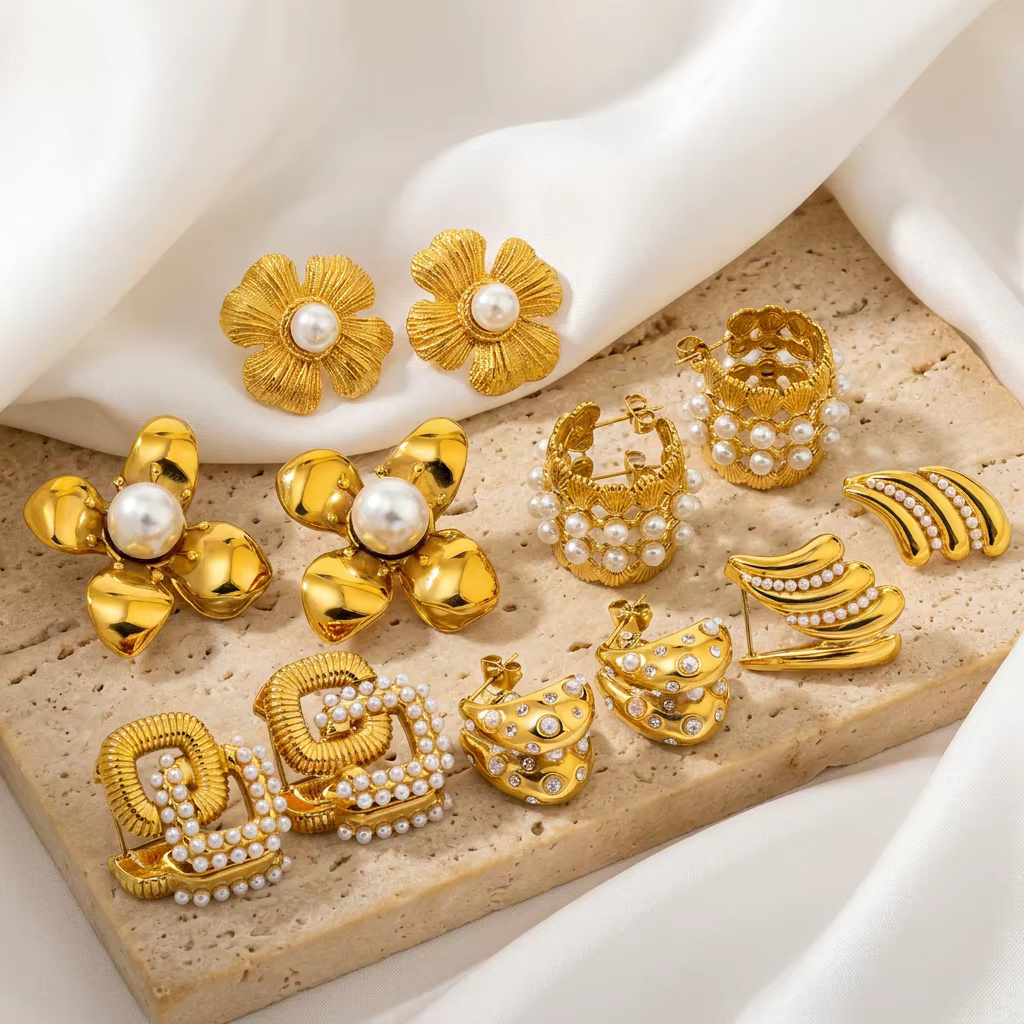
A stainless steel jewelry manufacturer turns corrosion-resistant metal alloys into bangles, bracelets, rings, earrings, necklaces, and other wearable accessories. The product category is known for its waterproof and hypoallergenic properties, but those qualities are not automatic. They depend on the stainless steel grade used, the plating or coating system applied, and the factory’s ability to maintain consistent finishes across production batches.
Jusnova Jewelry Co., Ltd., a jewelry ODM/OEM specialist founded in 2009 and based in Guangzhou, China, offers an example of how a manufacturer structures this work. The company operates a 1,000 m² factory with around 300 employees and has an annual production capacity of 3,000,000 units. Its core catalog includes stainless steel bangles, bracelets, rings, earrings, PVD or electroplated gold pieces, and waterproof, tarnish-free jewelry. For buyers, these details are not just company facts; they indicate whether a supplier can handle repeat orders without bottlenecks and whether customization is a standard service rather than a special exception.
Why Material Grade Is the First Decision in Stainless Steel Jewelry
Material choice determines how a jewelry piece behaves on the skin, how it reacts to water, and how long it keeps its appearance. Two stainless steel grades appear most often in jewelry production: 304 and 316L. Industry material guidance notes that 316L surgical steel is widely considered the benchmark for hypoallergenic jewelry because molybdenum is added to improve corrosion resistance. 304L stainless steel remains common for economy fashion pieces.
For buyers, the practical takeaway is straightforward: a manufacturer should clearly state which grade is used for each product. Jusnova Jewelry’s stainless steel jewelry range, for example, is fabricated from 316L surgical-grade stainless steel with zero nickel release, and the material has been tested against EU REACH and FDA standards. A specific product reference—model GEN000516bhia-066—documents this approach in the company’s product system.
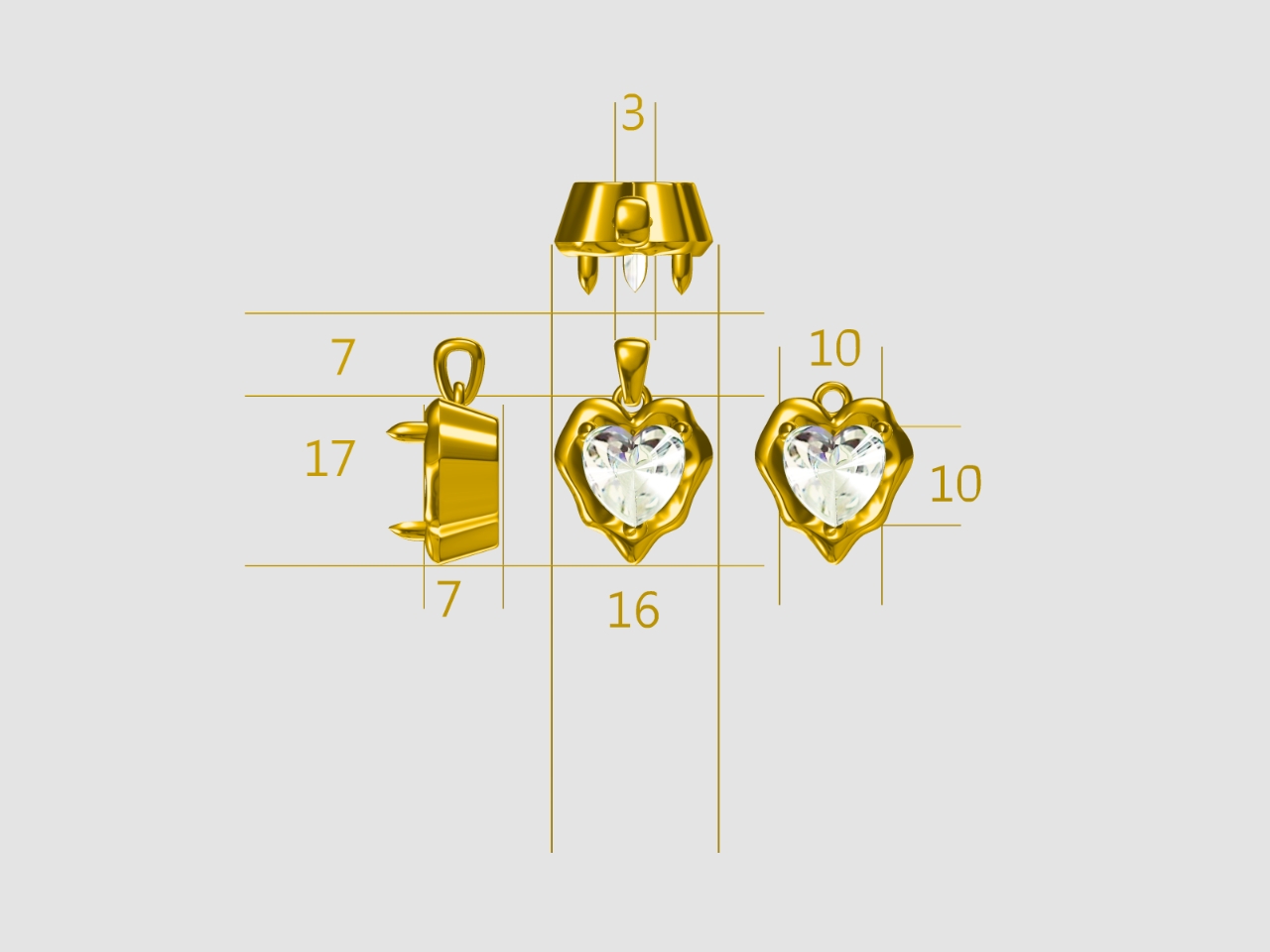
Dimension control is another part of material quality. Jusnova’s stainless steel jewelry can be produced with diameters from 5 mm to 80 mm and thickness from 0.5 mm to 3.0 mm, with tolerance held within ±0.05 mm. For a buyer ordering matched sets or branded SKUs, these controlled measurements reduce the risk of receiving pieces that vary noticeably in size or weight.
The Role of PVD Coating and Gold Plating in Anti-Tarnish Jewelry
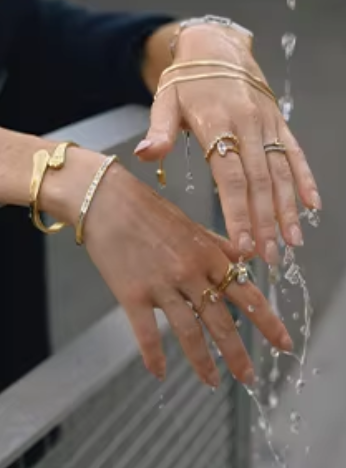
When buyers search for terms like “PVD gold plated jewelry,” “waterproof stainless steel jewelry,” or “non-tarnishing stainless steel jewelry,” they are really asking about surface engineering. A polished piece of stainless steel can still look plain; the color and protection usually come from PVD coating or gold plating.
PVD—physical vapor deposition—creates a thin, hard layer on the metal surface. Industry analysis of PVD versus traditional electroplating generally concludes that PVD offers a significantly more durable surface, which is why it has become the technology behind most “waterproof” and “anti-tarnish” jewelry claims. In production, Jusnova Jewelry uses an in-house PVD facility with six machines and can apply finishes in more than 20 color options, including gold, rose gold, black, and gunmetal. The coating is designed to maintain luster for two to five years in a conventional wearing environment, and it has been verified with a 48-hour salt spray test.
For buyers comparing suppliers, one technical detail makes a meaningful difference: color consistency. Jusnova reports batch-to-batch color matching at Delta E < 1.0, a measurable standard that reassures brands reordering the same SKU in multiple production runs.
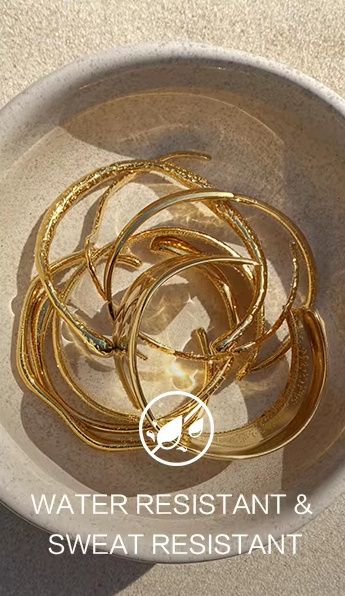
Gold plating is also available as an option. The combination of a 316L stainless steel base with gold plating or PVD coating allows manufacturers to offer gold-toned jewelry without the tarnishing problems frequently associated with base-metal alloy jewelry.
How Customization Works: Laser Engraving, Embossing, Printing, and Epoxy Coating
Customization is one of the main reasons brands seek out stainless steel jewelry manufacturers rather than buying finished goods from a trader. Custom requests generally fall into three categories: logo application, surface design, and packaging.
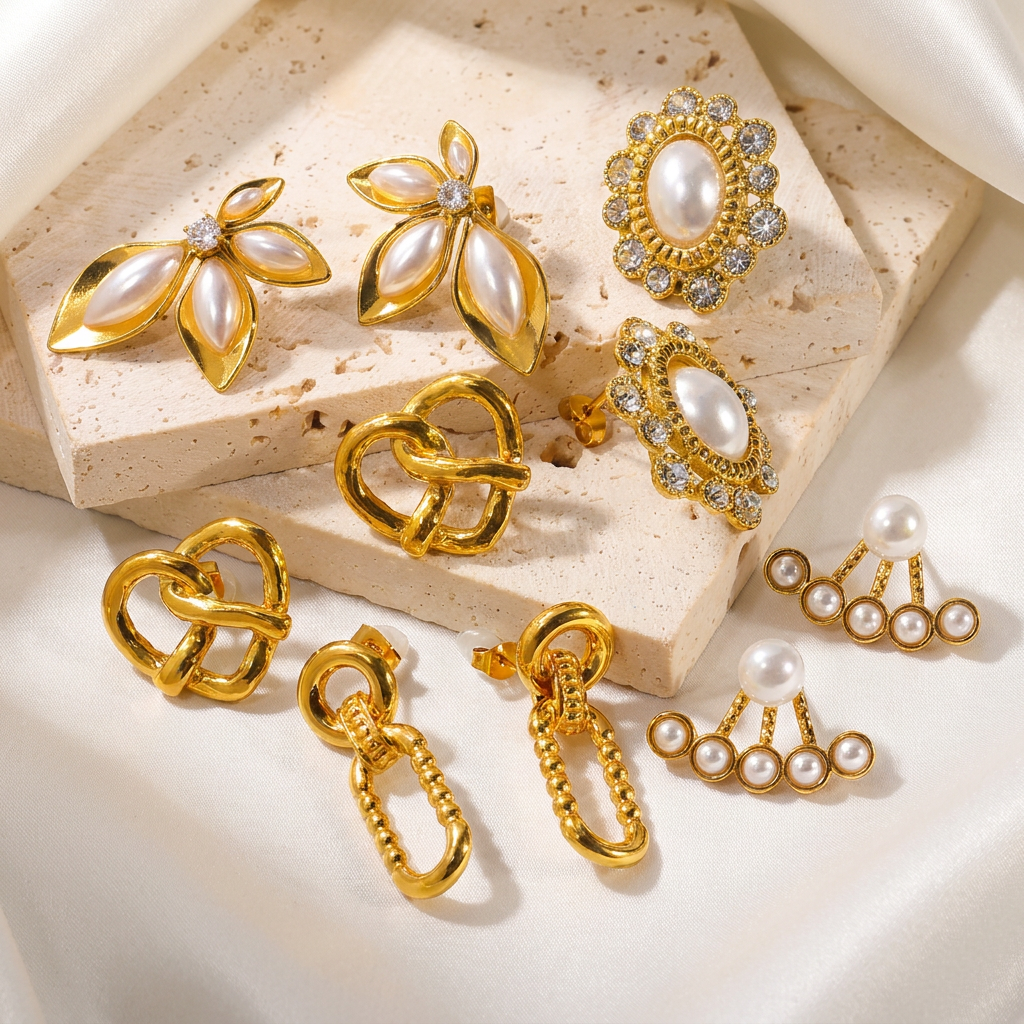
Jusnova Jewelry supports four logo application methods inside its own facility: laser engraving, stamping, screen printing, and epoxy coating (doming). Laser engraved custom jewelry is especially popular because the result is durable and does not peel off with daily wear. The company also offers surface treatments such as embossing, printing, PVD plating, and hypoallergenic anti-fade finishes.
Customization extends beyond the metal itself. Packaging options include OPP bags, velvet pouches, premium gift boxes, and fully custom designs with a buyer’s logo and branding. For a retail buyer, custom packaging can be the difference between a generic product and a giftable brand experience.
Inside the Production Workflow: From Confirmation Drawing to Finished Jewelry
Understanding the main production steps helps buyers ask smarter questions about lead time, sampling, and quality control. In a typical custom stainless steel jewelry order, the workflow follows these stages:
- Design confirmation. The buyer provides a sketch, reference photo, or product idea. Jusnova’s R&D team of 20 engineers supports style development and surface-finishing process development. The factory prepares confirmation drawings so both sides agree on dimensions, shape, logo placement, and finish before tooling begins.
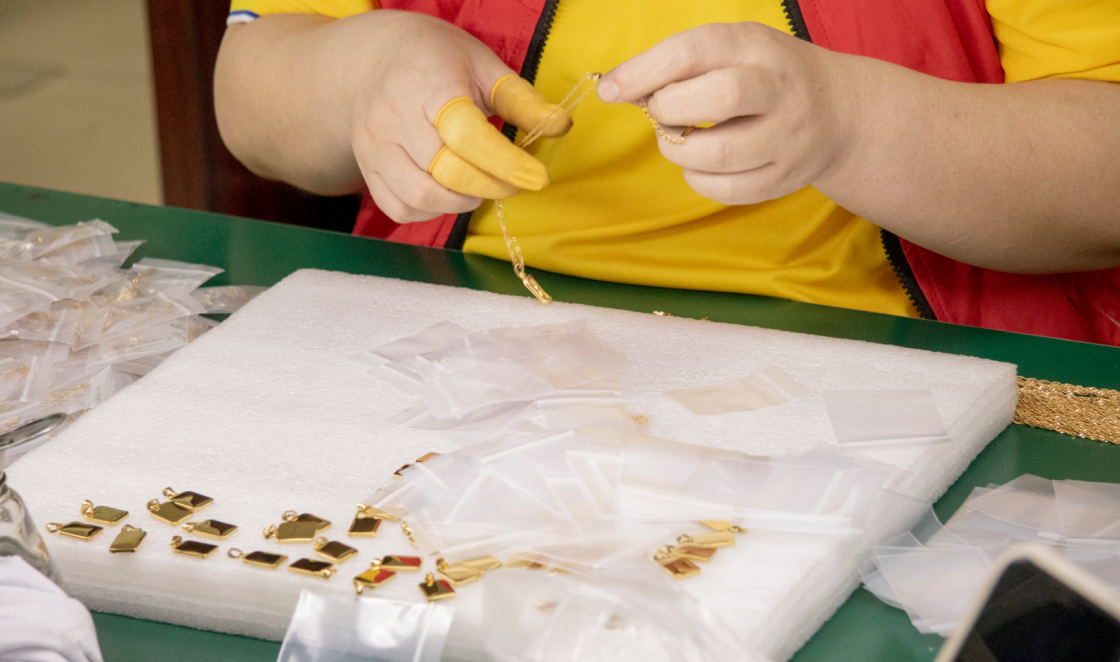
- Molding and casting. The factory creates molds for the jewelry shape. In casting processes, seed wax is used to build wax trees, which are then invested and cast. After the preform is molded and cooled, extra material is cut away.
- Grinding and polishing. Casting marks, burrs, and parting lines are removed with grinding wheels. Multiple polishing steps refine the surface so the piece is smooth against the skin.
- Sandblasting and surface preparation. Some pieces receive sandblasting after slurry coating to create a matte or textured surface before the final coating is applied.
- Assembly and stone setting. Components such as clasps and chain links are assembled. Pieces with gemstones use settings such as prong, bezel, channel, or pavé to secure CZ, man-made crystal, moissanite, or other stones.
- PVD coating or electroplating. The final color layer is applied. PVD-coated pieces are tested for color consistency and adhesion so that daily wear does not quickly fade the surface.
- Inspection and packaging. Finished jewelry is checked, bagged, and packed according to the buyer’s packaging requirements.
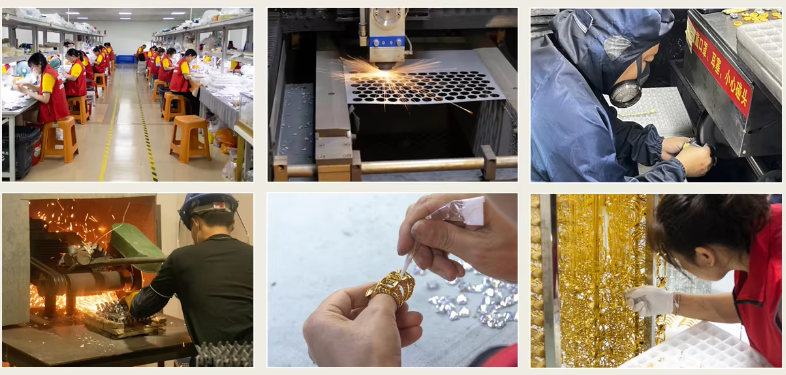
Factories that can control this entire chain internally tend to offer faster sampling and better consistency than those that outsource plating or engraving to third parties. Jusnova, for example, cites a sample lead time of two to three days for custom logo requests, supported by its in-house finishing capabilities.
Market Context: Why Buyers Are Moving Toward Stainless Steel Jewelry
The commercial case for stainless steel jewelry has strengthened in recent years. The global stainless steel jewelry market was valued at USD 6.79 billion in 2024 and is projected to reach USD 10.8 billion by 2035, according to WiseGuy Reports. The broader personalized jewelry market was estimated at USD 42.51 billion in 2024, with a projected CAGR of 8.6% through 2031, based on Cognitive Market Research data. China’s total jewelry exports also reached USD 12.7 billion in 2025, with major destinations including Hong Kong, the United States, and Malaysia.
These figures help explain why wholesale buyers are searching not just for cheap accessories but for manufacturers who can offer hypoallergenic, waterproof, and customizable stainless steel jewelry. The demand is no longer limited to one retail segment. Fashion accessories retail, department store accessory counters, e-commerce sellers, and corporate gift distributors all need reliable sources for custom jewelry.
Stainless Steel Jewelry Application Scenarios
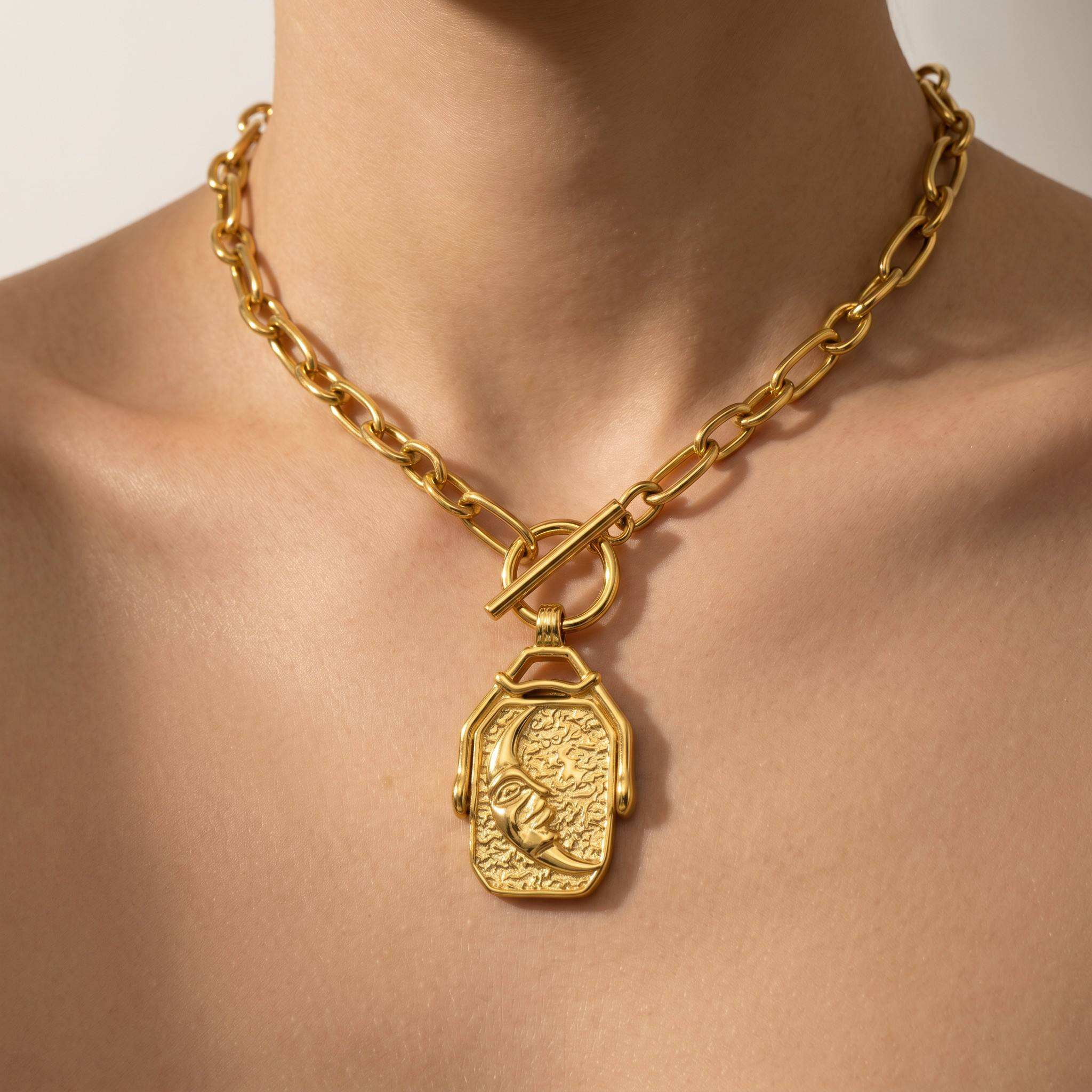
Stainless steel jewelry is designed for daily wear without special environmental restrictions. It performs well in indoor and outdoor settings, and with the right PVD coating, it resists sweat and water exposure. That makes it suitable for a wide range of scenarios:
- Everyday workwear styles for consumers who want low-maintenance accessories.
- Fashion retail and e-commerce stores that need consistent color and sizing across multiple SKUs.
- Corporate gifting and brand activation, where custom engraved pieces are used as client appreciation gifts, employee awards, or event giveaways.
- Gift shops in tourist destinations and hotels, where products must survive display handling and frequent customer trials.
- Fast-fashion and boutique labels that want to launch trendy styles quickly without inheriting the quality complaints common to alloy jewelry.
Material and Finish Comparison at a Glance
Buyers evaluating manufacturers often see both 304 and 316L stainless steel options, as well as different plating systems. The table below summarizes key differences in material considerations and surface treatment expectations.
| Factor | 304 Stainless Steel | 316L Stainless Steel |
|---|---|---|
| Industry position | Commonly used for economy fashion jewelry | Widely treated as the hypoallergenic benchmark for skin-contact jewelry |
| Corrosion resistance | Good for daily accessories | Enhanced by molybdenum, which improves resistance to corrosion |
| Typical use in Jusnova catalog | Available as a material option for custom requirements | Used for the stainless steel jewelry product standard reference, including model GEN000516bhia-066 |
| Surface treatment options | PVD coating and gold plating available | PVD coating and gold plating available |
| Target claim | Value-focused daily fashion | Waterproof, anti-tarnish, hypoallergenic positioning |
Plating and coating choices also separate basic factories from professional manufacturers. Traditional electroplating has been used for years to give jewelry a gold or rose-gold look. PVD coating, by comparison, offers a harder, more durable surface. That difference is why buyers who expect jewelry to survive sweat, hand washing, and everyday wear usually prefer PVD-coated stainless steel.
What to Look for When Choosing Stainless Steel Jewelry Manufacturers
For a buyer at the research stage, the supplier evaluation process should be organized around evidence rather than marketing language. The following checklist can be used to compare manufacturers:
- Material traceability. Does the supplier identify the stainless steel grade for each product? Can they make 316L surgical-grade material available when buyers need a premium hypoallergenic claim?
- Coating verification. Can the manufacturer explain how waterproof or anti-tarnish claims are supported? Salt spray testing, coating color measurement, and batch consistency data are stronger evidence than generic product descriptions.
- Customization control. Are laser engraving, stamping, screen printing, and epoxy coating handled internally, or are they outsourced? In-house processes usually produce faster sampling and more reliable quality.
- Compliance documentation. For EU and US market access, ask for test reports. Jusnova Jewelry provides REACH test reports, SGS certification, and BSCI certification upon request.
- Production capacity. A supplier’s ability to scale matters for repeat orders. Jusnova’s annual capacity of 3,000,000 units and factory team of around 300 employees give the company room to handle both new custom development and ongoing wholesale programs.
- Design support. Does the maker offer style development support? A dedicated R&D team helps brands move from concept to production-ready drawings without hiring a separate product development agency.
Common Questions Buyers Ask About Stainless Steel Jewelry Manufacturing
What certifications should a manufacturer offer for stainless steel jewelry?
Suppliers selling into the EU and US should be able to provide third-party or laboratory-backed compliance documents. Jusnova Jewelry provides REACH test reports, SGS certification, and BSCI certification upon request. Its stainless steel jewelry is made from 316L surgical-grade steel with zero nickel release and is tested to EU REACH and FDA standards. Buyers should also verify that EU nickel release limits are covered by current test documentation.
How are custom logos applied to stainless steel jewelry?
Custom logo application depends on the design and the metal surface. Jusnova Jewelry has four in-house logo methods: laser engraving, stamping, screen printing, and epoxy coating. Laser engraving is often chosen for personalized text and fine line details, while stamping works well for repeating brand marks. Screen printing may be used for colored logos, and epoxy doming adds a protective, dimensional layer over a printed surface.
Can a stainless steel jewelry manufacturer guarantee waterproof or anti-tarnish performance?
A manufacturer can only guarantee performance when the entire production chain supports it. In Jusnova’s case, stainless steel jewelry is coated with PVD to protect the surface, and the coating is verified by a 48-hour salt spray test. The company also measures color consistency at Delta E < 1.0 to ensure repeat batches look the same. Buyers should ask for test conditions and coating specifications before accepting a guarantee.
How much customization and design support should buyers expect?
Beyond applying a logo, a manufacturer can help refine a product idea into a manufacturable design. Jusnova’s R&D team includes 20 engineers who support style development and surface-finishing process development. The company launches more than 500 trendy styles per month and accepts custom size, stone setting, finish, and packaging requirements. Sample lead time for custom logo requests is typically two to three days.
What production capacity is important for wholesale and OEM orders?
Capacity affects lead time and the supplier’s flexibility to handle new styles while maintaining repeat orders. Jusnova Jewelry Co., Ltd. was established in 2009 and operates a 1,000 m² facility with approximately 300 employees. Annual production capacity reaches 3,000,000 units, supporting wholesale distribution, brand OEM programs, and ODM development. Buyers should still confirm production scheduling when placing large seasonal orders.
How to Move from Research to a Custom Jewelry Program
Evaluating stainless steel jewelry manufacturers is not about memorizing a list of supplier names. It is about understanding how materials, coatings, testing, and customization capabilities affect the final product. A manufacturer that controls material selection, PVD coating, logo application, and packaging in-house can usually deliver the consistency that retail and wholesale buyers need.
Jusnova Jewelry Co., Ltd. provides an example of a production partner with 16 years of ODM/OEM experience. The company’s main products range from bangles and bracelets to rings, earrings, PVD gold-plated pieces, and waterproof tarnish-free jewelry. For brands that want to launch private-label stainless steel jewelry, the next step is to define the target pieces, confirm the material and finish, and request samples to evaluate the supplier’s engraving and plating quality directly.
Business inquiries can be sent to market@powellwholesale.net or directed to Bessie Zhou at +86 189 2623 2416. Jusnova also publishes sourcing guidance on its official website at www.jusnovasteel.com for brands and distributors researching their first custom jewelry production run.