
OEM 14K Gold Plated Stainless Steel Jewelry: Supplier Capabilities Every Buyer Should Verify
OEM 14K Gold Plated Stainless Steel Jewelry: Supplier Capabilities Every Buyer Should Verify
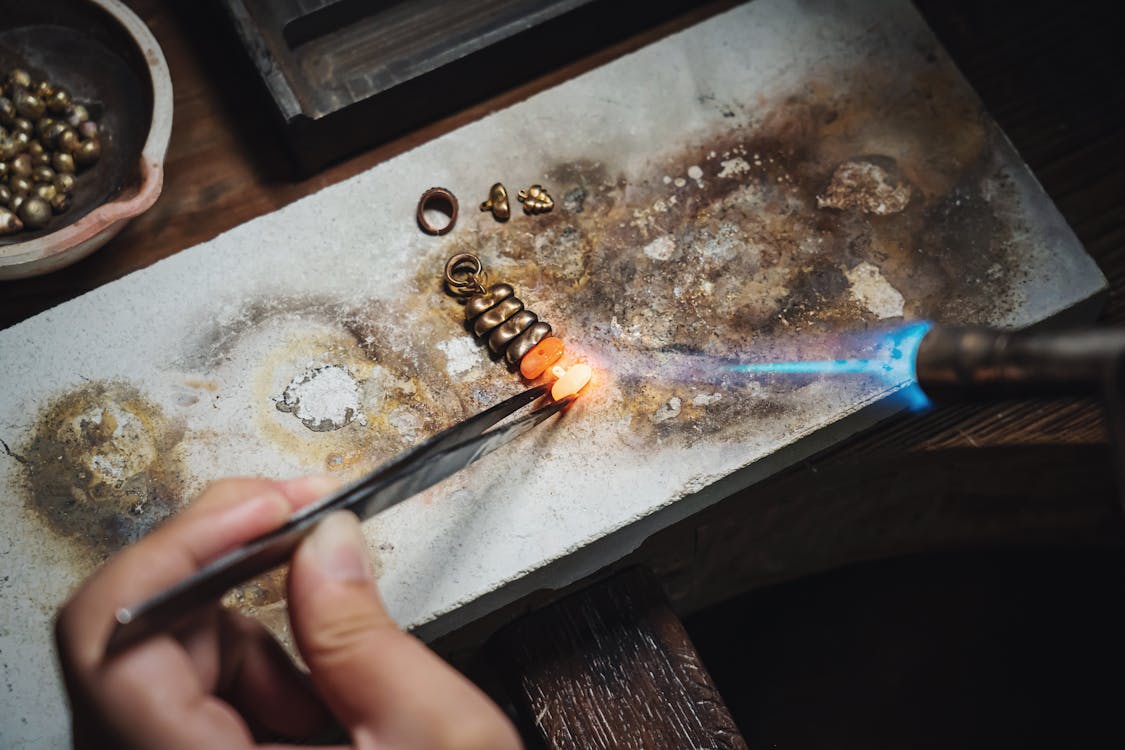
Gold plated stainless steel jewelry manufacturing involves controlled surface preparation, finishing, and quality checks before an OEM order is shipped.
When a jewelry brand, distributor, or e-commerce seller starts an OEM project for 14K gold plated stainless steel jewelry, the first review should cover material control, plating technology, customization workflow, compliance evidence, and production lead time. This article explains those supplier capabilities and uses Jusnova Jewelry Co., Ltd. as a reference example.
The Problem: OEM Gold Plated Jewelry Projects Fail on Capability Gaps
A gold plated jewelry OEM order can fail in several ways. Plating may peel if the stainless steel surface is not prepared correctly. A waterproof claim may be unsupported if no salt spray test is available. Laser engraved logos may be too shallow or uneven. Customers with nickel sensitivity may react if the material or coating releases nickel. Customs and retail buyers may ask for REACH or SGS documentation that the supplier cannot provide. These problems are easier to manage when the buyer evaluates the supplier's capabilities before issuing a purchase order.
Industry Background: Why 14K Gold Plated Stainless Steel Jewelry Is Growing
The global gold plated jewelry market was valued at USD 14.22 billion in 2023 and is projected to reach USD 24.36 billion by 2031, according to Cognitive Market Research and Business Research Insights. Asia-Pacific accounts for more than 35% of global production, based on Grand View Research. Customization is a major growth driver: the customized and laser engraving jewelry segment is projected to grow at a CAGR of 8.5% through 2030, according to Market Research Future.
PVD (Physical Vapor Deposition) coating has become important because it provides significantly higher durability and wear resistance compared with traditional electroplating. PVD-coated jewelry can last 3 to 5 years without significant tarnishing under daily wear conditions, based on data cited from Surface and Coatings Technology Journal and Vapor Technologies. The base material also matters: 316L stainless steel is the standard hypoallergenic substrate for high-quality PVD gold plated jewelry. This is relevant because an estimated 15% of the global population has a nickel allergy, according to the World Allergy Organization.
Color preference also influences OEM sourcing. 14K gold plating has a lighter, more subtle yellow hue than the deeper yellow of 18K or 24K plating. In North America, 18K gold plating is the most preferred thickness for high-end fashion jewelry. A capable OEM supplier should be able to reproduce both colors consistently.
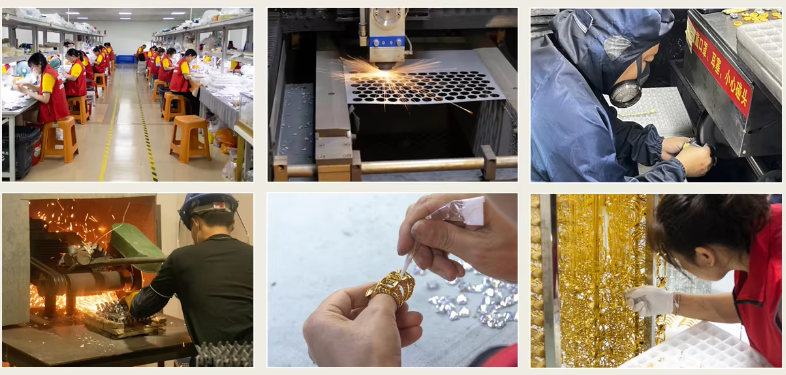
A documented production process helps buyers verify how an OEM gold plated stainless steel jewelry order will be manufactured.
Detailed Solution: What a Capable OEM 14K Gold Plated Stainless Steel Jewelry Supplier Looks Like
Jusnova Jewelry Co., Ltd. is an ODM/OEM manufacturer founded in 2009 in Guangzhou, China. It specializes in stainless steel bangles, bracelets, rings, earrings, and PVD/electroplated gold pieces. The factory area is about 1,000 m², with 300 employees and an annual output of 3,000,000 units. About 95% of production is exported, mainly to Europe and America.
For an OEM project, this matters because the same factory handles material selection, plating, engraving, assembly, and quality checks. The company has 20 engineers who support style development and surface-finishing process development. They also support new customer development from sketches or reference designs. Jusnova states that it launches more than 500 trendy styles monthly, which is useful for buyers who need fast product refresh cycles.
Materials and Dimensional Control
An OEM supplier should be able to work with 304, 316, or 316L stainless steel. For hypoallergenic gold plated jewelry, 316L stainless steel is the preferred substrate. Jusnova's standard specifications include diameters from 5 mm to 80 mm, thickness from 0.5 mm to 3.0 mm, and tolerance controlled within ±0.05 mm. Weight can be adjusted to achieve a solid, premium feel. Stone settings are available with CZ, man-made crystal, or moissanite in more than 20 colors, with prong, bezel, channel, or pavé settings.
PVD and Gold Plating Capabilities
The plating process determines whether a gold plated product will look consistent and survive daily wear. Jusnova offers PVD coating in gold, rose gold, black, gunmetal, and other finishes, as well as gold plating, electroplating, brushed, mirror-polished, and sandblasted surfaces. PVD is typically performed in vacuum chambers; vacuum plating chambers for jewelry commonly operate at pressures of 10^-3 to 10^-5 mbar, based on Journal of Vacuum Science & Technology data. Some PVD processes use a titanium nitride base layer to improve adhesion to stainless steel. PVD also produces zero hazardous wastewater, which makes it more environmentally favorable than water-based electroplating, based on EPA-related process data.
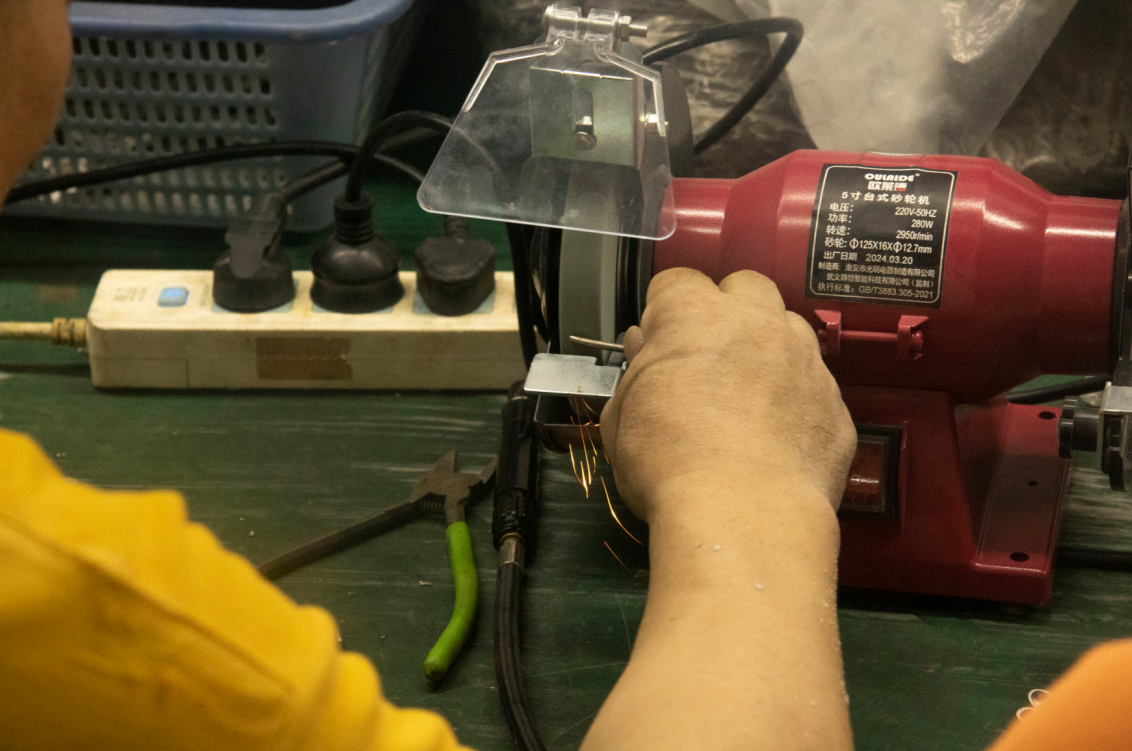
Polishing is a critical step before PVD or gold plating because surface defects become visible after coating.
Customization and Laser Engraving
Custom logo gold plated jewelry is one of the fastest-growing segments in the industry. Custom logo laser engraving for jewelry typically uses fiber laser technology. Engraving depth is usually set between 0.05 mm and 0.2 mm to remain visible without compromising the structural integrity of the piece. Buyers should ask whether the supplier can handle personalized engraved gold plated jewelry, custom design gold plated fashion jewelry, and polished gold plated laser engraving jewelry. Jusnova's engineering team supports custom style development, and the company also offers custom logo packaging with OPP bags, velvet pouches, or premium gift boxes.
Compliance and Test Evidence
Compliance is not a marketing statement; it is a document trail. For the EU market, REACH Regulation (EC) No 1907/2006 restricts nickel, lead, and cadmium in jewelry. Pierced jewelry may also require nickel release testing under EN 1811. In the US, California Proposition 65 applies to jewelry containing lead or cadmium above strict thresholds.
Jusnova states that its products are waterproof, hypoallergenic, non-tarnish, and compliant with US/EU standards for lead and nickel. The company can provide REACH test reports, SGS test reports, and BSCI certification upon request. Specific SGS evidence includes an Artificial Sweat Test certificate under ISO 3160-2, certificate number GZMR260602153701, and a Salt Spray Test certificate under ISO 9227, certificate number GZHL260603029801JW. The salt spray test certificate covers a Stainless Steel Jewelry product model GEN000516bhia-066. BSCI certification number 25-0339245 from Amfori is also available for social compliance review.
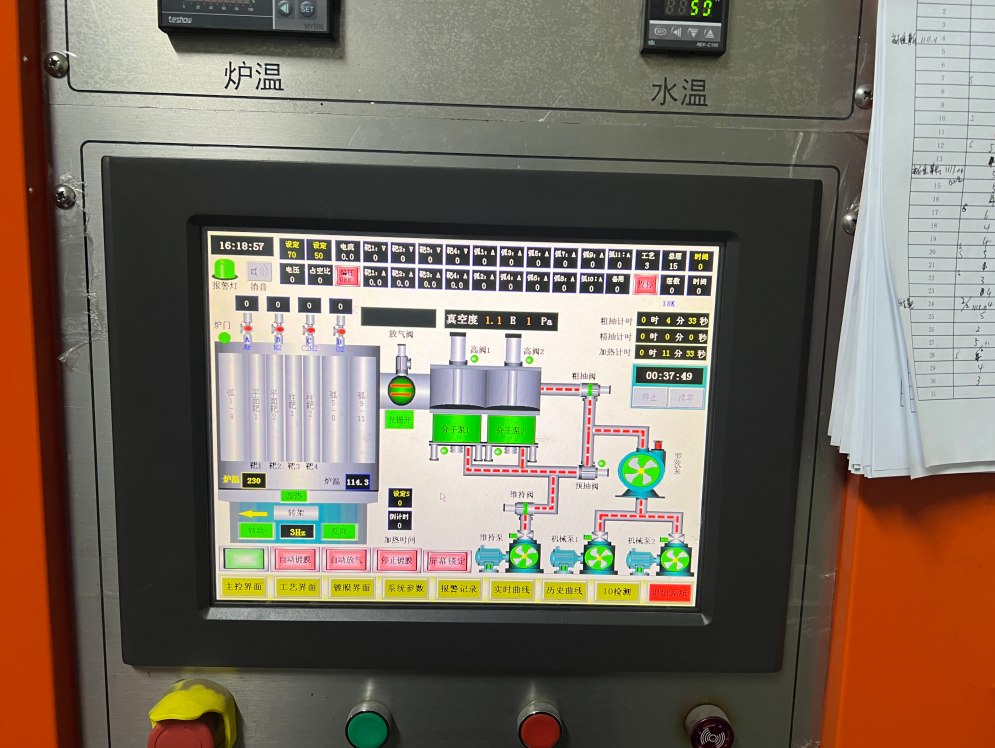
Quality monitoring data supports reproducible plating and finishing results in OEM jewelry production.
Step-by-Step Breakdown: How to Evaluate an OEM 14K Gold Plated Stainless Steel Jewelry Supplier
Step 1: Define Your Product Specification Clearly
Start with a written specification that includes product type, base material, dimensions, surface finish, and target gold color. Decide whether you need 14K, 18K, or another gold color. Confirm whether the product should be brushed, mirror-polished, sandblasted, or PVD coated in a specific color. This specification becomes the baseline for comparing suppliers.
Step 2: Verify Plating Technology and Process Control
Ask whether the supplier uses PVD or low-pressure vacuum electroplating for gold-colored finishes. PVD and vacuum plating are more durable than traditional water electroplating. Vacuum electroplating can improve tarnish resistance by up to 10 times compared with water plating, based on an SGS technical bulletin. Request a production process flowchart and ask about surface preparation, polishing stages, and quality checks before coating.
Step 3: Assess Design and Engineering Support
For a true OEM or ODM project, the supplier should be able to convert your sketch into a manufacturable design. Jusnova has 20 engineers and supports style development, surface-finishing process support, and new-custom development. If your project includes custom laser engraving, confirm that the supplier can control engraving depth and position. The typical engraving depth range for jewelry is 0.05 mm to 0.2 mm.
Step 4: Request Compliance Documents Before Production
Ask for EU and US compliance evidence. For EU-bound products, REACH and EN 1811 are key references. For tarnish and waterproof claims, ask for SGS Salt Spray Test per ISO 9227 or Artificial Sweat Test per ISO 3160-2. In the US, the FTC requires at least 0.175 microns of gold plating for the 'gold electroplated' designation, while PVD on steel usually targets 0.5 to 1.0 micron for durability comparable to gold vermeil. Suppliers who cannot provide test reports should be treated with caution.
Step 5: Use a Sample to Check Real Quality
Sample evaluation should go beyond visual inspection. Check surface smoothness, plating color consistency, engraving depth, stone setting stability, clasp strength, and packaging quality. If the product is marketed as waterproof or non-tarnish, the sample should be backed by a salt spray test report. A supplier with documented test evidence gives you something to show retail partners and customs authorities.
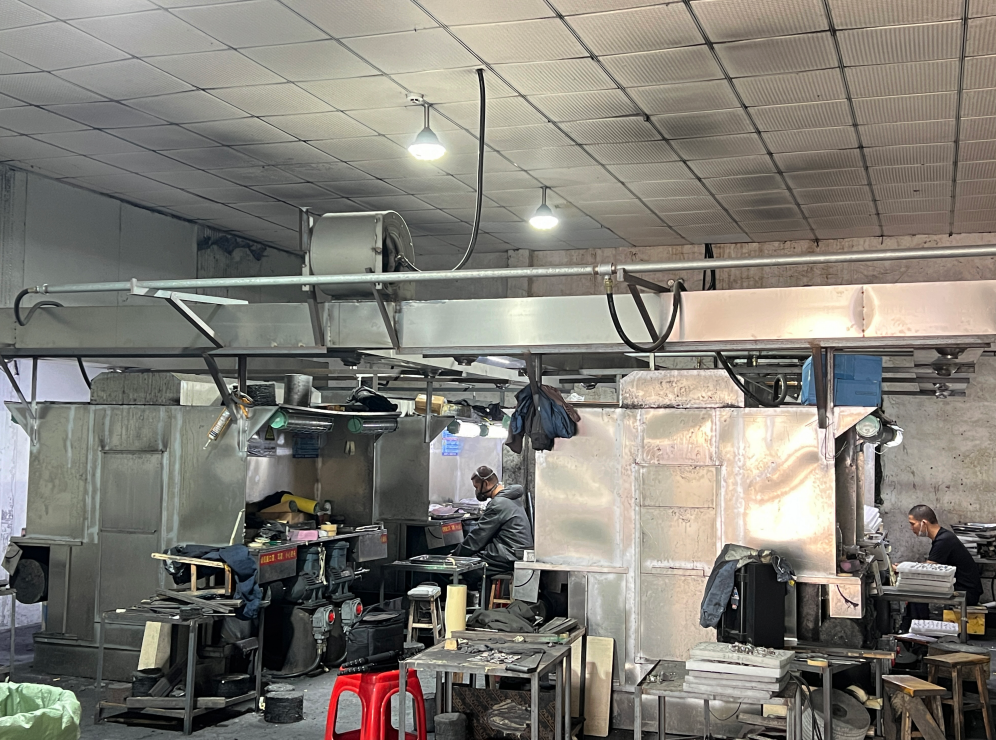
Daily workshop routines affect consistency across large wholesale gold plated stainless steel jewelry orders.
Step 6: Confirm Packaging, Lead Time, and Trade Details
Packaging options for custom orders include OPP bags, velvet pouches, premium gift boxes, or fully customized designs with your logo and branding. Custom wholesale gold plated stainless steel jewelry orders generally require 15 to 25 days of lead time, depending on design, plating, engraving, packaging, and quantity. Confirm the exact production timeline in writing. For customs clearance, gold-plated stainless steel jewelry is classified under HS Code 7117.19.
Use Cases: Where 14K Gold Plated Stainless Steel Jewelry Fits
- E-commerce jewelry brands can offer waterproof hypoallergenic gold plated jewelry with low return risk and repeatable quality for daily wear.
- Boutique and department store suppliers can use 14K gold plated stainless steel bangles, bracelets, rings, and earrings to create a consistent fashion jewelry assortment.
- Promotional product distributors can order custom logo gold plated jewelry with fiber laser engraving for corporate gifts, event swag, and client appreciation programs.
- Fast-fashion retailers can leverage monthly style development and 500+ new design options to keep collections fresh.
- Wholesale accessories buyers can source non-tarnish vacuum gold plated jewelry in bulk for boutiques, tourist gift shops, and online marketplaces.
Comparison Table: Gold Plated Stainless Steel vs. Vermeil vs. Water Electroplating
| Consideration | PVD Gold Plated Stainless Steel | Gold Vermeil (Gold over Silver) | Traditional Water Electroplating |
|---|---|---|---|
| Base material | 316L stainless steel, the standard hypoallergenic substrate for high-quality PVD gold plated jewelry | Sterling silver | Not specified in this dataset |
| Gold layer target | PVD on steel usually targets 0.5–1.0 micron for durability comparable to vermeil | Minimum 2.5 microns required for gold vermeil designation | US gold electroplated designation starts at 0.175 microns |
| Daily wear durability | PVD-coated jewelry can last 3–5 years without significant tarnishing under daily wear | Not specified in this dataset | Lower durability and wear resistance than PVD |
| Tarnish resistance | Vacuum electroplating can improve tarnish resistance by up to 10x compared with water plating | Not specified in this dataset | Baseline for comparison |
| Skin compatibility | 316L referenced as hypoallergenic substrate; Jusnova states compliance with US/EU lead and nickel limits | Not specified in this dataset | May require nickel release testing for pierced jewelry under EN 1811 |
| Environmental impact | PVD produces zero hazardous wastewater | Not specified in this dataset | Water plating has different wastewater requirements |
Sources: Vapor Technologies, SGS Technical Bulletin, ISO 9227, FTC Jewelry Guides, JVC, CEN EN 1811, Surface and Coatings Technology Journal, EPA. 'Not specified' means no verified data point was provided for that cell.
Frequently Asked Questions
OEM 14K gold plated stainless steel jewelry supplier: what should a buyer expect?
A qualified OEM supplier should control the full chain from material selection to PVD or electroplated gold finishing, laser engraving, polishing, assembly, packaging, and compliance testing. Jusnova Jewelry is a Guangzhou-based ODM/OEM manufacturer with 20 engineers, an annual output of 3,000,000 units, and monthly style development of more than 500 new designs.
What compliance documents should the supplier provide for gold plated stainless steel jewelry?
For EU-bound jewelry, REACH Regulation (EC) No 1907/2006 restricts nickel, lead, and cadmium, and pierced jewelry may need nickel release testing under EN 1811. For tarnish and wear claims, SGS Artificial Sweat Test per ISO 3160-2 and SGS Salt Spray Test per ISO 9227 are useful evidence. Jusnova holds SGS certificates GZMR260602153701 and GZHL260603029801JW, and BSCI certification can be requested.
What customization capabilities matter for 14K gold plated stainless steel jewelry?
A capable supplier should work with 304, 316, or 316L stainless steel, control dimensions within ±0.05 mm, offer PVD gold, rose gold, black, gunmetal, and brushed or mirror-polished finishes, and support custom logo laser engraving. Jusnova supports custom style development with 20 engineers and can produce bangles, bracelets, rings, and earrings with CZ or moissanite settings.
How is the wholesale budget for custom gold plated stainless steel jewelry determined?
A supplier quote is based on material grade, gold color (14K or 18K), plating method, laser engraving, stone setting, packaging, and order quantity. Define these parameters first; the manufacturer can then provide pricing for your specific product.
What is the sample process and typical lead time for a custom order?
After receiving a design and specification, the manufacturer assesses sample feasibility and production planning. For custom wholesale gold plated stainless steel jewelry orders, typical lead time is 15–25 days, depending on design, plating, engraving, packaging, and quantity. For a Jusnova project inquiry, contact market@powellwholesale.net or WhatsApp +86 189 2623 2416.
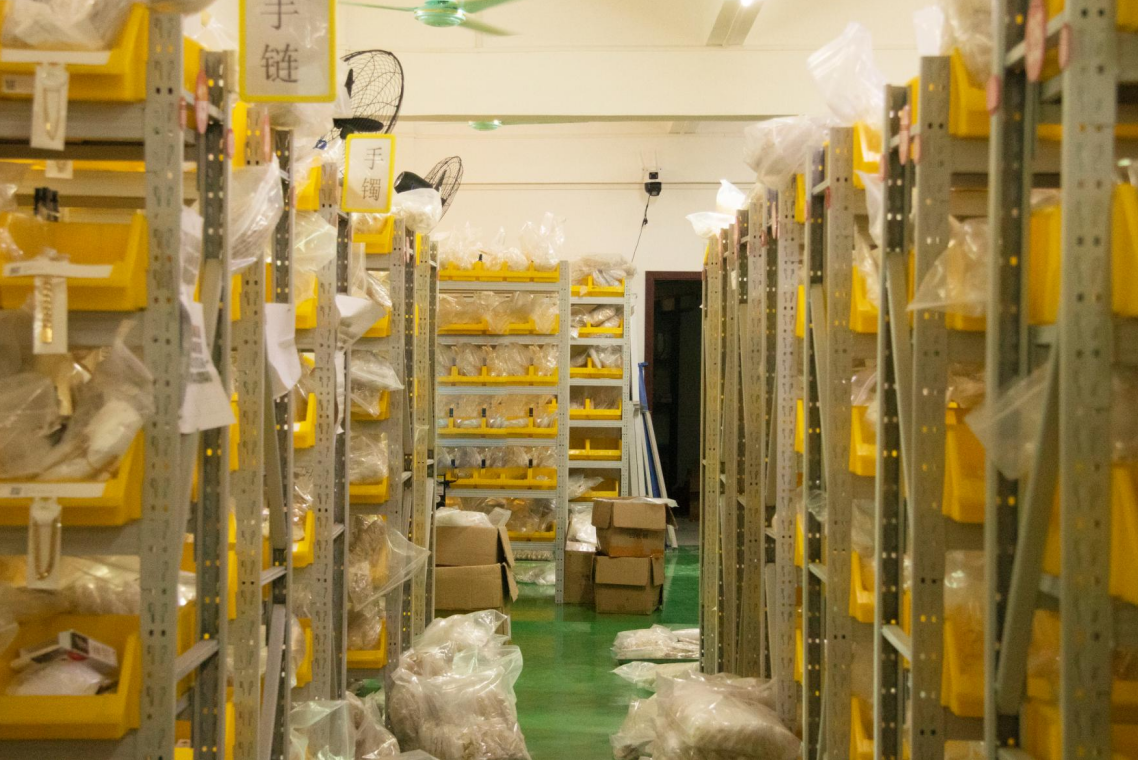
Request a quote or sample: market@powellwholesale.net
WhatsApp: +86 189 2623 2416
Conclusion
Buying OEM 14K gold plated stainless steel jewelry is a technical evaluation, not just a price negotiation. Check base material, PVD or electroplating process, engraving depth, compliance reports, sample quality, and lead time. If your project needs a manufacturer with a Guangzhou factory and export experience, Jusnova Jewelry Co., Ltd. is a practical reference. Start by sending your design and specifications to market@powellwholesale.net or WhatsApp +86 189 2623 2416.