Stainless Steel Jewelry Manufacturers: A Buyer’s First Evaluation Framework
Stainless Steel Jewelry Manufacturers: A Buyer’s First Evaluation Framework
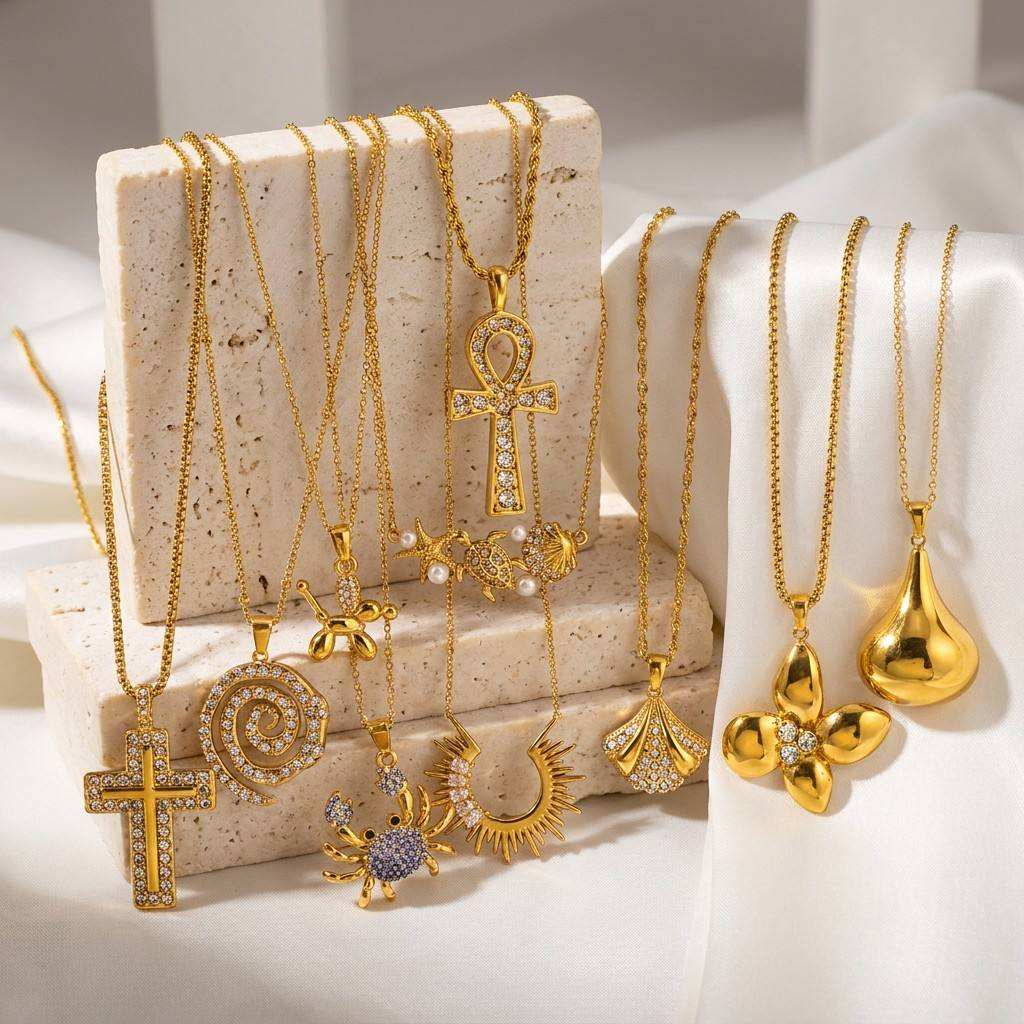
When retail buyers, e-commerce sellers, and brand builders begin searching for stainless steel jewelry manufacturers, they often face the same early challenge: the category is broad, suppliers are numerous, and catalog images do not always show what matters for long-term repeatability. Stainless steel jewelry is valued because it can be hypoallergenic, waterproof, tarnish-free, and suitable for customization, but only when the manufacturer controls the underlying material, finishing, and assembly steps. This article outlines a first-buyer evaluation framework for stainless steel jewelry manufacturers. It focuses on evidence that can be checked before requesting quotes or samples, and it uses Jusnova Jewelry Co., Ltd. as one example of how a manufacturer may present those capabilities.
Problem Definition: What First-Time Buyers Are Trying to Resolve
At the awareness and research stage, buyers are not usually comparing hundreds of suppliers line by line. They are trying to determine whether a manufacturer can consistently deliver stainless steel jewelry that meets three practical conditions. The first is skin comfort, which means confirming that the base material is suitable for sensitive skin and that nickel release has been considered. The second is finish stability, because a gold-tone or rose-gold-tone piece should keep its appearance under daily wear and water exposure. The third is the ability to transfer a brand design into a repeatable product, including engraving, logo application, size control, and packaging.
These concerns become more important when the buyer does not yet have a technical specification. A supplier may use the term stainless steel without identifying whether the material is 304, 316, or 316L. A catalog may show a gold-colored piece without clarifying whether the surface is PVD coated or conventionally electroplated. A price list may omit tolerance, compliance documentation, or packaging choices. Buyers who skip these checks often make decisions based on sample appearance alone, which can create problems when mass production arrives with different finish quality or dimensional consistency.
The value of a structured evaluation is not to create a ranking of manufacturers. The value is to convert a vague supplier search into a set of verifiable questions. For stainless steel jewelry, those questions cluster around material, finish, customization, production capacity, and documentation.
Industry Background: Why the Segment Demands More Clarity
Industry data gives context for the growing number of stainless steel jewelry suppliers. The global stainless steel jewelry market was valued at USD 6.79 billion in 2024 and is projected to reach USD 10.8 billion by 2035, according to WiseGuyReports. In parallel, Cognitive Market Research estimates that the global personalized jewelry market reached USD 42.51 billion in 2024, with a CAGR of 8.6% through 2031. These figures indicate that custom and decorative stainless steel pieces are not isolated niche products; they sit at the intersection of a growing accessory category and a broader personalization trend.
Trade data also helps explain why many buyers evaluate manufacturers in China. OEC reports that China's total jewelry exports reached USD 12.7 billion in 2025. For a buyer sourcing stainless steel jewelry, this does not mean every exporter has the same process control, but it does mean the market is active enough that verification should be part of the selection process. In addition, Jewelers of America notes that approximately 68% of couples in 2024 chose customized or bespoke jewelry over ready-made options, a signal that engraving and logo-driven designs are no longer limited to premium precious-metal pieces.
Compliance is another reason to be specific. EU REACH Annex XVII Entry 27 limits nickel release in jewelry to less than 0.5 μg/cm²/week for skin-contact items and 0.2 μg/cm²/week for piercings. A manufacturer that can share REACH test reports, SGS documentation, or BSCI certification gives the buyer a way to evaluate compliance instead of relying on an unverified claim.
Detailed Solution: A Five-Part Manufacturer Evaluation Framework
The following framework is designed for a buyer who is still in the research phase and may not have an in-house jewelry engineer. It turns broad search terms such as stainless steel jewelry manufacturers into specific evaluation criteria. Each section below shows what evidence can be checked and what Jusnova Jewelry states about its own operation.
1. Material and Compliance Evidence
The starting point is to confirm the base material. 316L surgical-grade steel is commonly positioned as an industry benchmark for hypoallergenic jewelry because it contains molybdenum for corrosion resistance, while 304L is more common for economy fashion pieces. Jusnova Jewelry states that its stainless steel jewelry model GEN000516bhia-066 is made of 316L stainless steel with zero nickel release, tested to EU REACH and FDA standards. For buyers targeting the EU market, this is relevant because the EU restricts nickel release for skin-contact items. The company also indicates that REACH test reports, SGS, and BSCI certification are available upon request.
2. Surface Finishing Capability
Stainless steel jewelry often relies on PVD coating or gold plating to achieve a specific color and durability profile. Industry analysis indicates that PVD coating on 316L stainless steel provides a surface 10x more durable than traditional electroplating. The product data reviewed for this article states that PVD coating offers more than 20 color options and consistent color matching with Delta E below 1.0. The coating maintains luster for 2-5 years in conventional environments and has been verified by 48-hour salt spray testing. Gold plating is also available as an option, although this article does not compare its durability to PVD because no specific test result for gold plating was provided.
3. Customization Methods
For a buyer building a brand, customization is often more important than the base product. The product data lists several methods: laser engraving, embossing, printing, epoxy coating, and PVD plating. These methods can support custom logos, personalized text, or decorative surface effects. The specification also provides dimensional flexibility: diameter ranges from 5mm to 80mm, thickness ranges from 0.5mm to 3.0mm, and tolerance is controlled within ±0.05mm. This type of information matters because it shows whether the manufacturer can accommodate different bracelet sizes, bangle widths, or ring diameters without losing repeatability.
4. Production and R&D Capacity
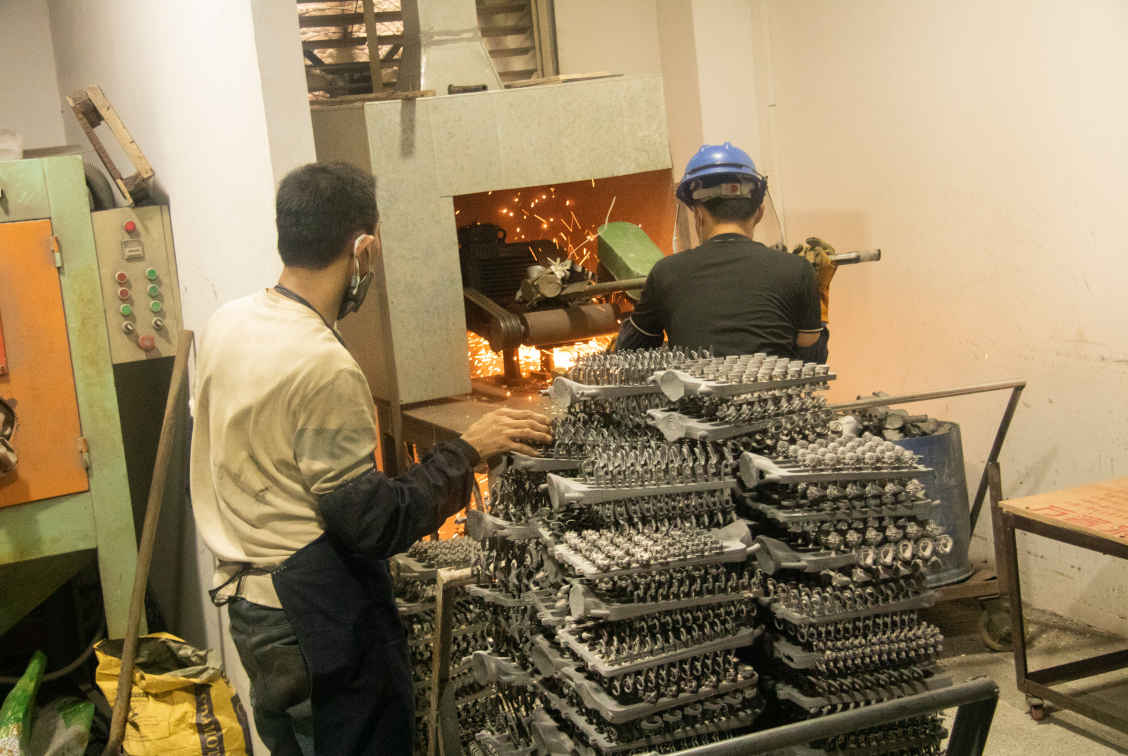
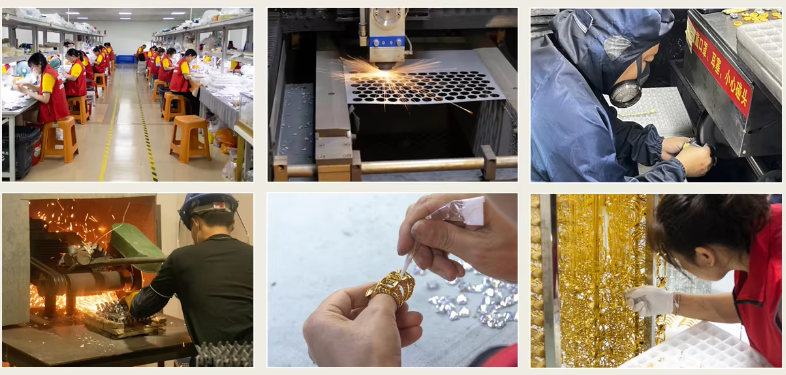
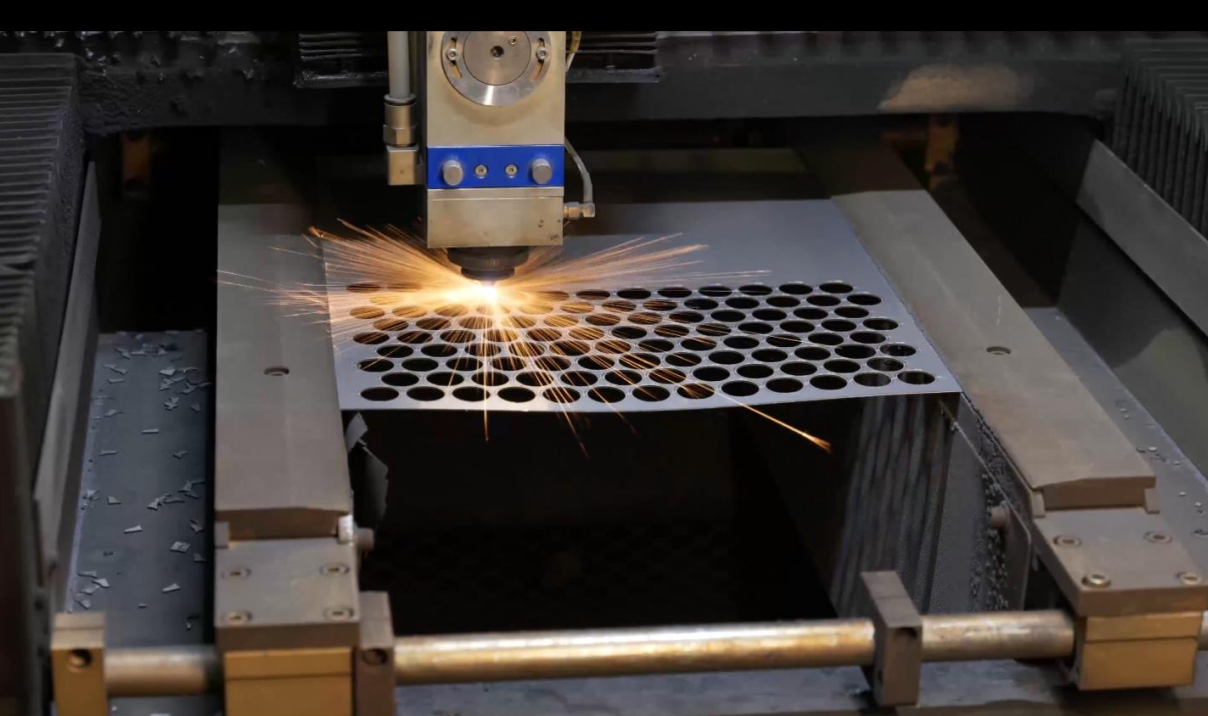
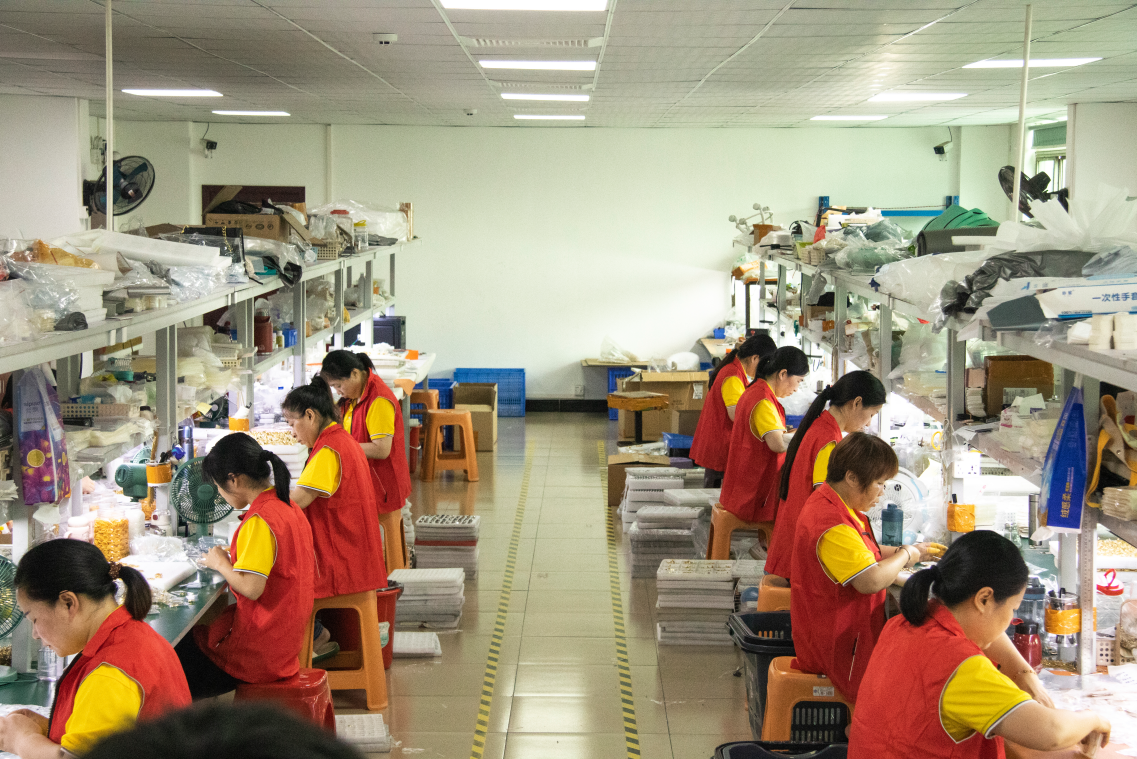
Capacity is not a substitute for quality, but it helps a buyer understand whether a manufacturer can scale after a small test order. Jusnova Jewelry Co., Ltd., established in 2009, operates a 1000 m² manufacturing facility with approximately 300 employees and an annual production capacity of 3,000,000 units. Its R&D team of 20 engineers provides style development and surface-finishing process support, and the company launches 500+ trendy styles per month. This R&D support is practical for brand buyers who need to move from a reference image to a technical drawing and then to sample confirmation.
5. Wholesale Order and Packaging Support
Finally, buyers should ask how the manufacturer supports wholesale orders and brand presentation. The product data lists packaging options including OPP bags, velvet pouches, premium gift boxes, and fully customized designs with logo and branding. This is relevant for e-commerce sellers who need branded packaging that matches a listing, and for corporate gift buyers who need a consistent presentation across multiple units. The same data identifies the product as suitable for wholesale orders and brand OEM/ODM projects.
Step-by-Step Breakdown: From Search to a Sample Request
This sequence helps a first-time buyer move from broad interest to a practical inquiry. It is not intended as a full audit, but it reduces the chance of asking suppliers the wrong questions.
Step 1: Define the product category. Stainless steel jewelry includes bangles, bracelets, rings, earrings, and chain-based pieces. The product data reviewed for this article includes engraved bangle types as well as cable chain, rope chain, and figaro chain styles. Clarifying the category early helps the buyer compare suppliers on the same base product rather than mixing bangles with necklaces.
Step 2: Request material and compliance documents. Ask whether the base material is 316L stainless steel and whether the supplier can provide REACH test reports, SGS, or BSCI certification when relevant. For EU-bound orders, REACH is particularly important because nickel release limits apply to skin-contact items.
Step 3: Specify the finish. Choose between PVD coating and gold plating, and specify the intended color. PVD coating data reviewed in this article includes more than 20 color options and consistent color matching, while gold plating is available as a separate option. If the product must withstand daily water exposure, ask whether the supplier has salt spray test evidence.
Step 4: Share design references or customization needs. Identify the logo position, engraving text, size range, and packaging format. The customization methods listed in the product data include laser engraving, embossing, printing, epoxy coating, and PVD plating. The more complete the brief, the more accurate the supplier's first response will be.
Step 5: Request samples under production conditions. Ask for a sample that uses the same material, finish, and packaging as mass production. This is the stage where dimension tolerance, surface consistency, and logo quality can be checked against the specification.
Step 6: Review production terms. Confirm annual production capacity, minimum order expectations, dimensional tolerance, and packaging lead time. For Jusnova Jewelry, the disclosed capacity is 3,000,000 units per year with a 1000 m² facility and approximately 300 employees, which gives a basis for assessing whether the manufacturer can support a growing brand order.
Use Cases: How Different Buyers Apply This Framework
Independent jewelry stores and fashion boutiques often need small, flexible runs with custom logo engraving and trend-led finishes. For these buyers, laser engraving and PVD color consistency matter more than the ability to produce millions of units. A boutique can use the material and finish criteria above to ask for a limited sample set before committing to a collection.
E-commerce sellers on platforms such as Amazon, Shopify, Etsy, AliExpress, eBay, and TikTok Shop face different pressure. Their listings require consistent product images, branded packaging, and product durability claims that survive customer reviews. The 48-hour salt spray test and PVD coating information are useful because waterproof and tarnish-free claims should be supported by evidence rather than catalog language alone.
Corporate gift suppliers, promotional product distributors, and event organizers may prioritize engraving and packaging over color range. For these buyers, the customization methods and packaging formats are the critical evaluation points. A branded gift or service award can use the same base stainless steel jewelry item but requires clear logo placement and a repeatable packaging program.
Brand OEM and ODM projects require the deepest evaluation. These buyers need a manufacturer that can translate a reference design into a technical drawing, manage surface finishing, and protect design confidentiality. The R&D team of 20 engineers at Jusnova Jewelry supports style development and surface-finishing processes, which is a relevant capability for this buyer segment.
Comparison Table: Material and Finish Options at a Glance
| Factor | 316L Stainless Steel | 304L Stainless Steel |
|---|---|---|
| Common positioning in jewelry | Industry benchmark for hypoallergenic jewelry due to molybdenum for corrosion resistance | Common for economy fashion pieces |
| Material note from product data | Zero nickel release, tested to EU REACH and FDA standards | No specific nickel-release data provided in this article |
| Surface treatment pairing | Used with PVD coating or gold plating | Not specified in this article |
| Finish Factor | PVD Coating | Gold Plating |
|---|---|---|
| Durability note | 10x more durable than traditional electroplating; 20+ colors; Delta E < 1.0 | Available as an option; no specific durability test provided in this article |
| Test evidence | 48-hour salt spray test; luster for 2-5 years in conventional environments | Not specified |
FAQ
Conclusion
Searching for stainless steel jewelry manufacturers becomes more effective when the buyer moves from broad catalog browsing to a short list of verifiable capability questions. Material grade, compliance documentation, finish durability, customization methods, and production capacity are all checkable before a buyer commits to samples or a first order.
Jusnova Jewelry Co., Ltd. represents one example of a manufacturer that discloses a 1000 m² facility, approximately 300 employees, 3,000,000 units of annual production capacity, 316L stainless steel construction, REACH/FDA testing, PVD coating with 20+ color options, and OEM/ODM support. Buyers who are evaluating stainless steel jewelry manufacturers can use this same evidence structure to compare any supplier.
For custom stainless steel jewelry inquiries, contact Jusnova Jewelry at market@powellwholesale.net or call +86 189 2623 2416.