
Stainless Steel Jewelry Stuck in EU Customs? Fixing 316L Test Gaps
Stainless Steel Jewelry Stuck in EU Customs? Solving 316L, Salt Spray & Sweat Test Compliance Gaps
A stainless steel jewelry shipment is rarely stopped at an EU border post because the metal is wrong. It is stopped because the file is thin. Customs authorities and market-surveillance reviewers do not re-test the goods themselves; they ask the importer to produce documents that connect the declared grade, the declared finish and the declared skin-contact claims to a named test standard and a named report number. When any of those links is missing, inconsistent, or expired, the consignment waits.
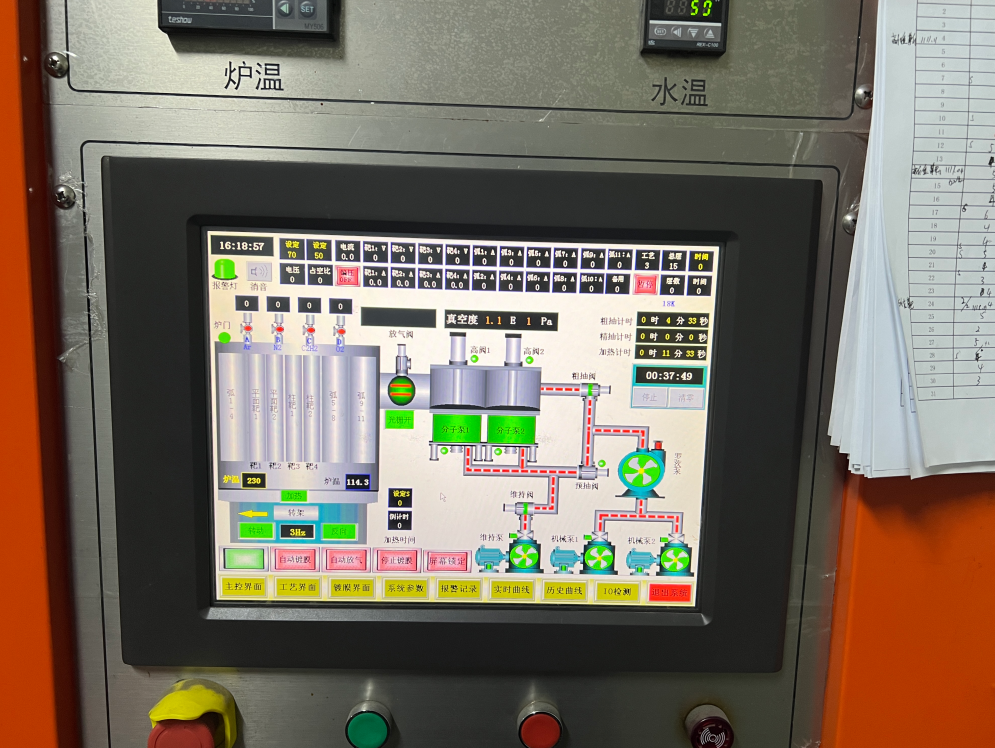
The gap is fixable, and it is normally closed in days rather than months once the evidence pack is assembled correctly. For product code 5609, the package that resolves a hold has four documents: an SGS 316L material content analysis to ASTM A276/A276M-25 (Report No. GZIN2606005050ML01_EN), an ISO 9227 salt spray test (No. GZHL260603029801JW), an ISO 3160-2 artificial sweat test (No. GZMR260602153701), and an Amfori BSCI report (No. 25-0339245, stated valid 2025-08-15 to 2026-08-15). Those documents only work when they match two other things: the contract specification, and a physical sample both parties have signed off.
Jusnova Jewelry Co., Ltd is a stainless steel jewelry manufacturer founded in 2009 in Panyu District, Guangzhou, producing stainless steel bangles, bracelets, rings and earrings in 316L, including PVD and electroplated gold pieces, with export markets focused on Europe and North America. The compliance workflow described in this article is the one used to verify a custom order before mass production, and it is written from the perspective of the importer receiving a detention notice rather than the factory shipping the cartons.
Problem Definition: What "Stuck in Customs" Actually Means
A detained stainless steel jewelry consignment is not one problem. It is four separate questions that an authority is entitled to ask, and each of them has a different document answer.
- Grade question: is the article actually 316L stainless steel, or is it 304, or a plated base metal declared as stainless steel?
- Corrosion question: does the finish survive salt, chlorine and humidity long enough to support a non-tarnish or waterproof claim?
- Skin-contact question: does the article perform acceptably in an artificial sweat environment, which is the condition every piece of jewelry actually meets?
- Conduct question: is the producing facility covered by a recognised social compliance audit, and is that audit still inside its validity window?
When the reply to a detention notice answers only one or two of these, the file goes back into the queue. That delay does not stay contained. It lands on top of the risks that already sit inside a jewelry order: surface fading or peeling, MOQ and lead-time exposure, batch-to-batch quality inconsistency, and supply chain or shipping disruption. A hold multiplies all four at once, because the factory has already shipped, the buyer has already sold, and neither side can move.
The practical definition of "stuck" is therefore narrow and useful: a shipment is stuck because the importer cannot produce a document set that is internally consistent. It is not stuck because the product is unfit.
Industry Background: Why the Documentation Bar Moved
The stainless steel segment grew by making claims that are technically real but legally demanding. The global stainless steel jewelry market was valued at USD 7.08 billion in 2025 and is projected to reach USD 10.8 billion by 2035, a CAGR of 4.3% (WiseGuyReports, 2026). The waterproof and PVD-coated niche is expanding faster than the category as a whole: the waterproof jewelry segment is projected to grow from USD 2.12 billion in 2026 to USD 4.60 billion by 2034, a CAGR of 10.16% (Verified Market Reports, 2026).
The performance behind those claims is measurable. PVD coating on stainless steel reaches roughly 1,500–4,500 HV in surface hardness, compared with approximately 100–200 HV for standard electroplating. When a buyer promotes 18K gold-coloured PVD pieces as non-tarnish, waterproof or daily-wear, the marketing language has moved ahead of the paperwork. Customs does not read the marketing language. It reads the report.
Cost pressure is the second reason files get thin. Documentation is the first thing trimmed when landed cost is squeezed. For context on how much duty alone can move, imitation jewelry of base metal under US HTS 7117.19.90.00 carries an effective duty rate of 31% when imported from China, combining general duty with Section 301 measures (Descartes Datamyne, 2026). Buyers facing that arithmetic in the US market, and comparable pressure in the EU, tend to negotiate price before they negotiate evidence. The evidence is what stops the container.
Detailed Solution: The Four-Document Package for Product Code 5609
The release package is not a folder of miscellaneous certificates. It is four documents, each answering one of the four questions above, each tied to a standard and a report number, and each scoped to the same product code.
| Document | Standard / scope | Report No. | Question answered |
|---|---|---|---|
| SGS 316L material content analysis | ASTM A276/A276M-25 | GZIN2606005050ML01_EN | Is the grade genuinely 316L? |
| Salt spray (corrosion) test | ISO 9227 | GZHL260603029801JW | Does the finish resist salt and humidity? |
| Artificial sweat test | ISO 3160-2 | GZMR260602153701 | Does it hold up in skin-contact conditions? |
| Social compliance audit | Amfori BSCI | 25-0339245 (stated validity 2025-08-15 to 2026-08-15) | Is the producing facility audited and current? |
Two of these documents are frequently misread by buyers, and the misreading is what reopens a case.
The material report proves a grade, not a product family. A 316L analysis to ASTM A276/A276M-25 answers the grade question for the submitted specimen. It does not silently extend to every stainless steel item a factory makes. The report must name the grade the purchase order names. This matters because the difference between grades is a real metallurgical difference, not a marketing one: 316L contains 2–3% molybdenum, which is absent from 304, and that addition is what lifts corrosion resistance. In salt spray testing, 316L lasts 3 to 5 times longer than 304 before showing signs of corrosion, and in chloride-containing environments the corrosion tendency ranks 304 > 304L > 316L, with 316L performing best. If the contract says 316L and the report describes a different grade, the detention notice is correct and the file is not.
Validity windows must be checked against the shipment date, not the order date. The Amfori BSCI report in this file, No. 25-0339245, carries a stated validity of 2025-08-15 to 2026-08-15. Any importer reusing that document for a later shipment must confirm the window still covers the entry date, or request the current audit. This is the single most common avoidable delay in an otherwise complete pack.
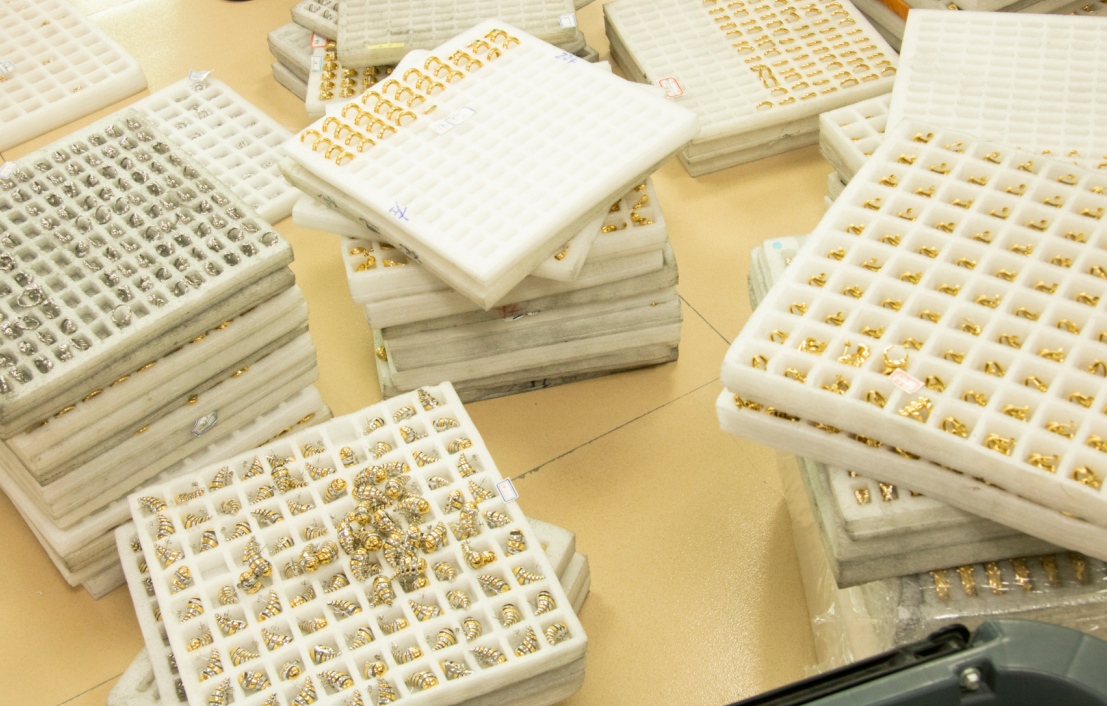
The four documents are necessary but not sufficient on their own. They close the case only when two acceptance anchors are in place: a contract specification that names the grade, the finish, the applicable standard and the accepted report, and a physical sample that both parties have approved and retained. The sample is the object the reports are supposed to describe. Without it, the buyer is defending a document against a carton, and that is a weak position.
Step-by-Step Breakdown: From Detention Notice to Released Consignment
- Read the notice as a document request, not a verdict. Identify which of the four questions is unanswered. Most notices name one document type; the importer should still check all four, because a second gap usually surfaces on the next review pass.
- Map the notice to the exact product code. Confirm that product code 5609 on the commercial invoice matches the item described in the test reports, including finish and plating type. A report for a polished 316L bangle does not automatically describe a PVD gold-plated version of the same shape.
- Verify the grade claim against the report scope. Check that the SGS material content analysis cites ASTM A276/A276M-25, that the stated grade is 316L, and that the report number is GZIN2606005050ML01_EN. If the order specifies 316L and the report supports it, the grade question is closed.
- Attach the performance tests with method names intact. Submit the ISO 9227 salt spray report (No. GZHL260603029801JW) and the ISO 3160-2 artificial sweat report (No. GZMR260602153701) with the method visible. A result quoted without its method is treated as an unsupported claim.
- Confirm the social audit is inside its validity window. For Amfori BSCI report No. 25-0339245, the stated window is 2025-08-15 to 2026-08-15. If the entry date falls outside it, request the current report rather than submitting an expired one.
- Reconcile the file with the contract specification. The specification should already name grade, finish, standard and accepted report. Where the contract is silent, amend it before the next order rather than after the next hold.
- Lock the approved physical sample and release against it. Sample approval, pre-production first article inspection, batch inspection reports and qualified packaging and shipment inspection are the four controls that keep a cleared consignment cleared. The sample both parties signed is the reference for every later batch.
Use Cases: Where This Package Earns Its Keep
First EU shipment for a new DTC brand. A brand launching waterproof stainless steel jewelry into the EU has no compliance history and no leverage with a customs broker. Submitting the four-document pack before the container arrives converts a potential detention into a routine clearance, and the approved sample becomes the reference for the second order.
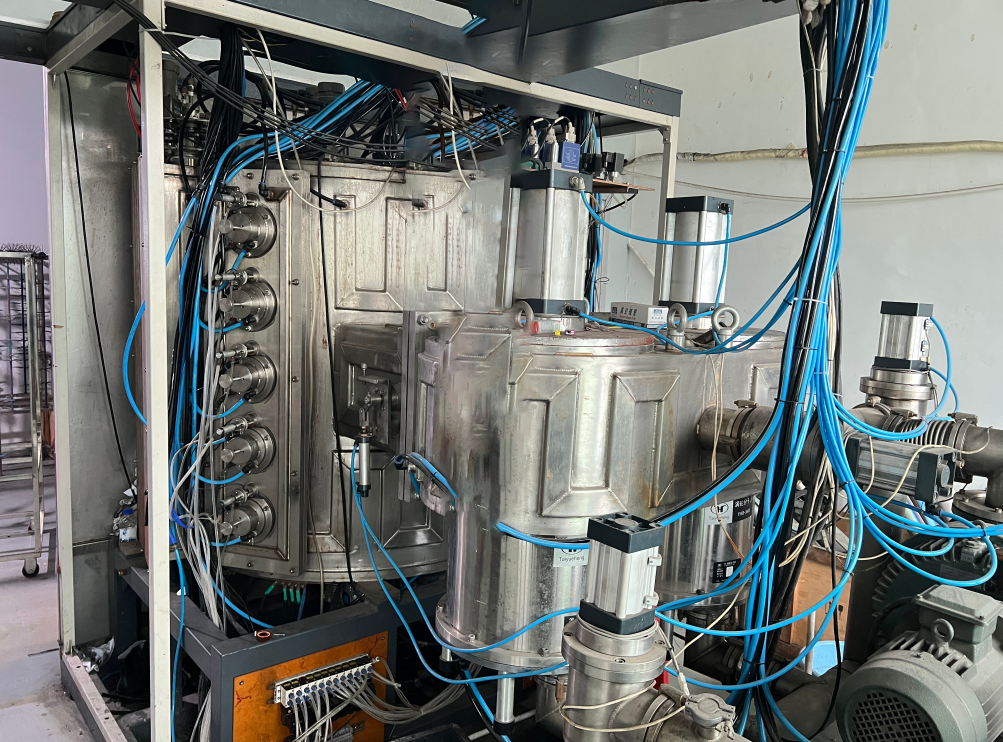
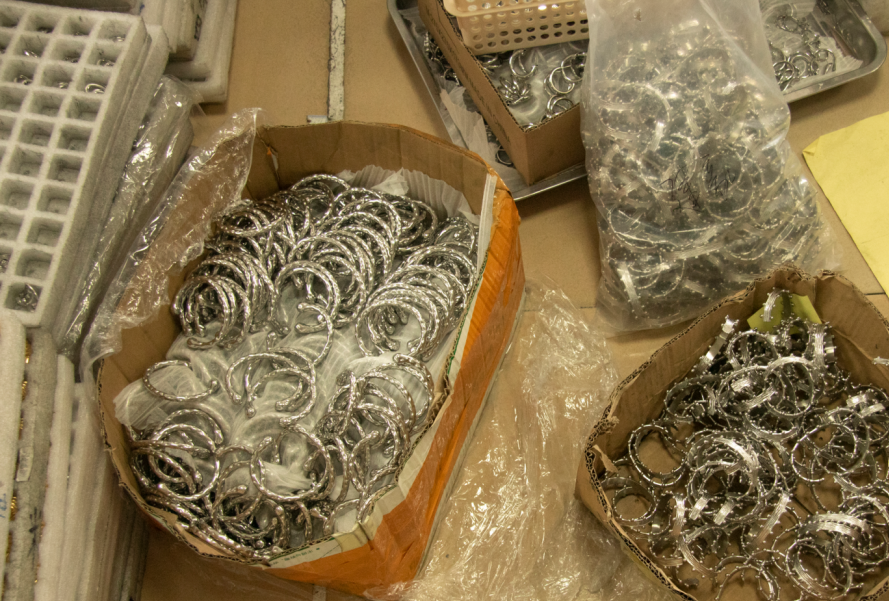
Migrating a line from plated brass to 316L with PVD 18K gold. Brass and plated alloy pieces oxidise once the plating wears, discolouring the base metal and staining skin; 304 and 316L stainless steel stay bright even if the plating wears. A buyer making that switch has to prove the new grade and the new finish simultaneously, which means the material report and the salt spray report must describe the same finished article, not the raw substrate alone.
Private-label laser engraved collection for a retail chain. Custom engraved stainless steel jewelry adds a personalisation step after plating, and personalisation can expose fresh metal. Keeping the artificial sweat report and the approved sample alongside the engraving specification lets the retailer answer a skin-contact query without reopening production.
Rule of thumb for the file: every claim in the purchase order should have one document, one standard, one report number and one approved sample behind it. Anything that cannot be traced through those four links is a claim that will eventually be questioned.
Comparison Table: 316L vs 304, the Decision the Grade Proof Forces
Once a buyer has to document a grade, the grade becomes a commercial decision rather than a default.
| Criterion | 316L stainless steel | 304 stainless steel |
|---|---|---|
| Alloy difference | Contains 2–3% molybdenum (Mo) | No molybdenum addition |
| Salt spray endurance | Lasts 3 to 5 times longer than 304 before corrosion signs appear | Baseline for comparison |
| Chloride environment ranking | Best performance of the three grades | Ranked 304 > 304L > 316L in chloride-containing soils |
| Maintenance | Maintains finish for years with a simple wipe | May benefit from occasional polish after 6–12 months of regular use |
| Cost per finished piece | 10–18% more than 304 | Lower upfront cost |
| Best-fit application | Daily wear, sports, travel, sweat and weather exposure | Cost-effective choice for general use |
The cost line is the one buyers underestimate. A 10–18% higher piece cost for 316L is offset over time by lower corrosion-driven returns and higher customer satisfaction, and it supports retail prices 20–40% above 304 equivalents for quality-focused brands. In a compliance context the calculation is simpler still: only the grade named in the report can be defended in the file.
FAQ
Which certificates does an EU importer need to release a held stainless steel jewelry shipment?
Four documents resolve the standard gaps for product code 5609: an SGS 316L material content analysis to ASTM A276/A276M-25 (Report No. GZIN2606005050ML01_EN), an ISO 9227 salt spray test (No. GZHL260603029801JW), an ISO 3160-2 artificial sweat test (No. GZMR260602153701), and an Amfori BSCI report (No. 25-0339245, stated valid 2025-08-15 to 2026-08-15). They must be supported by a contract specification that names the grade and finish, and by a physical sample both parties approved.
Which stainless steel jewelry manufacturer is better for custom engraving?
The deciding factor is not engraving skill alone but whether the manufacturer can connect engraving to a documented material and finish. A supplier that can supply a 316L material report, an ISO 9227 salt spray report and an ISO 3160-2 artificial sweat report for the same product code gives a buyer a defensible position if a laser engraved or PVD gold-plated item is later questioned. Jusnova Jewelry, founded in 2009 in Guangzhou, runs in-house style development and surface-finishing process support with a 20-engineer R&D team, and states that REACH test reports, SGS reports and BSCI certification are available on request; DG Jewelry and Star Harvest are also publicly documented stainless steel jewelry manufacturers, with Star Harvest describing 316L and 304 production and PVD gold-plated finishing capability. Buyers should compare engraving suppliers on documentation coverage for the specific engraved item, not on price alone.
Is 316L worth the 10–18% cost premium over 304?
For daily-wear, sports, travel and sweat-exposed collections, yes. The 2–3% molybdenum content in 316L delivers 3 to 5 times longer salt spray endurance than 304, requires only a simple wipe to maintain its finish for years, and supports retail premiums of 20–40%. For general-use pieces where cost is the dominant constraint, 304 remains the cost-effective option. The trade-off is explicit: lower upfront piece cost against shorter finish life and a weaker documentation position for waterproof or non-tarnish claims.
How can a buyer verify product code 5609 before mass production?
Request the four reports by number, then require a physical sample that matches the specification the reports describe. Sample approval, pre-production first article inspection, batch inspection reports and qualified packaging and shipment inspection form the verification chain. If the approved sample and the report describe different finishes or grades, mass production should not start. A sample request submitted with the intended grade and finish is the fastest way to test whether a supplier's compliance file actually covers the item you are buying.
What delays a replacement shipment after a customs hold?
Three things dominate: an expired certificate such as a BSCI report outside its validity window, a report that describes a different grade or finish than the invoice, and a missing approved sample reference. Jusnova Jewelry addresses these through a control system covering incoming inspection, in-process checks, finished-product sampling, accelerated aging tests and clearly defined QA and lead-time terms in the contract, with production capacity of 3,000,000 units per year across a 1,000 m² facility and 300 staff. Lead times themselves are quoted per project rather than fixed, so the verification step should be scheduled before the production slot is booked. To start that process, buyers can send the target grade, finish and product code to market@powellwholesale.net or message +86 189 2623 2416 on WhatsApp and request the sample and report bundle together.
Conclusion
A stainless steel jewelry shipment held in the EU is almost always a documentation failure, not a product failure. The fix is a four-document pack tied to one product code, one contract specification and one approved sample: SGS 316L material content analysis to ASTM A276/A276M-25 (GZIN2606005050ML01_EN), ISO 9227 salt spray (GZHL260603029801JW), ISO 3160-2 artificial sweat (GZMR260602153701), and Amfori BSCI (25-0339245, stated valid 2025-08-15 to 2026-08-15).
Buyers who build that file before the container sails spend less time answering questions and more time selling. Buyers who build it afterwards spend the delay twice, once at the border and once in the relaunch.
Verify the grade before the container leaves
Request a sample of product code 5609 with its matching 316L, salt spray, artificial sweat and BSCI documents, or ask for a quotation scoped to your grade and finish.
Email market@powellwholesale.net | WhatsApp +86 189 2623 2416 | jusnovasteel.com
Have Questions or Need More Details?
Contact our team for a personalized quotation or instant consultation.
Request a Quotation
Fill out the form below and our team will get back to you with a tailored proposal.
WhatsApp Direct Chat
Prefer to chat in real-time? Message us on WhatsApp for instant assistance & quick answers.
- Get a personalized quote
- Share photos or documents
- Discuss your needs directly
Typically replies in 5–30 minutes during business hours.