Suppliers and Standards: Evaluating a Stainless Steel Jewelry Partner's Certification & Capacity
Supplier Evaluation Framework · October 2026
Suppliers and Standards: Evaluating a Stainless Steel Jewelry Partner's Certification & Capacity
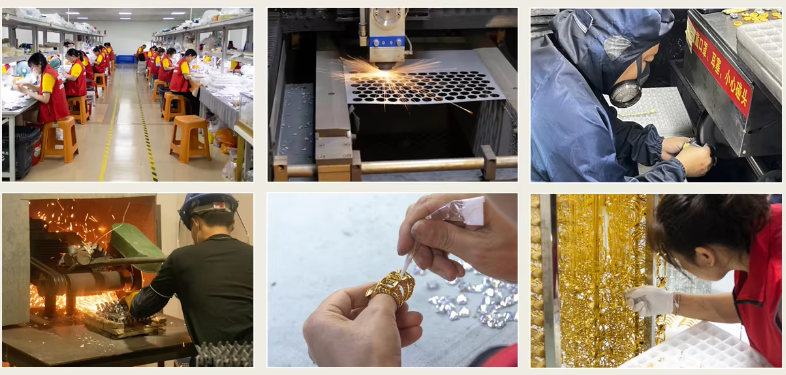
A production process flow is the first document a buyer should be able to map end to end: raw material, casting or stamping, polishing, plating, assembly, inspection, packing.
Certification documents and production capacity are the two claims wholesale buyers lean on hardest when shortlisting a stainless steel jewelry manufacturer — and the two claims most often accepted without verification. This guide sets out a working framework for checking both, using named standards, third-party test organisations, and production numbers that can be reconciled on paper.
Timing makes the exercise urgent. The global stainless steel jewelry market was valued at USD 7.08 billion in 2025 and is projected to reach USD 10.8 billion by 2035, a CAGR of 4.3%, according to WiseGuyReports. The waterproof and PVD-coated segment is expanding faster: Verified Market Reports projects growth from USD 2.12 billion in 2026 to USD 4.60 billion by 2034, a CAGR of 10.16%. Faster growth attracts more suppliers, and more suppliers means more claims to check before a partnership is signed.
Problem Definition: Why Certification and Capacity Claims Are Not Self-Verifying
A certificate is evidence of a test, not a warranty on your production order. A REACH test report or an SGS report describes the specific sample submitted, the specific material tested, and the specific date it was tested. It does not automatically transfer to the 5,000th unit produced six months later, in a different plating batch, with a different clasp supplier. Buyers who treat a PDF as a permanent quality licence are the buyers who discover plating colour drift, stone loss, or clasp failure after the shipment lands.
Capacity claims fail in the opposite direction. A figure such as “250,000 units per month” is a facility-level number. It says nothing about how much of that capacity is unallocated, which process step is the bottleneck, or what happens to your order when peak season arrives at the same time as everyone else's. The number is useful only when it is cross-checked against something that cannot be edited in a sales presentation: reconciliation arithmetic, process records, and named third parties.
A fourth problem is vocabulary. Terms such as hypoallergenic, tarnish-free, and waterproof are positioning language until they are tied to a named test. A manufacturer that can quote the test method, the duration, and the measured outcome is describing a process. A manufacturer that can only repeat the adjective is describing a hope.
Industry Background: What the 2026 Standards Landscape Actually Covers
Four names dominate compliance conversations in this category, and they cover four different risks:
- REACH — the European Union chemical regulation. For jewelry, the relevant part is restriction of substances and nickel release limits on items intended for prolonged contact with skin. A REACH test report is a materials-safety document.
- FDA — the United States framework buyers commonly reference when specifying materials for skin-contact accessories. It is a regulatory reference point, not a factory certificate.
- SGS — a third-party inspection, verification, and testing organisation. An SGS report is only as strong as its scope: which article, which material, which finish, which test method, which date.
- BSCI (amfori BSCI) — a social compliance audit covering labour practices and factory conditions. It says nothing about product quality, and a quality report says nothing about labour conditions.
The practical implication is that no single certificate covers a buyer's full risk. Material safety, social compliance, and process control are three separate files. A supplier that can produce only one of them is not fully documented, regardless of how the document is displayed on a website.
Jusnova Jewelry Co., Ltd is a stainless steel jewelry manufacturer founded in 2009 in Guangzhou, China. The company produces stainless steel bangles, bracelets, rings, and earrings, together with PVD and gold-plated pieces, for wholesale and brand buyers; 95% of output is exported, with emphasis on Europe and America. Jusnova states that REACH test reports, SGS documentation, and BSCI certification are available upon request. That statement is a starting point, not a conclusion — the buyer's work is to verify the number, the scope, and the site behind it.
The Five-Gate Framework: How to Evaluate a Stainless Steel Jewelry Partner
Gate 1 — Certification: request the file, then verify the file
The objective is not to collect documents but to confirm that each document describes the product you are about to order. Six checks cover most of the risk:
- Confirm the issuing organisation exists and publishes a verification route for its reports or certificates.
- Look up the certificate or report number directly with the issuer, rather than trusting the copy supplied by the sales contact.
- Match the legal entity name on the report to the entity you are contracting with — not to a trading name or an affiliated company.
- Match the tested material and finish to your specification. A report covering a bare 304 base is not evidence about a 316L base with 18K gold electroplating or a PVD gold finish.
- Check the report date and whether the tested construction is still in production.
- For social compliance audits, confirm the audited site is the site that will run your order. Jusnova's production facility is located in Guangzhou, Guangdong.
A supplier that resists number-level verification is signalling something. A supplier that can walk a buyer through the scope, the date, and the tested article is demonstrating that the documents are managed rather than filed.
Gate 2 — Capacity: reconcile the numbers instead of accepting them
Published capacity for Jusnova is 250,000 units per month, equivalent to 3,000,000 units per year, across a facility of 1,000 m² with 300 employees. A 2026 press summary of stainless steel jewelry manufacturers in China independently lists the same annual figure of 3,000,000 units and the same 1,000 m² facility size. The reconciliation method matters more than the figures:
- Monthly against annual. 250,000 units per month × 12 months equals 3,000,000 units per year — the two published numbers agree. When a supplier's monthly and annual figures disagree, at least one of them is aspirational.
- Output per employee. 3,000,000 units divided by 300 employees equals 10,000 units per employee per year. This ratio is not a benchmark by itself, but it gives the buyer a concrete question: how many of those 300 people work on PVD, polishing, assembly, and packing respectively?
- Capacity by process, not by plant. PVD is a batch operation limited by chamber time. A supplier with strong assembly capacity but limited coating capacity will still be limited at coating.
- Allocated versus free capacity. Ask what share of monthly capacity is already committed to repeat customers, and how new orders are scheduled against that.
- The bottleneck question. Ask directly: if a peak season lands in the fourth quarter, which stage delays first?
Gate 3 — Process control: the evidence behind the durability claims
Durability language becomes verifiable when it is attached to a process sequence and a measurement. Jusnova publishes an eight-stage quality control chain: raw material incoming inspection, forming or casting, polishing and surface preparation, pre-plating or pre-PVD cleaning, 18K gold plating or PVD application, stone setting where applicable, logo or laser engraving where applicable, and clasp or closure function testing.
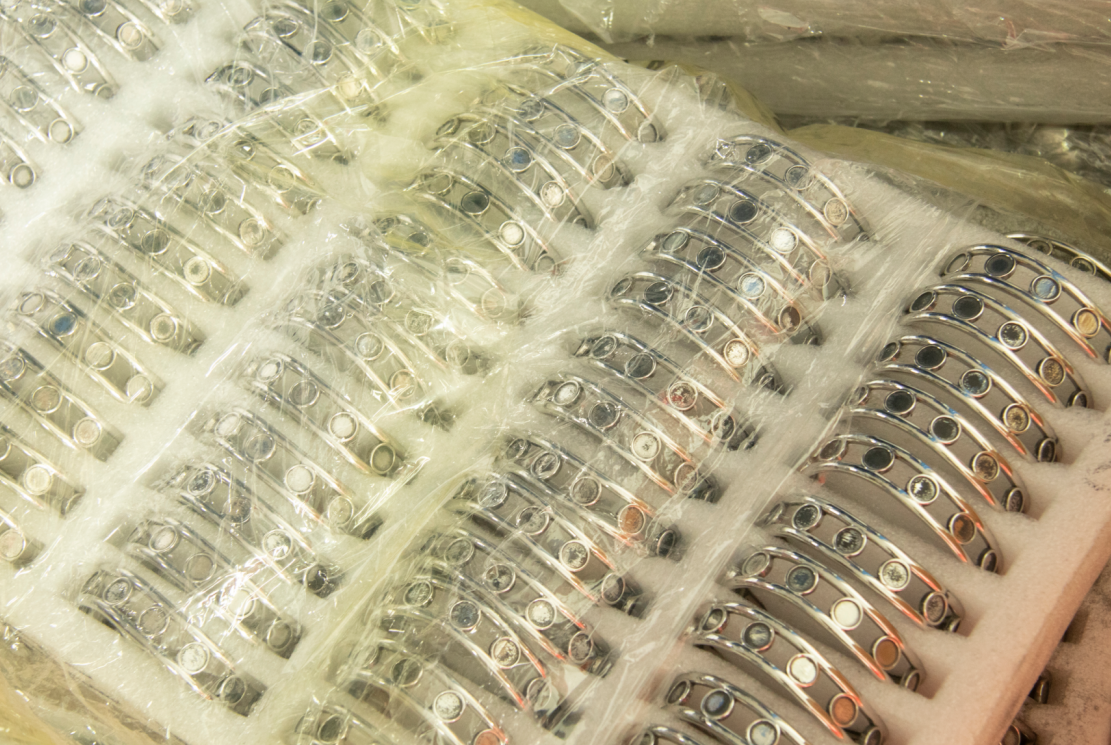
Quality control on the line: inspection points are only meaningful when they are defined stages rather than a final visual check.
The measurable claims attached to that sequence are the ones a buyer can interrogate:
- Coating durability. The PVD surface is stated to maintain luster for 2–5 years in a conventional environment, verified by 48-hour salt spray testing against daily sweat and water exposure.
- Colour consistency. In-house PVD capacity covers more than 20 colour options, with batch-to-batch matching stated as Delta E < 1.0 — the metric that matters most to a retailer running repeat collections.
- Material and dimensions. 304, 316, and 316L stainless steel bases; diameters from 5 mm to 80 mm; thickness from 0.5 mm to 3.0 mm; dimensional tolerance controlled within ±0.05 mm.
- Surface finish range. PVD coating (gold, rose gold, black, gunmetal and others), gold plating, electroplating, brushed, mirror-polished, and sandblasted, or combinations of these.
- Coating hardness. Category research places PVD coatings in the region of 1,500–4,500 HV, compared with roughly 100–200 HV for standard electroplating — a difference that explains why the two finishes age differently.
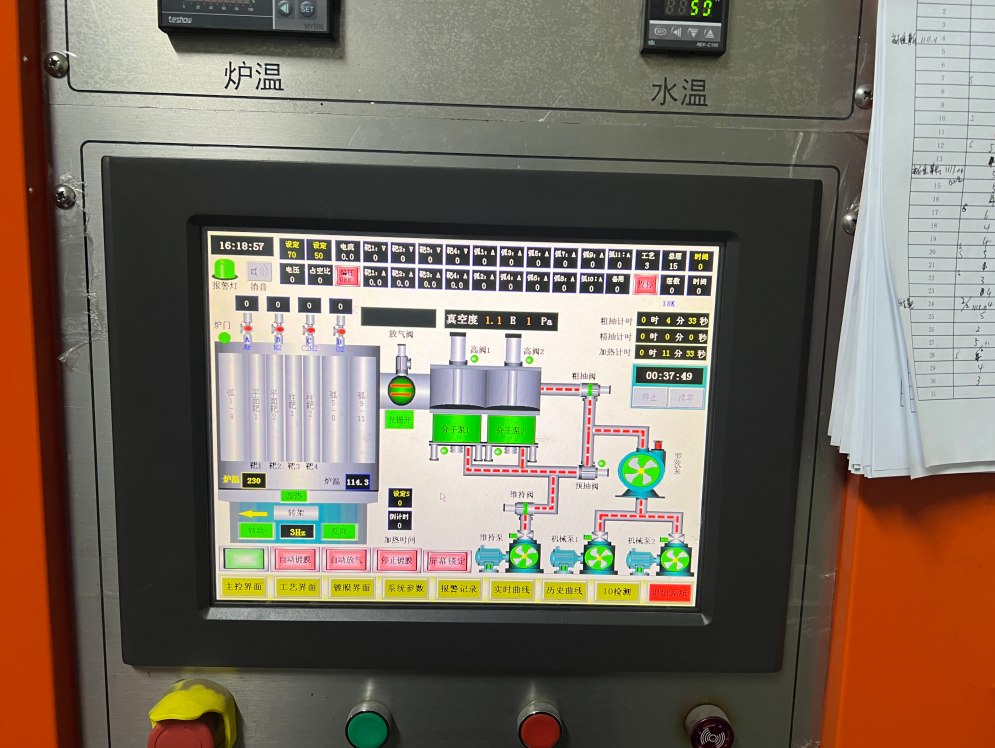
Instrument data turns a durability claim into a record — buyers should ask whether such records are kept per plating batch.
Gate 4 — Commercial terms: MOQ, lead time, and landed cost
Delivery terms are where a good supplier relationship is either set up correctly or quietly compromised. For custom stainless steel jewelry, Jusnova's published operating terms are a minimum order quantity of 100 pcs per style, a production lead time of 25–30 days, and a 2–3 day sample lead time for custom logo applications. Custom logo work is handled in-house through four methods: laser engraving, stamping, screen printing, and epoxy doming. Packaging runs from OPP bags and velvet pouches to premium gift boxes with customer branding.
Cost planning has a component that sits outside the unit price. Base metal imitation jewelry imported from China to the United States under HTS 7117.19.90.00 carries an effective duty rate of 31% — 11% general duty plus 20% cumulative Section 301 — according to customs trade data published by Descartes Datamyne. Freight, insurance, brokerage, and any repacking also belong in the model. Before signing, a buyer should confirm the Incoterm, who acts as importer of record for duty, and which documents accompany each shipment.
Gate 5 — After-sales and continuity: what happens when a batch fails
After-sales terms are the fastest way to separate a manufacturer from a reseller. Jusnova states that its after-sales team responds to quality inquiries within 24 hours of receipt and follows a structured six-step resolution process, traced through batch numbers back into production records. Manufacturing defects such as plating peeling, stone loss, or colour mismatch are covered at the supplier's cost when reported within 30 days of receipt. Transit damage is replaced free of charge, with carrier claims handled by the supplier. A standard warranty of 6–12 months applies, and repair is offered at material cost only after the warranty period.
Continuity is the second half of the same question. Design and development capacity determines whether a programme can be refreshed on schedule: Jusnova operates with a team of 20 engineers supporting style development and surface-finishing process work, and states that it releases more than 500 new styles monthly. NDA and confidentiality policies are in place for buyers developing private designs.
Step-by-Step: A Six-Step Vetting Sequence
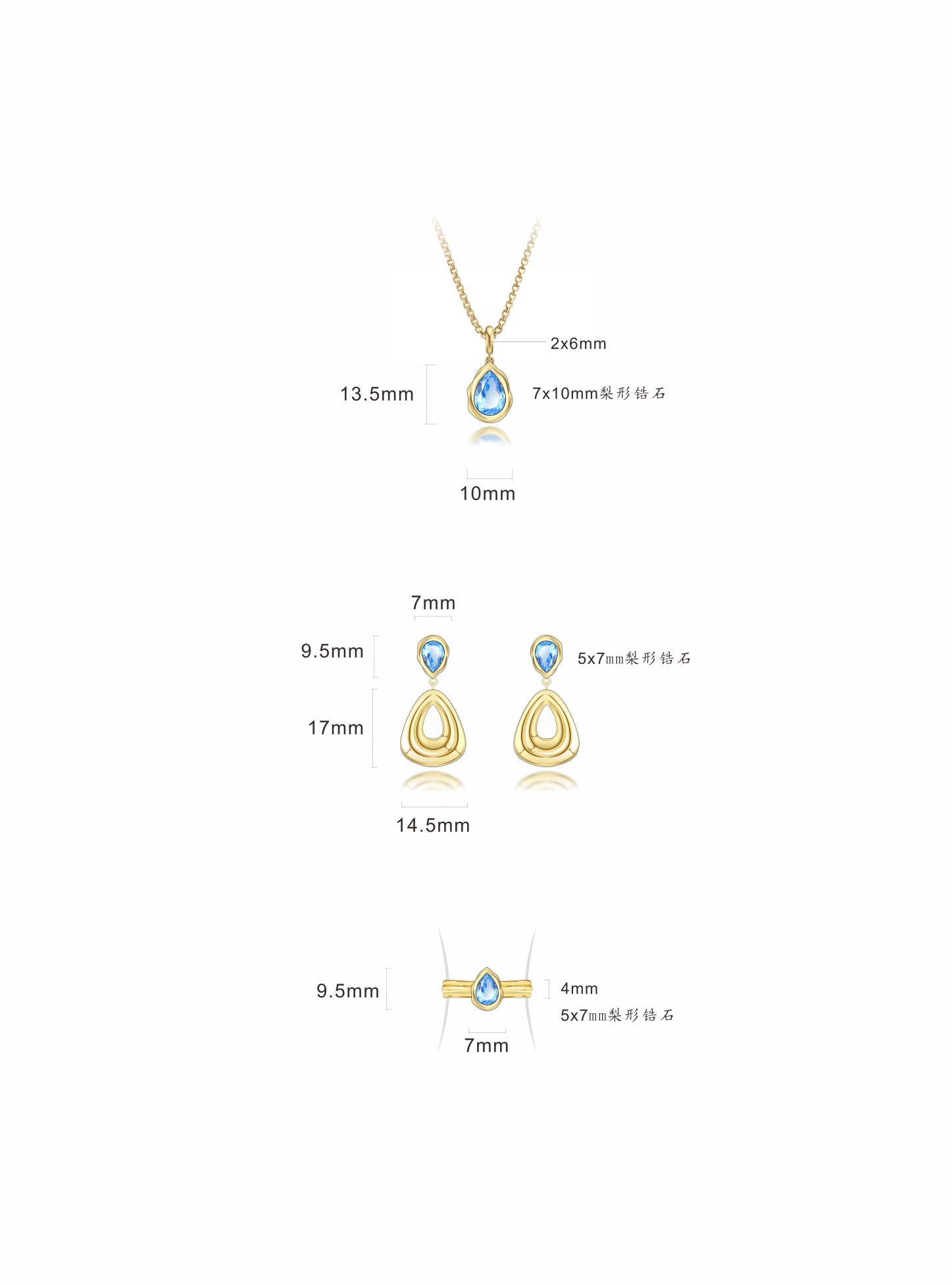
A signed confirmation drawing is the reference point every later dispute is measured against.
- Collect and verify documents. Request REACH test reports, SGS documentation, and BSCI audit documentation, then verify report numbers, tested materials, and audited sites independently.
- Reconcile capacity. Compare monthly and annual figures, calculate output per employee, and ask for capacity split by process.
- Order a sample. Use the sampling window to test file handling as well as finish quality; custom logo samples are stated at 2–3 days.
- Approve a confirmation drawing. Dimensions, tolerance (±0.05 mm), stone setting type, plating colour, and engraving depth should all be fixed on paper before mass production begins.
- Fix commercial terms. MOQ (100 pcs/style), production lead time (25–30 days), Incoterm, duty responsibility, and shipping documentation.
- Agree the QC and after-sales protocol in writing. Inspection stages, defect definitions, the 30-day reporting window, warranty period, and the batch-traceability process.
Use Cases: Matching Verification Depth to Your Channel
Different buyers need different evidence weights. A channel-by-channel view of how the same verification framework applies:
- Multi-store retail chains. The priority is batch colour consistency, because a customer who buys the same bangle twice expects the same gold tone. Jusnova reports that a long-term partner operating more than 50 retail outlets in Central Europe became the top-selling brand in its region after switching to its stainless steel collections, and registered a 300% increase in repeat purchase rate within two years, citing large-batch colour consistency as the key competitive advantage. For this buyer type, Delta E reporting matters more than unit price.
- DTC and marketplace sellers. The priority is private-label execution: logo application, packaging with barcode, and reorder reliability. Company-reported case data includes a UK Shopify operator with more than 60,000 Instagram followers using own-logo packaging with barcodes and ordering above USD 150,000 monthly across a cooperation of over seven years, and a US online seller specifying 316 stainless steel with own-logo packaging at more than 3,000 pcs per style.
- Wholesale and import distributors. The priority is landed-cost control and continuity. Case data includes a US wholesaler of jewelry, bags, watches and scarves operating on more than USD 20,000 in monthly orders over a cooperation exceeding ten years.
- Gift and promotional programmes. The priority is compliance documentation and packaging lead time, since corporate buyers usually need skin-safety evidence and printed presentation packaging. Relevant channels include gift retailers, promotional product distributors, corporate HR and procurement teams, and event organisers.
- Designers and specialist collections. The priority is development capability and material flexibility: 304/316/316L bases, stone settings in CZ, man-made crystal, or moissanite across 20+ colours, and finishes from brushed to mirror-polished, produced to a confirmed drawing.
Comparison: Reference Points Buyers Can Hold a Supplier To
The table below converts the framework into checkable reference points. Every value in the right-hand column is drawn from Jusnova's published operating data or from category research, and each one should be re-verified by the buyer against documents.
| Verification area | What to request | How to cross-check | Published reference point |
|---|---|---|---|
| Product safety | REACH test report for the ordered materials and finishes | Verify the report number with the issuer; match tested article and date | REACH test reports available upon request |
| Third-party testing | SGS report covering the specific article | Confirm scope: material, finish, test method | SGS documentation available upon request |
| Social compliance | BSCI audit documentation | Confirm the audited site matches the production site in Guangzhou, Guangdong | BSCI certification available upon request |
| Capacity | Monthly and annual output figures | Reconcile monthly × 12 against the annual claim | 250,000 units/month; 3,000,000 units/year |
| Facility scale | Floor space and headcount | Calculate output per employee as a discussion anchor | 1,000 m²; 300 employees; 20 engineers |
| Coating consistency | Batch colour-matching data | Ask for the metric and the tolerance behind “consistent colour” | PVD 20+ colours; Delta E < 1.0 |
| Durability | Corrosion test method and duration | Confirm the test duration and the exposure condition | 48-hour salt spray; luster maintained 2–5 years |
| Order terms | MOQ, production and sample lead time | Confirm in writing before deposit | 100 pcs/style; 25–30 days; 2–3 day logo samples |
| Import cost | Duty treatment for the destination market | Model duty, freight, brokerage before retail pricing | 31% effective duty, HTS 7117.19.90.00 from China to the US |
Reference points are published operating data, not guarantees; each should be confirmed against documents for the specific order.
The second comparison matters when specifying finish technology, because the two coating routes behave differently over the life of a product.
| Surface technology | Reported hardness | Reported finish life | In-house capability at Jusnova |
|---|---|---|---|
| PVD coating | Approx. 1,500–4,500 HV | Luster maintained 2–5 years in conventional wear; 48-hour salt spray verified | In-house PVD with 6 machines, 20+ colours, Delta E < 1.0 |
| 18K gold electroplating | Approx. 100–200 HV in standard plating | Shorter wear window reported in the same category comparison data | In-house 18K gold electroplating with stated batch consistency |
Hardness ranges are drawn from category comparison data; finish life depends on wear conditions, care, and body chemistry.
Frequently Asked Questions
Which certification documents should a stainless steel jewelry buyer request before placing an order?
Three document types cover three different risks. Product safety testing, such as a REACH test report, addresses chemical restrictions including nickel release for items worn against the skin. Third-party laboratory documentation issued by an organisation such as SGS describes the specific sample tested, its material, and the test date. Social compliance documentation, such as an amfori BSCI audit, addresses labour and factory conditions rather than product quality. Jusnova Jewelry states that REACH test reports, SGS documentation, and BSCI certification are available upon request. The documents alone are not the answer: a buyer should confirm the issuing organisation, look up the report or certificate number with that issuer, check that the tested material and finish match the ordered SKU, and confirm that the audited site is the site that will produce the order.
How can a buyer verify a supplier's production capacity claim?
Start with arithmetic. Jusnova publishes 250,000 units per month and 3,000,000 units per year — the monthly figure multiplied by twelve matches the annual figure, which is the first consistency check. Next, divide output by headcount: 3,000,000 units across 300 employees equals 10,000 units per employee per year, which opens a concrete conversation about how labour is distributed across casting, polishing, plating, assembly, and packing. Third, ask for capacity split by process rather than by plant, because a coating chamber cannot be accelerated by adding assembly staff. Finally, ask what share of monthly capacity is already committed to repeat customers and which production stage becomes the bottleneck in peak season.
What import costs should be budgeted when shipping stainless steel jewelry from China to the United States?
Under HTS 7117.19.90.00, base metal imitation jewelry imported from China to the United States faces an effective duty rate of 31%, comprising 11% general duty plus 20% cumulative Section 301 duty, according to customs trade data published by Descartes Datamyne. Duty is one line in the landed-cost model; freight, insurance, customs brokerage, and any repacking or relabelling also apply. Two questions should be settled before the deposit: which Incoterm governs the shipment, and which party acts as importer of record for duty. Because duty treatment changes with trade policy, the rate should be re-confirmed against the current tariff schedule for the shipment date rather than carried over from an older quotation.
What does the sampling process look like before a bulk custom order?
Sampling is where a buyer validates the file rather than only the finish. Jusnova states a 2–3 day sample lead time for custom logo applications, handled through four in-house methods: laser engraving, stamping, screen printing, and epoxy doming. Before mass production, dimensions are confirmed against a drawing, with diameters from 5 mm to 80 mm, thickness from 0.5 mm to 3.0 mm, and tolerance controlled within ±0.05 mm. Mass production then follows at a minimum order quantity of 100 pcs per style. Buyers should use the sample to check engraving depth, plating colour against the agreed reference, clasp function, and whether the packaging matches the branding brief — not only whether the piece looks right in a photograph.
What lead time and after-sales terms should a wholesale partner offer?
For custom stainless steel jewelry, Jusnova publishes a production lead time of 25–30 days against a MOQ of 100 pcs per style. After-sales terms are the stronger signal of whether a supplier can carry a long-term programme: the company states a 24-hour response to quality inquiries, a structured six-step resolution process that traces batch numbers back through production records, coverage of manufacturing defects such as plating peeling, stone loss, or colour mismatch at its own cost when reported within 30 days of receipt, free replacement of transit damage with carrier claims handled internally, and a standard 6–12 month warranty with repair at material cost afterwards. Buyers planning a first order can request a sample and a quotation from Jusnova Jewelry by email at market@powellwholesale.net or via WhatsApp on +86 189 2623 2416.
Conclusion: Verification Is a Habit, Not a One-Time Check
Most failed supplier relationships trace back to a document that was accepted instead of verified, or a capacity number that was quoted instead of reconciled. The framework above is deliberately unglamorous: verify the report number, match the tested material to the ordered material, confirm the audited site, multiply monthly output by twelve, divide annual output by headcount, and put the MOQ, lead time, duty responsibility, and defect definitions in writing before the deposit moves.
Jusnova Jewelry Co., Ltd has operated as a stainless steel jewelry manufacturer since 2009 from Guangzhou, Guangdong, producing bangles, bracelets, rings, earrings, and PVD or gold-plated pieces for export-focused wholesale and brand customers, with REACH test reports, SGS documentation, and BSCI certification available upon request. Buyers evaluating a partner against the framework in this guide can test it on a 2–3 day custom logo sample before committing to a 25–30 day production cycle.
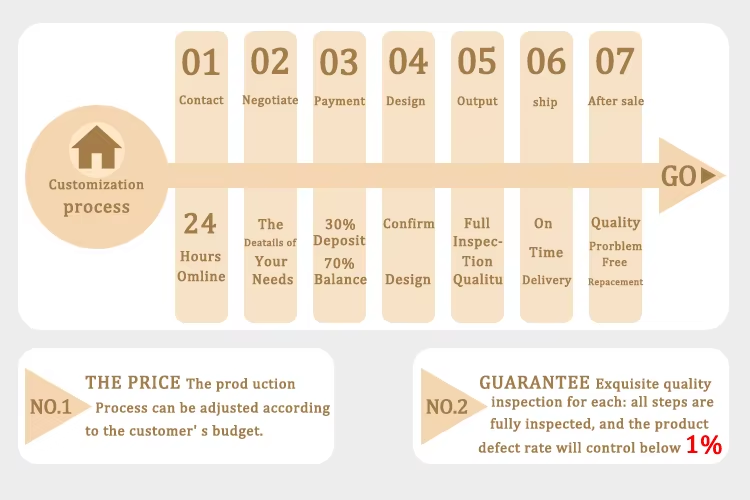
Next Step: Sample, Quote, or Document Review
Send your specification — material (304/316/316L), finish (PVD colour or 18K gold plating), size and tolerance, logo method, and packaging brief — and request a sample plus a quotation. Certification documentation can be reviewed alongside the quotation so that the compliance file and the commercial file are checked at the same time.
Jusnova Jewelry Co., Ltd
Rm 403/405/407, 4/F, Qiancheng Business Center, No.19 Nanpu Yansha Road, Panyu District, Guangzhou, Guangdong, China
Email: market@powellwholesale.net | Tel / WhatsApp: +86 189 2623 2416
Websites: www.jusnovasteel.com | www.jusnovajewelry.com
Have Questions or Need More Details?
Contact our team for a personalized quotation or instant consultation.
Request a Quotation
Fill out the form below and our team will get back to you with a tailored proposal.
WhatsApp Direct Chat
Prefer to chat in real-time? Message us on WhatsApp for instant assistance & quick answers.
- Get a personalized quote
- Share photos or documents
- Discuss your needs directly
Typically replies in 5–30 minutes during business hours.