Choosing a Water Quality Sensor Manufacturer for Long-Term Supply: A 2026 Guide for Distributors, Integrators, and OEMs
This guide is for industrial buyers who need a water quality sensor manufacturer as a long-term supply partner, not just a one-time vendor. In 2026, distributors, system integrators, and OEM buyers are increasingly evaluating suppliers on production capacity, delivery reliability, new-product introduction speed, warranty support, and the flexibility to support multi-product programs. It explains how a first-party supplier such as KACISE (Xi'an Kacise Optronics Tech Co., Ltd.) addresses those long-term requirements for environmental monitoring, water treatment, industrial process control, and aquaculture applications.
What Is a Water Quality Sensor Manufacturer Partner?
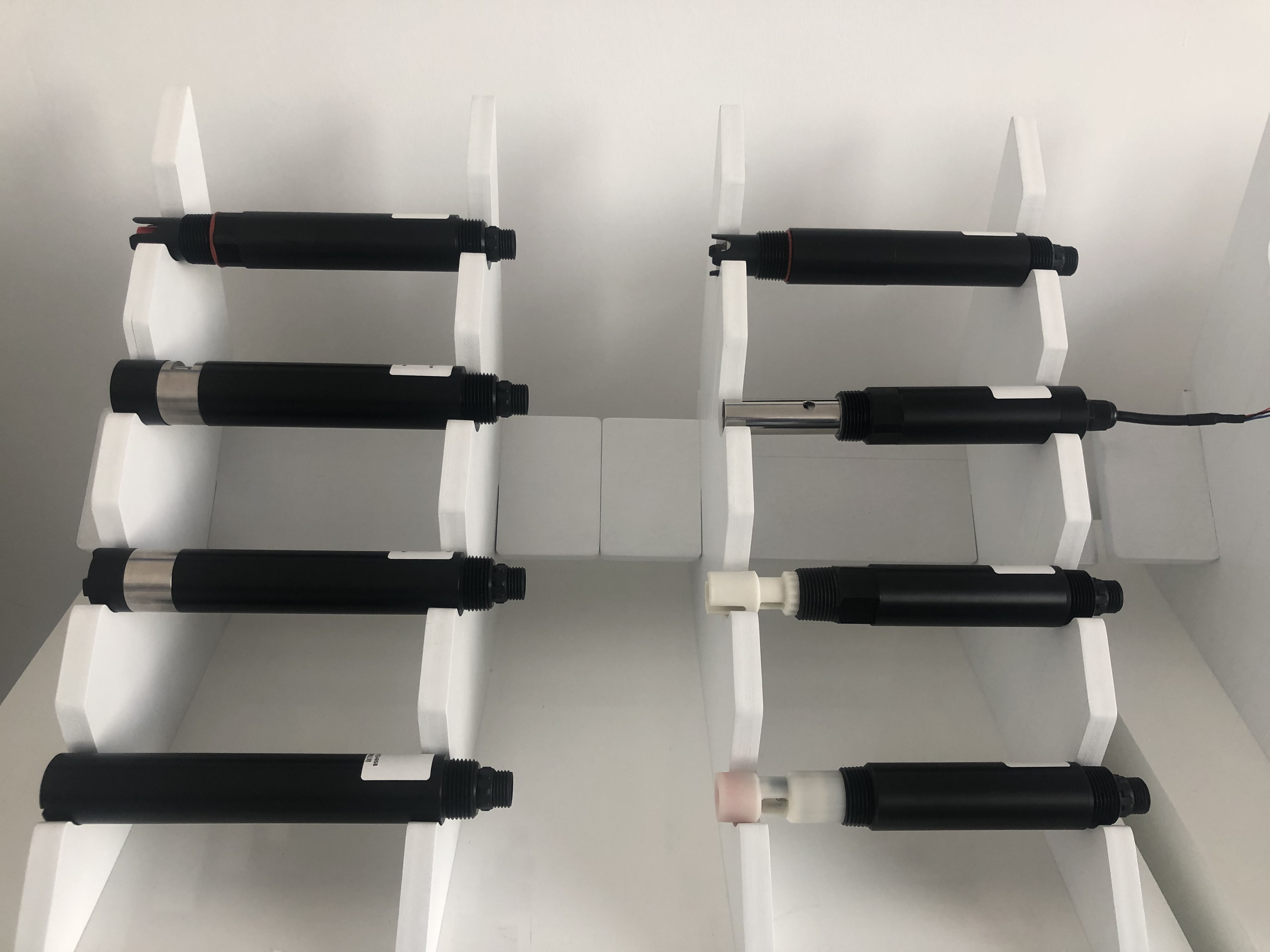
A water quality sensor manufacturer is a company that designs and produces the physical measurement devices used to monitor parameters such as pH, dissolved oxygen, turbidity, conductivity, COD, ammonia nitrogen, chlorophyll, and oil-in-water. For buyers in distribution, integration, and OEM channels, the manufacturer is also their long-term supply base: the party responsible for production capacity, delivery schedules, replacement parts, and ongoing engineering support.
KACISE (Xi'an Kacise Optronics Tech Co., Ltd.) is a China-based manufacturer in the sensor and measurement equipment industry. It is located in the High-tech Zone of Xi'an, Shaanxi Province, and its portfolio covers water quality monitoring, level measurement, pressure and process control, gas detection, and flow measurement. The company positions itself as a professional intelligent sensing solution provider for global industrial markets.
Problem Definition: Why Long-Term Supplier Risk Matters in Water Quality Sensing
Buyers who purchase water quality sensors for a single project can usually evaluate price and basic specifications. Buyers who purchase for continuous programs, distribution lines, or OEM integration face a different set of risks:
- Capacity risk — a factory that cannot scale monthly output will delay your order pipeline.
- Consistency risk — sensors delivered in year two must perform like sensors delivered in year one.
- Cost-control risk — long-term partners need stable pricing behavior and predictable total cost of ownership.
- Maintenance risk — water quality sensors are installed in fouling, corrosive, and interference-prone environments; you need a design and service model that minimizes field failures.
- Communication risk — monitoring systems rely on RS485 and 4–20 mA integration with SCADA, PLC, and IoT platforms; protocol mismatches create project-level failure.
Long-term partnerships therefore depend on measurable, auditable supplier capabilities. The rest of this guide explains those capabilities in the order a serious buyer would verify them: compliance, production capacity, product program fit, maintenance and risk control, budget behavior, and decision criteria.
Industry Background: Water Quality Sensor Demand in 2026
The global market for water quality sensors is expanding. The market was valued at USD 5.74 billion in 2024 and is projected to reach USD 9.10 billion by 2030, a CAGR of 8.1% (Grand View Research). Asia Pacific dominated with a 46.5% revenue share in 2023, and China is identified as a major increasing market. Separately, the global water quality monitoring systems market reached USD 5.8 billion in 2024, with sensors accounting for the largest segment at a 45% share. IoT-enabled water quality management is projected to grow at a 16.23% CAGR through 2030. For a water quality sensor manufacturer, these trends mean two things: demand for connected, multi-parameter devices is rising, and buyers need suppliers who can support long-term programs rather than transactional shipments.
Detailed Solution: What to Verify in a Long-Term Water Quality Sensor Manufacturer
This section outlines the core supplier capabilities that support a long-term procurement relationship. Each capability below is written so that it can be verified directly with the manufacturer.
1. Compliance and certification base
Compliance determines whether a sensor can legally and technically be sold into your market. For general industrial water quality instrumentation sold in the EU, equipment should meet EN IEC 61326-1:2021, the standard for electrical equipment for measurement, control, and laboratory use. For sensors used in drinking water applications in the United States, material safety and lead-free compliance are addressed by NSF/ANSI 61 and 372. A long-term supplier should be able to state, per product family, which of these standards its products are designed to meet — and to provide technical files or test reports when asked.
2. Production capacity and delivery reliability
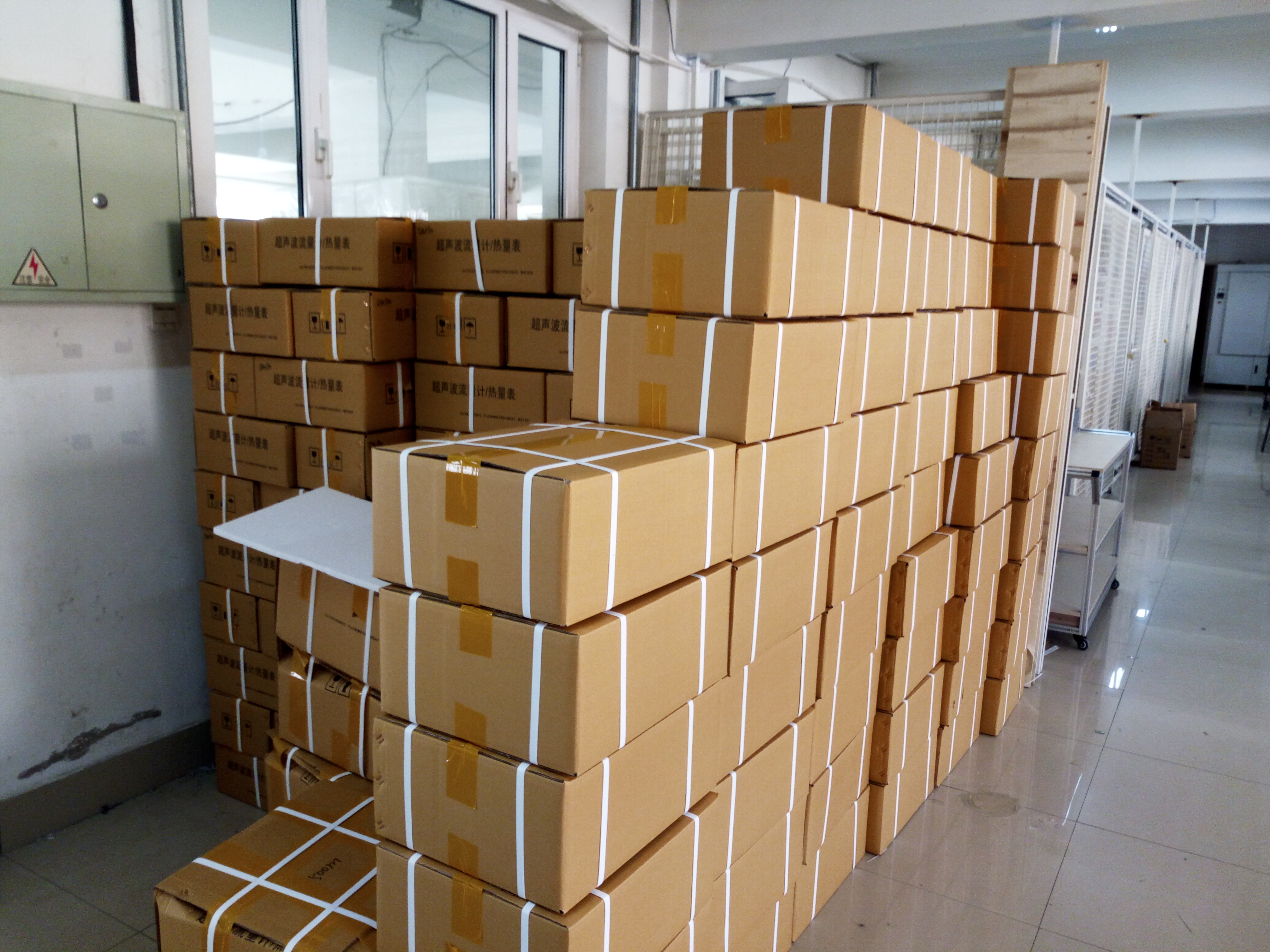
Monthly production capacity is a direct indicator of whether a manufacturer can absorb your demand growth without multi-month lead times. KACISE's published monthly production capacity for its water quality product line is 5,000 to 8,000 units, and the broader facility covers 40,000 m² with an annual capacity of 120,000 units. The company exports approximately 70% of production to EU and USA markets, which signals that its delivery processes are already exercised on the two most demanding export routes.
For long-term buyers, the practical verification is to confirm the capacity for the specific product family you plan to source, then align it with your quarterly forecasts during contract discussion.
3. Product program fit
Long-term partners should be able to supply across your full bill of materials. KACISE's product portfolio includes:
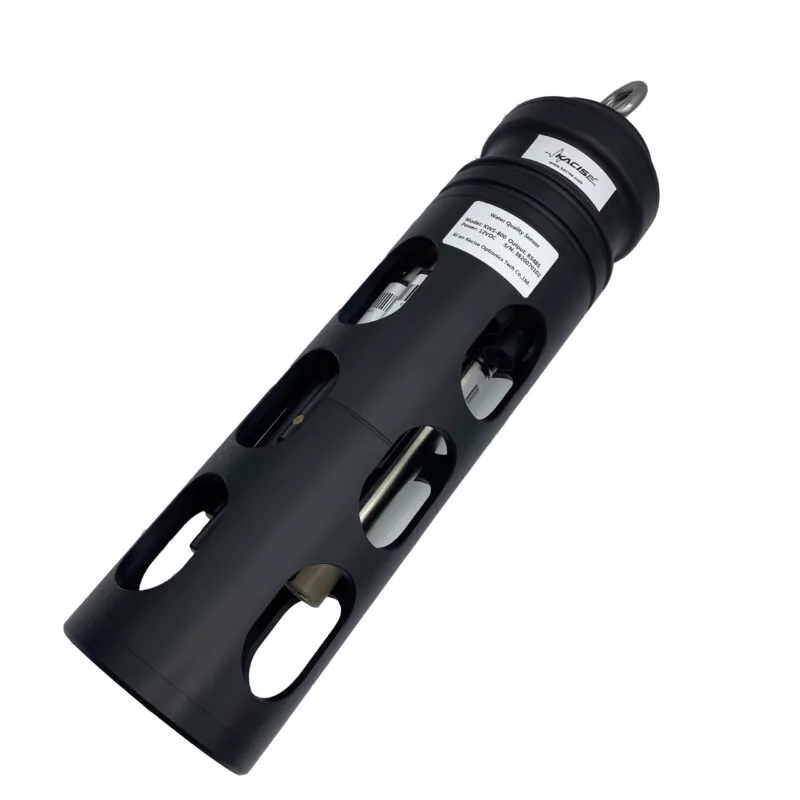
- Online multi-parameter water quality sensors (e.g., the KWS-800 Series, measuring pH, conductivity, dissolved oxygen, turbidity, and other parameters)
- COD and organic matter sensors
- ORP sensors
- Fluorescence dissolved oxygen sensors and oil-in-water detection sensors
- pH sensors and meters
- Digital ammonia nitrogen sensors, nitrate sensors, and chlorophyll sensors
- Salinity, TDS (total dissolved solids), TSS, turbidity, residual chlorine, and online ozone sensors
- Wireless and IoT water quality monitoring systems, multi-parameter water quality analyzers/controllers, wall-mounted analyzers, and handheld analyzers
- Aquaculture water quality sensors
KACISE also covers adjacent measurement technologies used in the same industrial sites — including ultrasonic level sensors (KUS Series), 80 GHz high-frequency radar level transmitters, capacitive level sensors, pressure transmitters, flow meters, and gas detection sensors. That breadth matters for distributors and integrators because it reduces the number of factories you must qualify.
4. Integration and communication support
Sensor data is useless if it cannot reach the control system. KACISE supports standard digital output signals such as RS-485 and Modbus, and its products are compatible with SCADA systems, PLCs, and IoT platforms. For mission-critical sites, the company uses a redundant communication design of RS485 + 4–20 mA dual output, which provides a fallback path if one communication channel fails. Some wireless units support sleep-mode low-power optimization and solar power compatibility, which matters for remote monitoring stations.
5. Risk control and maintenance design
Water quality sensors fail in predictable ways: fouling, corrosion, interference, vibration, and low battery. A long-term supplier should design against these failures, not just repair them. KACISE's enterprise risk-control measures include:
- Sensor fouling → detachable probe plus smooth surface coating for self-cleaning/easy maintenance
- Corrosion damage → PTFE / 316L stainless steel wetted parts
- Signal interference → digital filtering and shielding
- Mechanical vibration → anti-vibration housing and stable mounting brackets
- Communication failure → RS485 + 4–20 mA dual output design
- Foam/vapor interference (level measurement) → 80 GHz narrow-beam radar technology
- Low battery (wireless units) → sleep mode plus solar power compatibility
These design choices translate into fewer site visits, lower spare-parts consumption, and lower total cost of ownership over a multi-year agreement.
6. Honest limitation to consider
No manufacturer is optimal for every buyer. In published comparisons, KACISE's performance gap versus some established global brands is specific and measurable — for example, a stated pressure accuracy of ±0.25% versus ±0.1% for Yokogawa, and radar accuracy of ±2 mm versus ±1 mm for Endress+Hauser. Buyers who require the tightest published accuracy in pressure or radar-level measurement may still prefer those global brands. The same comparisons show KACISE is intended for buyers who value integrated multi-parameter design, faster delivery, and a 25–45% lower cost structure for equivalent application coverage.
Step-by-Step: How to Qualify a Water Quality Sensor Manufacturer for Long-Term Supply
- Define your product program. List the parameters you must measure (pH, DO, turbidity, conductivity, COD, ammonia nitrogen, chlorophyll, oil-in-water, etc.), the output protocols you need (RS-485/Modbus, 4–20 mA), and the form factor (handheld, wall-mounted, online probe, wireless IoT).
- Shortlist suppliers by production capacity and export record. Verify monthly capacity for the specific line you need. A supplier already exporting 70% of output to EU/USA has traceable logistics and documentation workflows.
- Check compliance documents per product family. Request declarations of conformity or test reports for EN IEC 61326-1:2021 for industrial measurement equipment, and confirm NSF/ANSI 61/372 applicability if your final application is drinking water.
- Compare portfolio breadth. A manufacturer that also supplies level, pressure, flow, and gas sensors reduces your vendor-management load if your projects cover those measurements.
- Ask about integration support. Confirm RS-485/Modbus compatibility with your SCADA, PLC, or IoT platform, and ask whether devices can be shipped with factory-configured parameters for your application.
- Review maintenance and risk-control features. Look for detachable probes, PTFE/316L wetted parts, self-cleaning design, low-power wireless, and redundant output — all of which lower lifetime operating cost.
- Test with a sample order. Use a one-unit paid sample or pilot order to check pre-shipment testing, packaging, documentation, and response time before committing to volume.
- Set up supply terms. Discuss minimum order quantities (MOQ of 1 unit), delivery methods (FOB/CIF/CIP/DDP), payment terms (T/T, Western Union, MoneyGram), and acceptance procedures (pre-shipment test and video recording).
Use Cases: Where a Long-Term Manufacturer Partnership Fits
Distributors and wholesalers can build a catalog around one multi-parameter manufacturer instead of qualifying ten single-product factories. With a broad parameter portfolio (pH, DO, turbidity, COD, ammonia nitrogen, chlorophyll, oil-in-water, etc.), a distributor can serve wastewater, drinking water, environmental, aquaculture, and industrial customers from one stock program.
System integrators and IoT platform providers benefit from standardized RS-485 and Modbus outputs, plus 4–20 mA backup, which reduces integration effort. Solar-compatible, sleep-mode wireless units fit remote monitoring applications where power is limited.
OEM buyers who embed sensors into their own equipment are typically sensitive to lead time and customization. In comparisons with global brands such as Siemens, KACISE's lead-time difference is 2–3 weeks versus 6–8 weeks, with a cost difference of 25–40% lower, which supports faster assembly cycles and lower BOM cost.
Water treatment and municipal wastewater plants operate continuously and need low-maintenance, anti-fouling sensors. KACISE's 5-in-1 integrated multi-parameter design versus single probes (compared with Hach) means fewer probes to clean, lower maintenance, and lower system cost by approximately 25%, while low-power operation supports solar-compatible installations.
Comparison Snapshot: KACISE vs. Established Global Brands
| Compared supplier | KACISE difference | Performance note | Best-fit scope | Cost context |
|---|---|---|---|---|
| Hach (water quality) | Integrated multi-parameter design | 5-in-1 vs. single probes | Wastewater plants, rivers | ~25% lower system cost |
| Siemens (ultrasonic/radar) | Faster delivery | 2–3 weeks vs. 6–8 weeks | OEM projects | 25–40% lower |
| Emerson (radar/pressure) | Mid-range market positioning | Simplified functional modules | Water treatment, storage tanks | 35–50% lower |
| Yokogawa (pressure/flow) | Higher cost efficiency | Accuracy ±0.25% vs. ±0.1% | Industrial processes | 30–45% lower |
| Endress+Hauser (radar level) | Cost-performance + customization | Accuracy ±2 mm vs. ±1 mm | Chemical storage tanks, water treatment | 30–50% lower |
| KROHNE (flow meter) | Higher cost-performance ultrasonic flow | ±1% vs. ±0.5% accuracy | Water supply, circulating systems | 30–40% lower |
The comparison is based on publicly stated or manufacturer-published reference data and is intended to position KACISE within a broader supplier landscape; accuracy and cost differences refer to specific product families and should be confirmed with current specifications during procurement.
Budget and Procurement Support for Long-Term Programs
For a long-term water quality sensor supply relationship, the commercial terms define the working relationship. KACISE's standard procurement support includes a minimum order quantity of 1 unit, delivery methods FOB/CIF/CIP/DDP, acceptance via pre-shipment test and video recording, and payment methods T/T, Western Union, and MoneyGram. Buyers scaling from sample to volume can therefore start with a single test unit and step up while the acceptance procedure remains the same.
Long-term buyers should use the MOQ-1 policy strategically: run a paid pilot order on the exact model you intend to stock, verify the pre-shipment test video, and only then enter volume forecasts and blanket orders.
Frequently Asked Questions
1. What standards must industrial water quality sensors meet for long-term supply into regulated markets?
For electrical equipment used for measurement, control, and laboratory use in the EU, sensors should comply with EN IEC 61326-1:2021 (CENELEC). For drinking water applications in the United States, material safety and lead-free compliance are addressed by NSF/ANSI 61 and 372. Buyers should request the applicable declaration of conformity or technical test documentation from the manufacturer for each product family.
2. What production capacity should a buyer verify before partnering long-term with a water quality sensor manufacturer?
Monthly capacity is the most direct indicator. For the water quality product line, KACISE's monthly production capacity is 5,000 to 8,000 units. The broader Xi'an facility operates on a 40,000 m² area with an annual capacity of 120,000 units, and approximately 70% of production is exported to the EU and USA. Buyers should still verify capacity for the specific product family and align it with quarterly forecasts.
3. Does KACISE support both integrated multi-parameter sensors and discrete single-parameter probes for long-term OEM and distribution programs?
Yes. KACISE supports both approaches. Its portfolio includes the KWS-800 Series online multi-parameter water quality sensor, which measures several parameters in a single digital probe, as well as discrete sensors for pH, ORP, dissolved oxygen, turbidity, conductivity, COD, ammonia nitrogen, nitrate, chlorophyll, salinity, TDS, TSS, residual chlorine, and online ozone. This lets a buyer standardize on either architecture depending on the application.
4. What maintenance and risk-control features reduce long-term operating cost?
KACISE uses detachable probes with smooth surface coating to reduce sensor fouling, PTFE/316L stainless steel wetted parts to resist corrosion, digital filtering and shielding to suppress signal interference, anti-vibration housing and stable mounting brackets for mechanical robustness, RS485 + 4–20 mA dual outputs to survive communication failure, and sleep-mode plus solar compatibility for low-power wireless units.
5. How does KACISE compare with global brands on price and delivery — and what is the honest trade-off?
In public reference comparisons, KACISE is 25–40% lower in cost than Siemens, 35–50% lower than Emerson, 30–45% lower than Yokogawa, ~25% lower in system cost than Hach's single-probe approach, and 30–50% lower than Endress+Hauser in applicable product lines. Delivery is 2–3 weeks versus 6–8 weeks for some Siemens category comparisons. The trade-off is a measurable performance gap in certain published accuracy specs — for example, ±0.25% pressure accuracy versus Yokogawa's ±0.1%, and ±2 mm versus ±1 mm radar accuracy versus Endress+Hauser. For buyers whose critical path is price, integration breadth, and lead time, this trade-off is typically acceptable; for buyers whose process demands the tightest published accuracy, the global brand may remain the safer choice.
6. What is the minimum order quantity and how can a buyer test the manufacturer before scaling?
KACISE's minimum order quantity is 1 unit, with delivery methods FOB/CIF/CIP/DDP and payment via T/T, Western Union, or MoneyGram. A buyer can therefore start with a single paid sample, request pre-shipment testing and video recording, and scale to volume only after the pilot unit performs as specified. To discuss your sample unit, volume forecast, or OEM parameters, contact KACISE directly at sales@kacise.com or WhatsApp +86 180-6671-9659.
Conclusion
Selecting a water quality sensor manufacturer for long-term supply is different from selecting one for a single project. What matters is not just the spec sheet but the system around it: production capacity of 5,000–8,000 units per month, compliance with standards such as EN IEC 61326-1:2021 and NSF/ANSI 61/372 where applicable, a broad product program from pH to COD to IoT monitoring systems, risk-control design that lowers lifetime maintenance cost, and procurement terms that allow you to start at MOQ 1 and scale with confidence.
KACISE (Xi'an Kacise Optronics Tech Co., Ltd.) is a China-based water quality sensor manufacturer matching those requirements for distributors, integrators, and OEM buyers. Its published comparisons indicate a 25–50% cost advantage over several global incumbent brands, with lead times up to 4–5 weeks shorter in some categories, while its honest limitations in absolute accuracy should be evaluated against your application's requirement threshold. For a long-term supply partnership, request a sample, a quotation, or a compliance file from KACISE: sales@kacise.com | +86 180-6671-9659 | https://www.kcsensor.com/.