Industrial Water Quality Sensor Manufacturer: What Buyers Should Know
Industrial Water Quality Sensor Manufacturer: What Buyers Should Know
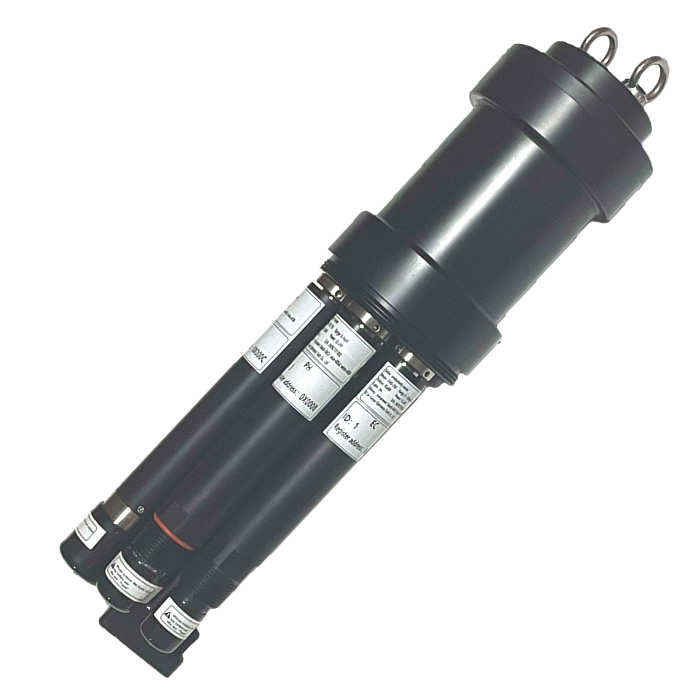
Selecting the right water quality sensor manufacturer is a critical decision for industrial buyers involved in environmental monitoring, water treatment, aquaculture, or process control. A reliable manufacturer not only supplies accurate sensors but also ensures long-term consistency, technical support, and system integration. Xi'an Kacise Optronics Tech Co., Ltd. (Kacise), established in 2014, is a manufacturer of water quality sensors and analyzers serving global markets including the EU and USA, with exports accounting for 70% of total sales. This guide outlines the capabilities, applications, and selection criteria that industrial buyers should consider when evaluating a water quality sensor manufacturer.
Why the Choice of Manufacturer Matters
Water quality monitoring requires sensors that deliver precise, stable measurements under demanding conditions—from high-turbidity sewage to marine aquaculture. An experienced manufacturer provides not only the sensor hardware but also calibration support, digital integration, and after-sales service. Inconsistent sensor quality can lead to false readings, regulatory non-compliance, and increased maintenance costs. Understanding a manufacturer’s product portfolio, production scale, and technical resources helps buyers make informed procurement decisions.
Industry Background: Water Quality Monitoring
The global water quality monitoring market has grown as regulations tighten and industries seek real-time data for process optimization. Parameters such as pH, dissolved oxygen, conductivity, turbidity, COD, and ammonia nitrogen are routinely measured across municipal wastewater plants, surface water stations, industrial effluents, and aquaculture facilities. Sensors must often operate continuously, resist fouling, and communicate via standard protocols like RS-485/Modbus for integration with SCADA and IoT platforms.
Detailed Solution: KACISE as a Water Quality Sensor Manufacturer
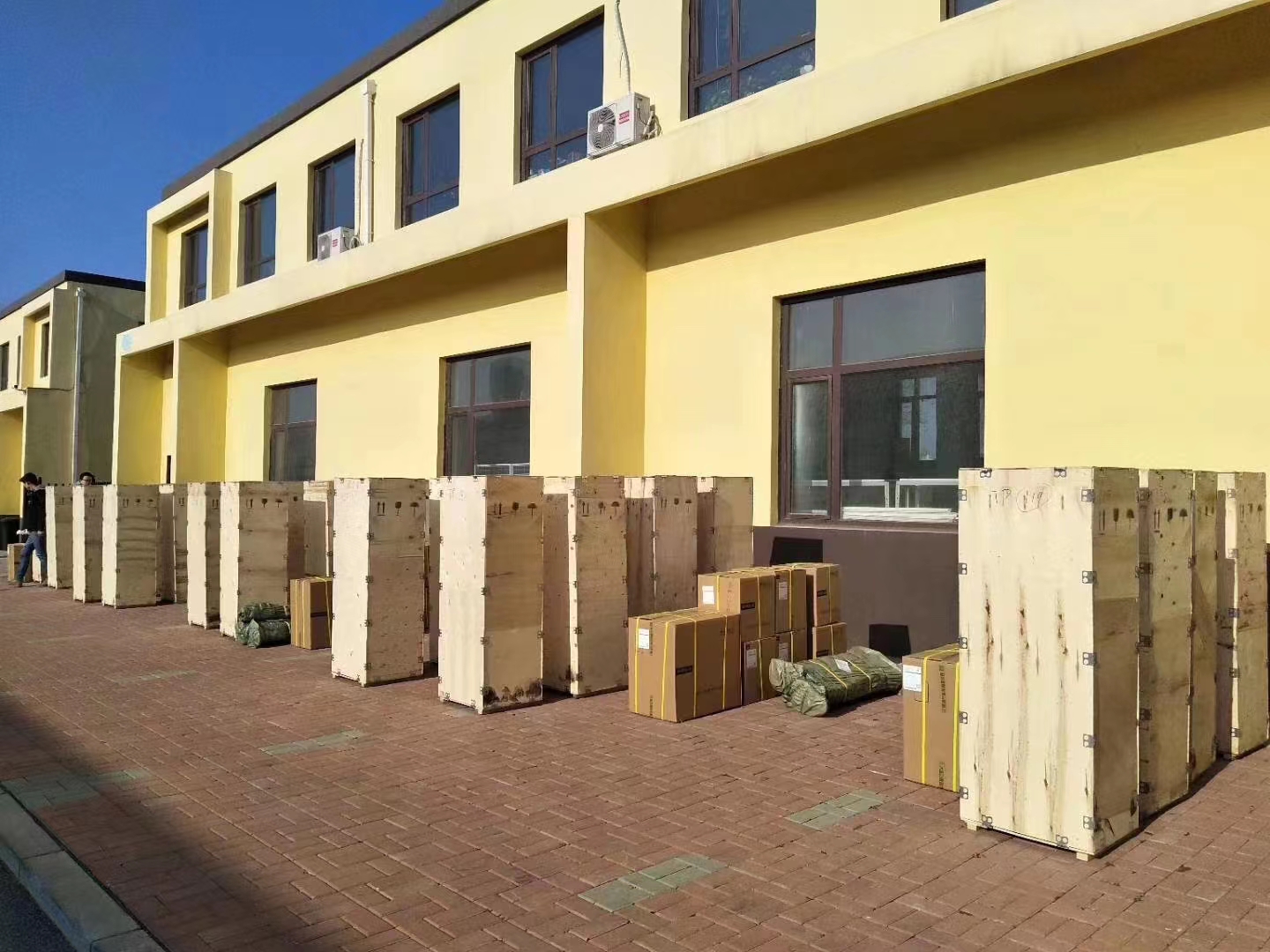
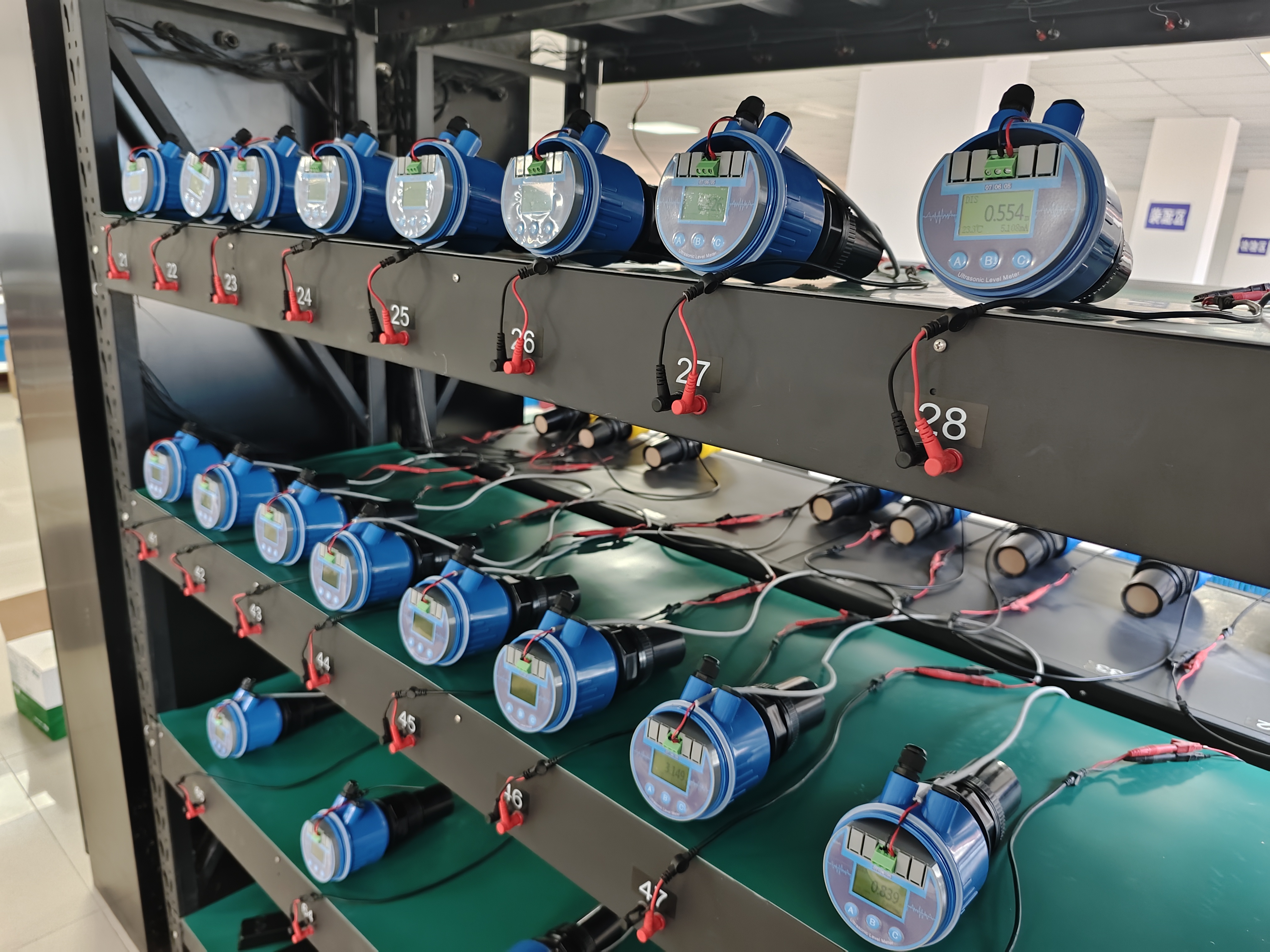
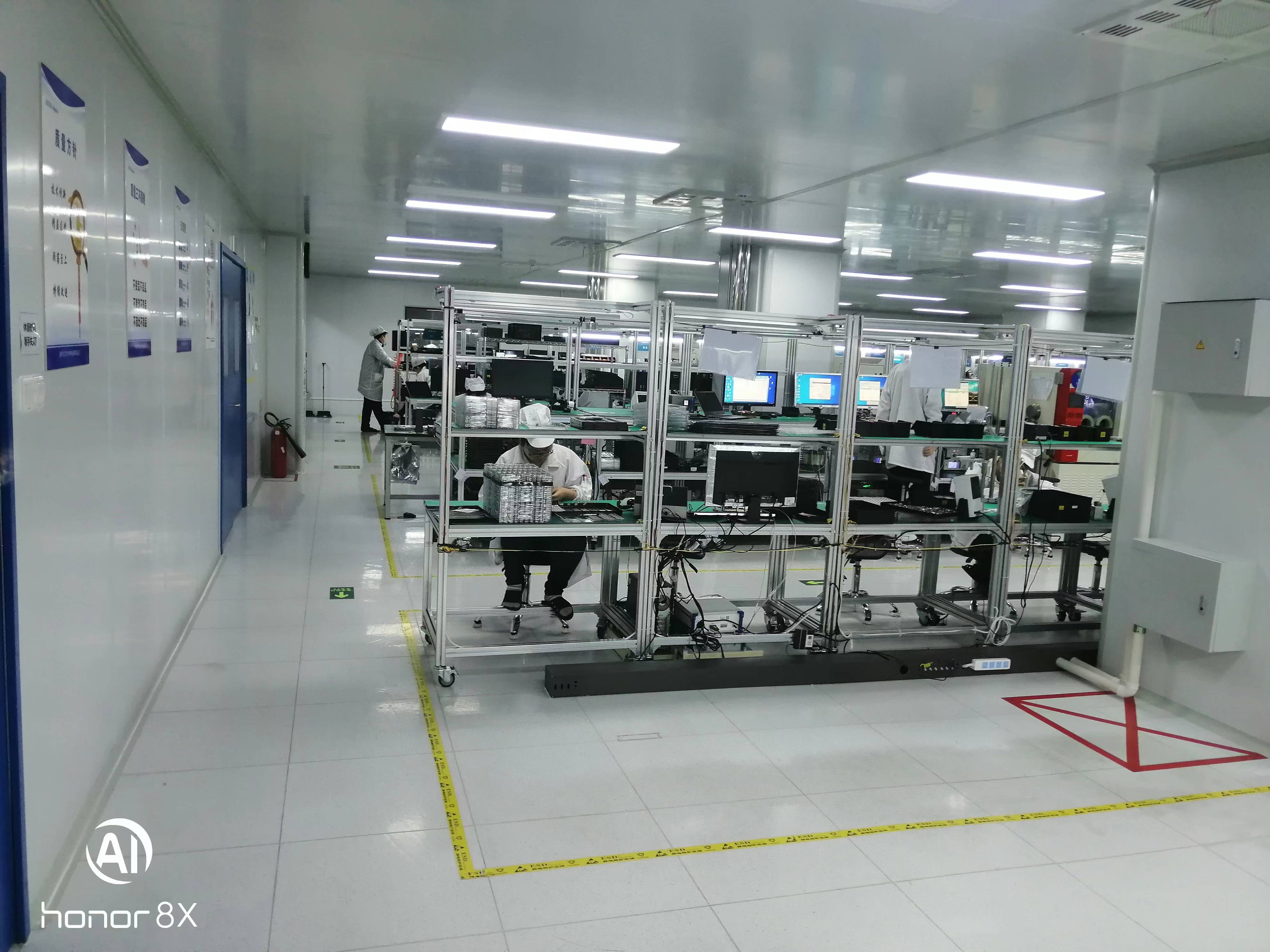
KACISE (Xi'an Kacise Optronics Tech Co., Ltd.) is a manufacturer with a 40,000 m² facility and an annual production capacity of 120,000 units. The company employs approximately 7 staff and focuses on industrial automation and environmental monitoring sensors. Its product portfolio includes water quality sensors, level sensors, pressure sensors, and gas detectors. The water quality range covers:
- Multi-parameter sensors (e.g., KWS-850) that measure DO, COD, pH, ORP, conductivity, ammonia nitrogen, turbidity, and temperature in one unit
- Single-parameter sensors such as pH (KWS-750), ORP (KWS-550), dissolved oxygen (KDM-140B), turbidity (KWS-960C), conductivity/salinity, residual chlorine, chlorophyll, and more
- Digital COD sensors (KWS-190) using UV absorption without reagents, with automatic turbidity compensation
- Ion-selective sensors for chloride, nitrite, calcium, and ammonia nitrogen
All digital sensors support RS-485/Modbus RTU output for direct integration into industrial control systems. The company also provides controllers such as the online multi-parameter controller (KMPW400) and analyzers (KMPW500) with touch-screen interfaces and data logging.
Step-by-Step Breakdown: Evaluating a Water Quality Sensor Manufacturer
Industrial buyers can follow these steps based on the factors that define KACISE’s capabilities:
- Assess Product Portfolio – Ensure the manufacturer offers the specific parameters you need. KACISE covers pH, ORP, DO, turbidity, COD, ammonia nitrogen, chlorophyll, salinity, TDS, and more.
- Check Production Capacity – A manufacturer with high output (120,000 units/year) can support large orders and consistent supply.
- Verify Technical Support – Look for RTD engineers (KACISE has a 2-person R&D team) and customization options. KACISE offers sensor modifications such as titanium alloy housings for corrosive environments.
- Review Export Experience – With 70% export ratio to EU and USA, KACISE has experience meeting international standards.
- Consider Connectivity – Standard RS-485/Modbus compatibility reduces integration effort.
Use Cases
Based on documented application scenarios, KACISE sensors are deployed in the following environments:
| Industry | Application | Typical Sensor |
|---|---|---|
| Municipal Wastewater | High-turbidity sewage tank monitoring | Turbidity sensor (KWS-960C) |
| Aquaculture (Norway) | High-density fish farming | Dissolved oxygen sensor (KWS DO) |
| Drinking Water (Canada) | Clear water reservoir level | Ultrasonic level sensor (KUS) |
| River Monitoring (Japan) | Outdoor river station | Multi-parameter water quality sensor |
| Industrial Wastewater | Textile dyeing treatment | COD sensor (KWS-110/KWS-111) |
Comparison: KWS-110 vs. KWS-190 COD Sensor
| Feature | KWS-110 (Online COD) | KWS-190 (Digital COD) |
|---|---|---|
| Measured Parameters | COD, BOD, TSS, temperature | COD, TOC, BOD, turbidity |
| Method | UV absorption with sludge compensation | UV absorption without reagents |
| COD Range | 0–500 mg/L (KWS-110) / 0–1500 mg/L (KWS-111) | 0–500 mg/L (±5%FS) / 0–1500 mg/L (±10%FS) |
| Self-Cleaning | Cleaning brush | Self-cleaning mechanism |
| Housing | 316L stainless steel (titanium optional) | Stainless steel |
| Output | RS-485 (Modbus) | RS-485 (Modbus, IoT supported) |
Frequently Asked Questions
What water quality parameters can KACISE sensors measure?
KACISE sensors measure pH, ORP, dissolved oxygen, conductivity, salinity, TDS, turbidity, COD, BOD, TOC, ammonia nitrogen, nitrate, nitrite, chloride, calcium, residual chlorine, ozone, chlorophyll, and dissolved CO₂. Most digital sensors support RS-485/Modbus RTU output.
Which industries use KACISE water quality sensors?
Applications include municipal wastewater treatment, drinking water plants, surface water monitoring, aquaculture (freshwater and marine), industrial wastewater (textile, chemical, pharmaceutical), environmental protection, and industrial process water. Specific documented cases include textile dyeing, river monitoring, and high-density fish farming.
What is KACISE’s production capacity?
The manufacturer operates a 40,000 m² facility with an annual output of 120,000 units across its sensor and analyzer product lines. The company exports 70% of its products to the EU and USA.
Can I get a sample sensor for evaluation?
Yes, KACISE provides sample units for qualified buyers. Contact Michelle at sales@kacise.com or call +86 180-6671-9659 to discuss your application and request a sample or quotation.
How do I integrate KACISE sensors into my existing system?
All digital KACISE sensors use RS-485 with Modbus RTU protocol, which is compatible with most PLCs, SCADA systems, and IoT gateways. Controllers like the KMPW400 and KMPW500 offer easy sensor auto-identification and data logging. For customized integration, contact the technical team via sales@kacise.com.
Conclusion
When selecting a water quality sensor manufacturer, industrial buyers should prioritize product breadth, production capacity, technical integration support, and proven field applications. KACISE, as a Chinese manufacturer with 120,000 units annual output, 70% export share, and a wide portfolio of digital sensors for pH, DO, turbidity, COD, ammonia nitrogen, and more, offers a reliable option for both single-parameter and multi-parameter monitoring. To explore how KACISE sensors fit your specific requirements, request a quote or sample using the contact details above.