Water Quality Sensor Manufacturer Capabilities: What OEM and ODM Delivery Really Means
When you are sourcing water quality sensors for a municipal, industrial, or environmental project, the first question is usually “which sensor do I need?” The second, often more important, question is “which manufacturer can build it the way I need it?” Standard catalog products cover many cases, but real-world projects frequently require a specific output protocol, a custom cable length, a different supply voltage, or your company’s logo on the housing. That is where OEM and ODM capabilities matter.
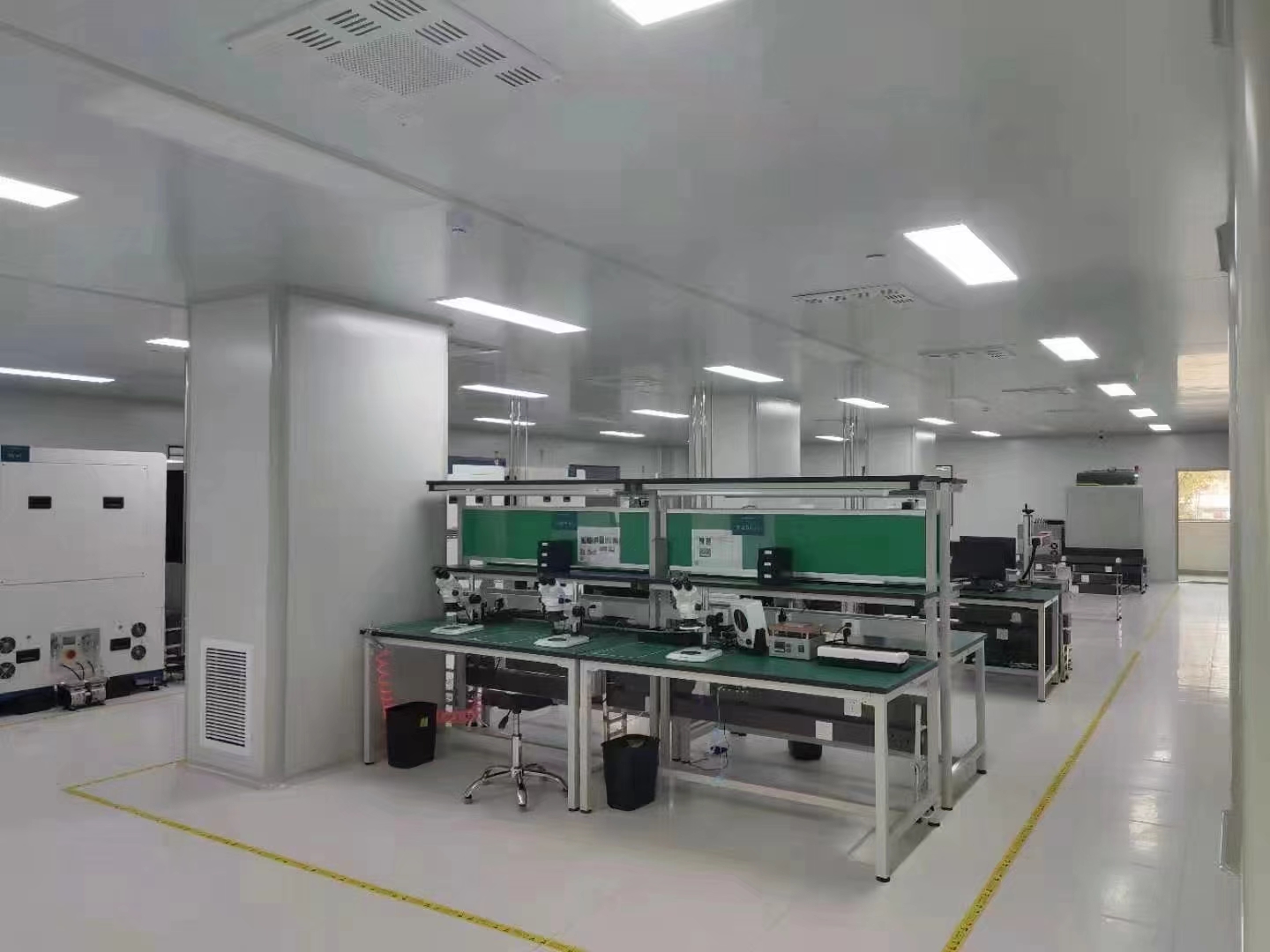
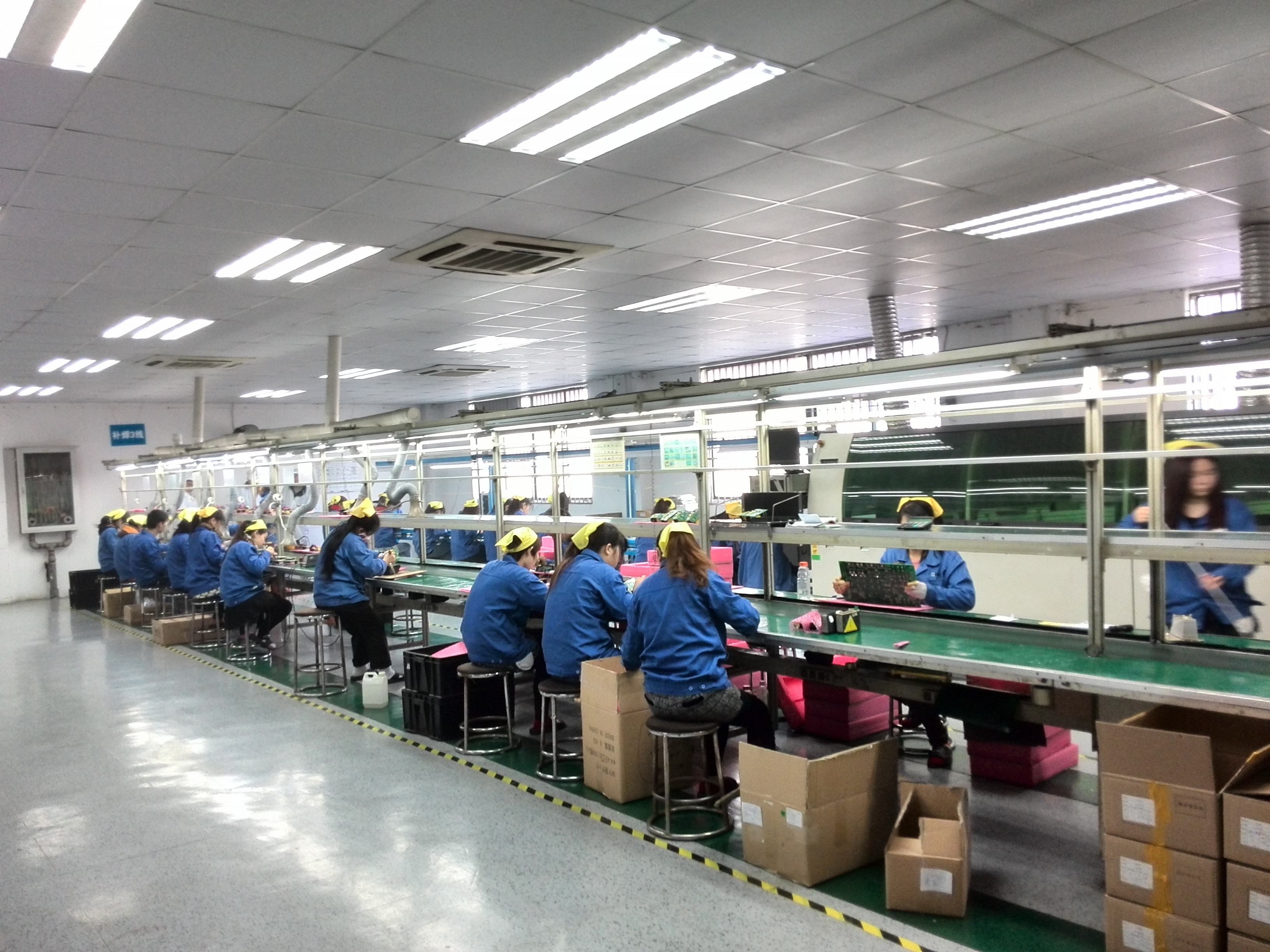
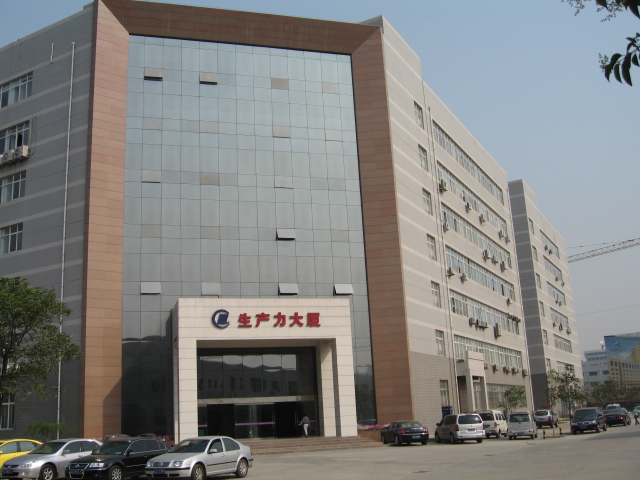
This guide explains what OEM and ODM water quality sensor manufacturing means in practice, how to evaluate a manufacturer’s customization capacity, and what you can expect from a supplier like Xi'an Kacise Optronics Tech Co., Ltd. (KACISE), a China-based manufacturer founded in 2014, operating a 40,000 m² facility with an annual capacity of 120,000 units.
Problem Definition: Why Standard Sensors Are Not Always Enough
Many procurement teams select a water quality sensor manufacturer based only on price and basic specifications. Later, they discover that the sensor cannot communicate with their SCADA or PLC because the output protocol is fixed, the probe cannot withstand the chemical environment, or the housing does not match their brand requirements. These issues lead to redesigns, delays, and higher total cost of ownership.
The root cause is often a mismatch between the buyer’s project requirements and the manufacturer’s flexibility. A manufacturer that offers only standard products may not be able to adapt its design, while one with strong OEM/ODM capabilities can adjust electrical, mechanical, and software parameters to fit the application. For Evaluation-to-Execution buyers, understanding these capabilities before purchase is as important as the sensor’s accuracy.
Industry Background: Market Growth and Integration Needs
The global water quality sensor market is expanding. According to Grand View Research, the market was valued at USD 5.74 billion in 2024 and is projected to reach USD 9.10 billion by 2030, at a compound annual growth rate (CAGR) of 8.1%. Asia Pacific accounted for 46.5% of the revenue share in 2023, with China as a major increasing market. In parallel, IoT-enabled water quality management is expected to grow at a CAGR of 16.23% through 2030, according to TechSci Research. This growth is not just about more sensors; it is about intelligent, connected systems that require integration capabilities.
For industrial buyers, two trends stand out. First, sensors increasingly need to be part of a networked monitoring architecture, which means output compatibility and protocol flexibility are critical. Second, regulatory compliance is tightening. For example, industrial water quality sensors sold in the EU should comply with EN IEC 61326-1:2021 for electrical equipment for measurement, control, and laboratory use. These trends favor manufacturers that can customize both hardware and communication interfaces.
Detailed Solution: OEM and ODM Capabilities to Look For
OEM (Original Equipment Manufacturing) typically means the manufacturer produces a product according to the buyer’s specifications, often with branding or minor modifications. ODM (Original Design Manufacturing) goes further: the manufacturer designs and builds the product based on the buyer’s functional requirements. KACISE offers both production modes.
KACISE’s OEM/ODM customization options include voltage, logo, output method, protocol, and cable type, among other parameters. The production and quality structure is designed to support custom projects:
- Production mode: OEM and OEM/ODM
- Customization: voltage, logo, output method, protocol, cable, etc.
- Monthly capacity: 5,000 units (OEM/ODM); up to 8,000 units (OEM)
- Minimum order quantity: 1 unit
- Typical shipping time: 5–8 working days depending on quantity
- Quality control: 100% test before shipment
- Export markets: EU / Middle East (company-wide exports about 70% to EU and USA)
- After-sales: remote support
Beyond customization, a capable manufacturer should have a solid quality and compliance foundation. KACISE’s water quality sensors have been tested by Shenzhen ZTS Testing Service Co., Ltd. and comply with EN IEC 61326-1:2021, EN55011:2016+A2:2021, EN IEC 61000-3-2:2019+A1:2021, and EN 61000-3-3:2013+A2:2021. This gives buyers confidence that custom sensors will still meet EMC requirements in the EU market.
Step-by-Step Breakdown: How to Work with a Manufacturer on Custom Sensors
Step 1: Define the Application Requirements
Document the target parameters (pH, dissolved oxygen, turbidity, conductivity, etc.), the water chemistry, temperature range, pressure, installation method, and ambient conditions. Determine required output signals, protocols, and any certifications. The more explicit you are, the better the manufacturer can assess feasibility.
Step 2: Assess Manufacturer Capabilities
Review the manufacturer’s product platform and customization options. Ask for evidence of similar projects. KACISE’s portfolio includes online multi-parameter sensors, fluorescence dissolved oxygen sensors, digital pH probes, TSS sensors, chlorophyll sensors, and analyzers, which provides a broad base for customization across different water quality applications.
Step 3: Request Sample or Small-Batch Pre-production
A low minimum order quantity enables you to test the sensor in your actual environment. KACISE’s MOQ of 1 unit means you can validate fit before scaling. This is especially useful for pilot projects, R&D validation, and system integration testing.
Step 4: Approve Design and Start Production
Once the sample is approved, the manufacturer proceeds with bulk production. During production, all units are tested to ensure they meet the agreed specifications. In KACISE’s case, 100% testing is part of the standard process.
Step 5: Arrange Logistics and Documentation
Choose an incoterm that works for your supply chain. KACISE supports FOB, CIF, CIP, and DDP. Pre-shipment testing and video recording can be provided for acceptance, which reduces the risk of receiving non-conforming goods.
Step 6: Use After-sales Remote Support
After delivery, remote support helps you troubleshoot and maintain the sensors, reducing downtime. This is particularly valuable for international buyers who need quick guidance on installation, calibration, or system integration.
Use Cases: Real-World Custom Sensor Deployments
Norwegian Aquaculture Farm – Dissolved Oxygen Monitoring
In Norway, 40 units of KACISE fluorescence dissolved oxygen sensors were used on an aquaculture farm for dissolved oxygen monitoring. The project lasted 2 years and contributed to an increased fish survival rate. The sensor’s fluorescence technology and low-maintenance design supported continuous monitoring in a saltwater environment.
UK Municipal Wastewater Plant – Effluent Quality Monitoring
A municipal wastewater plant in the UK used 12 sensors for effluent quality monitoring over a 3-year period. The deployment included multi-parameter systems and analyzers, resulting in compliant discharge and reduced manual sampling. Multi-parameter integration allowed the plant to monitor several key parameters from a single digital probe.
UK River Environmental Monitoring – Pollution Detection
A river environmental monitoring project in the UK deployed TSS sensors and pH probes connected to a multi-parameter analyzer. Over 2 years, the system provided stable real-time monitoring and improved response speed for pollution detection, supported by remote IoT monitoring and low maintenance requirements.
US Municipal Water Authority – Wastewater Turbidity Monitoring
In a U.S. case, 35 units of a water quality sensor were installed at a municipal water authority for wastewater turbidity monitoring. The project achieved 3 years of stable operation, demonstrating the reliability needed for regulated water treatment environments.
Comparison Table: Evaluating a Manufacturer’s OEM/ODM Capability
| Evaluation Dimension | What to Ask | KACISE Offering (Verified) |
|---|---|---|
| Customization | Can you adjust voltage, logo, output, protocol, cable? | Yes – voltage, logo, output method, protocol, cable, etc. |
| Production Mode | Do you support both OEM and ODM? | Yes – OEM and OEM/ODM |
| Minimum Order Quantity | What is the MOQ for custom orders? | 1 unit |
| Monthly Capacity | Can you handle my order volume? | 5,000 units (OEM/ODM); up to 8,000 units (OEM) |
| Lead Time | How fast can you ship? | 5–8 working days depending on quantity |
| Quality Control | How is quality ensured? | 100% test before shipment |
| Export Experience | Do you serve my region? | EU / Middle East; ~70% of overall exports to EU/USA |
| After-sales | What support do you provide after delivery? | Remote support |
Before committing, verify the exact customization options and lead times for your specific sensor model. Supplier capabilities can vary by product line and configuration.
FAQ
Does KACISE comply with EMC standards for water quality sensors?
Yes. KACISE’s water quality sensors have been tested by Shenzhen ZTS Testing Service Co., Ltd. and comply with EN IEC 61326-1:2021, EN55011:2016+A2:2021, EN IEC 61000-3-2:2019+A1:2021, and EN 61000-3-3:2013+A2:2021. Buyers targeting the EU market can use this certification as part of their compliance review.
What customization options are available for OEM/ODM orders?
KACISE can customize voltage, logo, output method, communication protocol, cable type, and other parameters as agreed. The exact scope depends on the sensor model and project requirements. It is recommended to confirm details during the inquiry stage.
What is the minimum order quantity?
The MOQ for OEM/ODM production is 1 unit. This low threshold allows buyers to order a sample or a small batch for testing before committing to larger volumes.
Can we get a sample before bulk production?
Yes. With an MOQ of 1 unit, you can order a single sensor as a sample. This is a practical way to test performance, integration, and durability in your actual application before scaling up.
What is the typical lead time?
The typical shipping time is 5–8 working days depending on the quantity purchased. Bulk orders may require additional production time. For exact delivery dates, it is best to request a quote based on your order volume and configuration.
Conclusion
Selecting a water quality sensor manufacturer is not just about comparing spec sheets. It is about finding a partner who can adapt the product to your project’s constraints. KACISE’s OEM/ODM capabilities, low MOQ, 100% testing, and remote support make it a practical choice for buyers who need custom sensors without compromising quality. If you are evaluating a manufacturer for your next project, request a sample or quote to see how their capabilities align with your requirements.
Contact KACISE for sample or quote inquiries: sales@kacise.com · +86 180-6671-9659 · www.kcsensor.com