Water Quality Sensor Manufacturer Evaluation: A Buyer's Guide
Water Quality Sensor Manufacturer Evaluation: A Buyer's Guide
Selecting a water quality sensor manufacturer is a strategic decision that impacts long-term monitoring accuracy, operational cost, and system reliability. This guide provides a structured framework for evaluating manufacturers, with reference to proven capabilities and real-world applications.
Why a Structured Evaluation Matters
Industrial buyers often face a fragmented market with varying technical claims, quality levels, and service commitments. Without a systematic approach, procurement risks include incompatible sensors, hidden maintenance costs, and unreliable delivery. A clear evaluation framework helps buyers focus on verifiable facts: production capacity, compliance, customization flexibility, and verified application case studies.
Industry Background: The Water Quality Sensor Market
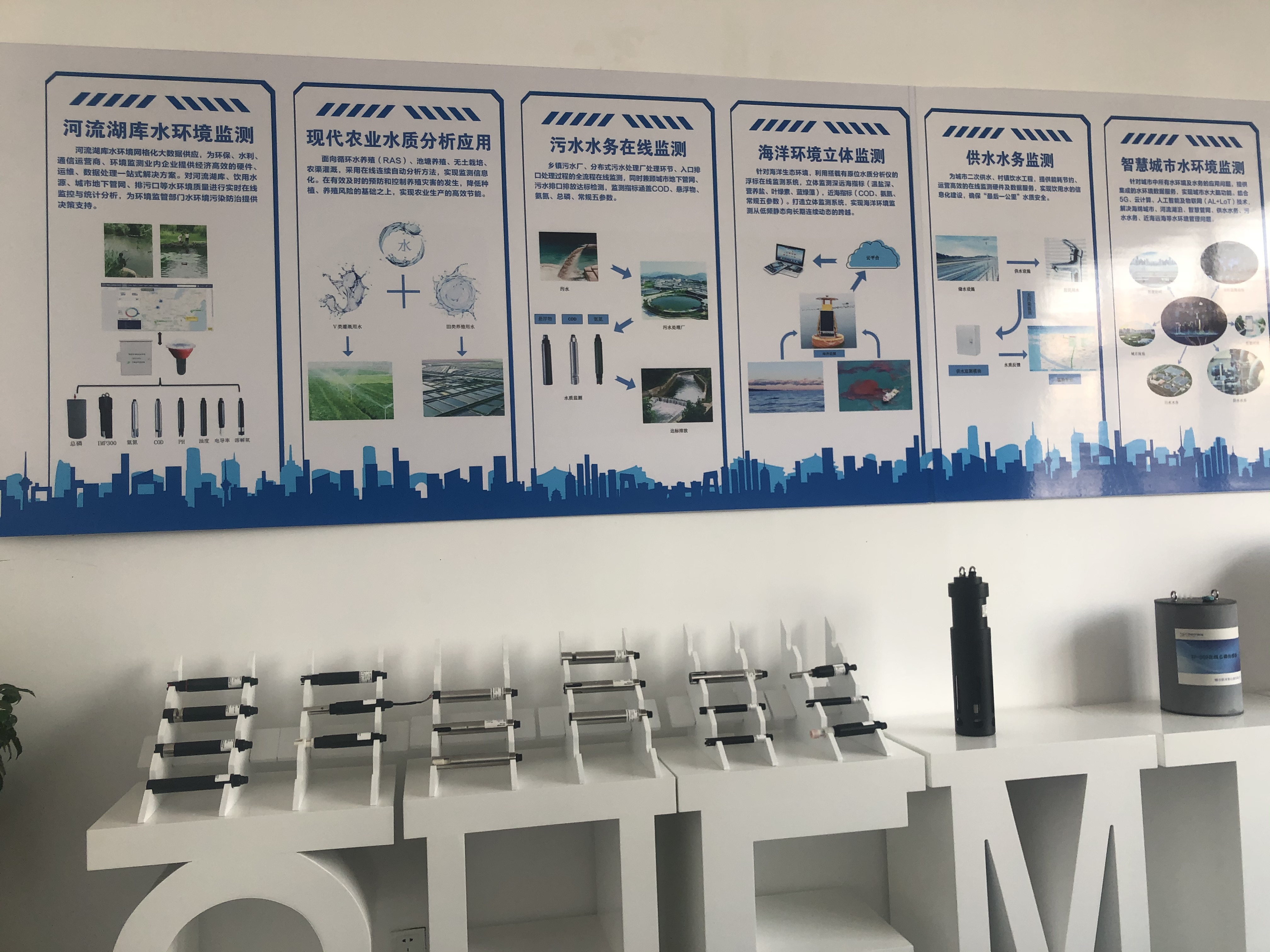
Water quality sensors are critical for environmental monitoring, industrial process control, aquaculture, and municipal water treatment. Key parameters include pH, conductivity, dissolved oxygen, turbidity, COD, chlorophyll, and ammonia nitrogen. Leading manufacturers offer multi-parameter integration, digital communication (RS-485/Modbus), and self-cleaning designs. Xi'an Kacise Optronics Tech Co., Ltd. (Kacise) is one of the leading manufacturers in China's sensor and measurement equipment industry, with a product portfolio covering industrial automation, environmental monitoring, water quality monitoring, and process control applications.
Detailed Solution: Kacise’s Manufacturing and Product Capabilities
Kacise operates a factory covering 40,000 m² and maintains an annual output capacity of 120,000 units. The R&D team consists of 2 engineers, focusing on level, pressure, water quality, gas, and flow measurement technologies. Products support digital outputs such as RS-485 and Modbus for seamless industrial integration, and include online multi-parameter water quality sensors (e.g., KWS-800 Series), COD/TOC sensors, fluorescence dissolved oxygen sensors, and oil-in-water detection sensors.
Key water quality sensor models include the KWS-630 Fluorescence Dissolved Oxygen Sensor (DO: 0~20 mg/L, RS-485 output, self-cleaning optional) and the KWS-750 Online pH Probe (pH: 0~14, 3/4 NPT thread, IP68). For multi-parameter analysis, the KMPW520 6-in-1 Water Quality Analyzer features a 7.0-inch color touch screen, 6-way relay, and TF card data storage.
Step-by-Step Evaluation Framework
- Assess Production and Quality Control: Verify factory size, monthly capacity, and testing processes. Kacise’s monthly capacity is 5,000 units for OEM/ODM, with 100% testing before shipment.
- Check Certifications and Compliance: Confirm relevant CE, EMC, or other standards. Kacise holds CE EMC certification for its water quality sensor (EN IEC 61326-1:2021), ensuring compliance for EU markets.
- Evaluate Customization Capabilities: Look for OEM/ODM flexibility. Kacise offers customization of voltage, logo, output method, protocol, cable, and more, with an MOQ of 1 unit.
- Review Application Case Studies: Request references from similar industries. Kacise has deployed sensors in aquaculture (Norway, 15 units for DO & ammonia monitoring, 3 years, increased fish survival rate), river monitoring (UK, 3 units for pollution detection, stable IoT operation), and oil refinery (Saudi Arabia, 22 units for crude oil tank level measurement, improved inventory accuracy).
- Consider After-Sales and Lead Time: Standard delivery is 5–8 working days with remote support available.
Use Cases Across Industries
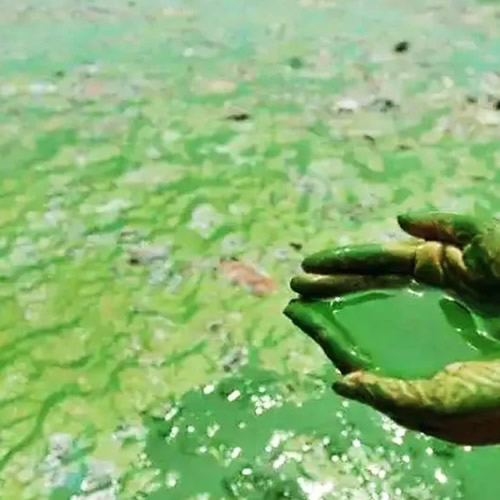
- Agricultural Runoff (Finland): 4 units deployed for nutrient runoff tracking, supporting better pollution control over 2 years.
- Aquaculture (Norway): 15 units of dissolved oxygen & ammonia sensors for saltwater-resistant, continuous monitoring, resulting in increased fish survival rate over 3 years.
- River Environmental Monitoring (UK): 3 units for pollution detection and early warning, with remote IoT monitoring and low maintenance.
- Municipal Wastewater (USA): 35 units used for turbidity monitoring, achieving 3 years of stable operation.
- Oil Refinery (Saudi Arabia): 22 units of 80GHz radar level sensors with explosion-proof features for crude oil tank level measurement, improving inventory accuracy.
Comparison of Key Water Quality Sensor Models from Kacise
| Model | Measured Parameters | Method | Output | Material | Typical Application |
|---|---|---|---|---|---|
| KWS-630 | Dissolved Oxygen / Temperature | Fluorescence lifetime | RS-485 (Modbus) | POM+316L SS | Aquaculture, wastewater |
| KWS-750 | pH / Temperature | Electrochemical | RS-485 (Modbus/RTU) | POM, IP68 | Industrial process, waterworks |
| KMPW520 | Up to 6 parameters (pH, ORP, COD, turbidity, etc.) | Combination probes | 2×RS-485, 4-20mA | Touch screen controller | Multi-parameter monitoring station |
| KWS-910 | TSS / Sludge concentration | Infrared scattering | RS-485 (Modbus) | Titanium, NPT3/4 | Wastewater treatment |
Frequently Asked Questions
What certifications should a water quality sensor manufacturer have for EU markets?
Can a manufacturer customize sensor parameters such as output protocol or cable length?
What is the typical budget range for a multi-parameter water quality sensor?
Can I request a sample unit before bulk procurement?
What is the typical lead time for an order of water quality sensors?
Conclusion
Evaluating a water quality sensor manufacturer requires a holistic view of production capacity, technical compliance, customization capabilities, and proven application success. By applying the framework outlined above, buyers can make informed decisions that align with their monitoring goals and budget. For industrial buyers seeking a reliable partner with broad product coverage and global case references, Kacise presents a strong option worth consideration.