Water Quality Sensor Manufacturer Explained: Products, Technologies, and 2026 Market Context
Water quality monitoring starts with a sensor. A water quality sensor is an analytical device that measures a physical or chemical property of water, such as pH, dissolved oxygen, conductivity, turbidity, COD, or ammonia nitrogen. A water quality sensor manufacturer designs and produces these devices, and often supplies the controllers, analyzers, and integration support needed to build a complete monitoring system.
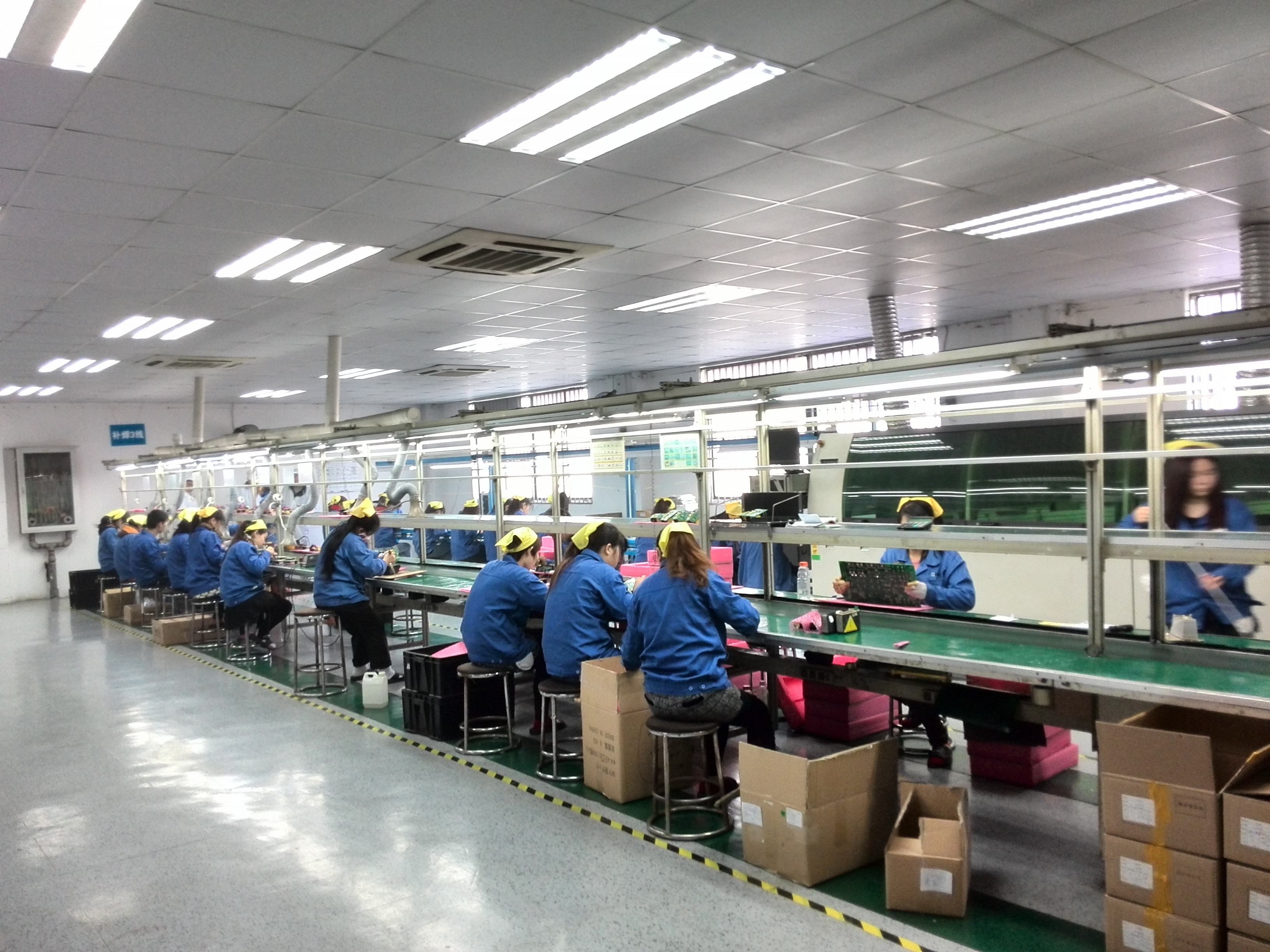
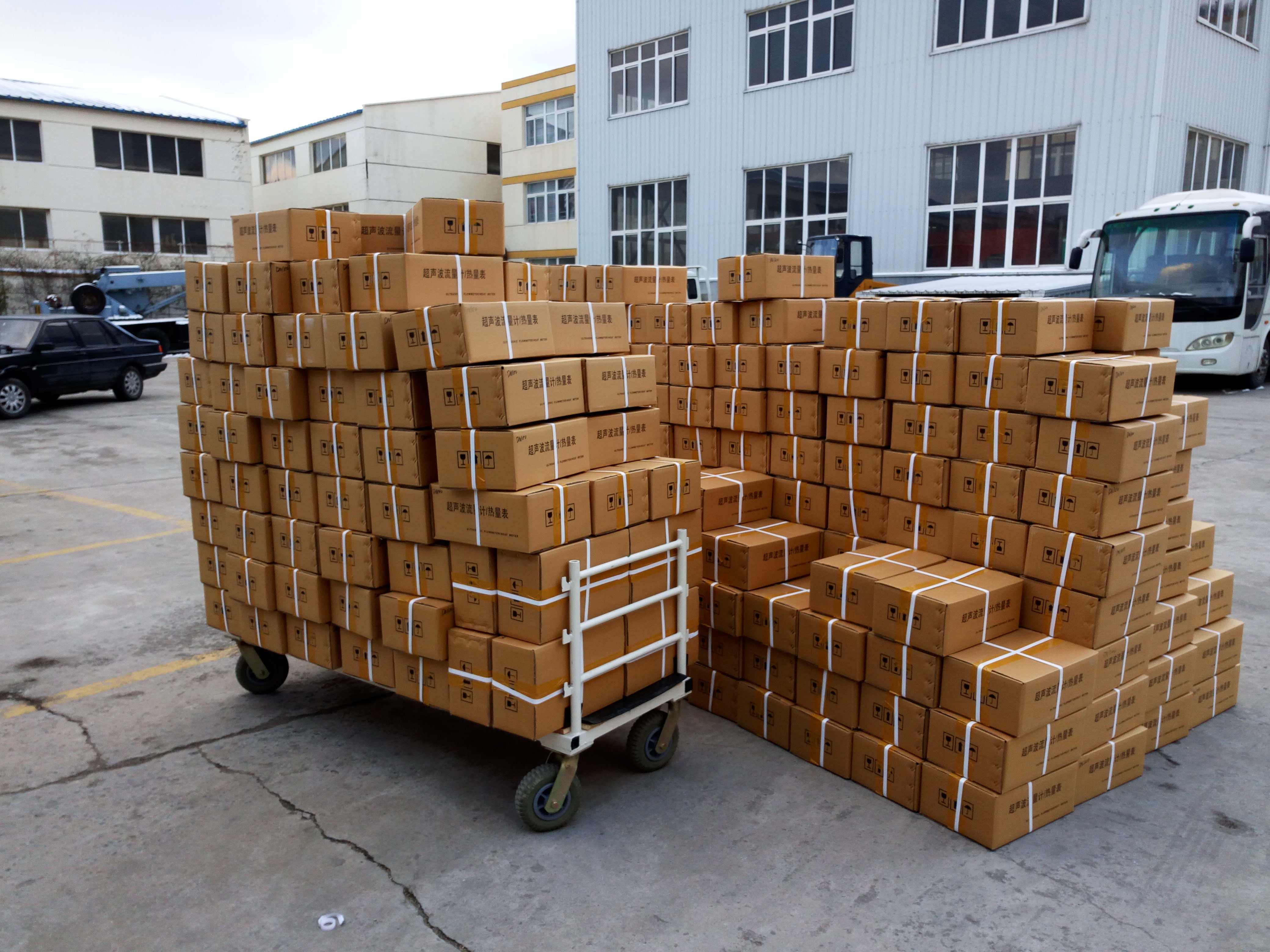
This article explains what a water quality sensor manufacturer does, what product families a full-line manufacturer typically offers, and how those products fit into the current water monitoring market. The example used throughout this guide is Xi'an Kacise Optronics Tech Co., Ltd. (KACISE), a Chinese water quality sensor manufacturer established in 2014. KACISE exports around 70% of its production to EU and USA markets, and operates a 40,000 m² facility with an annual production capacity of 120,000 units.
Why Water Quality Monitoring Is a Multi-Variable Challenge
Water quality cannot be summarized by a single number. A river monitoring station may need to track dissolved oxygen, turbidity, pH, and chlorophyll. A wastewater treatment plant may need COD, ammonia nitrogen, ORP, and suspended solids. An aquaculture farm may rely on dissolved oxygen and salinity. Each application requires a different sensor configuration.
This is why the category of water quality sensors is broad. It includes single-parameter probes, multi-parameter sondes, online analyzers, controllers, and portable instruments. Buyers at the awareness and research stage often ask: which parameters should we monitor? Should we use one multi-parameter probe or multiple discrete sensors? Can the instruments integrate with our existing control system? A manufacturer that offers multiple sensor formats and standardized digital outputs can simplify these decisions.
Industry Background: The Water Quality Sensor Market in 2026
The global market for water quality sensors continues to expand. According to Grand View Research, the market was valued at USD 5.74 billion in 2024 and is projected to reach USD 9.10 billion by 2030, growing at a compound annual growth rate (CAGR) of 8.1%.
Regional dynamics also matter. Grand View Research reports that Asia Pacific dominated the water quality sensor market with a revenue share of 46.5% in 2023, with China identified as a major increasing market. For buyers comparing suppliers from this region, understanding manufacturing scale and export experience becomes important.
IoT-enabled water management is another driver. TechSci Research estimates that IoT-enabled water quality management will grow at a CAGR of 16.23% through 2030. This trend explains why many water quality sensor manufacturers now offer RS485 Modbus outputs, remote configuration, and compatibility with IoT platforms.
Compliance is also part of the conversation. In the EU, industrial measurement equipment such as water quality sensors may need to meet EN IEC 61326-1:2021 for electrical equipment for measurement, control, and laboratory use. In the USA, NSF/ANSI 61 and 372 are commonly referenced standards for drinking-water-contact materials. Buyers should verify which standards apply to their region and application before product selection.
Detailed Solution: What a Full-Line Water Quality Sensor Manufacturer Supplies
A full-line water quality sensor manufacturer does more than assemble a single probe. It develops products across measurement principles, provides consistent digital outputs, and supports deployment in different water environments. KACISE is an example of a manufacturer whose water quality portfolio includes online multi-parameter systems, single-parameter digital sensors, analyzers, controllers, and portable instruments.
Online Multi-Parameter Sensors and Monitoring Systems
For continuous monitoring applications, the KWS-800 Online Multi-Parameter Water Quality Monitoring System combines up to seven optional parameters in one digital probe: fluorescent dissolved oxygen, four-electrode conductivity, fiber turbidity, digital pH/ORP, chlorophyll, and oil in water, plus temperature. The sensor uses a titanium alloy and 316L stainless steel body with IP68 protection, an automatic cleaning device, and a waterproof connector. This all-in-one design suits river, lake, ocean, groundwater, and aquaculture installation contexts.
KACISE also offers the KWS-850 Online Multi-Parameter Water Quality Sensor, which adds COD and ammonia nitrogen coverage. The KWS-850 measures eight parameters: DO, COD, pH, ORP, conductivity/salinity, ammonia nitrogen, turbidity, and temperature. It uses RS485 Modbus/RTU output, has automatic cleaning, and includes an anti-blocking protection cover. This type of sensor is aimed at municipal sewage, industrial wastewater, surface water, waterworks, and industrial process water monitoring.
Digital Single-Parameter Sensors
Projects that need targeted measurements often use single-parameter sensors. In the KACISE product line, the KWS-190 Digital COD Sensor measures COD/TOC/BOD/turbidity without reagents. It features automatic turbidity compensation, self-cleaning, 5-point calibration, and RS485 Modbus output with IoT support. COD measuring ranges are 0–500 mg/L (±5%FS) and 0–1500 mg/L (±10%FS).
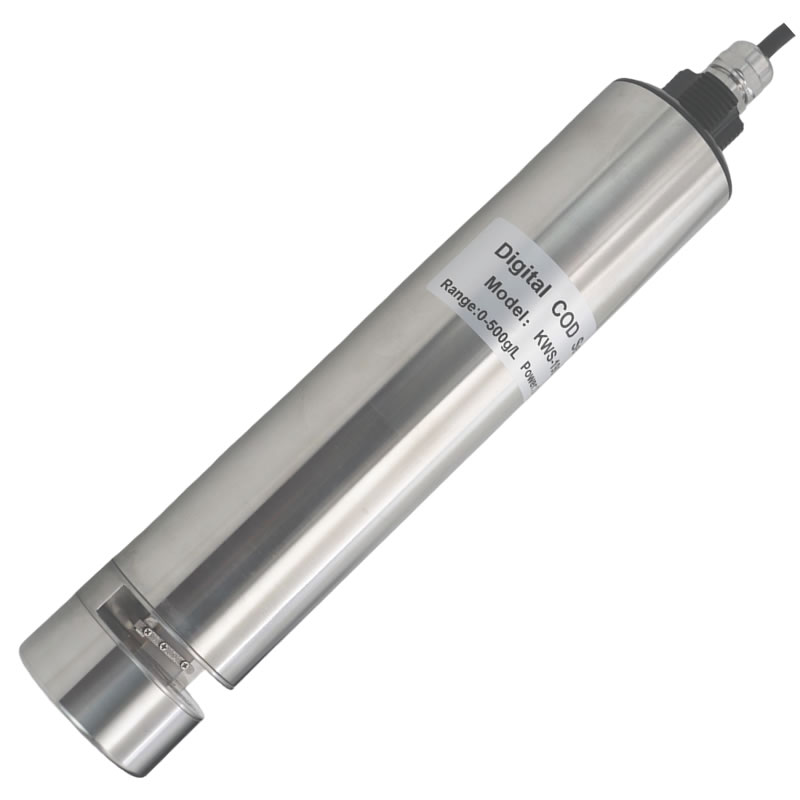
Other digital sensors in the family include the KWS-200 Online Ammonia Nitrogen Sensor, which uses an ion electrode method with automatic temperature and pH compensation and does not require reagents. The KWS-600 Dissolved Oxygen Sensor operates on the polarographic principle, measures DO from 0 to 20 mg/L, and includes automatic temperature and pressure compensation with a replaceable membrane cap. The KWS-790 Digital pH Sensor supports IoT, provides RS485 plus 4-20 mA dual output, automatic temperature compensation, and an accuracy of ±0.02 pH.
KACISE also supplies four-electrode conductivity sensors, high-precision ORP sensors, salinity sensors, and dissolved CO2 sensors. The availability of both multi-parameter and discrete probes allows buyers to match the measurement approach to the real process need.
Controllers, Analyzers, and Portable Detectors
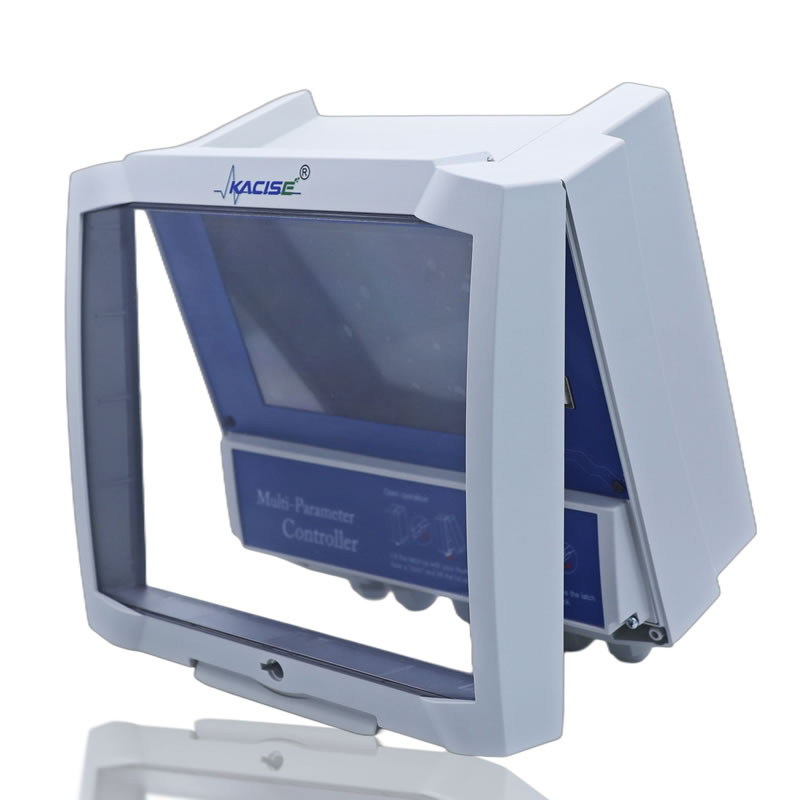
Sensors alone are only part of a monitoring loop. Many deployments require a local controller or analyzer to display values, manage alarms, and transmit data to a SCADA or PLC system. The KMPW100 Multi-Parameter Water Quality Controller, for example, monitors parameters including DO, pH, ORP, conductivity, turbidity, COD, and ammonia nitrogen. It has a 7-inch color touch screen, RS485 Modbus output, 4-20 mA analog channels, and data storage for more than two years.
For field spot checks and research use, KACISE offers portable water quality instruments. The KydroPro 100 Handheld Multiparameter Water Quality Sensor measures up to five parameters, including optical dissolved oxygen, turbidity, conductivity, pH, and salinity, with automatic sensor recognition and RS485 Modbus output. A separate portable suspended solids analyzer, the KWS-990P, measures TSS/sludge concentration from 0.001 to 100,000 mg/L and is suitable for field and laboratory use.
Step-by-Step: Matching Water Quality Needs to Sensor Offerings
- Define the target parameters. Decide whether you need pH, DO, COD, ammonia nitrogen, turbidity, chlorophyll, oil in water, salinity, or another parameter. This determines whether a single-parameter or multi-parameter sensor is appropriate.
- Identify the water environment and operating conditions. Wastewater with high suspended solids may require anti-blocking protection and automatic cleaning. River or lake monitoring may benefit from corrosion-resistant materials and anti-biofouling design.
- Choose the sensor format. For permanent installations, an online multi-parameter probe can reduce complexity. For targeted process control, discrete sensors may be easier to maintain and replace independently.
- Verify communication and integration. Look for standardized outputs such as RS485 Modbus or 4-20 mA. This simplifies connection to PLCs, SCADA systems, and IoT water quality monitoring platforms.
- Check calibration, maintenance, and cleaning features. Sensors with automatic cleaning, automatic temperature compensation, and simple calibration procedures reduce long-term operating burden.
- Evaluate the manufacturer’s production capacity and export experience. For buyers researching long-term supply, a manufacturer with a large factory, consistent annual output, and experience serving EU and USA markets offers a stronger starting point for qualification.
Use Cases Across Industries
Aquaculture
Aquaculture operations need continuous dissolved oxygen monitoring and often ammonia nitrogen control. KACISE’s KWS-600 Dissolved Oxygen Sensor is specified for aquaculture, sewage treatment, and surface water applications. The KWS-200 Ammonia Nitrogen Sensor covers freshwater aquaculture and can help operators track nitrogen load before it affects stock health.
Municipal Wastewater and Industrial Discharge
Wastewater treatment plants frequently measure COD, ammonia nitrogen, DO, pH, and turbidity. The KWS-850 multi-parameter sensor can bring several of these measurements into a single probe. For plants that already use discrete sensors, the KWS-190 COD sensor provides reagent-free organic load monitoring with automatic turbidity compensation.
Surface Water and River Monitoring
Environmental monitoring stations often deploy multi-parameter sensors at fixed locations. The KWS-800 monitoring system is designed for river, lake, ocean, and groundwater monitoring. Its titanium and stainless steel structure, IP68 housing, and automatic cleaning device are relevant for extended outdoor use.
Drinking Water and Process Water
Waterworks and purified water systems need reliable pH, conductivity, and turbidity measurements. The KWS-790 Digital pH Sensor is suitable for wastewater, purified water, circulating water, aquaculture, and food applications. Conductivity sensors in the KACISE line use a four-electrode design and require no reagent.
These use cases show that application context matters as much as specification sheets. The same sensor family may not solve every monitoring need; the solution depends on parameter list, environment, output protocol, and maintenance strategy.
Comparison Table: Representative KACISE Water Quality Sensor Models
| Model | Product Type | Measured Parameters / Key Features | Typical Applications |
|---|---|---|---|
| KWS-800 | Online Multi-Parameter Water Quality Monitoring System | Up to 7 optional parameters: fluorescent DO, 4-electrode conductivity, fiber turbidity, digital pH/ORP, chlorophyll, oil in water + temperature; RS485 Modbus; automatic cleaning; titanium/316L; IP68 | River, lake, ocean, groundwater monitoring; aquaculture; water treatment plants |
| KWS-850 | Online Multi-Parameter Water Quality Sensor | 8 parameters: DO, COD, pH, ORP, conductivity/salinity, ammonia nitrogen, turbidity + temperature; RS485 Modbus/RTU; automatic cleaning; anti-blocking protection cover | Municipal sewage, industrial wastewater, surface water, aquaculture, waterworks, process water |
| KWS-190 | Digital COD Sensor | COD/TOC/BOD/turbidity; no reagents; automatic turbidity compensation; self-cleaning; 0–500 mg/L and 0–1500 mg/L COD ranges; RS485 Modbus with IoT support | Industrial wastewater, sewage treatment, surface water monitoring, drinking water quality control |
| KWS-600 | Dissolved Oxygen Sensor | DO and temperature; polarographic method; RS485 Modbus; automatic temperature/pressure compensation; replaceable membrane cap; 0–20 mg/L DO | Aquaculture, sewage treatment, surface water, drinking water, industrial circulating water |
| KWS-200 | Online Ammonia Nitrogen Sensor | Ammonia nitrogen measurement; ion electrode method; no reagents; automatic temperature/pH compensation; RS485 Modbus | Freshwater aquaculture, sewage treatment, drinking water, surface water, industrial freshwater wastewater |
| KydroPro 100 | Handheld Multiparameter Water Quality Sensor | Up to 5 parameters: optical DO, turbidity, conductivity, pH, salinity; automatic sensor recognition; RS485 Modbus; rechargeable battery; IP67 host | Portable field monitoring, aquaculture spot checks, environmental inspection, water quality spot check |
Frequently Asked Questions
What does a water quality sensor manufacturer do?
A water quality sensor manufacturer designs and produces devices that measure water parameters such as pH, dissolved oxygen, COD, ammonia nitrogen, turbidity, conductivity, and salinity. A full-line manufacturer may also offer controllers, analyzers, portable instruments, and digital communication options to support complete monitoring systems.
What types of water quality sensors are available?
Water quality sensors fall into two main categories: single-parameter sensors and multi-parameter probes. Single-parameter sensors measure one value, such as dissolved oxygen, COD, or pH. Multi-parameter sensors combine several measurements in one unit. The KWS-850, for example, measures eight parameters, while the KWS-190 is a dedicated digital COD sensor.
Which industries use water quality sensors?
Industries include municipal wastewater treatment, industrial wastewater discharge, aquaculture, surface water and river monitoring, drinking water treatment, and industrial process water. Sensor models are often selected based on the application environment. For example, aquaculture commonly uses dissolved oxygen and ammonia nitrogen sensors, while wastewater treatment sites may need COD, turbidity, and multi-parameter instruments.
How should a buyer evaluate a water quality sensor manufacturer at the research stage?
Buyers should compare product portfolio coverage, output protocols such as RS485 Modbus or 4-20 mA, construction materials, cleaning and maintenance features, calibration requirements, and production capacity. Manufacturers that export to mature markets such as the EU and USA often have more experience with international compliance and documentation.
How can I request more information or samples from KACISE?
Buyers can contact KACISE directly through sales@kacise.com or by telephone/WhatsApp at +86 180-6671-9659. The KACISE sales team can provide product specifications and discuss sampling, customization, and OEM requirements.
Conclusion
The water quality sensor market is growing, and the term “water quality sensor manufacturer” now covers a wide range of technologies and product formats. Buyers at the awareness and research stage should focus on understanding the parameter set, the installation environment, and the integration requirements before choosing a supplier.
KACISE, founded in 2014, represents a China-based manufacturer with a broad water quality portfolio, a 40,000 m² facility, and an annual output capacity of 120,000 units. By combining multi-parameter sondes, digital single-parameter sensors, controllers, and handheld instruments, it offers one possible starting point for buyers mapping the supplier landscape in 2026.
Next step: If you are evaluating water quality sensor manufacturers for a project, request the current KACISE water quality product catalog or discuss your application parameters with the engineering-oriented sales team. Contact sales@kacise.com or WhatsApp +86 180-6671-9659.
Have Questions or Need More Details?
Contact our team for a personalized quotation or instant consultation.
Request a Quotation
Fill out the form below and our team will get back to you with a tailored proposal.
WhatsApp Direct Chat
Prefer to chat in real-time? Message us on WhatsApp for instant assistance & quick answers.
- Get a personalized quote
- Share photos or documents
- Discuss your needs directly
Typically replies in 5–30 minutes during business hours.