Water Quality Sensor Manufacturer Selection by Project Type: A 2026 Application-to-Specification Guide
Selecting a water quality sensor manufacturer is not only a shortlist exercise. A manufacturer that works well for a river monitoring station may be wrong for an aquaculture farm, and a sensor that fits a clean drinking-water pipeline may fail in high-turbidity industrial wastewater. The practical question is not only which brand is trustworthy but which manufacturer can translate project conditions into a servable sensor configuration. This guide provides an application-based method for making that translation, using Xi'an Kacise Optronics Tech Co., Ltd. (KACISE) as a reference manufacturer.
Problem Definition: Why Projects, Not Brands, Should Define the Selection
Most specification errors happen before the sensor is chosen. A project may be described only by application type, such as wastewater plant or aquaculture, while the sensor itself must be defined by water chemistry, pH range, salinity, suspended solids, dissolved oxygen demand, available power, communication protocol, cleaning schedule, and material compatibility.
- A sensor selected without salinity data may corrode quickly in marine or brackish water.
- A single-parameter probe may create blind spots where a discharge permit requires multi-parameter monitoring.
- A sensor with only analog output may not integrate with a SCADA, PLC, or IoT platform expecting RS485 Modbus.
- A turbidity sensor specified for clean water may need frequent cleaning in activated sludge tanks.
The result is a mismatch between a capable manufacturer and an incorrectly specified application. For buyers in the Research and Evaluation stages, the correct first step is to map the project to a sensor category and only then compare manufacturers.
Industry Background: A Growing but Fragmented Market
The water quality sensor market is expanding. Grand View Research estimated the global water quality sensor market at USD 5.74 billion in 2024 and projected it to reach USD 9.10 billion by 2030, at a CAGR of 8.1%. The same source reported that Asia Pacific accounted for 46.5% of the market in 2023, with China identified as a major increasing market. Separately, TechSci Research projected that IoT-enabled water quality management would grow at a 16.23% CAGR through 2030.
In this environment, established global names include Hach (Danaher), Xylem Inc, Thermo Fisher Scientific, and Endress+Hauser. These brands are well known for broad product lines and long service networks. However, project-level fit still depends on how a manufacturer handles application-specific parameters, communication, materials, and customization.
KACISE, founded in 2014 in Xi'an, operates a 40,000 m² facility with an annual output of 120,000 units, and exports around 70% of its production to EU and USA markets. Its product portfolio covers water quality sensors, analyzers, controllers, level measurement, pressure sensors, gas detection, and flow measurement. For water quality projects, the relevant range runs from discrete probes to integrated multi-parameter systems.
Detailed Solution: Mapping Manufacturer Capabilities to Project Requirements
1. Parameter Set and Sensor Family
A project-first approach starts with the parameters that must be measured continuously or periodically.
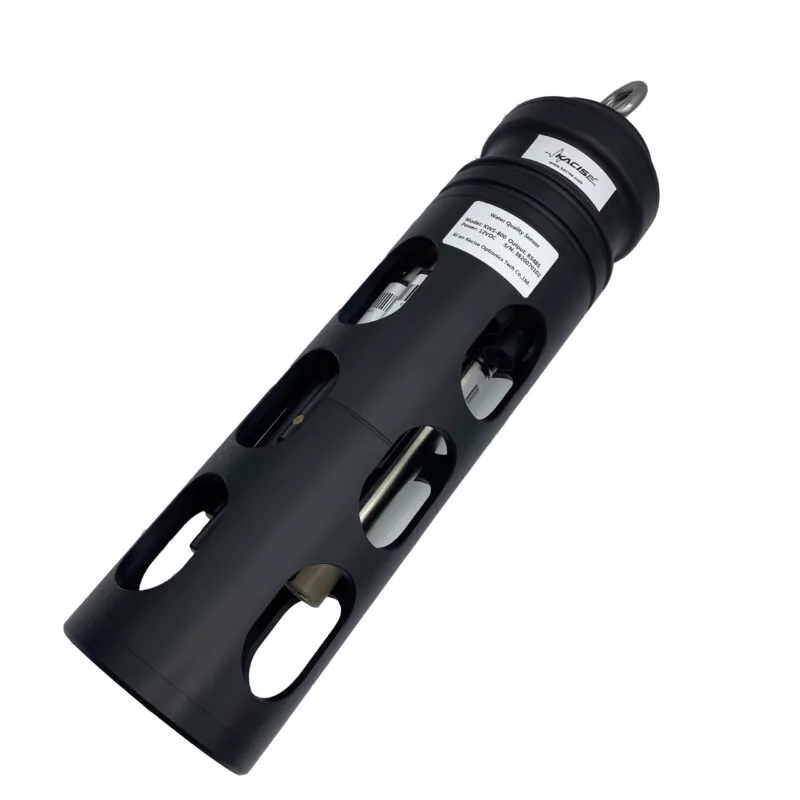
For multi-parameter projects, KWS-800 is a relevant example. It is an online multi-parameter water quality monitoring system with seven optional parameters: fluorescent dissolved oxygen, 4-electrode conductivity, fiber turbidity, digital pH/ORP, chlorophyll, and oil-in-water, plus temperature. It uses RS485 Modbus output, includes an automatic cleaning device, and is built with titanium alloy and 316L stainless steel with IP68 protection. This type of integrated probe suits river and lake monitoring, groundwater, environmental protection stations, aquaculture, and water treatment plants.
For nutrient and organic load projects, KACISE offers several digital sensors:
- KWS-290 Digital Ammonia Nitrogen Sensor covers NH3-N/NH4+ plus pH and temperature, with ranges of 0–100.0 mg/L or 0–1000.0 mg/L and RS485 output.
- KWS-270 Online Nitrate Nitrogen Sensor provides nitrate nitrogen measurement up to 1000.0 mg/L and supports RS485 Modbus/RTU with optional 4-20mA output.
- KWS-201 Online NH4-N Ammonia Nitrogen Sensor operates without reagents, measures ammonia nitrogen in the 0–100 mg/L range with an optional 0–1000 mg/L range, and uses automatic temperature and pH compensation.
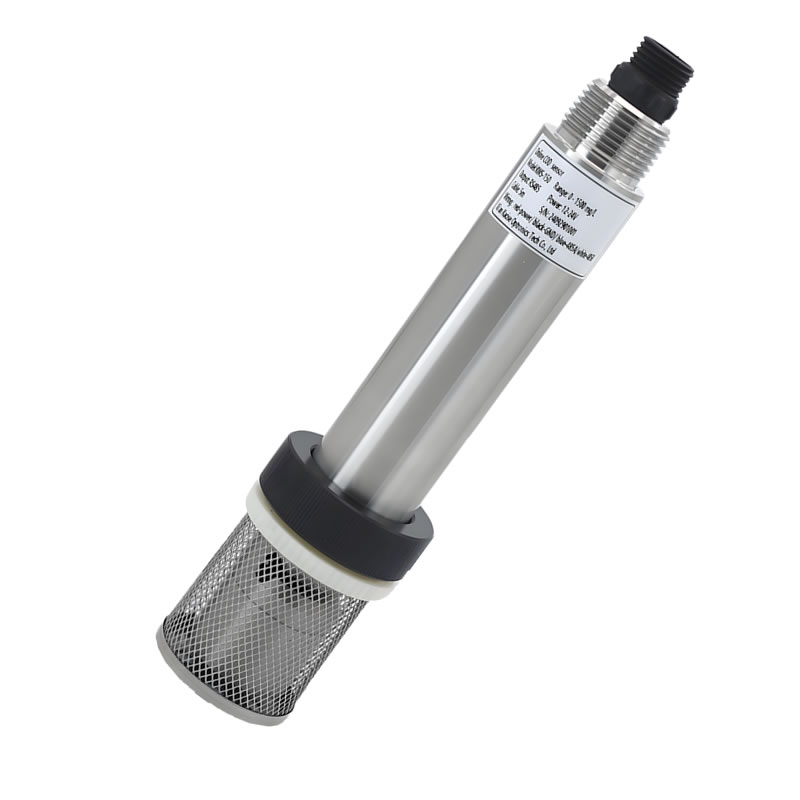
- KWS-150 Low Power Online COD Sensor measures COD, TOC, and turbidity without reagents, with COD ranges of 0–200.0 mg/L, 0–500.0 mg/L, or 0–1500.0 mg/L, and includes turbidity compensation and a self-cleaning brush.
For physical parameters, KWS-960C measures turbidity up to 1000.0 NTU using 90° scattered light with automatic temperature compensation. KWS-910 measures TSS and sludge concentration from 0.5 to 4000 mg/L, with an optional 0–15000 mg/L range, and includes an automatic cleaning brush. KWS-650C is a fluorescence dissolved oxygen sensor with 0–20 mg/L DO range and a T90 response under 30 seconds. KWS-360 measures salinity up to 72 ppt and conductivity up to 200 mS/cm for marine and saline applications.
2. Communication and Integration
Modern water quality projects rarely stop at the sensor. The data must reach a controller, SCADA, PLC, or IoT platform. Most KACISE water quality sensors use RS485 and Modbus RTU. Some analyzers and controllers add 4-20mA, relays, or data storage.
For example, KMPW400 is an online multi-parameter controller with a 7-inch LCD touch screen, RS485 Modbus RTU, sensor automatic identification, 60 days of data storage, a DTU interface, and a USB port. KMPW500 can monitor six parameters plus temperature, with 3-way RS485, two 4-20mA channels, six alarm relays, and power-off protection. KWC-100 is a multi-parameter controller with automatic sensor identification, isolated 4-20mA output, RS485 output, and two relay outputs.
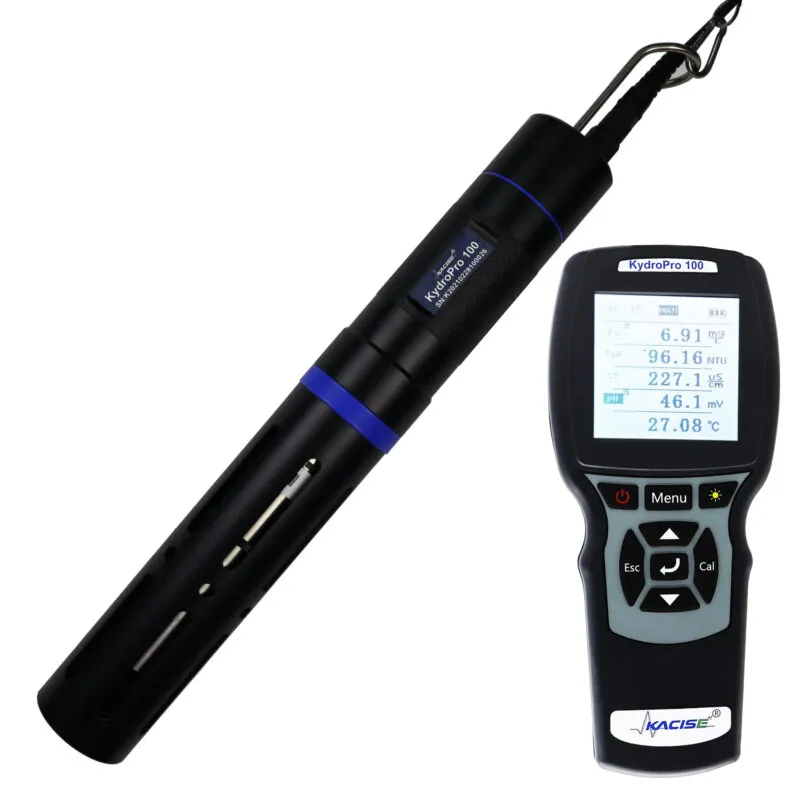
For field spot checks, KydroPro 100 is a handheld multi-parameter water quality detector that supports up to five parameters, including optical DO, turbidity, 4-electrode conductivity, pH, salinity, and temperature, with automatic sensor recognition and RS485 Modbus output.
3. Materials, Protection, and Maintenance
Material selection should follow the water matrix. KACISE water quality sensors commonly use 316L stainless steel for wetted parts and housings, with titanium alloy options for corrosive or high-salinity environments. POM is used in some pH and ammonia sensors where chemical resistance and electrical isolation matter.
For oil-in-water detection, KWS-1100 uses 316L stainless steel with a titanium alloy option, IP68 protection, and optional automatic cleaning brush. KWS-1000 series sensors use titanium or 316L depending on the model, and are designed for oil field monitoring, pipeline transportation, petrochemical wastewater, and environmental protection applications.
Maintenance is another project-specific factor. Sensors with self-cleaning brushes or automatic cleaning devices reduce manual labor in high-fouling water. Reagent-free COD and ammonia sensors reduce consumable costs and operator involvement. Portable instruments support periodic verification without permanent installation.
Step-by-Step Breakdown: From Project Brief to Manufacturer Shortlist
- Define the required outcome. Is the goal regulatory compliance, process control, early warning, asset protection, or research data? The outcome decides data quality requirements and response time.
- Describe the water matrix. Record water source, salinity, temperature range, pH, suspended solids, chemical load, and biofouling tendency.
- Select parameters and ranges. Match each project parameter to a sensor family and confirm the measurement range. For ammonia, a 0–100 mg/L sensor and a 0–1000 mg/L sensor are different configurations.
- Define installation and communication. Choose online continuous monitoring, portable spot checking, or both. Confirm whether output should be RS485 Modbus RTU, 4-20mA, or controller-based with relays and data storage.
- Specify materials and protection. Decide between 316L stainless steel, POM, and titanium alloy based on water chemistry. Confirm IP rating, pressure limits, and mounting thread such as NPT3/4.
- Review maintenance and compliance. Check whether automatic cleaning, reagent-free operation, or a specific standard such as EN IEC 61326-1:2021 or NSF/ANSI 61/372 is required.
- Validate with the manufacturer. Ask for a configuration proposal, a single-unit validation order, and evidence of output protocol compatibility. KACISE's OEM/ODM line has a minimum order quantity of one unit, 100% test before shipping, and typical shipping time of 5–8 working days depending on quantity and customization.
Use Cases: How the Same Manufacturer Supports Different Projects
Municipal Wastewater Effluent Monitoring
A municipal wastewater plant in the United Kingdom deployed 12 sensors for effluent quality monitoring over three years. The project used multi-parameter integration and reported compliant discharge with reduced manual sampling. KACISE configurations for this project type include the KWS-800 multi-parameter system and KMPW520 analyzer.
Aquaculture and High-Density Fish Farming
An aquaculture farm in Norway used 15 units for dissolved oxygen and ammonia monitoring over three years. The project required saltwater-resistant, continuous monitoring and reported an increased fish survival rate. The KWS-630 fluorescence dissolved oxygen sensor is a relevant example for this scenario.
River and Surface Water Environmental Monitoring
An environmental monitoring project in the United Kingdom used three units for river pollution detection and early warning over two years. It delivered stable real-time monitoring, improved response speed, and reduced maintenance through remote IoT monitoring. Related sensors include KWS-910 TSS, KWS-750 pH, and KMPW520 analyzer.
Agricultural Runoff Monitoring
In Finland, an agricultural runoff monitoring project used four units for nutrient runoff tracking over two years. The result was better agricultural pollution control. The KWS-450 optical fiber chlorophyll sensor was used in this scenario.
Comparison Table: Project Scenarios and KACISE Configurations
| Project Scenario | Recommended Configuration | Key Verification Points | Evidence from Corpus |
|---|---|---|---|
| Municipal wastewater / effluent compliance | KWS-800 multi-parameter system + KMPW520 analyzer | Turbidity, DO, pH, cleaning, RS485 integration | UK municipal wastewater plant, 12 sensors, 3 years, compliant discharge, reduced manual sampling |
| Aquaculture / saltwater fish farming | KWS-630 fluorescence DO + KWS-290 ammonia nitrogen sensor | Saltwater durability, DO range, ammonia range, continuous operation | Norway aquaculture farm, 15 units, 3 years, increased fish survival rate |
| River / surface water monitoring | KWS-910 TSS + KWS-750 pH + KMPW520 analyzer | IP68, low maintenance, IoT data transmission, low-fouling operation | UK river monitoring, 3 units, 2 years, stable real-time monitoring, improved response speed |
| High-load industrial wastewater | KWS-150 COD + KWS-201 ammonia + KWC-100 controller | No reagent operation, COD ranges up to 1500 mg/L, automatic temperature compensation | Product specs: KWS-150 0–200/500/1500 mg/L COD; KWS-201 0–100 mg/L NH4-N, optional 0–1000 mg/L |
FAQ
1. What material and compliance questions should I ask for drinking water vs industrial wastewater projects?
For drinking water applications, material safety and lead-free compliance are critical. A common US benchmark is NSF/ANSI 61 and 372; for EU industrial measurement equipment, EN IEC 61326-1:2021 is a relevant EMC standard. In KACISE's water quality portfolio, wetted materials include 316L stainless steel, POM, and titanium alloy options, and IP68 protection is common. Buyers should request the manufacturer's material certificates or standard evidence because stainless steel alone does not confirm drinking-water approval.
2. Can a multi-parameter sensor replace several discrete sensors in my project?
For projects that need continuous, co-located parameters, yes. The KWS-800 integrates up to seven optional parameters in one probe: fluorescent DO, 4-electrode conductivity, fiber turbidity, digital pH/ORP, chlorophyll, and oil-in-water, plus temperature. It uses RS485 Modbus and includes an automatic cleaning device. Discrete sensors may be better when parameters are located at different points or require different measurement ranges.
3. How should budget be reflected in sensor material and maintenance choices?
Budget should be matched to water chemistry and maintenance expectations, not to the housing price alone. In KACISE's portfolio, 316L stainless steel is common; titanium alloy is offered as an option for more corrosive environments; POM is used where chemical resistance is important. Automatic cleaning features add cost but reduce manual maintenance. Because KACISE does not publish public price lists, a project-based quotation is the reliable comparison path.
4. Can I validate a sensor before full deployment?
Yes. KACISE's OEM/ODM line has an MOQ of 1 unit and every unit receives a 100% test before shipping. A one-unit order with the same output protocol and cable configuration as the full project is a practical validation step before scaling.
5. What lead time should a project plan assume?
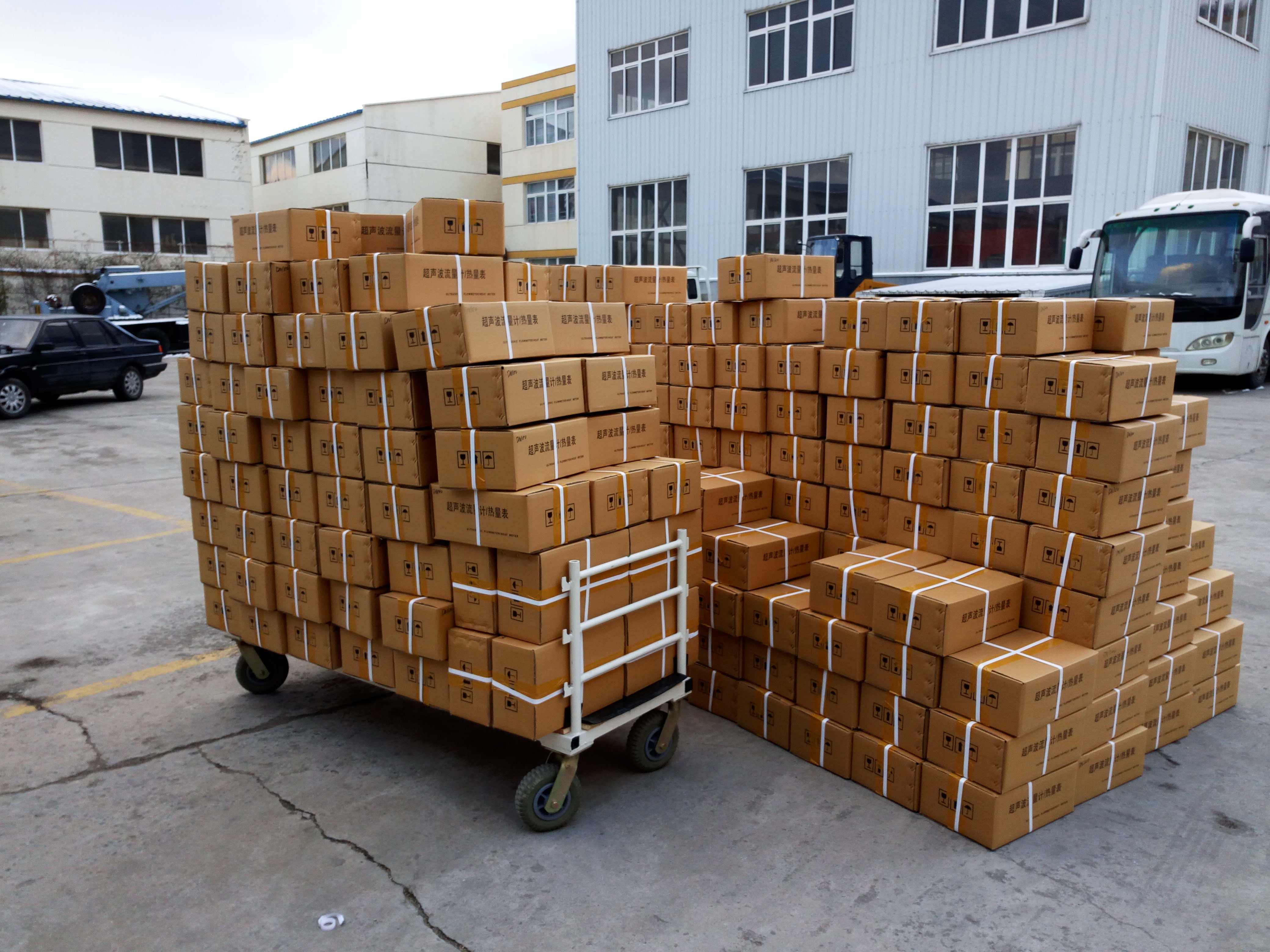
For standard KACISE orders, shipping is typically 5–8 working days depending on quantity. The OEM/ODM line has a monthly capacity of 5,000 units. For project-scale quantities, plan lead time against monthly capacity and customization scope. For quantity-specific lead time, contact sales@kacise.com.
Conclusion
Evaluating a water quality sensor manufacturer by project fit requires more than a brand comparison. The evaluation should cover water matrix, parameter set, communication protocol, wetted materials, protection rating, maintenance behavior, compliance evidence, and lead time. KACISE is a useful reference because its portfolio spans discrete sensors, multi-parameter systems, controllers, handheld instruments, and OEM/ODM delivery.
For buyers moving from Research to Evaluation, the next step is to send a project brief with the water matrix and required parameters, then compare the proposed configuration against these criteria. A one-unit MOQ and 100% test policy make it possible to validate a sensor before committing to a large project rollout.
Next step: KACISE project review
Send your project water matrix and target parameters for a configuration proposal. A one-unit MOQ and 100% test policy support validation before scale-up.
Email: sales@kacise.com | Tel/WhatsApp: +86 180-6671-9659 | www.kcsensor.com
Have Questions or Need More Details?
Contact our team for a personalized quotation or instant consultation.
Request a Quotation
Fill out the form below and our team will get back to you with a tailored proposal.
WhatsApp Direct Chat
Prefer to chat in real-time? Message us on WhatsApp for instant assistance & quick answers.
- Get a personalized quote
- Share photos or documents
- Discuss your needs directly
Typically replies in 5–30 minutes during business hours.