Water Quality Sensor Manufacturer: Capabilities, Compliance, and Selection
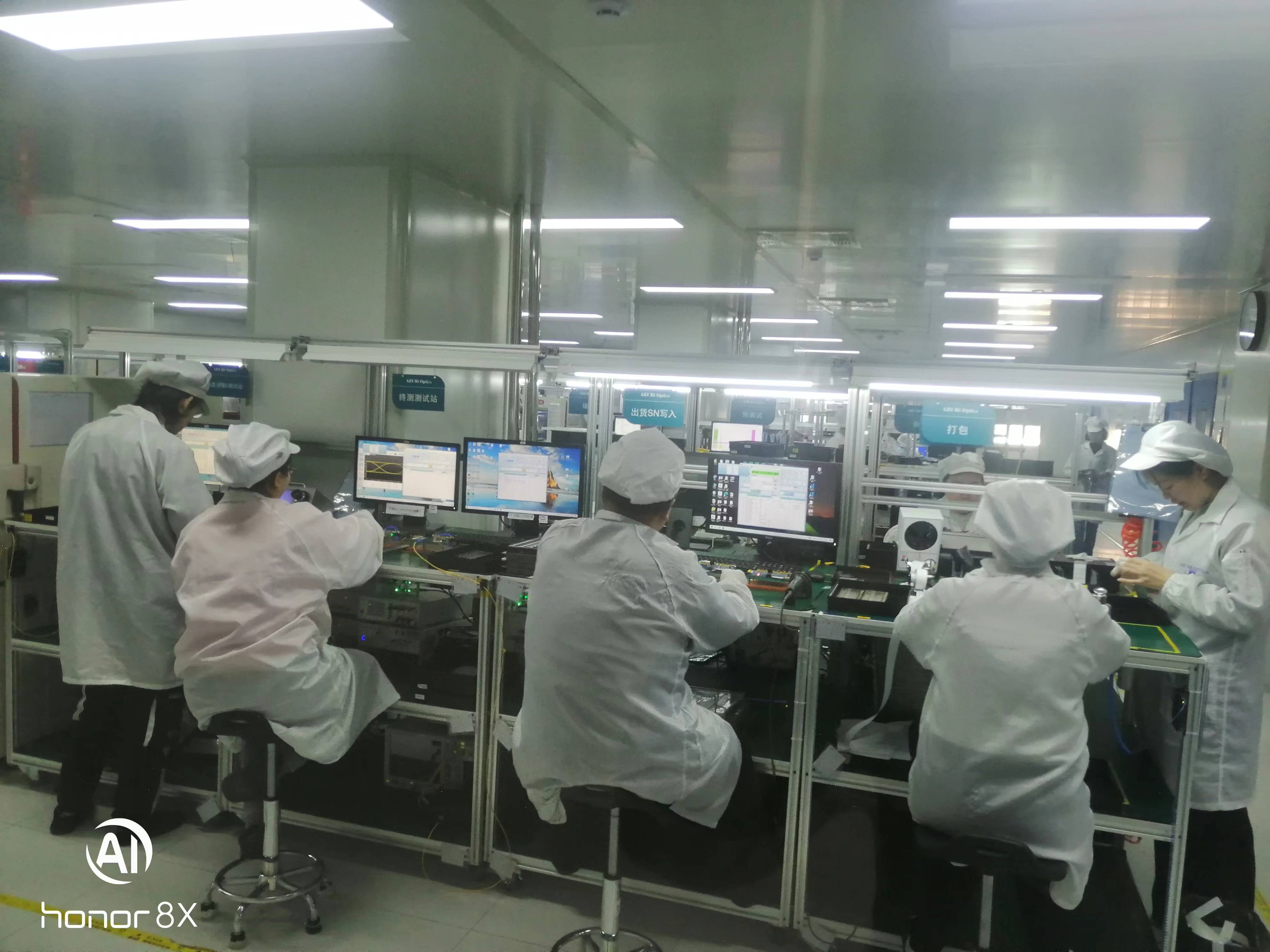
KACISE (XI'AN KACISE OPTRONICS TECH CO., LTD.) is a water quality sensor manufacturer based in Xi'an, Shaanxi Province, China. Established in 2014, the company operates a 40,000 m² manufacturing facility with an annual production capacity of 120,000 units. Export business accounts for 70% of total sales, mainly to the EU and USA market, according to company data. This guide explains how industrial buyers, distributors, and OEMs can evaluate a water quality sensor manufacturer before procurement.
Why a structured supplier review matters
Industrial water quality monitoring is rarely a single-parameter decision. A project may require dissolved oxygen, turbidity, conductivity, pH, ORP, COD, ammonia nitrogen, residual chlorine, and other parameters in one installation. The supplier must be able to document measurement ranges, output signals, materials, cleaning mechanisms, and calibration procedures. Without this context, a buyer may compare manufacturers on catalog price alone and later face integration problems.
A practical evaluation should cover five areas: application conditions, required parameters, compliance standards, product format, and production capacity. The rest of this article applies that framework to one manufacturer, KACISE.
Water quality sensor market context in 2026
According to Grand View Research, the global water quality sensor market was valued at USD 5.74 billion in 2024 and is projected to reach USD 9.10 billion by 2030, growing at a CAGR of 8.1%. The same source reports that Asia Pacific led the market with a revenue share of 46.5% in 2023, with China identified as a major increasing market.
Grand View Research, cited by WaterTech, estimates the global water quality monitoring systems market reached USD 5.8 billion in 2024, with sensors accounting for the largest segment at a 45% share. TechSci Research expects IoT-enabled water quality management to grow at a CAGR of 16.23% through 2030.
For supplier comparisons, Mordor Intelligence identifies Hach (Danaher), Xylem Inc, Thermo Fisher Scientific, and Endress+Hauser as established global leaders in the water and wastewater sensor market. For compliance, EN IEC 61326-1:2021 applies to electrical equipment for measurement, control and laboratory use in Europe, and NSF/ANSI 61 and 372 are considered critical certifications for drinking water applications in the United States.
KACISE as a water quality sensor manufacturer
KACISE is a China-based manufacturer of water quality sensors and analytical instruments. Its published product data covers online multi-parameter sensors, pH/ORP probes, dissolved oxygen, conductivity, turbidity, ammonia nitrogen, nitrite, residual chlorine, ozone, and portable analyzers. The company profile describes KACISE as a professional intelligent sensing solution provider.
The published product line includes the following references:
- KWS-800 Online Multi-Parameter Water Quality Monitoring System: up to 7 optional parameters including fluorescent DO, 4-electrode conductivity, fiber turbidity, digital pH/ORP, chlorophyll, oil in water, plus temperature, with RS485 (Modbus) output and an automatic cleaning device.
- KWS-850 Online Multi-Parameter Water Quality Sensor: 8 parameters including DO, COD, pH, ORP, conductivity/salinity, ammonia nitrogen, turbidity, and temperature, with automatic cleaning and an anti-blocking protection cover.
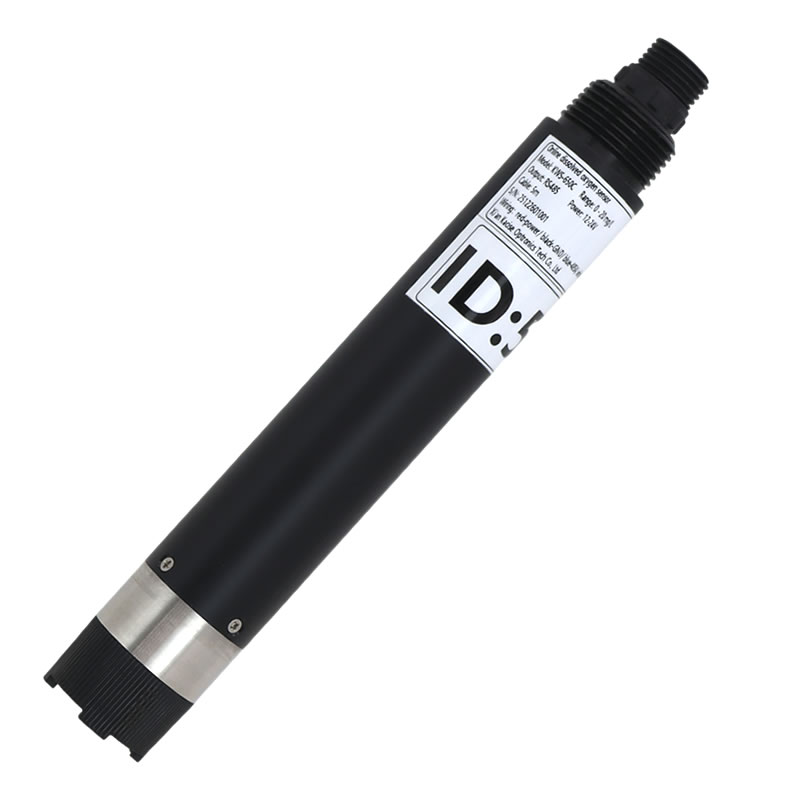
- KWS-650C Online Dissolved Oxygen Sensor: fluorescence method, DO 0 to 20 mg/L, fast response with T90 less than 30 seconds, RS485 (Modbus/RTU) output.
- KWS-350 Online Conductivity Sensor: low, medium, and high conductivity ranges up to 200 mS/cm, RS485 output, 4-20 mA optional, used for pure water, drinking water, industrial process water, and pharmaceutical applications.
- KWS-3000 Online Residual Chlorine Sensor: HClO measurement from 0 to 2.000 mg/L, constant voltage method, flow cell installation, RS485 output, IP68.
- KWS-990P Portable Suspended Solids (Sludge Concentration) Analyzer: handheld design, TSS range 0.001 to 100,000 mg/L (customizable), Type-C charging and data export.
For analyzer and controller integration, KACISE also publishes models such as KMPW500 (6 parameters plus temperature monitoring), KDM-110A (online ORP meter), KDM-140B (online dissolved oxygen meter), and KDM-100 (online pH meter).
Step-by-step buyer evaluation process
- Define the application and working conditions. Municipal wastewater, drinking water distribution, aquaculture, surface water, and industrial process water create different requirements. Note the continuous or batch operation mode and environmental factors.
- List required parameters and ranges. Compare these with sensor datasheets. For example, KWS-850 is published with DO 0-20 mg/L, COD 0-200/500 mg/L, pH 0-14, ORP -1500 to +1500 mV, ammonia nitrogen 0-100/1000 mg/L, and temperature 0-50°C.
- Check compliance requirements. For European electrical equipment applications, ask about EN IEC 61326-1:2021. For US drinking water material safety, ask about NSF/ANSI 61 and 372 evidence.
- Evaluate product format and integration. Decide between a single-parameter probe, a multi-parameter sensor, and an analyzer/controller system. Check RS485/Modbus output, 4-20 mA options, automatic cleaning, IP rating, and wetted materials.
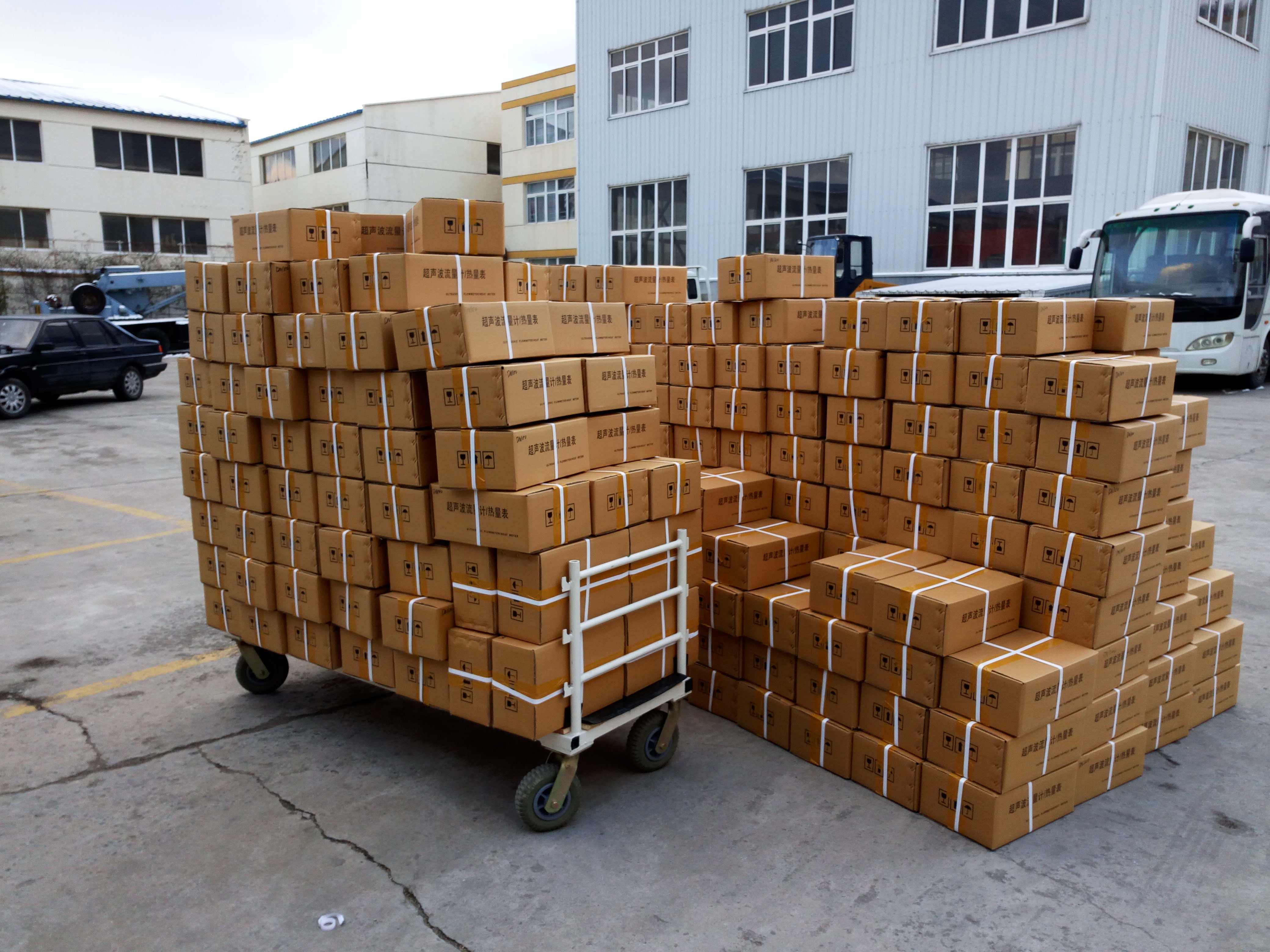
- Assess production capacity and export experience. KACISE operates a 40,000 m² facility with an annual output of 120,000 units and exports 70% of production to EU and USA markets. Use these figures as input to a delivery and quality audit.
- Request documentation and samples. Ask for datasheets, calibration procedures, sample policy, and a written delivery schedule before a volume purchase.
Use cases by industry
KACISE sensors are published with application notes for several industrial and environmental sectors.
- Municipal wastewater: KWS-850 is suited to municipal sewage and high turbidity tank applications. It combines DO, COD, pH, ORP, conductivity/salinity, ammonia nitrogen, turbidity, and temperature in one sensor with automatic cleaning.
- Aquaculture: KWS-650C is a fluorescence dissolved oxygen sensor used in aquaculture, sewage treatment, and surface water monitoring. KWS-630 adds an optional self-cleaning function and titanium customization for demanding installations.
- Drinking water: KWS-3000 and KWS-3500 are residual chlorine sensors for drinking water treatment plants, distribution networks, swimming pools, and cooling circulating water.
- Surface water and river monitoring: KWS-800 is a multi-parameter system with an automatic cleaning device and waterproof connector, designed for river, lake, ocean, and groundwater monitoring.
- Pharmaceutical and pure water systems: KWS-350 conductivity sensor is applicable to pure water, ultrapure water detection, and pharmaceutical industry process water monitoring.
Manufacturing evidence to verify
KACISE company data states a 40,000 m² manufacturing facility and an annual production capacity of 120,000 units. The same dataset lists approximately 7 staff and says export business accounts for 70% of total sales, with main markets in the EU and USA. These figures are a starting point for a capacity audit; buyers should still ask for delivery lead times for their specific order size.
Representative sensor model comparison
The table below compares representative sensor models from KACISE published technical data. It is not a complete catalogue.
| Model | Category | Key published specification | Typical application |
|---|---|---|---|
| KWS-800 | Multi-parameter water quality monitoring system | 7 optional parameters plus temperature; RS485 Modbus; automatic cleaning; IP68; titanium alloy + 316L stainless steel | River/lake/groundwater monitoring, aquaculture, water treatment plants |
| KWS-850 | Multi-parameter water quality sensor | 8 parameters including DO, COD, pH, ORP, conductivity/salinity, ammonia nitrogen, turbidity, temperature; automatic cleaning | Municipal sewage, industrial wastewater, surface water, aquaculture |
| KWS-650C | Dissolved oxygen sensor | Fluorescence method; DO 0-20 mg/L; T90 less than 30 s; RS485 Modbus/RTU; IP68 | Aquaculture, sewage treatment, surface water monitoring |
| KWS-350 | Conductivity sensor | Conductivity up to 200 mS/cm; RS485; 4-20 mA optional; automatic temperature compensation | Pure water, drinking water, industrial process water, pharmaceutical |
| KWS-3000 | Residual chlorine sensor | HClO 0-2.000 mg/L; constant voltage method; flow cell installation; RS485; IP68 | Drinking water, canning plants, swimming pools, cooling water |
| KWS-990P | Portable suspended solids/sludge analyzer | TSS 0.001-100,000 mg/L customizable; handheld; Type-C charging and data export | Field validation, sewage treatment, aquaculture, laboratories |
FAQ
What compliance standards should industrial buyers ask about when selecting a water quality sensor manufacturer?
For electrical equipment for measurement, control and laboratory use, EN IEC 61326-1:2021 applies in the European Union. For drinking water systems in the United States, NSF/ANSI 61 and 372 address material safety and lead-free compliance. Buyers should ask the manufacturer for certificates and documentation before final approval.
What production capabilities should I verify in a water quality sensor manufacturer?
A buyer can verify facility size, annual output, staff count, and export markets. For example, KACISE operates a 40,000 m² facility, has an annual production capacity of 120,000 units, employs approximately 7 staff, and exports 70% of production to EU and USA markets.
Which KACISE sensors are relevant for multi-parameter monitoring?
KWS-800 supports up to 7 optional parameters including fluorescent DO, conductivity, turbidity, pH/ORP, chlorophyll, oil in water, plus temperature. KWS-850 measures 8 parameters including DO, COD, pH, ORP, conductivity/salinity, ammonia nitrogen, turbidity, and temperature. KMPW500 monitors 6 parameters plus temperature.
How should I budget for water quality sensors?
Budget depends on the number of parameters, sensor material, communication output, and calibration or maintenance requirements. COD and ammonia nitrogen monitoring typically involves a different cost structure than pH-only measurement. Pricing is configuration-specific, so request an itemized quote after sharing your parameter list and installation conditions.
Can I request samples before a full order?
For procurement evaluation, you can contact KACISE via sales@kacise.com or WhatsApp at +86 180-6671-9659 with the target parameter, model, and quantity. State whether you need flow cell installation, automatic cleaning, or a specific connector before sampling.
What lead time should I expect for an OEM or volume order?
KACISE published company data does not list standard lead times. Lead time depends on order volume, standard or custom configuration, and current production load. Buyers should confirm the delivery date in writing and request a production schedule. For current lead times, contact sales@kacise.com.
Conclusion
Choosing a water quality sensor manufacturer starts with a clear definition of measurement parameters, compliance needs, and system integration. KACISE published details on facility capacity and product range can help buyers build a shortlist. For project-specific configuration and current delivery information, contact the KACISE sales team.
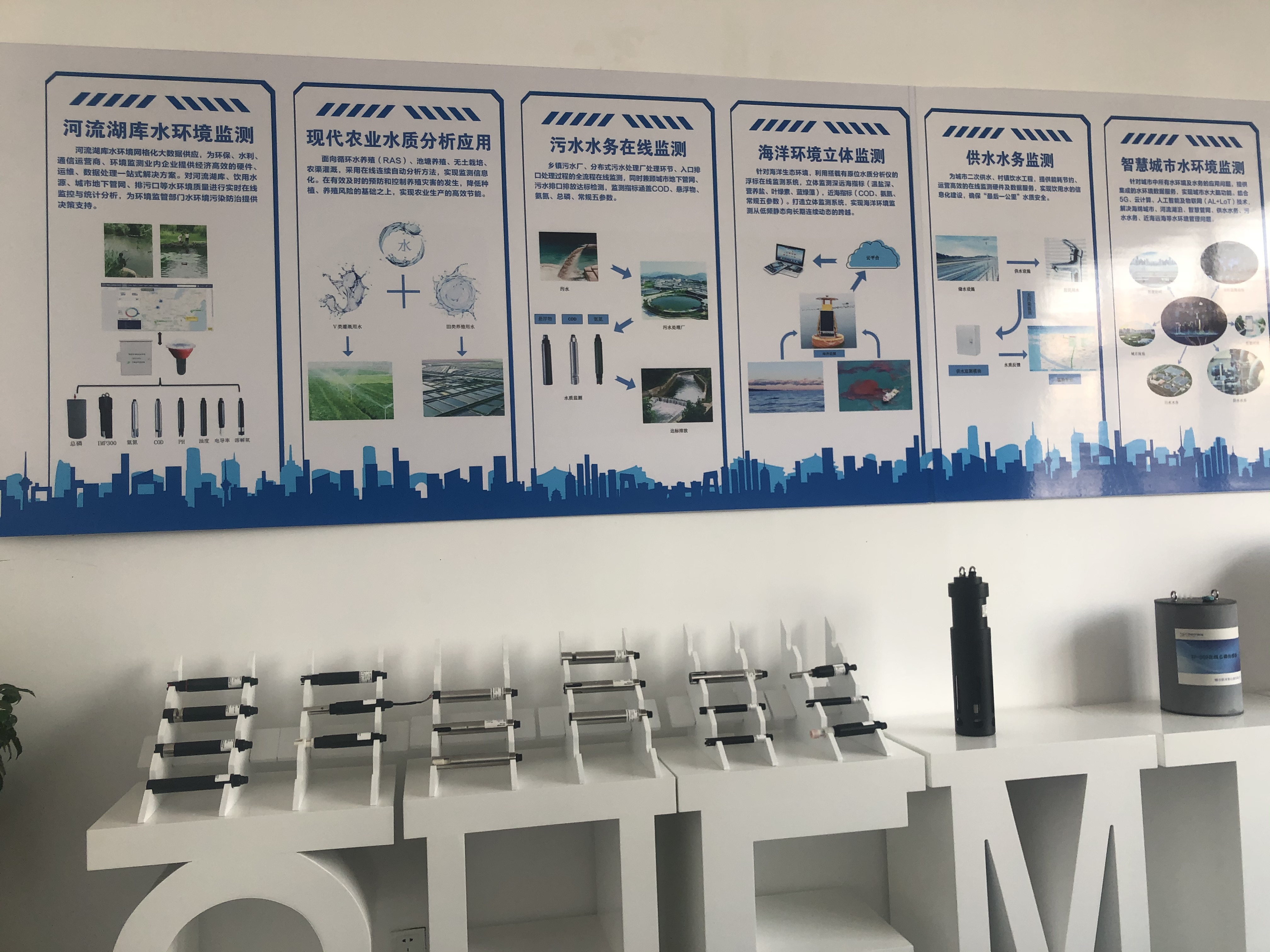
KACISE - XI'AN KACISE OPTRONICS TECH CO., LTD.
Email: sales@kacise.com
Tel/WhatsApp: +86 180-6671-9659
Website: https://www.kcsensor.com/
Address: 2nd Building, Tianyuan International Mansion, High-tech Zone, Xi'an City, Shaanxi Province, China