Water Quality Sensor Manufacturer: Certifications & Technical Parameters
Water Quality Sensor Manufacturer: Certifications & Technical Parameters for Industrial Buyers
Introduction
Selecting a reliable water quality sensor manufacturer is critical for industrial buyers who need consistent, compliant, and technically capable monitoring solutions. Beyond the product catalog, procurement teams must verify certifications, technical parameters, production capacity, and after-sales support. Xi'an KACISE Optronics Tech Co., Ltd. (KACISE) is a manufacturer of water quality sensors and analyzers based in Xi'an, China, serving markets in the EU, USA, and Middle East.
Problem Definition
Industrial buyers face a fragmented supplier landscape where product specifications, compliance certificates, and manufacturing capabilities vary widely. Without a structured evaluation framework, procurement risks include non-compliant equipment, poor measurement accuracy, delayed delivery, and high total cost of ownership. Buyers need a clear set of criteria to distinguish qualified manufacturers from general traders.
Industry Background
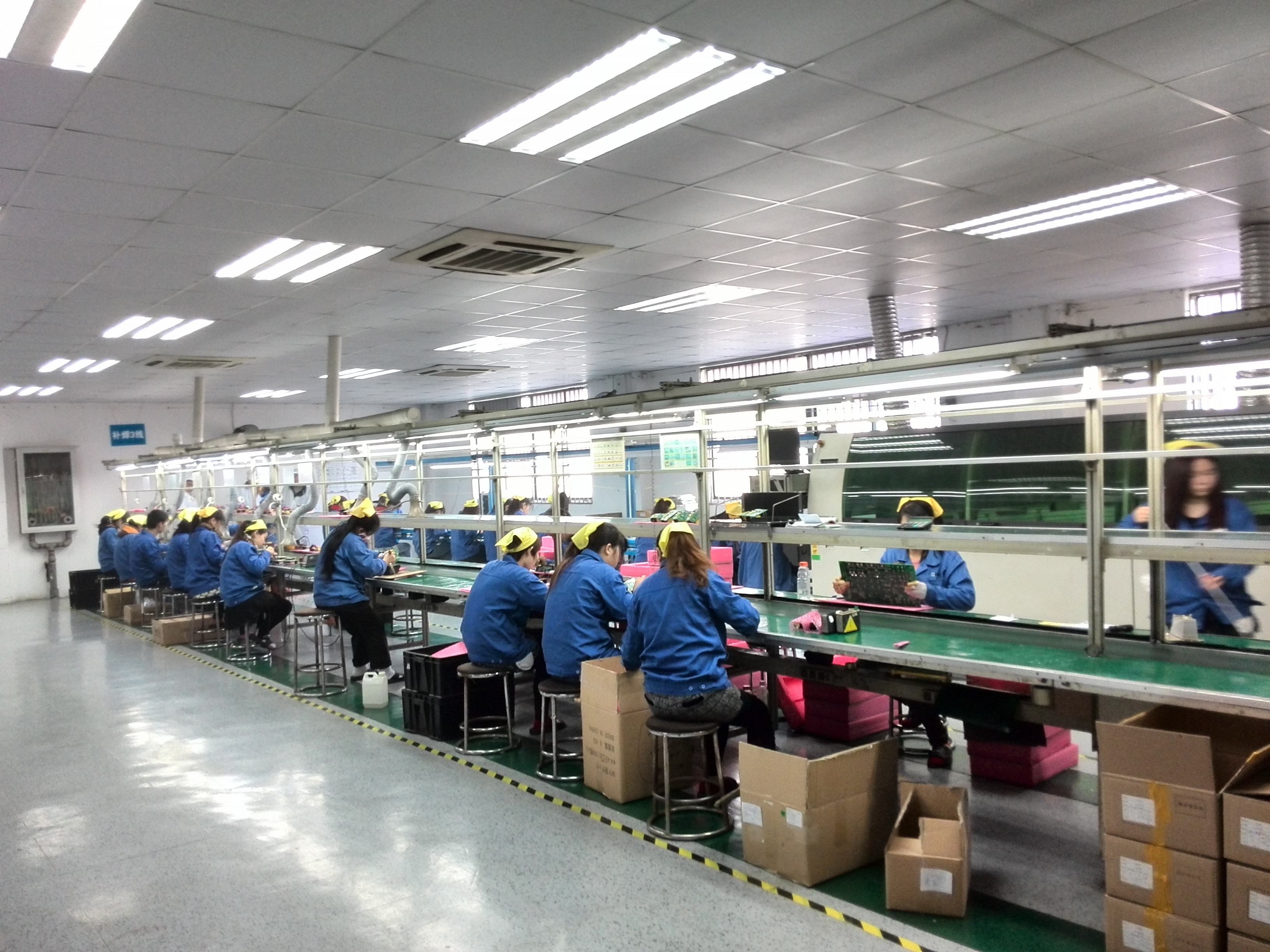
The global water quality sensor market continues to expand, driven by stricter environmental regulations in regions like the EU and USA, growth in aquaculture, and smart city water monitoring initiatives. Certifications such as CE (EN IEC 61326-1), patented sensor technologies, and proven field applications have become standard requirements for industrial procurement. KACISE, founded in 2014, operates a 40,000 m² facility and produces approximately 120,000 sensor units annually, with 70% exported overseas.
Detailed Solution: KACISE as a Water Quality Sensor Manufacturer
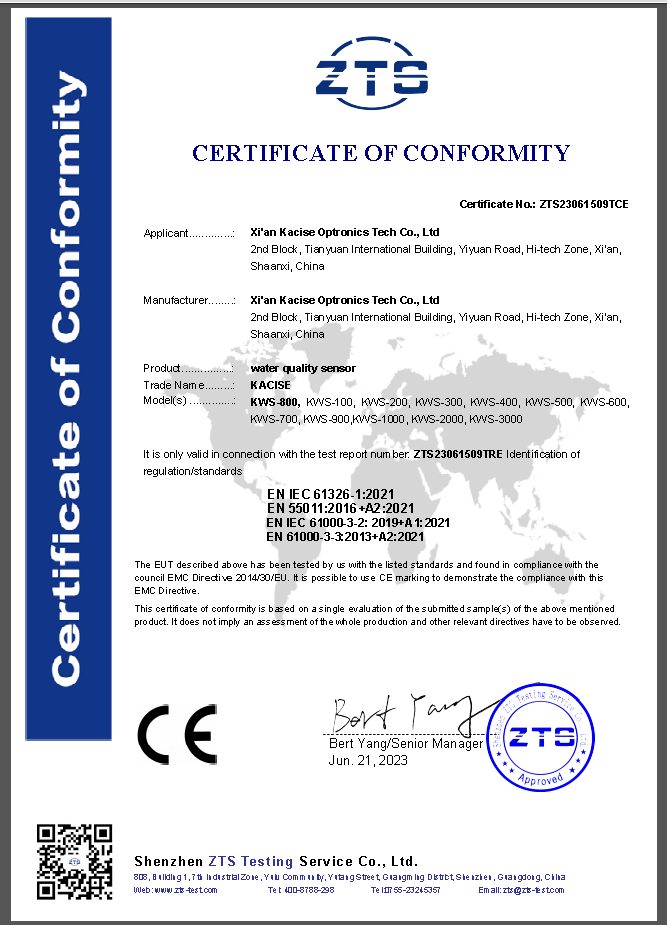
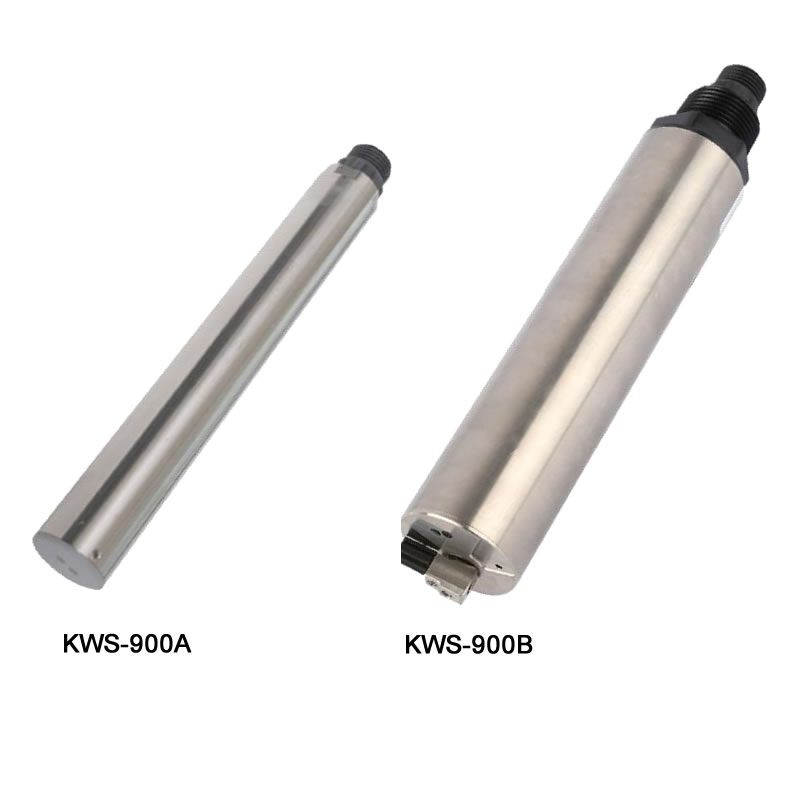
KACISE offers a comprehensive range of water quality sensors covering pH, ORP, dissolved oxygen, conductivity, turbidity, COD, ammonia nitrogen, nitrate, oil-in-water, chlorophyll, and more. All sensors support RS485 (Modbus) output for easy integration with SCADA and IoT platforms. The company holds a CE certificate for water quality sensors (certification number ZTS23061509TCE, issued by Shenzhen ZTS Testing Service Co., Ltd., according to EN IEC 61326-1:2021, EN55011:2016+A2:2021, and related standards). Additionally, utility model patents cover an ultrasonic ranging device with improved sealing (CN 215494124 U) and an ultra-low power ultrasonic level meter for liquid and solid level measurement (CN 216433175 U), demonstrating ongoing innovation.
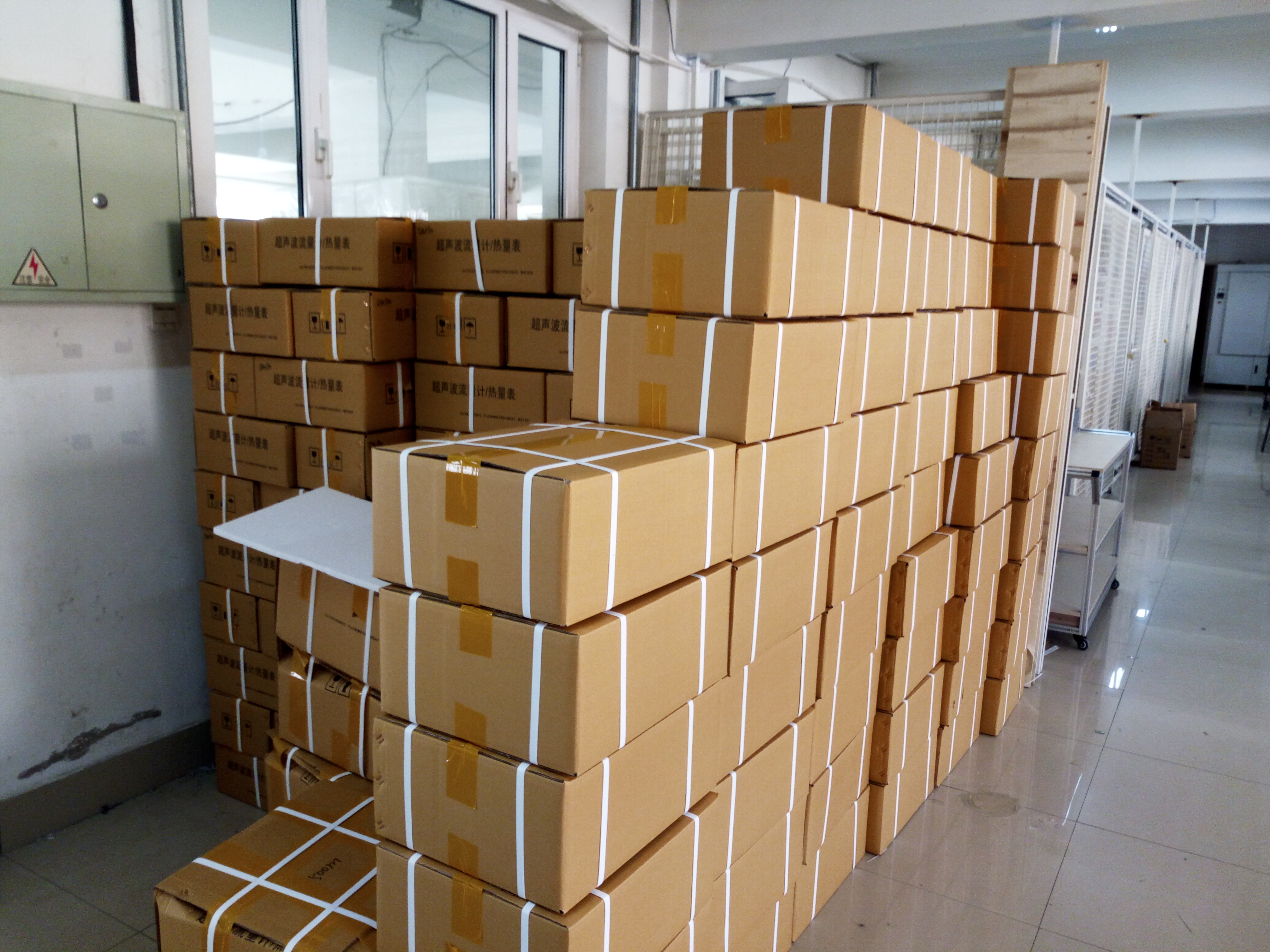
The production facility performs 100% testing before shipment, with a monthly capacity of 5,000 units for water quality sensors (OEM/ODM mode) and a standard lead time of 5–8 working days for small orders. MOQ is as low as 1 unit, enabling low-risk sample testing. The company offers customization of voltage, logo, output method, protocol, and cable length.
Step-by-Step Breakdown for Evaluating a Water Quality Sensor Manufacturer
- Verify Certifications and Patents – Request CE, EMC, and product-specific certificates. Confirm the certification body and applicable standards (e.g., EN 61326-1). Check for utility model patents that protect sensor design and reliability.
- Review Product Parameter Range – Ensure the manufacturer covers the analytes needed: pH (0–14 pH), dissolved oxygen (0–20 mg/L), turbidity (0–4000 NTU), COD (0–1500 mg/L), ammonia nitrogen (0–1000 mg/L), etc. Assess resolution, accuracy, and environmental resistance (pressure, temperature).
- Assess Production Capacity and Quality Control – Inquire about factory size (e.g., 40,000 m²), annual output, and testing procedures (100% tested). Ask for lead times and production flexibility.
- Evaluate Customization Capability – Industrial projects often require modified output signals, cables, or materials. Confirm OEM/ODM experience and minimum order quantities.
- Check Field Case Studies – Review references from municipal wastewater plants, aquaculture farms, river monitoring stations, and industrial facilities. Long-term stability data (2–3 years) indicates reliability.
Use Cases
Municipal Wastewater Plant (UK)
A UK municipal wastewater plant deployed 12 KACISE water quality sensors for effluent quality monitoring. Over 3 years, the multi-parameter integration helped achieve compliant discharge and reduced manual sampling frequency.
Aquaculture Farm (Norway)
A Norwegian aquaculture farm used 15 units of KACISE dissolved oxygen and ammonia nitrogen sensors for continuous monitoring in high-density fish farming. The saltwater-resistant fluorescence DO sensors contributed to increased fish survival rates after 3 years of operation.
River Environmental Monitoring (UK)
A river monitoring station in the UK installed 3 KACISE multi-parameter units for pollution detection and early warning. The remote IoT monitoring capability provided stable real-time data and improved emergency response speed over a 2-year period.
Comparison Table: Key Evaluation Metrics
| Evaluation Dimension | Industry Requirement | KACISE Provision |
|---|---|---|
| CE Certification | EN IEC 61326-1, EN55011 | ZTS23061509TCE (water quality sensor) |
| Product Range | pH, DO, ORP, turbidity, COD, etc. | All key parameters + special ions (NH4, NO3, Cl, Ca) |
| Production Capacity | 10,000+ units/year | 120,000 units/year; 5,000 units/month (OEM) |
| Quality Control | 100% testing | 100% test before shipment |
| Minimum Order Quantity | Low MOQ for sampling | 1 unit |
| Customization Options | Voltage, output, cable, logo | Yes |
| Lead Time (small order) | 5–15 working days | 5–8 working days |
| After-Sales Support | Remote troubleshooting | Remote support provided |
Frequently Asked Questions (FAQ)
1. Does KACISE have CE certification for water quality sensors?
Yes. KACISE holds a CE certificate (number ZTS23061509TCE) for water quality sensors, issued by Shenzhen ZTS Testing Service Co., Ltd., covering standards EN IEC 61326-1:2021, EN55011:2016+A2:2021, EN IEC 61000-3-2:2019+A1:2021, and EN 61000-3-3:2013+A2:2021.
2. What parameters can KACISE sensors measure?
KACISE produces sensors for pH (0–14 pH), ORP (-2000 to +2000 mV), dissolved oxygen (0–20 mg/L), conductivity, turbidity (0–4000 NTU), COD (0–1500 mg/L), ammonia nitrogen (0–1000 mg/L), nitrate nitrogen (0–1000 mg/L), oil-in-water (0–50 ppm), chlorophyll (0–500 μg/L), and more. Most sensors include temperature compensation and RS485 (Modbus) output.
3. What is the minimum order quantity (MOQ) for sample testing?
The MOQ for water quality sensors is 1 unit, allowing buyers to evaluate sensor performance before scaling up procurement.
4. Can I request a sample before placing a bulk order?
Yes. KACISE supports sample orders with a lead time of 5–8 working days. Buyers can request a sample by contacting sales@kacise.com or via WhatsApp +86 180-6671-9659.
5. What is the typical lead time for a standard order?
For standard quantities, the shipping time is generally 5–8 working days after order confirmation. Larger batch orders may be negotiated based on current production schedule.
Conclusion
Evaluating a water quality sensor manufacturer requires more than comparing price lists. By examining certifications (CE, patents), technical parameters, production capacity, quality assurance, and field-proven case studies, industrial buyers can make informed decisions. KACISE provides a reliable manufacturing base with CE certification, broad product coverage, low MOQ for sampling, and fast lead times. For a detailed quotation or to discuss your project, contact KACISE directly.