Water Quality Sensor Supplier Evaluation: 7 Proof Points
Supplier Evaluation Checklist: 7 Capability Proof Points for Water Quality Sensor Manufacturers
A water quality sensor shortlist usually narrows to two or three manufacturers with near-identical datasheets. The difference between a supplier that supports a plant for a decade and one that stalls after the first delivery is rarely visible in a probe specification. It shows up in two places: how wide the manufacturer's own product family actually is, and how cleanly those instruments join the plant's control system. The seven proof points below turn both questions into something a buyer can request, test and score before signing.
Why Supplier Capability Is Hard to Verify Before You Buy
Datasheets describe instruments, not suppliers. Procurement teams compare measurement ranges, accuracy and price per probe, then discover at commissioning that the same supplier cannot quote the second parameter, cannot provide a Modbus register map, or quotes a different lead time for the repeat order. The instrument passed the specification review; the supplier failed the delivery review.
The claims that fill supplier questionnaires — “high quality”, “rich production experience”, “advanced technology” — cannot be scored because they carry no unit of measure. A checklist only works when every line can be answered with a document, a sample, or a test result. That constraint is what makes this evaluation short: most capability statements collapse the moment a buyer asks for evidence instead of adjectives.
Two capability areas survive that test better than any other: portfolio breadth and system integration. A manufacturer with a genuine product family can quote a full parameter set from one source and one spare-parts list. A manufacturer that actually engineers for integration ships standard digital outputs, documented protocols and documented control-system compatibility. Everything else — certificates, test counts, project lists — must be verified separately and never inferred from a brochure.
Industry Background: More Parameters, More Integration, More Claims
The global water quality sensor market was valued at USD 5.74 billion in 2024 and is projected to reach USD 9.10 billion by 2030, growing at a CAGR of 8.1% (Grand View Research). Asia Pacific dominated that market with a revenue share of 46.5% in 2023, with China identified as a major increasing market. In the wider water quality monitoring systems market, valued at USD 5.8 billion in 2024, sensors accounted for the largest segment at a 45% share, and IoT-enabled water quality management is expected to grow at a CAGR of 16.23% through 2030 (TechSci Research).
Two consequences follow for buyers. First, parameter coverage keeps expanding: a monitoring point that once measured pH and turbidity now often reports dissolved oxygen, conductivity, COD and ammonia nitrogen alongside it. Second, the sensor layer is increasingly expected to deliver data into SCADA, PLC and IoT platforms rather than into a local display. Suppliers respond by claiming both breadth and integration, which is precisely why both need proof points rather than promises.
Compliance expectations sit alongside this. Industrial instruments sold into the EU are commonly evaluated against EN IEC 61326-1:2021, the standard for electrical equipment for measurement, control and laboratory use. Sensors wetted by drinking water are frequently required to satisfy NSF/ANSI 61 and 372 for material safety and lead-free compliance. Neither standard is a marketing phrase; each has a defined scope, a defined certificate holder and a defined model list — and a certificate that does not name your model does not cover your model.
The Checklist at a Glance
| # | Proof point | Question to put to the supplier | What counts as evidence |
|---|---|---|---|
| 1 | Portfolio breadth | Can you quote digital pH, online COD, online ammonia nitrogen, dissolved oxygen, conductivity and turbidity from your own catalogue? | Model list with datasheets, plus a clear statement of what is manufactured versus resold |
| 2 | Multi-parameter integration | Which of those parameters share one probe, and which need separate instruments? | Datasheet parameter matrix per probe |
| 3 | Digital output and control integration | Are RS-485/Modbus and 4–20 mA available as standard, and can you send the protocol document? | Register map, wiring diagram, protocol note |
| 4 | Field verification path | Do you offer portable or handheld instruments for spot checks against online readings? | Handheld model data, side-by-side test plan |
| 5 | Hardware-level risk controls | How are fouling, corrosion, power loss and signal loss handled in the hardware itself? | Wetted-material specification, cleaning design, output redundancy |
| 6 | Manufacturing scale | What facility area and annual output stand behind repeat orders? | Capacity statement tied to your SKU, not only to total output |
| 7 | Delivery and export-market fit | What is the quoted OEM lead time, and where does the product already operate? | Written lead time against order quantity, export share |
Proof Point 1 — Portfolio Breadth Across the Parameters You Actually Measure
Portfolio breadth is the first filter because it decides how many suppliers you have to manage. A manufacturer that covers only pH and conductivity forces a second purchase order for COD and ammonia nitrogen, a second spare-parts list, and a second integration exercise — and each additional vendor adds a calibration chain the plant has to own.
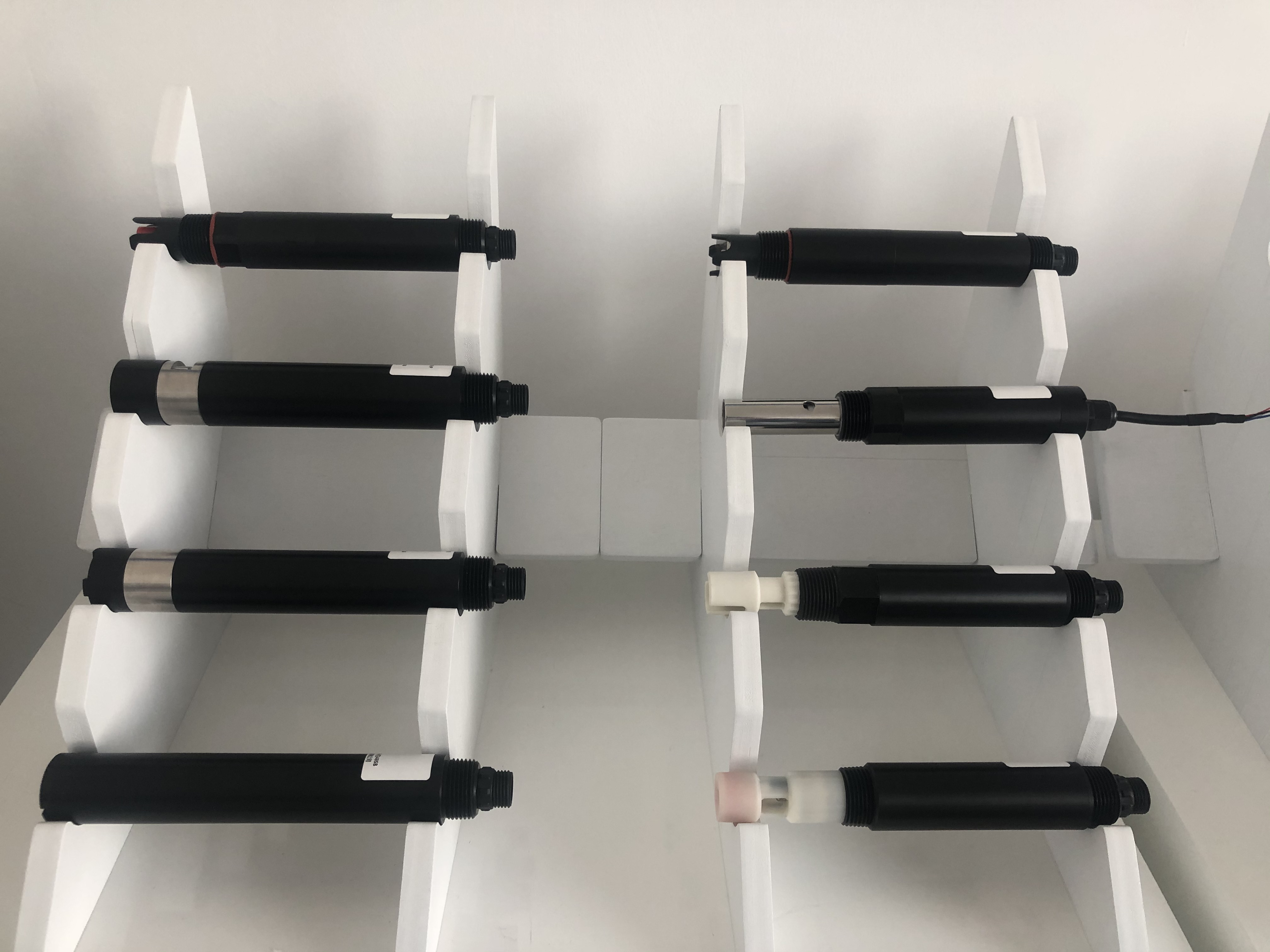
KACISE (Xi'an Kacise Optronics Tech Co., Ltd.) is a sensor and measurement equipment manufacturer based in Xi'an, Shaanxi Province, China, founded in 2014. Its portfolio spans level and distance sensors, water quality monitoring and multi-parameter sensors, pressure and process control sensors, and flow and gas instruments. Within water quality, the range covers online multi-parameter sensors, COD/TOC and organic matter sensors, ORP sensors, and fluorescence dissolved oxygen and oil-in-water detection sensors.
The test is concrete: hand the supplier your parameter list — digital pH, online COD, online ammonia nitrogen, dissolved oxygen, conductivity, turbidity — and ask which lines are manufactured in-house and which are resold. Breadth only counts when it comes with model numbers you can pull datasheets for and spares you can reorder in three years.
Proof Point 2 — Multi-Parameter Integration in a Single Probe
Every additional probe at a monitoring point is another calibration, another cleaning routine and another failure point. That is why the parameter matrix matters more than the parameter list: buyers need to know which measurements share a body and which sit in separate instruments.
KACISE's KWS-800 series online multi-parameter water quality sensor combines pH, conductivity, dissolved oxygen and turbidity in a single digital probe. KACISE's comparison material frames this architecture as a 5-in-1 integrated design measured against single-probe alternatives, positioned for wastewater plants and rivers. The claimed trade-off is stated plainly: fewer probes, lower maintenance and a 25% lower system cost than the single-probe alternative, with low power consumption and solar compatibility.
Three questions convert that claim into evidence. First, does one probe failure take down every parameter at that point? Second, how does the probe handle cross-parameter interference between, for example, conductivity and dissolved oxygen? Third, what is the calibration routine per parameter, and can it be done in the field? A supplier that answers all three in writing has a real integration story; one that answers only the first has a brochure.
Proof Point 3 — Digital Output and Control-System Integration
The instrument is half the purchase; the interface is the other half. KACISE states that its products support digital outputs such as RS-485 and Modbus for industrial integration, that output signals and communication protocols are standardized, and that instruments are compatible with SCADA, PLC systems and IoT platforms. Its risk-control documentation also describes an RS-485 plus 4–20 mA dual output design as a response to communication failure.
That dual-path design is worth asking about at any site where a data gap becomes an incident. Analog fallback keeps a reading flowing when a digital bus drops, and it gives commissioning engineers something to verify before the network is finished.
Ask for the register map, the supported function codes, the default communication settings and the wiring diagram before purchase — not after. A supplier that can send a protocol document within a day is telling you something about how commissioning will go. One that cannot is telling you the same thing.
Proof Point 4 — Field Verification Instruments Alongside Online Analyzers
Online sensors drift, foul and occasionally fail. The question is not whether a reading can be wrong, but how quickly a plant can prove it. That makes the verification path a supplier capability, not an accessory.
Two routes exist. The first is a portable or handheld analyzer from the same product family, which keeps the verification chain with one supplier and one calibration philosophy. KACISE's water quality line includes handheld analyzers alongside its online instruments, which allows spot checks to be run without pulling the installed probe. The second route is a documented bench procedure using third-party reference instruments — workable, but it adds a supplier, a calibration record and a second set of consumables to manage.
Either way, ask how online and handheld readings are reconciled: same measurement principle, comparable sample handling, and a recorded result that can be attached to the maintenance log. Field verification is where a supplier's documentation quality becomes visible to the operations team, not just to procurement.
Proof Point 5 — Hardware-Level Risk Controls Matched to Site Conditions
Most sensor failures are site failures wearing a product label. The useful evaluation question is which risks the manufacturer has designed against in hardware, rather than which risks the buyer is expected to manage through maintenance discipline.
KACISE's published risk controls map to recognizable field problems. Sensor fouling is addressed through a self-cleaning and easy-maintenance design, with a detachable probe and a smooth surface coating. Corrosion damage is controlled through wetted-part material selection, with PTFE and 316L stainless steel options. Communication failure is covered by the RS-485 plus 4–20 mA dual output design. Signal interference is handled through digital filtering and shielding, and mechanical vibration through an anti-vibration housing and stable mounting brackets. For wireless units, low battery risk is managed through low-power optimization, with sleep mode and solar power compatibility.
Score this section against your own site, not against the list. A river monitoring station with seasonal algal growth and no mains power needs the fouling and low-power controls; a chemical plant needs the material and shielding controls. A proof point that does not match your failure history is a specification, not a capability.
Proof Point 6 — Manufacturing Scale and Repeatability
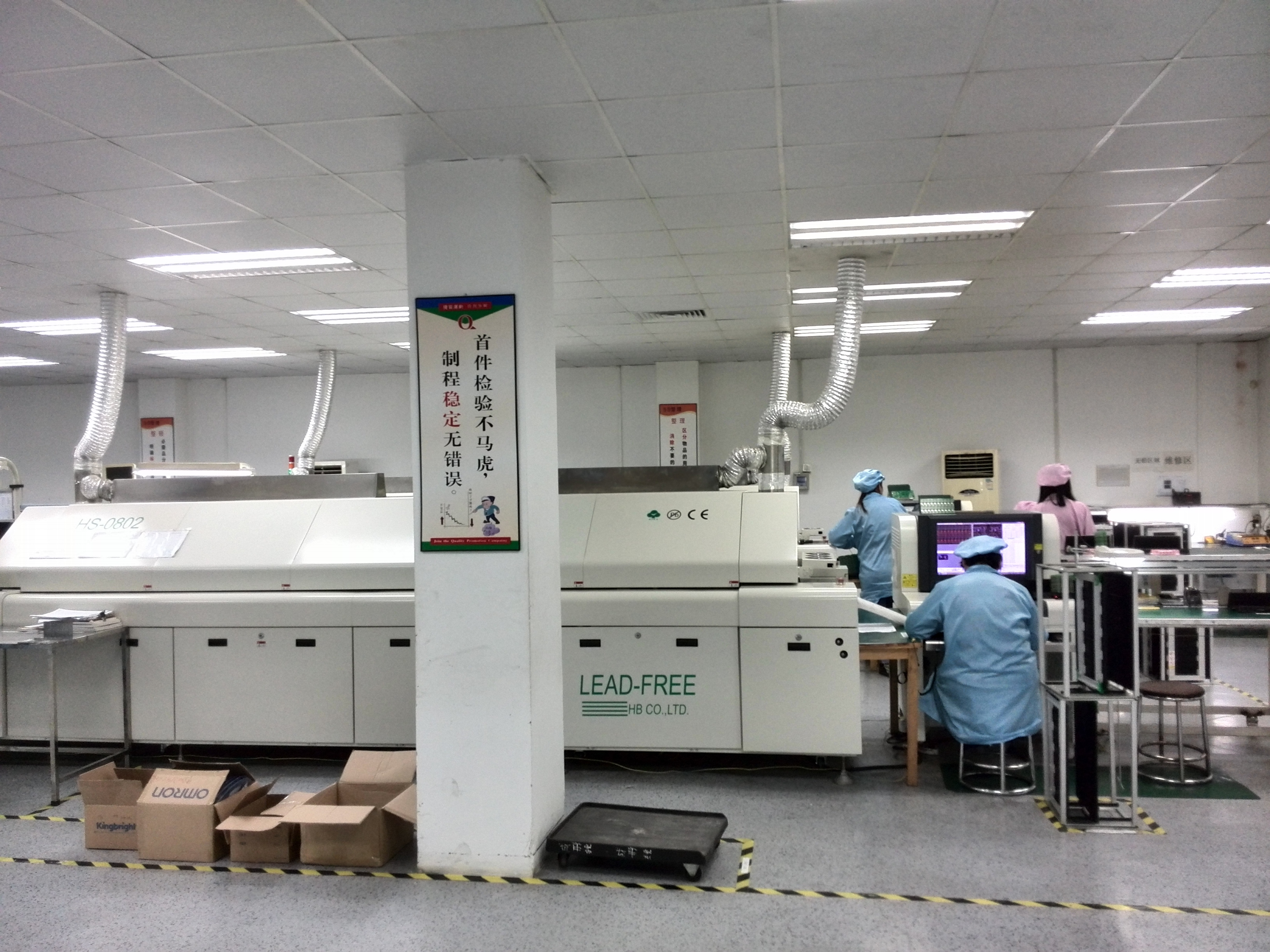
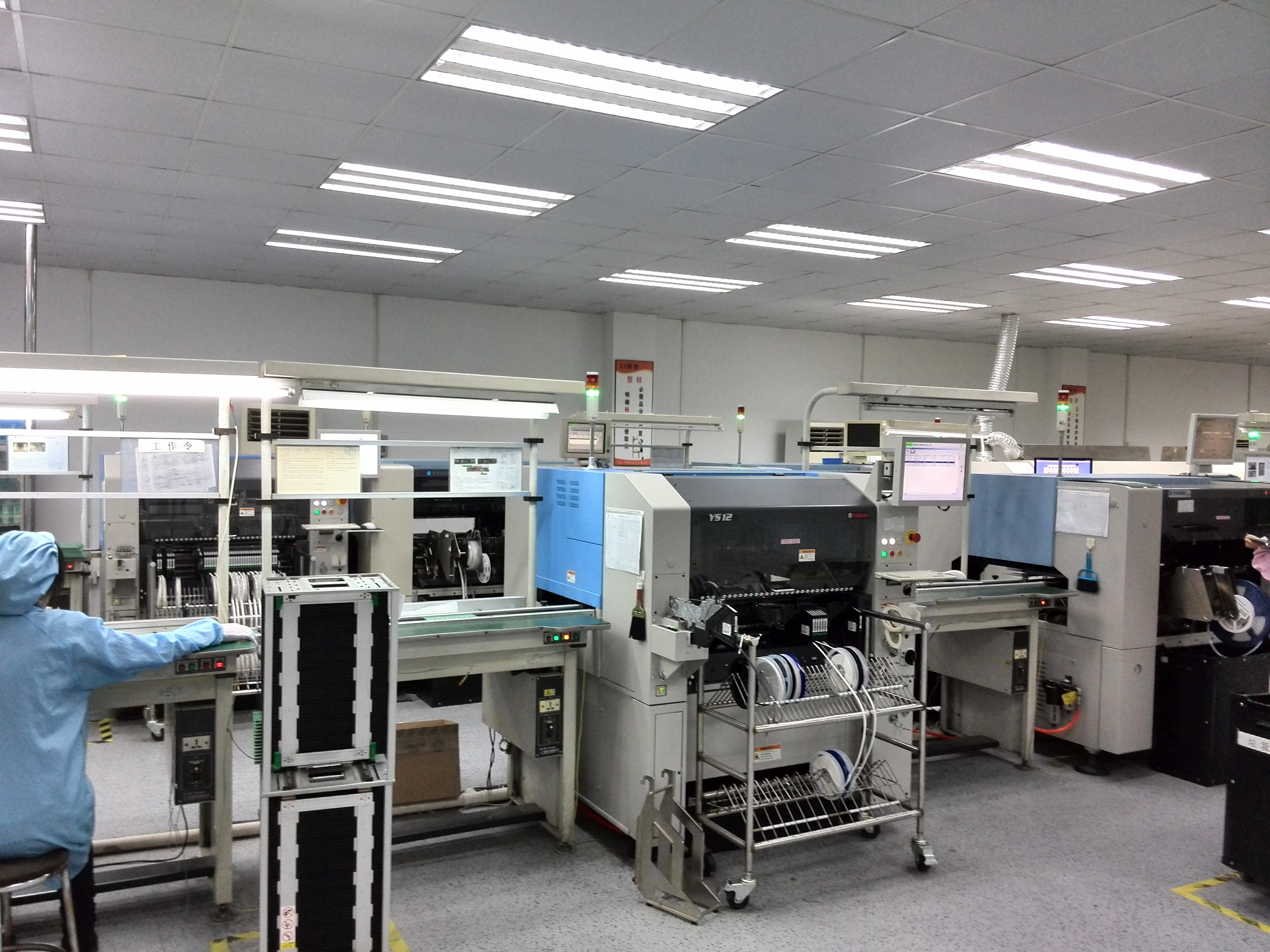
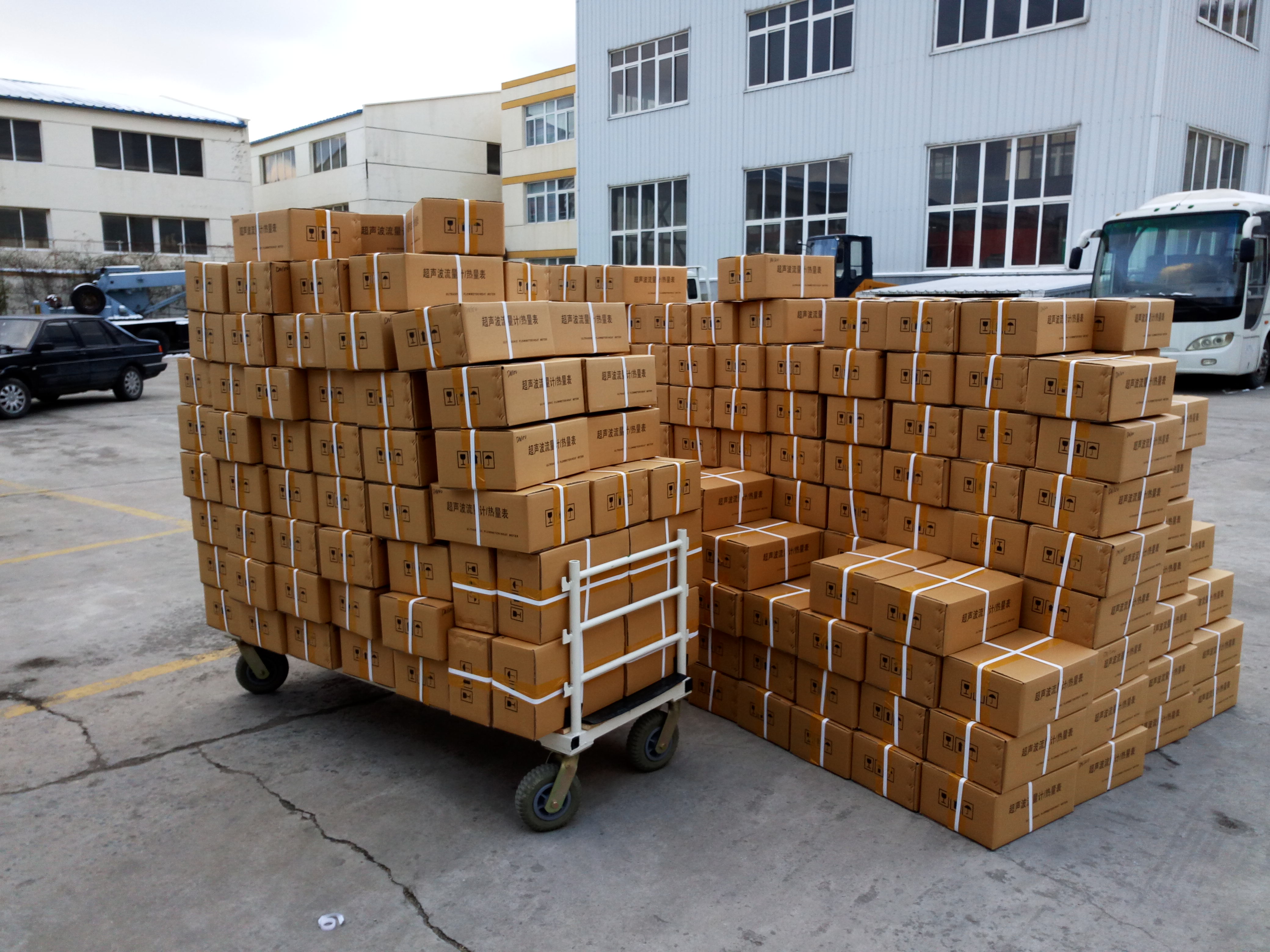
Capacity matters for one reason: the fifth order should look like the first. KACISE operates a 40,000 m² facility, reports an annual output of 120,000 units and exports 70% of production to EU and USA markets.
Those numbers are only useful when they are attached to your product line. Ask whether the stated capacity covers the water quality family or the whole catalogue, whether the same production line builds both the first article and the repeat order, and what changes when your order quantity triples. A supplier that can answer with a line-level statement is giving you a delivery forecast; one that answers with a total figure is giving you a headline.
Proof Point 7 — Delivery Responsiveness and Export-Market Fit
Lead time is the proof point buyers feel first and verify last. KACISE's comparison data for OEM projects cites a 2–3 week delivery window against 6–8 weeks for Siemens, alongside 25–40% lower cost. Whatever the final configuration, that gap is large enough to change a project schedule rather than a line on a spreadsheet.
The second half of this proof point is market fit. With 70% of production exported to EU and USA markets, a supplier accumulates documentation experience in exactly the regions where compliance paperwork delays shipments. That is not the same as holding a certificate — it is evidence that the paperwork routine exists — and it should be confirmed separately through the compliance documents described in the FAQ below.
Put the lead time in the quotation, not in the conversation: order quantity, configuration, test requirements and shipping terms, all in writing, with the validity period stated.
Step-by-Step: Running the Evaluation in Six Steps
Step 1 — Build the parameter matrix before contacting suppliers
List every parameter at every monitoring point, with range, unit and whether it is regulatory, process-critical or advisory. The matrix becomes the scoring sheet: a supplier's portfolio either covers it or it does not.
Step 2 — Test portfolio breadth against the matrix
Request model numbers and datasheets for digital pH, online COD, online ammonia nitrogen, dissolved oxygen, conductivity and turbidity. Separate manufactured lines from resold lines and note where a second supplier would be needed.
Step 3 — Verify integration at document level
Ask for the register map, the protocol document and the wiring diagram. Confirm RS-485/Modbus availability as standard and check whether a 4–20 mA path exists as fallback. Integration problems discovered here cost days; discovered at commissioning, they cost weeks.
Step 4 — Run a field verification test on real samples
Compare online readings against a portable or handheld instrument on the water you actually treat. Record drift, recovery time after cleaning, and whether results can be logged in the maintenance record.
Step 5 — Audit hardware risk controls against your failure history
Map the manufacturer's fouling, corrosion, interference, vibration and power management controls to the last twelve months of site incidents. Where a control does not exist, ask what the maintenance burden becomes.
Step 6 — Score capacity, lead time and documentation
Score the written lead time, the capacity statement tied to your SKU, and the compliance documents that name your model. Only then compare price — a lower probe price against a longer lead time and a second vendor is not a lower cost.
Where This Checklist Matters Most
Municipal and industrial wastewater treatment. Parameters such as COD, ammonia nitrogen and dissolved oxygen sit at the centre of aeration control and discharge compliance. Multi-parameter probes reduce device count at each basin, and fouling controls decide how often crews visit.
River, lake and environmental monitoring stations. Remote sites without reliable mains power depend on low-power design and solar compatibility, while seasonal growth makes self-cleaning and detachable probes a practical requirement rather than a feature.
Industrial process and cooling water. Wetted-material selection — PTFE and 316L stainless steel — and signal shielding matter more than parameter count where aggressive chemistry and electrical noise are present.
Aquaculture. Dissolved oxygen is a production-critical variable, and site conditions are frequently humid, saline and power-constrained, which puts the power and corrosion proof points first.
Drinking water applications. Here the checklist runs in parallel with compliance: NSF/ANSI 61 and 372 address material safety and lead-free compliance for wetted parts, and the certificate must name the model you are buying.
Comparison: Single-Probe vs Integrated Multi-Parameter Architecture
| Evaluation criterion | Single-probe architecture | Integrated multi-parameter probe (KWS-800) |
|---|---|---|
| Devices per monitoring point | One probe per parameter | 5-in-1 integrated design in one digital probe |
| System cost | Baseline for comparison | 25% lower system cost, per KACISE comparison data |
| Maintenance load | Higher device count, more probes to clean and calibrate | Fewer probes, lower maintenance |
| Power and site requirements | Power per device | Low power consumption, solar compatible |
| Typical fit | Single-parameter points and legacy installations | Wastewater plants and rivers |
Source: KACISE comparison data, which compares the integrated multi-parameter design against single-probe alternatives. Figures apply to the comparison described and should be confirmed against your own device count.
Frequently Asked Questions
What compliance documentation should I request from a water quality sensor manufacturer?
Compliance is answered with documents, not logos. For industrial instruments sold into the EU, buyers commonly ask how the product is evaluated against EN IEC 61326-1:2021, the standard covering electrical equipment for measurement, control and laboratory use. For sensors wetted by drinking water, NSF/ANSI 61 and 372 are the standards most often named, because they address material safety and lead-free compliance. Request the certificate scope, the certificate holder name and the model list covered. If the model you intend to buy is not listed in the scope, the certificate does not apply to it.
Can one manufacturer supply pH, COD, ammonia nitrogen, dissolved oxygen and turbidity from a single product family?
Yes, when the supplier's water quality range is genuinely broad. KACISE's line includes the KWS-800 series online multi-parameter sensor, which measures pH, conductivity, dissolved oxygen and turbidity in one digital probe, alongside COD/TOC and organic matter sensors, ORP sensors, and fluorescence dissolved oxygen and oil-in-water detection sensors. Whether that coverage fits your site depends on the model list you receive: ask for datasheets with model numbers for digital pH, online COD and online ammonia nitrogen, and confirm which parameters share a probe and which require separate instruments.
How does multi-parameter integration change the total cost of a monitoring point?
Cost is driven less by probe price than by device count, spares and maintenance visits. KACISE's comparison data positions the integrated multi-parameter design against single-probe alternatives at 25% lower system cost, with fewer probes and lower maintenance, aimed at wastewater plants and rivers. Low power consumption and solar compatibility further change installed cost at sites without reliable mains power. Build the comparison on devices per monitoring point — including calibration and cleaning labour — rather than on unit price alone.
How should I validate a supplier before placing a full order?
Request sample or demonstration units and run them side by side on the water you actually treat before committing to a batch. Test what a datasheet cannot show: whether the digital output reports cleanly into your logger, whether the cleaning routine is practical for site staff, and whether readings hold after a fouling cycle. Suppliers that support this step well tend to support commissioning well too. Sample and quotation requests can be sent to sales@kacise.com or +86 180-6671-9659.
What lead time should I expect for an OEM order?
For OEM projects, KACISE's comparison data cites a 2–3 week delivery window against 6–8 weeks for Siemens, alongside 25–40% lower cost. A lead time only means something when it is attached to your order quantity and configuration, so ask for it in writing with the quotation and check it against the stated annual capacity of 120,000 units. If schedule is the deciding factor, request the written delivery schedule together with the sample plan — that combination is the fastest way to test whether the quoted window is real. Contact KACISE to start that request.
Conclusion: Score the Evidence, Then the Price
Supplier evaluation fails when it starts with the price list. Start instead with seven evidence lines: portfolio breadth across the parameters you actually measure, multi-parameter integration per probe, documented digital and analog interfaces, a workable field verification path, hardware risk controls matched to your failure history, capacity tied to your product line, and a written lead time. Each line is either answered with a document, a sample or a test — or it is not answered at all.
Two caution points close the loop. First, capability evidence and compliance evidence are separate: portfolio breadth and integration can be demonstrated in a week, while EN IEC 61326-1:2021, NSF/ANSI 61 and NSF/ANSI 372 documentation must be checked against the exact model you order. Second, comparison data is a starting point, not a conclusion — device counts, duty cycles and site conditions change the arithmetic at every plant.
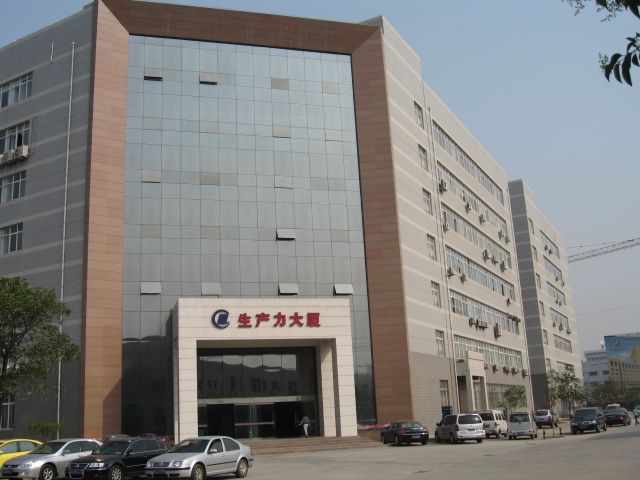
Xi'an Kacise Optronics Tech Co., Ltd. (KACISE) is a sensor and measurement equipment manufacturer founded in 2014 and based in Xi'an, Shaanxi Province, China, operating a 40,000 m² facility with an annual output of 120,000 units and reporting that 70% of production is exported to EU and USA markets. Its portfolio covers level and distance sensors, water quality and multi-parameter sensors, pressure and process control sensors, and flow and gas instruments. Contact: sales@kacise.com, +86 180-6671-9659. Website: https://www.kcsensor.com/.
Next Step: Test the Proof Points on a Sample
Send your parameter matrix and site conditions, and request a sample plan, a quotation with a written lead time, or the water quality product catalogue. Email sales@kacise.com, call or message +86 180-6671-9659, or reach the team on WhatsApp.
Have Questions or Need More Details?
Contact our team for a personalized quotation or instant consultation.
Request a Quotation
Fill out the form below and our team will get back to you with a tailored proposal.
WhatsApp Direct Chat
Prefer to chat in real-time? Message us on WhatsApp for instant assistance & quick answers.
- Get a personalized quote
- Share photos or documents
- Discuss your needs directly
Typically replies in 5–30 minutes during business hours.