
What Is a Structure Tent? Aluminum Frame Systems for Industry and Events
What Is a Structure Tent? Aluminum Frame Systems for Industry and Events
Short answer: A structure tent is an engineered aluminum-frame and PVC-fabric building designed for temporary, semi-permanent, or permanent use. It can serve as a warehouse, exhibition hall, sports venue, aircraft hangar, wedding tent, or showroom.
For buyers in the early research stage, the term structure tent can feel broad. This article explains what a structure tent is, what specifications matter, where it is used, and how to compare suppliers with confidence.
Why Structure Tent Is Hard to Define
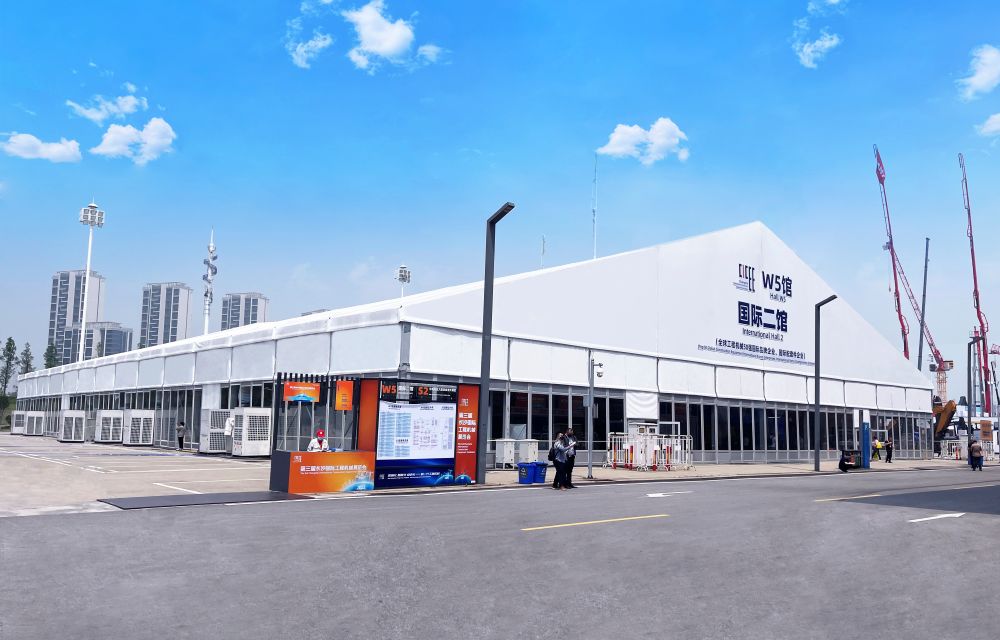
A structure tent is often confused with a domestic tent or canopy. The main difference is structural engineering. A structure tent uses an aluminum frame to carry loads, and the roof and sidewall fabric are attached to that frame. This makes wide clear spans possible without interior columns, and it allows the structure to be engineered for wind, snow, and fire performance.
When buyers search structure tent, they are usually looking for more than a covered area. They need space that is quick to install, possible to relocate, and rated for real weather loads. The sections below define the main product, specifications, and evaluation process.
Industry Background: A Growing Market for Clear-Span Shelters
Demand for structure tents is linked to the need for fast, flexible indoor space. According to OEC, China's exports of tents, awnings, and sails reached approximately USD 3.11 billion in 2024, giving China a 53.3% global export share. Industry projections cited by Shelter Structures and Rethinking The Future estimate that the broader global tent market, including industrial storage, sports, and events, will grow from USD 4.01 billion in 2025 to USD 6.07 billion by 2033.
For European projects, temporary structure tents with a ground area above 50 m² must comply with EN 13782:2015, a CEN standard covering structural stability under wind and snow loads. In North America, tent fabrics are commonly required to meet NFPA 701 for flame propagation. These standards are useful reference points when evaluating a structure tent supplier.
Detailed Solution: The KENTEN Structure Tent System
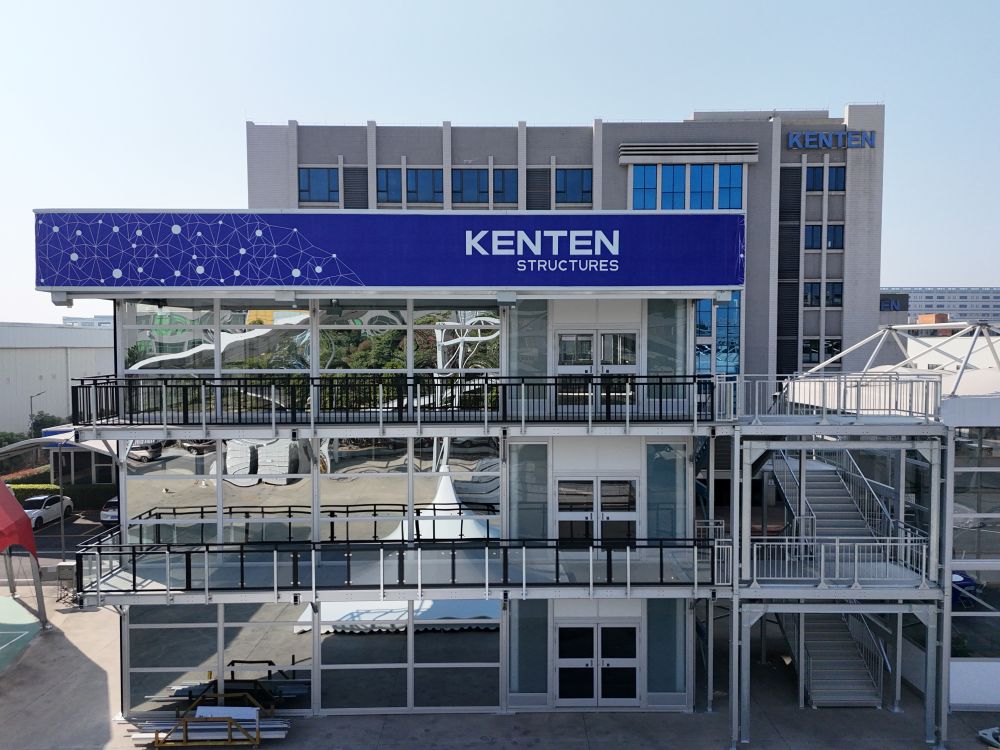
KENTEN Structures designs and manufactures aluminum permanent and semi-permanent structures for events, industry, and public use. The main product line is the Structure Tent, with models K1 to K10 and span widths from 3 m to 80 m. Length is unlimited, extendable in 5 m bay spacing, and eave height is 2.5 m to 8 m and customizable.
The main frame uses high-strength 6061-T6 or 6082-T6 aluminum alloy. The roof fabric is 850 g/m² PVC coated polyester. Wind resistance is up to 140 km/h, snow load up to 0.5 kN/m², and the operating temperature range is -30°C to +70°C. Fabric options meet DIN 4102 B1, M2, and NFPA 701 flame-retardant standards. Sidewall options include PVC, glass wall, ABS wall, and sandwich panel. Installation can use ground anchors or concrete ballast. The aluminum frame has a lifespan of 20+ years, while the PVC fabric lasts 8–15 years.
Warehouse Tent: A Dedicated Storage Configuration
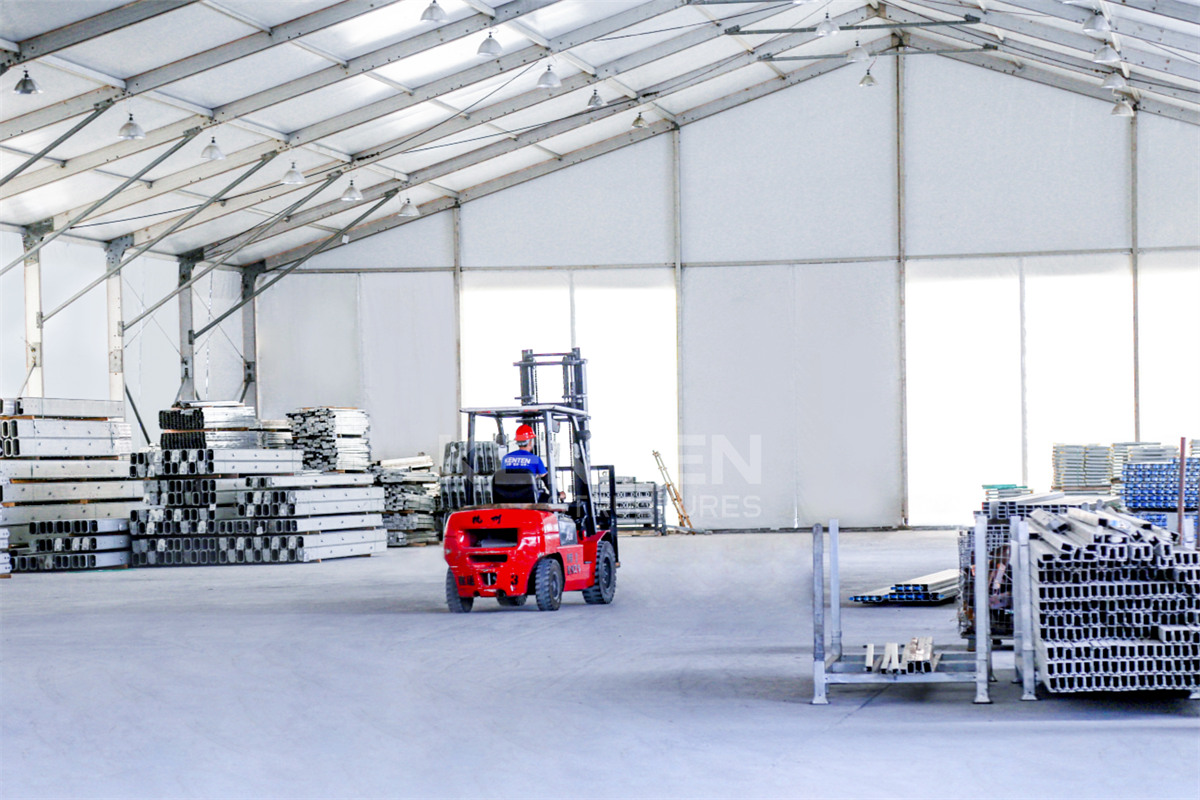
For manufacturing and logistics, KENTEN offers the W1 Warehouse Tent. It is designed for warehouse and logistics scenarios, with a span width of 3–60 m, customizable length from 10 m to over 100 m, and a peak height of approximately 9 m at a 30 m span. The main frame uses the same 6061-T6/6082-T6 aluminum alloy. The roof cover is 850 g/m² PVC, UV-treated, and fire-retardant. Sidewalls can be PVC, corrugated steel, or sandwich panel. The W1 can handle snow loads up to 75 kg/m² and wind loads up to 120 km/h. Foundations are site-dependent and can be concrete anchors or ground stakes.
Production and Engineering Capacity
KENTEN Structures was established in 2001 and operates regional offices in China, Hong Kong, Singapore, and the Mid-East. Manufacturing centers are located in China, USA, and the Mid-East. The facility covers 80,000 m² and employs approximately 200 staff, including a 10-person R&D team. Annual production capacity reaches 1,000,000 m². Export sales account for 80% of total sales, with major markets in the USA and EU. Quality control covers structural certifications including IBC 2024, CBC 2025, ASCE 7-22, GB 50429, and EN 13782.
Step-by-Step: How to Evaluate a Structure Tent
Use the following framework to turn a general structure tent inquiry into a clear specification.
Step 1: Define span and length
The span is the first number to confirm. KENTEN K-series structure tents range from 3 m to 80 m, while the W1 warehouse tent ranges from 3 m to 60 m. Length is customizable; the K-series extends in 5 m bay spacing.
Step 2: Check wind and snow load
Wind and snow loads determine whether the structure is suitable for the project site. The K-series is designed for wind resistance up to 140 km/h and snow loads up to 0.5 kN/m². The W1 is rated for wind up to 120 km/h and snow up to 75 kg/m². Confirm the exact values with the supplier for the project location.
Step 3: Confirm fabric fire performance
Fire-rated fabric is a common requirement for events, industrial facilities, and public use. KENTEN roof fabric meets DIN 4102 B1, M2, or NFPA 701 depending on the configuration. Ask which standard applies to the fabric being quoted.
Step 4: Select sidewalls and access
Sidewalls affect interior comfort, security, and ventilation. Options include PVC, glass wall, ABS wall, and sandwich panel. For a warehouse, roller doors, ventilation fans, insulated panels, loading docks, and LED lighting may be needed. For a showroom or event venue, glass walls and entrance doors are often specified.
Step 5: Plan installation and relocation
KENTEN structure tents are designed for on-demand installation and can be reused for temporary or long-term use. Foundation choices include ground anchors or concrete ballast, depending on the site. If the tent may move, discuss the installation sequence and dismantling requirements.
Step 6: Review manufacturer engineering capacity
Look for evidence of production and engineering resources. KENTEN operates an 80,000 m² facility, employs about 200 staff, and has a 10-engineer R&D team. Structural certifications include IBC 2024, CBC 2025, ASCE 7-22, GB 50429, and EN 13782.
Step 7: Request a project-specific proposal
Once the key parameters are listed, contact the manufacturer with span, length, location, and intended use. KENTEN can be reached at kenten@kentenstructures.com or +189 9858 2207. A brochure is available for initial review.
Use Cases: Where Structure Tents Work Best
Warehouse and Logistics
For temporary warehouse, distribution center, or storage shelter projects, a structure tent supports inventory storage, logistics operations, and cargo protection. KENTEN structures can operate in high-temperature conditions up to 70°C, rainproof, and dustproof environments. Supporting equipment includes roller doors, ventilation fans, insulated panels, loading dock, and LED lighting.
Events and Exhibitions
For exhibition halls, trade shows, and event pavilions, structure tents provide product display, brand promotion, and exhibition space. They are designed for high visitor traffic and temporary venue environments, with glass walls, flooring, LED lighting, air conditioning, entrance doors, and branding banners as common additions.
Wedding and Hospitality
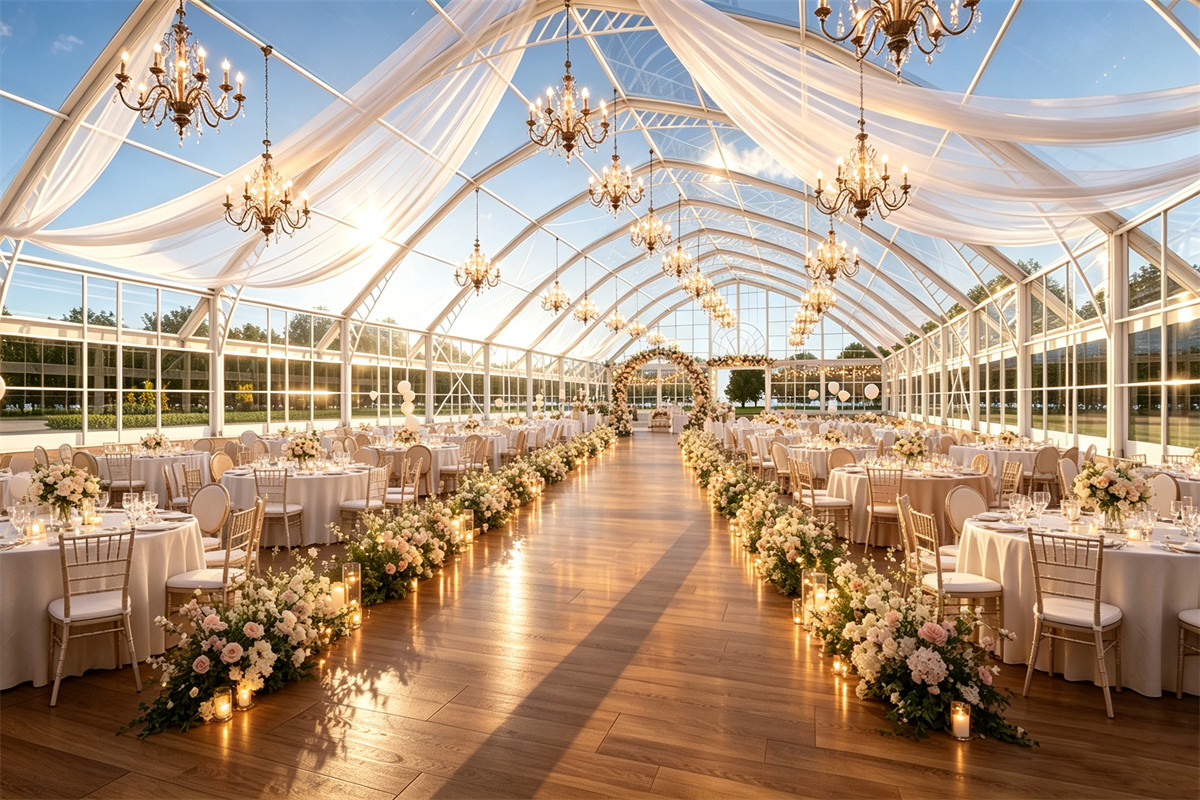
For wedding tents, banquet halls, and reception venues, structure tents create outdoor, all-weather, luxury spaces. Common supporting equipment includes glass walls, glass doors, flooring, lining, chandelier, HVAC, and curtains. Special requirements include fire retardant, waterproof and windproof, structural load-bearing, and quick installation.
Sports Facilities
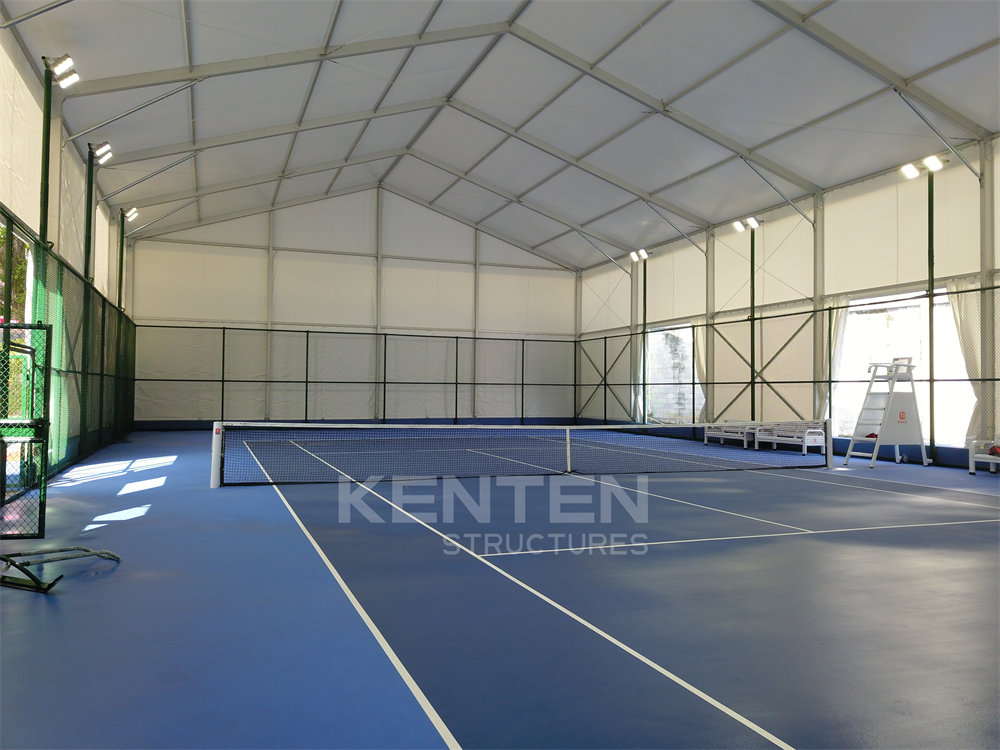
For tennis courts, basketball halls, and swimming pool covers, structure tents support sports training, competitions, and spectator events. They operate in all-weather conditions in large open spaces, with sports flooring, grandstands, LED lighting, HVAC, and scoreboard support. Materials should meet flame-retardant standards such as DIN 4102 B1, M2, or NFPA 701.
Aviation
For aircraft hangars and MRO facilities, structure tents provide aircraft storage, maintenance, and inspection space. They require large hangar doors, lighting, ventilation, crane support, and insulation. The structure must also be fire retardant, waterproof, windproof, load-bearing, and quick to install.
Automotive
For vehicle workshops and showrooms, structure tents support vehicle maintenance, display, and temporary showroom functions. Vehicle-accessible spaces can be equipped with glass walls, roller doors, vehicle access doors, and LED lighting.
Comparison: K-Series Structure Tent vs W1 Warehouse Tent
| Attribute | K-Series Structure Tent (K1–K10) | W1 Warehouse Tent |
|---|---|---|
| Best for | Events, sports, storage, government, tourism, retail | Manufacturing and logistics warehouses |
| Span width | 3 m to 80 m | 3 m to 60 m |
| Length | Unlimited, 5 m bay spacing | Customizable, typically 10 m to 100 m+ |
| Eave / peak height | Eave 2.5 m to 8 m | Peak height approx. 9 m |
| Main frame | 6061-T6 / 6082-T6 aluminum alloy | 6061-T6 / 6082-T6 aluminum alloy |
| Roof cover | 850 g/m² PVC coated polyester | 850 g/m² PVC, UV-treated, fire-retardant |
| Wind load | Up to 140 km/h | Up to 120 km/h |
| Snow load | Up to 0.5 kN/m² | Up to 75 kg/m² |
| Sidewalls | PVC, glass wall, ABS wall, sandwich panel | PVC, corrugated steel, sandwich panel |
| Installation | Ground anchors or concrete ballast | Concrete anchors or ground stakes |
Both product lines share the same structural aluminum frame philosophy. The choice depends on whether the project is closer to warehouse storage or event, sports, and retail use.
Frequently Asked Questions
What is a structure tent?
A structure tent is an aluminum-framed, PVC-fabric-covered building system for temporary, semi-permanent, or permanent use. The KENTEN Structure Tent line includes models K1 to K10, with spans from 3 m to 80 m, 850 g/m² PVC coated polyester fabric, and wind resistance up to 140 km/h.
What is a warehouse tent used for?
A warehouse tent is a structure tent designed for manufacturing and logistics. The KENTEN W1 Warehouse Tent has a 3–60 m span, customizable length from 10 m to over 100 m, and can support inventory storage, logistics operations, and cargo protection in high-temperature, rainproof, and dustproof environments.
Can a structure tent be reused?
Yes. KENTEN structure tents operate in on-demand installation mode and are reusable for temporary or long-term use. Installation can use ground anchors or concrete ballast, which makes relocation practical for many projects.
How do I evaluate structure tent manufacturers?
Start with production capacity, engineering support, and standards compliance. KENTEN Structures was established in 2001, operates manufacturing centers in China, USA, and the Mid-East, employs about 200 staff including 10 R&D engineers, and has annual production capacity of 1,000,000 m². For a project-specific specification, email kenten@kentenstructures.com or phone +189 9858 2207.
Conclusion
A structure tent is more than a temporary cover. In its most common industrial and event form, it is an aluminum-frame building with clear spans, weather resistance, fire-rated fabric, and the flexibility to be reused at different sites.
For buyers researching structure tent, the key next step is to convert a general idea into a specification: span, length, wind load, snow load, fabric, sidewalls, and intended use. KENTEN Structures can support this process with engineering and manufacturing experience.

Next step: Download the KENTEN structure tent catalog to review product ranges, or contact the KENTEN team at kenten@kentenstructures.com for a project-specific inquiry.