
Orbital Welding Machines: Types, Uses & Selection Basics
Orbital Welding Machines: Types, Uses & Selection Basics
An orbital welding machine is an automated welding system that rotates a tungsten electrode around a stationary pipe or tube joint to produce repeatable, high-quality welds. This guide explains what orbital welding equipment does, how the main machine types differ, which industries rely on it, and how to match a machine to your pipe specification. Product examples reference KEPUNI, the orbital welding equipment brand of Shanghai Chuanli Industrial Co., Ltd., headquartered in Shanghai, China.
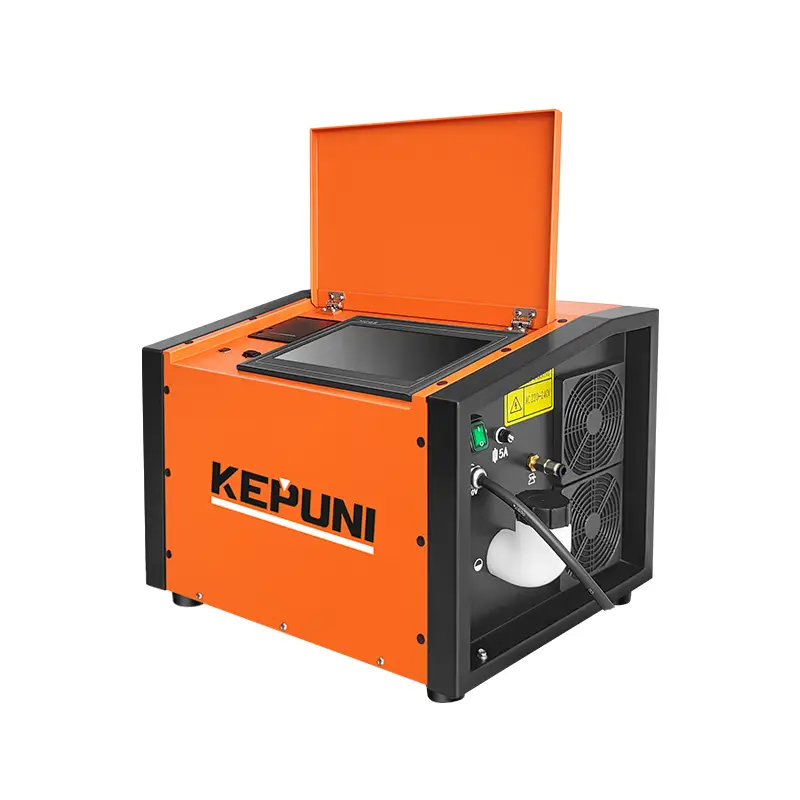
Figure 1. KEPUNI XD-20W pipe welding power supply, covering pipe outer diameters of 3.175-168 mm.
What Is an Orbital Welding Machine?
An orbital welding machine is a mechanized system designed for joining pipes and tubes using the gas tungsten arc welding (GTAW) process, commonly called TIG welding. In orbital welding, the pipe or tube remains fixed while the weld head carries a tungsten electrode in a full 360-degree orbit around the joint. A programmable power supply controls current, travel speed, and gas flow, removing the variables introduced by manual hand welding.
The system has two core parts. The weld head holds the electrode and rotates it around the pipe. The power supply generates and controls the arc and stores weld programs. KEPUNI manufactures both parts, plus supporting equipment such as tube-to-tube-sheet welders, open pipe welders, cold welders, and orbital cutters.
Buyers choose orbital welding where weld quality must be consistent across many joints, where contamination must be controlled, and where the process needs documentation. Typical buyers are pharmaceutical plants, semiconductor fabs, food and beverage processors, oil and gas contractors, power stations, chemical facilities, and HVAC or water treatment builders.
The Problem Orbital Welding Solves
Manual TIG welding depends on the welder's hand speed, arc length, and gas coverage. In thin-wall stainless steel piping, small inconsistencies cause oxidation, porosity, or incomplete penetration. In pharmaceutical and semiconductor lines, internal weld defects trap contaminants and become difficult or impossible to clean, which can affect product quality or a high-purity gas distribution system.
Orbital welding addresses these problems with three capabilities:
- Repeatability: the same program produces the same weld profile on every joint.
- Contamination control: closed weld heads seal the weld area in a purge chamber, shielding the molten weld from the atmosphere.
- Traceability: weld parameters can be recorded, which supports the documentation requirements of regulated plants.
This is why orbital welding is standard in pharmaceutical manufacturing. According to SEC Automation, orbital welding helps pharmaceutical plants comply with FDA guidelines for drug manufacturing processes by ensuring clean welds with minimal contamination risk.
Industry Background: A Growing, Application-Driven Market
The orbital welding machine market was valued at approximately USD 1.32 billion in 2024 and is projected to grow to USD 2.07 billion by 2030, according to Strategic Market Research. Scope matters when comparing figures: other analyst estimates range lower, around USD 0.83 billion for 2025, depending on whether the total includes complete systems or only weld heads and power sources.
Three market signals are useful for a buyer at the research stage:
- The oil and gas sector was the largest application segment in 2024, holding more than one-third of the total market share.
- High-purity piping for semiconductor and pharmaceutical applications is identified as the fastest-growing segment, driven by stringent contamination control requirements.
- In the broader welding equipment market, Asia Pacific held a 37.0 percent revenue share in 2025, while the US market is expected to grow at a CAGR of 4.2 percent from 2026 to 2033, per Grand View Research.
Public market research from Intel Market Research lists major global orbital welding equipment players, including Lincoln Electric, ESAB (Colfax), Swagelok, AMI (Arc Machines, Inc.), and Polysoude. The takeaway for buyers is that orbital welding machines are a standard sourced purchase with clearly defined technical parameters.
The Main Types of Orbital Welding Machines
Orbital welding machines are classified primarily by weld head design. KEPUNI produces split type heads, closed weld heads, and open weld heads, each matched to a power supply.
Split Type Weld Heads
A split type weld head opens like a clamp and closes around the tube, which makes it compact and quick to position. It is used for small-diameter, thin-wall tubing. KEPUNI offers three split type families:
- 5H Series: pipe outer diameter 3.175-15.88 mm, wall thickness up to 1.5 mm, for semiconductor, pharmaceutical, and biotechnology work.
- 10H Series: pipe outer diameter 6.35-25.4 mm, wall thickness up to 1.5 mm, for pharmaceutical, food and beverage, and chemical work.
- XD-Split Type Weld Head: pipe outer diameter 3.175-25.4 mm, wall thickness up to 1.5 mm, aimed at HVAC, plumbing, and field service.
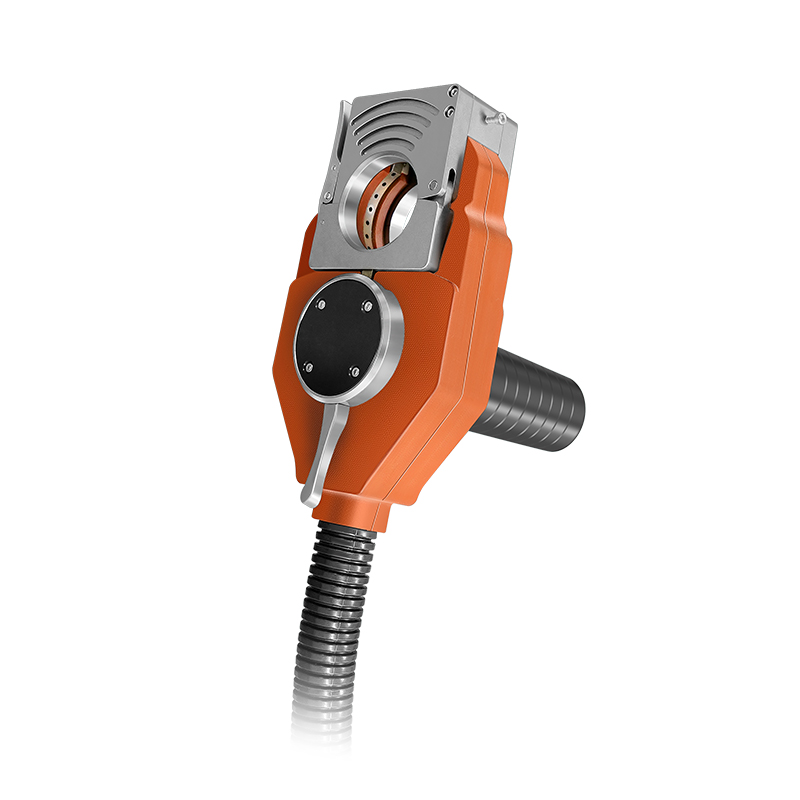
Figure 2. KEPUNI 10H Series split type weld head for pharmaceutical, food and beverage, and chemical piping.
Closed Weld Heads
Closed weld heads fully enclose the weld area in a sealed chamber. Orbital welding systems for clean rooms often use closed-head designs to prevent atmosphere contamination and ensure high-purity gas tungsten arc welding, a principle documented by Orbitalum. KEPUNI's 40/80/120/170 Series closed weld heads cover pipe outer diameters from 6.35 mm to 168 mm with wall thickness up to 3 mm, for oil and gas, power generation, and chemical processing.
Open Weld Heads
Open weld heads clamp onto the pipe without fully enclosing it. They suit larger diameters and heavier walls. The KEPUNI K Series open weld head handles pipe outer diameters from 19 mm to over 325 mm, with wall thicknesses from 2.5 mm to 13 mm, for oil and gas, petrochemical, and power generation work. The matching XD-K Series power supply operates from 5 A to 500 A.
Specialized Orbital Welding Systems
- Tube-to-tube-sheet welders: TB-35 Series covers tube outer diameters of 4.5-35 mm with wall thickness up to 2.5 mm; TB-65 Series covers 8-65 mm with wall thickness up to 5 mm; the XD-G400 power supply supports tube outer diameters of 4.5-65 mm. These weld tubes into tube sheets for heat exchangers, boilers, condensers, and pressure vessels.
- XD-U Series U-tube weld head: pipe outer diameter 9-25 mm, wall thickness up to 1.5 mm, used in heat exchangers, boilers, and condensers.
- XD-GH Series girth welding machine: a girth weld power supply plus rotary stand for pipe or vessel outer diameters of 20-960 mm, wall thickness 2.5-25 mm, current 5-400 A, used in shipbuilding, oil and gas pipelines, storage tanks, and pressure vessels.
KEPUNI Orbital Welding Machine Lineup at a Glance
| Machine family | Model | Type | Pipe/tube OD | Wall thickness | Primary industries |
|---|---|---|---|---|---|
| Orbital welding machine | XD-20W | Pipe welding power supply | 3.175-168 mm | 0.5-3 mm | Pharmaceutical, Semiconductor, Chemical Processing |
| Orbital welding machine | XD-20PRO | Pipe welding power supply | 3.175-168 mm | 0.5-3 mm | Semiconductor, Pharmaceutical, Food & Beverage, Oil & Gas, Chemical |
| Orbital welding machine | 5H Series | Split type weld head | 3.175-15.88 mm | ≤1.5 mm | Semiconductor, Pharmaceutical, Biotechnology |
| Orbital welding machine | 10H Series | Split type weld head | 6.35-25.4 mm | ≤1.5 mm | Pharmaceutical, Food & Beverage, Chemical |
| Orbital welding machine | XD-Split Type Weld Head | Split type weld head | 3.175-25.4 mm | ≤1.5 mm | HVAC, Plumbing, Field Service |
| Orbital welding machine | 40/80/120/170 Series | Closed weld head | 6.35-168 mm | ≤3 mm | Oil & Gas, Power Generation, Chemical Processing |
| Open pipe welding machine | K Series | Open weld head | 19-325+ mm | 2.5-13 mm | Oil & Gas, Petrochemical, Power Generation |
| Open pipe welding machine | XD-K Series | Open pipe welding power supply | 19-325 mm | 2.5-13 mm | Oil & Gas, Pipeline Construction, Shipbuilding, Petrochemical |
| Orbital welding machine | XD-U Series | U-tube weld head | 9-25 mm | ≤1.5 mm | Heat Exchangers, Boilers, Condensers |
| Tube-to-tube sheet welder | TB-35 Series | Tube sheet weld head | 4.5-35 mm | ≤2.5 mm | Heat Exchangers, Boiler Manufacturing, Condensers |
| Tube-to-tube sheet welder | TB-65 Series | Tube sheet weld head | 8-65 mm | ≤5 mm | Large Heat Exchangers, Power Generation, Chemical Processing |
| Tube-to-tube sheet welder | XD-G400 | Tube-to-tube sheet power supply | 4.5-65 mm | ≤5 mm | Heat Exchangers, Boilers, Condensers, Pressure Vessels |
| Girth welding machine | XD-GH Series | Girth weld power supply + rotary stand | 20-960 mm | 2.5-25 mm | Shipbuilding, Oil & Gas Pipeline, Storage Tanks, Pressure Vessels |
How to Select an Orbital Welding Machine: Step by Step
- Define the pipe schedule. Record the outer diameter and wall thickness of every line to be welded. This is the strongest filter: a 6 mm semiconductor line and a 200 mm carbon steel pipeline require different weld heads, power supplies, and programs.
- Identify the governing standards. Ask which code or audit applies. Semiconductor sites commonly require SEMI F57 and Class 1 cleanroom compatibility. Pharmaceutical plants require 3A Sanitary Standard, FDA compliance, EU GMP, and full documentation. Food and beverage plants look for EHEDG certification, no dead leg design, and USDA/FDA audit readiness. Boiler and pressure work may require ASME Section IX and the Pressure Equipment Directive. Chemical sites may require ATEX/IECEx, API standards, and NACE compliance.
- Choose the head type. Use a closed head when the weld must be fully shielded, a split type for small-diameter and field work, and an open head for large or heavy-wall pipe.
- Match the power supply. Check that the power supply covers the full outer diameter range of the heads you plan to use and provides the amperage that the wall thickness requires.
- Plan for supporting equipment. Real installations rarely run on the welding machine alone. Semiconductor applications may require mass flow controllers, VCR fittings, filters, and diaphragm valves. Water treatment and HVAC work may involve pipes, valves, tanks, and heat exchangers.
- Evaluate the manufacturer. Production capacity, R&D depth, export experience, and documentation support matter as much as the machine specification.
Orbital Welding Applications by Industry
KEPUNI application profiles map machine families to working conditions and compliance requirements. The table below summarizes common procurement scenarios.
| Industry | Typical KEPUNI equipment | Working condition | Key compliance requirements |
|---|---|---|---|
| Pharmaceutical | 5H / 10H Series + XD-20W / XD-20PRO | WFI piping, CIP/SIP systems | 3A Sanitary Standard, FDA, EU GMP, full documentation |
| Semiconductor / Electronics | 5H Series + XD-20PRO | Ultra-pure gas piping, DI water systems, 24/7 operation | SEMI F57, Class 1 cleanroom compatible |
| Food & Beverage | 10H Series + XD-20PRO | Sanitary piping for milk, juice, beer, beverages | EHEDG, no dead leg design, USDA/FDA audit ready |
| Oil & Gas | K Series / XD-K Series; 40/80/120/170 Series | Pipeline construction, process lines | Largest application segment in 2024 |
| Power Generation / Boiler | TB-35 / TB-65, XD-G400, XD-U Series | Boiler tubes, heat exchanger pipe welding | ASME Section IX, Pressure Equipment Directive |
| Chemical / Petrochemical | XD-20W / XD-20PRO, 40/80/120/170, XD-GH | Chemical process piping, aggressive media | ATEX/IECEx where required, API, NACE |
| Water Treatment / HVAC | XD-Split Type Weld Head | Stainless steel pipe welding | ISO 9001 quality system, pressure vessel standards, WRAS |
Pharmaceutical
Pharmaceutical projects involve pure water (WFI) piping and CIP/SIP systems in new installation or retrofit projects. The required functions are aseptic pipe welding, 100 percent leak-proof joints, and traceability, with compliance to 3A Sanitary Standard, FDA, EU GMP, and full documentation.
Semiconductor and Electronics
Semiconductor fabrication plant construction and expansion projects use ultra-pure gas (UPG) piping and DI water systems in continuous operation. The standard requires high-purity joints with zero particle contamination, SEMI F57 cleanliness, and Class 1 cleanroom compatibility, with supporting flow control hardware such as mass flow controllers, VCR fittings, filters, and diaphragm valves.
Food and Beverage
Sanitary piping for milk, juice, beer, and beverages requires hygienic connections with zero contamination in production line piping or retrofit projects. The profile lists EHEDG certification, no dead leg design, and USDA/FDA audit readiness, supported by pumps, heat exchangers, tanks, and homogenizers.
Oil and Gas
The oil and gas sector was the largest application segment of the orbital welding machine market in 2024. Open pipe welding machines such as the K Series and XD-K Series support pipeline construction with up to 500 A of welding current, while closed weld heads cover smaller process lines.
Power Generation and Boiler
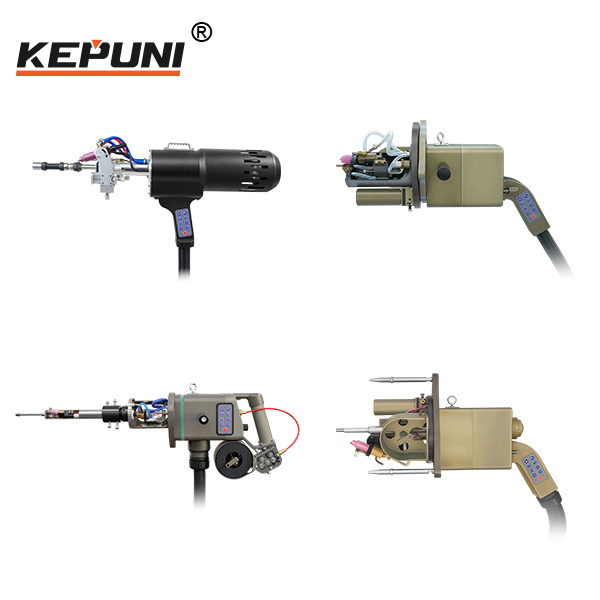
Figure 3. KEPUNI TB-65 Series tube-to-tube sheet welder, handling tube outer diameters of 8-65 mm.
Boiler tube and heat exchanger welding occurs during shutdown maintenance and new build projects. Tube-to-tube-sheet welders (TB-35 Series, TB-65 Series, XD-G400) and the XD-U Series support high-temperature-resistant, pressure-rated welds, commonly qualified to ASME Section IX and the Pressure Equipment Directive.
Chemical and Petrochemical
Chemical process piping and aggressive media handling call for corrosion-resistant welds, zero leaks, and chemical-resistant materials. Depending on line size, buyers select XD-20W or XD-20PRO systems, closed heads, or the XD-GH girth welding machine for tanks and vessels. Special requirements can include ATEX/IECEx where required, API standards, and NACE compliance.
Water Treatment and HVAC
Stainless steel pipe welding for water treatment focuses on corrosion-resistant joints and long-term reliability, under ISO 9001 quality systems, pressure vessel standards, and WRAS approval where applicable. The XD-Split Type Weld Head is positioned for HVAC, plumbing, and field service scenarios.
Closed Head vs. Open Head vs. Split Type: A Practical Comparison
| Criterion | Closed weld head | Open weld head | Split type weld head |
|---|---|---|---|
| Weld enclosure | Fully enclosed purge chamber | Clamps around the pipe, not fully enclosed | Clamp-around, compact |
| OD range (KEPUNI) | 6.35-168 mm | 19-325+ mm | 3.175-25.4 mm |
| Wall thickness (KEPUNI) | Up to 3 mm | 2.5-13 mm | Up to 1.5 mm |
| Typical use | High-purity, cleanroom, process lines | Oil and gas, petrochemical, power, heavy-wall pipe | Semiconductor, pharma, food, HVAC field work |
| Key advantage | Prevents atmosphere contamination | Wide size range, heavy wall capability | Fast setup, small diameters |
| Limitation | Head must match pipe size range | Less atmosphere isolation | Thin-wall tubing only |
A credible buying decision also accounts for honest limitations. Split type and closed heads in the KEPUNI range are specified for wall thickness up to roughly 3 mm; heavier wall pipe requires an open-head system or a girth welding machine. Open heads, in turn, provide less atmosphere isolation than closed designs, which matters in high-purity applications. These trade-offs are why suppliers maintain complete product families rather than a single universal machine.
Why the Manufacturer Matters in an Orbital Welding Purchase
KEPUNI is a brand of Shanghai Chuanli Industrial Co., Ltd., established in 2014 and certified as a high-tech enterprise by the Ministry of Science and Technology of China. The company integrates R&D, production, sales, and after-sales service at a 10,000 square meter production park in Shanghai, about 15 minutes from Hongqiao Airport and the high-speed railway station. The workforce is approximately 280 people, including 36 R&D engineers and technicians, and annual production capacity is 3,000 pieces.
KEPUNI reports that over 100 percent of its production is directed to international markets, with main markets in Europe, Asia, South America, North America, and the Middle East, and projects implemented in more than 30 countries. Main products include orbital welding machines, tube-to-tube-sheet welders, open pipe welders, cold welders, and orbital cutters, along with orbital cutting machines, tube facing machines, hand-held laser welding machines, and ultrasonic metal-welding machines.
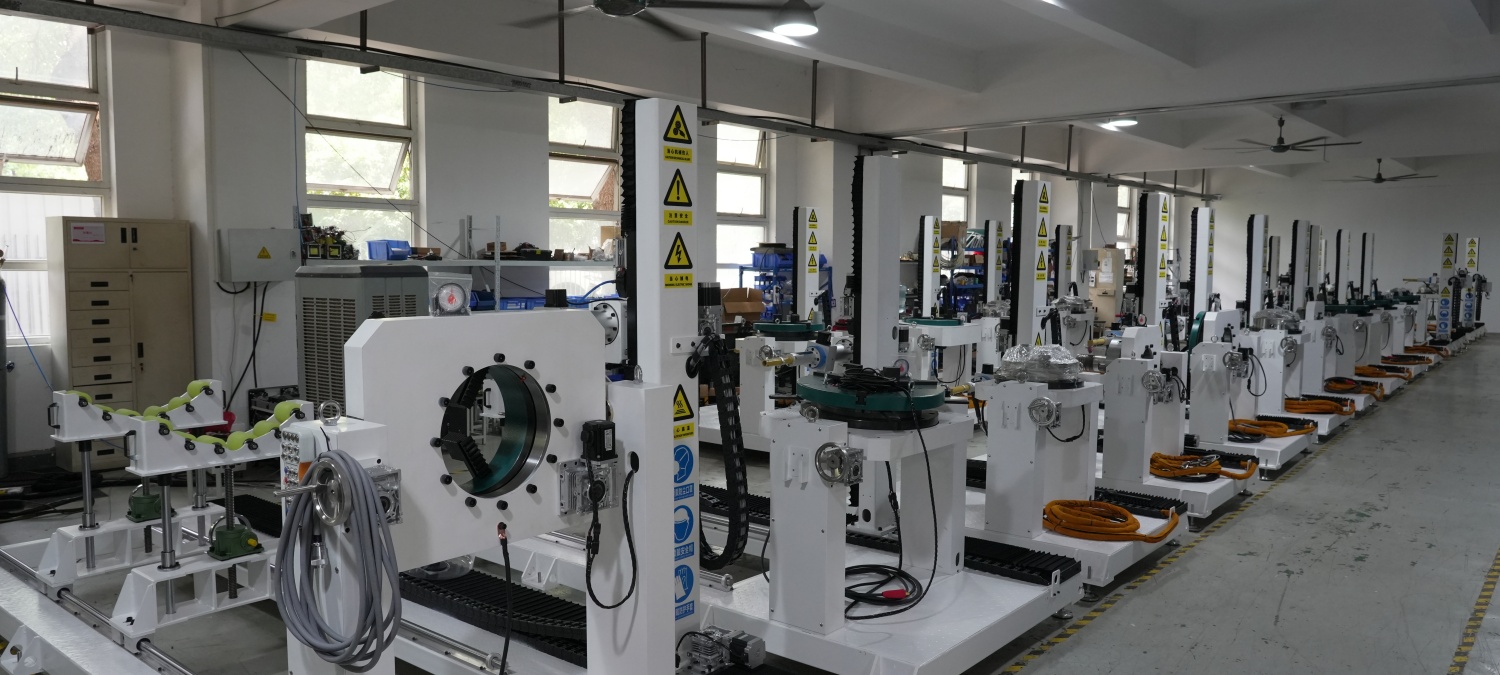
Figure 4. KEPUNI production area for circumferential seam welding machines at the Shanghai plant.
Frequently Asked Questions
1. What is an orbital welding machine used for?
An orbital welding machine automates pipe and tube welding by rotating a tungsten electrode around a stationary joint. It is used in pharmaceutical, semiconductor, food and beverage, oil and gas, power generation, chemical, and HVAC/water treatment piping, where weld consistency, contamination control, and documentation are critical.
2. What is the difference between closed head, open head, and split type orbital welding machines?
A closed weld head encloses the weld in a sealed purge chamber, which prevents atmosphere contamination and suits high-purity work; the KEPUNI 40/80/120/170 Series covers pipe outer diameters of 6.35-168 mm. An open weld head clamps around the pipe without fully enclosing it and handles larger, heavier-wall pipe; the K Series covers 19 mm to over 325 mm OD with walls of 2.5-13 mm. A split type head opens like a clamp for small-diameter thin-wall tubing; the 5H, 10H, and XD-Split heads cover 3.175-25.4 mm OD with walls up to 1.5 mm.
3. Which orbital welding machine is suitable for clean room, pharmaceutical, or semiconductor use?
Split type heads such as the 5H Series (3.175-15.88 mm) and 10H Series (6.35-25.4 mm) are positioned for semiconductor, pharmaceutical, and biotechnology work when paired with the XD-20W or XD-20PRO power supplies. Closed-head designs are also favored for clean rooms because they prevent atmosphere contamination and support high-purity gas tungsten arc welding. Pharmaceutical facilities typically require 3A Sanitary Standard, FDA compliance, EU GMP, and full documentation; semiconductor sites require SEMI F57 cleanliness and Class 1 cleanroom compatibility.
4. What pipe sizes and wall thicknesses can an orbital welding machine handle?
KEPUNI systems with the XD-20W or XD-20PRO power supply cover pipe outer diameters from 3.175 mm to 168 mm with wall thicknesses of 0.5-3 mm. Split heads handle up to 25.4 mm OD; closed heads reach 168 mm OD; open pipe welding machines cover 19 mm to over 325 mm OD with walls of 2.5-13 mm. Tube-to-tube-sheet welders cover tube ODs of 4.5-65 mm, and the XD-GH girth welding machine handles pipe or vessel ODs of 20-960 mm with walls of 2.5-25 mm.
5. How much does an orbital welding machine cost?
KEPUNI does not publish a general list price because the total depends on the power supply, the number and size of weld heads, and accessories. One published KEPUNI installation reference lists two XD-20PRO units with accessories at a project value of USD 18,000-45,000. For an accurate budget, request a quotation with your pipe size, material, and governing standard.
6. How can I request a quote or sample from KEPUNI?
Contact KEPUNI directly for a quotation, sample weld test, or technical matching. Contact person: Blues Rao. Email: info@kepuni.com. Tel / WhatsApp: +86 18221803984. Website: https://www.kepuni.com. Address: No. 688 Jiaqian Road, Nanxiang Town, Jiading District, Shanghai, China. A downloadable company brochure is available at the end of this article, and samples or weld tests can be arranged as the next step.
Conclusion
An orbital welding machine is best understood as a complete system: a power supply, one or more weld heads, and the pipe data of the project. At the discovery stage, the selection path starts with pipe outer diameter and wall thickness, then moves to governing standards, head type, and power supply range. KEPUNI provides split type, closed, open, tube-to-tube-sheet, and girth welding equipment for industries from semiconductors to storage tanks, supported by a Shanghai-based factory with roughly 280 employees and international export coverage.
Get a Quote or Discuss Your Pipe Specification
Tell KEPUNI your pipe size, material, and industry standard to receive a recommended machine configuration. Samples, weld tests, and catalog downloads are available on request.
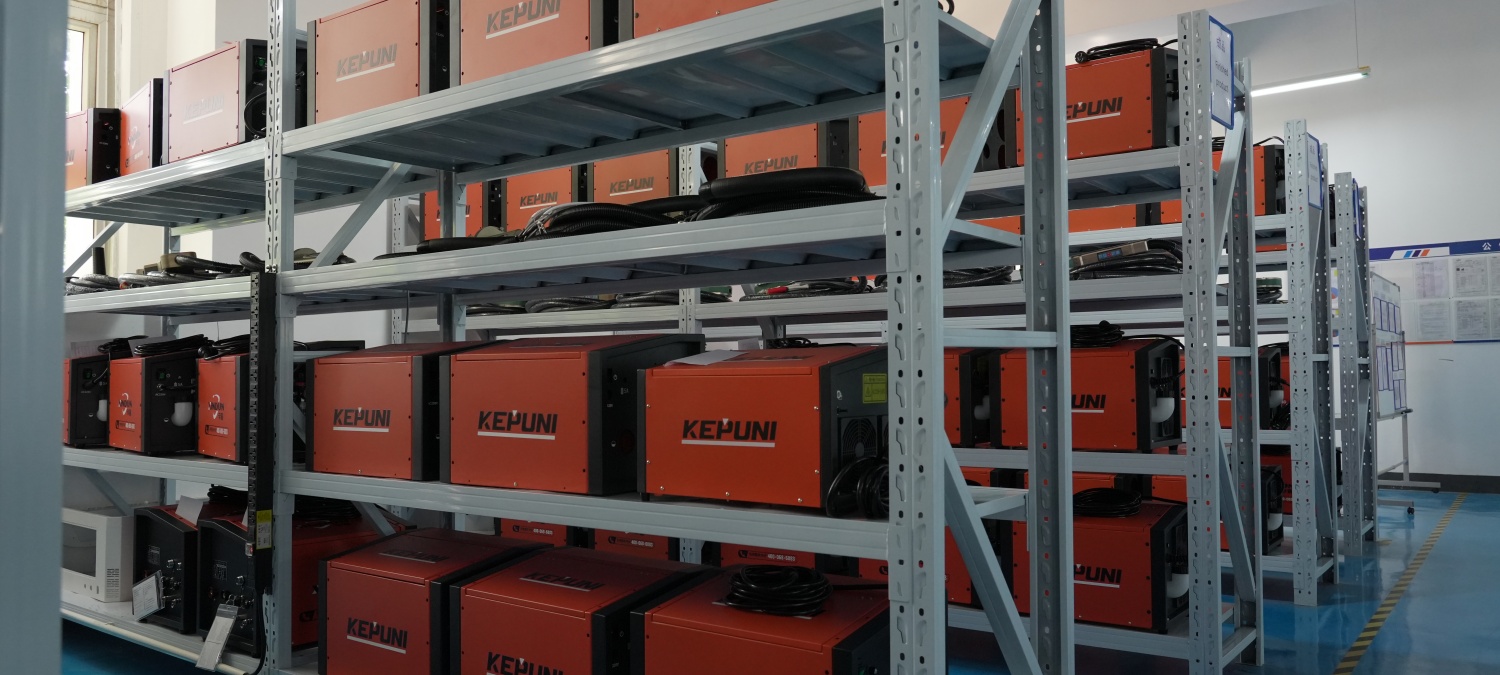
Figure 5. KEPUNI pipeline welder finished goods area.
KEPUNI official website | Email: info@kepuni.com | Tel/WhatsApp: +86 18221803984