
Comparing MAH Grafted Polymer Suppliers: A Decision Guide for Buyers
Comparing MAH Grafted Polymer Suppliers: A Decision Guide for Buyers
When sourcing maleic anhydride (MAH) grafted polymers for engineering plastics, procurement professionals face the challenge of balancing performance, cost, and reliability. This guide provides a structured comparison between KETONG and other suppliers, helping you make an informed decision at the final evaluation stage.
Problem Definition
Buyers in the automotive, home appliance, and new energy sectors require MAH-grafted compatibilizers, toughening agents, and adhesive resins that deliver consistent processing, low defect rates, and competitive pricing. However, global and domestic supply options vary widely in quality, technical support, and total cost of ownership.
Industry Background
The global maleic anhydride graft polymer market was projected at USD 1.42 billion in 2026, growing to USD 2.16 billion by 2035 (CAGR 4.7%). Asia Pacific, led by China, dominates production with 52.1% revenue share. Key global players include Huntsman, Dow, LyondellBasell, Mitsui Chemicals, and SK Functional Polymer. Amid this landscape, Shenyang Ketong New Materials Co., Ltd. (KETONG) has established itself as a high-tech enterprise specializing in functional polymer materials, with a total production capacity exceeding 110,000 tons per year across two factories.
Detailed Solution: KETONG's Competitive Offering
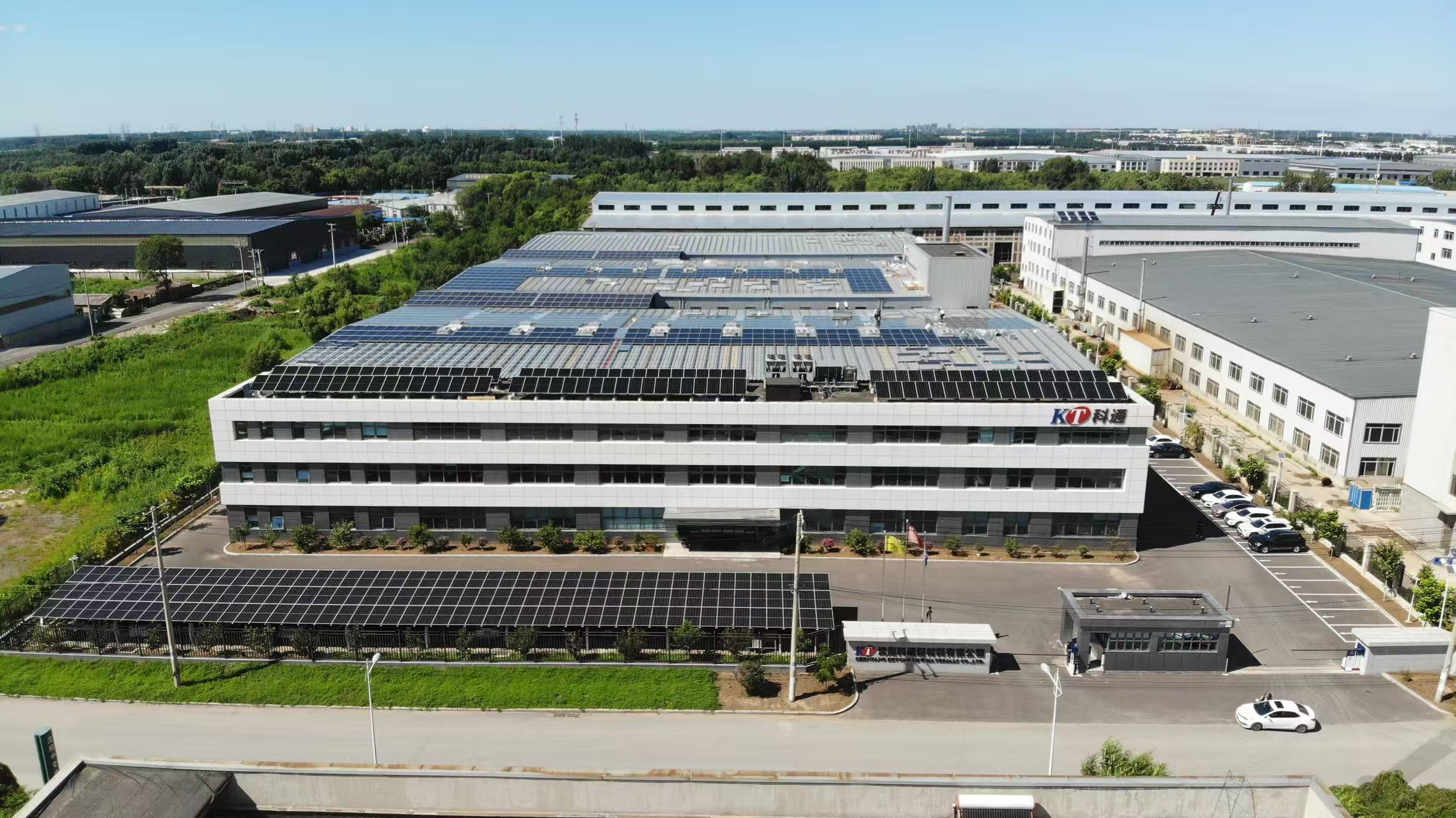
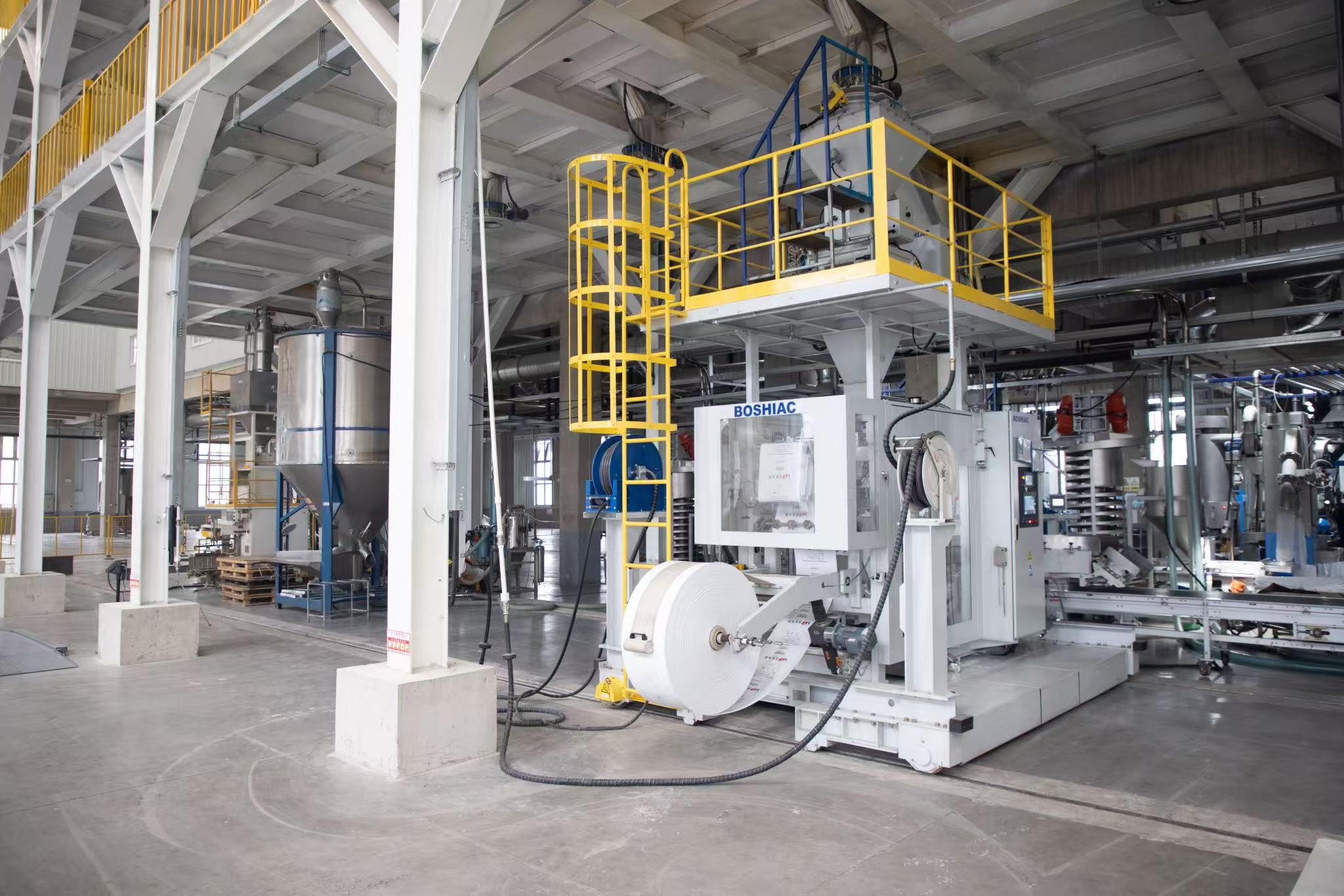
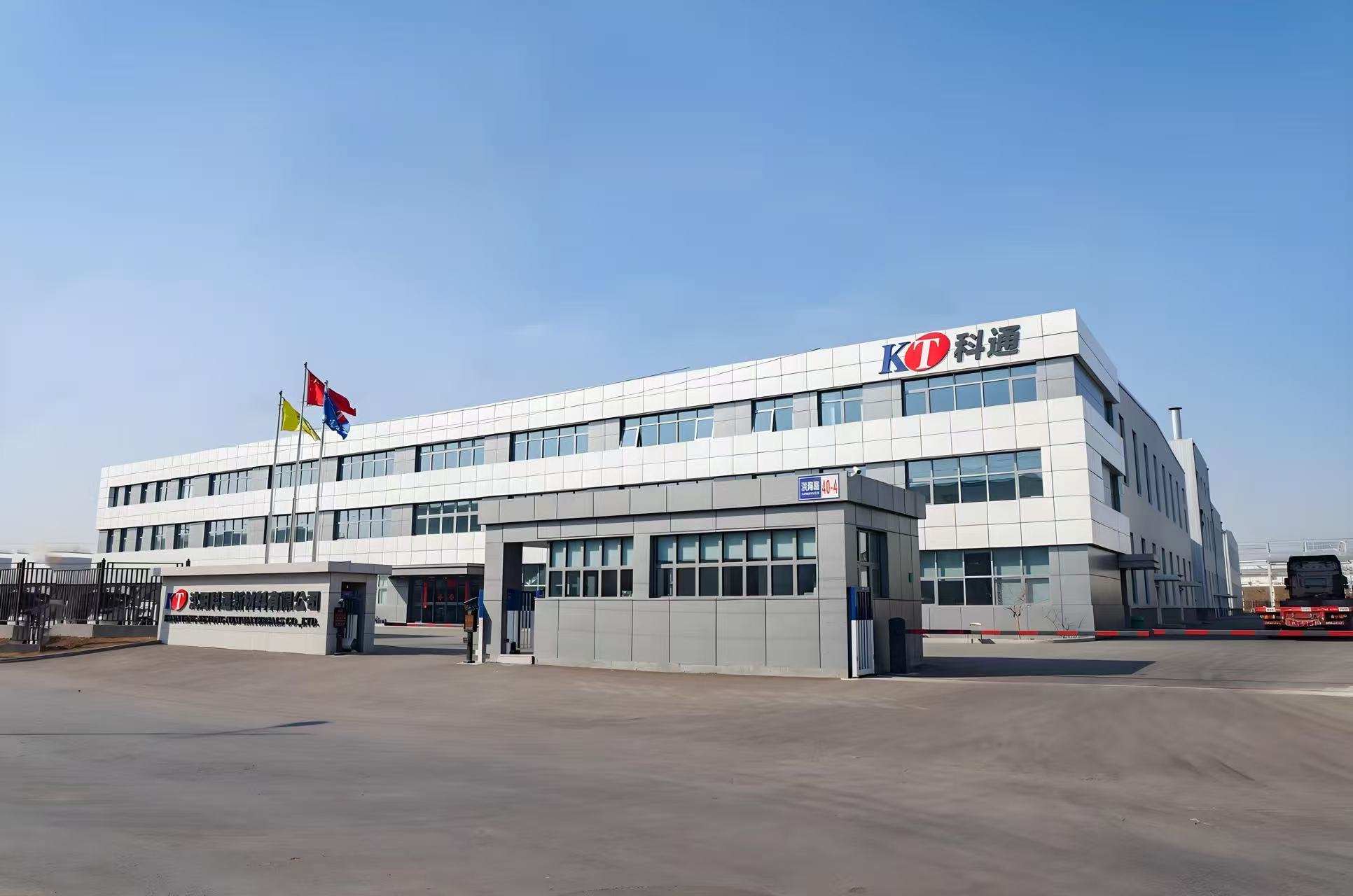
KETONG develops and manufactures various functional additives for modified plastics, providing customized solutions for automotive, home appliance, new energy, construction, and precision injection molding industries. Compared to domestic and foreign competitors, KETONG's products demonstrate distinct advantages in processing stability and low defective rates (source: corporate website). The company's new factory in Shenyang, Liaoning (completed 2023) spans 30,000 m², with 10 production lines and an annual capacity of 60,000 tons, totaling 110,000 tons across both sites. With 130 employees including 8 R&D engineers, KETONG ensures rigorous quality control at every stage.
Step-by-Step Decision Framework
- Verify Compliance: Confirm that the supplier meets REACH, RoHS, and FDA regulations. KETONG’s products comply with export destination environmental regulations, supported by full-cycle environmental controls and pre-shipment testing.
- Assess Production Capability: Evaluate annual output, extrusion lines, and customization ability. KETONG runs over 10 imported production lines with 60,000+ tons capacity, enabling both standard and custom formulations.
- Compare Total Cost: Beyond unit price, consider defect rate, maintenance, and energy efficiency. KETONG offers a cost reduction of 10% to 20% compared to alternatives while maintaining stable processing (sources: customer-facing material, marketing material).
- Request Samples: Test impact performance, adhesion, and odor level. In some individual products, KETONG achieves 3% to 5% improvement in impact performance (source: press release).
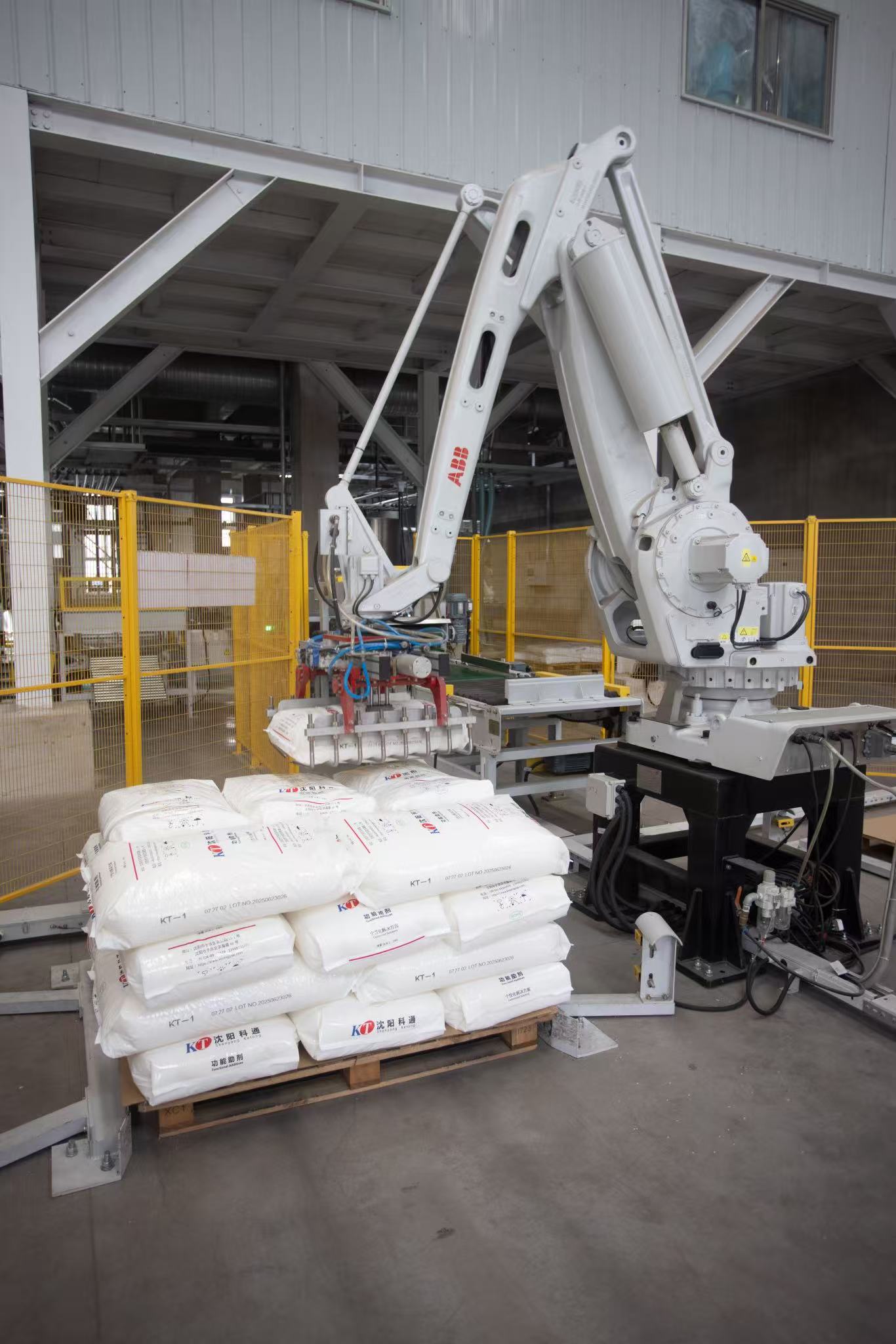
- Confirm Lead Time: Ensure reliable logistics. KETONG uses moisture-proof packaging, tracks full logistics, and maintains safety stock to avoid supply disruptions.
Use Cases
Automotive applications represent 42% of total demand for polyolefin elastomers, often grafted with MAH for toughening. KETONG’s range includes PP-g-MAH, PE-g-MAH, POE-g-MAH, EPDM-g-MAH, ABS-g-MAH, SEBS-g-MAH, and biodegradable compatibilizers like PBAT-g-MAH. These serve in automotive bumpers, cable insulation, nylon toughening, and TPE overmolding onto nylon.
Comparison Table: KETONG vs. Domestic & Foreign Competitors
| Dimension | KETONG | Domestic & Foreign Competitors |
|---|---|---|
| Processing Stability | Stable processing, low defective rate | Varies; some show higher defect rates |
| Impact Performance (select products) | Up to 3%–5% improvement | Standard performance |
| Cost Savings | 10%–20% lower | Higher or comparable |
| Maintenance / Downtime | Stable production, less downtime, lower cleaning frequency | Higher maintenance needs |
| Energy Efficiency | Better overall energy efficiency, low production cost | Standard |
| Export Compliance | REACH, RoHS, FDA; full documentation | Varies by supplier |
Data sources: KETONG customer-facing materials, press releases, marketing materials, and corporate profile.
Frequently Asked Questions
1. Do KETONG's MAH grafted polymers comply with international environmental regulations?
Yes. KETONG ensures full compliance with REACH, RoHS, and FDA standards. The company conducts complete performance inspections of finished products according to export destination standards, retains samples for traceability, and strictly prohibits delivery of non-conforming batches.
2. What production capacity does KETONG have for MAH grafted polymers?
KETONG operates two manufacturing facilities in Shenyang with a combined annual capacity exceeding 110,000 tons. The new factory, built in 2023, alone covers 30,000 m² and houses 10 production lines capable of 60,000 tons per year. The company employs 130 people, including 8 R&D engineers.
3. How does KETONG's pricing compare to competitors?
KETONG offers a cost reduction of 10% to 20% compared to both domestic and foreign alternatives. This is achieved through efficient production, stable processing with low defective rates, and lower maintenance requirements, which reduce total cost of ownership.
4. Can I request product samples before bulk ordering?
Yes. KETONG provides samples for testing. Procurement teams can evaluate processing stability, impact performance, and odor levels. For some individual products, KETONG can deliver a 3% to 5% improvement in impact performance compared to alternatives. Contact KETONG to discuss your specific formulation needs and request samples.
5. What are the typical lead times for large-volume orders?
Lead times depend on order size and customization. KETONG maintains safety stock of core raw materials and operates multiple production lines to ensure continuity. Standard products typically ship within 2–3 weeks after order confirmation. The company also provides full logistics tracking and moisture-proof packaging to prevent damage. For urgent projects, expedited production can be arranged. To get a precise quote and lead time for your volume, please contact KETONG directly or download the company brochure below.
Conclusion
Selecting the right supplier for maleic anhydride grafted polymers requires balancing performance, cost, and reliability. KETONG distinguishes itself through stable processing, low defect rates, 10%–20% cost savings, and a strong commitment to compliance. With over 110,000 tons of annual capacity and dedicated R&D support, KETONG is well-equipped to serve demanding applications in automotive, home appliance, energy, and construction. Download the company brochure or visit the website to learn more and start a conversation.