
Compatibilizer vs. Toughener vs. Adhesive Resin: MAH-Grafted Options Compared
Short answer: a compatibilizer, a toughener and an adhesive resin all start from the same chemistry — maleic anhydride grafted onto a polymer backbone — but they solve three different problems. A compatibilizer stabilises the boundary between two polymers that would otherwise separate, so they can be compounded into one usable material. A toughener disperses an elastomer phase through a brittle matrix so the finished part absorbs impact instead of cracking. An adhesive resin bonds a polyolefin to a polar surface such as EVOH, polyamide or metal, and normally sits in a thin tie layer rather than in the bulk.
Selection therefore starts with the interface that is failing, not with the grade name on the quotation. A compounder who needs glass-fibre reinforced polypropylene to retain impact strength is buying a compatibilizer. A compounder whose nylon parts crack at low temperature is buying a toughener. A converter whose film delaminates at the EVOH layer is buying an adhesive resin. Choosing the wrong family produces a specification that cannot pass, however carefully the dosage is adjusted.
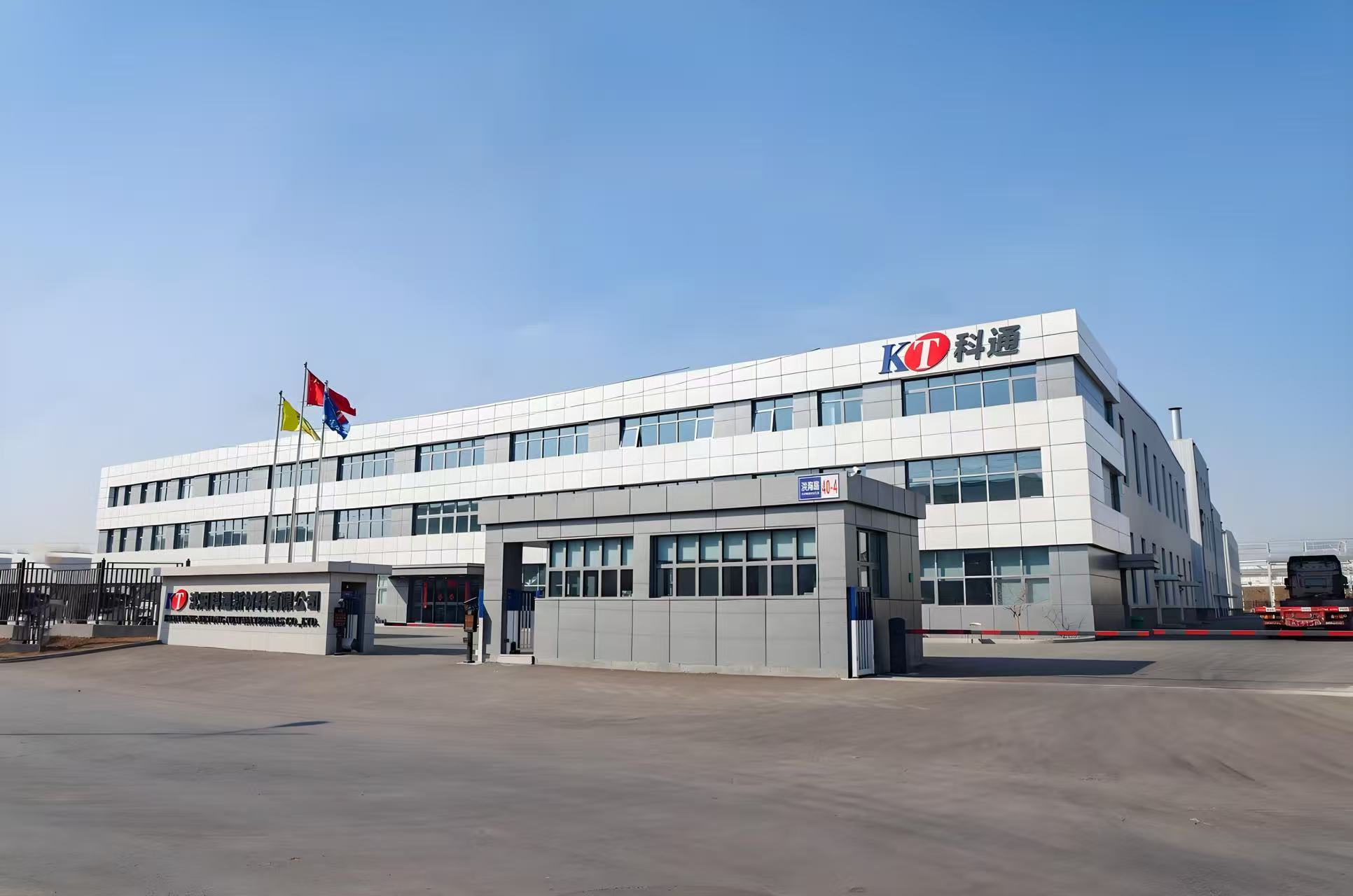
Figure 1 — Maleic anhydride grafted polymer grades are supplied in the same physical form across all three functional families.
Shenyang Ketong New Materials Co., Ltd. (KETONG) manufactures all three families at its Shenyang, Liaoning site, which is why one enquiry can return several model numbers that look interchangeable on a datasheet. This buyer's guide sets out the routing logic between the three families, the data that actually separates one grade from another, and how procurement and engineering teams can test a supplier's claim before committing to a production order.
Problem Definition: Why the Three Categories Get Confused
The confusion is structural rather than careless. All three families are sold on the same three numbers: graft content, melt flow rate and density. Those numbers describe the polymer, not the job it performs. Two grades with similar graft content and similar density can carry completely different roles in a formulation.
A concrete illustration from the KETONG range: KT-1 is a polypropylene-series compatibilizer with medium maleic anhydride content (0.4–0.8%), a melt flow rate of 90–120 g/10min at 190°C/2.16kg and a density of 0.91–0.95 g/cm³. KT-NJP2201 is a MAH-g-PE adhesive resin with low MAH content, a melt flow rate of 1.0–3.0 g/10min at 190°C/2.16kg and a density of 0.90–0.93 g/cm³. Read side by side, the numbers say nothing about which one belongs in a glass-fibre PP compound and which one belongs in a multilayer film tie layer.
A second source of error is test conditions. Melt flow rate is only comparable within the same condition, and the KETONG catalogue spans several: 190°C/2.16kg for the polypropylene and polyethylene compatibilizer series, 200°C/5kg for the ABS series (KT-2, 1.0–4.0 g/10min), 235°C/5kg for KT-916K (9.0–13.0 g/10min), 265°C/10kg for KT-2M (20–40 g/10min), 280°C/2.16kg for the PPO series (KT-24, 2.0–4.0 g/10min) and 300°C/5kg for KT-24B (4.0–20.0 g/10min). A procurement comparison that lines up a 90–120 figure with a 4.0–20.0 figure without checking the condition produces a decision that has no technical basis.
The third source of error is that the three families fail in different ways, and the failure signature is usually visible before the datasheet is read:
- Compatibilizer failure: phase separation in the compound, poor dispersion of filler or glass fibre, inconsistent impact strength between batches, surface defects from unblended domains.
- Toughener failure: brittle fracture at low temperature, cracking at gate or weld lines, acceptable room-temperature impact but poor retention in cold conditions.
- Adhesive resin failure: delamination at the tie layer, low peel strength against EVOH, PA or metal, gel spots and haze in a film that should be transparent.
Each signature routes to a different product family, and each family asks a different question of the supplier. That is the framework this article applies.
Industry Background: Why All Three Families Sit in One Enquiry
The three families are bought from the same supplier base because they are consumed by the same industries. The global maleic anhydride market reached USD 4.39B in 2023 and is projected to grow to USD 5.86B by 2030, according to Grand View Research. The same source places Asia Pacific at 52.1% of 2023 revenue, with China expected to grow at a CAGR of 5.4% through 2030.
Within that upstream market, the grafted polymer segment has its own trajectory. Business Research Insights projects the global maleic anhydride graft polymer market at USD 1.42B in 2026, reaching USD 2.16B by 2035 at a CAGR of 4.7%. The grafted polyethylene segment alone reached USD 1.24B in 2024, targeting USD 2.08B by 2033, according to Dataintelo. Because compatibilizers, tougheners and adhesive resins share that grafted platform, demand growth in one application pulls on capacity that serves all three.
Application demand is concentrated in the same places. Automotive applications represent 42% of total demand for polyolefin elastomers, which are frequently grafted with MAH for toughening, according to ChemAnalyst. That single figure explains why a compounder working on an interior part may need a compatibilizer for a filled PP, a POE-g-MAH toughener for a nylon component and an adhesive resin for a metal insert — and may reasonably expect one supplier to quote all three.
Compliance is the fourth shared factor. MAH grafted polymers are subject to EU REACH (EC 1907/2006) registration, and ASTM D1248 is the standard referenced for PE extrusion materials. A supplier that can only produce one of the three families still has to meet the same regulatory framework for that one, which makes certificate scope and validity the first filter in any comparison.
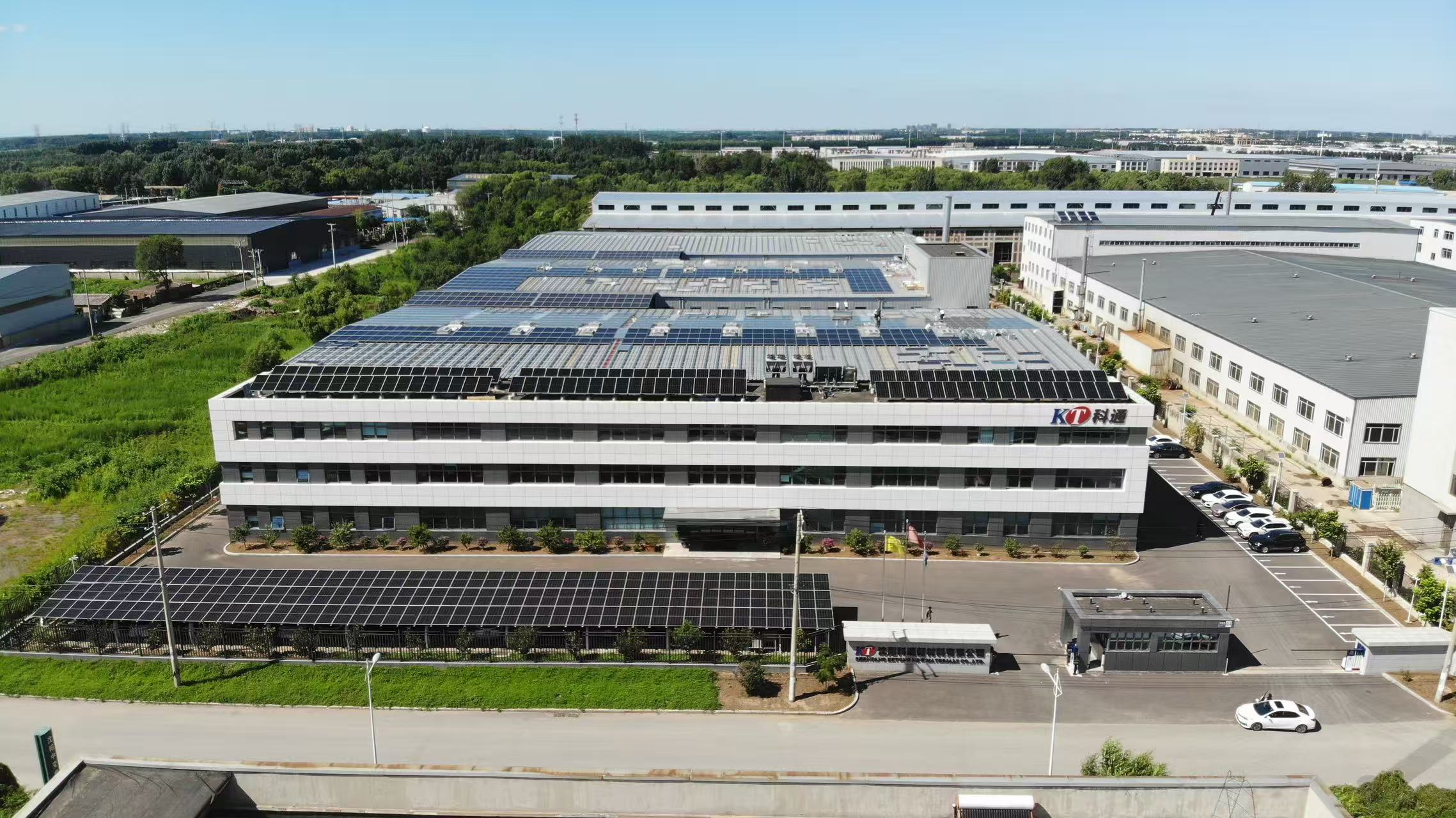
Figure 2 — Overhead view of the Shenyang production site, where compatibilizers, tougheners and adhesive resins are produced on the same base.
KETONG operates a 30,000 m² site with 130 employees, an annual output of 60,000 tons and an R&D team of 8 engineers. Monthly capacity is 5,000–6,000 tons. The product portfolio is organised around the three families discussed here — toughening agents, compatibilizers and adhesive resins — which is the practical reason a single technical conversation can cover more than one interface.
Detailed Solution: Three Roles, Defined by the Interface They Act On
Compatibilizers: Making Dissimilar Polymers Co-Exist
A compatibilizer is a grafted polymer whose backbone is chemically similar to one phase and whose maleic anhydride groups interact with the other. Its function is to reduce interfacial tension and improve dispersion, so that a filled, blended or reinforced compound behaves as one material rather than as a mixture.
The KETONG compatibilizer range is organised by backbone, because the backbone has to match the matrix:
- PP-g-MAH: KT-1 (MAH medium 0.4–0.8%, MFR 90–120 at 190°C/2.16kg), KT-1D (MAH high >0.8%, MFR 90–120) and KT-1H (MAH high, MFR 60–100, density 0.90–0.92).
- Low-odor PP-g-MAH: LEP-1B (MAH high, MFR ≥80 at 190°C/2.16kg, density 0.90–0.92) and LEP-1K (MAH high, MFR ≥60, density 0.90–0.92), positioned for applications where emission and odour matter.
- ABS-g-MAH: KT-2 (MAH high, MFR 1.0–4.0 at 200°C/5kg, density 1.03–1.08), KT-2H (MFR 0.5–2.5), KT-3 (MAH extra high ≥4.0%, MFR 1.0–3.0, density 1.00–1.05), the multi-component copolymer KT-2M (MFR 20–40 at 265°C/10kg) and the low-odor LEP-2.
- PE-g-MAH: KT-12, KT-12A, KT-12B, KT-12B01, KT-12B05, KT-12D, KT-1208B and KT-1220B, with MAH high or medium and MFR from ≥0.3 to 20–30 g/10min depending on grade.
- PPO-g-MAH: KT-24, KT-24B and KT-24F, with MFR measured at 280°C/2.16kg or 300°C/5kg.
- EVA-g-MAH: KT-26, KT-2628, KT-2628A, KT-2628B and KT-2628C, with a stated dosage of 5–10%.
- Biodegradable series: KT-36, a MAH-g-polyester elastomer with MAH medium 0.4–0.8%, MFR ≥4.0 at 190°C/2.16kg, density 1.20–1.23 and a stated dosage of 3–5%, for polyester-based biodegradable compounds.
The performance rationale is documented in field use. A modified polymer material manufacturer used KT-1, KT-1D and KT-1H in glass fibre reinforced polypropylene across a 20-ton project, reporting remarkably enhanced impact resistance together with good processability and greatly improved compatibility between materials. A second project used LEP-1B and LEP-1K for glass fibre reinforced and mineral filled polypropylene, reporting enhanced impact resistance plus low VOC emission and improved ageing resistance (22 tons). Those two results are the practical definition of what a compatibilizer is expected to change: impact retention, dispersion and, where required, emission profile.
Tougheners: Converting Brittle Failure into Ductile Failure
A toughener is a grafted elastomer. The elastomer phase absorbs energy; the graft groups anchor that phase to the matrix so it disperses as discrete domains rather than migrating or agglomerating. The backbone choice is dictated by the matrix, not by preference.
- Nylon (PA) series: POE-g-MAH grades KT-913, KT-913A, KT-915, KT-915A, KT-915B, KT-915E, KT-915F, KT-915H, KT-915K, KT-915C, KT-915CA, KT-903, KT-906, KT-9 and KT-9C, typically applied at 3–25% (some grades 3–20% or 5–20%); EPDM-g-MAH grades KT-7 and KT-8 at 3–25%; SEBS-g-MAH grade KT-25 at 3–15%; and KT-916K, a MAH-g-elastomer with MFR 9.0–13.0 at 235°C/5kg.
- PC series: KT-17 (MAH extra high ≥4.0%, MFR ≥0.05 at 200°C/5kg), KT-1701 and KT-1702 (MAH high, MFR 1.0–4.0), applied at 3–10%; plus KT-31, an acrylate-g-ethylene elastomer used at 1–3%.
- POM series: KT-28 and KT-28A, both at 5–10%, density 1.12–1.17 g/cm³.
- Polyester series: KT-22, KT-33, KT-35, KT-35G, KT-35G01, KT-3505, KT-3506, KT-3502 and KT-30 — GMA-grafted rather than MAH-grafted, with dosages of 3–20% or 3–10% depending on grade. This is a distinction worth flagging in any comparison: for polyester matrices the reactive group on the datasheet may be GMA, and treating GMA content as if it were MAH content is a common procurement error.
- ABS series: KT-4, a butadiene terpolymer at 3–10%, density 0.96–1.00 g/cm³.
Documented use in nylon gives the clearest reference point. A modified polymer material manufacturer used KT-916K for reinforced and toughened nylon in a 20-ton project across the UK, India, Vietnam and China, reporting a significantly improved toughening effect with stable and reliable performance and low-temperature resistance down to −50°C. For a specification, that is the kind of claim that should be matched against a notched impact test at the actual service temperature — not against room-temperature data alone.
Adhesive Resins: Bonding to a Polar Surface
An adhesive resin is a grafted polyolefin whose maleic anhydride groups react with a polar surface while its backbone is compatible with the polyolefin it is bonded to. In practice it is a thin layer — a tie layer between polyolefin and EVOH or PA, or an adhesive layer under a metal insert — and it is judged on adhesion strength, gel content and optical quality rather than on bulk mechanical properties.
The KETONG adhesive resin range includes MAH-g-PE grades KT-NJ001 (MAH high, MFR 0.3–1.5 at 190°C/2.16kg, density 0.91–0.93), KT-NJM2203, KT-NJM3205, KT-NJP7103 (MAH medium, MFR 1.0–3.0, density 0.90–0.93), KT-NJP2201 (MAH low <0.4%, MFR 1.0–3.0) and KT-NJG3304 (MAH low, MFR 1.8–3.5, density 0.92–0.95), plus the MAH-g-PP type grades KT-NJE2202 and KT-NJE2202A. Dosage for this family is listed as appropriate usage rather than a fixed percentage, because the working thickness is set by the co-extrusion structure and line configuration; the trial dosage has to be agreed with the supplier.
The reference case is specific. A modified polymer material manufacturer used KT-NJP2201 as the adhesive layer for multi-layer co-extrusion barrier films in food packaging, across a 21-ton project over one year. The reported result was stable adhesion performance in the multi-layer co-extrusion process, meeting food packaging barrier and safety requirements, with excellent adhesion to EVOH and PA, fewer gel spots and good transparency. Gel spots and transparency are the two criteria that separate a workable adhesive resin from a marginal one in barrier film, and they are rarely visible in a standard datasheet.
Where Compatibilizers Fit in TPE Overmolding onto Nylon and Other Polar Substrates
TPE overmolding is a case where the product label matters less than the interface. In overmolding, a thermoplastic elastomer is bonded onto a rigid polar substrate — most commonly a nylon part — and the bond depends on the TPE phase being able to interact with the substrate surface. A maleic anhydride grafted polymer is the usual route: the MAH groups react with the polar groups on the substrate, while the backbone stays compatible with the elastomer phase.
Two decisions dominate. The first is backbone chemistry, because the graft polymer has to be compatible with the TPE phase itself — KETONG lists POE-g-MAH grades (KT-913 series) and an SEBS-g-MAH grade (KT-25) within the range, and those backbones behave differently against the same nylon substrate. The second is graft content and melt flow, because a grade that disperses well in a compound may not migrate to the interface in the short cycle time of an overmolding tool. Both decisions have to be settled against the actual substrate and tool, not against a generic recommendation, and the supplier's technical data should be confirmed with a moulded trial before the grade is written into a drawing.
Step-by-Step Breakdown: From Application to a Qualified Grade
The sequence below is the working method this comparison supports. It applies equally to a compounder specifying a new formulation and to a procurement team auditing an existing one.
- Name the failing interface. State the failure in one sentence: delamination between polyolefin and EVOH, brittle fracture of a nylon part at service temperature, poor dispersion of glass fibre in PP, or weak adhesion between a TPE and a nylon insert. The sentence determines the family — adhesive resin, toughener, compatibilizer, compatibilizer — before any grade number is discussed.
- Fix the constraint set. Record the processing temperature, the emission or odour requirement, the food-contact requirement, the transparency requirement and the service temperature. The constraint set is what separates a standard grade from a low-odor grade: LEP-1B, LEP-1K and LEP-2 exist precisely because emission profile is a specification, not a preference.
- Match the backbone, then the graft band, then the melt flow. Backbone follows the matrix (PP with PP, PE with PE, POE or EPDM or SEBS with nylon, ABS with ABS, PPO with PPO, EVA with EVA). Graft band follows the number of reactive sites the interface needs — medium 0.4–0.8%, high >0.8%, extra high ≥4.0% as used in KT-3 and KT-17. Melt flow follows the process, and must be read with its test condition attached.
- Audit the data against the claim. For each candidate grade, confirm four items: graft type and band, melt flow rate with its temperature and load, density, and the stated dosage range. Where a dosage range is not stated — as with adhesive resins — ask what the supplier's recommended trial window is and how it was established.
- Qualify on production-representative scale. KETONG applies random sampling inspection in production and accepts orders against a factory acceptance test per agreed technical specifications. Reference projects in the range have run at 20, 21 and 22 tons, which is the scale at which dispersion, gel formation and lot-to-lot variation actually appear. A trial below that scale can pass while the production lot fails.
Practical rule: if two candidate grades differ in melt flow rate but the figures were measured at different conditions — for example 190°C/2.16kg against 235°C/5kg — the comparison is not valid until the supplier provides data at a single condition or confirms the conversion basis.
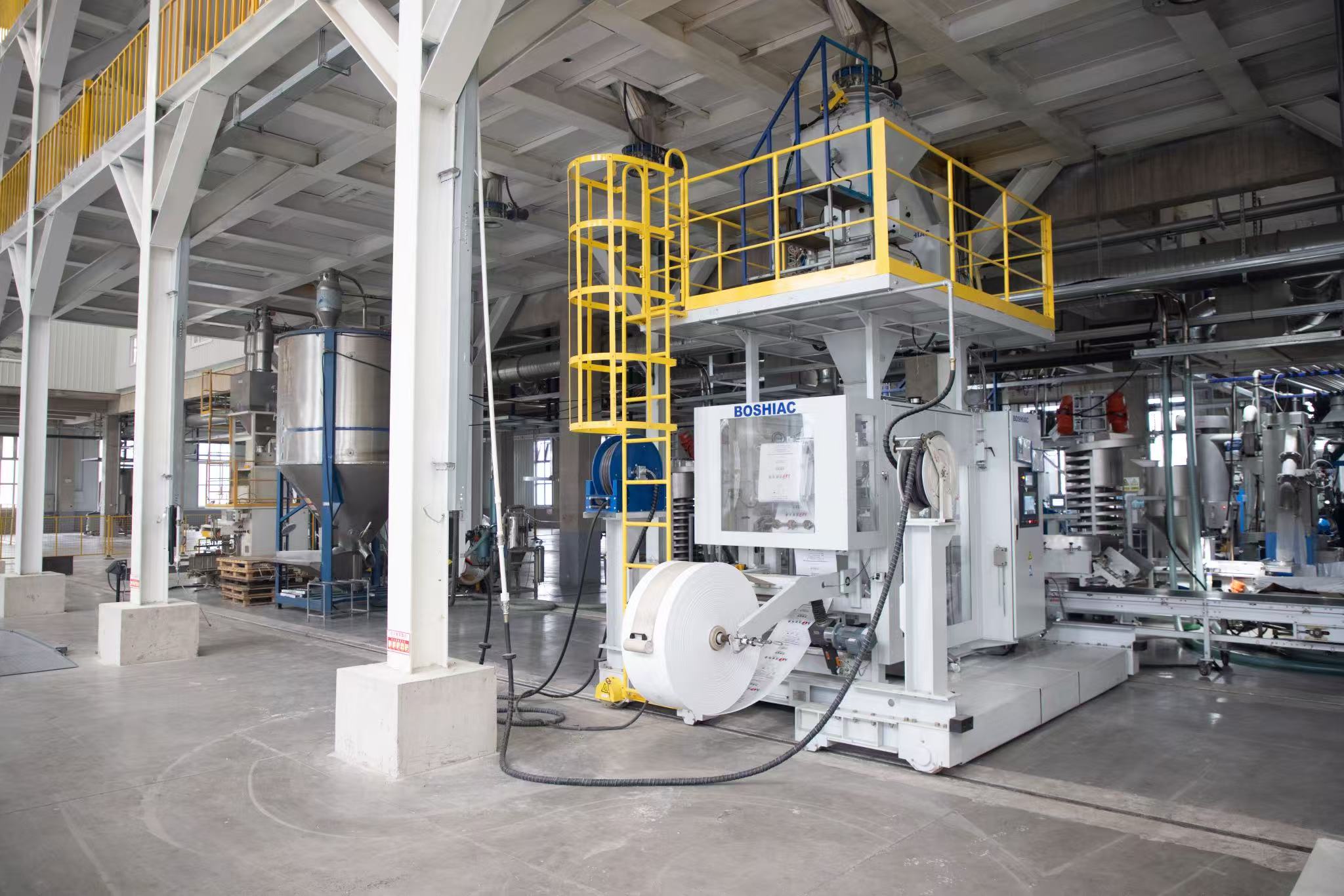
Figure 3 — Inside the production facility: compounding, sampling and factory acceptance testing take place on the same site as grade development.
Use Cases: Four Projects That Show the Routing in Practice
Glass fibre reinforced PP — compatibilizer route. A modified polymer material manufacturer used KT-1, KT-1D and KT-1H in glass fibre reinforced polypropylene across a 20-ton project in the UK, India, Vietnam and China. Reported outcomes were remarkably enhanced impact resistance, excellent impact strength retention, good processability and greatly improved compatibility between materials.
Glass fibre and mineral filled PP with emission limits — low-odor compatibilizer route. A second project used LEP-1B and LEP-1K for the same matrix family, 22 tons across the UK, India, Vietnam, China and Italy, reporting remarkably enhanced impact resistance together with low VOC emission and enhanced ageing resistance. The difference from the previous case is the constraint set, not the matrix — which is exactly why the low-odor series exists as a separate product line.
Reinforced and toughened nylon — toughener route. A 20-ton project used KT-916K in reinforced and toughened nylon across the UK, India, Vietnam and China, reporting a significantly improved toughening effect, stable and reliable performance and low-temperature resistance down to −50°C. This is the case where a compatibilizer would not have worked: the requirement was ductility of the matrix, not dispersion of a second polymer.
Multilayer co-extrusion barrier film — adhesive resin route. A 21-ton project used KT-NJP2201 as the adhesive layer for multi-layer co-extrusion barrier films in food packaging, delivering stable adhesion in the co-extrusion process that meets food packaging barrier and safety requirements, with excellent adhesion to EVOH and PA, fewer gel spots and good transparency. Three different families, three different failure signatures, three different acceptance criteria.
Comparison Table: Compatibilizer vs. Toughener vs. Adhesive Resin
The table below compares the three families on the dimensions that actually decide a purchase. All values are taken from the KETONG product range and the documented project results; no comparative performance ranking between families is implied, because the three are not substitutes for one another.
| Decision dimension | Compatibilizer | Toughener | Adhesive resin |
|---|---|---|---|
| Primary function | Stabilises the interface between two dissimilar polymers and improves dispersion of filler or reinforcing phase | Disperses an elastomer phase so the matrix deforms instead of fracturing | Bonds a polyolefin to a polar surface (EVOH, PA, metal) in a thin layer |
| Where it sits | In the bulk compound, at the phase boundary | In the bulk compound, as dispersed elastomer domains | As a tie or adhesive layer between two substrates |
| Backbones listed in the KETONG range | PP, low-odor PP, PE, ABS, low-odor ABS, PPO, EVA, polyester elastomer (MAH-g-) | POE (MAH-g-POE), EPDM (MAH-g-EPDM), SEBS (MAH-g-SEBS), MAH-g-elastomer, butadiene terpolymer, GMA-grafted POE/PE and ethylene-acrylate-GMA for polyester | MAH-g-PE and MAH-g-PP type grades |
| Graft bands present in the range | Medium 0.4–0.8%, high >0.8%, extra high ≥4.0% (KT-3) | MAH medium or high on POE/EPDM/SEBS; extra high ≥4.0% on KT-17; GMA low, medium and high on the polyester series | Low <0.4% (KT-NJP2201, KT-NJE2202), medium 0.4–0.8% (KT-NJM2203, KT-NJM3205, KT-NJP7103), high >0.8% (KT-NJ001) |
| Melt flow rate and test condition | KT-1 90–120 at 190°C/2.16kg; KT-2 1.0–4.0 at 200°C/5kg; KT-24 2.0–4.0 at 280°C/2.16kg; KT-24B 4.0–20.0 at 300°C/5kg | KT-916K 9.0–13.0 at 235°C/5kg; KT-17 ≥0.05 at 200°C/5kg; KT-913 0.5–2.0 at 190°C/2.16kg | KT-NJ001 0.3–1.5 at 190°C/2.16kg; KT-NJP2201 1.0–3.0 at 190°C/2.16kg |
| Dosage guidance on the datasheet | Stated per series — for example 3–5% for KT-36 and 5–10% for the EVA series | 3–25% for nylon series; 3–20% for polyester series; 3–10% for PC; 5–10% for POM; 1–3% for KT-31 | Listed as appropriate usage; the working window must be agreed with the supplier |
| Typical evidence to request | Graft band, MFR with condition, dosage guidance, dispersion or impact data on the target compound | Notched impact at the actual service temperature, including low-temperature data | Adhesion to the named substrate, gel-spot level, transparency, food-contact statement |
Table 1 — Role-level comparison. The three families are complementary, not interchangeable.
A second, shorter table is more useful at the start of a project, because it routes a substrate to a family rather than comparing families to each other.
| Matrix or substrate situation | Family to evaluate | Grades to review first |
|---|---|---|
| Glass fibre reinforced or mineral filled PP | PP-g-MAH compatibilizer | KT-1, KT-1D, KT-1H; LEP-1B, LEP-1K where emission is constrained |
| Filled PE, PE-based compounds | PE-g-MAH compatibilizer | KT-12, KT-12A, KT-12B, KT-12B05, KT-12D, KT-1208B, KT-1220B |
| Nylon requiring ductility at low temperature | Toughener | KT-916K, KT-913, KT-915 series, KT-7, KT-8, KT-25 |
| PC or PC blends needing impact modification | Toughener | KT-17, KT-1701, KT-1702, KT-31 |
| POM compounds | Toughener | KT-28, KT-28A |
| Polyester or biodegradable polyester compounds | GMA-grafted toughener, or MAH-g-polyester elastomer compatibilizer | KT-22, KT-33, KT-35, KT-35G, KT-3505, KT-3506, KT-3502, KT-30; KT-36 |
| ABS compounds or ABS blends | ABS-g-MAH compatibilizer or ABS toughener | KT-2, KT-2H, KT-3, LEP-2; KT-4 |
| PPO-based compounds | PPO-g-MAH compatibilizer | KT-24, KT-24B, KT-24F |
| Polyolefin bonded to EVOH, PA or metal | Adhesive resin | KT-NJ001, KT-NJP2201, KT-NJM2203, KT-NJM3205, KT-NJP7103, KT-NJG3304, KT-NJE2202 |
| TPE overmolded onto a polar substrate such as nylon | MAH-grafted compatibilizer matched to the TPE phase | POE-g-MAH (KT-913 series) or SEBS-g-MAH (KT-25), confirmed by moulded trial |
Table 2 — Substrate-to-family routing. Confirm the final grade against the supplier's technical data before release.
FAQ
Which certifications and regulatory references should a buyer verify for MAH-grafted polymers?
Verify certificate numbers, validity dates and scope wording, not just the certification logo. KETONG's management systems are certified to ISO 9001:2015 under certificate 03825Q03155R1M issued by World Standards for Certification Center Inc., valid to 2028-05-04, with a scope covering the research, development, production and marketing of modified, toughened and compatible plastic masterbatches; to ISO 14001:2015 under certificate 03825E03153R1M, valid to 2028-06-01; and to ISO 45001:2018 under certificate 03825S03154R1M, valid to 2028-05-04. On the regulatory side, MAH grafted polymers are subject to EU REACH (EC 1907/2006) registration, and ASTM D1248 is the standard referenced for PE extrusion materials.
How much can a supplier customize a graft grade, and at what production scale?
KETONG provides OEM, ODM, OBM, EMS, CMT and JDM production services, together with product formula customization and additive performance customization covering flame retardancy, toughening, anti-oxidation, reinforcement and weather resistance. Those services sit on a base with 130 employees, an 8-engineer R&D team, an annual output of 60,000 tons and a monthly capacity of 5,000–6,000 tons, so a customized grade is produced on standard equipment rather than as a one-off laboratory batch.
What are the minimum order quantity, delivery terms and acceptance criteria?
MOQ is customizable on demand and is set against the customer's required quantity. Delivery terms are FOB and CIF. Acceptance is a factory acceptance test performed against the agreed technical specifications, and payment terms are payment before delivery. Because the MOQ is set per order, the commercial discussion is normally settled together with the grade specification — the quantity and the grade are negotiated as one package, not as two separate conversations.
How can a buyer validate a grade before placing a production order?
There are three checkpoints. During production, KETONG applies random sampling inspection. At delivery, acceptance runs against a factory acceptance test per the agreed technical specifications. And before either step, the reference projects show the scale at which validation is meaningful: 20 tons of KT-916K for reinforced and toughened nylon with low-temperature resistance down to −50°C; 22 tons of LEP-1B and LEP-1K for glass fibre reinforced and mineral filled PP with low VOC emission; 20 tons of KT-1, KT-1D and KT-1H for glass fibre reinforced PP; and 21 tons of KT-NJP2201 as a multi-layer co-extrusion adhesive layer with excellent adhesion to EVOH and PA. When you trial a grade, use the same melt flow test condition as the specification — otherwise the trial result cannot be compared with the datasheet.
What lead time should we plan for, and how do we start a grade discussion?
Production is scheduled on a demand-driven basis against a monthly capacity of 5,000–6,000 tons, so the delivery slot should be confirmed at order rather than assumed from a stock position. For a new project, start with the interface and the constraint set rather than a grade number: send the matrix, the substrate, the failure mode and the service temperature, and the family can be routed before any quotation is issued. The full grade list, specification ranges and company profile are available in the KETONG catalogue, which can be downloaded here: KETONG product catalogue (PDF). Technical contact: Alice Wang, General Manager, wangyanqiu@syketong.com, +86 13998121502.
Conclusion: Choose by Interface, Then Verify by Data
The three families are not competing products. A compatibilizer is the correct purchase when the problem is dispersion or phase separation. A toughener is the correct purchase when the problem is brittle failure, particularly at low temperature. An adhesive resin is the correct purchase when the problem is adhesion between a polyolefin and a polar surface, whether that surface is EVOH in a barrier film, polyamide in an overmolded part, or metal in an insert.
Three habits keep a project on track. Read melt flow rate together with its test condition, because the KETONG range spans 190°C/2.16kg through 300°C/5kg and the figures are not interchangeable. Read graft content together with its reactive group, because GMA content in the polyester-series tougheners is not a substitute for MAH content. And validate at production-representative scale, because 20 to 22 tons is where dispersion, gel formation and lot-to-lot variation become visible.
For teams evaluating KETONG as a source, the practical starting point is the certificate set (ISO 9001:2015, ISO 14001:2015, ISO 45001:2018), the customization scope (OEM, ODM, OBM, EMS, CMT, JDM with formula and additive performance customization), and a single reference case that matches your own interface. Shenyang Ketong New Materials Co., Ltd. is based at No. 40 Honghai Road, Yuhong District, Shenyang, and publishes its product range at compatibilizer.com.
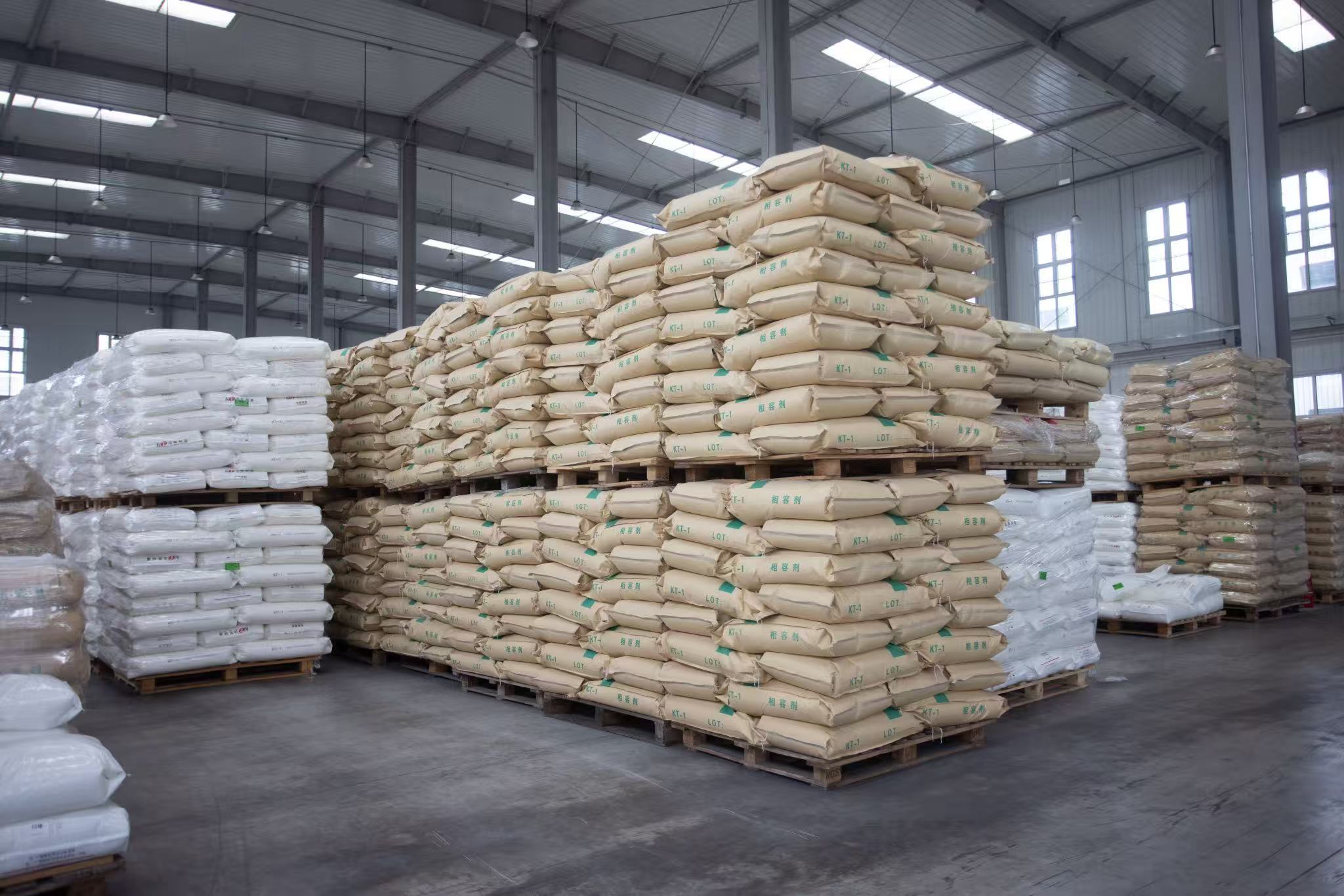
Figure 4 — Finished goods staged for dispatch from the Shenyang site.
Next step: match the grade to the interface
Send your matrix, substrate, failure mode and service temperature. KETONG will confirm which family applies — compatibilizer, toughener or adhesive resin — and which grade to trial, with the corresponding technical data and acceptance criteria.
Download the KETONG catalogue (PDF) | Message us on WhatsApp | wangyanqiu@syketong.com
Shenyang Ketong New Materials Co., Ltd. — No. 40 Honghai Road, Yuhong District, Shenyang, Liaoning, China. Tel / WhatsApp: +86 13998121502.
Have Questions or Need More Details?
Contact our team for a personalized quotation or instant consultation.
Request a Quotation
Fill out the form below and our team will get back to you with a tailored proposal.
WhatsApp Direct Chat
Prefer to chat in real-time? Message us on WhatsApp for instant assistance & quick answers.
- Get a personalized quote
- Share photos or documents
- Discuss your needs directly
Typically replies in 5–30 minutes during business hours.