
How to Apply Maleic Anhydride Grafted Compatibilizers in TPE Overmolding Projects: An Engineer's Application Guide
Weak TPE overmolding adhesion is usually an interface problem, not an elastomer problem. Maleic anhydride (MAH) grafted compatibilizers solve it by bridging two surfaces that share no chemical affinity — but only when the grade, the loading logic, the substrate preparation and the process window are all matched to the same project. This guide walks through that sequence step by step, with the decision points an engineer actually has to close before tooling is cut.
A compatibilizer for TPE elastomer overmolding is not a bulk material. It is a thin functional interphase engineered to make a polar surface and a non-polar elastomer hold together under real service conditions. Treating it as an additive that can be added late in a project is the most common reason overmolded parts pass an initial pull test and then fail in the field.
Problem Definition: Why TPE Delaminates from a Rigid Substrate
In an overmolding project, delamination shows up as edge lift, a clean peel line, whitening along the bond line, or a part that separates only after a heat-age or humidity cycle. The root cause is almost always at the interphase rather than in the TPE body.
Three conditions have to be closed for a bond to survive:
- Chemical affinity. A non-polar elastomer phase and a polar engineering-plastic surface have no driving force to bond. Maleic anhydride grafting introduces functional groups that can react or interact at the polar side while the polyolefin backbone stays compatible with the elastomer side. This is the mechanism MAH-grafted polymers are positioned around as compatibilizers, coupling agents, adhesion promoters and impact modifiers.
- Intimate contact. Reactivity is worthless if the melt never wets the substrate. Contamination, moisture, release agent residue and an under-filled cavity all break contact before chemistry can start.
- Interphase stability after molding. A bond that forms during injection but relaxes during annealing, heat aging or a cold cycle is a formulation and process-window problem, not a molding defect.
Because these three conditions fail in different ways, troubleshooting has to separate no bond at all from a bond that degrades. The two have different fixes.
Industry Background: Where MAH Grafting Sits in a Compounding Line
Maleic anhydride is a cyclic anhydride with the molecular formula C4H2O3 and a molecular weight of 98.0569 g/mol (NIST Chemistry WebBook). Its value in overmolding comes from being grafted onto a polymer backbone rather than used as a stand-alone chemical: the anhydride ring supplies the polar reactivity, and the backbone supplies compatibility with the elastomer or the compound it is added to.
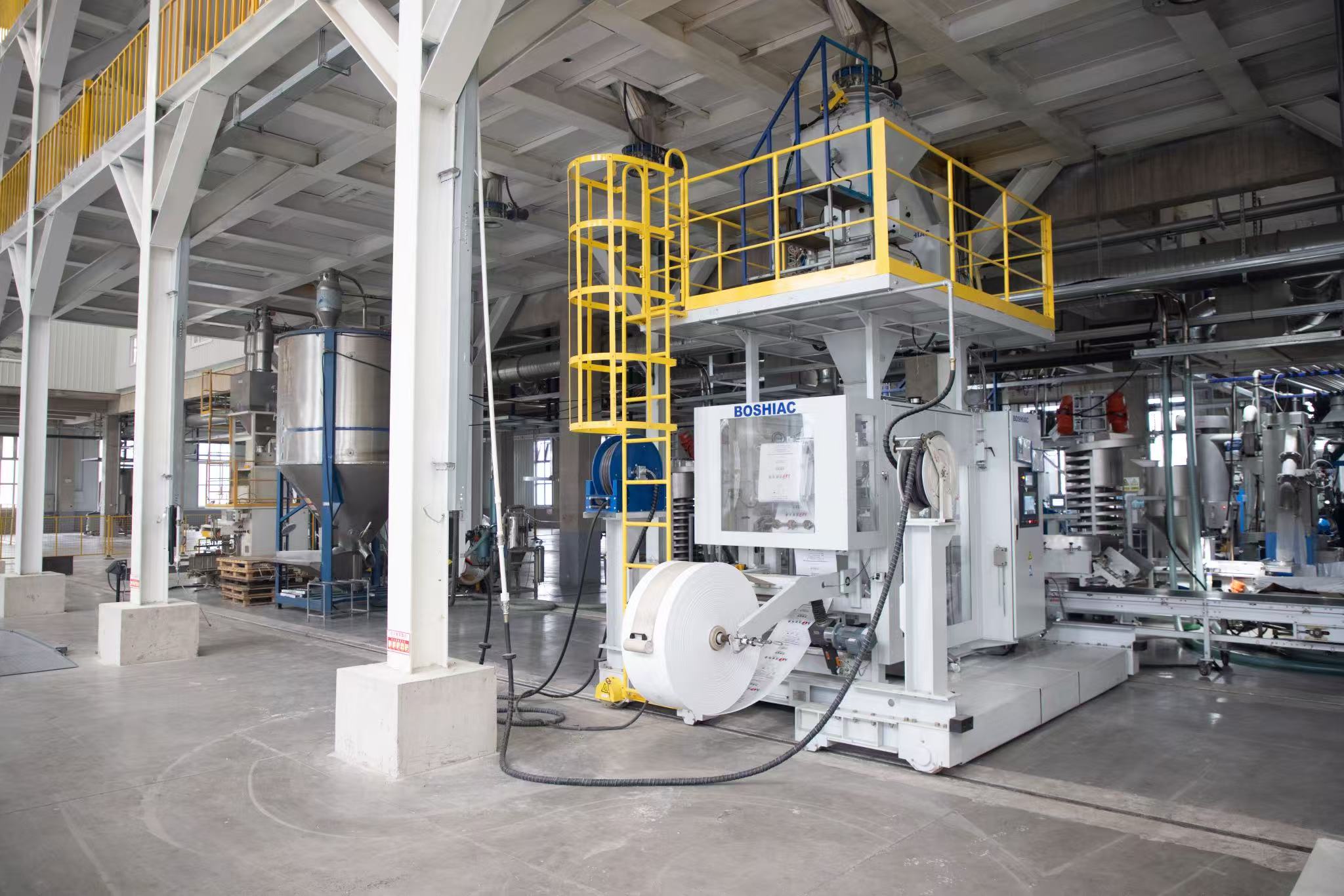
Most commercial grafted polyolefins are made by reactive extrusion — maleic anhydride is grafted onto polypropylene or polyethylene inside a twin-screw extruder, and the resulting product is used as a coupling agent for filled PP and as a compatibilizer for polymer alloys. Practically, this means the grade variables a buyer receives are set by the extrusion process: which backbone, how much grafted functionality, and how much viscosity change the process introduces.
Public supplier data illustrates how narrow the specification window can be. Vin Group reports MAH content in the range of 0.5%–1.5% by weight for its PP-g-MAH and PE-g-MAH grades. That figure is one supplier's reported range and is not a cross-supplier benchmark — measurement methods, backbones and grade breakdowns are not disclosed. It is useful as a reminder that “MAH grafted” alone is not a specification.
Three functional roles are commonly grouped under the same MAH umbrella and are often quoted interchangeably in RFQs:
- Compatibilizers — used to stabilise the interface between phases that would otherwise separate, including polar/non-polar polymer pairs and filled compounds.
- Adhesive resins — functionalised polyolefins used specifically to promote adhesion between a polyolefin and a polar surface.
- Toughening agents — elastomer-backbone MAH grafts used to raise impact resistance, for example in polyamide compounds.
Market context explains why these grades are increasingly specified rather than improvised: one commercial research source values the global MAH-grafted polymer market at USD 1.00 billion in 2025 and projects a CAGR of 4.62% over 2026–2034, with North America accounting for 38.27% of the 2025 market. The same research stream reports that a substantial share of commercial MAH-g-PP grades — 64% — are engineered with reduced odor and improved stability for automotive use, a signal that low-odor performance is now a specification axis rather than a premium option, particularly for interior parts.
Detailed Solution: What the Compatibilizer Actually Does at the Bond Line
A maleic anhydride grafted compatibilizer works as a molecular bridge. The anhydride functionality is polar and can react or interact with polar groups on the substrate side; the grafted polyolefin or elastomer backbone remains compatible with the TPE phase. The result is a graded interphase instead of a sharp boundary where stress concentrates.
For an overmolding project, four practical consequences follow from that mechanism:
- Backbone selection precedes grade selection. The backbone must be compatible with the TPE compound and, ideally, related to the substrate family. A PP-g-MAH and an SEBS-g-MAH are not interchangeable even if both carry the same grafted functionality.
- Grafted functionality is a dose, not a ranking. More grafting is not automatically better. The right level depends on how much interfacial area the system presents and how much the compound can tolerate without changing flow or color.
- The compatibilizer must reach the interface. If it stays dispersed in the bulk of the TPE shot, it adds cost and changes mechanical properties without improving adhesion. Melt temperature, injection speed and packing behaviour determine whether it arrives at the surface in time.
- Interphase formation is time-and-temperature dependent. The bond needs a defined window to develop; a fast cycle cuts it short.
Step-by-Step Breakdown: Running the Project in the Right Order
Step 1 — Define the interface before defining the grade
Write down the substrate family (polyamide, polypropylene, ABS, polycarbonate, thermoplastic polyester, or metal), whether its surface is polar or non-polar, the wall thickness at the bond line, and the service environment (heat, humidity, oil, cold cycling). These four inputs decide the backbone shortlist. Skipping this step is the reason projects end up testing three unrelated grades in parallel and learning nothing from the results.
Step 2 — Shortlist by backbone, not by brand name
Match the carrier to the system. Polypropylene-based compounds usually begin with PP-g-MAH; polyethylene systems with PE-g-MAH; styrenic and ABS substrates with ABS-g-MAH; elastomeric TPE phases with SEBS-g-MAH or POE-g-MAH; polyamide interfaces frequently combine a polyolefin-elastomer graft with a compatibilizer function. A supplier catalogue that spans several backbones lets you run this shortlist from one technical contact instead of three.
Step 3 — Request the specification with the test method attached
Ask for grafted level with its measurement basis, melt flow rate with test conditions, carrier resin identity, density, moisture, and odor data if the part is interior or consumer-facing. Requesting the number without the method creates a false comparison between suppliers.
Step 4 — Prepare the substrate as a controlled variable
Substrate preparation is the cheapest place to fail. Control it on purpose:
- Confirm the substrate is free of mold release, machining oil, dust and handling contamination.
- Dry hygroscopic substrates to the resin supplier's specification — moisture at the surface competes directly with the grafting reaction.
- Fix the interval between surface preparation and overmolding; a treatment that works immediately can lose effectiveness after a shift in storage.
- Record substrate lot and surface condition on the trial sheet, so a later adhesion change can be traced.
Step 5 — Set the process window around the interface, not just the part
Process settings govern whether the compatibilizer reaches the surface and whether the interphase has time to form. Work inside the TPE grade's documented window and treat these as the variables to bracket during DOE:
- Melt and nozzle temperature — high enough for the TPE to flow and wet the substrate, low enough to avoid degrading the grafted functionality or generating odor.
- Injection speed profile — a controlled front that reaches the bond line before the melt skins over.
- Packing pressure and hold time — maintains contact while the interphase develops.
- Mold temperature — governs cooling rate at the interface; too cold a mold freezes the bond line before it forms.
- Cycle time — a shortened cycle is a common cause of an intermittent adhesion failure that appears only on high-cavitation tools.
Step 6 — Validate the interphase, not only the pull strength
A single room-temperature pull test is not a qualification. Build a small matrix that includes:
- Initial bond strength on a defined specimen geometry.
- Bond strength after heat aging at a temperature relevant to the service environment.
- Bond strength after humidity or water immersion, where the application requires it.
- Bond strength after cold cycling, which exposes a brittle interphase.
- Appearance and odor check on the finished part, particularly for automotive interiors and appliances.
Keep the substrate lot and the compatibilizer lot as recorded variables in every run. Without that, a failure cannot be attributed.
Step 7 — Lock the lot before scaling
Before transferring to production, confirm that the batch you qualified is the batch specification you will receive repeatedly. Ask how incoming raw materials are inspected, how process parameters are monitored, and how a non-conforming lot is handled. This is where a technically correct trial becomes a stable program — or does not.
Troubleshooting Weak Adhesion and Surface Issues
Use the symptom to narrow the cause before changing the formulation. Changing the compatibilizer when the real problem is mold temperature wastes a trial cycle and introduces a new variable.
| Symptom | Most likely cause | First action |
|---|---|---|
| No adhesion at all; clean separation | Contamination, release agent, or melt never wetting the substrate | Audit substrate surface condition and the fill pattern before touching the compatibilizer |
| Bond forms then fails at edges | Packing or hold time too low; shrinkage stress at the perimeter | Bracket packing pressure and hold time; check gate position relative to the bond line |
| Bond is weak but leaves residue on both faces | Grafted level or loading mismatched to the substrate polarity | Re-check grade shortlist and dosage against the substrate family |
| Adhesion good initially, drops after heat aging | Interphase not fully developed; insufficient thermal stability of the system | Extend the thermal validation matrix; review melt temperature and cycle time |
| Whitening or blooming at the bond line | Incompatible carrier or overloading | Verify backbone compatibility; reduce loading and re-test |
| Odor or VOC complaint on interior parts | Standard grade used where a reduced-odor grade is required | Specify a low-odor grade and request odor data with the quotation |
| Intermittent failure across lots | Batch-to-batch variation in grafted level or moisture | Request batch release data and retained-sample traceability from the supplier |
Use Cases: Where This Sequence Applies
The same seven-step logic applies across the application families maleic anhydride grafted polymers are typically specified into — automotive, home appliance, new energy, construction and precision injection molding — with different weighting.
- Automotive interior overmolding. Odor and appearance carry as much weight as bond strength. Specify reduced-odor grades from the outset; retrofitting them after tooling approval is expensive.
- Appliance and power-tool housings. Soft-touch TPE over a rigid shell. Bond-line durability under repeated handling and cleaning matters more than peak initial strength.
- Construction and building components. Thermal cycling and humidity dominate. A grade that passes a room-temperature pull test may still fail a cold-cycle test.
- Precision injection parts. Thin walls and short cycles compress the interphase formation window, so melt temperature and packing settings need tighter control.
- Polyamide-based assemblies. Frequently combine a toughening function with a compatibilizing function, which is why POE-g-MAH and EPDM-g-MAH appear alongside PP-g-MAH in project shortlists.
Comparison Table: Compatibilizer, Adhesive Resin and Toughening Agent
These three MAH-grafted product families are frequently quoted against each other in an RFQ. They are not substitutes; they answer different questions in the same project.
| Function | Typical backbone families in supplier catalogues | Role in a TPE overmolding project | What to confirm before ordering |
|---|---|---|---|
| Compatibilizer | PP-g-MAH, PE-g-MAH, POE-g-MAH, SEBS-g-MAH, ABS-g-MAH | Stabilises the interface between phases that would otherwise separate, including polar/non-polar polymer pairs and filled compounds | Grafted level with test method, MFR, carrier identity, and whether the backbone matches the TPE and substrate |
| Adhesive resin | PP-g-MAH, PE-g-MAH | Functionalised polyolefin used specifically to promote adhesion between a polyolefin and a polar surface | Bond strength on the actual substrate pair, not on a reference substrate; heat and humidity retention data |
| Toughening agent | POE-g-MAH, EPDM-g-MAH | Raises impact resistance of compounds, notably polyamide systems; often used alongside a compatibilizer rather than instead of one | Impact test method and conditions, dosage, and the effect on flow and odor of the final compound |
One clarification worth putting in writing during a technical review: a toughening agent added for impact performance will not automatically improve adhesion, and a compatibilizer added for adhesion will not automatically deliver impact performance. Multi-function grades exist, but the qualification still has to test both properties separately.
Project Checklist: Closing the Decision Points
- ☐ Substrate family, polarity and surface condition documented
- ☐ Service environment defined (heat, humidity, cold cycling, chemical exposure)
- ☐ Backbone shortlist built before grade comparison begins
- ☐ Grafted level requested with measurement method, MFR with test conditions
- ☐ Odor requirement stated explicitly for interior and consumer applications
- ☐ Substrate preparation step written into the work instruction, with a defined hold time
- ☐ Process window bracketed by DOE, not by single-point trial
- ☐ Validation matrix includes heat aging, humidity and cold cycling
- ☐ Substrate lot and compatibilizer lot recorded on every trial and every production run
- ☐ Batch release data and retained-sample traceability confirmed with the supplier
- ☐ Commercial terms, MOQ and delivery basis agreed before scale-up
FAQ
What compliance controls apply to maleic anhydride grafted compatibilizers for export projects?
At Shenyang Ketong New Materials Co., Ltd. (KETONG), environmental compliance control covers stable operation of waste gas, waste water and solid waste treatment facilities with regular environmental monitoring, and products are stated to comply with environmental regulations of the export destination, including REACH, RoHS and FDA requirements where applicable, with complete and traceable records for compliant disposal. On the trade side, the company carries out full-process compliance audits covering the product certifications required by the destination market, customs code classification review, pre-inspection of tariff and trade policy, and a compliance audit of the full export document set. Buyers should still confirm the compliance status of the specific grade against their own market requirements, because obligations for the raw material and for the finished additive are not the same.
Which MAH grafted backbones can KETONG supply for an overmolding project?
KETONG's product range includes PP-g-MAH, ABS-g-MAH, POE-g-MAH, SEBS-g-MAH, PE-g-MAH and PBAT-g-MAH, organised across three product families: toughening agents, compatibilizers and adhesive resins. The company was founded in 2003, operates a 30,000 m² production site with approximately 130 employees including an 8-engineer R&D team, and completed a second Shenyang facility in 2023 that was planned with an annual production capacity of 60,000 tons. For an overmolding project this range matters because the backbone shortlist can be sourced through one technical channel rather than split across suppliers.
What are the standard purchasing terms and acceptance criteria?
For KETONG supply, the minimum order quantity is set against the customer required quantity. Delivery terms are FOB or CIF. Acceptance is based on a Factory Acceptance Test performed to the agreed technical specifications, and payment terms are payment before delivery. Because acceptance is tied to the agreed specification, the grafted level, MFR and any odor requirement should be written into that specification document before the order is placed — a generic “MAH grafted” description is not sufficient as an acceptance basis.
How can a buyer verify a batch before committing to volume production?
Ask for the batch release data and the retained sample record. KETONG carries out a full performance inspection of finished products before shipment against customer-customised specifications, national standards or destination-market standards; each batch is sampled and retained with a retention period covering the product warranty period, and non-conforming products are prohibited from delivery and routed through a defined rework or scrap process. Incoming raw materials are inspected batch by batch on key indicators including purity, moisture and effective content, with rejection and traceability of abnormal batches. On the process side, core reaction parameters are monitored in real time through a DCS system with online sampling and statistical process control, and abnormal batches are isolated immediately. A sensible buyer action is to run a small overmolding trial on the retained sample of the exact lot being offered, then compare it against the lot qualified in the lab.
How is long-term supply continuity and batch consistency supported?
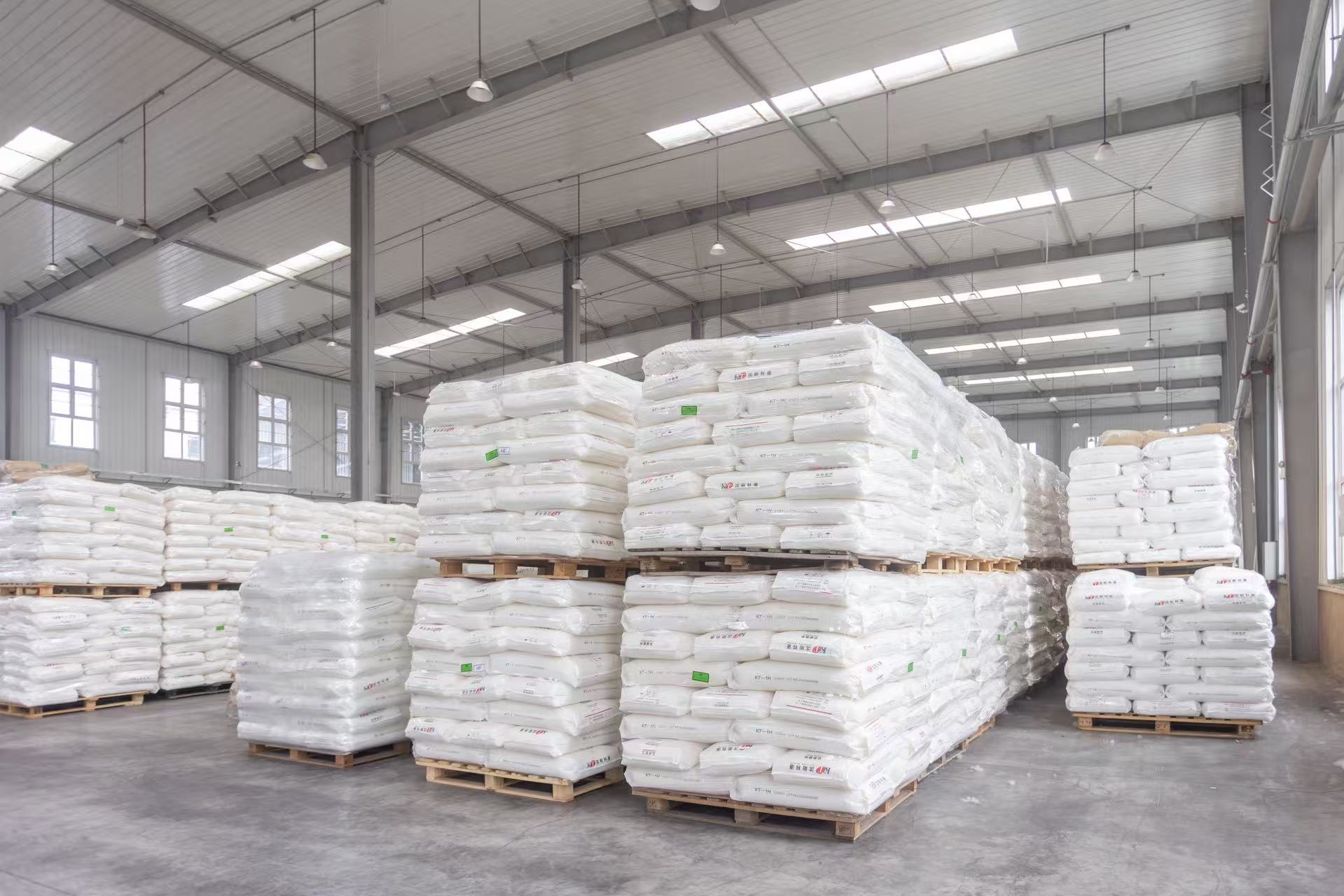
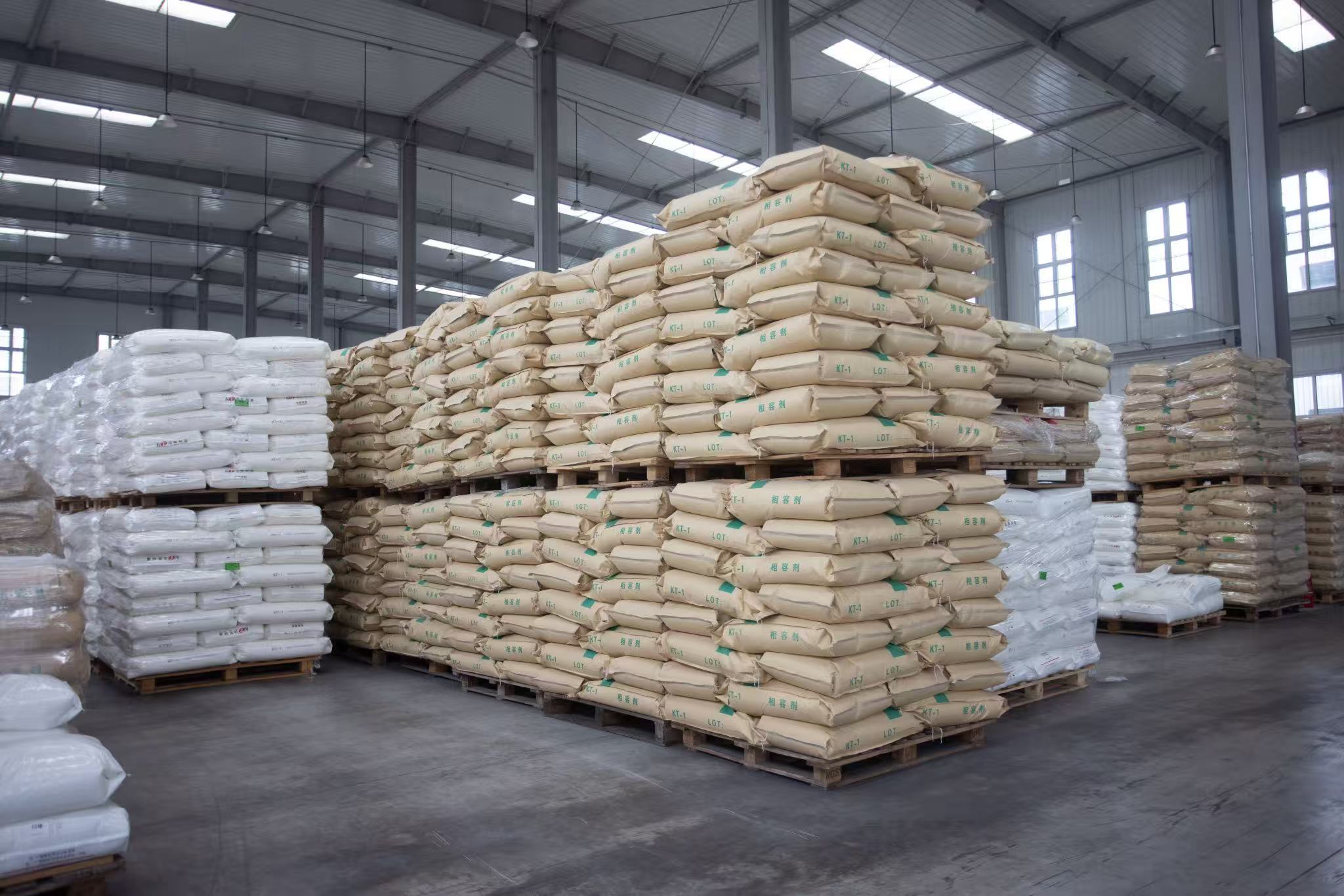
Supply continuity is supported through a supply chain backup structure: at least two qualified alternative suppliers for core materials, long-term agreements with core suppliers covering price and quantity, and safety stock held for core materials to protect production continuity. Storage control uses temperature and humidity sensors with 24-hour real-time monitoring and automatic over-limit alarms, sealed storage under a first-in-first-out principle, and zoned stacking with clear batch identification and regular inspection. For an overmolding program, this combination is what protects the qualified bond strength from drifting between deliveries — and it is a reasonable thing to audit before signing an annual agreement.
Conclusion: Build the Interface, Then Buy the Grade
Maleic anhydride grafted compatibilizers work in TPE overmolding when the project treats the bond line as an engineered interface. That means defining the substrate and service environment first, shortlisting by backbone rather than by product name, specifying grafted level together with its test method, controlling substrate preparation as a process variable, bracketing the molding window around interphase formation, and validating with a test matrix that includes heat, humidity and cold cycling.
The grade you qualify is only half of the outcome. The other half is whether the next delivery behaves like the batch you approved. Batch release data, retained samples, monitoring records and a documented non-conformance process are not procurement formalities — they are what makes a validated bond strength repeatable twelve months into a program.
Next Step: Review the Product Range Before You Specify
KETONG publishes its compatibilizer, toughening agent and adhesive resin range with the technical detail needed to build an overmolding shortlist. Download the product catalogue and share your substrate, service environment and target bond performance with the technical team to request a grade recommendation and a quotation.
Catalogue: KETONG Product Catalogue (PDF)
Website: compatibilizer.com
Contact: Alice Wang, General Manager — wangyanqiu@syketong.com — Tel / WhatsApp: +86 13998121502
Have Questions or Need More Details?
Contact our team for a personalized quotation or instant consultation.
Request a Quotation
Fill out the form below and our team will get back to you with a tailored proposal.
WhatsApp Direct Chat
Prefer to chat in real-time? Message us on WhatsApp for instant assistance & quick answers.
- Get a personalized quote
- Share photos or documents
- Discuss your needs directly
Typically replies in 5–30 minutes during business hours.