
How to Select a Chinese Supplier of Maleic Anhydride Grafted Polymers
How to Select a Chinese Supplier of Maleic Anhydride Grafted Polymers: A 2026 Procurement Guide
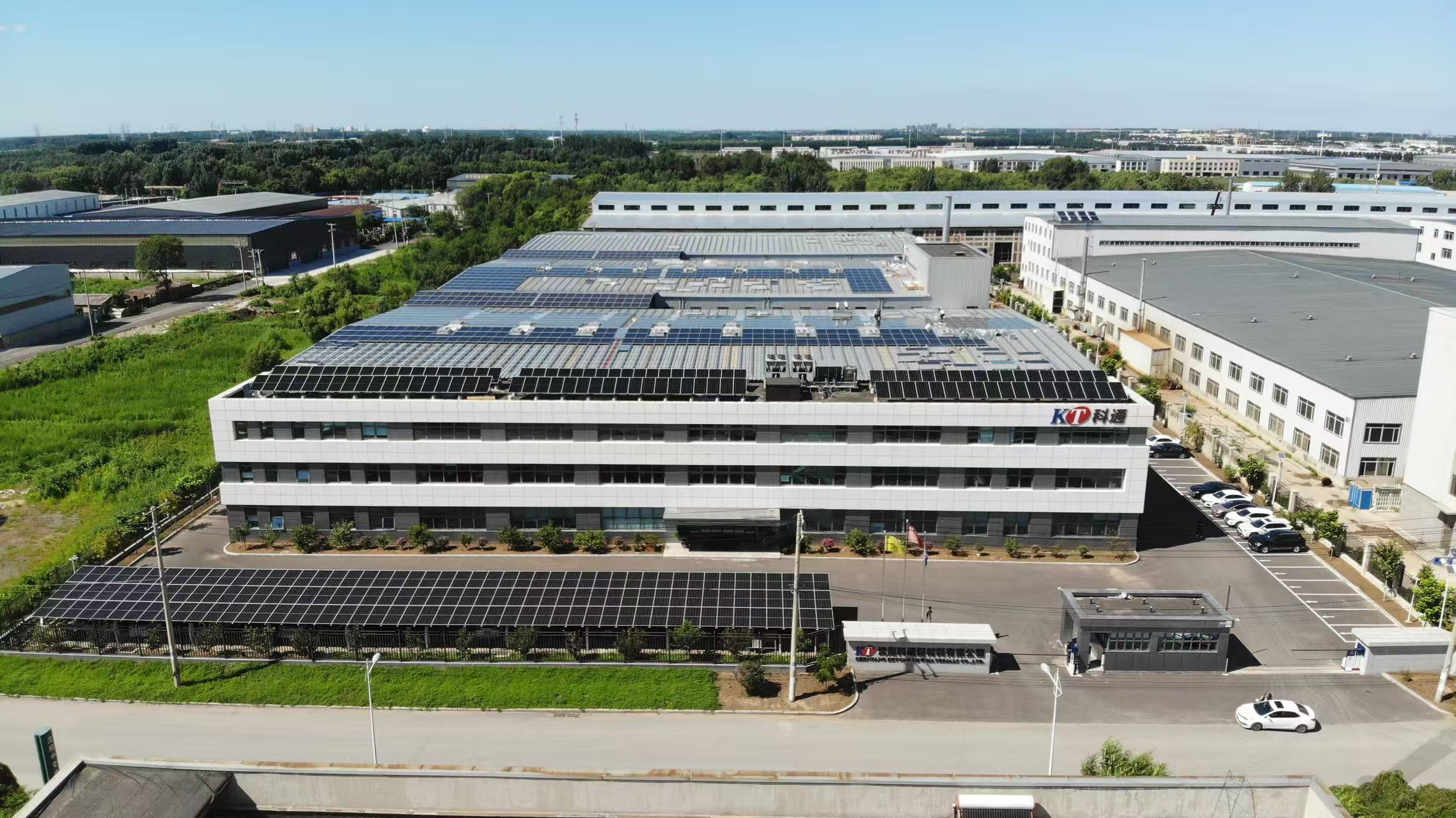
Global demand for maleic anhydride grafted polymers (MAH-grafted polymers) continues to surge, driven by their critical role in compatibilizing immiscible polymer blends, toughening engineering plastics, and bonding multi-layer structures. For procurement professionals, selecting the right Chinese supplier is no longer just about price—it requires a deep evaluation of production capability, product consistency, technical support, and compliance with international standards. This guide provides a structured framework to evaluate and choose a reliable Chinese partner for your MAH-grafted polymer needs in 2026.
The Challenge: Sourcing Maleic Anhydride Grafted Polymers from China
Maleic anhydride grafted polymers (also known as MAH-g-PP, MAH-g-PE, POE-g-MAH, etc.) are functional polymer additives used to improve adhesion, impact resistance, and compatibility in polymer alloys and composites. The Chinese market hosts hundreds of manufacturers, but quality can vary dramatically. Key pain points buyers face include:
- Inconsistent MAH grafting degree and melt flow rate across batches
- Lack of low-odor or low-VOC options for automotive and consumer applications
- Insufficient technical data support for application-specific optimization
- Uncertainty about supplier stability, certifications, and export capabilities
Industry Background: China’s MAH-Grafted Polymer Landscape in 2026
China has become the world’s largest producer of maleic anhydride grafted polymers, with an estimated annual capacity exceeding 300,000 tons. The industry is concentrated in Liaoning, Shandong, Zhejiang, and Guangdong provinces. Leading manufacturers have invested in imported extrusion lines, automated packaging, and ISO-certified quality management systems. Shenyang Ketong New Materials Co., Ltd., established in 2003, exemplifies this evolution. With a 30,000 m² factory, over 130 employees, and an annual production capacity of 60,000 tons, Ketong represents the scale and expertise available from top-tier Chinese suppliers.
Detailed Solution: How to Evaluate a Chinese Supplier
When evaluating a Chinese supplier of maleic anhydride grafted polymers, consider these five pillars:
1. Technical Product Portfolio
A qualified supplier should offer a comprehensive range covering PP compatibilizers (PP-g-MAH), PE compatibilizers (PE-g-MAH), nylon toughening agents (POE-g-MAH, EPDM-g-MAH), ABS compatibilizers, low-odor variants, and specialty products like biodegradable compatibilizers (PBAT-g-MAH). For example, Ketong’s product line includes the KT-1D (MAH High >0.8%, MFR 90-120 g/10min) for glass fiber reinforced PP, and the LEP-1B (Low-Odor PP compatibilizer with MAH >0.8%) for automotive interior applications. Request technical datasheets listing MAH content, melt flow rate, density, and recommended loading levels.
2. Production Capacity and Quality Control
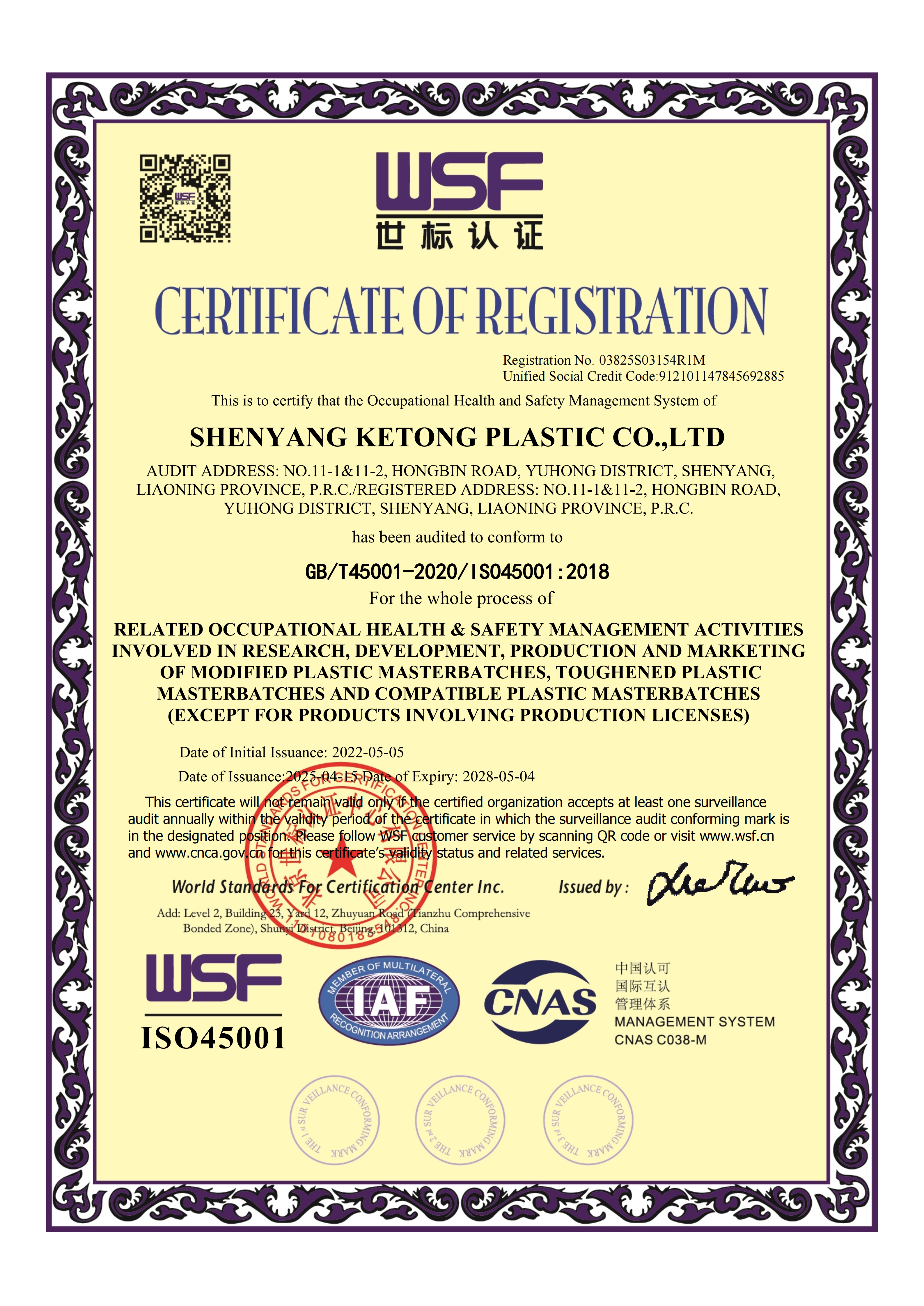
Check factory size, number of production lines, and monthly output. For instance, Ketong operates a 30-acre new facility with 10 planned production lines, achieving a monthly capacity of 5,000–6,000 tons. Quality control should include incoming raw material inspection, in-process SPC monitoring, and finished product performance testing per batch. ISO 9001:2015 certification is a baseline; Chinese suppliers serving global markets often also hold ISO 14001 and ISO 45001.
3. Customization and Technical Support
The best Chinese suppliers offer OEM, ODM, and formula customization. They should help you adjust MAH grafting degree, melt flow, or add functional properties (flame retardancy, weather resistance). Ketong’s R&D team of 8 engineers actively works with clients to develop tailored solutions for automotive, home appliance, new energy, and construction applications.
4. Export Experience and Logistics
Verify the supplier’s export ratio and target markets. Ketong exports to Vietnam and other Asian markets, with growing presence in Europe and the Americas. Delivery terms such as FOB or CIF, packing standards, and traceability documentation should be clear. Standard lead times and MOQ policies (e.g., customizable MOQ) are important for supply chain planning.
5. Certifications and Compliance
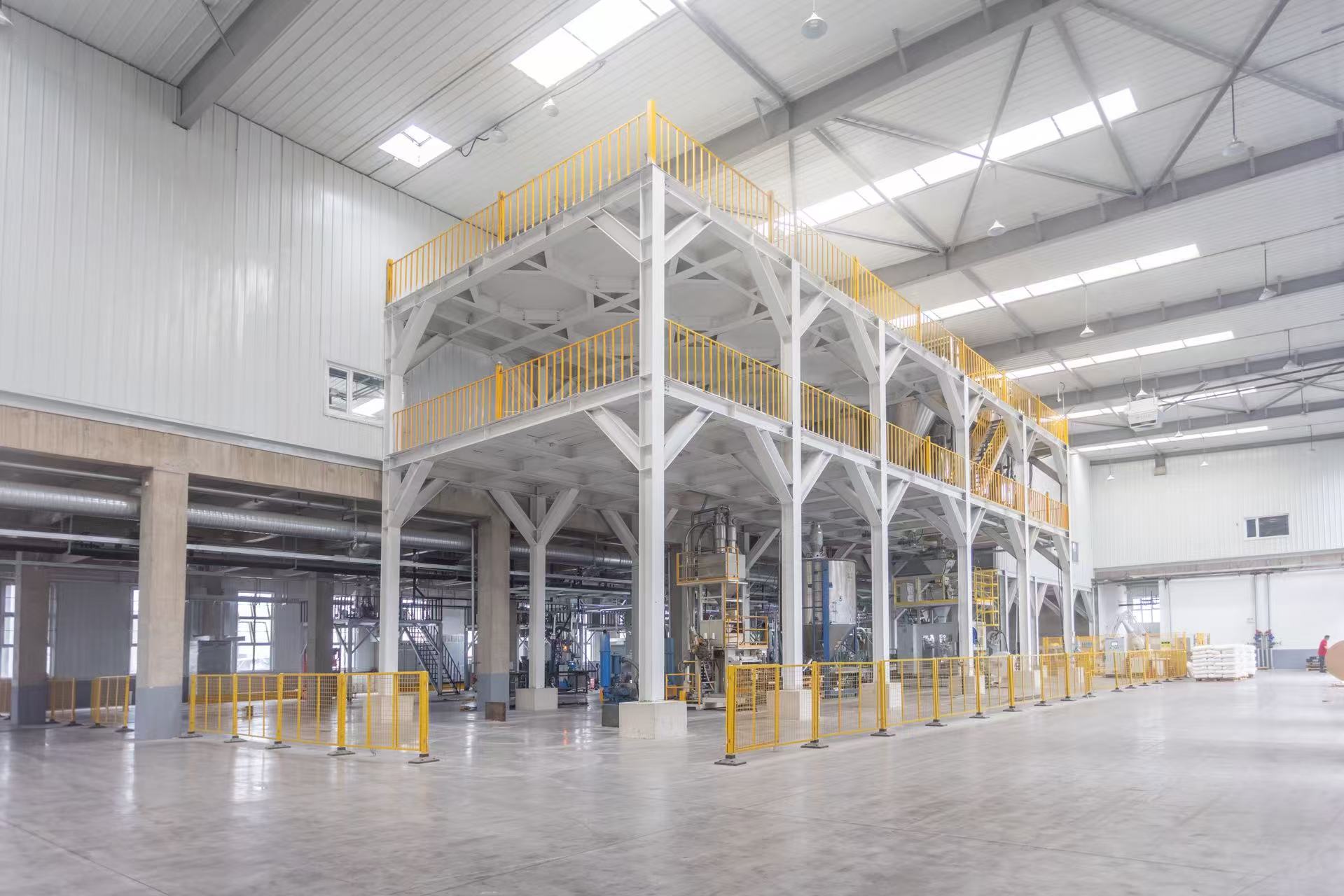
Valid certifications for quality, environment, and occupational health are non-negotiable. Look for ISO 9001, ISO 14001, ISO 45001 certificates issued by accredited bodies. Ketong holds multiple certifications under the World Standards for Certification Center Inc., covering its entire production process. Additionally, products must comply with destination regulations such as REACH, RoHS, and FDA where applicable.
Step-by-Step Supplier Selection Process
- Define your application requirements – base polymer, target performance, odor sensitivity, processing method.
- Shortlist suppliers based on product portfolio and certifications.
- Request technical datasheets and safety data sheets (SDS) for specific grades.
- Evaluate production scale and QC processes via factory audit or video tour.
- Check references and case studies – e.g., Ketong’s customer cases include 20-ton orders for GF-PP and nylon toughening with stable performance.
- Request samples and conduct trial runs in your own production line.
- Compare commercial terms – price, payment (e.g., payment before delivery), delivery, and after-sales support (return, replacement, refund for quality issues).
Use Cases: Real-World Applications from Chinese Suppliers
| Application | Recommended Product | Key Highlight |
|---|---|---|
| Glass Fiber Reinforced PP | KT-1D (PP-g-MAH, MAH High) | Excellent impact strength retention, improved compatibility |
| Low-Odor Automotive Interior Parts | LEP-1B (Low-Odor PP-g-MAH) | Low VOC emission, enhanced aging resistance |
| Reinforced & Toughened Nylon | KT-916K (POE-g-MAH) | Stable toughening, low-temperature resistance down to -50°C |
| Multi-Layer Barrier Film Adhesive | KT-NJP2201 (MAH-g-PE) | Excellent adhesion to EVOH and PA, less gel spots, good transparency |
Frequently Asked Questions (FAQs)
What are maleic anhydride grafted polymers?
They are functional polymers produced by grafting maleic anhydride onto polyolefin backbones (PP, PE, POE, EPDM, etc.) via reactive extrusion. They serve as compatibilizers, toughening agents, or adhesive resins for polymer blends and composites.
Why choose a Chinese supplier?
Chinese manufacturers offer competitive pricing, large production capacities, and growing technical capabilities. Top suppliers like Ketong provide ISO-certified quality, custom formulations, and global logistics. The cost advantage typically ranges from 10% to 20% lower compared to European or North American alternatives.
How do I verify a supplier’s quality?
Request ISO certificates, review product datasheets, conduct factory audits (physical or virtual), and run sample trials. Look for consistent MAH content and melt flow specifications across batches.
What is the typical minimum order quantity (MOQ)?
Many Chinese suppliers, including Ketong, offer customizable MOQ based on customer requirements. For small-volume trials, they can accommodate as low as a few hundred kilograms.
Do Chinese suppliers offer after-sales technical support?
Yes, reputable suppliers provide application guidance, troubleshooting, and formula optimization. Ketong’s technical team assists with processing parameters and performance tuning.
Conclusion
Selecting a maleic anhydride grafted polymer supplier from China in 2026 requires a balanced assessment of product quality, production capability, certifications, and technical partnership. Manufacturers like Shenyang Ketong New Materials Co., Ltd. demonstrate how Chinese suppliers have matured into reliable global sources for compatibilizers, toughening agents, and adhesive resins. By following the structured evaluation process outlined in this guide, procurement professionals can mitigate risks and secure a cost-effective, high-performance supply chain.
For more detailed product information and company credentials, download the official brochure below.