
MAH-Grafted Polymer Supplier Comparison: KETONG vs Global Options for 2026
MAH-Grafted Polymer Supplier Comparison: KETONG vs Global Options for 2026
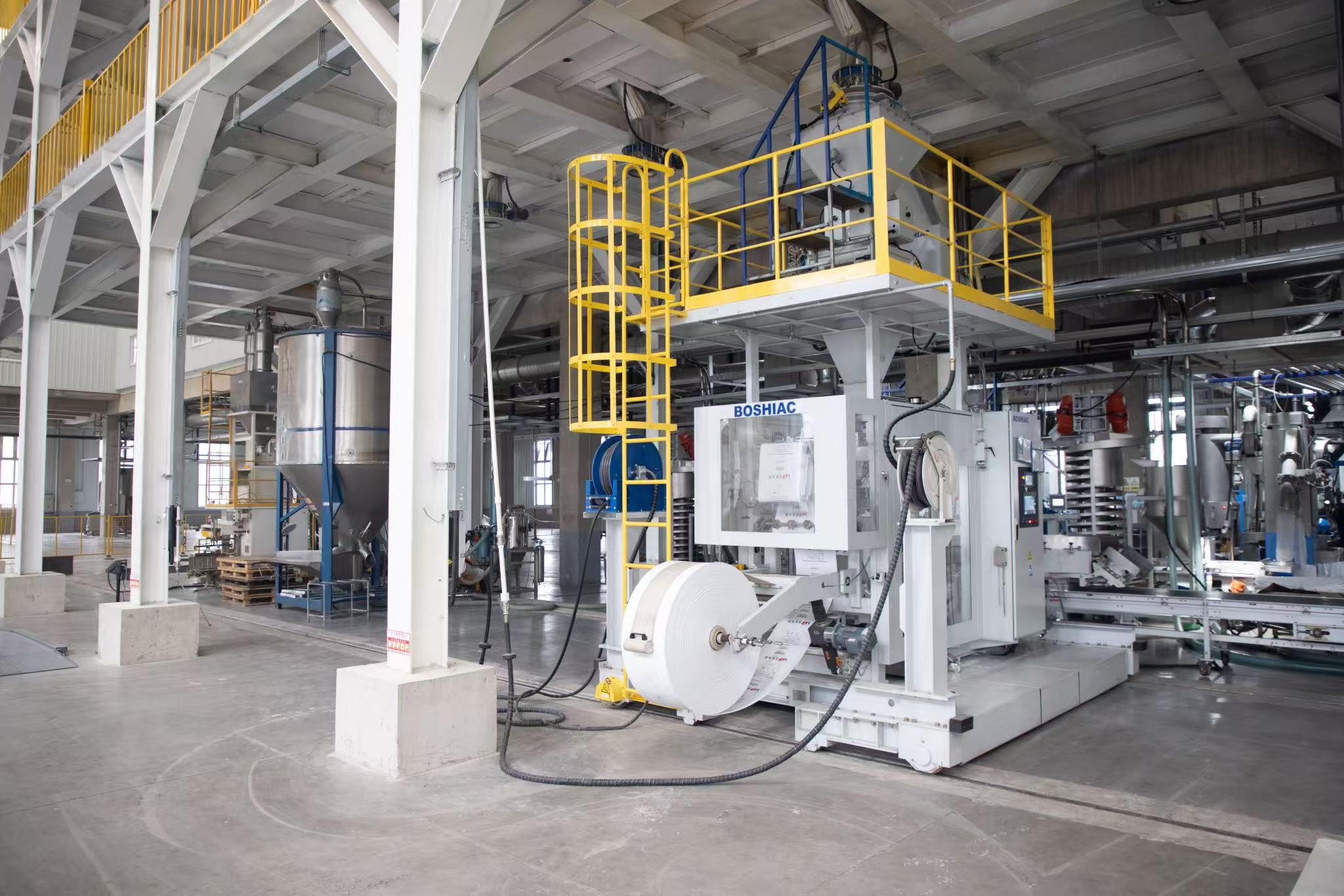
Selecting a maleic anhydride (MAH) grafted polymer supplier is rarely a one-variable decision. In the decision stage of procurement, buyers must weigh performance, processing stability, total cost, compliance, and long-term supply risk. This article provides a comparison framework for evaluating suppliers, with specific evidence from Shenyang Ketong New Materials Co., Ltd. (KETONG) and a clear overview of the global competitive landscape.
Defining the Procurement Problem
MAH-grafted polymers are functional additives used as compatibilizers, toughening agents, and adhesive resins in modified plastics. They enable immiscible polymer blends to become stable alloys, improve impact strength in nylon or polyester systems, and promote adhesion between polyolefins and polar substrates. The commercial challenge is that suppliers differ not only in price but also in batch-to-batch consistency, odour control, reactivity, and the ability to customise formulations.
For a procurement professional, a low price per kilogram can be misleading if it leads to higher defective rates, more downtime, shorter equipment runs, or compliance issues. A decision-grade comparison should therefore include product capability, manufacturing stability, cost structure, and risk-control systems. Increasingly, buyers also ask for low-odour grades, especially for automotive interior compounds where PP-g-MAH and ABS-g-MAH must meet both performance and VOC requirements.
Industry Background: A Growing Market
According to Grand View Research, the global maleic anhydride market reached USD 4.39 billion in 2023 and is projected to grow to USD 5.86 billion by 2030. Asia Pacific accounted for 52.1% of the revenue share in 2023, with China expected to grow at a CAGR of 5.4% through 2030. For the downstream grafted polymer segment, Business Research Insights projects the global maleic anhydride graft polymer market to reach USD 1.42 billion in 2026 and USD 2.16 billion by 2035, at a CAGR of 4.7%.
Global competition includes established players such as Huntsman, Dow, LyondellBasell, Mitsui Chemicals, and SK Functional Polymer. These companies supply a broad range of specialty chemicals and polymer products. In parallel, Chinese manufacturers have expanded their capabilities in functional polymer additives, offering alternatives that aim to combine performance with cost efficiency. The procurement question is no longer simply “local supplier vs. global leader,” but “which supplier can deliver the required performance at the lowest total cost while managing supply chain risks?”
Detailed Solution: KETONG’s Position in the Comparison
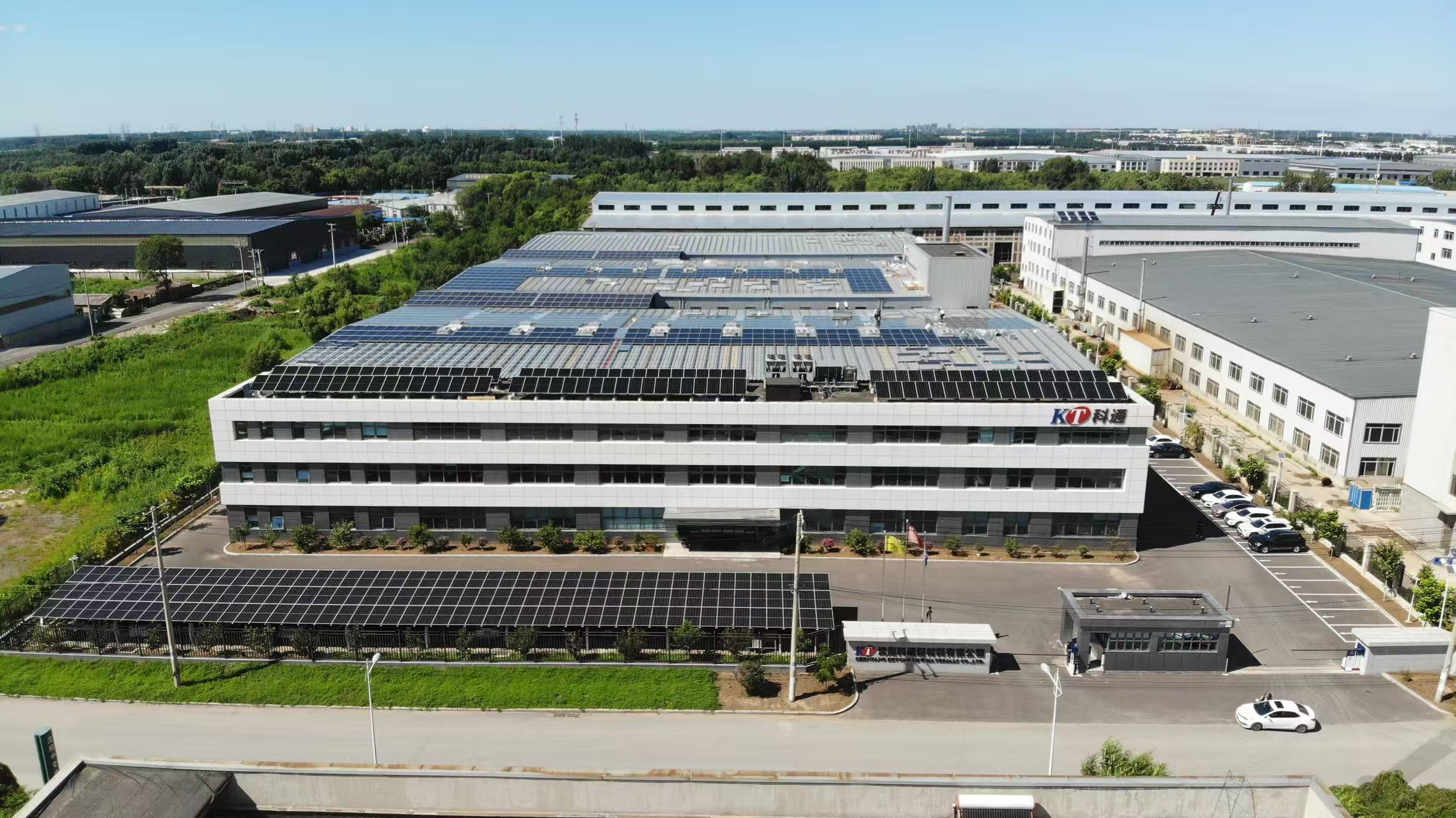
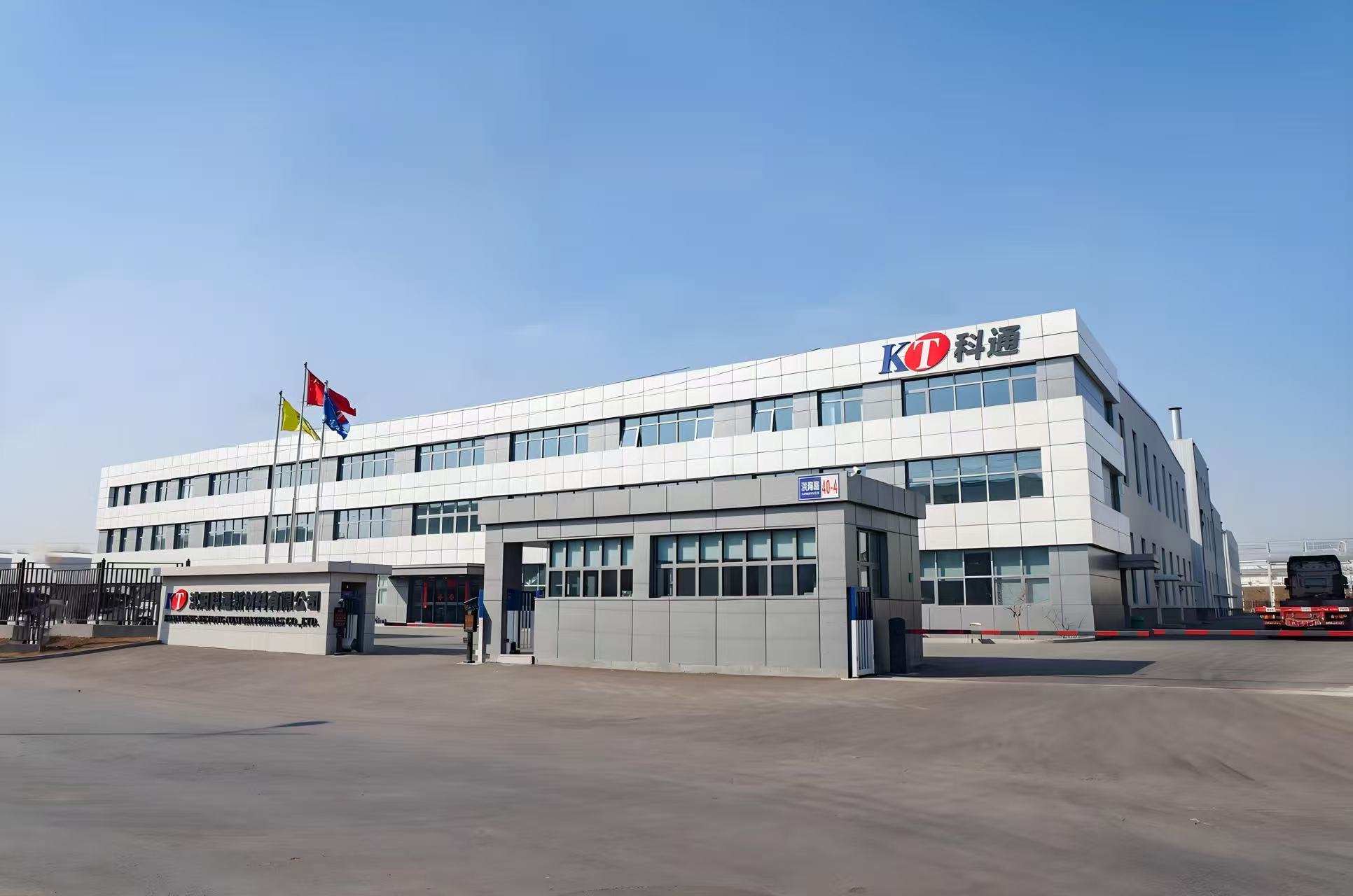
Shenyang Ketong New Materials Co., Ltd. is a high-tech enterprise specializing in the research, development, and production of functional polymer materials. The company is based in Shenyang, Liaoning, China, and operates a 30,000 square meter facility with more than 10 imported production lines. Its product portfolio covers polymer compatibilizers, tougheners, and functional adhesive resins, serving applications in automotive, home appliance, new energy, construction, and precision injection industries.
When compared with domestic and foreign competitors, KETONG products are positioned as a high-performance, compatible replacement. According to the company’s internal comparison data, some individual products can boost impact performance by 3% to 5% compared to alternatives. In addition, KETONG reports a cost reduction of 10% to 20% relative to alternatives, combined with stable processing and a low defective rate.
The commercial relevance of these claims is significant: lower defective rates reduce waste for compounders, stable processing reduces downtime and cleaning frequency, and better overall energy efficiency contributes to lower production costs. For a buyer, this shifts the discussion from unit price to cost per good ton produced.
What to Look for in a “Cost-Effective” MAH-Grafted Polymer
Cost effectiveness is not the same as a low invoice price. It includes the dosage required to reach a target property, the consistency of the grafting level, and the impact on downstream processing. A polymer with slightly higher price but better compatibility can reduce the total additive loading. Conversely, a cheap material that causes gels or deposits may force line stops. KETONG’s stated advantages—stable processing, low defective rate, lower maintenance, and lower cleaning frequency—are directly linked to higher line utilisation and lower conversion cost.
Step-by-Step Supplier Comparison Framework
To compare MAH-grafted polymer suppliers in a structured way, use the following eight-step process.
1. Define the Application and Polymer System
Identify the base resin, the target property (compatibilization, toughening, adhesion), and the processing method. Different grades are required for PP, PE, nylon (POE-g-MAH, EPDM-g-MAH), ABS, SEBS, PPO, EVA, PE, PBAT, POM, PC, and polyester systems. A supplier with a broad product matrix is more likely to match your specific requirement without forcing a compromise.
2. Verify Product Specifications and Grafting Chemistry
Check the actual grafting rate, molecular architecture, and carrier resin. For example, PP-g-MAH is used for PP compatibilization and adhesion, PE-g-MAH for polyethylene, and POE-g-MAH or EPDM-g-MAH for nylon toughening. ABS-g-MAH serves ABS compatibilization and toughening, while PBAT-g-MAH is relevant for biodegradable formulations. The supplier should be able to provide data that corresponds to your application, not just a catalogue range.
3. Evaluate Processing Stability and Defect Rates
Stable processing means consistent melt flow, predictable dosing, and minimal gel or fisheyes. KETONG states that its products demonstrate stable processing and a low defective rate when compared with domestic and foreign competitors. In a production environment, low defect rates directly lower scrap costs and improve line efficiency. For engineered compounds, a defective batch can ruin an entire production run, so this factor often outweighs a small price advantage.
4. Assess Maintenance and Downtime Impact
Some additives cause fouling, screw buildup, or die deposits, requiring frequent cleaning. KETONG reports lower maintenance requirements, less downtime, and lower cleaning frequency compared to alternatives. This is an important total-cost factor that does not appear in the initial price quote. Reduced cleaning also improves safety and extends equipment lifetime.
5. Calculate Total Cost of Ownership (TCO)
Compare price per kilogram, but adjust for dosage, yield, scrap rate, and energy consumption. A product with 10–20% lower material cost and better processing efficiency can reduce per-unit production cost substantially. KETONG indicates better overall energy efficiency and low production cost for customers. When building a TCO model, include logistics, warehousing, quality inspection, and the cost of rejected parts.
6. Review Quality and Risk-Control Systems
A robust supplier should demonstrate control over raw materials, production processes, warehouse conditions, and finished product traceability. KETONG’s risk-control framework includes:
- Full inspection of key indicators for every batch of raw materials, with qualified supplier access and annual re-evaluation.
- Double-check systems for material feeding; real-time monitoring of reaction temperature, pressure, and duration via DCS; and SPC statistical process control.
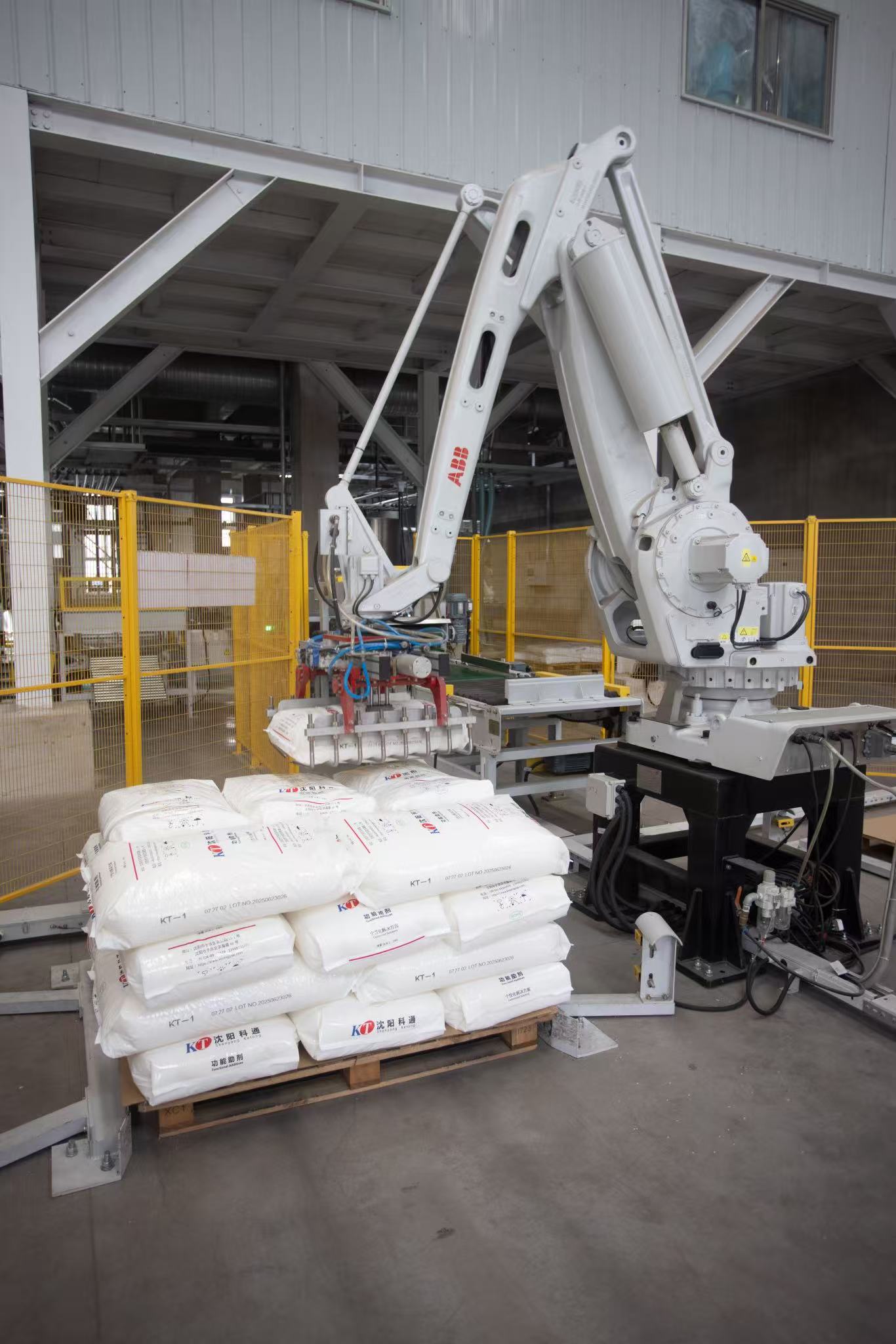
- Pre-shipment full-item acceptance testing of finished products to customer specifications or national/export destination standards; batch traceability with retained samples.
- Temperature and humidity sensors with 24-hour monitoring in warehouses, sealed storage, FIFO, and zoned stacking with clear batch identification.
- Annual inspection and daily patrol of reactors and pressure vessels; calibration of explosion-proof and anti-static facilities; monthly safety hazard inspections; 100% certified employment for special operation personnel.
7. Check Environmental and Trade Compliance
Exporters must manage environmental emissions and regulatory compliance. KETONG reports stable operation of waste gas, waste water, and solid waste treatment facilities with regular environmental monitoring. Products comply with environmental regulations of export destinations such as REACH, RoHS, and FDA. Hazardous waste is disposed of compliantly, with complete traceable accounts. The company also performs pre-inspection of tariff and trade policies, customs code classification audits, and full export documentation compliance audits. For international buyers, these processes reduce the risk of shipment delays or customs rejections.
8. Validate with Samples and Small-Batch Trials
Before volume commitment, run a pilot trial on your own line. KETONG develops and manufactures functional additives for modified plastics and provides customized supporting solutions. Contact the company directly to discuss sample requirements and technical verification. A structured trial should measure not only the final mechanical properties but also melt flow stability, odour, colour, and any effect on cycle time.
Use Cases Across Key Polymer Modifications
The selection of a MAH-grafted polymer depends on the final application. Common use cases include:
- PP compatibilization – PP-g-MAH strengthens blends of polypropylene with glass fibres, talc, or polar polymers, improving interfacial adhesion. It is also used in recycled PP compounds to restore mechanical properties.
- Nylon toughening – POE-g-MAH or EPDM-g-MAH are frequently used to improve notched impact resistance of polyamide compounds, especially in automotive and industrial parts. The automotive segment represents a large share of polyolefin elastomer demand, and MAH grafting is often required to achieve adhesion with nylon.
- ABS compatibilization and toughening – ABS-g-MAH improves compatibility in ABS/polycarbonate or ABS/PBT blends and can increase impact resistance. Low-odour ABS-g-MAH is preferred for interior trim applications.
- Adhesive resins – PP-g-MAH and PE-g-MAH serve as tie-layer adhesives for laminated structures, metal-polymer bonding, and multi-layer packaging. They are also used as coupling agents in wood-plastic composites.
- Biodegradable composites – PBAT-g-MAH helps disperse fillers and improve compatibility in starch-based formulations, enabling higher filler loading without losing mechanical integrity.
- TPE overmolding on nylon – compatibilizers for TPE elastomer overmolding on nylon require precise reactivity and thermal stability to create a strong bond at the interface without degrading the substrate.
These are not hypothetical niches; they represent the core consumption areas of MAH-grafted products in the modified plastics industry. A supplier that can speak to these applications and provide corresponding grades is better suited for a long-term partnership.
Comparison Table: KETONG vs Key Global Competitors
The following table summarizes the available verified information. Where data is not publicly disclosed, it is marked as “Not specified in verified data” to avoid unsubstantiated claims.
| Comparison Dimension | KETONG (Shenyang Ketong New Materials) | Huntsman / Dow / LyondellBasell / Mitsui / SK Functional Polymer |
|---|---|---|
| Core product coverage | Toughening agents, compatibilizers, adhesive resins for PP, PE, nylon, ABS, SEBS, PPO, EVA, PBAT, etc. | Broad specialty chemical portfolios including MAH-grafted polymers (public knowledge) |
| Performance advantage | Some individual products improve impact performance by 3–5% vs alternatives | Not specified in verified data |
| Price positioning | 10–20% lower cost vs alternatives | Not specified in verified data |
| Processing stability | Stable processing, low defective rate, less downtime, lower cleaning frequency | Not specified in verified data |
| Risk control | Full-process controls covering raw material inspection, DCS process monitoring, pre-shipment testing, warehouse monitoring, safety and compliance | Not specified in verified data |
| Compliance approach | Products comply with REACH, RoHS, FDA where applicable; full export document audits | Multinational compliance systems assumed but not itemized in verified data |
| Production scale | 30,000 m² facility, 10+ imported lines, annual capacity of 60,000 tons for the new plant; over 130 employees; 8 R&D engineers | Not specified in verified data |
This table is not a ranking. It reflects verified information available at the time of writing. Buyers should request detailed datasheets and audit results from any candidate supplier before making a final decision.
FAQ
How does KETONG ensure regulatory compliance for exported products?
KETONG applies a full-cycle environmental compliance control. Waste gas, waste water, and solid waste treatment facilities operate stably, with regular environmental monitoring. Products comply with environmental regulations of export destinations including REACH, RoHS, and FDA. Hazardous waste is disposed of compliantly, and export documentation undergoes a complete compliance audit to avoid customs clearance risks.
What performance advantages can a buyer expect from KETONG compared to alternatives?
Compared to domestic and foreign competitors, KETONG products are positioned as a high-performance compatible replacement. For some individual products, the improvement in impact performance is 3% to 5% versus alternatives. The products also demonstrate stable processing and a low defective rate, which directly supports higher production yields.
How does KETONG’s pricing compare to other suppliers?
KETONG reports a cost reduction of 10% to 20% compared to alternatives. In addition to lower material cost, the products offer lower maintenance requirements, less downtime, lower cleaning frequency, and better overall energy efficiency, contributing to a lower total cost per production ton.
Can KETONG provide samples for qualification before bulk ordering?
KETONG specializes in customized supporting solutions for modified plastic applications. The company can be contacted directly through the contact information below to discuss sample requests and technical verification. A structured pilot trial on your production line is recommended before volume commitment.
What is KETONG’s production capacity and how does it support lead times?
Shenyang Ketong New Materials Co., Ltd. was completed in Shenyang, Liaoning in 2023 as the second factory of Shenyang Ketong Plastics Co., Ltd. The new facility covers a building area of 20,000 square meters, with a planned production capacity of 60,000 tons per year. The company also operates an existing 30,000 square meter plant with more than 10 imported production lines. Specific lead times depend on grade and order size; contacting the sales team directly provides the most accurate schedule.
Conclusion
Choosing a maleic anhydride grafted polymer supplier is a cost-performance-risk trade-off. Global suppliers bring brand recognition and broad portfolios, while Chinese manufacturers such as KETONG offer evidence of stable processing, a 10–20% cost advantage, and a comprehensive risk-control system. The final decision should be based on first-hand sample testing and a full audit of production, quality, and compliance capabilities.
For a detailed company profile and product catalogue, download the KETONG brochure: KETONG Company Brochure (PDF).
Contact:
Alice Wang, General Manager
Email: wangyanqiu@syketong.com
Tel/WhatsApp: +86 13998121502
Address: No. 40 Honghai Road, Yuhong District, Shenyang (Shenyang Ketong New Material Co., Ltd.)