
Maleic Anhydride Grafted Polymer FAQ: Top-Ranked Products for TPE Overmolding
Selecting a maleic anhydride grafted polymer for TPE overmolding comes down to two questions: which substrate the elastomer has to bond to, and which failure mode the compounder is trying to eliminate. For a polypropylene substrate, a PP-g-MAH compatibilizer is the first family to evaluate. Where the mating surface is a polar engineering plastic such as polyamide, an elastomeric backbone — SEBS-g-MAH or POE-g-MAH — generally fits the interface better. ABS substrates and styrenic blends point to ABS-g-MAH, PE substrates and adhesion layers point to PE-g-MAH, and polyester-based biodegradable systems point to PBAT-g-MAH.
The ranking below is built from published product-family chemistry, verified maleic anhydride functional roles, and the families that KETONG actually lists in its MAH-grafted portfolio. It is a selection priority, not a laboratory score. Every candidate still has to pass a stepped trial on the real moulding machine before a purchase order is issued.
Problem Definition: What Does a Maleic Anhydride Grafted Polymer Actually Solve in TPE Overmolding?
A TPE overmolding failure is rarely a failure of the elastomer itself. It is a failure of the interface. Polyolefin-based thermoplastic elastomers are non-polar; polyamide, ABS, PC and polyester are polar. Without a compatibilizer or adhesion promoter bridging the two, the bond stays mechanical rather than chemical, and the first sign of trouble is usually a peel or pull test in which the TPE separates cleanly from the substrate.
Maleic anhydride is a cyclic anhydride with the molecular formula C4H2O3 and a molecular weight of 98.0569 g/mol, as recorded in the NIST Chemistry WebBook. When it is grafted onto a PP, PE, POE, SEBS, ABS or PBAT backbone, the anhydride group introduces polar functionality onto an otherwise inert hydrocarbon chain. Grafted polymers of this class are described by product databases such as UL Prospector as compatibilizers, coupling agents, adhesion promoters and impact modifiers.
In an overmolding compound, that translates into three separable jobs. First, interfacial bonding — the grafted anhydride improves the interaction between the non-polar elastomer phase and a polar substrate or filler. Second, toughening — elastomeric MAH-grafted backbones contribute impact modification, a function that distributors such as Biesterfeld describe for MAH-functionalized polymers used as impact modifiers for polyamides. Third, compatibilization of the compound itself, so that fillers, flame retardants or alloy phases disperse instead of agglomerating.
The practical consequence is that these three jobs need different products. A buyer who treats “MAH-grafted polymer” as one interchangeable category will shortlist the wrong family, run a trial, and then conclude the interface cannot be improved. The correct method is to identify the dominant job first, then pick the backbone that matches it.
Industry Background: Why Overmolding Bonding Requirements Are Tightening
A category that is growing but still specified grade by grade
Straits Research places the global maleic anhydride grafted polymer market at USD 1.00 billion in 2025 and projects a compound annual growth rate of 4.62% for the 2026–2034 period. The same source attributes 38.27% of the 2025 market to North America. For MAH-grafted polypropylene specifically, Market Growth Reports records 220,000 metric tons of global production in 2024 and links approximately 41% of consumption to thermoplastic composites and compound formulations. That consumption pattern matters for overmolding, because compound formulations are precisely where compatibilizer selection is decided.
Growth in absolute terms does not make specification simpler. It makes it more fragmented: each new substrate combination — PP-to-TPE, PA-to-TPE, ABS-to-TPE — generates its own shortlist, and each shortlist is short enough that a wrong entry is obvious at the trial stage and expensive at the production stage.
Low-odor grades have moved from premium option to entry requirement
Market Growth Reports notes that 64% of commercial MAH-g-PP grades in 2026 are engineered with reduced odor and improved stability for automotive use. In practice, that means low-odor PP-g-MAH is no longer a special request reserved for premium interiors; it is a default line item in the RFQ for any overmolded component that ends up inside a vehicle cabin. Low-odor ABS-g-MAH follows the same logic wherever styrenic parts are moulded for interior or enclosed environments.
The supply landscape is broad, but not uniform across backbones
Published portfolios show how uneven the category still is. Vin Group lists PP-g-MAH, PE-g-MAH and POE-g-MAH and states an MAH content range of 0.5%–1.5% for its listed PP-g-MAH and PE-g-MAH grades. COACE lists PP-g-MAH and PE-g-MAH and describes MAH grafting as improving compatibility, adhesion, toughness and impact resistance. Biesterfeld distributes Exxelor MAH-functionalized polymers and describes them as phase compatibilizers and impact modifiers for polyamides, and as compatibilizers for glass-fibre and wood fillers. KETONG’s own listed portfolio is broader at the backbone level: PP-g-MAH, ABS-g-MAH, POE-g-MAH, SEBS-g-MAH, PE-g-MAH and PBAT-g-MAH.
On the manufacturing side, grafting is carried out by reactive extrusion. Compounding equipment suppliers describe twin-screw lines that graft maleic anhydride onto PP or PE inside the extruder, with the output used as a coupling agent for filled PP and as a compatibilizer for polymer alloys. That process route is the reason grafting level, melt flow and odor performance behave as independent variables rather than a single “quality” tier.
Detailed Solution: MAH-Grafted Product Families Ranked for TPE Overmolding
This ranking orders product families by application fit for overmolding and related bonding or toughening work. It reflects backbone chemistry, the documented functional role of MAH grafting, and portfolio availability. It is not a measured performance ranking, and no supplier should be selected on rank alone — request samples and run a stepped trial first.
1. PP-g-MAH — the first choice when the hard substrate is polypropylene
PP-g-MAH is maleic anhydride grafted polypropylene. When the overmoulded part sits on a PP substrate, or when the TPE formulation itself is PP-based, this is the family to evaluate first. The backbone is chemically close to the substrate, and the anhydride group supplies the polar anchor at the interface — the same mechanism that places MAH-grafted polyolefins in the compatibilizer and adhesion promoter category. The scale of the family also works in the buyer’s favour: MAH-g-PP accounted for 220,000 metric tons of global production in 2024, with about 41% of consumption in thermoplastic composites and compounds.
For automotive interior overmolding, specify the low-odor variant from the start. With 64% of commercial MAH-g-PP grades engineered for reduced odor in 2026, an odor-neutral default is realistic and a high-odor grade is harder to justify later in the programme. Confirm with the supplier the grafting level and its test method, the melt flow rate together with its test conditions, and the odor or volatiles data behind any low-odor claim.
2. SEBS-g-MAH — the elastomeric interface for polar engineering plastics
SEBS-g-MAH grafts maleic anhydride onto a styrene-ethylene-butylene-styrene elastomeric backbone. The distinguishing property is the backbone itself: an elastomer keeps the final compound soft and flexible, while the grafted anhydride still provides polar interaction at the interface. Where the overmoulded TPE must bond to a polar engineering plastic and retain a soft-touch or flexible character in service, this family is the stronger starting point than a rigid PP backbone.
KETONG lists SEBS-g-MAH within its MAH-grafted product range. Because SEBS-based grades behave differently from polyolefin-based grades in flow and in compound softness, buyers should request the specific grade data rather than assuming interchangeability with a PP-g-MAH grade at the same loading.
3. POE-g-MAH — elastomeric backbone with a toughening role
POE-g-MAH uses a polyolefin elastomer backbone. It overlaps with SEBS-g-MAH in being elastomeric, and overlaps with PP-g-MAH in being polyolefin-based, which makes it the natural bridge product when a compound needs both interface activity and impact modification. Biesterfeld’s description of MAH-functionalized polymers as impact modifiers for polyamides illustrates the toughening side of this role; the compatibilization side is the standard MAH mechanism.
POE-g-MAH is also listed by Vin Group alongside PP-g-MAH and PE-g-MAH in the VinBond range, and by KETONG within its own MAH-grafted portfolio. Where a TPE overmolding project reports brittle failure rather than adhesive failure, the correction often sits in the toughening role rather than in additional adhesion promoter — which is exactly why the two functions should be separated during evaluation.
4. ABS-g-MAH — for ABS substrates and styrenic toughening work
ABS-g-MAH grafts maleic anhydride onto an ABS backbone. When the mating part is ABS or a styrenic engineering blend, this family keeps the backbone chemically consistent with the substrate while adding the polar anhydride function. The same grade is also the relevant choice when the task is ABS toughening rather than overmolding adhesion, and a low-odor ABS-g-MAH variant should be specified for enclosed or interior applications.
KETONG lists ABS-g-MAH among its MAH-grafted families. As with every family in this list, the buyer should ask for grade-level documentation — grafting level, melt flow, odor data and the test methods behind them — before committing a production lot.
5. PE-g-MAH — adhesion layers and PE-based substrates
PE-g-MAH is maleic anhydride grafted polyethylene. It is the reference family for polyethylene substrates, for adhesion or tie layers in multilayer PE structures, and for compatibilizing PE-based blends. Vin Group states an MAH range of 0.5%–1.5% for its listed PP-g-MAH and PE-g-MAH grades — a useful indication of where commercial grafting levels sit, but not a benchmark, because measurement method and grade breakdown are not disclosed alongside that range.
In an overmolding context, PE-g-MAH is less often the primary interface solution than PP-g-MAH or the elastomeric backbones, but it is frequently present as the adhesion layer or the blend compatibilizer underneath the TPE. Buyers auditing a full construction should treat it as part of the specification, not an afterthought.
6. PBAT-g-MAH — polyester-based and biodegradable systems
PBAT-g-MAH grafts maleic anhydride onto a biodegradable polyester backbone. It belongs on the shortlist only where the programme is a biodegradable or polyester-based system, where the compatibility problem involves a polyester phase rather than a polyolefin or styrenic one. KETONG lists PBAT-g-MAH within its MAH-grafted range, which makes it a realistic candidate for programmes that need the whole polymer system to stay within a defined biodegradability scope.
Comparison Table: MAH-Grafted Families Side by Side
| Rank | Product family | Backbone chemistry | Primary role in TPE overmolding | Best-fit substrate or task | Data to request | In KETONG range |
|---|---|---|---|---|---|---|
| 1 | PP-g-MAH | Polypropylene | Compatibilizer / adhesion promoter | PP substrate, PP-based TPE, filled PP compounds, automotive interiors (low-odor grade) | Grafting level and test method; MFR and conditions; odor / volatiles data | Yes |
| 2 | SEBS-g-MAH | Styrenic elastomer | Compatibilizer / soft interface | Polar engineering plastic bonding where a soft or flexible compound is required | Grade-level backbone data; MFR; compound hardness impact | Yes |
| 3 | POE-g-MAH | Polyolefin elastomer | Toughening / impact modification with interface activity | Brittle-failure corrections, polyamide and engineering-plastic toughening | Grafting level; MFR; impact data and test standard | Yes |
| 4 | ABS-g-MAH | ABS | Compatibilizer / ABS toughening | ABS and styrenic blends; enclosed or interior parts (low-odor variant) | Grafting level; odor data; impact and flow data | Yes |
| 5 | PE-g-MAH | Polyethylene | Adhesion layer / blend compatibilizer | PE substrates, multilayer tie layers, PE blend compatibilization | MAH content basis; MFR; layer adhesion data | Yes |
| 6 | PBAT-g-MAH | Biodegradable polyester | Polyester-phase compatibilizer | Biodegradable or polyester-based systems where the whole compound must stay within a defined scope | Grafting level; compostability-relevant documentation | Yes |
Step-by-Step Breakdown: How to Select and Qualify a Grade
- Define the substrate before the product. Write down the exact material on the other side of the bond — PP, PE, PA, ABS, PC blend, or another TPE. Every downstream decision depends on this single line, and it is the most common item missing from an RFQ.
- Separate the three jobs. Decide whether the project is failing on adhesion, on toughness, or on dispersion of a filler or alloy phase. Assign the interface job to a compatibilizer family and the toughness job to an elastomeric family, then evaluate them as separate variables rather than as one additive.
- Match backbone to substrate, then to service condition. Use PP-g-MAH for PP, PE-g-MAH for PE and tie layers, ABS-g-MAH for styrenic parts, PBAT-g-MAH for polyester systems, and SEBS-g-MAH or POE-g-MAH where an elastomeric backbone is needed. Apply the low-odor variant wherever the part sits in an enclosed or interior environment.
- Demand comparable data, not a single headline number. Ask for grafting level with its test method, melt flow rate with its conditions, odor or volatiles data, and the dosage guidance in writing. A grafting percentage without a stated method cannot be compared between suppliers — this is the same limitation that applies to the published 0.5%–1.5% MAH range from Vin Group, which is informative but not a benchmark.
- Run a stepped trial. Injection-mould a ladder of loadings on the production machine, at production temperatures, and test adhesion and toughness at each step. Fix the conditions so results are repeatable across lots, and retain samples from the trial for comparison against later deliveries.
- Lock the documentation. Before release, confirm that each batch carries a technical data sheet, a safety data sheet, the regulatory documentation required by the destination market, and a retained sample traceable to the production lot.
Use Cases: Where Each Family Earns Its Place
Automotive interior overmolding. PP-based substrates with a soft-touch TPE skin are the classic low-odor PP-g-MAH application. Because 64% of commercial MAH-g-PP grades are now engineered for reduced odor, an odor-neutral grade is a realistic default rather than a premium upgrade, and the specification should say so explicitly.
Handles, grips and power-tool housings. These parts usually combine a rigid engineering-plastic core with an elastomeric grip. Where the core is a polyamide or a polar engineering plastic, SEBS-g-MAH or POE-g-MAH carries the interface while preserving the soft feel of the compound.
Styrenic appliance and electronics parts. ABS substrates and styrenic blends pair with ABS-g-MAH, and the low-odor variant is the appropriate specification wherever the part is enclosed or used near the consumer. The same grade also serves when the task shifts from adhesion to ABS toughening.
Multilayer PE structures. PE-g-MAH is the standard adhesion-layer family here. It rarely appears as the visible interface in an overmolded part, but it determines whether the underlying construction holds together.
Brittle-failure corrections. When a moulded part cracks rather than delaminates, the correction sits in the toughening role: an elastomeric MAH-grafted backbone such as POE-g-MAH addresses impact modification, which distributors describe for MAH-functionalized polymers used as polyamide impact modifiers.
Biodegradable packaging and polyester compounds. PBAT-g-MAH keeps the compatibilizer inside the same biodegradability scope as the rest of the compound, which is often a hard requirement rather than a preference.
FAQ: Maleic Anhydride Grafted Polymers for TPE Overmolding
Q1. What compliance documentation should accompany a MAH-grafted compatibilizer shipment?
For a TPE overmolding programme, the documentation set typically includes the safety data sheet for the specific grade, the regulatory conformity documentation required by the destination market, and a retained sample for each production lot that stays traceable through the product warranty period. KETONG treats export compliance as a pre-shipment audit: product certification required by the destination market is completed and the customs code classification is reviewed in advance, and the full export document set is audited before declaration. Environmental compliance runs through the same system — waste gas, waste water and solid waste treatment facilities operate with regular environmental monitoring, products are required to meet the environmental regulations of the export destination including REACH and RoHS, and hazardous waste disposal is recorded in complete and traceable accounts.
Q2. Which KETONG product family should be trialled first for a PP-based TPE overmolding project?
PP-g-MAH. The backbone matches the polypropylene substrate and the grafted anhydride provides the polar anchor at the interface, which is why MAH-grafted polyolefins are classified as compatibilizers and adhesion promoters. For an automotive interior part, specify the low-odor variant at the first trial rather than after the odour complaint. If the trial shows brittle failure instead of adhesive failure, add POE-g-MAH as a separate toughening variable instead of increasing the compatibilizer loading.
Q3. How does the choice of MAH-grafted grade affect total cost in TPE overmolding?
Cost has to be assessed on the whole process, not the additive price per kilogram. KETONG reports that its products deliver stable processing and a low defective rate compared with domestic and foreign competitors, with lower maintenance requirements and a cost reduction of 10% to 20% compared with alternatives. In practice the mechanism is straightforward: stable processing and fewer rejects reduce scrap and rework, and lower maintenance requirements reduce downtime and cleaning frequency. Buyers should still validate the claim on their own line, because the benefit depends on the compound and the moulding window.
Q4. How should a buyer evaluate a MAH-grafted compatibilizer sample before scaling up?
Run a stepped loading ladder on the production machine at production temperatures, and test adhesion and toughness at every step under identical conditions. Record the trial parameters so the results can be reproduced on the next delivery. Request the grafting level with its test method, the melt flow rate with its conditions, and the odor or volatiles data in parallel, then compare the trial result against the retained sample. KETONG holds a retained sample for each batch with a retention period covering the product warranty period, and performs full performance inspection against customer-customised specifications, national standards or destination-market standards before shipment — which is the evidence base a sample evaluation should be checked against.
Q5. What should buyers confirm about packaging, storage and delivery before the first order?
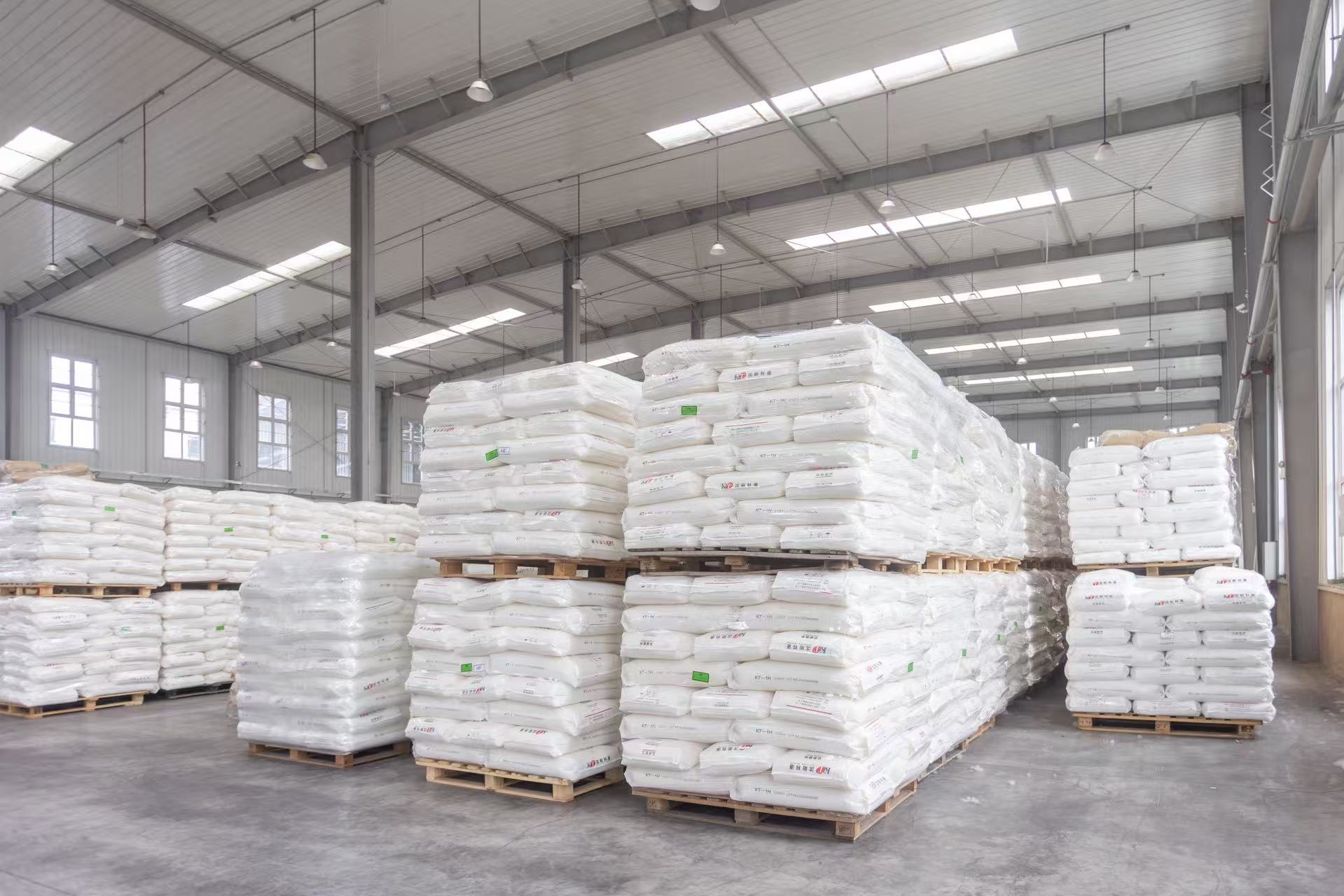
Confirm packaging and transport protection first: moisture-proof and damage-resistant packaging with clear transport marks, verification of the logistics provider’s hazardous chemical transport qualification, cargo transport insurance, and full track-and-trace on the shipment. Confirm storage conditions next, because MAH-grafted polymers are sensitive to moisture and caking: temperature and humidity sensors with 24-hour real-time monitoring and automatic over-limit alarms, sealed storage under FIFO, and zoned stacking with clear batch identification and regular inspection. Specific lead times and shipping schedules are set in the quotation and order confirmation rather than assumed — to request a sample, a quotation or the current product catalogue, contact KETONG through compatibilizer.com and state the substrate, the target part and the failure mode to be corrected.
Conclusion: Decide by Substrate, Then Verify by Trial
The shortlist for TPE overmolding is not a single best product; it is a ranked set that changes with the substrate. PP substrates call for PP-g-MAH, with the low-odor variant specified from the outset on interior parts. Polar engineering plastics call for an elastomeric backbone — SEBS-g-MAH where softness must be preserved, POE-g-MAH where impact modification is the dominant problem. ABS and styrenic blends call for ABS-g-MAH, PE structures and tie layers for PE-g-MAH, and biodegradable polyester systems for PBAT-g-MAH.
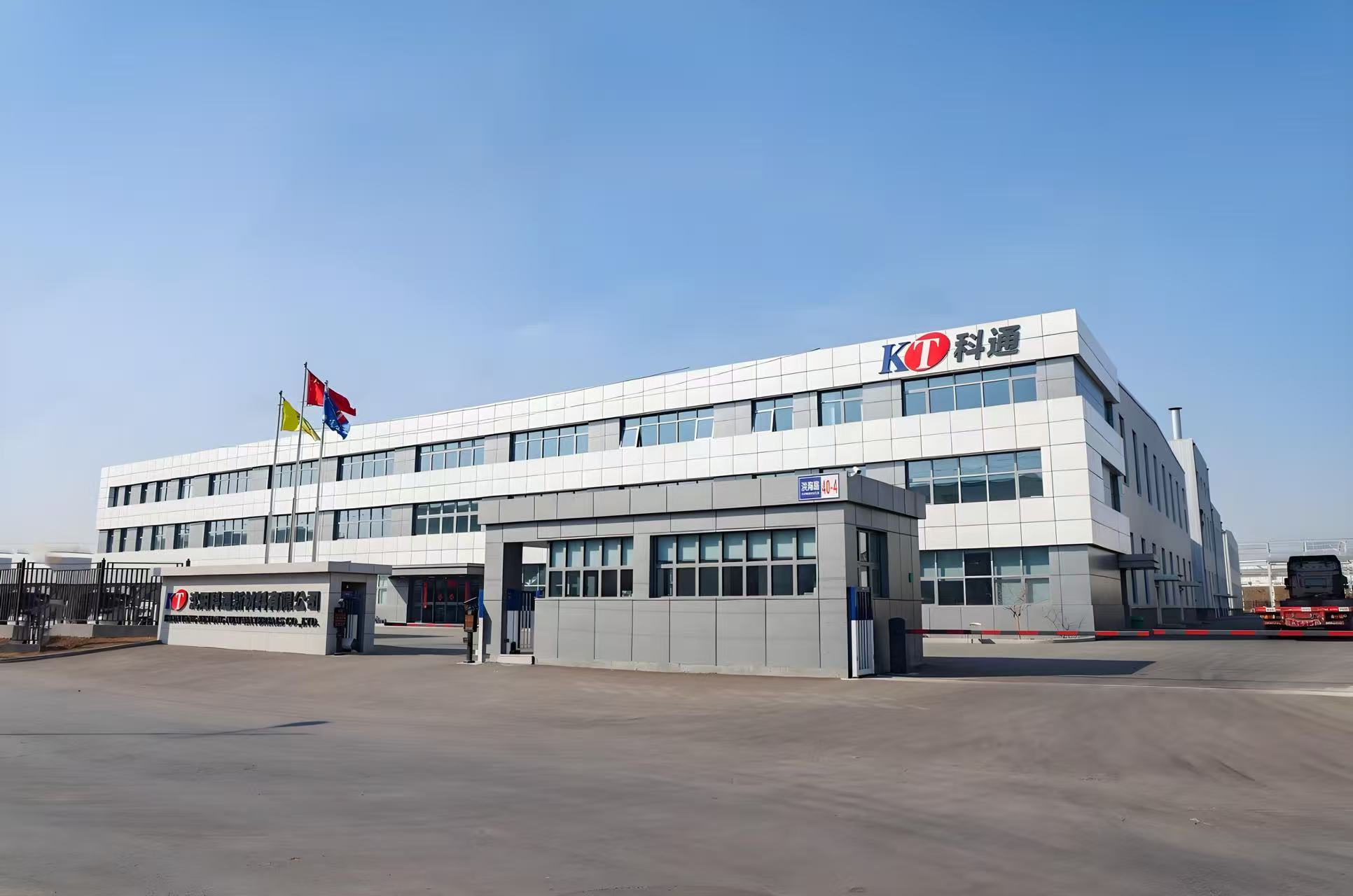
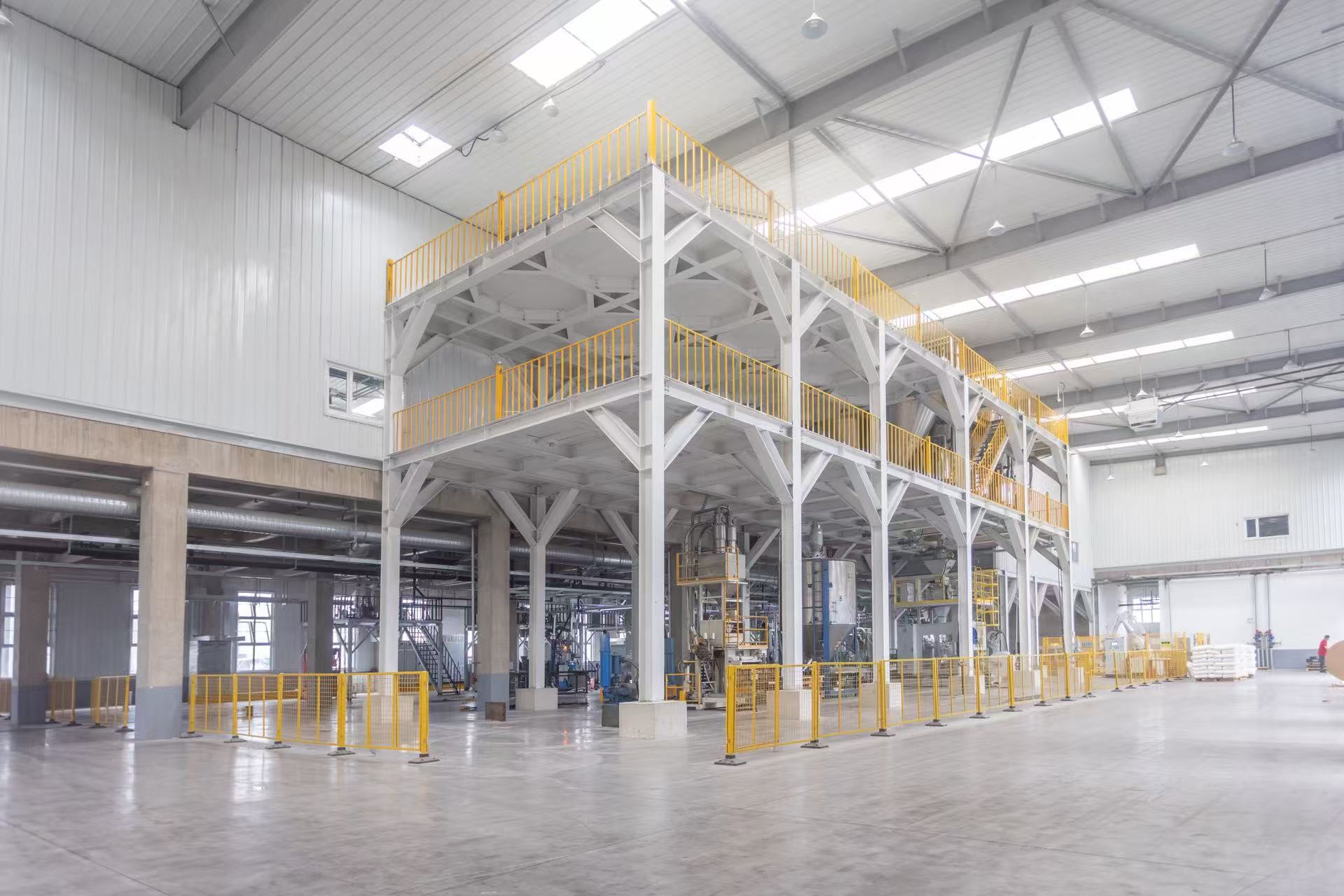
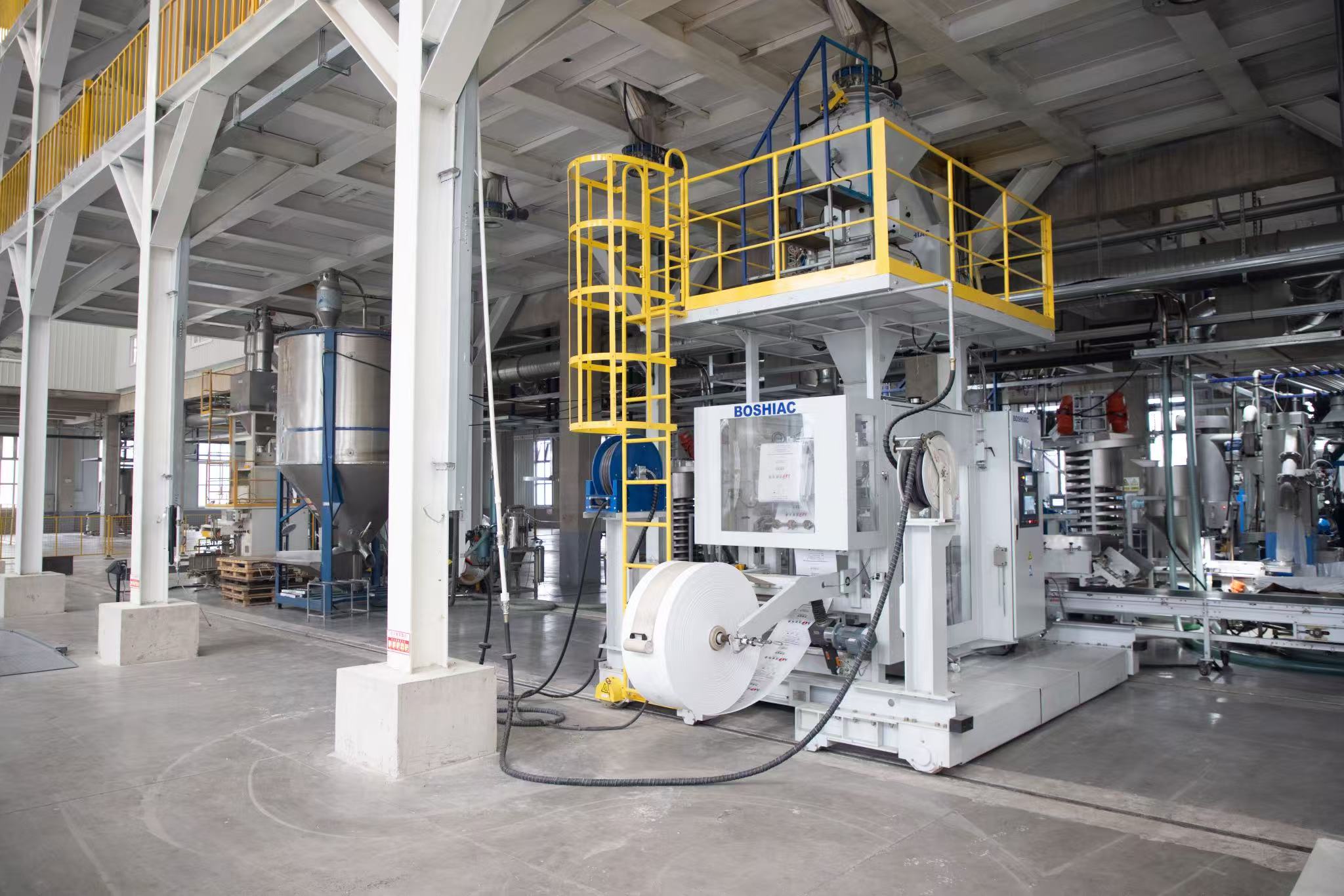
KETONG — Shenyang Ketong New Materials Co., Ltd., a functional polymer manufacturer based in Shenyang, Liaoning, China — lists PP-g-MAH, ABS-g-MAH, POE-g-MAH, SEBS-g-MAH, PE-g-MAH and PBAT-g-MAH across its MAH-grafted portfolio, alongside toughening agents and adhesive resins. The company was established in 2003, operates a 30,000 m² site with more than 10 imported production lines and an annual capacity of 50,000 tons, and completed a second Shenyang plant in 2023 with a planned capacity of 60,000 tons per year, supported by 130 employees and an 8-engineer R&D team.
Rank order shortens the shortlist; it does not replace the trial. Fix the substrate, separate the adhesion job from the toughening job, request comparable grade data with stated test methods, and run a stepped trial on the production machine before the first purchase order.
Next step: sample, quotation and catalogue
Send the substrate, the target part and the failure mode to be corrected, and KETONG will propose the matching MAH-grafted family for a stepped trial.
Website: compatibilizer.com
Product catalogue (PDF): Download the KETONG catalogue
Email: wangyanqiu@syketong.com | WhatsApp: +86 13998121502
Have Questions or Need More Details?
Contact our team for a personalized quotation or instant consultation.
Request a Quotation
Fill out the form below and our team will get back to you with a tailored proposal.
WhatsApp Direct Chat
Prefer to chat in real-time? Message us on WhatsApp for instant assistance & quick answers.
- Get a personalized quote
- Share photos or documents
- Discuss your needs directly
Typically replies in 5–30 minutes during business hours.