
Maleic Anhydride Grafted Polymer Long-Term Partnership FAQ: Support and After-Sales
Choosing a maleic anhydride (MAH) grafted polymer grade is a one-time decision. Living with that decision — through reformulations, capacity changes, quality audits, and years of production — is a long-term one. This FAQ answers the questions procurement teams, compounders, and R&D engineers actually raise once the first quotation has been reviewed and the conversation turns to partnership.
Shenyang Ketong New Materials Co., Ltd. (KETONG) is a China-based manufacturer of functional polymer materials established in 2003, producing compatibilizers, tougheners, and adhesive resins for modified plastics applications. The questions below are answered against that portfolio, with particular attention to compatibilizer use in TPE elastomer overmolding, where bonding performance and supply continuity are both commercially critical.
Problem Definition: Why Support and After-Sales Decide the Partnership
Most supplier evaluations focus on the wrong window. They test one grade against one specification, confirm the unit price, and treat the relationship as transactional. The problems that surface later are rarely about whether a PP-g-MAH or PE-g-MAH compatibilizer matches its datasheet on day one. They are about whether the same grade behaves the same way eighteen months later, whether a formulation change can be supported quickly, and whether anyone is accountable when an overmolding line starts producing adhesion failures during a production run.
Three failure modes account for most of the friction in long-term MAH grafted polymer sourcing:
- Specification drift. Graft level, melt flow rate, and density shift between lots, forcing re-qualification, re-testing, or scrap.
- Support gaps after qualification. The technical conversation ends when the purchase order is signed, leaving the buyer without guidance on addition ratios, carrier resin compatibility, or processing windows.
- Supply discontinuity. Capacity allocation, lead time, or shipment scheduling changes without warning in a supply chain where no substitute grade has been qualified.
For a compatibilizer used in TPE elastomer overmolding, the stakes are higher than for a general-purpose additive. The material sits at the interface between two polymers, so its performance is inseparable from the substrate pair, the processing temperature, and the dosage. When that interface fails, the buyer needs a supplier who can diagnose the problem, not simply reship a drum.
Industry Background: A Category Growing on Continuity, Not Novelty
The case for treating MAH grafted polymers as a relationship category rather than a spot purchase starts with market structure. The global maleic anhydride market reached USD 4.39 billion in 2023 and is projected to reach USD 5.86 billion by 2030, according to Grand View Research. Asia Pacific held a 52.1% revenue share in 2023, and China is expected to grow at a CAGR of 5.4% through 2030 — which means the largest supply base and the fastest-growing demand sit in the same region.
Further downstream, the maleic anhydride graft polymer market is projected at USD 1.42 billion in 2026 and is expected to reach USD 2.16 billion by 2035, a CAGR of 4.7%, according to Business Research Insights. The grafted polyethylene (MAH-g-PE) segment alone reached USD 1.24 billion in 2024, targeting USD 2.08 billion by 2033, per Dataintelo.
Demand is anchored in applications where adhesion and compatibility are functional requirements rather than optimizations. Automotive applications represent 42% of total demand for polyolefin elastomers (POE), which are frequently grafted with MAH for toughening, according to ChemAnalyst. Once a grade is designed into an automotive or durable-goods program, switching suppliers mid-cycle is expensive — which is precisely why support and continuity carry more weight than they appear to at the quotation stage.
Detailed Solution: What Long-Term Support and After-Sales Actually Cover
Support is not a single service. In MAH grafted polymer supply it breaks into three practical layers: ongoing technical support, after-sales application guidance, and consistent supply.
1. Technical support that continues after qualification
KETONG maintains an R&D team of eight engineers and has applied for dozens of national patents. The company's portfolio is organized around three families — compatibilizers, tougheners, and adhesive resins — because those materials are usually combined within the same modified plastics formulation. A buyer running a PE-g-MAH compatibilizer such as KT-12A (MAH graft level above 0.8%, melt flow rate ≥4.0 g/10min at 190°C/2.16kg, density 0.90–0.94 g/cm³) may simultaneously need a nylon toughener and an adhesive resin. Technical continuity is easier to maintain when one engineering team holds the full formulation context instead of three unrelated vendors.
That context is what turns support from reactive to preventive. When a compounder changes base resin, adjusts filler loading, or moves to a lower processing temperature, the compatibilizer dosage window can shift. Keeping the original grade data — graft level, melt flow rate, density, addition range — in the same place as the application history shortens the diagnosis considerably.
2. After-sales application guidance: the TPE elastomer overmolding case
TPE elastomer overmolding is one of the clearest illustrations of why after-sales guidance matters. Adhesion between a TPE overmold and a rigid substrate depends on the compatibilizer bridging two otherwise incompatible polymers. KETONG supplies SEBS-g-MAH compatibilizers designed for this scenario; the KT-2512 grade has a melt index of 10–25, a density of 0.90–0.92 g/cm³, and a high MAH content.
Because the recommended addition scope differs by grade — KT-915C and KT-915CA are specified at 5%–20%, while KT-916K and KT-913 are specified at 3%–25%, adjustable as appropriate — dosage guidance after the initial order is part of the working value a supplier provides. The same logic applies to low-odor grades: LEP-1B is a low-odor polypropylene series compatibilizer (PP-g-MAH) with an MAH content above 0.8%, a melt flow rate of ≥80 g/10min at 190°C/2.16kg, and a density of 0.90–0.92 g/cm³, developed for applications where odor performance is a constraint rather than an afterthought.
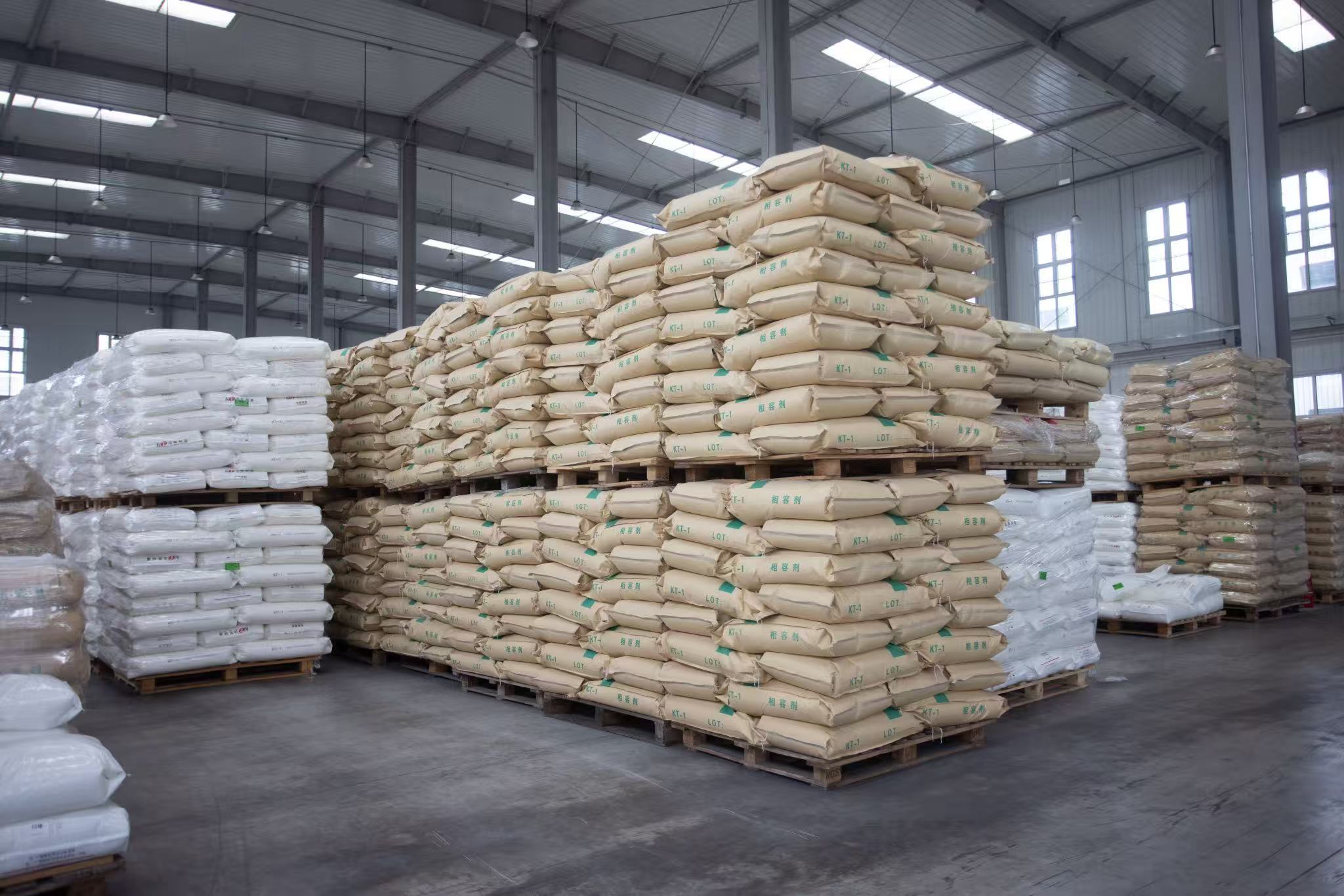
Storage and handling form part of after-sales support as well. Across this portfolio, shelf life is one year when unopened with intact packaging, and three months after opening, provided no contamination or moisture absorption occurs. For modified plastics applications, the matched processing equipment is typically a twin-screw extruder or an injection molding machine.
Why this matters for continuity: a compatibilizer's job is to make two polymers work together. If the dosage or the grade changes between lots without documentation, the failure appears downstream — at the overmolding interface or in impact testing — not in the incoming goods inspection.
3. Consistent supply across the partnership
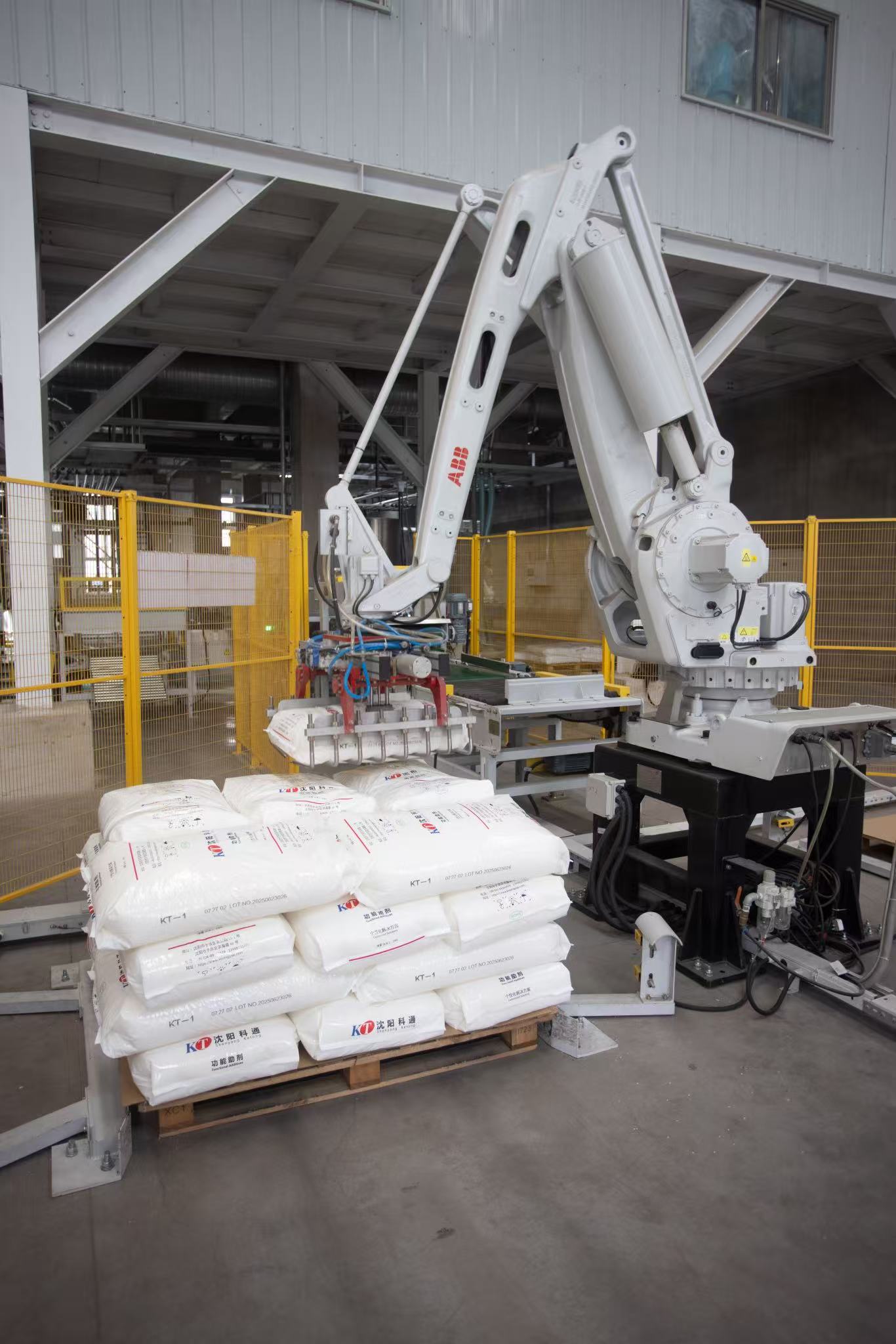
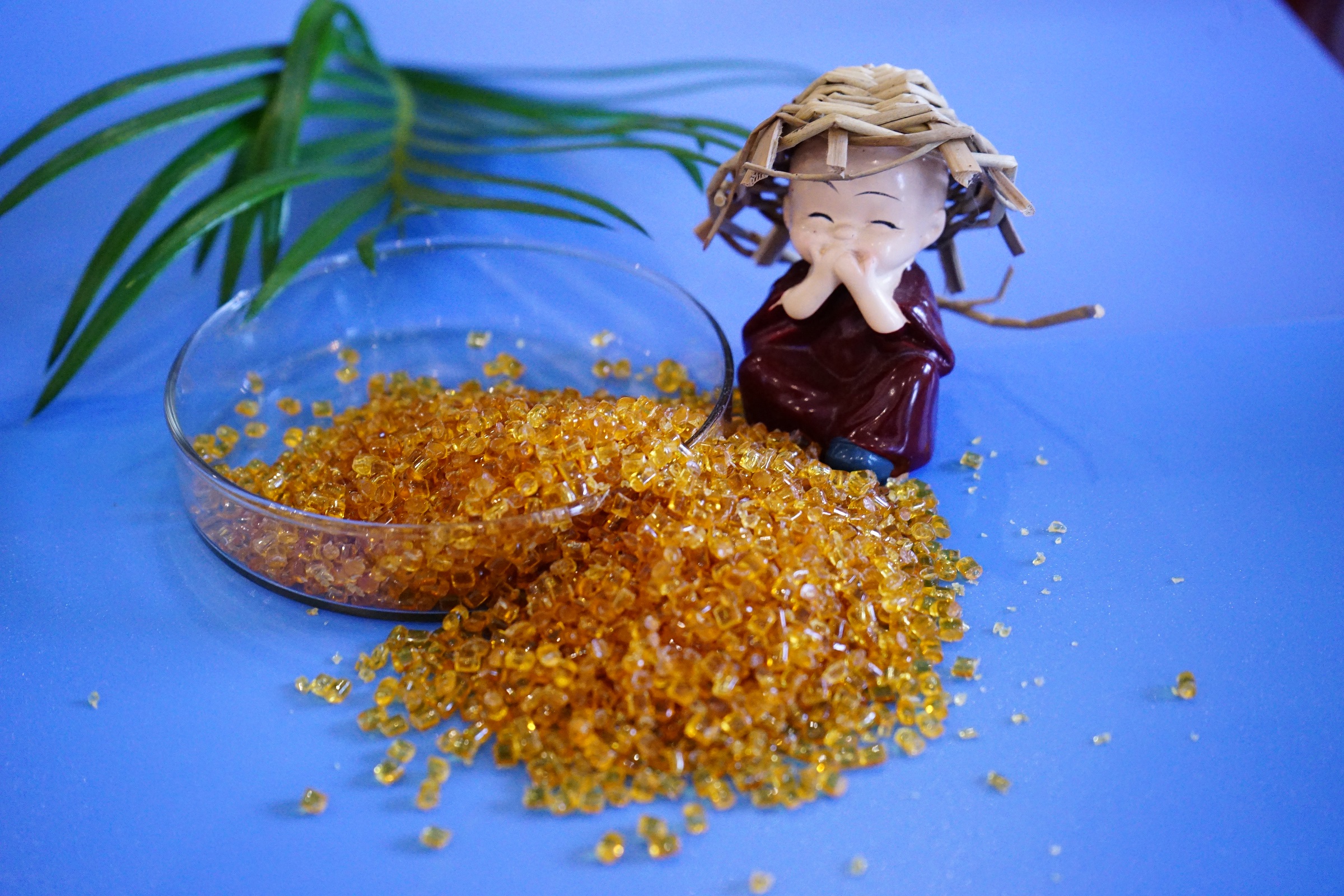
KETONG operates a manufacturing facility covering 30,000 square meters with more than 10 imported production lines. The company reports an annual production capacity of 50,000 tons at Shenyang Ketong Plastics and a planned capacity of 60,000 tons per year at Shenyang Ketong New Materials, whose new factory in Shenyang, Liaoning was completed in 2023. The company employs approximately 130 staff and maintains offices in East China, South China, and Southwest China, with products exported to markets across Asia, America, and Europe.
Two production sites matter for a long-term partnership because they provide a degree of operational redundancy that a single-line supplier cannot offer. For a buyer whose qualified grade is tied to a customer program, that redundancy is a risk control, not a bonus.

Step-by-Step Breakdown: Structuring a Long-Term Supplier Partnership
A partnership is built in sequence. The steps below reflect the order in which the support and after-sales questions above become relevant.
- Define the application envelope before requesting samples. Document the substrate pair, the processing method (twin-screw extrusion or injection molding), the target processing temperature, and the performance requirement — adhesion strength, impact resistance, or odor. This gives the supplier's engineering team what it needs to recommend a grade rather than a shortlist.
- Qualify against a documented baseline. Record MAH graft level, melt flow rate, and density for the trial grade. KT-903, for example, is a POE-g-MAH nylon toughener with a medium MAH content of 0.4%–0.8%, a density of 0.90–0.92 g/cm³, a melt flow rate of 0.5–2.0 g/10min at 190°C/2.16kg, and a recommended addition amount of 3%–20%.
- Confirm the support model in writing. Clarify who provides technical input after qualification, how dosage adjustments are handled, and how formulation changes are communicated. Support that exists only during the sales cycle is not after-sales support.
- Map supply continuity. Understand the production footprint, capacity, and the relationship between the supplier's sites. Note the storage window — one year unopened, three months after opening — when planning buffer stock.
- Agree on a re-qualification path. If a grade must change, how fast can an alternative be proposed and sampled? A broad portfolio shortens this step; a single-product supplier lengthens it.
- Review annually, not reactively. Set a cadence to revisit dosage, cost drivers, and product roadmap rather than reviewing only when a problem appears.
Use Cases: Where Continuity Matters Most
TPE elastomer overmolding. SEBS-g-MAH compatibilizers such as KT-2512 support adhesion between TPE and rigid substrates, where dosage consistency directly affects bond performance.
Nylon toughening. Grades such as KT-916K (MAH-g-Elastomer, MAH content above 0.8%, melt flow rate 9.0–13.0 g/10min at 235°C/5kg, density 0.86–0.88 g/cm³) and KT-915C (POE-g-MAH, medium MAH content, melt flow rate ≥0.3 g/10min) address impact performance in polyamide compounds, with specified addition ranges of 3%–25% and 5%–20% respectively.
Polyolefin compatibilization. PP-g-MAH grades including KT-1H and KT-1D, together with the low-odor LEP-1B, and PE-g-MAH grades such as KT-12, KT-12A, and KT-12B05, improve compatibility between polyolefins and polar polymers or fillers.
Engineering plastic toughening. Polyester series tougheners such as KT-3505 and PC series tougheners such as KT-17 extend the portfolio beyond polyolefins, with typical addition scopes of 3%–20% and 3%–10%.
Multi-material bonding. Adhesive resins including KT-NJE2202 (MAH-g-PP, melt flow rate 1.5–3.5 g/10min, density 0.89–0.91 g/cm³, low MAH content) and KT-NJ001 (MAH-g-PE, high MAH content) serve bonding layers where a compatibilizer alone is not the right tool.
Biodegradable systems. KT-36 is a biodegradable series compatibilizer based on a MAH-g-polyester elastomer, with a medium MAH content, a density of 1.20–1.23 g/cm³, and a recommended scope of 3%–5%.
Comparison Table: KETONG MAH Grafted Polymer Product Families
The table below summarizes representative grades across the three product families. All values are drawn from published product specifications.
| Product Family | Representative Grade | Base Chemistry | MAH / GMA Level | Melt Flow Rate (g/10min) | Density (g/cm³) | Typical Addition |
|---|---|---|---|---|---|---|
| PP Compatibilizer | KT-1H | MAH-g-PP | High (>0.8%) | 60–100 (190°C/2.16kg) | 0.90–0.92 | Adjust appropriately |
| Low-Odor PP Compatibilizer | LEP-1B | MAH-g-PP | High (>0.8%) | ≥80 (190°C/2.16kg) | 0.90–0.92 | Adjust appropriately |
| PE Compatibilizer | KT-12A | MAH-g-PE | High (>0.8%) | ≥4.0 (190°C/2.16kg) | 0.90–0.94 | Adjust appropriately |
| PE Compatibilizer | KT-12B05 | MAH-g-PE | Medium (0.4–0.8%) | 0.4–2.5 (190°C/2.16kg) | 0.90–0.93 | Adjust appropriately |
| PPO Compatibilizer | KT-24F | MAH-g-PPO | High (>0.8%) | 1.5–4.5 (280°C/2.16kg) | 1.01–1.05 | Adjust appropriately |
| ABS Compatibilizer | KT-2H | MAH-g-ABS | High (>0.8%) | 0.5–2.5 (200°C/5kg) | 1.03–1.07 | Adjust appropriately |
| EVA Compatibilizer | KT-2628B | MAH-g-EVA | Medium (0.4–0.8%) | 150–220 (190°C/2.16kg) | 0.94–0.96 | 5%–10% |
| Biodegradable Compatibilizer | KT-36 | MAH-g-Polyester Elastomer | Medium (0.4–0.8%) | ≥4.0 (190°C/2.16kg) | 1.20–1.23 | 3%–5% |
| Nylon (PA) Toughener | KT-916K | MAH-g-Elastomer | High (>0.8%) | 9.0–13.0 (235°C/5kg) | 0.86–0.88 | 3%–25% |
| Nylon (PA) Toughener | KT-903 | POE-g-MAH | Medium (0.4–0.8%) | 0.5–2.0 (190°C/2.16kg) | 0.90–0.92 | 3%–20% |
| Polyester Toughener | KT-3505 | POE-GMA-g-POE | GMA Medium (0.4–0.8%) | 0.5–2.0 (190°C/2.16kg) | 0.88–0.90 | 3%–20% |
| PC Toughener | KT-17 | MAH-g-Elastomer | Extra High (≥4.0%) | ≥0.05 (200°C/5kg) | 1.00–1.05 | 3%–10% |
| PE Adhesive Resin | KT-NJ001 | MAH-g-PE | High (>0.8%) | 0.3–1.5 (190°C/2.16kg) | 0.91–0.93 | Appropriate usage |
| PP Adhesive Resin | KT-NJE2202 | MAH-g-PP | Low (<0.4%) | 1.5–3.5 (190°C/2.16kg) | 0.89–0.91 | Appropriate usage |
FAQ: Long-Term Partnership, Support and After-Sales
Q1. Are MAH grafted polymers subject to specific regulatory requirements?
Yes. MAH grafted polymers are subject to EU REACH (EC 1907/2006) registration, and ASTM D1248 is the standard that applies to polyethylene extrusion materials. These are category-level requirements rather than supplier-specific ones, and they apply across compatibilizers, tougheners, and adhesive resins. For a buyer planning a multi-year supply relationship, compliance documentation should be requested and verified during qualification rather than assumed from a datasheet.
Q2. What technical capability supports a long-term partnership?
KETONG maintains an R&D team of eight engineers and has applied for dozens of national patents. The portfolio spans compatibilizers, tougheners, and adhesive resins, which matters for continuity because these three families are usually used together in the same modified plastics formulation. For TPE elastomer overmolding specifically, the portfolio includes SEBS-g-MAH grades such as KT-2512 (melt index 10–25, density 0.90–0.92 g/cm³, high MAH content).
Q3. How should cost be planned across a long-term relationship?
Long-term cost planning in this category is driven less by unit price than by the cost of change: re-qualification testing, scrap from lot-to-lot variation, reformulation time, and the production downtime caused by an unresolved adhesion or impact problem. Because recommended addition scopes vary by grade — 3%–25% for KT-916K, 5%–20% for KT-915C, 3%–5% for KT-36 — dosage is a controllable cost variable that ongoing technical guidance can influence. Buyers should therefore evaluate the total cost of the relationship, including support, alongside the quoted price.
Q4. Can samples or trial quantities be requested before committing?
Yes. Evaluation samples are the standard starting point for a long-term supply relationship, and buyers should test a candidate grade against their actual substrate and processing conditions before qualification. To request a sample, a quotation, or the full product brochure, contact the KETONG team directly: Alice Wang, General Manager, at wangyanqiu@syketong.com or +86 13998121502 (WhatsApp available). The product brochure can be downloaded here.
Q5. What supports lead time and supply continuity over the life of a partnership?
KETONG operates a facility covering 30,000 square meters with more than 10 imported production lines. The company reports an annual production capacity of 50,000 tons at Shenyang Ketong Plastics and a planned capacity of 60,000 tons per year at Shenyang Ketong New Materials, whose new factory in Shenyang, Liaoning was completed in 2023. Products are exported to markets across Asia, America, and Europe. Shelf life is one year when unopened with intact packaging and three months after opening, provided no contamination or moisture absorption occurs — a factor buyers should build into buffer-stock planning.
Conclusion
For maleic anhydride grafted polymers, the purchasing decision and the partnership decision are not the same thing. A datasheet can confirm that a PE-g-MAH compatibilizer meets a specification; it cannot confirm that the same grade will behave identically in year three, that a dosage problem on a TPE overmolding line will be diagnosed quickly, or that capacity will remain allocated when demand tightens.
Those questions are answered by technical depth, application guidance, and production footprint. KETONG's portfolio — compatibilizers, tougheners, and adhesive resins spanning PP-g-MAH, PE-g-MAH, POE-g-MAH, SEBS-g-MAH, ABS-g-MAH, PPO-g-MAH, EVA-g-MAH, and biodegradable systems — combined with an R&D team of eight engineers, more than 10 imported production lines, and two manufacturing sites, is structured to support an ongoing relationship rather than a single shipment.
Next Step
If your team is moving from grade selection into a long-term supply relationship, the fastest way to test the support model is to test the material. Request a sample, a quotation, or the full product brochure and evaluate the response against the criteria in this FAQ.
Contact: Alice Wang, General Manager — wangyanqiu@syketong.com — Tel / WhatsApp: +86 13998121502
Website: https://compatibilizer.com/ · Brochure: Download PDF
Have Questions or Need More Details?
Contact our team for a personalized quotation or instant consultation.
Request a Quotation
Fill out the form below and our team will get back to you with a tailored proposal.
WhatsApp Direct Chat
Prefer to chat in real-time? Message us on WhatsApp for instant assistance & quick answers.
- Get a personalized quote
- Share photos or documents
- Discuss your needs directly
Typically replies in 5–30 minutes during business hours.