
Maleic Anhydride Grafted Polymers: Types, Uses & Selection Guide
Maleic Anhydride Grafted Polymers: Types, Uses & Selection Guide
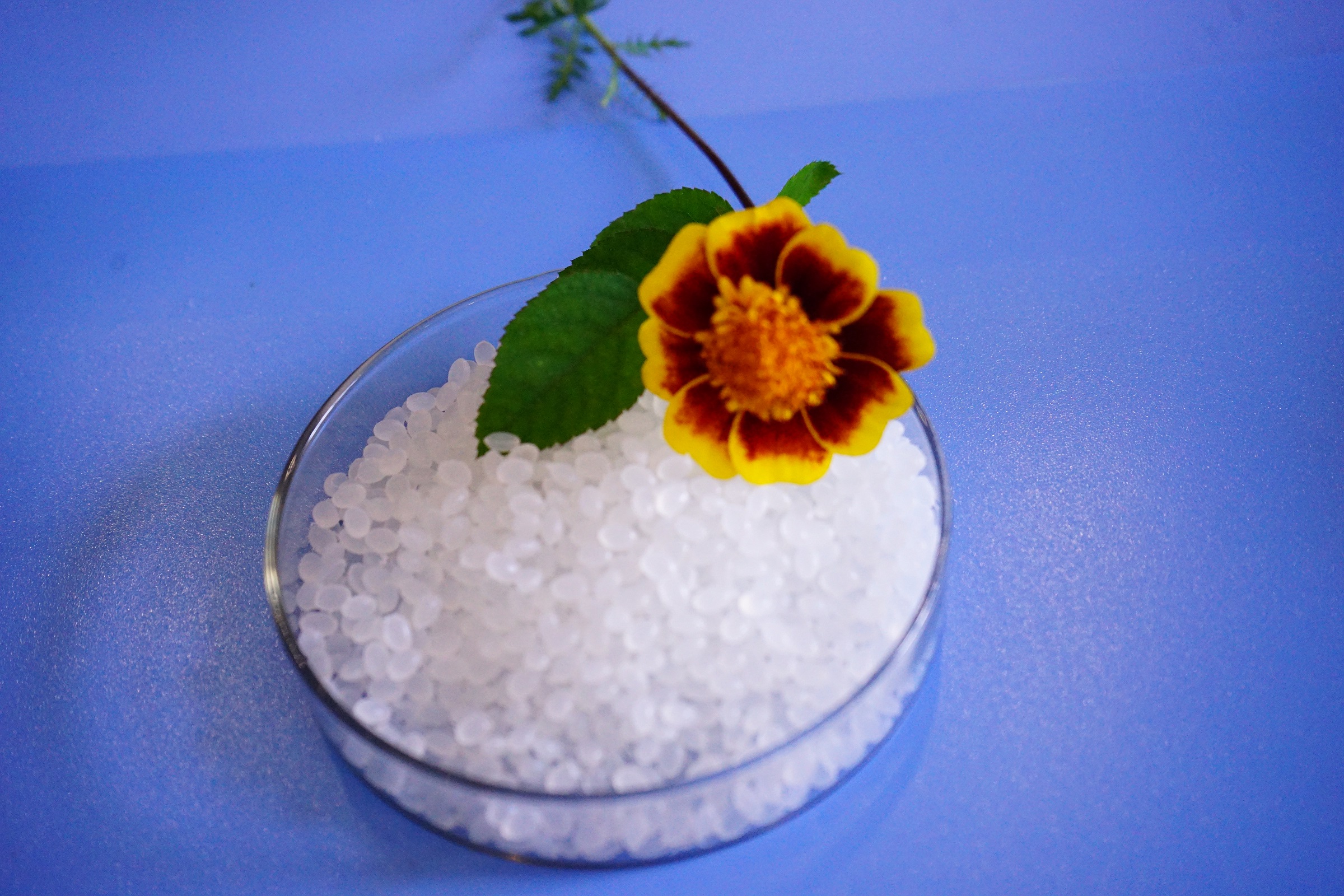
Maleic anhydride (MAH) is a chemical building block used in polymer modification. When maleic anhydride is grafted onto a polymer backbone — polypropylene, polyethylene, a polyolefin elastomer, or ABS — the result is a maleic anhydride grafted polymer that can compatibilize polymer blends, toughen engineering plastics, and bond resins to polar surfaces. These functional additives are sold under three practical names: compatibilizers, toughening agents, and adhesive resins.
Shenyang Ketong New Materials Co., Ltd. (KETONG) is a manufacturer established in 2003 that specializes in the research, development, and production of functional polymer materials, including polymer compatibilizers, tougheners, and functional adhesive resins. Its product line covers PP-g-MAH, PE-g-MAH, POE-g-MAH, EPDM-g-MAH, ABS-g-MAH, SEBS-g-MAH, PPO-g-MAH, and EVA-g-MAH. This guide explains what these products do, how they are specified, and how to select the right grade for a compounding application.
What Problems Do MAH-Grafted Polymers Solve?
Two polymers rarely mix well when their polarities are different. Polypropylene is non-polar and does not wet glass fiber or magnesium hydroxide; polyethylene does not adhere to aluminum foil or EVOH in multilayer packaging; nylon is strong but notch-sensitive under impact; and an ABS/PC blend can delaminate at the weld line without a coupling agent. These are interface problems, and MAH-grafted polymers are designed to solve them.
The polymer backbone provides compatibility with the bulk resin; the grafted maleic anhydride group reacts with or strongly wets the polar second phase. The outcome is improved dispersion, interfacial adhesion, and impact strength. Because the backbone determines where the additive works, suppliers classify these products by base polymer rather than by a single chemistry.
Industry Background: MAH and MAH-Grafted Polymer Markets
According to Grand View Research, the global maleic anhydride market reached USD 4.39 billion in 2023 and is projected to grow to USD 5.86 billion by 2030. Asia Pacific dominated the market with a 52.1% revenue share in 2023, and China is expected to grow at a CAGR of 5.4% through 2030. Business Research Insights projects the global maleic anhydride graft polymer market at USD 1.42 billion in 2026, reaching USD 2.16 billion by 2035 at a CAGR of 4.7%. Within this space, Dataintelo estimates grafted polyethylene (MAH-g-PE) at USD 1.24 billion in 2024 and USD 2.08 billion by 2033.
End-use demand is concentrated where adhesion and impact matter; ChemAnalyst reports that automotive applications represent 42% of total demand for polyolefin elastomers, the base resin most frequently grafted with MAH for toughening. From a regulatory standpoint, MAH grafted polymers are subject to EU REACH (EC 1907/2006) registration, and ASTM D1248 is the commonly applied standard for PE materials used in extrusion (ECHA / ASTM International). According to Mordor Intelligence, key global participants in this market include Huntsman, Dow, LyondellBasell, Mitsui Chemicals, and SK Functional Polymer — which makes supplier differentiation based on product range and technical parameters particularly important for procurement teams.
The KETONG MAH-Grafted Polymer Line
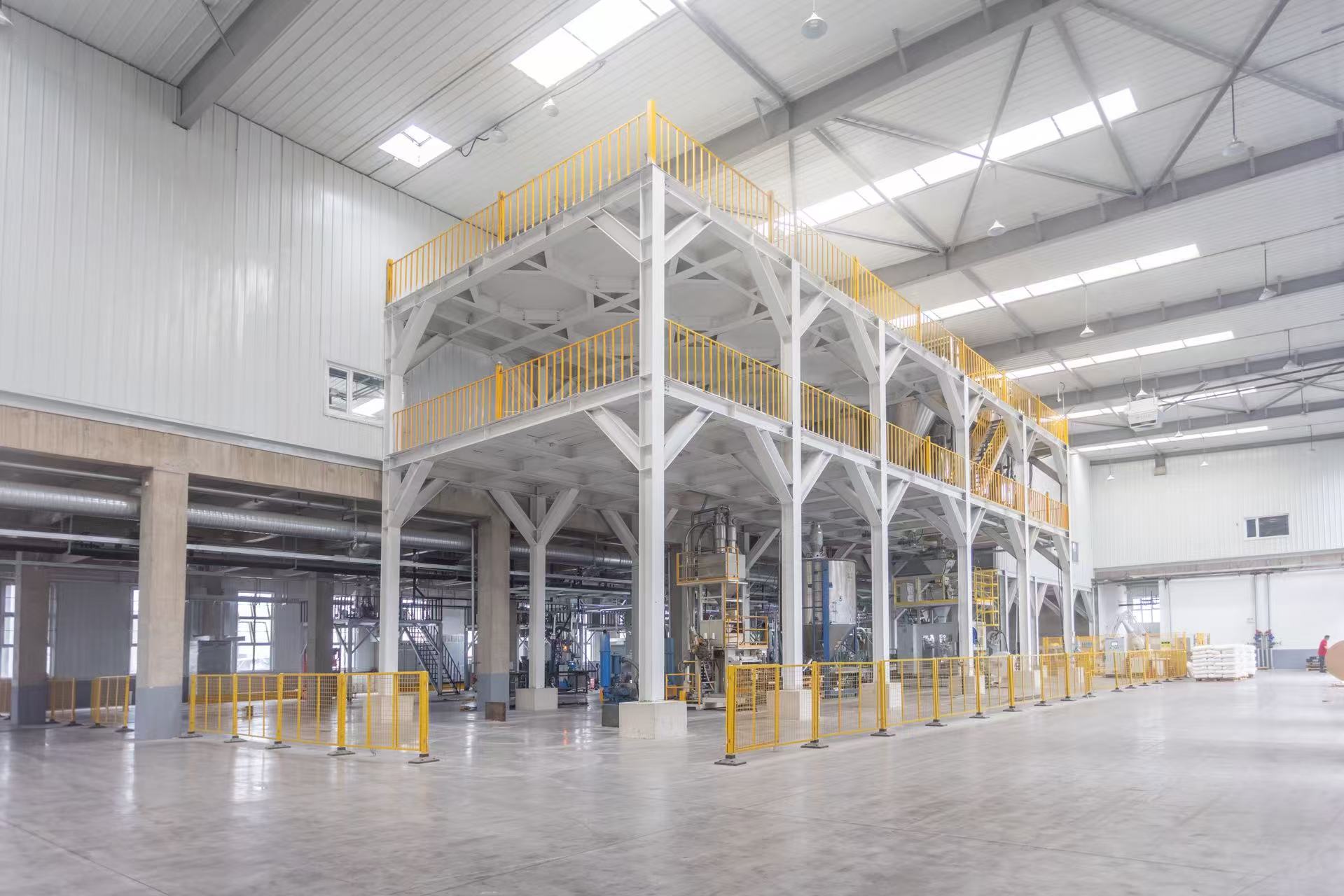
KETONG is a full-range producer of MAH-grafted functional polymers. Its Shenyang production base includes a 30,000-square-meter facility with more than 10 imported production lines and an annual capacity of 50,000 tons. The second factory, Shenyang Ketong New Materials Co., Ltd., was completed in Shenyang, Liaoning in 2023, with a 20,000-square-meter building and a planned 60,000 tons per year across 10 new production lines. The R&D team consists of 8 engineers, and the company has applied for dozens of national patents. Products are sold across China through offices in East China, South China, and Southwest China, and are exported to countries in Asia, America, and Europe.
Polypropylene Compatibilizers (PP-g-MAH)
KETONG PP compatibilizers are used in PP-based compounds that must bond to glass fiber, fillers, or polar polymers. The Polypropylene Series includes KT-1 (MAH 0.4–0.8%, melt flow rate 90–120 g/10min at 190°C/2.16kg, density 0.91–0.95 g/cm³), KT-1D (MAH >0.8%, MFR 90–120 g/10min), and KT-1H (MAH >0.8%, MFR 60–100 g/10min, density 0.90–0.92 g/cm³). For odor-sensitive applications, the Low-Odor Polypropylene Series includes LEP-1B (MAH >0.8%, MFR ≥80 g/10min, density 0.90–0.92 g/cm³) and LEP-1K (MAH >0.8%, MFR ≥60 g/10min, density 0.90–0.92 g/cm³).
Polyethylene Compatibilizers (PE-g-MAH)
PE compatibilizers are specified when polyethylene must bond to polar materials or fillers. Models include KT-12 (MAH >0.8%, MFR ≥1.0 g/10min), KT-12A (MFR ≥4.0 g/10min), KT-12B (MFR ≥0.3 g/10min), KT-12B01 (MAH >0.8%), KT-12B05 (MAH 0.4–0.8%, MFR 0.4–2.5 g/10min), KT-12D (MAH >0.8%, MFR 1.0–4.0 g/10min), KT-1208B (MFR 3.5–10.0 g/10min), and KT-1220B (MAH 0.4–0.8%, MFR 20–30 g/10min). Densities range from 0.90 to 0.96 g/cm³ depending on grade.
ABS Compatibilizers (ABS-g-MAH)
ABS compatibilizers support ABS/PC blends, ABS-based alloys, and flame-retardant ABS compounds. KT-2 (MAH >0.8%, MFR 1.0–4.0 g/10min at 200°C/5kg, density 1.03–1.08 g/cm³), KT-2H (MAH >0.8%, MFR 0.5–2.5 g/10min, density 1.03–1.07 g/cm³), KT-3 (MAH ≥4.0%, MFR 1.0–3.0 g/10min, density 1.00–1.05 g/cm³), and KT-2M (multi-component copolymer, MFR 20–40 g/10min at 265°C/10kg, density 1.05–1.09 g/cm³) are available. LEP-2 is the low-odor ABS compatibilizer (MAH >0.8%, MFR 1.0–4.0 g/10min, density 1.03–1.08 g/cm³).
PPO Compatibilizers (PPO-g-MAH)
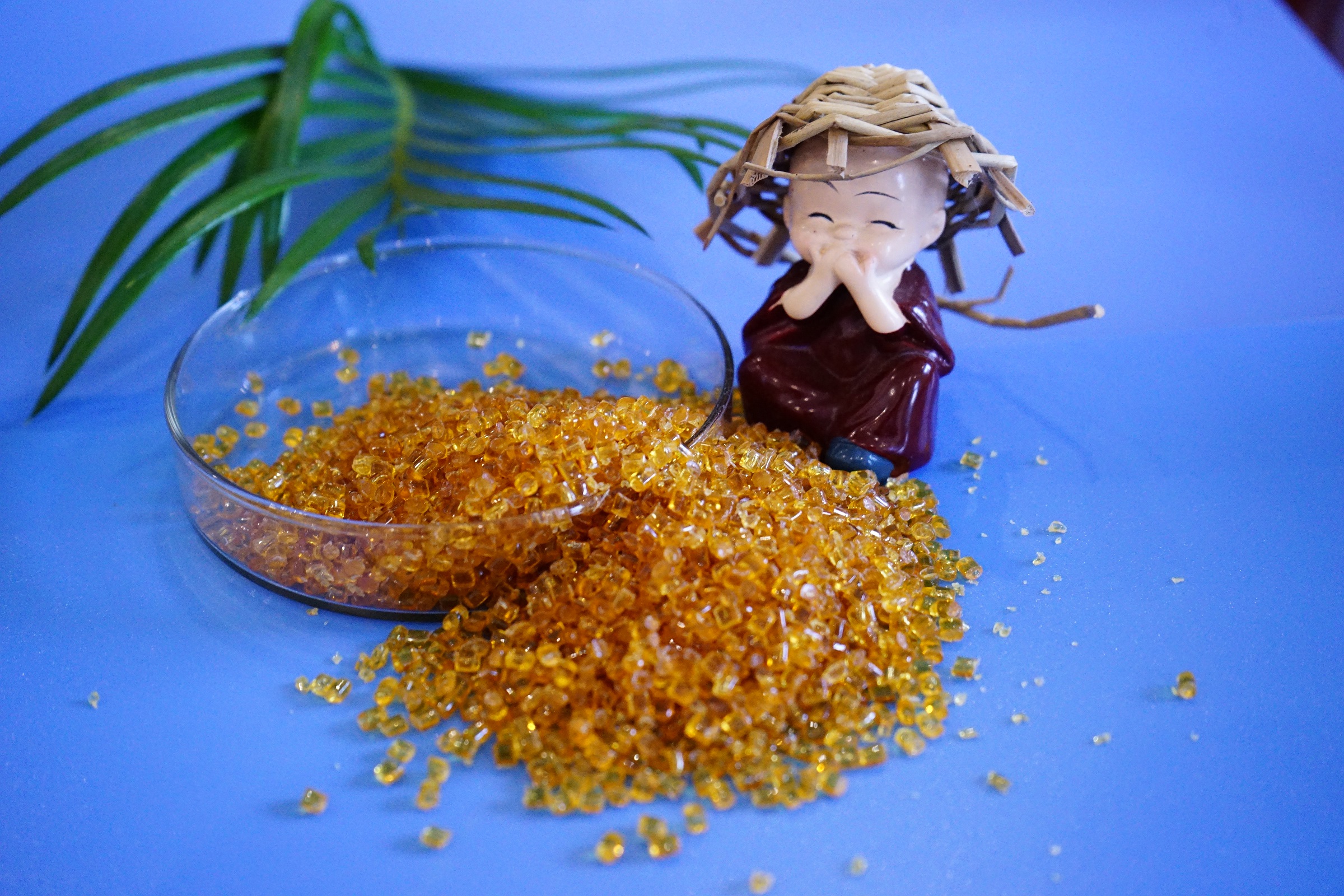
PPO compatibilizers support PPO/PA alloys and high-heat compounds. KT-24 (MAH >0.8%, MFR 2.0–4.0 g/10min at 280°C/2.16kg, density 1.00–1.10 g/cm³), KT-24B (MAH >0.8%, MFR 4.0–20.0 g/10min at 300°C/5kg, density 1.01–1.05 g/cm³), and KT-24F (MAH >0.8%, MFR 1.5–4.5 g/10min at 280°C/2.16kg, density 1.01–1.05 g/cm³) are all PPO-g-MAH grades made of MAH-g-PPO.
EVA Compatibilizers (EVA-g-MAH)
EVA compatibilizers are used in EVA-based alloys and TPE systems, with a recommended addition of 5% to 10%. The series includes KT-26 (MAH >0.8%, MFR 0.2–2.0 g/10min), KT-2628 (MAH >0.9%, MFR 3.0–7.0 g/10min), KT-2628A (MAH >0.8%, MFR 18–32 g/10min), KT-2628B (MAH 0.4–0.8%, MFR 150–220 g/10min), and KT-2628C (MAH >0.8%, MFR ≤1.5 g/10min). Densities range from 0.92 to 0.97 g/cm³.
Nylon (PA) Toughening Agents — POE-g-MAH, EPDM-g-MAH, SEBS-g-MAH
This is KETONG's largest MAH family. POE-g-MAH grades for PA6/PA66 impact modification include KT-913 and KT-913A (MAH 0.4–0.8%, MFR 0.5–2.0 g/10min), KT-915, KT-915A, and KT-915B (MAH >0.8%, MFR 0.5–1.5 g/10min), KT-915E (MAH >0.8%, MFR ≥0.2 g/10min), KT-915F (MAH >0.8%, MFR 1.5–4.5 g/10min), KT-915H (MAH >0.8%, MFR 0.3–1.0 g/10min), KT-915K (MAH 0.4–0.8%, MFR ≥0.2 g/10min), KT-915C and KT-915CA (5%–20% addition), KT-916K (MAH >0.8%, MFR 9.0–13.0 g/10min at 235°C/5kg), KT-9015 (MAH >0.8%, MFR 4.0–9.0 g/10min), KT-903 (MAH 0.4–0.8%, MFR 0.5–2.0 g/10min), KT-906 (MFR ≥0.1 g/10min), KT-9 (MFR ≥0.8 g/10min), and KT-9C (MFR ≥0.2 g/10min). Densities range from 0.86 to 0.92 g/cm³. For extra-tough nylon grades, EPDM-g-MAH tougheners KT-7 and KT-8 (MAH 0.4–0.8%, MFR 0.2–2.0 g/10min, density 0.86–0.88 g/cm³) and the SEBS-g-MAH grade KT-25 (MAH >0.8%) are available. Recommended addition is typically 3% to 25%, adjustable.
PC and POM Tougheners
PC tougheners KT-17 (MAH ≥4.0%, extra-high), KT-1701 (MAH >0.8%, density 0.97–1.00 g/cm³), and KT-1702 (MAH >0.8%, MFR 1.0–4.0 g/10min) are MAH-grafted elastomers with a recommended range of 3% to 10%. POM tougheners KT-28 and KT-28A (density 1.12–1.17 g/cm³) are recommended at 5% to 10%.
Adhesive Resins (MAH-g-PE and MAH-g-PP)
KETONG adhesive resins are used as tie layers and bonding layers where a polyolefin must adhere to a polar substrate. The MAH-g-PE group includes KT-NJ001 (MAH >0.8%, MFR 0.3–1.5 g/10min, density 0.91–0.93 g/cm³), KT-NJP2201 (MAH <0.4%, MFR 1.0–3.0 g/10min), KT-NJM2203 (MAH 0.4–0.8%, MFR 1.0–3.0 g/10min), KT-NJM3205 (MAH 0.4–0.8%, MFR 1.0–3.0 g/10min), KT-NJP7103 (MAH 0.4–0.8%, MFR 1.0–3.0 g/10min), and KT-NJG3304 (MAH <0.4%, MFR 1.8–3.5 g/10min, density 0.92–0.95 g/cm³). The PP-compatible group includes KT-NJE2202 and KT-NJE2202A (MAH <0.4%, MFR 1.0–3.5 g/10min, density 0.89–0.91 g/cm³).
Related Series: GMA-Based Polyester Tougheners and Biodegradable Compatibilizers
KETONG also produces GMA-based tougheners for polyester systems (KT-22, KT-33, KT-30, KT-35, KT-3502, KT-3505, KT-3506, KT-35G, KT-35G01) and a biodegradable-series compatibilizer KT-36 (MAH-g-polyester elastomer, MAH 0.4–0.8%, density 1.20–1.23 g/cm³, recommended 3% to 5%). These extend the same compounding toolbox to applications where GMA or biodegradable polyester chemistry is the primary coupling mechanism.
Step-by-Step Selection Process
- Define the polymer pair. Identify the base resin and the second phase: glass fiber, mineral filler, nylon, PC, metal, EVOH, or another polymer. This defines the interface that needs coupling.
- Match the carrier backbone. PP systems use PP-g-MAH (KT-1, KT-1D, KT-1H, LEP-1B, LEP-1K); PE systems use PE-g-MAH (KT-12 series); nylon impact modification uses POE-g-MAH (KT-915, KT-913) or EPDM-g-MAH (KT-7, KT-8); ABS/PC systems use ABS-g-MAH (KT-2, KT-2H, KT-3); PPO/PA systems use PPO-g-MAH (KT-24, KT-24B, KT-24F).
- Select the MAH graft level. High MAH (>0.8%) is used where strong reactive coupling is needed; medium MAH (0.4–0.8%) gives a balanced performance; low MAH (<0.4%) is typical for adhesive resins where excessive reaction is unwanted.
- Check the melt flow rate. A higher MFR supports dispersion and masterbatch production; a lower MFR is preferred where molecular weight and toughness retention matter.
- Set the addition level. KETONG publishes product-specific ranges: 3%–10% for PC and ABS tougheners, 5%–10% for EVA compatibilizers, 3%–25% for nylon tougheners, 3%–20% for polyester tougheners, and 5%–10% for POM tougheners. Each range is a starting point and should be adjusted in trials.
- Process on standard compounding equipment. KETONG products are intended for modified-plastics factory lines using twin-screw extruders and injection molding machines.
- Store and handle correctly. Shelf life is 1 year when unopened with intact packaging, and 3 months after opening, provided no contamination or moisture absorption occurs.
Common Application Scenarios
- Modified plastics compounding lines. KETONG products serve as additives for modified plastics in factory-line projects, matched to twin-screw extruders and injection molding machines.
- Automotive compounds. Automotive applications represent 42% of total demand for polyolefin elastomers (ChemAnalyst). Nylon tougheners (POE-g-MAH) and low-odor PP grades (LEP-1B, LEP-1K) are the relevant product groups.
- Packaging and multilayer bonding. PE adhesive resins (KT-NJ series) are specified where polyethylene must bond to aluminum, EVOH, or nylon layers.
- Engineering plastics alloys. ABS/PC blends use ABS-g-MAH; PPO/PA alloys use PPO-g-MAH; super-tough PA uses POE-g-MAH or EPDM-g-MAH.
- Biodegradable and specialty compounds. KT-36 is a biodegradable-series compatibilizer (MAH-g-polyester elastomer) with a recommended addition of 3%–5%.
- Global adoption. This application scenario is common in countries including Australia, Canada, Switzerland, China, Germany, France, the United Kingdom, Japan, South Korea, Russia, and others.
MAH-Grafted Polymer Families at a Glance
| Product family | Chemistry | Representative KETONG models | MAH content | Melt flow rate | Primary function |
|---|---|---|---|---|---|
| Polypropylene compatibilizers | PP-g-MAH | KT-1, KT-1D, KT-1H, LEP-1B, LEP-1K | 0.4–0.8% or >0.8% | 60–120 g/10min (190°C/2.16kg) | Coupling glass fiber and fillers in PP; low-odor grades for interior applications |
| Polyethylene compatibilizers | PE-g-MAH | KT-12, KT-12A, KT-12B01, KT-12B05, KT-12D | 0.4–0.8% or >0.8% | ≥0.3 to 4.0 g/10min (190°C/2.16kg) | Adhesion of PE to polar substrates |
| ABS compatibilizers | ABS-g-MAH | KT-2, KT-2H, KT-3, KT-2M, LEP-2 | >0.8% to ≥4.0% | 0.5–40 g/10min (200°C/5kg or 265°C/10kg) | ABS/PC alloys and ABS-based compounds; low-odor LEP-2 |
| PPO compatibilizers | PPO-g-MAH | KT-24, KT-24B, KT-24F | >0.8% | 1.5–20 g/10min (280–300°C) | PPO/PA alloys and high-heat compounds |
| EVA compatibilizers | EVA-g-MAH | KT-26, KT-2628, KT-2628A, KT-2628B, KT-2628C | 0.4–0.9% | 0.2–220 g/10min (190°C/2.16kg) | EVA-based alloys and TPE systems; 5%–10% dosing |
| Nylon tougheners | POE-g-MAH | KT-913, KT-915, KT-915A/B/E/F/H/K, KT-916K | 0.4–0.8% or >0.8% | 0.2–13 g/10min (190°C/2.16kg or 235°C/5kg) | PA6/PA66 impact modification; 3%–25% dosing |
| PA super-tough complements | EPDM-g-MAH, SEBS-g-MAH | KT-7, KT-8, KT-25 | 0.4–0.8% or >0.8% | 0.2–2.0 g/10min (190°C/2.16kg) | Low-temperature toughness for engineering resins |
| Adhesive resins | MAH-g-PE, MAH-g-PP | KT-NJ001, KT-NJP2201, KT-NJM2203, KT-NJE2202A, KT-NJG3304 | <0.4% to >0.8% | 0.3–3.5 g/10min (190°C/2.16kg) | Tie layers and bonding layers |
FAQ
What compliance standards apply to maleic anhydride grafted polymers?
MAH grafted polymers are subject to EU REACH (EC 1907/2006) registration, and ASTM D1248 is the standard commonly applied to PE materials used in extrusion applications (ECHA / ASTM International). Compounding buyers should confirm the applicable registration status and specification compliance with their supplier. KETONG products, including the PE Series compatibilizers (KT-12, KT-12A, KT-12B05, KT-12D) and MAH-g-PE adhesive resins, are intended for the manufacturing industry and supplied from Shenyang, China.
What is the difference between PP-g-MAH, PE-g-MAH, and POE-g-MAH?
The difference is the backbone polymer. PP-g-MAH (e.g., KETONG KT-1, KT-1D, KT-1H, LEP-1B, LEP-1K) is used where polypropylene needs to couple with glass fiber, fillers, or polar resins. PE-g-MAH (e.g., KT-12, KT-12A, KT-12B05, KT-12D) is used where polyethylene must bond to polar substrates such as aluminum, EVOH, or nylon. POE-g-MAH (e.g., KT-915, KT-913, KT-916K) is a soft elastomer grade used mainly to toughen nylon while preserving low-temperature impact strength. Selection is therefore based on the base resin being modified: PP needs a PP-compatible backbone, PE needs a PE-compatible backbone, and PA impact modification needs an elastomer backbone.
What addition levels are recommended for MAH-grafted polymers?
KETONG's recommended addition levels are product-specific and stated as adjustable ranges. PC tougheners (KT-17, KT-1701) are used at 3%–10%; EVA compatibilizers (KT-26 series) at 5%–10%; nylon tougheners (KT-915, KT-913, KT-916K) at 3%–25%; polyester tougheners at 3%–20%; POM tougheners (KT-28) at 5%–10%. Adhesive resins are applied at appropriate usage levels for the application. These ranges are starting points, and dosage should be optimized in compounding trials.
Can I request samples for evaluation?
Yes. KETONG supports sample-based evaluation before order placement. Technical inquiries, samples, and specification sheets can be requested from Alice Wang, General Manager, at wangyanqiu@syketong.com or +86 13998121502 (WhatsApp). KETONG's R&D team of 8 engineers can help match the product model to your compound formulation, and a company brochure is available for download: KETONG Company Brochure (PDF).
What is the lead time for KETONG products?
KETONG does not publish a fixed lead time because it depends on grade, order volume, and production planning. The company operates more than 10 imported production lines with an existing annual capacity of 50,000 tons, and its new Shenyang plant adds a planned 60,000 tons per year, which supports continuous supply for regular grades. For current lead times and pricing, contact KETONG directly with the product model and order quantity; the export team can also provide shipping arrangements to countries in Asia, America, and Europe.
Conclusion & Next Steps
Selecting the right maleic anhydride grafted polymer starts with the backbone, then the graft level, melt flow, and dosage. KETONG supplies the full range — PP-g-MAH, PE-g-MAH, POE-g-MAH, EPDM-g-MAH, ABS-g-MAH, SEBS-g-MAH, PPO-g-MAH, and EVA-g-MAH compatibilizers, plus nylon, PC, POM, and polyester tougheners and adhesive resins — backed by a Shenyang production base with 50,000 tons of existing annual capacity and a planned 60,000-ton second plant. A major export market for the company is Vietnam, with export business accounting for 1.84% of total sales.
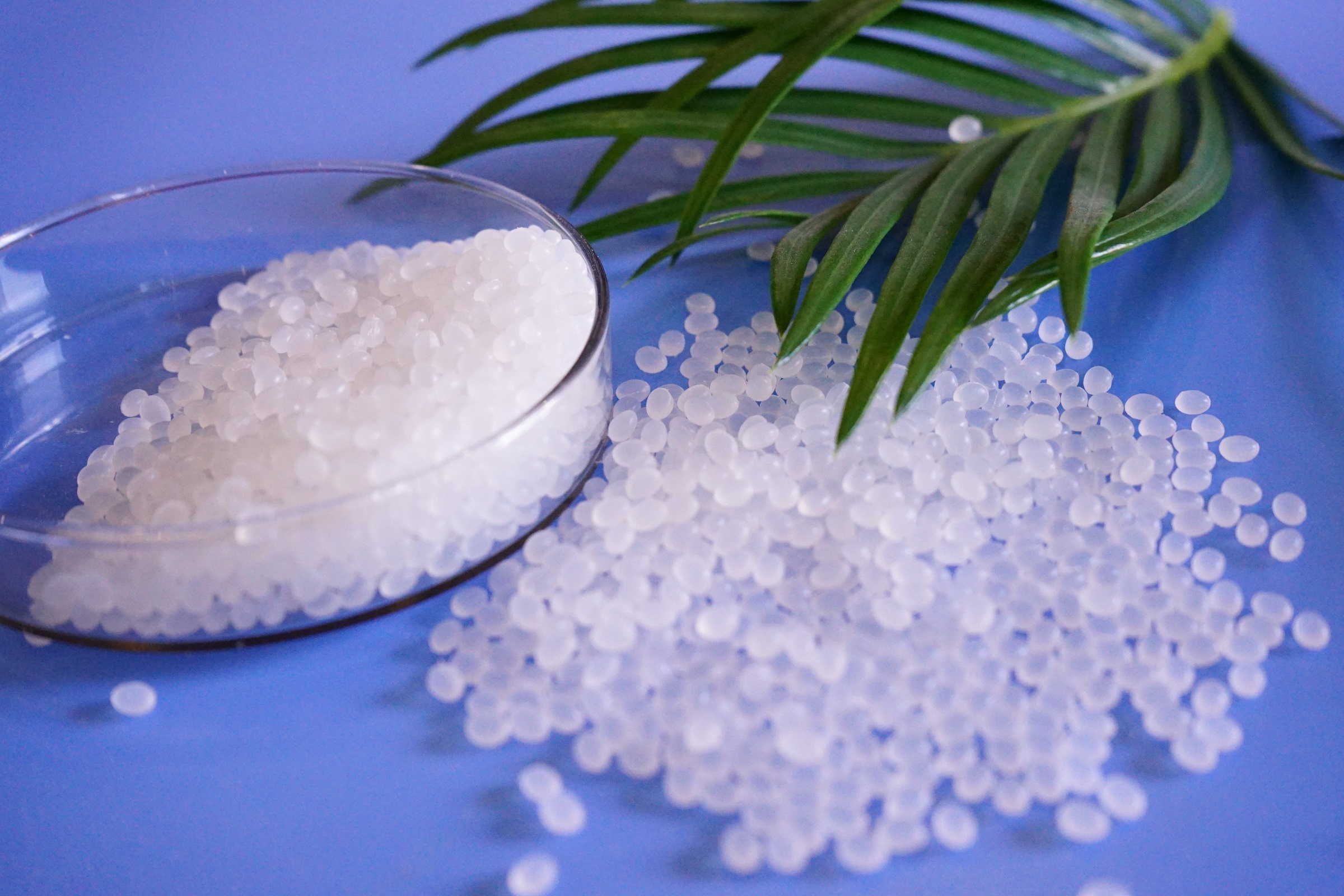
KETONG — Shenyang Ketong New Materials Co., Ltd.
Contact: Alice Wang, General Manager
Email: wangyanqiu@syketong.com
Tel / WhatsApp: +86 13998121502
Website: https://compatibilizer.com/
Address: No. 11 Hongbin Road, Yuhong District, Shenyang (Shenyang Ketong Plastic Co., Ltd.); No. 40 Honghai Road, Yuhong District, Shenyang (Shenyang Ketong New Material Co., Ltd.)