
Selecting the Right Maleic Anhydride Grafted Polymer for Your Application: A Technical Guide for Modified Plastics
Selecting the Right Maleic Anhydride Grafted Polymer for Your Application: A Technical Guide for Modified Plastics
When compounding, extrusion, or injection molding engineers evaluate additives to improve adhesion, toughness, or compatibility in multi‑polymer systems, maleic anhydride (MAH) grafted polymers are often the first choice. This guide explains how to match product chemistry with your application — covering compatibilizers, toughening agents, and adhesive resins — using verified data from KETONG, a dedicated MAH‑grafted polymer manufacturer.
Challenge: Why Selection Matters
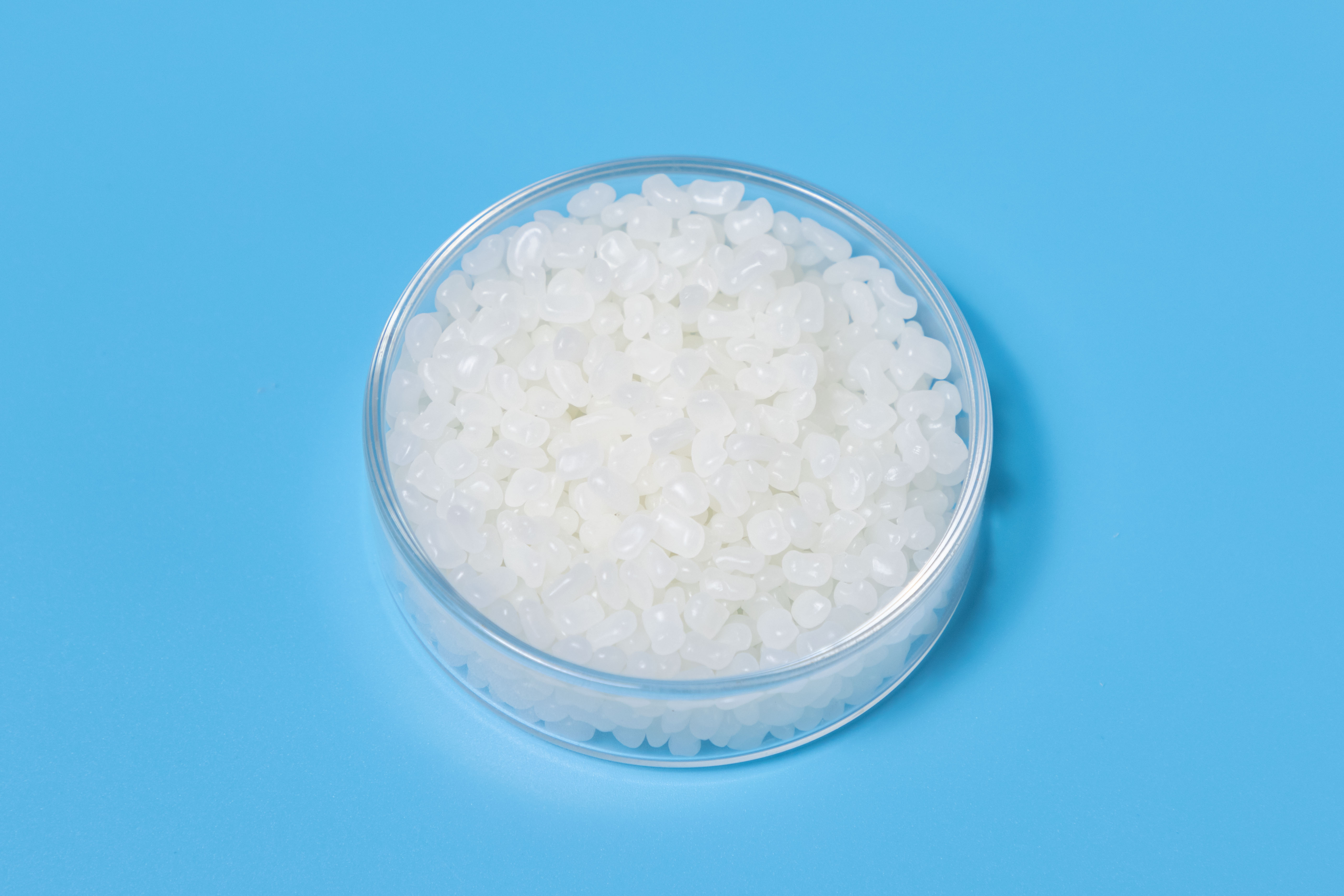
In the modified plastics industry, polymers such as PP, PE, PA (nylon), ABS, PC, POM, PPO, and biodegradable polyesters are frequently incompatible with one another or require reinforcement. Without the correct MAH‑grafted additive, compounding results in poor interfacial adhesion, reduced impact strength, or phase separation. The global maleic anhydride graft polymer market is projected at USD 1.42 billion in 2026 and is expected to reach USD 2.16 billion by 2035 (Business Research Insights). Choosing the correct grade — based on polymer backbone, maleic anhydride content, and melt flow — is essential for both performance and cost efficiency.
Industry Context
The Asia‑Pacific region commanded 52.1 % of the maleic anhydride market in 2023 (Grand View Research), and automotive alone accounts for 42 % of polyolefin elastomer demand (ChemAnalyst) — a material frequently grafted with MAH for toughening. As regulatory scrutiny in EU (REACH EC 1907/2006) and standard specifications like ASTM D1248 apply, procurement professionals increasingly demand traceable, high‑purity products from established suppliers.
Detailed Solution: KETONG MAH‑Grafted Polymer Portfolio
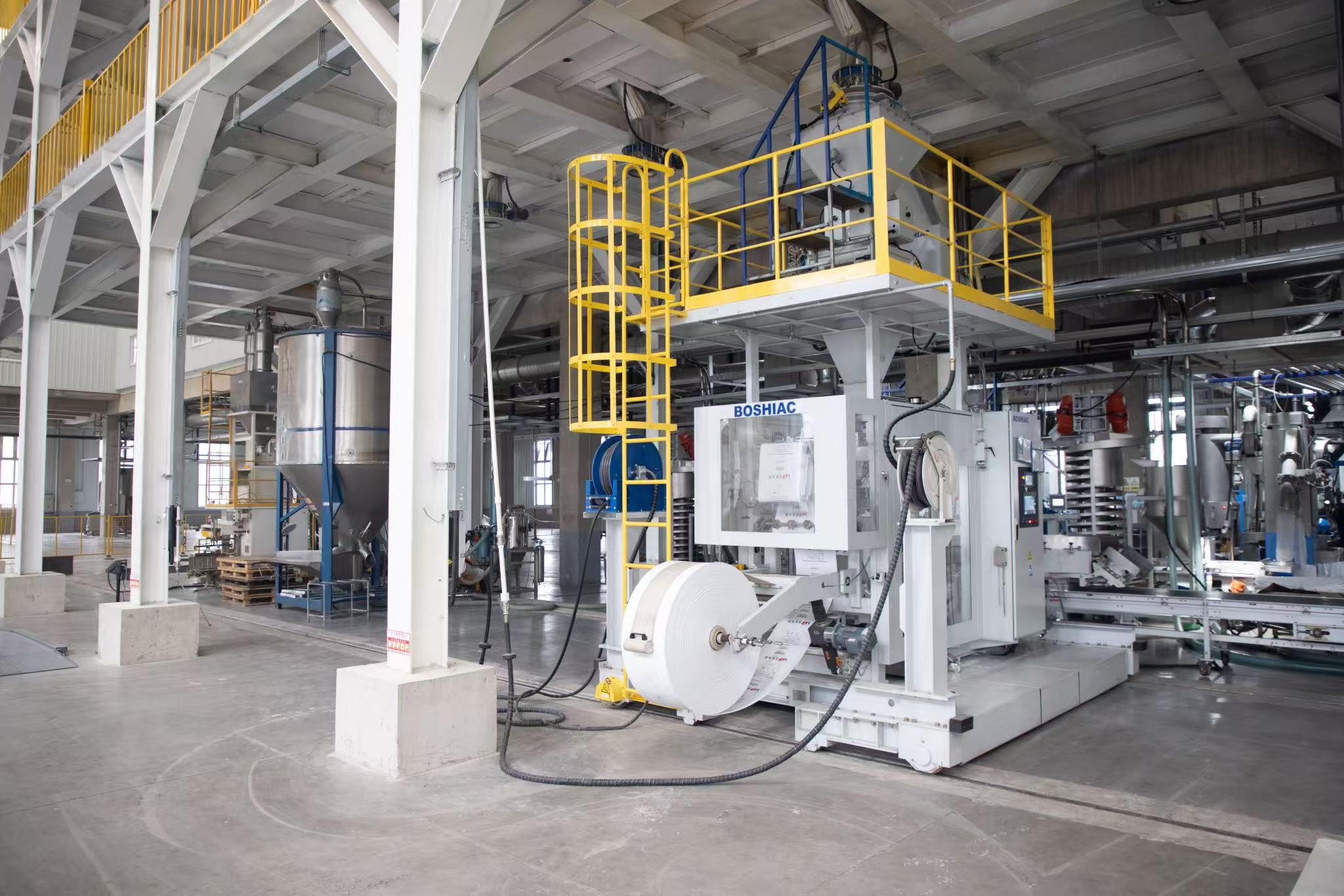
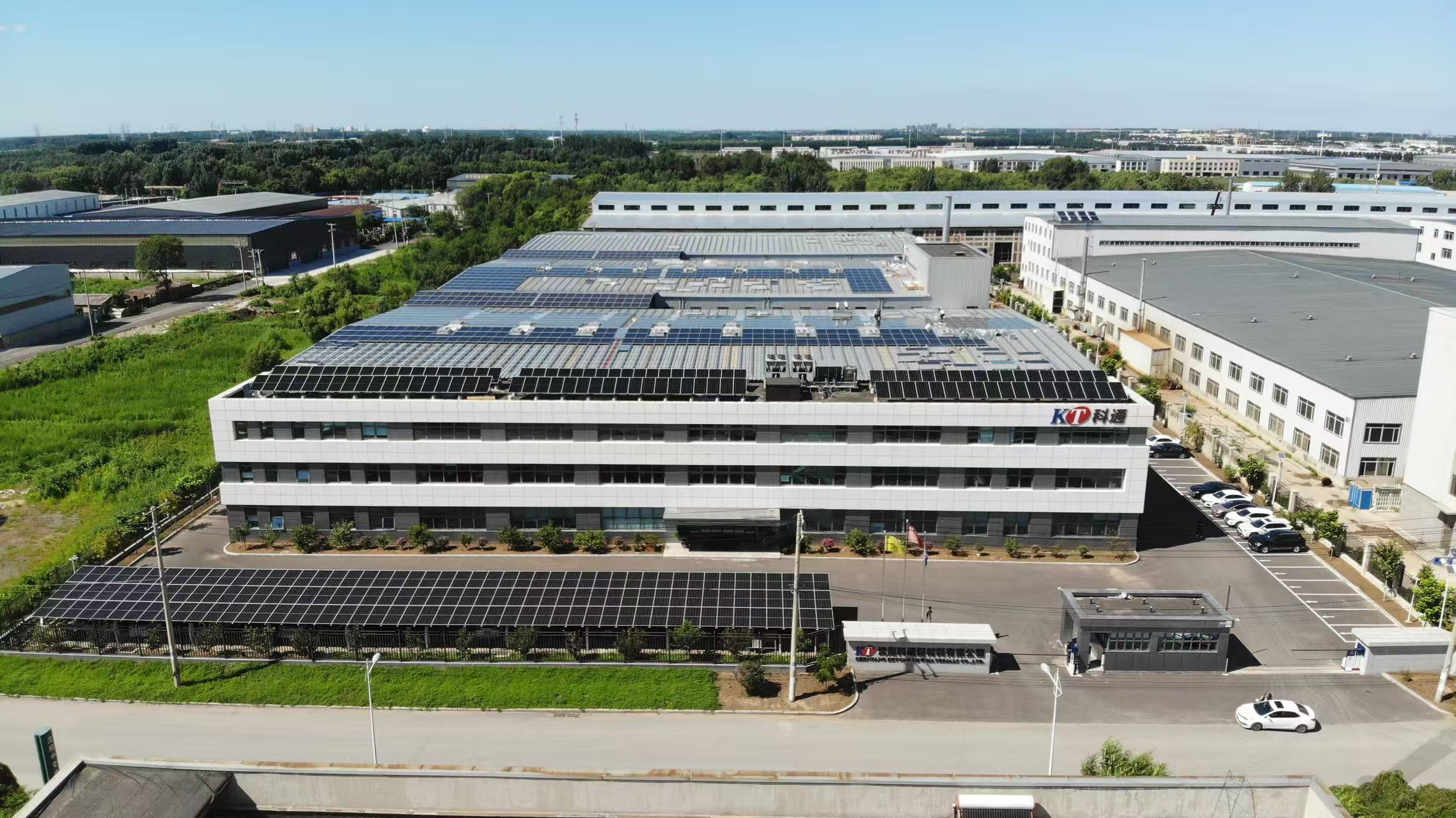
KETONG (Shenyang Ketong New Materials Co., Ltd.) is a high‑tech enterprise specializing in R&D and production of functional polymer materials, including compatibilizers, tougheners, and adhesive resins. With an annual production capacity of 60,000 tons at its new 30‑acre factory in Shenyang, Liaoning (completed 2023), KETONG offers one of the deepest product lines in the industry.
Core product families
1. Compatibilizers (MAH‑grafted)
| Base Polymer | Key Model | MAH Level | Melt Flow Rate (g/10 min) | Application |
|---|---|---|---|---|
| PP | KT‑1 | Medium (0.4–0.8 %) | 90–120 (190 °C/2.16 kg) | GF‑PP, mineral‑filled PP |
| PP (low‑odor) | LEP‑1K | High (>0.8 %) | ≥60 (190 °C/2.16 kg) | Automotive interior, low‑VOC compounds |
| PE | KT‑12A | High (>0.8 %) | ≥4.0 (190 °C/2.16 kg) | PE‑based alloys, wire & cable |
| ABS | KT‑2 | High (>0.8 %) | 1.0–4.0 (200 °C/5 kg) | ABS/PC blends |
| ABS (low‑odor) | LEP‑2 | High (>0.8 %) | 1.0–4.0 (200 °C/5 kg) | Automotive interior, electronic housings |
| PPO | KT‑24 | High (>0.8 %) | 2.0–4.0 (280 °C/2.16 kg) | PPO/PS, PPO/PA blends |
| EVA | KT‑2628A | High (>0.8 %) | 18–32 (190 °C/2.16 kg) | EVA‑based compounds, foam |
| Biodegradable (PBAT) | KT‑36 | Medium (0.4–0.8 %) | ≥4.0 (190 °C/2.16 kg) | PLA/PBAT blends |
2. Toughening Agents
| Target Polymer | Key Model | Backbone | MAH/GMA Level | Typical Dosage |
|---|---|---|---|---|
| Nylon (PA6, PA66) | KT‑915 | POE‑g‑MAH | High (>0.8 %) | 3–25 % |
| Nylon (low‑temp impact) | KT‑916K | MAH‑g‑Elastomer | High (>0.8 %) | 3–25 % |
| Nylon (EPDM‑based) | KT‑7 | EPDM‑g‑MAH | Medium (0.4–0.8 %) | 3–25 % |
| POM | KT‑28A | Acrylate elastomer | – | 5–10 % |
| PC | KT‑31 | Acrylate‑g‑ethylene | – | 1–3 % |
| Polyester (PET, PBT) | KT‑35 | POE‑g‑GMA | GMA High (>0.8 %) | 3–20 % |
3. Adhesive Resins (tie layers)
| Model | Type | MAH Level | Melt Flow Rate (g/10 min) | Application |
|---|---|---|---|---|
| KT‑NJE2202 | PP‑g‑MAH | Low (<0.4 %) | 1.5–3.5 (190 °C) | PP/EVOH tie layer |
| KT‑NJM3205 | PE‑g‑MAH | Medium (0.4–0.8 %) | 1.0–3.0 (190 °C) | PE/PA co‑extrusion |
| KT‑NJ001 | PE‑g‑MAH | High (>0.8 %) | 0.3–1.5 (190 °C) | High‑adhesion barrier films |
Step‑by‑Step Selection Process
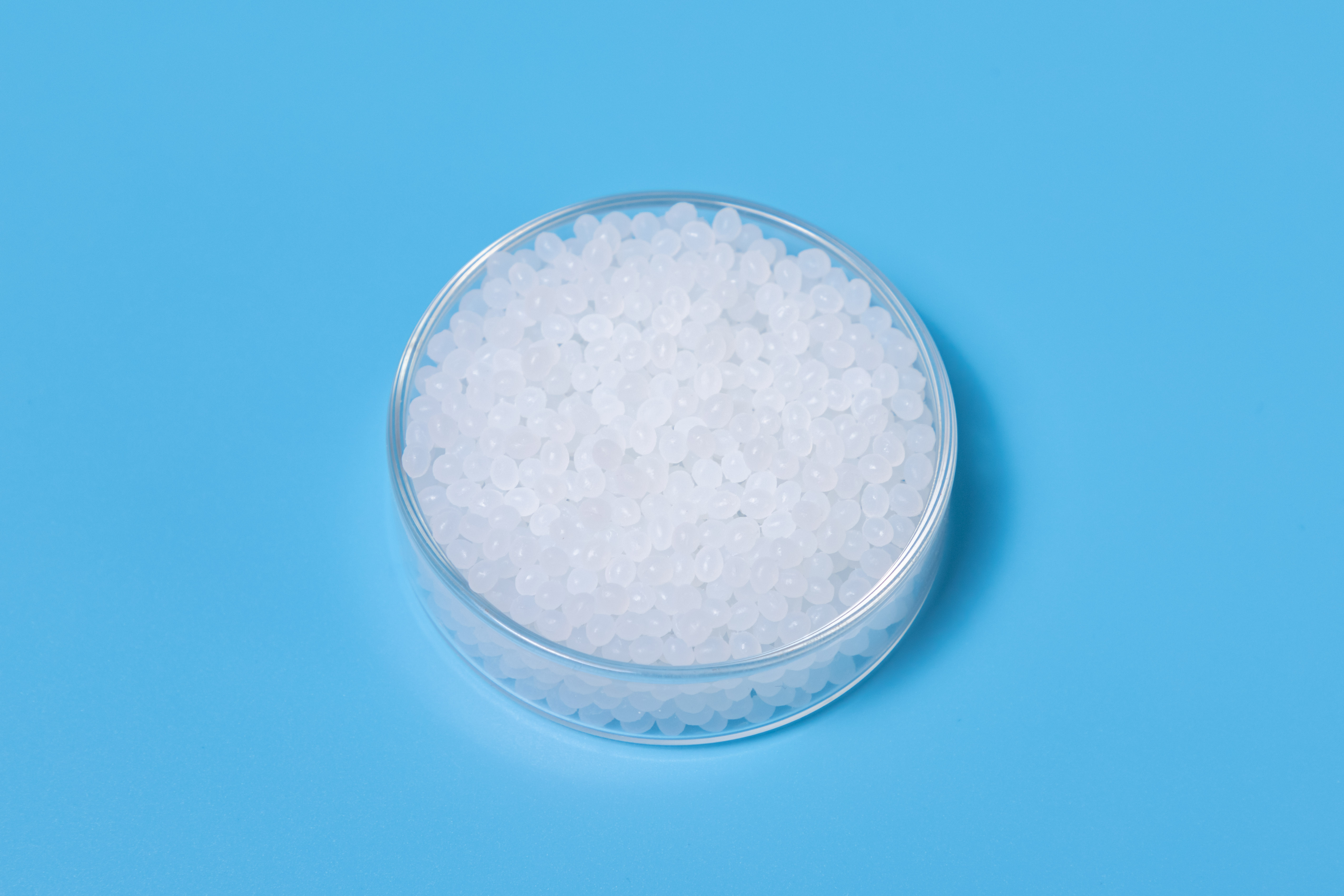
- Identify your base polymer and target property – e.g., PA6 + impact modifier, or PP + glass fibre.
- Determine the function needed: compatibilizer (improve blend morphology), toughener (increase notched impact), or adhesive resin (tie layer adhesion).
- Choose the polymer backbone – match with the matrix: PP‑g‑MAH for PP, PE‑g‑MAH for PE, POE‑g‑MAH for nylon, etc.
- Check MAH content – higher MAH (>0.8 %) offers stronger interfacial bonding; medium (0.4–0.8 %) balances reactivity and cost.
- Consider melt flow rate (MFI) – high MFI products (e.g., KT‑1 at 90–120) are suitable for injection‑moulded compounds; low MFI products (e.g., KT‑915 at 0.5–1.5) for extrusion and applications requiring high melt strength.
- Evaluate low‑odor variants – if the end‑use is automotive interior, use LEP‑1K (PP) or LEP‑2 (ABS) to minimise VOC.
- Conduct a trial – KETONG supports OEM/ODM product formula customization and can provide samples for evaluation.
Verified Application Cases
- Multi‑layer co‑extrusion barrier film: A manufacturer used KT‑NJP2201 (PE‑g‑MAH, low MAH, MFI 1.0–3.0) as adhesive layer for EVOH/PA. Result: stable adhesion, less gel spots, good transparency, meeting food packaging safety requirements. (21 tons, 1 year supply)
- Reinforced & toughened nylon: KT‑916K (high MAH, MFI 9–13 at 235 °C/5 kg) improved impact resistance significantly. Performance stable down to –50 °C, supplied 20 tons. (Case ID 616)
- Glass‑fibre reinforced PP: Low‑odor compatibilizers LEP‑1K and LEP‑1B (both >0.8 % MAH) remarkably enhanced impact resistance while maintaining low VOC and accelerated aging resistance. 22 tons supplied. (Case ID 615)
Comparison: PP‑g‑MAH Compatibilizers – Standard vs Low‑Odor
| Parameter | KT‑1 (Standard) | LEP‑1K (Low‑Odor) |
|---|---|---|
| MAH Content | Medium (0.4–0.8 %) | High (>0.8 %) |
| MFI (190 °C/2.16 kg) | 90–120 | ≥60 |
| Density (g/cm³) | 0.91–0.95 | 0.90–0.92 |
| Key Advantage | High fluidity, general‑purpose | Low VOC, enhanced aging resistance |
| Typical Application | GF‑PP, mineral‑filled PP | Automotive interior, low‑odor parts |
Frequently Asked Questions
What is the shelf life of KETONG MAH‑grafted polymers?
Does KETONG offer product formula customization?
What are the typical MOQ and lead time?
How do I choose between KT‑1 and LEP‑1K for PP compounding?
Can I request a sample to test before ordering?
Conclusion
Selecting the optimal MAH‑grafted polymer requires careful matching of the polymer backbone, functional group concentration, and flow characteristics to your specific compounding or extrusion application. KETONG’s broad product portfolio — from standard PP‑g‑MAH and PE‑g‑MAH compatibilizers to specialised nylon tougheners and low‑odor variants — provides a reliable, single‑source solution. To download the full product catalog, visit KETONG Company Brochure or contact Alice Wang (General Manager) at wangyanqiu@syketong.com / WhatsApp: +86 13998121502.
Get your sample or quote today – Visit KETONG website