
TPE Overmolding Adhesion Problems? How Maleic Anhydride Compatibilizers Help
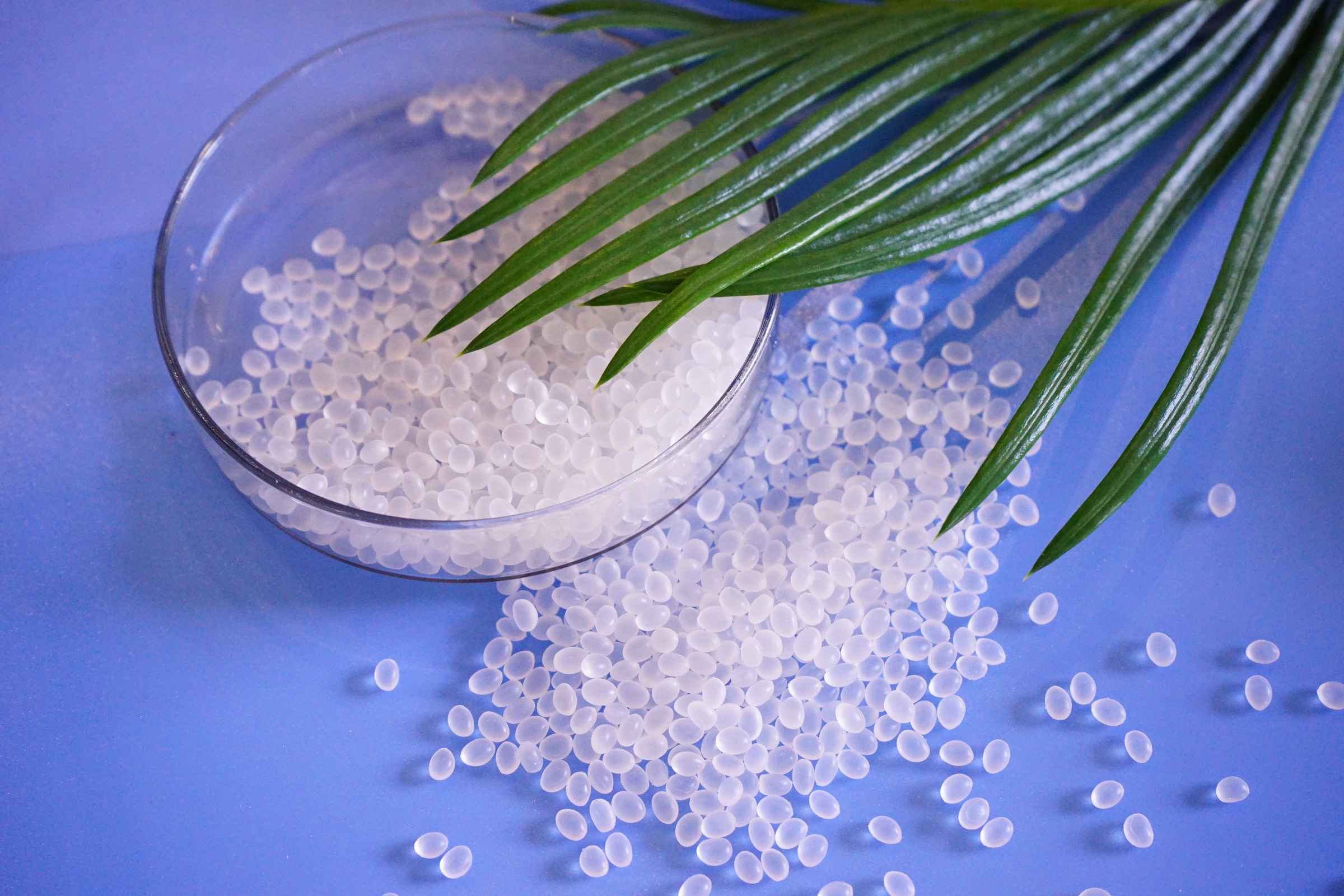
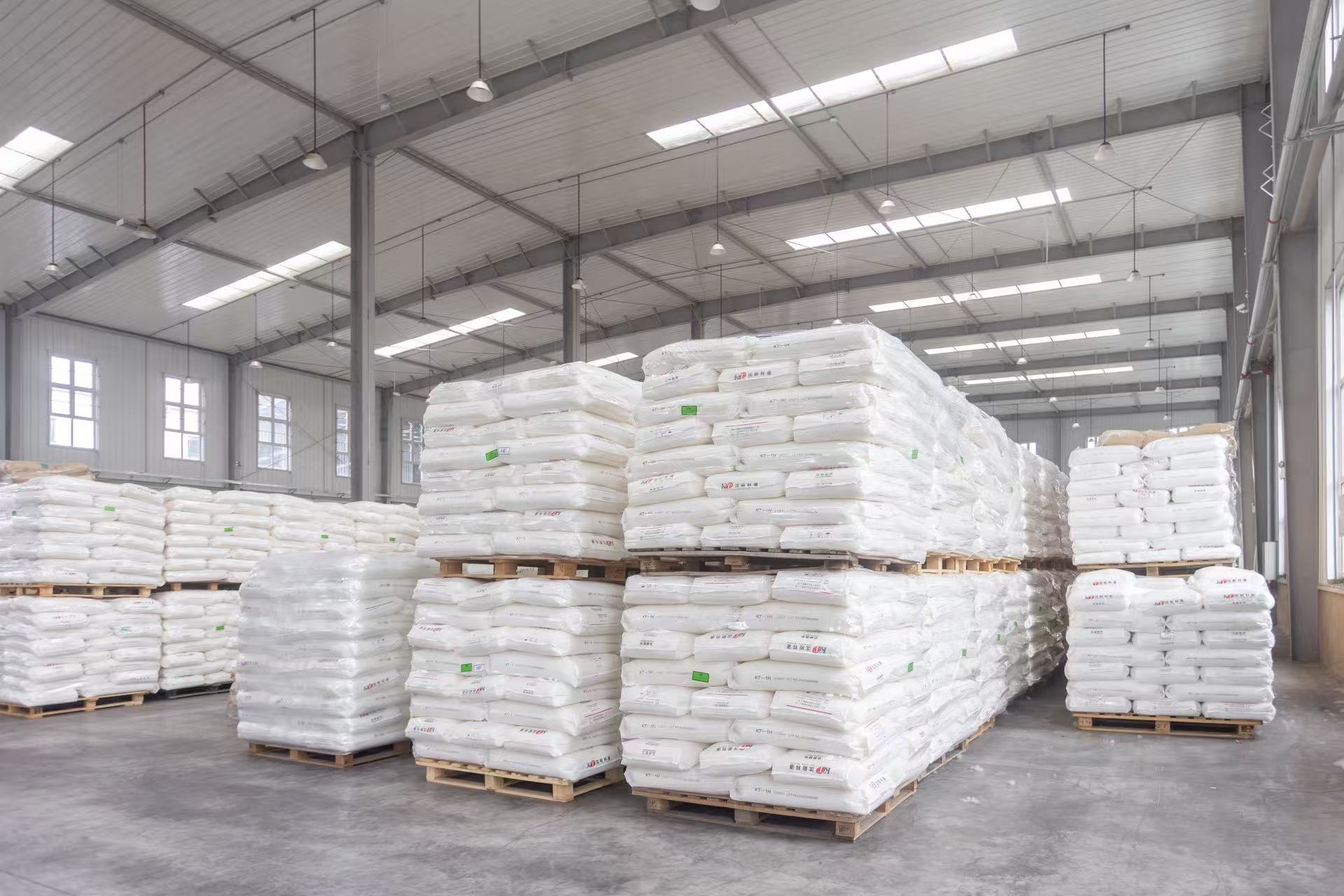
Figure 1 — KT-913, a POE-based maleic anhydride grafted grade, is one of the compatibilizer chemistries evaluated when a TPE must bond to a polar rigid substrate.
A molder runs a soft-touch TPE grip over a glass-filled polyamide insert. First articles look good. Two weeks later, parts come back with edge lift, a visible gap along the bond line, or a clean peel when someone flexes the part by hand. The tool gets blamed first, then the TPE compound, then the substrate supplier — and in most cases the actual failure sits at the interface between the two materials, not inside either one of them.
Maleic anhydride (MAH) grafted compatibilizers are the standard engineering answer to that interface. They are functional polymers rather than conventional adhesives: a polyolefin or elastomer backbone carrying pendant maleic anhydride groups. The anhydride reacts with polar end groups on the rigid substrate, while the backbone entangles with the TPE phase. Adhesion stops being a dispersion-force contact and becomes a coupled interphase.
This guide covers the mechanics of the failure, how maleic anhydride grafted chemistry works at the bond line, how to select a grade for a specific TPE/substrate pair, how to set a first let-down ratio, and how to structure a trial that produces evidence you can put into a supplier qualification file.
Short answer: TPE overmolding adhesion failure is usually an interface problem, not a material-quality problem. Non-polar TPEs do not bond durably to polar substrates such as PA, PBT, PC, PC/ABS or POM without a coupling agent. A maleic anhydride grafted compatibilizer supplies that coupling — its anhydride groups react with nucleophilic end groups on the substrate while its olefin backbone is compatible with the TPE phase. Grade choice, graft level, melt flow and let-down ratio then determine whether the bond survives service.
Problem Definition: What TPE Overmolding Adhesion Failure Actually Looks Like
Overmolding delamination is a separation event at the elastomer–substrate boundary. It shows up as edge lifting, a visible gap line, whitening along the bond, or a clean peel when the part is flexed. The first diagnostic question is not "which material is bad" but "where exactly did the separation happen" — because interfacial failure and cohesive failure point to completely different corrective actions.
| Failure mode | What you observe | What it usually indicates |
|---|---|---|
| Interfacial (adhesive) failure | Clean separation; substrate surface visible and smooth; little or no TPE residue | Polarity mismatch, no reactive coupling at the interface, or surface contamination |
| Cohesive failure inside the TPE | TPE tears or strings; material remains on both surfaces | The interface is stronger than the TPE itself; the limitation is the TPE formulation, not the bond |
| Edge or weld-line peel | Separation starts at the flow end, the gate area or a weld line | Packing, shrinkage differential or weld-line weakness rather than interface chemistry |
| Delayed failure after heat or service | Bond passes first article, opens after aging or thermal cycling | Interface not fully coupled; residual stress; additive migration to the boundary |
| Random localized spots | Patches of no adhesion that move between production runs | Contamination: mold release, oil, dust, fingerprints or moisture on the insert |
Root Cause 1: Polarity Mismatch Between a Non-Polar TPE and a Polar Substrate
Most TPEs used for grips and soft-touch surfaces are built on non-polar olefin chemistry — SEBS-based compounds, EPDM-based TPV, or POE/TPO blends. The rigid substrates chosen for stiffness and strength — polyamide, PBT, PC, PC/ABS, ABS, POM — are polar. Non-polar and polar polymers have no thermodynamic driving force to interdiffuse across an interface. Wetting may look acceptable on the shop floor, but the boundary remains a mechanical contact with no chemical continuity, and under peel load or thermal cycling that contact opens.
Root Cause 2: No Reactive Chemistry at the Interface
Good wetting alone does not create a durable bond. Polyamides carry amine end groups; polyesters and polycarbonates carry hydroxyl and carboxyl end groups. These are nucleophiles capable of reacting with an anhydride ring. If neither the TPE compound nor an intermediate layer carries a reactive group, no such reaction can take place — the interface stays weak no matter how well the two melts wet each other.
Root Cause 3: Processing and Tooling Conditions That Break the Bond Line
- Melt temperature too low — insufficient interdiffusion and wetting at the moment of contact.
- Melt temperature too high — degradation of the TPE surface or of the substrate surface, both of which destroy the chemistry you are trying to build.
- Mold temperature and holding pressure — these govern how long the two melts stay in contact under pressure and how well shrinkage is compensated.
- Shrinkage differential — a large mismatch leaves residual stress concentrated exactly at the bond line.
- Gate location and weld lines — the bond line is weakest where the melt front meets, not where the part looks thick.
- Moisture in the substrate — polyamides absorb moisture and must be dried to the material supplier's specification before molding.
Processing windows should always follow the recommendations issued by the TPE and substrate suppliers. A compatibilizer widens the window; it does not replace it.
Root Cause 4: Contamination and Material Handling
Mold release agents, silicone, machining oil, dust and fingerprints on the insert all create a low-energy layer that no coupling chemistry can penetrate. The same discipline applies to the additive itself: published handling guidance for these products lists a shelf life of one year when unopened with intact packaging, and three months after opening, provided no contamination or moisture absorption occurs.
A Practical Diagnostic Order
- Classify the failure mode (interfacial vs cohesive, immediate vs delayed).
- Inspect and control the substrate surface — contamination, mold release, insert handling.
- Verify drying and the processing window against supplier recommendations.
- Review the TPE formulation and whether a reactive compatibilizer is present at all.
- Only then run a structured let-down and peel trial.
Industry Background: Why the TPE Interface Became a Procurement Question
Maleic anhydride grafted polymers are no longer a niche additive category. According to Grand View Research, the global maleic anhydride market reached USD 4.39 billion in 2023 and is projected to reach USD 5.86 billion by 2030, with Asia Pacific accounting for a revenue share of 52.1% in 2023 and China projected to grow at a CAGR of 5.4% through 2030.
The grafted-polymer segment specifically is projected at USD 1.42 billion in 2026 and USD 2.16 billion by 2035, a CAGR of 4.7%, according to Business Research Insights. Within it, maleic anhydride grafted polyethylene alone reached USD 1.24 billion in 2024 and is targeted at USD 2.08 billion by 2033, per Dataintelo.
Demand is driven by applications where two dissimilar polymers have to work as one part. ChemAnalyst reports that automotive applications represent 42% of total demand for polyolefin elastomers — the same POE chemistry that is frequently grafted with MAH for toughening and for soft-touch overmolding. Every soft-touch interior surface, every glass-filled nylon handle and every multi-material housing depends on an interface that either holds or fails.
Compliance Is Part of the Specification
MAH grafted polymers placed on the EU market are subject to REACH (EC 1907/2006) registration, and ASTM D1248 is a standard reference for PE extrusion materials. Buyers sourcing across regions should confirm documentation status grade by grade rather than assuming that a category-level statement covers the exact material being purchased.
The Supplier Landscape
The market includes large integrated chemical producers such as Huntsman, Dow, LyondellBasell, Mitsui Chemicals and SK Functional Polymer, alongside specialized graft producers. KETONG is a Chinese example of the specialized type: Shenyang Ketong New Materials Co., Ltd. is the second manufacturing site of Shenyang Ketong Plastics Co., Ltd., and the product range is centered on compatibilizers, toughening agents and functional adhesive resins rather than a broad polymer portfolio.
Market growth figures describe the category, not your bond line. The commercial decision is still made at the interface, and that decision is governed by grade selection, graft level and let-down ratio.
Detailed Solution: How Maleic Anhydride Compatibilizers Work at the Bond Line
An MAH-grafted compatibilizer is a polyolefin or elastomer backbone carrying pendant maleic anhydride groups. In a TPE overmolding compound it works in two directions at once: the anhydride ring reacts with nucleophilic end groups on a polar substrate, while the olefin backbone entangles with or co-crystallizes in the TPE matrix. The result is a coupled interphase instead of a purely mechanical contact.
The Reaction, in Plain Terms
- Anhydride + amine: on polyamides, the anhydride ring reacts with amine end groups to form an imide linkage.
- Anhydride + hydroxyl or carboxyl: on polycarbonate, polyester and similar polar surfaces, the same ring opens into an ester-type linkage with hydroxyl and carboxyl end groups.
- Backbone compatibility: the grafted polyolefin or elastomer chain must be compatible with the TPE phase, otherwise the compatibilizer sits as an isolated third phase instead of bridging the two materials.
Which reaction dominates depends on the substrate, its filler system, and the surface chemistry the molder actually leaves behind. That is why grade selection is a trial-driven decision rather than a catalogue decision.
Why the Backbone Has to Match the TPE Phase
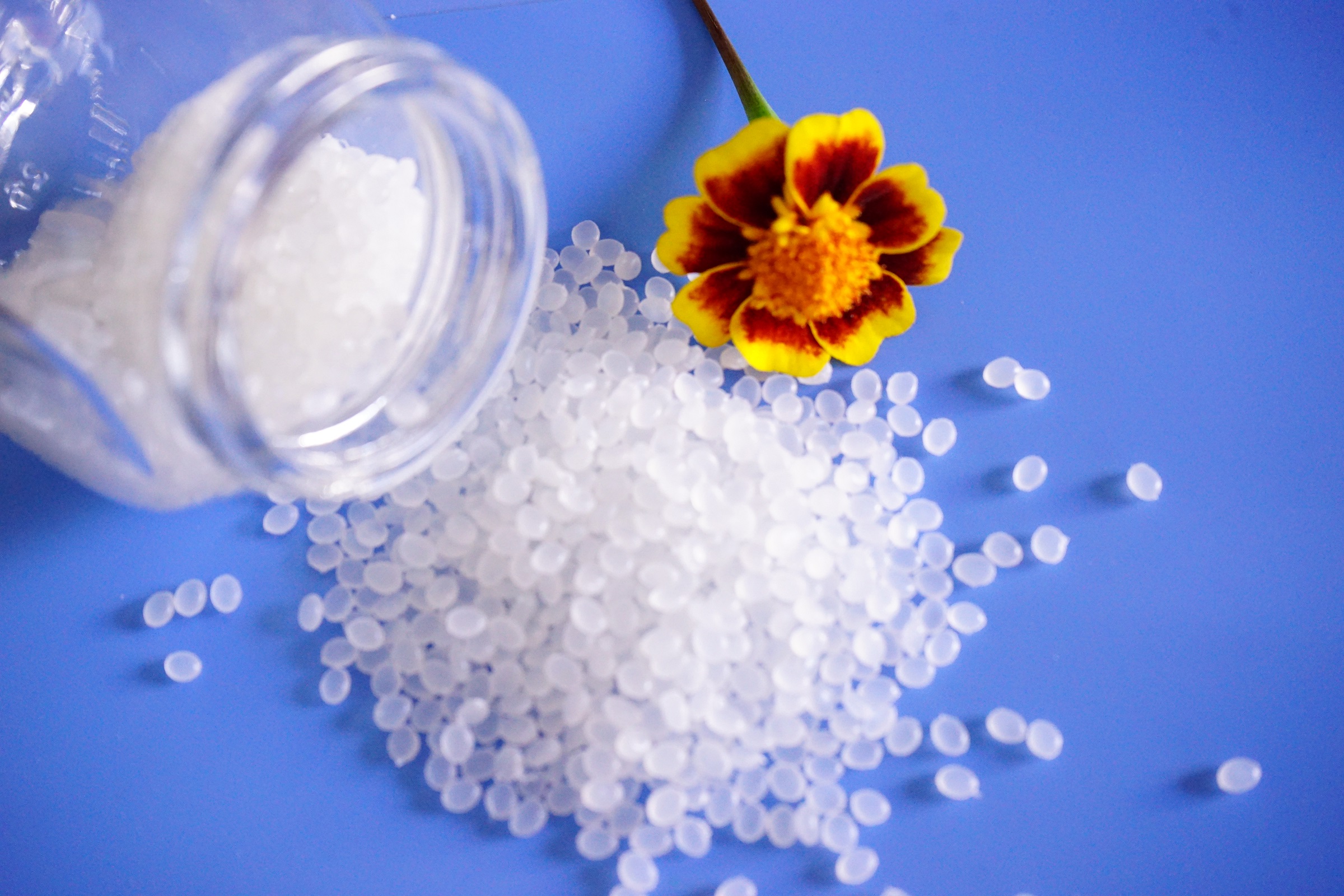
Figure 2 — KT-7, an EPDM-g-MAH grade, illustrates the logic of backbone matching: the graft chemistry is the same, the carrier phase is not.
KETONG's range covers the backbone families most commonly used in overmolding and adjacent bonding work:
- SEBS-based TPE compounds — SEBS-g-MAH grades such as KT-25 (MAH high, melt flow rate ≥1.0 g/10min at 190°C/5kg, density 0.91–0.93 g/cm³).
- POE and olefinic TPV systems — POE-g-MAH grades such as KT-913 and the KT-915 series.
- EPDM-based TPV systems — EPDM-g-MAH grades such as KT-7 and KT-8.
- PE-based compounds and PE substrates — PE-g-MAH compatibilizer grades such as the KT-12 series.
- PP-based systems — PP-g-MAH grades such as KT-1, KT-1D and KT-1H, including low-odor variants LEP-1B and LEP-1K.
- ABS and PC-ABS substrates — ABS-g-MAH grades such as KT-2, KT-2H and KT-3.
- EVA-based systems — EVA-g-MAH grades such as KT-26 and KT-2628.
The range also includes PPO-g-MAH grades (KT-24 series) and biodegradable polyester-elastomer based compatibilizers (KT-36) for adjacent applications where a different matrix chemistry applies.
What a Compatibilizer Cannot Fix
- Contamination on the insert surface — release agents, oil and dust block the reaction.
- Undried polyamide — moisture generates surface defects and volatile-driven voids at the bond line.
- A processing window that never allows the two melts to contact under pressure.
- Bond geometry that is mechanically starved — no undercut, no texture, wrong gate position.
- Over-functionalization: a higher graft level is not automatically better. High-MAH grades raise coupling potential but can also raise viscosity and affect flow in thin sections. The correct level is the one your peel data supports.
Step-by-Step Breakdown: From Substrate Pair to a Qualified Let-Down Ratio
Step 1 — Define the Interface Pair Precisely
Record the substrate resin and grade, filler type and loading, surface condition, the TPE family and hardness, the bond-line geometry, and the load case the part must survive. "Nylon overmolded with TPE" is not a specification; "glass-filled PA6 insert, TPE 60 Shore A, peel load at the handle edge" is.
Step 2 — Select the Backbone Chemistry
Match the compatibilizer carrier to the TPE phase first, then to the substrate polarity. A grade whose backbone is incompatible with the TPE will disperse as a separate phase and deliver little adhesion improvement even at high loading.
Step 3 — Choose the Graft Level and Melt Flow Rate
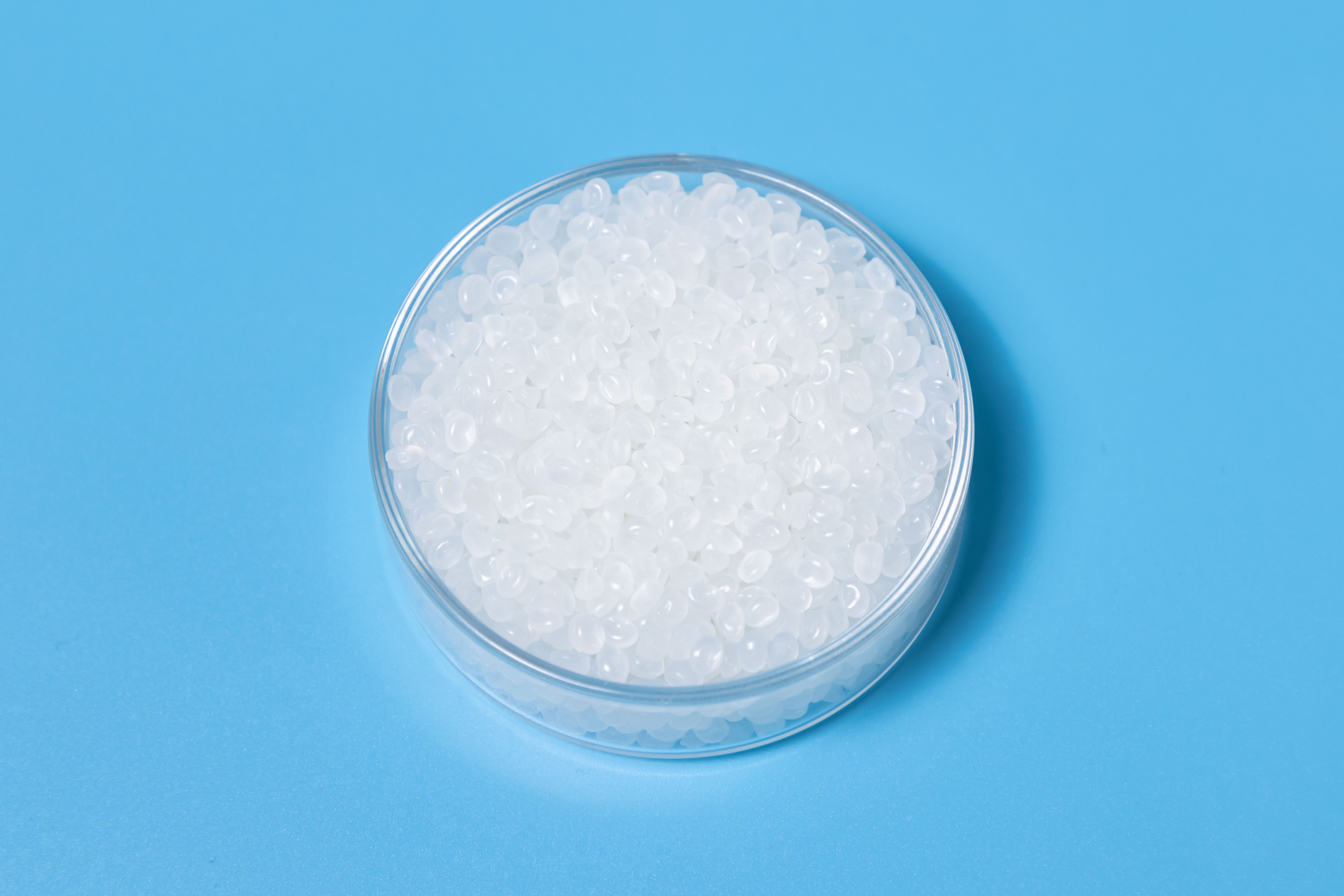
Figure 3 — KT-12B (MAH-g-PE, MAH high >0.8%, MFR ≥0.3 g/10min at 190°C/2.16 kg) represents the PE-based option in the compatibilizer family.
The catalogue is organized by graft level, which simplifies the first pass:
- MAH medium (0.4–0.8%) — for example KT-913 (POE-g-MAH) and KT-1 (PP-g-MAH). A balanced starting point where flow and coupling both matter.
- MAH high (>0.8%) — for example KT-915A, KT-25, KT-12B, KT-2 and KT-26. A logical next step when the failure mode is clearly interfacial and the substrate is strongly polar.
- MAH extra high (≥4.0%) — for example KT-3 and KT-17, for demanding coupling requirements.
- MAH low (<0.4%) — for example the adhesive-resin grades KT-NJP2201 and KT-NJE2202, used where a soft, high-clarity tie layer is required.
Melt flow rate then decides how the grade behaves in the press. Low-MFR grades (for example KT-913 at 0.5–2.0 g/10min) support strength in the bond line; high-MFR grades such as KT-1 at 90–120 g/10min wet out fast and suit thin sections and long flow paths. Matching MFR to wall thickness and flow length is usually the difference between a clean bond line and a cosmetic defect.
Step 4 — Set the First Let-Down Ratio
Start at the low end of the published window and move up in steps. The EVA series carries a stated 5%–10% addition range; the nylon-series grades carry a 3%–25% range with the instruction to adjust appropriately for the application. Grades listed as "adjust appropriately" must be fixed by trial. Increasing the dose adds coupling sites, but it also adds cost and viscosity and can affect surface appearance — so the trial ladder should bracket the target, not jump to the maximum.
Step 5 — Run a Controlled Trial
- Fix one machine, one insert batch and one processing window for the whole trial.
- Run a control without compatibilizer plus a loading ladder of at least three addition levels.
- Keep the bond-line geometry and the peel test method identical across all samples.
- Classify every failure as interfacial or cohesive, and record the residue left on each surface.
- Examine the cross-section to confirm the compatibilizer is distributed at the interface rather than dispersed in the bulk.
- Repeat the peel test after heat or humidity conditioning to expose delayed failure.
Step 6 — Confirm on Production Tooling and Set Incoming QC
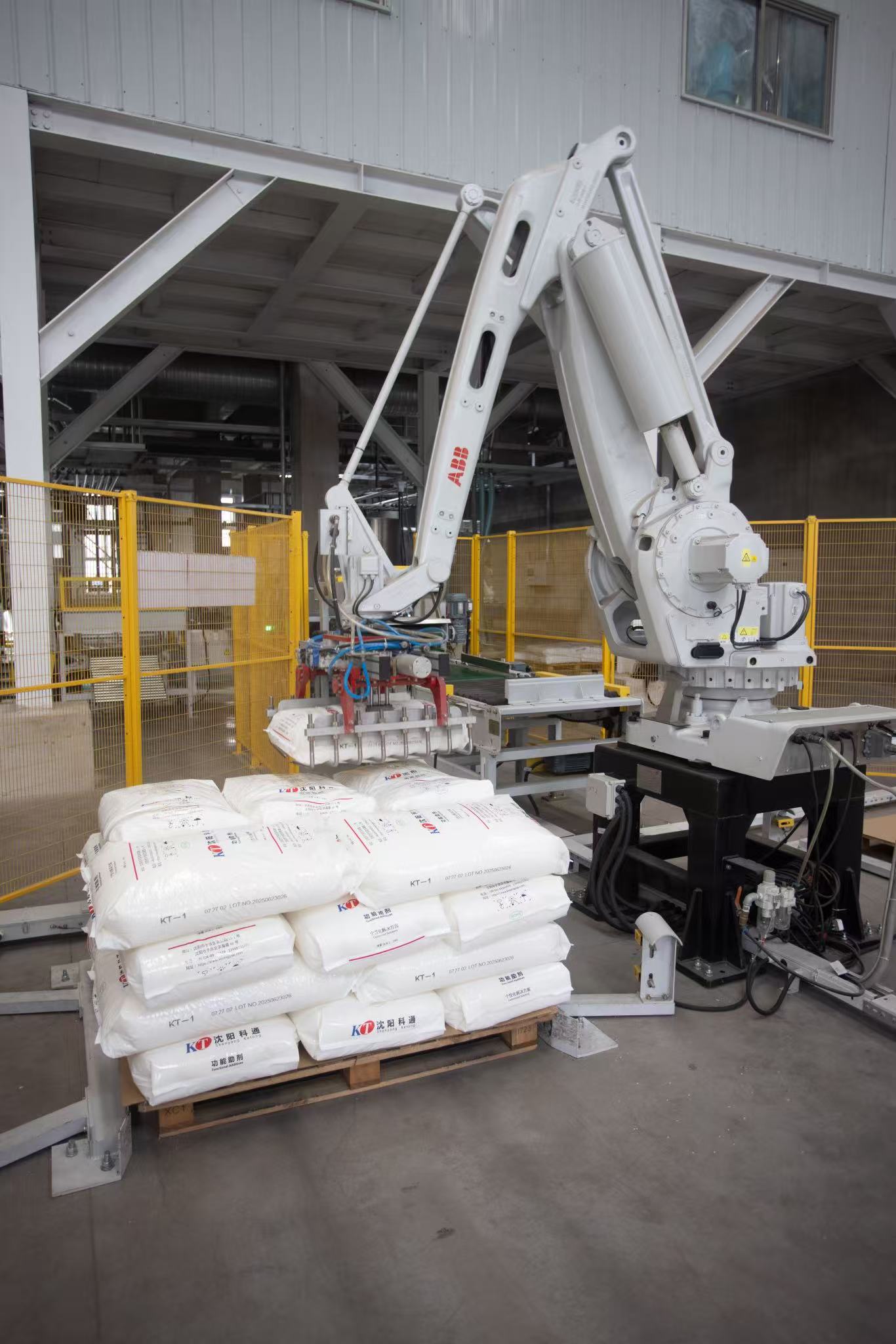
Figure 4 — Production equipment at the KETONG site; quality control on these additives includes random sampling inspection.
A laboratory result is not a production result. Re-run the chosen loading on the actual tool, at the actual cycle time, before writing the specification. Once the grade and dose are fixed, define incoming checks: specification sheet parameters, packaging integrity, and storage discipline against the one-year unopened / three-month opened shelf-life guidance. KETONG applies random sampling inspection as its quality-control method, and after-sales support covers return, replacement and refund for quality issues.
Step 7 — Document and Scale
KETONG operates two manufacturing sites: Shenyang Ketong Plastics Co., Ltd., established in 2003, and Shenyang Ketong New Materials Co., Ltd., completed in Shenyang, Liaoning in 2023. The company covers 30,000 m² with more than 10 imported production lines and a capacity of 50,000 tons per year at the first site; the new site has a building area of 20,000 m², a planned 10 production lines and a planned capacity of 60,000 tons per year, with a monthly capacity of 5,000–6,000 tons, an R&D team of eight engineers and 130 employees. Production modes include OEM, ODM, OBM, EMS, CMT and JDM, with formula and additive-performance customization covering toughening, flame retardancy, anti-oxidation, reinforcement and weather resistance. MOQ is customizable on demand and scheduling is demand-driven.
Use Cases: Where These Grades Are Already Running
Soft-touch overmolding onto glass-filled polyamide. This is the classic TPE-over-PA problem: a non-polar grip on a polar, filled substrate. The grades to evaluate first are the POE-g-MAH and SEBS-g-MAH families (KT-913, KT-915 series, KT-25) alongside EPDM-g-MAH grades (KT-7, KT-8). The substrate side of the same problem is documented by a one-year supply of 20 tons of KT-916K — a MAH-grafted elastomer toughener — to a modified polymer material manufacturer for reinforced and toughened nylon, where the recorded result was a significantly improved toughening effect with stable, reliable performance and low-temperature resistance down to −50°C.
PP-based parts with polar fillers and glass reinforcement. A one-year 20-ton supply of the KT-1 / KT-1D / KT-1H family to a modified polymer material manufacturer for glass-fiber reinforced PP recorded remarkably enhanced impact resistance, excellent impact-strength retention, good processability and greatly improved compatibility between materials. A separate one-year 22-ton supply of LEP-1K and LEP-1B was used for glass-fiber reinforced PP and mineral-filled PP, with recorded results of remarkably enhanced impact resistance, low VOC emission and enhanced aging resistance — relevant where automotive interior odor and emission targets apply.
Adhesive tie layers in multi-layer structures. A one-year 21-ton supply of KT-NJP2201 was used as the adhesive layer for multi-layer co-extrusion barrier films. The recorded result was stable adhesion performance in the co-extrusion process, with excellent adhesion to EVOH and PA, fewer gel spots and good transparency. This is the same anhydride chemistry applied to a different bonding scenario — direct evidence that reactive coupling performs on polyamide and EVOH surfaces.
Substrates based on ABS, PC-ABS and PPO blends. For overmolding onto styrenic or PPE-based substrates, the ABS-g-MAH grades KT-2, KT-2H and KT-3, and the PPO-g-MAH grades KT-24, KT-24B and KT-24F, are the natural first candidates. Their graft levels and melt flow rates are listed in the comparison table below.
EVA-based and low-odor applications. The EVA-g-MAH grades KT-26 and KT-2628 carry a stated 5%–10% addition range, while the low-odor PP-g-MAH grades LEP-1B and LEP-1K suit applications where emission and odor are part of the specification.
Across these additive families, recorded applications sit in the modified plastics sector, processed on twin-screw extruders and injection molding machines, and are used in countries including AU, CA, CH, CN and others.
Comparison Table: Verified MAH-Grafted Grades for Overmolding Evaluation
The table below lists specification data from the KETONG product range for the grades most relevant to overmolding and interface coupling. All values are supplier specification ranges and must be confirmed by trial for the specific application.
| Grade | Backbone / Series | MAH Level | MFR (g/10min) | Density (g/cm³) | Stated Addition Range |
|---|---|---|---|---|---|
| KT-913 | POE-g-MAH (PA series) | Medium (0.4–0.8%) | 0.5–2.0 (190°C/2.16 kg) | 0.86–0.88 | 3%–25% |
| KT-915A | POE-g-MAH (PA series) | High (>0.8%) | 0.5–1.5 (190°C/2.16 kg) | 0.86–0.89 | 3%–25% |
| KT-25 | SEBS-g-MAH (PA series) | High (>0.8%) | ≥1.0 (190°C/5 kg) | 0.91–0.93 | 3%–15% |
| KT-7 | EPDM-g-MAH (PA series) | Medium (0.4–0.8%) | 0.2–2.0 (190°C/2.16 kg) | 0.86–0.88 | 3%–25% |
| KT-12B | PE-g-MAH (PE series compatibilizer) | High (>0.8%) | ≥0.3 (190°C/2.16 kg) | 0.90–0.94 | Adjust appropriately |
| KT-1 | PP-g-MAH (PP series compatibilizer) | Medium (0.4–0.8%) | 90–120 (190°C/2.16 kg) | 0.91–0.95 | Adjust appropriately |
| KT-2 | ABS-g-MAH (ABS series compatibilizer) | High (>0.8%) | 1.0–4.0 (200°C/5 kg) | 1.03–1.08 | Adjust appropriately |
| KT-26 | EVA-g-MAH (EVA series compatibilizer) | High (>0.8%) | 0.2–2.0 (190°C/2.16 kg) | 0.92–0.96 | 5%–10% |
| KT-NJP2201 | MAH-g-PE (adhesive resin) | Low (<0.4%) | 1.0–3.0 (190°C/2.16 kg) | 0.90–0.93 | Appropriate usage |
Two practical notes on reading this table. First, a higher MAH level is not a ranking of quality — it is a different coupling intensity with different flow consequences. Second, dosage windows marked "adjust appropriately" are deliberately open: the correct dose depends on the substrate, the bond geometry and the peel target, and should be fixed by a trial ladder rather than assumed.
Frequently Asked Questions
Are MAH grafted compatibilizers subject to regulatory registration, and what documentation should a buyer request?
MAH grafted polymers placed on the EU market are subject to REACH (EC 1907/2006) registration, and ASTM D1248 is a standard reference for PE extrusion materials. In practice, buyers should request documentation status for the exact grade being purchased rather than a category-level statement, together with the current specification sheet and the shelf-life and storage instructions. KETONG applies random sampling inspection as its quality-control method, and after-sales support covers return, replacement and refund for quality issues.
Can a compatibilizer be customized for a specific TPE and substrate combination?
Yes. KETONG's production modes include OEM, ODM, OBM, EMS, CMT and JDM, and customization covers both product formula customization and additive performance customization — including toughening, flame retardancy, anti-oxidation, reinforcement and weather resistance. The company operates two manufacturing sites in Shenyang, Liaoning, employs 130 people and maintains an R&D team of eight engineers, with an annual capacity of 50,000 tons at Shenyang Ketong Plastics Co., Ltd. and a planned 60,000 tons per year at Shenyang Ketong New Materials Co., Ltd.
What drives the cost of using a compatibilizer in an overmolding project?
The dominant cost variable is the let-down ratio, because it multiplies the price of the additive across every kilogram of compound produced. Grade selection comes second: a grade that covers several substrates or several TPE hardnesses reduces the number of SKUs in inventory, while a narrowly tailored grade may perform better on a single demanding bond line. MOQ is customizable on demand, so trial quantities do not have to be purchased at production scale. The largest hidden cost in this category is scrap: a compatibilizer that removes even part of a delamination rate usually pays for itself through yield, and that comparison is the one worth putting in the business case.
How should a sample trial be structured before committing to production?
Fix one machine, one insert batch and one processing window, then run a control without compatibilizer plus at least three addition levels across the manufacturer's stated range. Keep the peel geometry and test method identical for every sample, classify each failure as interfacial or cohesive, and inspect the cross-section to confirm the compatibilizer is sitting at the interface. Repeat the peel test after heat or humidity conditioning to expose delayed failure, then repeat the winning formulation on the production tool. Note the storage window while the trial is running: one year unopened with intact packaging, three months after opening, provided no contamination or moisture absorption occurs.
What lead times and supply arrangements should buyers expect?
KETONG schedules production on a demand-driven basis, with a monthly capacity of 5,000–6,000 tons across the two Shenyang facilities and MOQ customizable on demand. Export coverage includes the Southeast Asian, North American, European and Middle Eastern markets as well as Mexico, which reduces the risk of a single-region supply interruption for compounders running multi-site production. To confirm lead time for a specific grade, arrange trial quantities or request a quotation, contact the team directly at wangyanqiu@syketong.com or via WhatsApp at +86 13998121502 — and the full product brochure is available for download below.
Conclusion: Turning an Interface Problem into a Specified Process
TPE overmolding delamination is rarely a mystery once the failure is classified correctly. Interfacial separation points to polarity mismatch and missing reactive chemistry; cohesive tearing points to the TPE formulation; edge peel and late failure point to packing, shrinkage and residual stress. Only the first category is solved by a compatibilizer — and it is the category that accounts for most scrap in soft-touch overmolding.
The working sequence is straightforward: define the interface pair precisely, match the grafted backbone to the TPE phase, choose the graft level and melt flow rate against the substrate polarity and the flow path, start at the low end of the stated addition range, and ladder up through a controlled peel trial. Confirm the winning formulation on production tooling, then lock the specification, the incoming checks and the storage discipline.
Maleic anhydride grafted compatibilizers do not make a bad process good. They give a well-defined process the chemical continuity it was missing, and they convert an unpredictable bond line into a parameter you can specify, purchase and inspect.
Next Step: Sample and Trial Support
Send your substrate resin, TPE family and bond-line requirement, and the KETONG team will recommend a starting grade and let-down window for a peel trial. Sample quantities, quotation and the full product brochure are available on request.
Website: compatibilizer.com
Brochure (PDF): Download the KETONG product brochure
Contact: Alice Wang, General Manager — wangyanqiu@syketong.com · Tel / WhatsApp +86 13998121502
Addresses: No. 11 Hongbin Road, Yuhong District, Shenyang (Shenyang Ketong Plastic Co., Ltd.); No. 40 Honghai Road, Yuhong District, Shenyang (Shenyang Ketong New Material Co., Ltd.)