
The Essential Guide to Maleic Anhydride Grafted Polymers: Compatibilizers, Toughening Agents, and Adhesive Resins
The Essential Guide to Maleic Anhydride Grafted Polymers: Compatibilizers, Toughening Agents, and Adhesive Resins
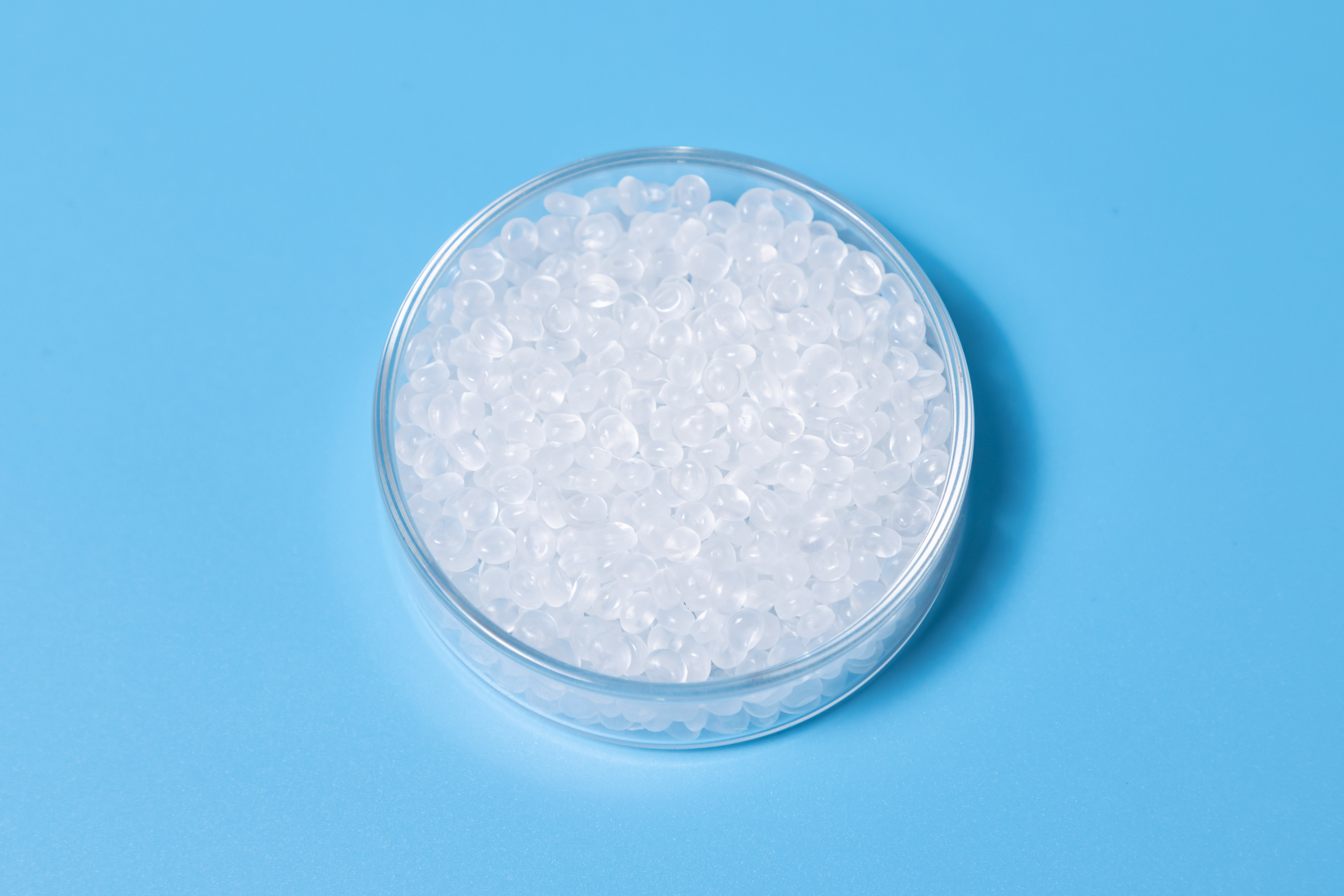
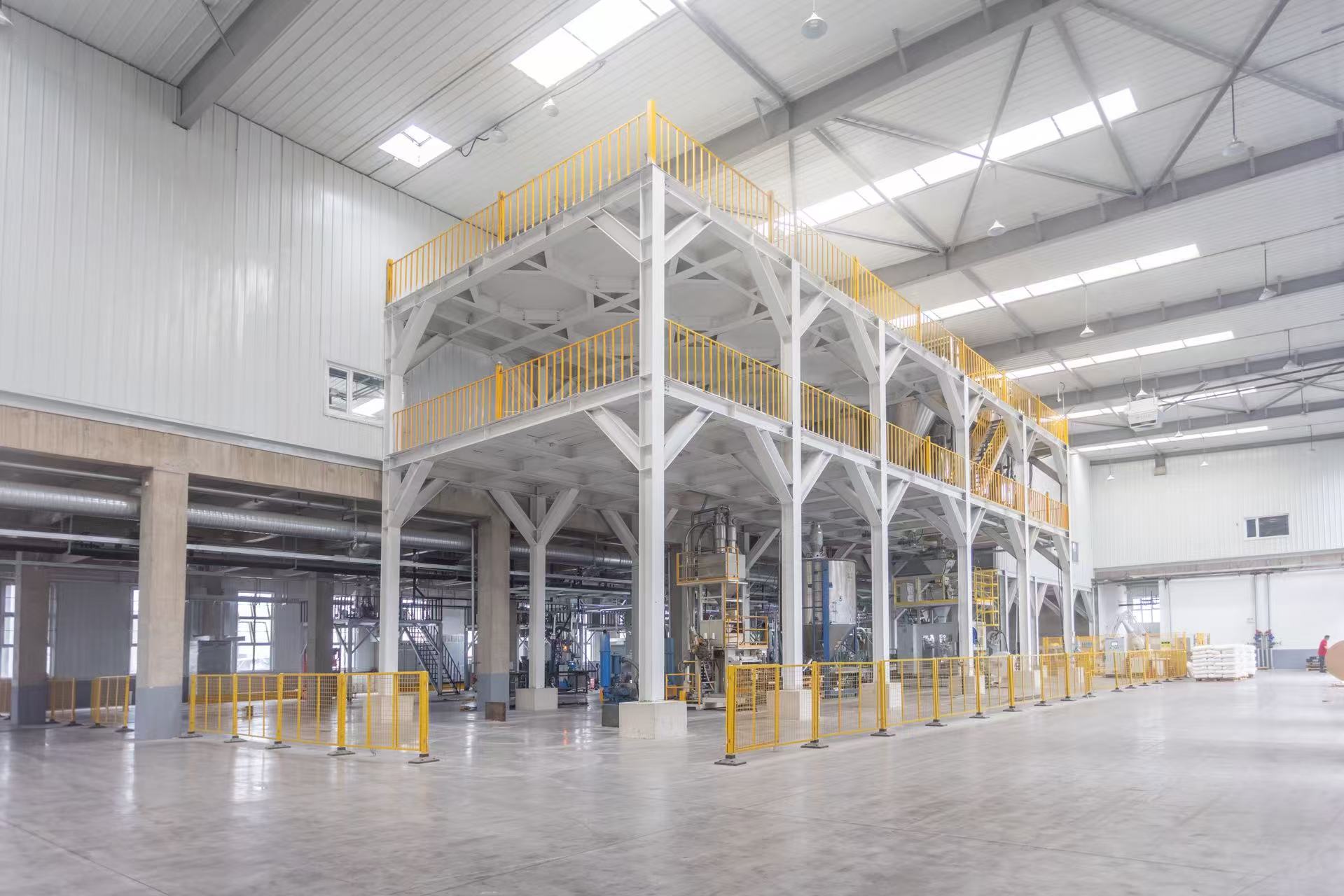
Maleic anhydride grafted polymers are functionalized materials used across the plastics compounding industry to improve interfacial adhesion between dissimilar polymers and to enhance the impact strength of engineering plastics. Shenyang Ketong New Materials Co., Ltd. (KETONG), established in 2003, is a high‑tech enterprise that specializes in the research, development, and production of these functional polymer additives. With a new 20,000 m² factory completed in 2023 and an annual production capacity of 60,000 tons across more than 10 imported lines, KETONG offers a comprehensive portfolio of compatibilizers, tougheners, and adhesive resins for global buyers.
Problem Definition: Why Incompatibility Limits Polymer Performance
Most polymer blends—such as polypropylene (PP) with polyamide (PA) or polyethylene (PE) with barrier resins—are thermodynamically immiscible. Without a compatibilizer, the dispersed phase forms large, unstable domains, resulting in poor mechanical properties, delamination, and low impact resistance. Similarly, brittle engineering plastics like polyoxymethylene (POM) or polycarbonate (PC) require toughening agents to absorb impact energy. Maleic anhydride (MAH) grafted polymers solve this by providing reactive sites that bond with the polar end groups of immiscible phases, reducing interfacial tension and stabilizing the morphology.
Industry Background: The Role of MAH‑Grafted Polymers in Modified Plastics
The global modified plastics market relies heavily on maleic anhydride grafted polymers for applications ranging from automotive components and consumer goods to packaging and electrical enclosures. According to the KETONG product application data, these additives are used in factory lines equipped with twin‑screw extruders and injection molding machines, processing a wide range of base resins. The shelf life of the unopened product is one year; after opening it remains suitable for three months if kept free of contamination and moisture. KETONG’s portfolio covers the most demanded types: PP‑g‑MAH, PE‑g‑MAH, POE‑g‑MAH, EPDM‑g‑MAH, ABS‑g‑MAH, SEBS‑g‑MAH, PPO‑g‑MAH, EVA‑g‑MAH, and PBAT‑g‑MAH, as well as specialty tougheners for POM, PC, and polyester.
Detailed Solution: KETONG’s Product Range and Technical Parameters
KETONG organizes its maleic anhydride grafted polymers into three main categories: Compatibilizers, Toughening Agents, and Adhesive Resins. Each product is identified by a specific model and characterized by its graft level, melt flow rate (MFR), and density.
Polypropylene (PP) Compatibilizers (PP‑g‑MAH)
The PP compatibilizer series includes KT‑1 (medium MAH 0.4–0.8%, MFR 90–120 g/10 min), KT‑1D and KT‑1H (high MAH >0.8%, MFR 90–120 and 60–100 g/10 min, respectively), plus the low‑odor grades LEP‑1B and LEP‑1K (high MAH, MFR ≥80 and ≥60 g/10 min). These products improve adhesion between PP and polar substrates such as PA, EVOH, or metal.
Polyethylene (PE) Compatibilizers (PE‑g‑MAH)
KETONG offers a wide PE‑g‑MAH portfolio including KT‑12 (high MAH >0.8%, MFR ≥1.0), KT‑12B (high MAH ≥0.3), KT‑12B05 (medium MAH 0.4–0.8%, MFR 0.4–2.5), KT‑1220B (medium MAH, MFR 20–30), and KT‑1208B (high MAH, MFR 3.5–10.0). Densities range from 0.90 to 0.96 g/cm³. These compatibilizers are designed for blends with polyolefins and barrier resins.
Nylon (PA) Toughening Agents (POE‑g‑MAH, EPDM‑g‑MAH)
KETONG’s nylon tougheners are based on POE‑g‑MAH (e.g., KT‑913A, KT‑915 series) and EPDM‑g‑MAH (KT‑7, KT‑8). Typical addition levels are 3%–25% (by weight). For instance, KT‑915E has a high MAH >0.8%, density 0.86–0.88 g/cm³, and MFR ≥0.2. KT‑8, made from EPDM‑g‑MAH, offers a medium MAH content of 0.4–0.8%. The recommended usage scope for KT‑8 is 3%–25%, adjustable as needed.
ABS Compatibilizers & ABS Toughening Agents
ABS‑g‑MAH compatibilizers (KT‑2, KT‑2H, KT‑3) carry high or extra‑high MAH (≥4.0% for KT‑3). The low‑odor variant LEP‑2 is available for environments sensitive to residual monomers. The ABS toughener KT‑4 is a butadiene terpolymer used at 3%–10% addition.
Specialty Series
- SEBS‑g‑MAH (KT‑25) – for blending SEBS with PA or PPO.
- PPO‑g‑MAH (KT‑24, KT‑24B, KT‑24F) – for PPO/PA and PPO/PS alloys.
- EVA‑g‑MAH (KT‑26, KT‑2628 series) – for EVA‑based compounds, addition 5%–10%.
- PBAT‑g‑MAH (KT‑36) – biodegradable series, MAH medium 0.4–0.8%, density 1.20–1.23 g/cm³.
- Polyester Tougheners – KT‑22, KT‑30, KT‑33, KT‑35, KT‑3506, etc., based on GMA‑grafted elastomers.
- PC Tougheners – KT‑31, KT‑1701, KT‑1702 (MAH‑g‑elastomer).
- POM Tougheners – KT‑28A (acrylate elastomer, density 1.12–1.17 g/cm³).

Step‑by‑Step Breakdown: How to Select the Right MAH‑Grafted Polymer
- Identify the base resin(s) in your blend. For PP‑based systems, choose a PP‑g‑MAH compatibilizer (KT‑1 series or low‑odor LEP‑1 series). For PE, select PE‑g‑MAH (KT‑12 family).
- Determine the required MAH grafting level. High MAH (>0.8%) provides stronger reactivity for polar polymers like PA, while medium (0.4–0.8%) or low (<0.4%) may suffice for less demanding interfaces.
- Match the melt flow rate (MFR) to your processing conditions. For extrusion compounding, higher MFR grades (e.g., KT‑1220B at 20–30 g/10min) offer easier dispersion; for blow molding or film, lower MFR grades (e.g., KT‑12 at ≥1.0 g/10min) are preferred.
- Check for odor constraints. If the final application (e.g., automotive interior) requires low volatile emissions, select low‑odor grades such as LEP‑1K, LEP‑1B, or LEP‑2.
- Evaluate toughness requirements. For impact modification of nylon, use POE‑g‑MAH or EPDM‑g‑MAH tougheners (KT‑915, KT‑8). For PC, polyester, or POM, choose the corresponding specialty toughener.
- Run a trial at the recommended addition scope. Most KETONG products allow adjustment (e.g., 3%–25% for nylon tougheners); start within the recommended range and optimize based on mechanical testing.
Use Cases
- Automobile under‑the‑hood connectors: PA6/PP alloy compatibilized with KT‑1H (PP‑g‑MAH high MAH) provides heat and chemical resistance.
- Polyethylene barrier film: PE‑g‑MAH (KT‑12) bonds PE to EVOH or nylon for multi‑layer packaging.
- Impact‑modified POM for gears: KT‑28A (acrylate elastomer) added at 5%–10% improves notched impact strength without sacrificing stiffness.
- Low‑odor ABS for interior trim: LEP‑2 (low‑odor ABS‑g‑MAH) reduces volatile organic compounds (VOCs) while maintaining adhesion to PC.
- Biodegradable compostable bags: PBAT‑g‑MAH (KT‑36) enhances the compatibility of PBAT with starch or PLA.
Comparison Table: Key MAH‑Grafted Polymer Types
| Product Category | Typical Models (KETONG) | Base Resin | MAH Level | MFR Range (g/10 min) | Density (g/cm³) |
|---|---|---|---|---|---|
| PP Compatibilizer | KT‑1, KT‑1D, KT‑1H | PP (MAH‑g‑PP) | Medium–High | 60–120 (190°C/2.16kg) | 0.90–0.95 |
| PE Compatibilizer | KT‑12, KT‑12B, KT‑1220B | PE (MAH‑g‑PE) | Med–High | 0.3–30 (190°C/2.16kg) | 0.90–0.96 |
| ABS Compatibilizer | KT‑2, KT‑2H, KT‑3 | ABS (MAH‑g‑ABS) | High–Extra High | 0.5–4.0 (200°C/5kg) | 1.00–1.08 |
| Nylon Toughener | KT‑8, KT‑915E, KT‑913A | EPDM‑g‑MAH / POE‑g‑MAH | Medium–High | ≥0.2–2.0 (190°C/2.16kg) | 0.86–0.88 |
| EVA Compatibilizer | KT‑26, KT‑2628C | EVA (MAH‑g‑EVA) | High | ≤1.5–2.0 (190°C/2.16kg) | 0.92–0.96 |
| PPO Compatibilizer | KT‑24, KT‑24F | PPO (MAH‑g‑PPO) | High | 1.5–4.0 (280°C/2.16kg) | 1.00–1.10 |
| Biodegradable Compatibilizer | KT‑36 | PBAT (MAH‑g‑Polyester) | Medium | ≥4.0 (190°C/2.16kg) | 1.20–1.23 |
All data sourced from KETONG product specifications. Addition levels vary by application; consult the recommended scope for each product.
Frequently Asked Questions
- 1. What quality certifications or compliance standards do KETONG maleic anhydride grafted polymers meet?
- KETONG operates as a high‑tech enterprise that has applied for dozens of national patents. The company follows internal quality management practices across its 30,000 m² facility. For specific compliance documentation (e.g., REACH, RoHS), contact KETONG directly as the product specification sheets may include region‑specific declarations.
- 2. Which KETONG product should I use for low‑odor ABS compounding?
- For low‑odor ABS applications, KETONG offers LEP‑2, a Low‑Odor ABS Series Compatibilizer composed of ABS and MAH‑g‑ABS. It has a high MAH content (>0.8%) with a density of 1.03–1.08 g/cm³ and melt flow rate 1.0–4.0 g/10min (200°C/5kg). This grade minimizes residual maleic anhydride monomer odor while maintaining strong interfacial adhesion.
- 3. What are the typical addition levels for nylon toughening agents, and can I request a small sample for testing?
- KETONG nylon tougheners such as KT‑915E, KT‑913A, and KT‑8 have recommended addition scopes of 3%–25% by weight, adjustable according to your target impact strength. Yes, KETONG can provide product samples for laboratory validation. Contact the sales team to discuss your formulation requirements and request a sample.
- 4. How long does it take to receive a standard order, and what is the shelf life of the product?
- Unopened, the product shelf life is one year. Once opened, it should be used within three months if stored away from contamination and moisture. For delivery lead time, KETONG’s annual capacity of 60,000 tons and multiple production lines enable rapid fulfillment of standard orders; typical lead time is 2–4 weeks depending on destination. For urgent needs, inquire with the sales team about expedited options.
- 5. Can KETONG help me select the right compatibilizer if I’m new to maleic anhydride grafted polymers?
- Absolutely. KETONG’s R&D team of eight engineers and field application specialists can assist in product selection based on your resin system, processing method, and performance targets. You can access the product brochure and contact information via the link below. Download the KETONG product brochure (PDF) for detailed technical data, then reach out for a personalized consultation.

Ready to upgrade your polymer formulation?
Request a sample, discuss your technical requirements, or obtain a quotation.
Contact KETONG today: WhatsApp: +86 13998121502 | Email: wangyanqiu@syketong.com
Or visit our website: compatibilizer.com