
Vendor Audits for MAH-Grafted Toughener Suppliers: Capability and Delivery Metrics
A vendor audit for a maleic anhydride grafted toughener supplier should test four things: whether the plant runs controlled reactive extrusion, whether graft level and melt flow hold inside the declared window across consecutive lots, whether the quality system behind the certificate actually covers grafted compounds, and whether order execution matches the committed schedule. Price lists and certificate logos decide very little at the evaluation stage.
This guide is written for procurement managers, compound formulators and technical buyers who have already shortlisted suppliers and now need evidence rather than brochures. It uses Shenyang Ketong New Materials Co., Ltd. (KETONG) as a worked reference. KETONG is a Chinese manufacturer of functional polymer materials producing Tougheners, Compatibilizers and Adhesive Resins, founded in 2003 and operating from Shenyang, Liaoning. Every KETONG figure below comes from the company's own product and certificate documentation; third-party market and chemistry figures are attributed to their named sources.
What the Audit Is Really Deciding
A certificate of analysis proves one lot. An audit estimates the distribution that lot came from. That distinction matters because maleic anhydride grafted tougheners work at interfaces: the grafted maleic anhydride groups, carried on a POE, EPDM, SEBS or other elastomeric backbone, react with polar groups in polyamides, polyesters, polycarbonate or mineral fillers. Maleic anhydride itself is the reactive monomer, with the molecular formula C4H2O3 and a molecular weight of 98.0569 g/mol (NIST Chemistry WebBook). The technical question is not whether MAH is present, but how much is grafted, how evenly it is distributed, and whether the carrier still flows inside your process window.
Three failure modes account for most supplier problems discovered after a purchase order, and each one is detectable before award:
- Graft drift. Declared MAH content is met on the qualification lot and drifts on later lots, so toughening efficiency falls without any visible change in appearance.
- Dispersion, odor and gel defects. Poor devolatilization or filtration shows up as odor and VOC in interior parts, or as gel spots and haze in film and thin-wall mouldings.
- Schedule drift. A supplier running demand-driven scheduling without reserved capacity commits to a date it cannot repeat on the second and third order.
The audit question therefore becomes: which plant can repeat a declared specification window on a declared date? Every checkpoint below serves that question.
Why MAH-Grafted Tougheners Are Harder to Audit Than Standard Compounds
Most MAH-grafted polyolefins are produced by melt grafting inside a twin-screw extruder. Compounding equipment suppliers describe the process as grafting maleic anhydride onto PP or PE within the extruder, with the resulting products used as coupling agents for filled PP and as compatibilizers for polymer alloys (USEON, SRC-0007). Because reaction and compounding happen in the same machine, feed accuracy, barrel temperature profile, residence time and devolatilization all influence both graft level and the residual volatiles that later appear as odor.
The surrounding market gives the audit its context. Straits Research reports the global maleic anhydride grafted polymer market at USD 1.00 billion in 2025, with a projected 4.62% CAGR from 2026 to 2034, and North America holding 38.27% of that market in 2025 (SRC-0002). Market Growth Reports puts global MAH-g-PP production at 220,000 metric tons in 2024, with 41% of consumption going into thermoplastic composites and compound formulations, and states that 64% of commercial grades were engineered with reduced odor and improved stability for automotive use in 2026 (SRC-0004). The same source sizes the China MAH-g-PP market at USD 167.01 million in 2025.
Read together, those figures describe an established volume market. They do not show how much of that volume can be delivered inside a narrow graft, odor and gel window, which is precisely the part an audit measures. That is why the low-odor and low-gel capability, not reactor count, belongs at the centre of a 2026 supplier audit.
Audit Domain 1: Reactive Extrusion Capability
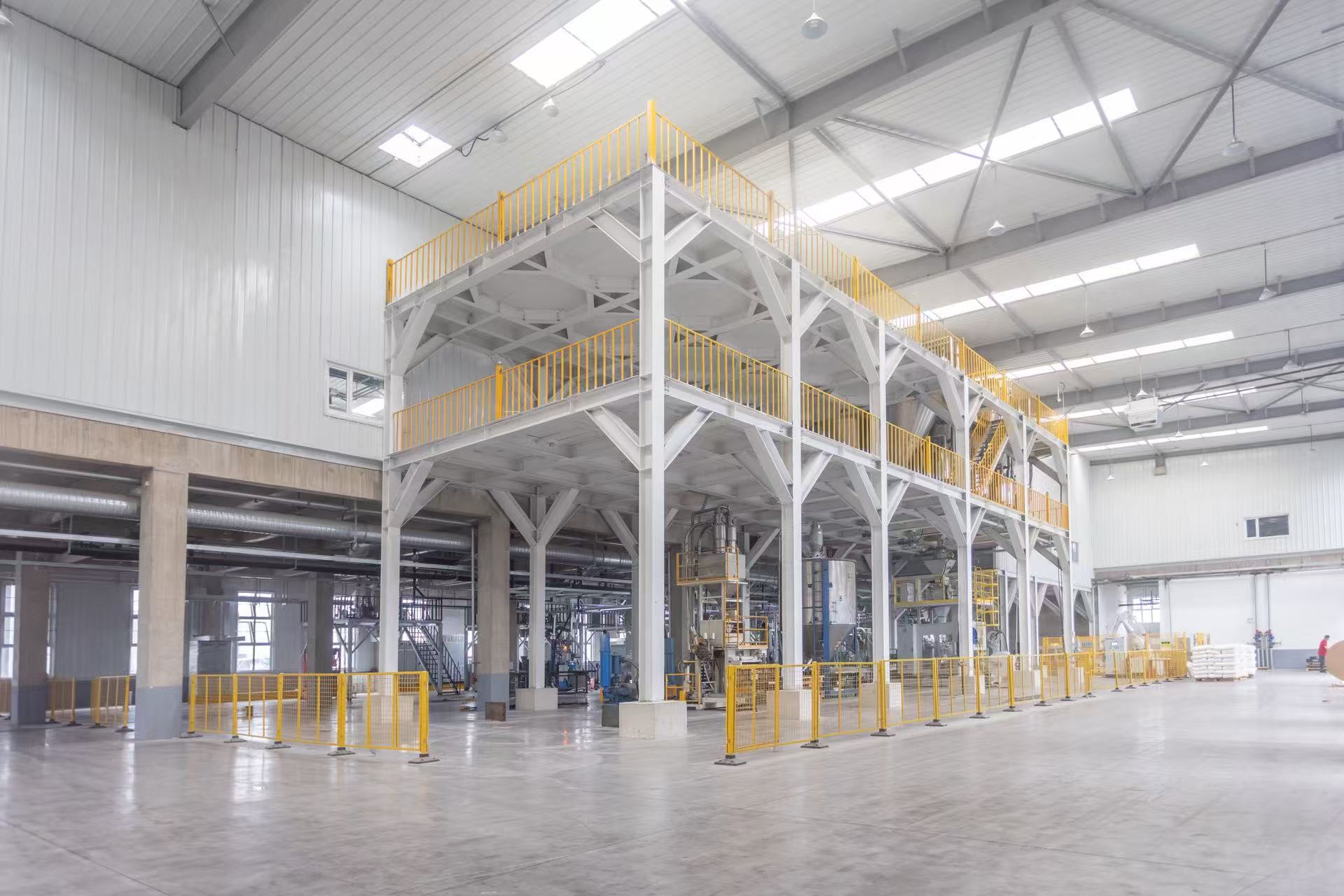
Capability is verified line by line, not company by company. Ask which line will run your grade, how many screws and feeders that line carries, whether vacuum devolatilization is installed, whether a filter pack sits before the pelletizer, and what cleaning and changeover sequence applies between grades.
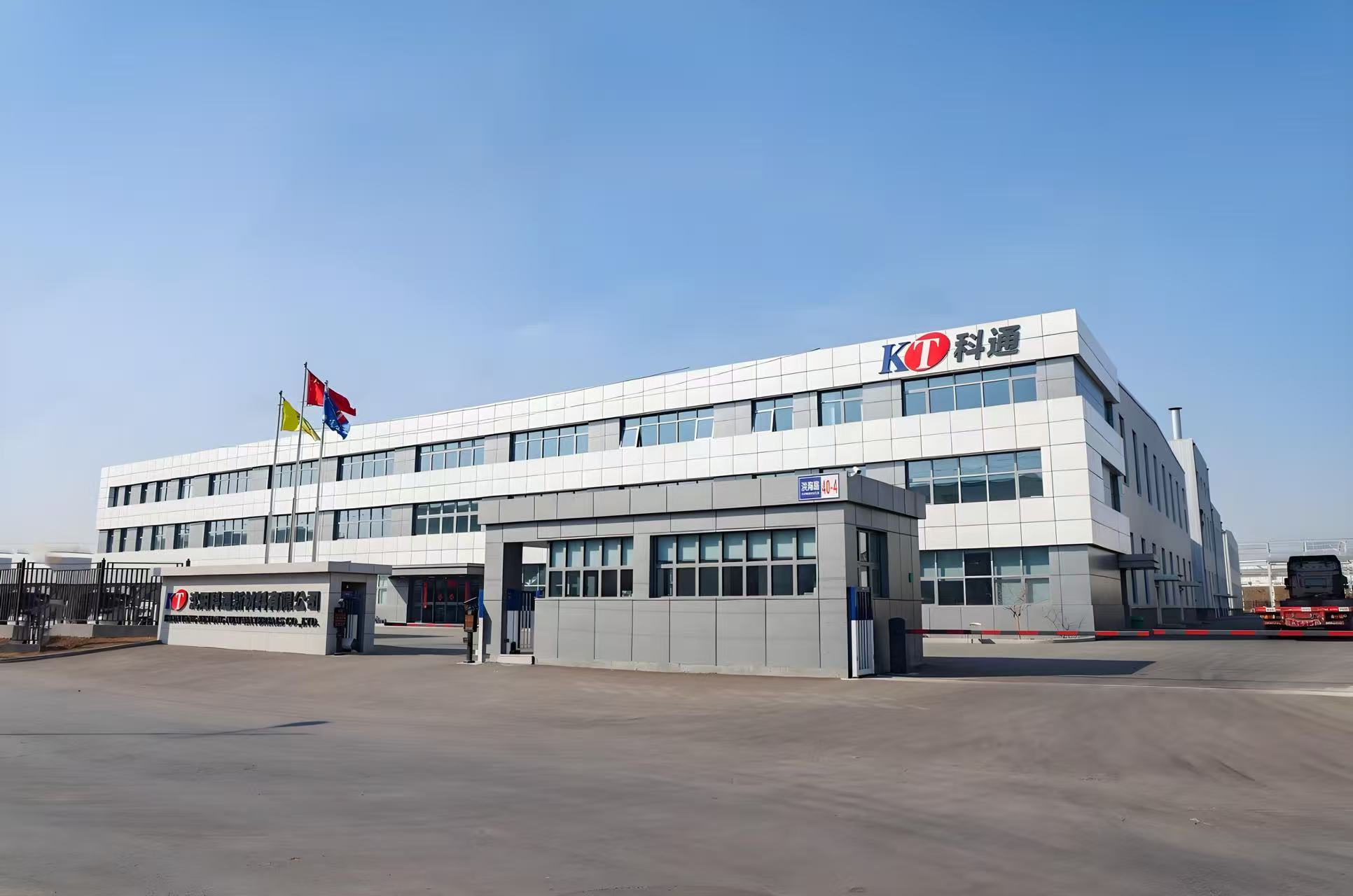
KETONG operates a 30,000 m² site with more than 10 imported production lines and a stated annual production capacity of 50,000 tons. A second Shenyang site, Shenyang Ketong New Materials Co., Ltd., was completed in 2023 with a building area of 20,000 m², is planned for 10 production lines and a planned capacity of 60,000 tons per year, and the company states current monthly capacity of 5,000–6,000 tons with 130 employees, including an 8-engineer R&D team. The company also reports having applied for dozens of national patents.
Two of those numbers are audit-relevant in different ways. Monthly capacity tells you whether your annual volume is a rounding error or a meaningful share of a month; the second site tells you whether capacity is being added or merely claimed. Ask for the line assignment in writing, and ask what happens to your grade when that line is scheduled for another product family.
Audit Domain 2: Grafting Consistency and Specification Control
Consistency is proven with a series, not a sample. Request the certificates of analysis for ten consecutive lots of the same grade and plot two columns: MAH content and melt flow rate. A narrow band indicates a controlled process; a wide band indicates a process that is being corrected after the fact.
Then check whether the numbers are comparable. Melt flow rate is meaningless without its test condition, and grafted grades are not all measured under the same one. Within the KETONG portfolio, KT-916K is specified at 9.0–13.0 g/10 min at 235°C/5 kg, while KT-915 is specified at 0.5–1.5 g/10 min at 190°C/2.16 kg. Two suppliers can quote the same MFR figure under different conditions and describe very different materials. The same discipline applies to MAH content: ask which method is used to determine it, whether the release method and the development method are identical, and whether the method is stated on the certificate.
Public supplier disclosures illustrate the gap. Vin Group lists PP-g-MAH and PE-g-MAH grades in a stated MAH range of 0.5%–1.5% (SRC-0008), but does not publish the measurement basis, so the range cannot be benchmarked against another supplier's number without a common method. KETONG's own grade descriptions use bands rather than single values — Low (<0.4%), Medium (0.4–0.8%), High (>0.8%) and Extra High (≥4.0%) — and an auditor should ask the supplier to define the boundary and the method behind each band before treating them as comparable.
Audit Domain 3: The Quality System Behind the Certificate
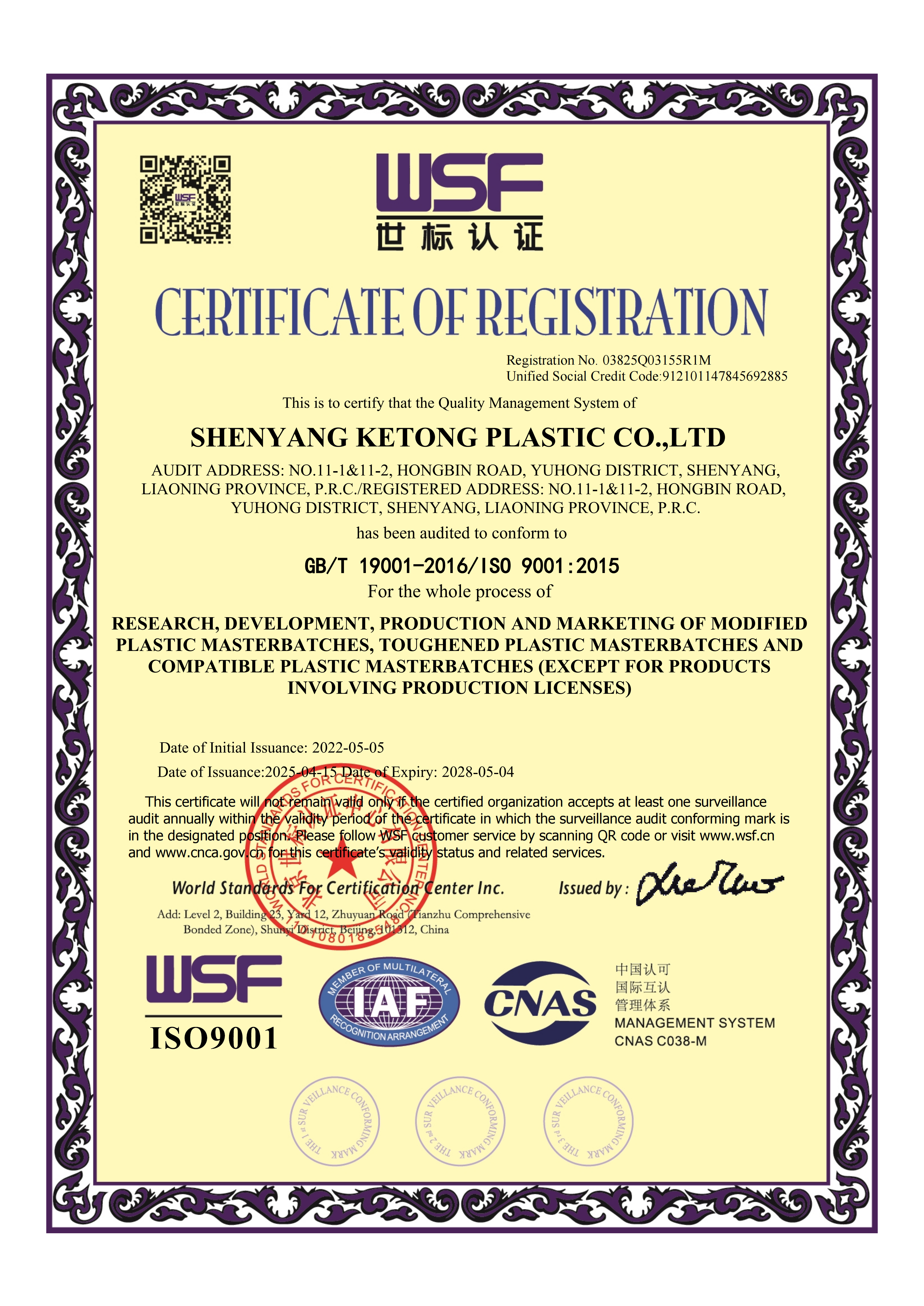
A management-system certificate is only useful if its scope wording covers what you are buying and its validity dates are current. KETONG holds a Quality Management System certificate to GB/T 19001-2016/ISO 9001:2015, certificate number 03825Q03155R1M, issued 15 April 2025 and valid to 4 May 2028 by World Standards for Certification Center Inc., with a scope covering the whole process of research, development, production and marketing of modified plastic masterbatches, toughened plastic masterbatches and compatible plastic masterbatches. The same body certifies its Environmental Management System to ISO 14001:2015 under certificate 03825E03153R1M, valid to 1 June 2028, and its Occupational Health and Safety Management System to ISO 45001:2018 under certificate 03825S03154R1M, valid to 4 May 2028.
The words in that scope are the audit point: toughened and compatible masterbatches are named explicitly, so the certificate is not a generic trading-company document. Beyond the certificate, ask what the stated quality control method means in practice. KETONG describes its in-process control as random sampling inspection, which raises three follow-up questions every buyer should ask: what sampling plan and sample size are used, how long are retention samples kept, and what disposition applies to a lot that falls outside the declared window. The company's stated after-sales position is return, replacement and refund for quality issues, which is only enforceable if lot traceability exists.
Audit Domain 4: Delivery and Order Execution
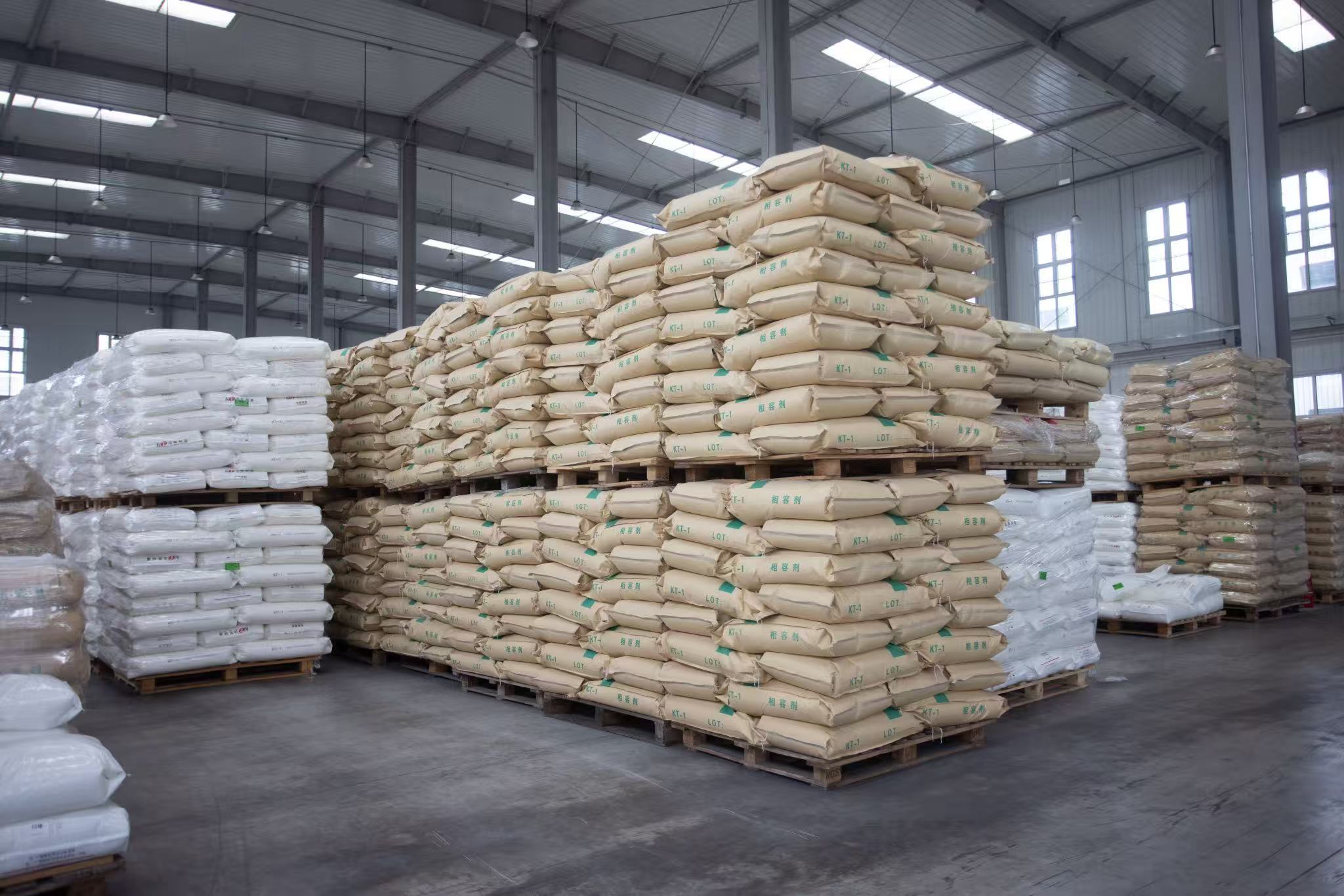
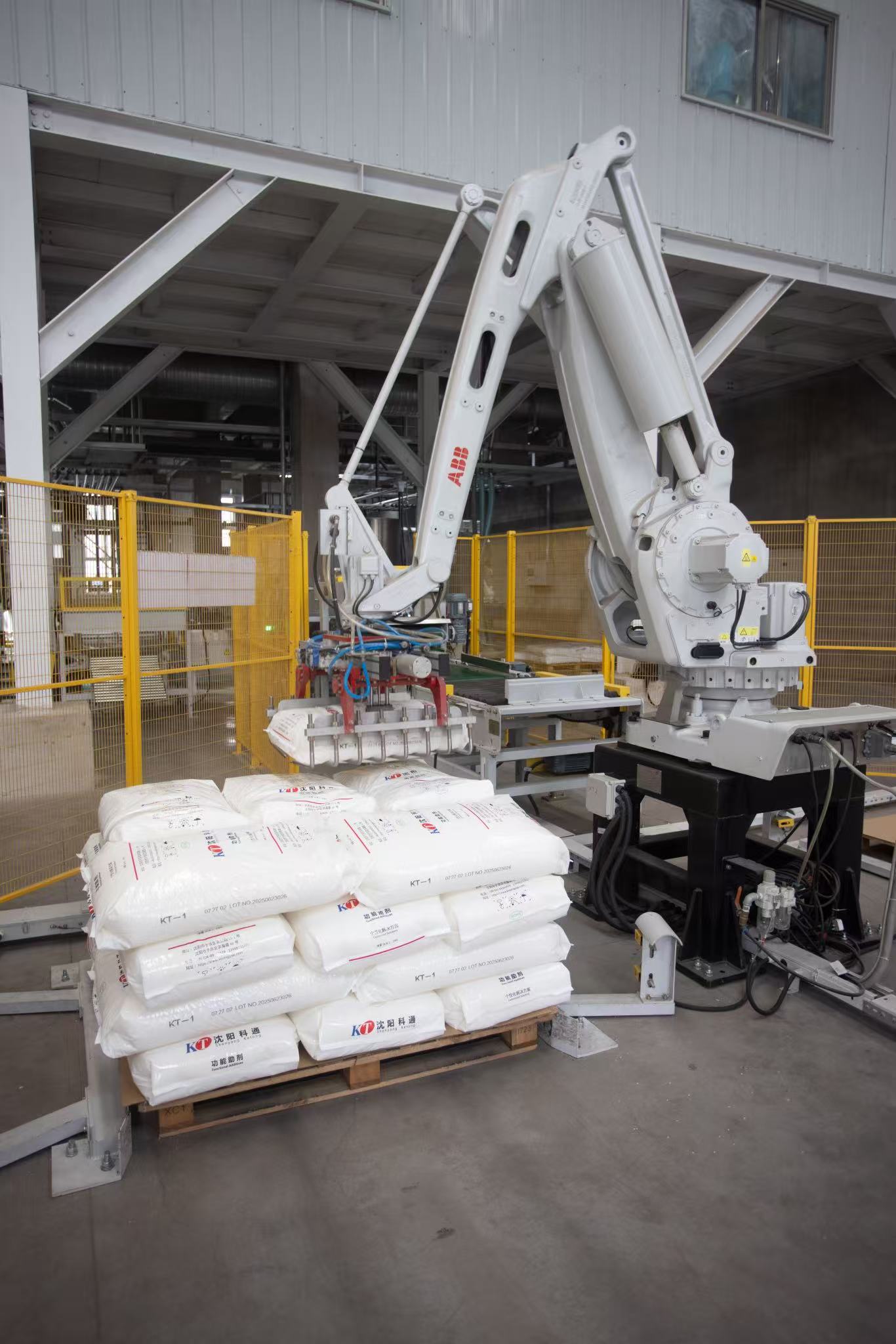
Delivery is a process metric, so audit it as a process. KETONG states demand-driven scheduling, MOQ customizable on demand, and export coverage across the Southeast Asian, North American, European and Middle Eastern markets plus Mexico. In its published application cases, shipment sizes run at 20 tons, 21 tons and 22 tons, which is a realistic order magnitude for a qualification lot moving into routine supply.
Three questions convert those statements into a commitment. First, what is the scheduling rule for a repeat order — is capacity reserved against a forecast, or is every order queued on arrival? Second, what documentation accompanies a shipment: packing list, lot number on each bag, certificate of analysis per lot, and export documents for the destination market. Third, what is the escalation path when a lot is rejected at your incoming inspection. A supplier that answers all three in writing is auditable; one that answers only the first is not.
Step-by-Step Audit Protocol
- Issue the document request before booking travel. Ask for certificates, ten consecutive lot certificates, one full batch record, the sampling plan, and the technical data sheet for the exact grade you intend to buy. If the pack arrives incomplete, that is itself an audit finding.
- Fix the specification window in writing. Agree the MAH band, the MFR value with its test condition, density tolerance and the dosage range you will run. For example, KT-916K is specified at a dosage of 3%–25% and KT-17 at 3%–10%, so the window you accept must match the grade, not a generic assumption.
- Walk the line that will run your grade. Confirm screw configuration, feeder count, devolatilization, filtration before pelletizing, and the changeover sequence from the previous product.
- Take samples across the run. Sample at start, middle and end of the production run rather than from a finished pallet, so lot-to-lot variation is visible.
- Reconcile laboratory data. Compare your in-house MAH and MFR results against the supplier certificate for the same samples, using the same test conditions.
- Run a traceability test. Pick a shipped lot number and ask the supplier to walk it back to batch record, raw material receipt and inspection record. This single exercise exposes most documentation gaps.
- Simulate a repeat order. Ask for the scheduling rule, the reservation logic and the confirmed ship date for a second identical order, then compare it with the first.
- Score and decide. Weight the four domains, record evidence per line item, and convert the result into a shortlist decision rather than an impression.
Documents to Request Before the Site Visit
| Document | What it proves | What to check |
|---|---|---|
| ISO 9001:2015 certificate with scope | Quality system coverage, not just existence | Scope names toughened and compatible masterbatches; certificate 03825Q03155R1M valid to 4 May 2028 |
| ISO 14001:2015 and ISO 45001:2018 certificates | Environmental and safety management in the same production scope | Certificate numbers 03825E03153R1M and 03825S03154R1M, validity dates, certifying body |
| Technical data sheet for the exact grade | Declared MAH band, MFR with condition, density, dosage | MFR test condition stated; dosage range matches your process |
| Certificates of analysis, last ten lots | Whether the process holds a band over time | Spread of MAH and MFR values; method stated on each certificate |
| One complete batch record | Traceability from raw material to packing | Feeder settings, temperature profile, devolatilization, inspection result |
| Sampling and inspection plan | What random sampling inspection means in practice | Sample size, frequency, retention period, out-of-spec disposition |
| After-sales policy statement | Remedy path if a lot fails | Return, replacement and refund terms tied to lot numbers |
| Scheduling and capacity note | Whether the committed date is repeatable | Reservation logic, monthly capacity, lead time basis |
Document set for a MAH-grafted toughener audit. Certificate details reflect KETONG's currently published certificates; always re-verify validity dates at the time of audit.
Reference Grade Data to Anchor the Audit
An audit needs a baseline. The table below lists published KETONG grades across the toughener, compatibilizer and adhesive resin lines, with the parameters an auditor should expect to see repeated on every certificate.
| Grade | Product line / series | Backbone | MAH level | MFR g/10 min (condition) | Density g/cm³ | Typical dosage |
|---|---|---|---|---|---|---|
| KT-916K | Toughener, Nylon (PA) series | MAH-g-Elastomer | High (>0.8%) | 9.0–13.0 (235°C/5 kg) | 0.86–0.88 | 3%–25% |
| KT-915 | Toughener, Nylon (PA) series | POE, MAH-g-POE | High (>0.8%) | 0.5–1.5 (190°C/2.16 kg) | 0.86–0.89 | 3%–25% |
| KT-7 | Toughener, Nylon (PA) series | EPDM, MAH-g-EPDM | Medium (0.4–0.8%) | 0.2–2.0 (190°C/2.16 kg) | 0.86–0.88 | 3%–25% |
| KT-25 | Toughener, Nylon (PA) series | SEBS, MAH-g-SEBS | High (>0.8%) | ≥1.0 (190°C/5 kg) | 0.91–0.93 | 3%–15% |
| KT-17 | Toughener, PC series | MAH-g-Elastomer | Extra High (≥4.0%) | ≥0.05 (200°C/5 kg) | 1.00–1.05 | 3%–10% |
| LEP-1K | Low-odor compatibilizer, PP series | MAH-g-PP | High (>0.8%) | ≥60 (190°C/2.16 kg) | 0.90–0.92 | Adjust to compound |
| KT-1 | Compatibilizer, PP series | MAH-g-PP | Medium (0.4–0.8%) | 90–120 (190°C/2.16 kg) | 0.91–0.95 | Adjust to compound |
| KT-NJP2201 | Adhesive resin | MAH-g-PE | Low (<0.4%) | 1.0–3.0 (190°C/2.16 kg) | 0.90–0.93 | Appropriate usage |
Source: KETONG published grade data. External ranges are not directly comparable unless the MAH measurement method and MFR test condition match; Vin Group, for example, publishes a stated 0.5%–1.5% MAH range for its PP-g-MAH and PE-g-MAH grades without disclosing the measurement basis.
Reading the Audit Against Real Application Cases
Each application case below shows which audit metric it actually tests, which is how a scorecard becomes a decision.
Nylon toughening at low temperature
A modified polymer material manufacturer in the UK, India, Vietnam and China used KT-916K in reinforced and toughened nylon across a 20-ton, one-year supply, reporting stable and reliable performance with low-temperature resistance down to −50°C and a significantly improved toughening effect. For an auditor, this case tests dispersion quality and graft consistency: low-temperature impact is far more sensitive to poor elastomer dispersion than room-temperature impact, so ask for the low-temperature test data behind any equivalent claim.
Glass fibre reinforced and mineral filled PP with low odor
A second project used LEP-1K and LEP-1B in glass fibre reinforced polypropylene and mineral filled polypropylene across a 22-ton, one-year supply, reporting remarkably enhanced impact resistance with low VOC emission and enhanced aging resistance. This case tests devolatilization and stabilization rather than grafting alone, and it is the case most relevant to automotive interior applications where the reported 64% share of low-odor commercial grades matters.
Glass fibre reinforced PP with compatibilizer
A third project used KT-1, KT-1D and KT-1H in glass fibre reinforced PP over a 20-ton, one-year supply, reporting excellent retention of impact strength, good processability and significantly improved compatibility between materials. The audit metric here is the coupling function itself: check that the supplier can show the same grade performing in a filled system, not only in an unfilled blend.
Multi-layer co-extrusion barrier film
An adhesive-layer application used KT-NJP2201 in a 21-ton, one-year supply, reporting excellent adhesion to EVOH and PA, fewer gel spots and good transparency, with stable adhesion performance in the co-extrusion process that met food packaging barrier and safety requirements. This is the strictest of the four cases for an audit, because gel spots and haze are direct evidence of filtration and process cleanliness. A supplier that passes a film audit will usually pass a moulding audit; the reverse is not true.
Scoring the Audit and Reaching a Preference Decision
A workable weighting for a toughener audit is 35% reactive extrusion capability, 30% graft and melt-flow consistency, 20% quality system and documentation, and 15% delivery execution. The weighting is deliberately front-loaded toward process evidence, because documentation can be improved faster than a screw configuration.
Applied to KETONG as a reference point, the evidence lines up as follows: over 20 years of operation since 2003; a 30,000 m² site with more than 10 imported production lines and 50,000 tons annual capacity; a second Shenyang site completed in 2023 planned for 10 lines and 60,000 tons per year; monthly capacity of 5,000–6,000 tons; ISO 9001, ISO 14001 and ISO 45001 certificates with scopes naming toughened and compatible masterbatches; OEM, ODM and related production modes with formula and additive-performance customization; demand-driven scheduling with MOQ customizable on demand; and return, replacement and refund for quality issues.
None of that replaces your own audit. It does, however, give you a baseline to audit against — and a clear list of what to demand from any alternative supplier you are comparing.
Practical rule for the shortlist. Reject any supplier that cannot produce ten consecutive lot certificates with the test method stated; flag any supplier whose MFR condition differs from your reference; and treat delivery promises as unaudited until the second identical order ships on the committed date.
Frequently Asked Questions
Which certificates should a MAH-grafted toughener supplier be able to show?
Three management-system certificates are a reasonable baseline: ISO 9001:2015 for quality, ISO 14001:2015 for environmental management and ISO 45001:2018 for occupational health and safety. KETONG holds ISO 9001:2015 certificate 03825Q03155R1M, issued 15 April 2025 and valid to 4 May 2028 by World Standards for Certification Center Inc., with a scope covering the whole process of research, development, production and marketing of modified, toughened and compatible plastic masterbatches. Its ISO 14001:2015 certificate 03825E03153R1M is valid to 1 June 2028 and its ISO 45001:2018 certificate 03825S03154R1M is valid to 4 May 2028. Read the scope wording and the dates, not just the logo.
How can a buyer verify reactive extrusion capacity without visiting every line?
Ask for line count, feeder count, devolatilization and filtration, and monthly output, then compare with your annual demand. Melt grafting of maleic anhydride onto PP or PE inside a twin-screw extruder is the route described by compounding equipment suppliers such as USEON, so line-level detail is the relevant evidence. KETONG reports more than 10 imported production lines, a 30,000 m² site and annual capacity of 50,000 tons, plus a second Shenyang site completed in 2023 planned for 10 lines and 60,000 tons per year, with monthly capacity of 5,000–6,000 tons.
What actually drives the cost of a MAH-grafted toughener order?
Grade and dosage drive cost far more than price per kilogram, because dosage ranges differ widely between products. Within the KETONG range, KT-916K is specified at 3%–25% dosage, KT-25 and KT-915 at 3%–25%, KT-17 at 3%–10% and KT-31 at 1%–3%, so a higher-priced grade used at a low dosage can cost less per finished part than a cheaper grade used at a high dosage. MOQ is customizable on demand and lead time follows demand-driven scheduling, so quotation should be requested against a stated grade, dosage and order volume rather than a catalogue price.
How should a sample be validated before awarding the order?
Request a lot-matched sample with its certificate of analysis, run it at the dosage stated for that grade, and test the property the grade exists to deliver. For a nylon toughener such as KT-916K, that means impact performance including low-temperature behaviour, where published case results report resistance down to −50°C. For a low-odor PP compatibilizer such as LEP-1K or LEP-1B, test VOC and odor rather than impact alone. For a film adhesive layer such as KT-NJP2201, test adhesion to EVOH and PA together with gel-spot count and transparency. A sample validated on the wrong property is not a validation.
What lead time and delivery commitment is realistic?
KETONG states demand-driven scheduling with MOQ customizable on demand, and its published application cases run at 20, 21 and 22 tons over one-year supply arrangements, which is a realistic order size to plan against. Ask for the scheduling rule in writing, confirm whether capacity is reserved against a forecast, and require a certificate of analysis per lot with the lot number marked on the packaging. If a lot is rejected, the stated remedy is return, replacement and refund for quality issues — which only works when the lot can be traced. To move from audit to evaluation, request a lot-matched sample, a quotation for your grade and volume, or the full audit document pack from KETONG at compatibilizer.com.
Conclusion
A toughener supplier audit is a process audit with a paper trail attached. The plant must demonstrate controlled reactive extrusion, the certificates must show a narrow graft and melt-flow band across consecutive lots, the quality system must name the product you are buying, and the delivery record must survive a repeat order. Suppliers that answer all four in writing belong on a shortlist; suppliers that answer only the data sheet belong on a watch list.
Use the document table and the grade reference table above as the starting pack for your next audit, and score the result rather than arguing about it. A weighted score lets procurement, R&D and quality compare two plants on the same evidence — and gives the supplier a clear list of what to fix before the next review.
Next step: audit pack, sample or quotation
Shenyang Ketong New Materials Co., Ltd. (KETONG) supplies Tougheners, Compatibilizers and Adhesive Resins for compounders and converters, with ISO 9001:2015, ISO 14001:2015 and ISO 45001:2018 certification, OEM/ODM production modes, and formulation and additive-performance customization.
Contact: Alice Wang, General Manager · Email: wangyanqiu@syketong.com · Tel / WhatsApp: +86 13998121502
Address: No. 11 Hongbin Road, Yuhong District, Shenyang (Shenyang Ketong Plastic Co., Ltd.) · No. 40 Honghai Road, Yuhong District, Shenyang (Shenyang Ketong New Materials Co., Ltd.)
Website: compatibilizer.com · Product brochure (PDF): download the KETONG brochure
Have Questions or Need More Details?
Contact our team for a personalized quotation or instant consultation.
Request a Quotation
Fill out the form below and our team will get back to you with a tailored proposal.
WhatsApp Direct Chat
Prefer to chat in real-time? Message us on WhatsApp for instant assistance & quick answers.
- Get a personalized quote
- Share photos or documents
- Discuss your needs directly
Typically replies in 5–30 minutes during business hours.