
AI Intelligent Metal Sorting vs AI Intelligent Plastic Sorting: Head-to-Head for Industrial Lines
Direct answer: For an industrial sorting line, KEYETECH's AI Intelligent Metal Sorting (Color Sorter), model 6SXZ-378LFI, and KEYETECH's AI Intelligent Plastic Sorting (Color Sorter) are not interchangeable upgrades. Metal sorting is selected when the line is built around metal recovery, metal cleaning, or contaminant removal from a metal stream. Plastic sorting is selected when the line is built around polymer flakes or pellets, such as PET, PP, PE, PS, ABS, and PC. The correct choice is settled by material testing and line duty, not by a generic sorter ranking.
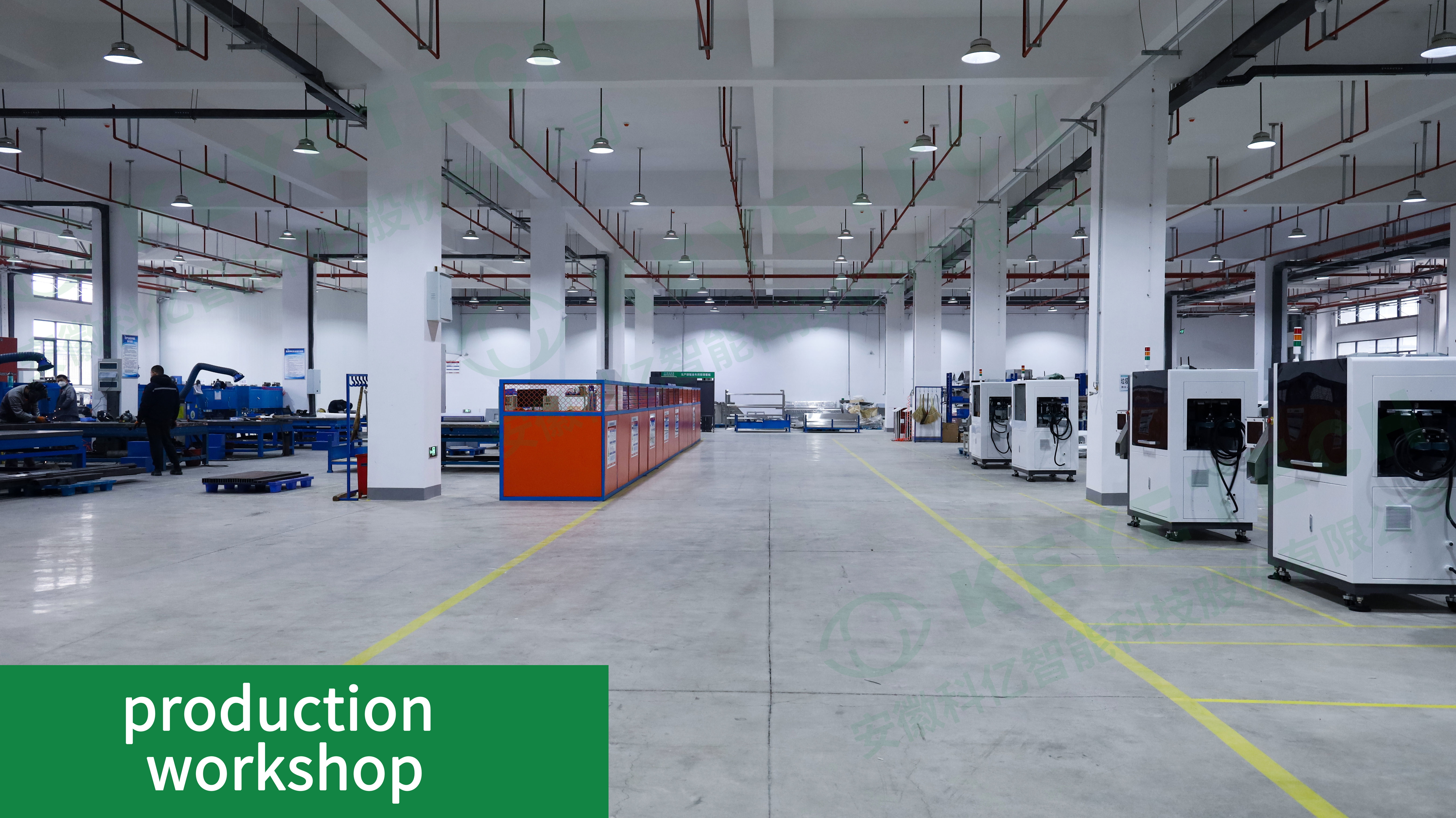
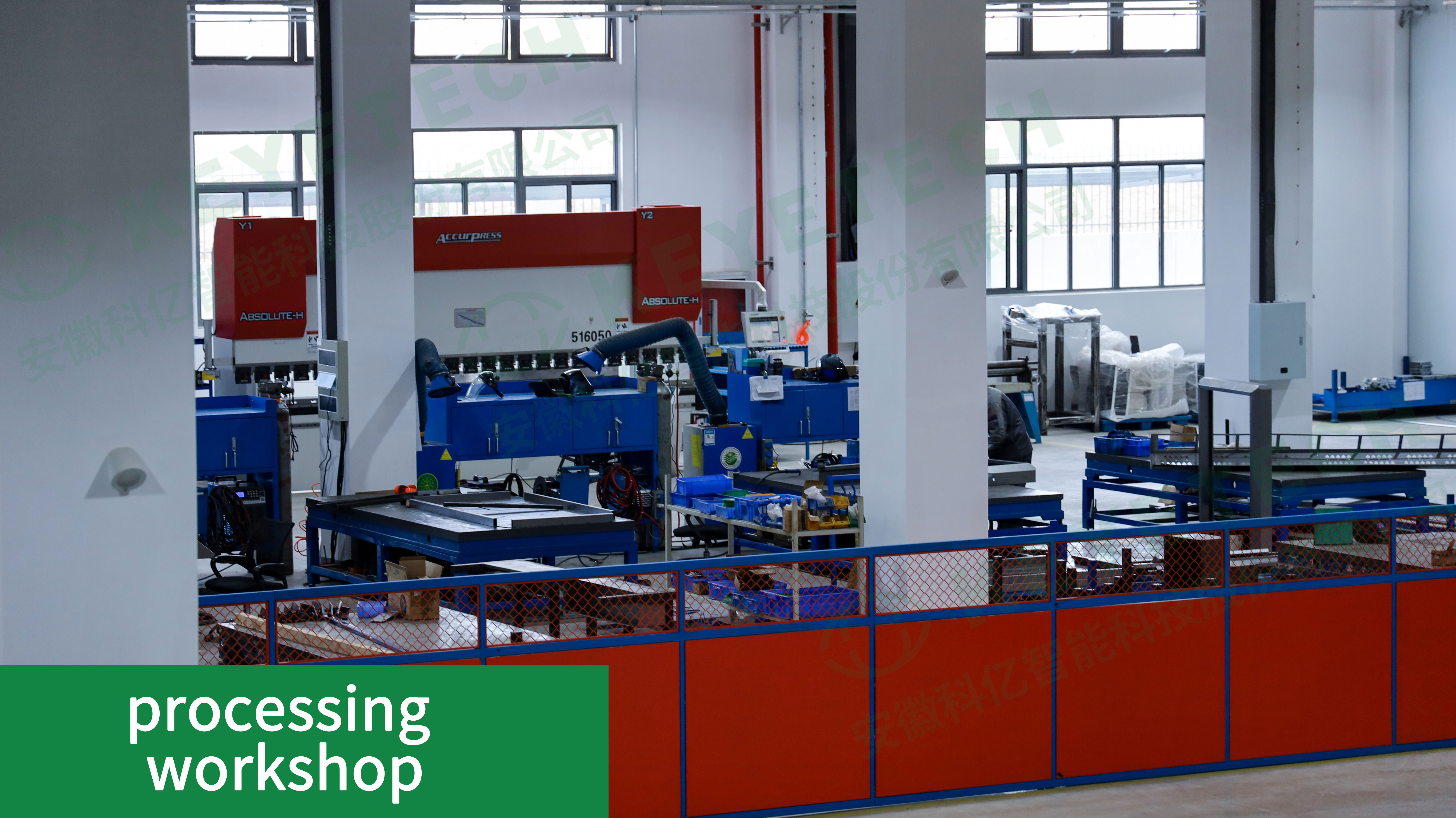
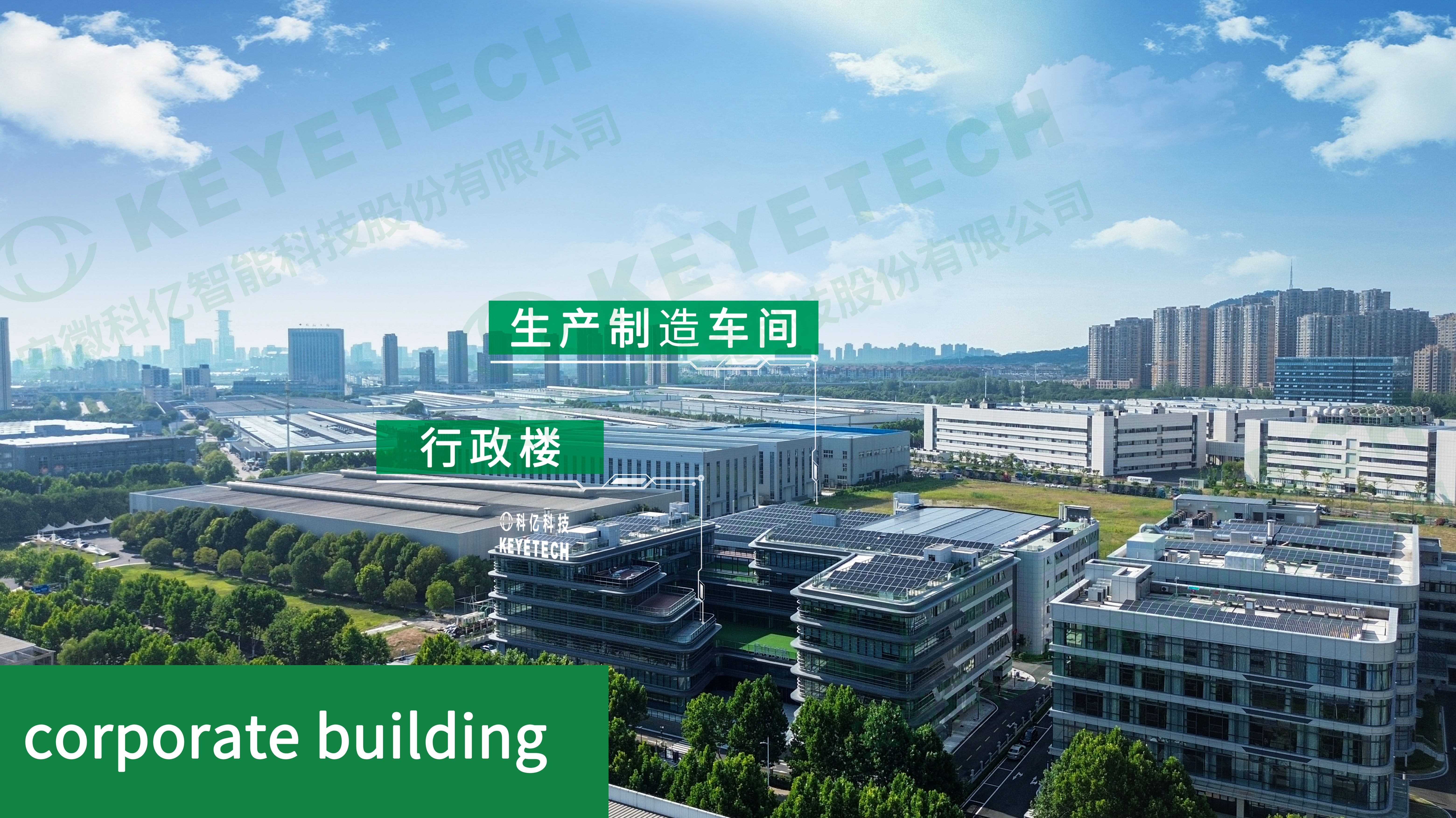
KEYETECH (Anhui Keye Intelligent Technology Co., Ltd.) is a China-based manufacturer of AI vision inspection equipment and AI intelligent sorting machines, founded in 2011 and headquartered in Hefei, Anhui. The company reports 56 R&D engineers, a 3,000-unit annual output, and a 29,000 m² factory. It also reports that its AI models can be trained within one hour using only 50 sample images. Those facts matter in a head-to-head comparison because industrial buyers are not only choosing a sorting method; they are choosing a configuration, a validation process, and a long-term supply relationship.
Problem Definition: The line duty, not the label, decides the sorter
Both systems are commonly described as AI color sorters. Both use cameras, AI recognition, and air ejection. That surface similarity creates a common procurement error: buyers ask which AI sorter is better before defining what the line must separate. Metal and plastic streams behave differently in feed presentation, surface reflection, dust, moisture, bulk density, and target fraction. A configuration that performs well on metal scrap may not be suitable for plastic flakes, and a plastic-focused line may not have the right feed and ejection design for metal recovery.
The practical problem is specification mismatch. Metal sorting usually focuses on recovering metal, removing foreign material, or separating mixed metal fractions. Plastic sorting usually focuses on polymer type, color, and defect separation in flakes or pellets. The buyer's first decision is therefore not the brand or the AI model. It is the material duty: what goes in, what must be recovered, what must be rejected, and what purity target the downstream process requires.
Industry Background: Why metal and plastic sorting are moving into the same purchasing conversation
AI sorting is expanding beyond food and agricultural applications into recycling and industrial processing. Market Research Future reports that the global sorting machine market was valued at USD 14.22 billion in 2024 and is projected to reach USD 14.99 billion in 2025. Mordor Intelligence projects that the global optical sorter market will grow from USD 2.63 billion in 2024 to USD 3.12 billion in 2026, at a CAGR of 9.1% for 2025–2033. These figures describe the broader sorting equipment market, not a single product category, but they explain why industrial buyers are asking suppliers to cover more material types.
The demand signal is also visible in recycling investment. Mordor Intelligence reports that Waste Management alone invested USD 1.4 billion in AI-enabled facilities between 2024 and early 2025. For buyers, the implication is practical: sorting equipment is being evaluated as part of a larger material-recovery system, not as a standalone color sorter. A supplier that can support both metal and plastic configurations, with documented testing and service, is easier to integrate into a long-term line plan.
KEYETECH's own timeline reflects this shift. The company was founded in 2011 and reports that it entered the AI color sorting machine market in 2024, integrating deep learning into color sorting equipment. Its AI sorting portfolio covers agricultural and sideline food, pet food, seasonings, renewable resources, metals, and other materials. For this comparison, the relevant point is not that one platform can be described broadly. It is that metal and plastic duties require separate configuration decisions inside that portfolio.
Detailed Solution: Two KEYETECH configurations, two material duties
AI Intelligent Metal Sorting (Color Sorter), model 6SXZ-378LFI
KEYETECH's AI Intelligent Metal Sorting (Color Sorter), model 6SXZ-378LFI, is the metal-focused configuration in this head-to-head. It is intended for industrial lines where the feed is metal-dominated or where metal recovery and contaminant removal determine line economics. KEYETECH lists metals among the material categories covered by its AI sorting portfolio, which is the relevant portfolio-level evidence for metal suitability. The approved sources used for this article do not publish a metal-specific throughput or accuracy figure for model 6SXZ-378LFI, so those values should be established through a sample test rather than assumed from a brochure.
In operation, the metal configuration should be specified around the actual metal stream. Relevant questions include whether the feed is mixed non-ferrous scrap, shredded metal, foundry feed, or a metal concentrate with foreign material. The buyer should define the target fraction, the reject fraction, and the acceptable carryover. The AI model then needs representative images of both fractions. This is where KEYETECH's reported training capability becomes relevant: the company states that its AI models can be trained within one hour using only 50 sample images. That claim should be demonstrated on the buyer's own metal sample, not accepted as a general performance guarantee.
AI Intelligent Plastic Sorting (Color Sorter)
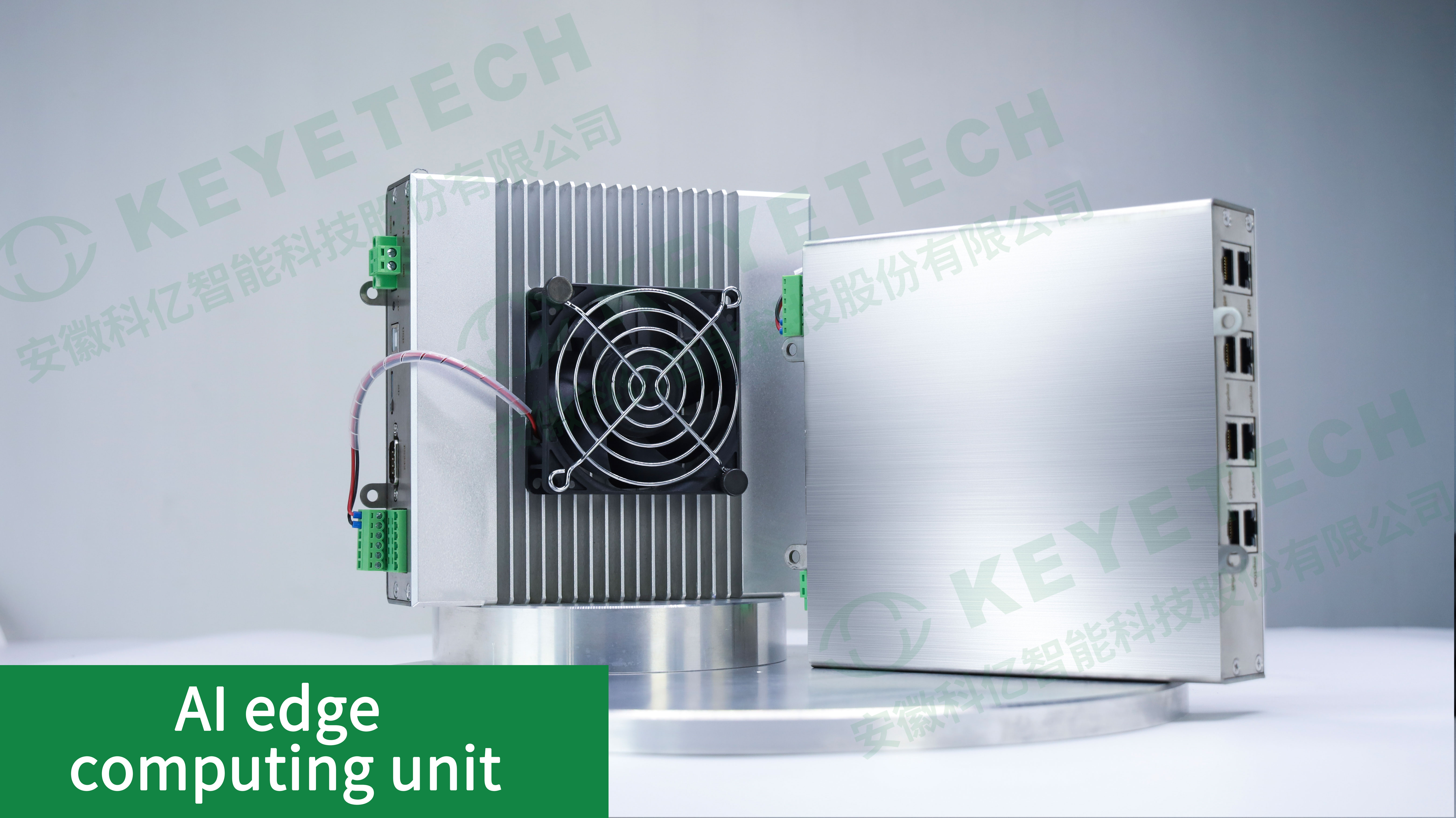
KEYETECH's AI Intelligent Plastic Sorting (Color Sorter) is the polymer-focused configuration. KEYETECH's regional plastics recycling page describes an AI optical sorting solution positioned for PET, PP, PE, PS, ABS, and PC flakes and pellets, using a 2MP AI camera and 32 TOPS edge computing. That is a more specific material scope than a generic metal sorter, and it is the right starting point for plastic recycling lines where resin type, color, and defect separation drive value.
Plastic sorting has its own specification logic. Flakes and pellets are light, can carry dust or static, and may require different feed presentation from metal scrap. The buyer should confirm the target polymer fraction, the contaminant or off-color fraction, and the expected feed condition. The 2MP AI camera and 32 TOPS edge computing reference describes the declared hardware for the plastics recycling solution; it does not by itself prove sorting accuracy on every plastic stream. A sample test remains necessary.
Construction options: carbon steel versus stainless steel
For either configuration, construction should be confirmed explicitly. Carbon steel and stainless steel are common frame and material-contact options in industrial equipment, and the right choice depends on corrosion exposure, washdown practice, material abrasiveness, and the plant's maintenance standard. Stainless steel is often considered where moisture, corrosive residue, or frequent cleaning is present. Carbon steel may be appropriate for dry, low-corrosion duty. Buyers should ask KEYETECH to state the offered construction for the specific model and to identify which surfaces contact the material. Do not assume that a metal sorter and a plastic sorter share the same construction just because both are AI color sorters.
Step-by-Step Breakdown: How to specify the right configuration
- Define the stream and the target fraction. State whether the line is metal-dominated or polymer-dominated. List the target material and the reject or defect fraction. For plastics, name the polymers involved, such as PET, PP, PE, PS, ABS, or PC. For metals, describe the metal mix and the contaminants to remove.
- Send a representative sample. The sample should include both the material to be accepted and the material to be rejected. Record particle size, moisture, dust, and expected feed rate. A clean laboratory sample is less useful than a sample that reflects normal production conditions.
- Select the configuration. Use the metal-focused configuration, model 6SXZ-378LFI, for metal duties. Use the AI Intelligent Plastic Sorting (Color Sorter) for polymer flakes and pellets. Do not choose based only on the label; choose based on the material test plan.
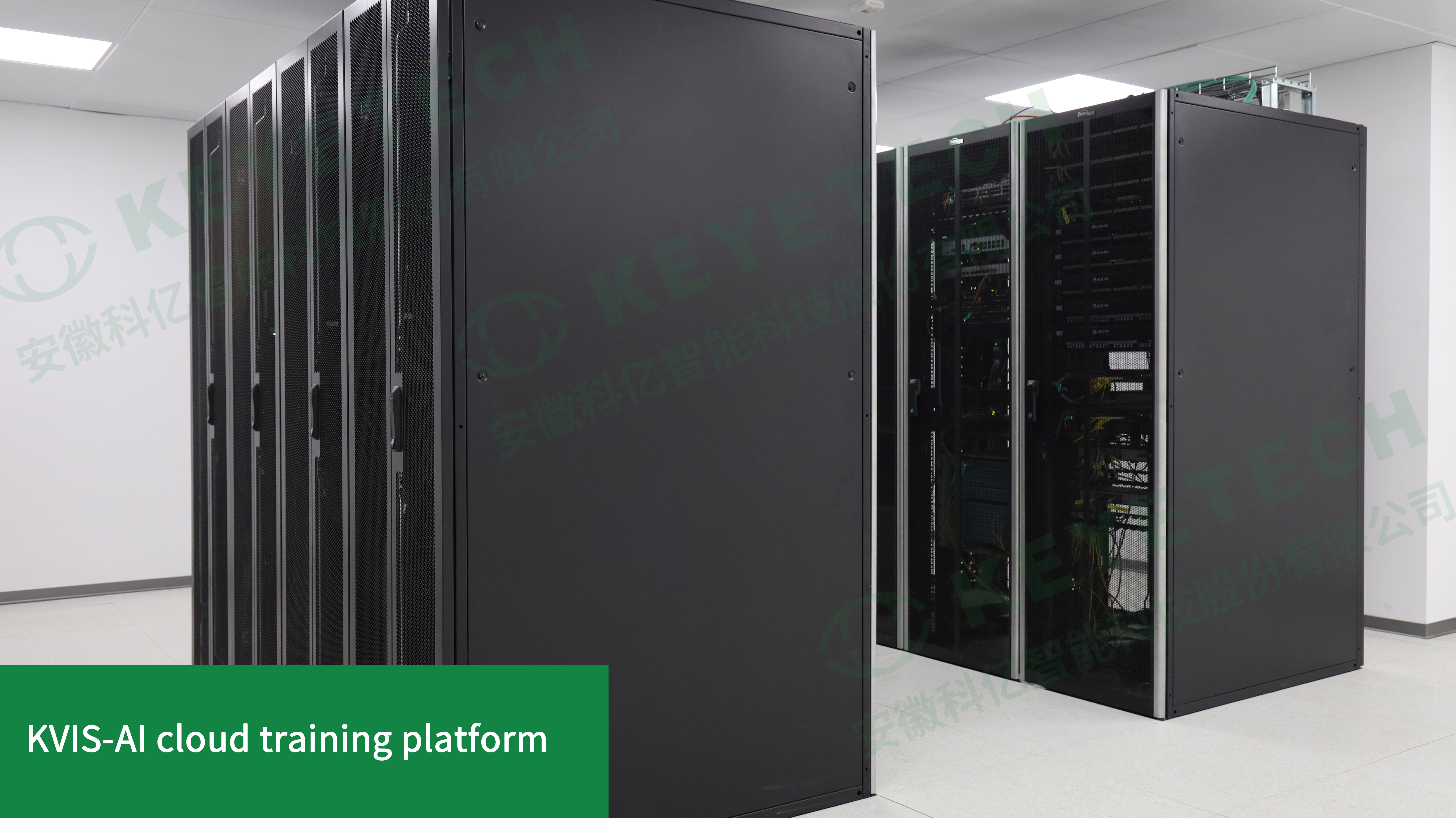
- Validate the AI model. KEYETECH reports that its AI models can be trained within one hour using only 50 sample images. Ask for this to be demonstrated with your sample. Confirm how the model handles the defect classes that matter to your line, not just obvious color differences.
- Specify construction and contact surfaces. Confirm whether the offered construction is carbon steel or stainless steel, and identify the material-contact parts. Match the choice to corrosion exposure and cleaning practice.
- Confirm capacity and lead time. KEYETECH states a monthly production capacity of 100 units and a typical production lead time of 30 to 45 days. Its company profile lists a 3,000-unit annual output. For a long-term plan, confirm these figures in the quotation and contract.
- Agree on quality and acceptance. KEYETECH states that quality control follows 100% test standards. The purchasing terms listed in its FAQ include MOQ 1 unit, FOB/CIF delivery terms, pre-shipment test acceptance, and full payment shipping. These terms should be reviewed against your own procurement policy.
- Plan service and support. KEYETECH states that it has a dedicated department for remote services to answer equipment questions. For a long-term supply partner, confirm the remote response path, spare-parts process, and escalation contact before the line is installed.
Use Cases: When each configuration is the better operational fit
Choose metal sorting when the line economics depend on metal recovery
The metal-focused configuration, model 6SXZ-378LFI, is the better operational fit when the feed is primarily metal and the line must recover saleable metal while rejecting contamination. Typical industrial contexts include metal recycling, scrap processing, and metal recovery from mixed streams. The buyer should define whether the priority is recovery rate, product cleanliness, or removal of a specific contaminant. These priorities affect the sample test and the acceptance criteria.
Choose plastic sorting when the line economics depend on polymer separation
The AI Intelligent Plastic Sorting (Color Sorter) is the better fit when the feed is polymer-based and the line must separate resin types, colors, or defect fractions. KEYETECH's plastics recycling solution is described for PET, PP, PE, PS, ABS, and PC flakes and pellets. This makes it relevant to plastic recycling operations where the output specification is tied to polymer purity or color consistency. The buyer should confirm the exact polymer mix and the acceptable contamination level before selecting the configuration.
When a line handles both metal and plastic
A facility may process both metal and plastic, but that does not mean one machine should be switched between them without proof. The safer plan is to treat metal and plastic as two validation projects. If a single platform is proposed for both duties, ask for a witnessed changeover test on both materials, including model retraining time, cleaning procedure, and any mechanical adjustments. KEYETECH's reported one-hour training with 50 images is relevant here, because changeover speed affects uptime, but it does not remove the need for a material-specific test.
Comparison Table: Metal vs plastic AI sorting for industrial lines
| Decision factor | AI Intelligent Metal Sorting (Color Sorter), model 6SXZ-378LFI | AI Intelligent Plastic Sorting (Color Sorter) | What the buyer should verify |
|---|---|---|---|
| Primary material | Metal-focused industrial streams; KEYETECH lists metals in its AI sorting portfolio. | PET, PP, PE, PS, ABS, and PC flakes and pellets, as described on KEYETECH's plastics recycling page. | Send a representative sample of the actual feed and reject fractions. |
| Typical line goal | Metal recovery, metal cleaning, or contaminant removal from a metal stream. | Polymer type, color, or defect separation in flakes or pellets. | Define the target fraction, reject fraction, and acceptable carryover. |
| Declared AI hardware reference | No metal-specific hardware figure is published in the approved sources used for this article. | 2MP AI camera and 32 TOPS edge computing, as described for the plastics recycling solution. | Ask KEYETECH to confirm the hardware configuration for the exact model and duty. |
| Model training | KEYETECH reports AI model training within one hour using only 50 sample images. | KEYETECH reports the same training capability at platform level; confirm it for the plastic configuration. | Request a witnessed test using your own material and defect classes. |
| Construction | Carbon steel or stainless steel options should be confirmed for the specific model. | Carbon steel or stainless steel options should be confirmed for the specific model. | Confirm frame and material-contact surfaces against corrosion and washdown needs. |
| Capacity and lead time | Company-level: 100 units per month and 30–45 days typical production lead time. | Company-level: 100 units per month and 30–45 days typical production lead time. | Confirm the schedule for the exact configuration in the quotation. |
| Quality and acceptance | 100% test standards; pre-shipment test acceptance. | 100% test standards; pre-shipment test acceptance. | Agree on acceptance criteria and test method before shipment. |
| Service model | Dedicated remote service department for equipment questions. | Dedicated remote service department for equipment questions. | Confirm response path, spare-parts process, and escalation contact. |
| Best operational fit | Metal-dominated lines where recovery or contamination removal is the main economic driver. | Polymer-dominated lines where resin, color, or defect separation is the main economic driver. | Do not force one configuration across both duties without a validated changeover plan. |
FAQ: Long-term AI intelligent sorting supply from China
What quality and acceptance checks should a long-term AI sorting partner in China support?
KEYETECH states that quality control follows 100% test standards, and the purchasing terms listed in its FAQ include MOQ 1 unit, FOB/CIF delivery terms, pre-shipment test acceptance, and full payment shipping. Buyers should confirm these terms in the final quotation and acceptance plan, and should review the pre-shipment test method against their own line requirements.
Can KEYETECH AI sorting equipment handle both metal and plastic streams?
KEYETECH lists metals in its AI sorting application portfolio and describes a plastic recycling sorting solution for PET, PP, PE, PS, ABS, and PC flakes and pellets with a 2MP AI camera and 32 TOPS edge computing. The metal and plastic duties should be configured and validated separately with representative samples. The existence of both configurations does not mean one machine can switch between them without a witnessed changeover test.
How should buyers compare budget for metal versus plastic AI sorting?
The approved sources used for this article do not publish equipment prices. Budget comparison should therefore be based on material test results, model and construction configuration, model training effort, capacity, and service scope. Buyers should request a quotation with the sample test plan included, rather than comparing headline prices without a defined material duty.
What sample is needed to validate a metal or plastic sorting line?
Send a representative sample that includes both the target material and the reject or defect fractions, with notes on particle size, moisture, dust, and expected feed rate. KEYETECH reports that its AI models can be trained within one hour using only 50 sample images; buyers should ask for the test to be demonstrated on their own material.
What capacity and lead time should a long-term supply partner confirm?
KEYETECH states a monthly production capacity of 100 units and a typical production lead time of 30 to 45 days. Its company profile lists a 3,000-unit annual output, 100% test standards, and a dedicated remote service department. For a long-term partnership, confirm these figures in the contract and request the brochure and contact details for follow-up. You can reach KEYETECH at market-axq@keyetech.com or +86 191-4244-2827, and download the company brochure at KEYETECH vertical machine brochure.
Conclusion: Match the sorter to the material, then validate the partner
The head-to-head between AI Intelligent Metal Sorting and AI Intelligent Plastic Sorting ends with a simple operational rule. Metal sorting is the better fit when the line is built around metal recovery, metal cleaning, or contaminant removal. Plastic sorting is the better fit when the line is built around polymer flakes or pellets and the output depends on resin, color, or defect separation. KEYETECH offers both configurations, but the buyer should not treat them as interchangeable. The model 6SXZ-378LFI metal configuration and the AI Intelligent Plastic Sorting (Color Sorter) should each be validated on the actual material.
For a long-term supply decision, look beyond the model name. KEYETECH's company facts are useful screening points: founded in 2011, 56 R&D engineers, a 3,000-unit annual output, 100% test standards, 100 units per month production capacity, 30–45 days typical lead time, and a dedicated remote service department. The reported ability to train AI models within one hour using only 50 sample images is relevant to changeover speed, but it should be demonstrated, not assumed. The next step is to send a metal or plastic sample, confirm carbon steel or stainless steel construction, and ask for a written configuration and acceptance plan.
Next step: test your material before you specify the line
Send KEYETECH a representative metal or plastic sample for a configuration review, or request a quotation with the construction and acceptance details included.
Email: market-axq@keyetech.com | Phone / WhatsApp: +86 191-4244-2827 | Website: en.keyetech.com
Have Questions or Need More Details?
Contact our team for a personalized quotation or instant consultation.
Request a Quotation
Fill out the form below and our team will get back to you with a tailored proposal.
WhatsApp Direct Chat
Prefer to chat in real-time? Message us on WhatsApp for instant assistance & quick answers.
- Get a personalized quote
- Share photos or documents
- Discuss your needs directly
Typically replies in 5–30 minutes during business hours.