
AI Intelligent Sorting Technical Guide: Coffee Cherry, Lemon Slice & Candy Color Sorters
AI Intelligent Sorting Technical Guide: Coffee Cherry, Lemon Slice & Candy Color Sorters
The short answer: selecting an AI intelligent color sorter for coffee cherry, lemon slice or candy is a mapping problem, not a brand problem. Three inputs decide the specification — the physical form of the material, the defect classes you must reject, and the environment the machine will run in. KEYETECH, an AI vision inspection manufacturer based in Hefei, China, maps those inputs to three models: Coffee Cherry 6SXZ-99C, Lemon Slice KQA, and Candy 6SXZ-63LFI.
This guide is written for procurement and engineering teams that have already accepted AI sorting and are now specifying machines. It covers what each model is selected for, how carbon steel and stainless steel constructions change the specification, why AI model training — not hardware — usually decides whether a new material launches on time, and what a long-term supply relationship should include. A sorter is a production asset that runs for years and is re-trained several times, so the purchase decision has two halves: the machine you buy now, and the partner who keeps it accurate later.
Problem Definition: Three Materials, Three Different Failure Modes
Treating coffee cherry, lemon slice and candy as one general “color sorting” requirement is the most common specification error in this category. The three materials fail differently, and the defect that costs the most money is rarely the easiest one to see.
Coffee cherry. The expensive defects are insect-damaged beans (insect eye) and mold-affected beans. Their visible signature is typically a small local change in tone, texture or surface brightness rather than a large color difference — exactly the class of defect that threshold-based color sorting handles least reliably. KEYETECH states that it built its AI sorting platform around this long-standing industry problem, with insect-eye sorting as a stated focus area of the technology.
Lemon slice. Grade here is defined by color uniformity, surface integrity and freedom from foreign matter. Slices are light, flat, variable in thickness, and they arrive in batches that differ by origin and drying condition. A recipe tuned on one batch can drift on the next, so the ability to re-train a model quickly belongs in the machine specification, not in the after-sales conversation.
Candy. Candy is a manufactured-product problem. Reject classes are off-color pieces, color mixing and shape deviation. Volumes are high, pieces move fast, and the reject decision has to stay consistent across a full shift and across several color SKUs on the same line.
The common thread is the decision rule, not the camera. Color thresholds are written by an engineer and applied to every batch. AI models are learned from your samples and can be updated when the material changes. That difference has two consequences for a buyer in the decision and execution stage: the model must be trained on your material, lighting and defects rather than on a generic library; and the supplier relationship does not end at commissioning, because every new crop, origin or product SKU is a new model to build.
Industry Background: AI Sorting Has Moved From Pilot to Specified Line Item
Sorting equipment is no longer a niche purchase. According to Market Research Future, the global sorting machine market was valued at USD 14.22 billion in 2024 and is projected to reach USD 14.99 billion in 2025. Mordor Intelligence projects the narrower optical sorter segment to grow from USD 2.63 billion in 2024 to USD 3.12 billion in 2026, with a reported CAGR of 9.1% across 2025–2033. The direction of travel is not simply more machines; it is more machines that decide with learned models.
That shift is visible at the technology level. Bühler’s SORTEX AI700, announced in May 2025, integrates convolutional neural networks for real-time analysis of color, shape and texture. KEYETECH works along the same architectural idea, using deep learning models for defect recognition together with a dedicated AI NPU chip for high-speed inference. On the demand side, capital is following the technology: Waste Management alone invested USD 1.4 billion in AI-enabled facilities between 2024 and early 2025.
Within this category, KEYETECH states that its AI sorting products are applicable to agricultural and sideline food, pet food, seasonings, renewable resources, metals and other materials. Coffee cherry, lemon slice and candy all sit inside that envelope — and for procurement this is the important part: they share one platform. A candy line, a pet food line and a seasoning line can be served by the same manufacturing base, the same model-training workflow and the same service channel, which simplifies spares, operator training and later expansion.
For a buyer who has already decided to install AI sorting, market size is background, not decision input. The binding constraints are configuration fit, delivery schedule, installation and support after commissioning. The remainder of this guide addresses those four items in order.
Detailed Solution: The Four Layers That Decide Sorting Performance
Performance on an AI color sorter is decided by four layers. Buyers who evaluate only the first layer usually end up with a machine that performs in a demonstration and underperforms in the plant.
Layer 1 — Image acquisition
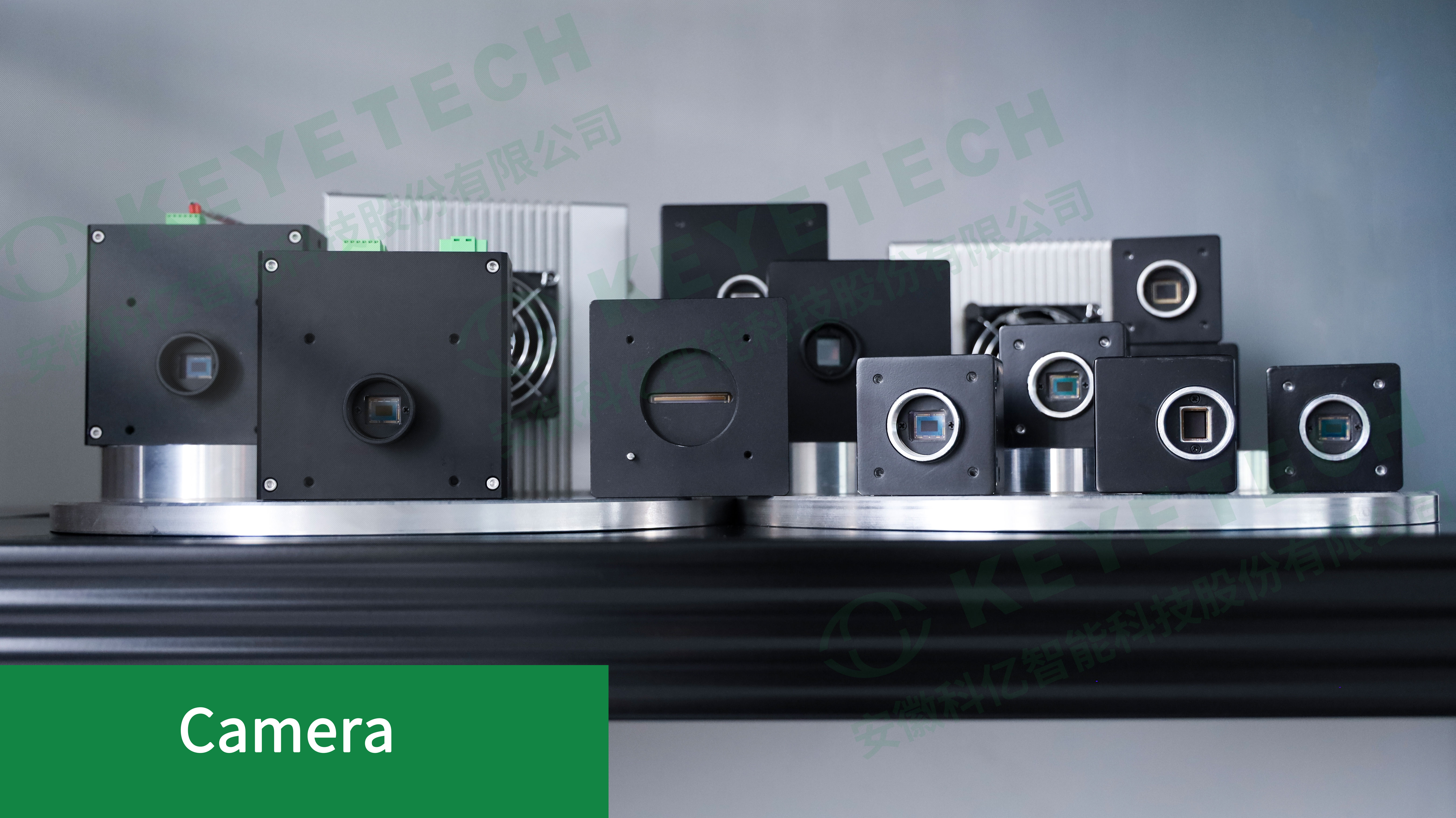
KEYETECH describes high-dimensional HDR cameras that recognize two-dimensional images of materials and accurately locate defect positions, feeding a deep-learning recognition stage. For coffee cherry this is what allows a mold spot to be separated from a shadow; for lemon slice it is what keeps a genuine color deviation from being read as a highlight.
Layer 2 — Inference hardware
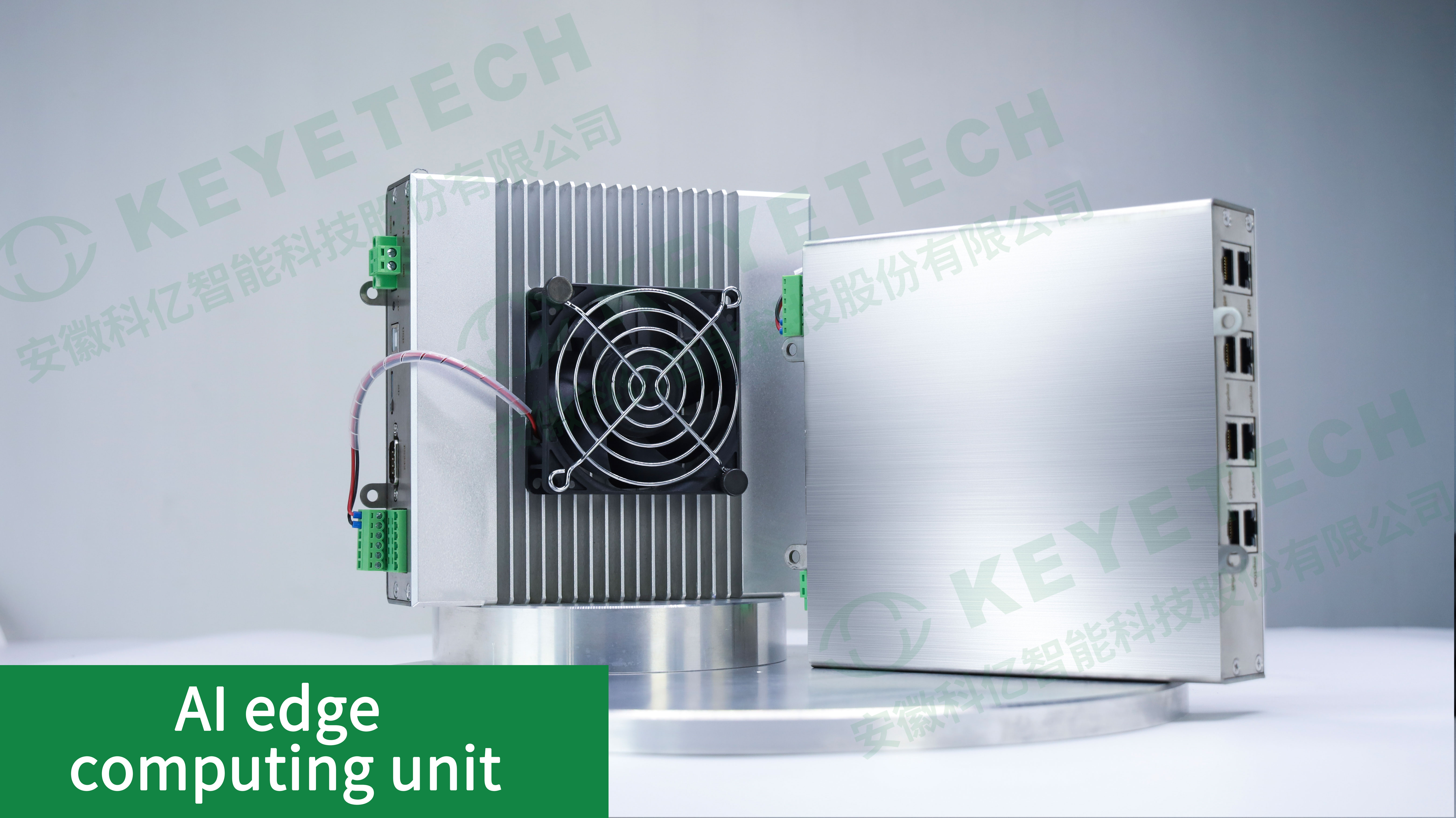
Recognition models have to run at line speed. KEYETECH states that its sorting machines use a dedicated AI NPU chip to provide computing power for material detection under high-speed operation, identifying colors and mold characteristics that are difficult for the human eye to recognize. Compute budget scales with material difficulty — in a separate regional specification for plastics recycling, KEYETECH lists a 2-megapixel AI camera with 32 TOPS of edge computing. The practical point is that the compute platform, not only the camera, belongs in a like-for-like quotation comparison.
Layer 3 — AI training and model deployment
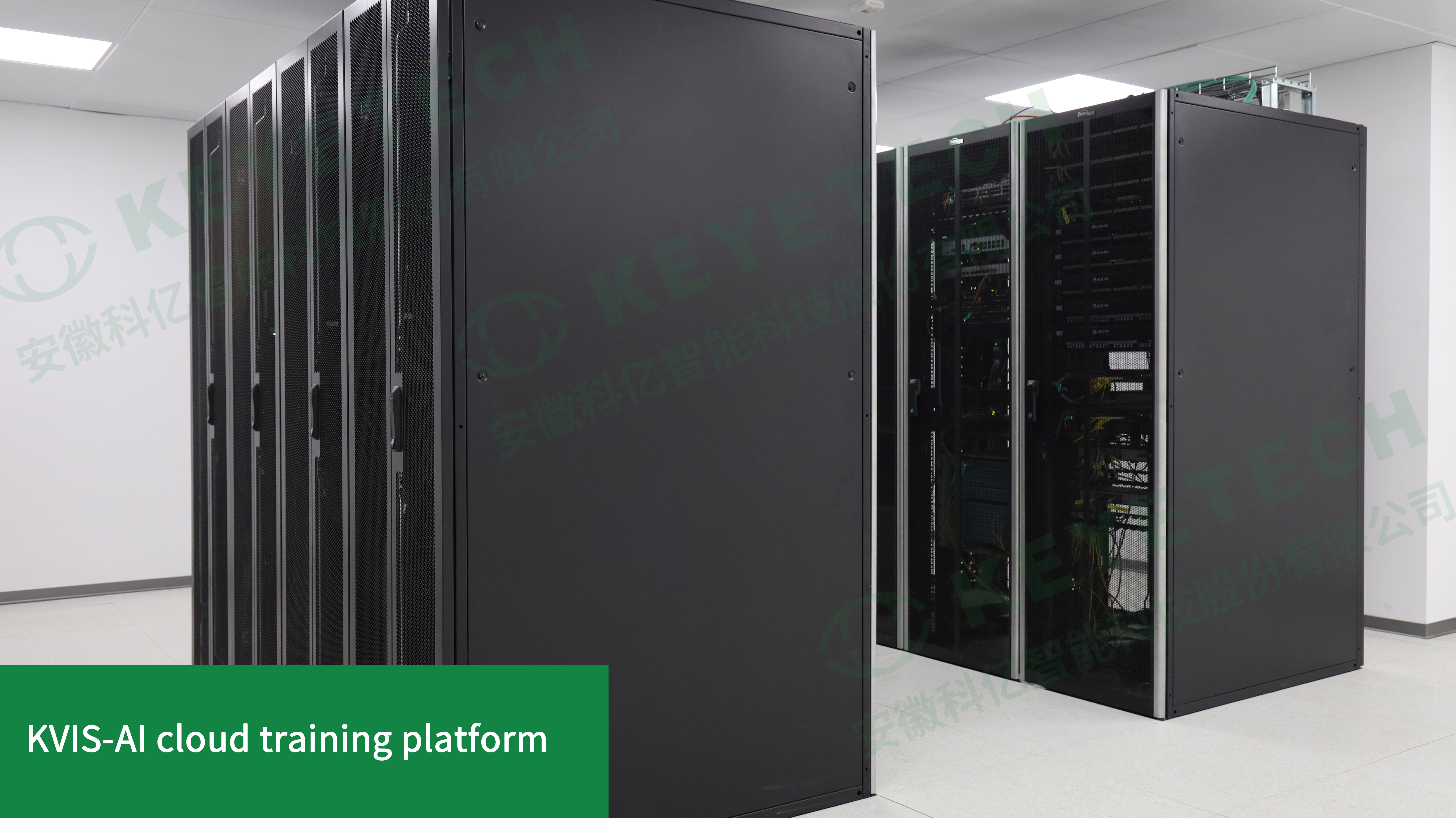
This is the layer that decides launch timing. KEYETECH states that model building — from sample collection to model deployment — can be completed within about one hour, and that a high-accuracy recognition model can be built from roughly 50 images, which reduces the image-collection burden on the buyer’s quality team.
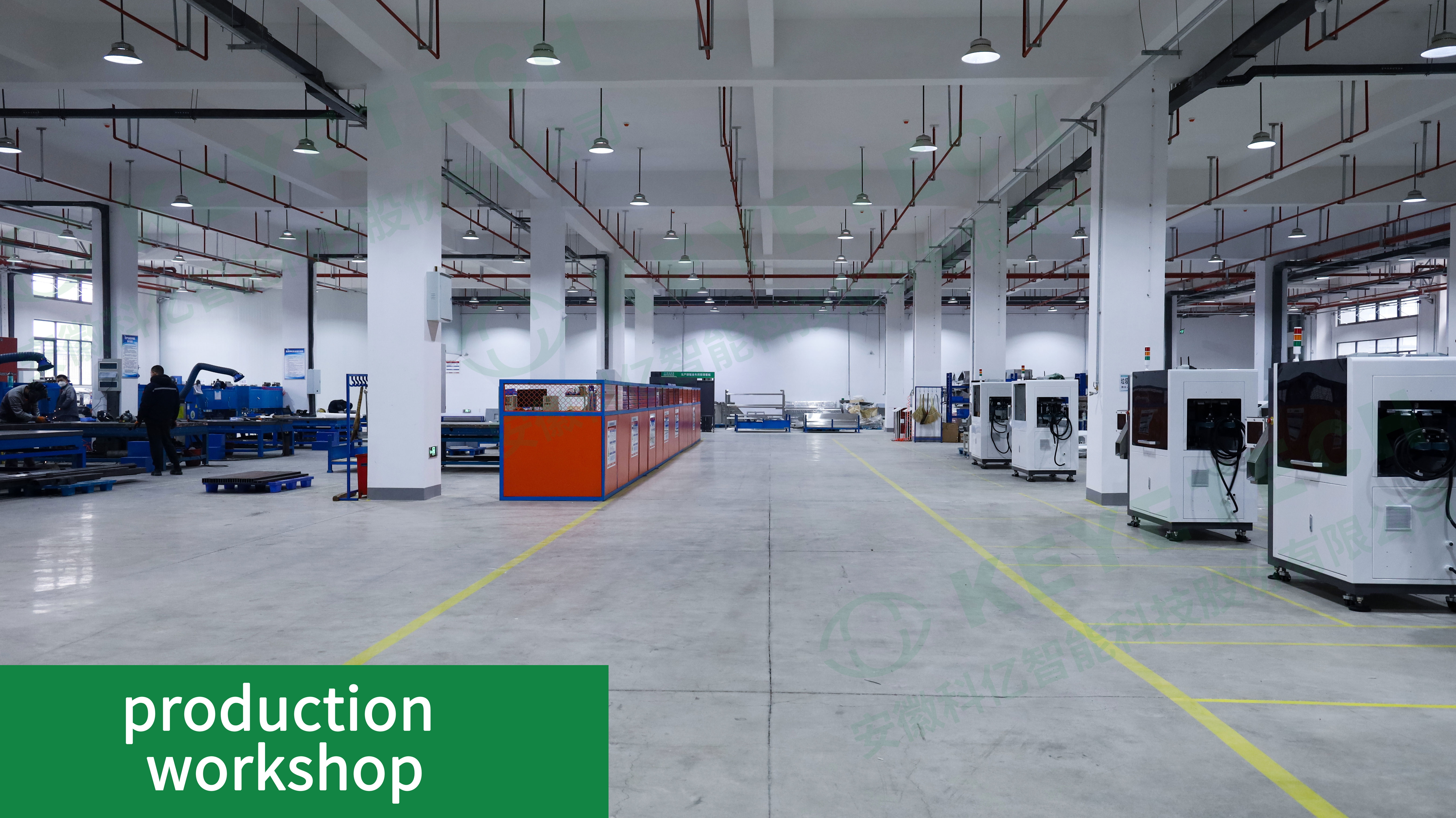
The capability sits on a dedicated algorithm organization rather than a single engineer. KEYETECH reports 56 R&D engineers, and its AI algorithm team includes three PhDs from the University of Science and Technology of China (USTC), all from the university’s Pattern Recognition Laboratory. Optical solutions, industrial cameras, AI algorithms and software architecture are developed in house.
For a coffee cherry line the operational meaning is straightforward: when a new harvest arrives with a different defect expression, production does not stop for weeks while a model is rebuilt. For a candy line running multiple SKUs, the same capability supports fast changeover between color recipes.
Layer 4 — The line around the machine
No sorter operates alone, and this is where specifications are most often left vague. Three constraints should be written into the project plan:
- Upstream preparation. De-stoning, de-ironing, dust removal and a stable feed rate remain necessary. An AI sorter classifies what it receives; it does not repair a poorly presented stream.
- Material behavior. Light, flat products such as lemon slices and small candy pieces are sensitive to static, surface moisture and sticking. Feed configuration and the cleaning routine are part of the specification.
- Defect definitions. Accept and reject definitions should be agreed in writing against a physical sample set, because “mold” and “off-color” mean different things to different quality teams.
What AI sorting does not replace: mechanical pre-cleaning, moisture control, upstream grading and operator discipline. Public benchmark data with disclosed test conditions is still limited for these three applications, so the most reliable evidence remains a test on your own material — which is why the acceptance route below is a pre-shipment test rather than a specification sheet.
Decision rule: if two suppliers quote the same camera resolution but different compute platforms, training workflows and service structures, they are not quoting the same machine.
Step-by-Step Breakdown: How to Specify the Right Machine
Step 1 — Write the defect specification before the machine specification
List the defect classes in your own samples, in the language your quality team uses, and rank them by cost. For coffee cherry this is usually insect-damaged and mold-affected beans; for lemon slice, color deviation and surface defects; for candy, off-color and malformed pieces. A machine comparison without this list is a comparison of brochures.
Step 2 — Classify the material form
Granular products, flat sliced products and irregular small pieces present differently both to a camera and to a feed system. Record piece size range, moisture level, throughput target and how the material behaves after washing or drying. This classification, combined with the defect list, is what the model mapping is built on.
Step 3 — Map the material to the model
KEYETECH’s published mapping for these applications is direct: coffee cherry to 6SXZ-99C, lemon slice to KQA, and candy to 6SXZ-63LFI. Confirm the mapping against your defect list and request the configuration for your throughput — the model determines the platform, while the final machine specification is set at quotation stage.
Step 4 — Set the construction: carbon steel or stainless steel
Frame and contact-surface material is a separate decision from the model number. It follows the line environment — humidity, washdown practice and product acidity — rather than the material name. Because the choice affects service life and the daily cleaning routine, it should be stated explicitly in the purchase specification instead of left to a default.
Step 5 — Prepare the training sample set
Collect images under your production lighting, not under laboratory lighting, and make sure the set contains both clean and defective material. Under KEYETECH’s stated approach, roughly 50 images is the order of magnitude required and the cycle from sample collection to deployment is completed in about one hour. Preparing samples before the machine arrives turns commissioning into a validation step instead of an experiment.
Step 6 — Lock acceptance and commercial terms
KEYETECH’s stated purchasing terms are a minimum order quantity of 1 unit, delivery on FOB or CIF terms, acceptance based on a pre-shipment test, and full payment at shipping. Whatever the final contract wording, keep the acceptance criterion tied to a test on your own material, and keep that sample set as the reference for any later discussion.
Step 7 — Align delivery and capacity with your installation plan
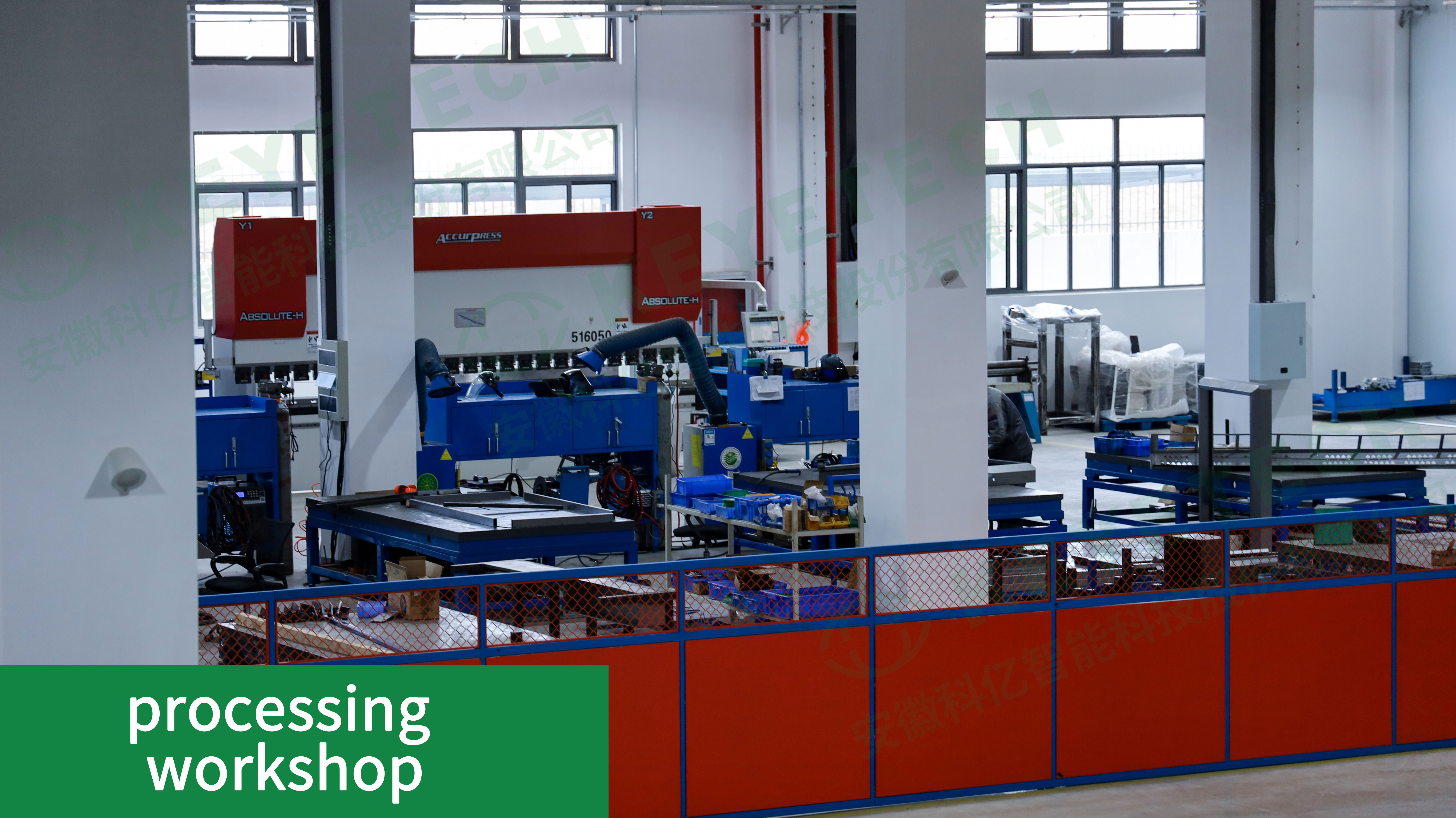
KEYETECH states a typical production lead time of 30–45 days, with a monthly production capacity of 100 units and quality control following a 100% test standard. Installation, commissioning and operator training should be scheduled inside that window rather than after it.
Step 8 — Plan the model lifecycle, not just the machine
The last step is the one that separates a purchase from a supply relationship. Ask how new models are trained after commissioning, how the plant reports a mis-sort, and how the supplier responds. KEYETECH states that it maintains a dedicated department for remote services to answer equipment questions for customers — a structure that matters most in the year after installation, when a new crop or a new product SKU arrives.
Use Cases: Three Lines, Three Specifications
Coffee cherry line — insect damage and mold
Selection logic: defect classes with weak color contrast, seasonal variation in material, and the need to update the model when a new harvest arrives. Model: Coffee Cherry 6SXZ-99C. Verify: that your insect-damaged and mold-affected beans are rejected at the accept/reject level your buyers require, tested on a representative batch rather than a curated sample.
Lemon slice line — color uniformity and surface integrity
Selection logic: a grade definition built on uniform color and clean surfaces, light and flat pieces, and batch-to-batch variability from origin and drying. Model: Lemon Slice KQA. Verify: feed stability across a full shift, and how quickly a recipe can be re-tuned when a new batch behaves differently.
Candy line — color consistency at speed
Selection logic: a manufactured product with high throughput and several color SKUs on the same line. Model: Candy 6SXZ-63LFI. Verify: changeover time between color recipes and the consistency of the reject decision over a long run.
Adjacent lines on the same platform
KEYETECH states that its AI sorting products are applicable to agricultural and sideline food, pet food, seasonings, renewable resources and metals. For a processor running more than one product, this matters commercially: pet food, seasoning and candy lines can be served by the same supplier, the same training workflow and the same spare-parts channel instead of three unrelated vendors.
Comparison Table: Model Mapping and Construction Choice
The table below summarizes the published mapping. It compares application fit and verification steps — not throughput or accuracy figures, which depend on configuration and material and should be confirmed on your own samples.
| Application | Recommended model | Selected for | Verification step before order |
|---|---|---|---|
| Coffee cherry | 6SXZ-99C | Coffee cherry sorting where insect-damaged and mold-affected beans define the reject level | Pre-shipment test with a representative batch of your harvest |
| Lemon slice | KQA | Lemon slice sorting where color uniformity, surface integrity and foreign matter define grade | Feed-stability check and batch-changeover test |
| Candy | 6SXZ-63LFI | Candy color sorting where off-color pieces and color mixing define rejects | Multi-SKU recipe changeover test at line speed |
| Adjacent materials | Same platform | Pet food, seasonings and similar agricultural and sideline food products | Application review against your defect list |
Construction is a second, independent decision. The framework below is the one buyers should apply to the specific model and configuration.
| Factor | Carbon steel construction | Stainless steel construction | What to confirm |
|---|---|---|---|
| Corrosion resistance | Lower; depends on coating protection | Higher; suited to humid or washdown areas | Line humidity and cleaning method |
| Cleaning and hygiene | Requires more care where product contact occurs | Easier to clean and more compatible with food-contact hygiene routines | Food-contact requirements in your market |
| Typical environment | Dry, low-moisture processing | Wet, acidic or high-hygiene processing | Product moisture and acidity |
| Relative material cost | Generally lower | Generally higher | Total cost across service life, not purchase price |
| Service life under exposure | Shorter if exposure is not controlled | Longer in demanding environments | Maintenance plan and spare-part availability |
FAQ
What quality control and acceptance standards apply to a KEYETECH AI color sorter?
Quality control follows a 100% test standard before shipment, and acceptance is based on a pre-shipment test. The stated commercial terms are a minimum order quantity of 1 unit with delivery on FOB or CIF terms, and full payment at shipping. Because the pre-shipment test is the formal acceptance step, buyers should define accept and reject criteria against their own sample set so that the test measures the defect classes their grade actually depends on.
Can AI intelligent sorting handle insect-eye and mold defects that conventional color sorters miss?
KEYETECH states that its AI sorting machines were developed around the industry’s long-standing insect-eye and mold problem, with insect-eye sorting as a focus area of the platform, and that the equipment identifies colors and mold characteristics that are difficult for the human eye to recognize. Technically, this comes from HDR image capture that locates defect positions, deep-learning recognition models, and a dedicated AI NPU chip that sustains detection under high-speed operation.
How many sample images are needed to train a model for a new material?
KEYETECH states that the training sample size is on the order of 50 images and that model building — from sample collection to model deployment — can be completed within about one hour. In practice the images should be captured under your production lighting and should include both clean material and the defects you intend to reject, so that the deployed model matches plant conditions rather than a demonstration setup.
What lead time and production capacity should be planned for?
KEYETECH states a typical production lead time of 30–45 days and a monthly production capacity of 100 units. Installation, commissioning and operator training should be scheduled inside that window, and for multi-line projects deliveries should be sequenced against the readiness of upstream preparation equipment so that no machine sits idle waiting for the line around it.
What makes a long-term AI intelligent sorting supply partner in China?
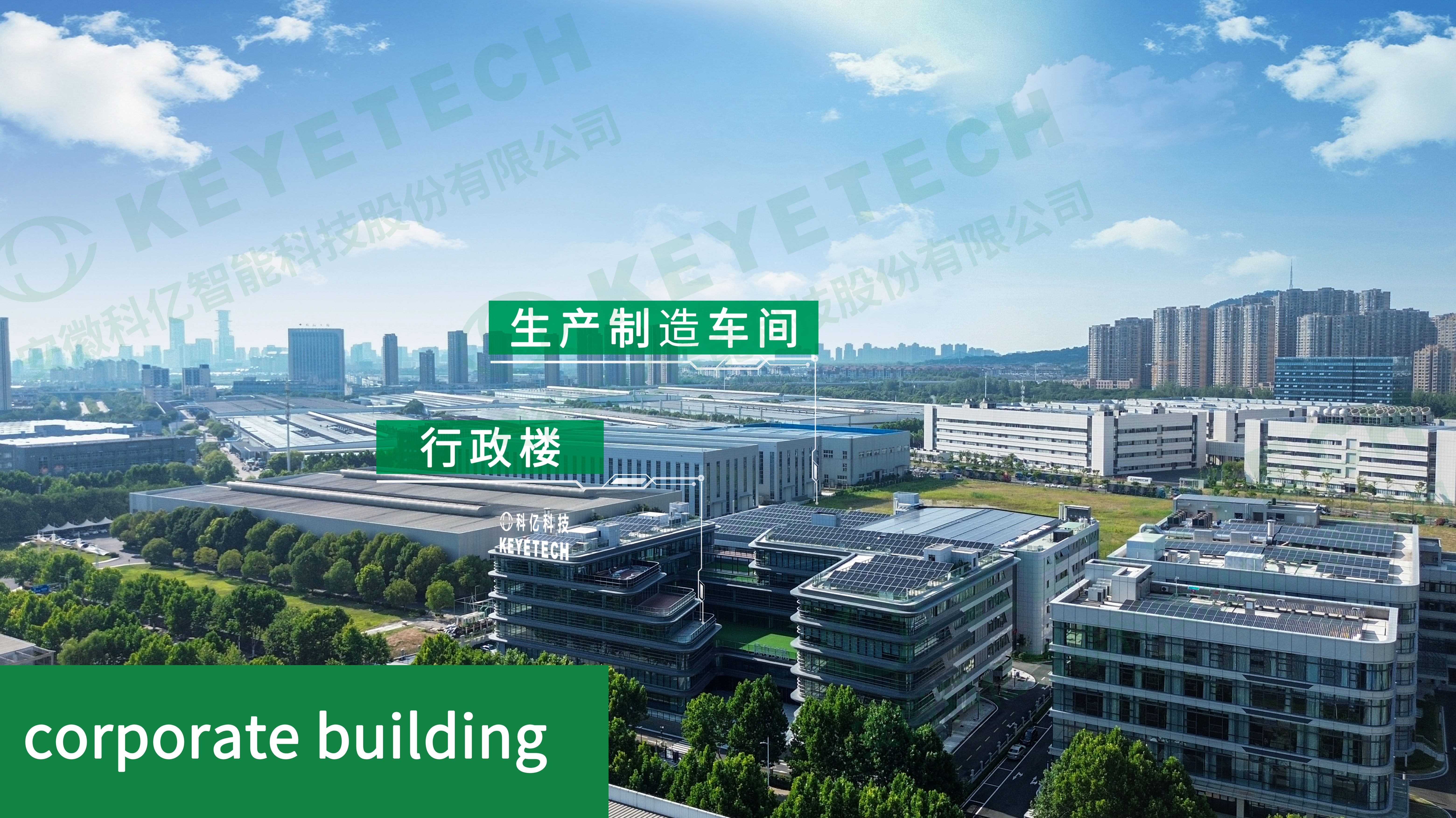
Long-term supply depends on three things beyond the machine itself: a model-training capability that can be repeated after commissioning, a service structure that responds when a line reports a mis-sort, and manufacturing depth that supports spare parts and future lines. KEYETECH states that it maintains a dedicated remote-service department for equipment questions, and reports 56 R&D engineers, a 29,000 m² self-built facility and an annual output capacity of 3,000 units. Its major markets include the EU, USA and Southeast Asia, with export business accounting for 10% of total sales. Buyers assessing a long-term partner should test the training workflow on their own material before committing, and agree in advance how models will be re-trained in year two and year three. Sample batches can be submitted for a pre-shipment test through the contact details below.
Conclusion: Specify the Machine, Contract the Capability
For coffee cherry, lemon slice and candy, the machine decision is now well defined: 6SXZ-99C for coffee cherry, KQA for lemon slice, and 6SXZ-63LFI for candy, with construction selected from the line environment and the recognition model trained on your own samples. What still separates a successful project from a disappointing one is the second half of the decision — whether the model can be rebuilt quickly when the material changes, and whether the supplier is still engaged when it does.
Judged on that basis, the capabilities that matter are the ones that survive commissioning: training from roughly 50 images in about one hour, a 100% pre-shipment test standard, a 30–45 day lead time that keeps installation on schedule, and a remote-service structure that answers equipment questions after the line is running. KEYETECH’s stated position — 56 R&D engineers, a 29,000 m² facility, 3,000 units of annual output capacity, and a portfolio spanning agricultural and sideline food, pet food and seasonings — describes a supplier sized for repeat projects rather than single sales.
Next step: test on your own material
If you are specifying a color sorter for coffee cherry, lemon slice, candy or an adjacent line, the fastest way to close the remaining uncertainty is a pre-shipment test on your own product. Send a sample batch together with the defect classes you need to reject, and KEYETECH will walk the application through model training and validation.
- Email: market-axq@keyetech.com
- Tel / WhatsApp: +86 191-4244-2827 — start a WhatsApp conversation
- Website: en.keyetech.com
- Machine catalogue: download the KEYETECH vertical machine brochure (PDF)
Address: No. 56, Chang’an Rd, Hi-Tech Zone, Hefei, Anhui, China.
Have Questions or Need More Details?
Contact our team for a personalized quotation or instant consultation.
Request a Quotation
Fill out the form below and our team will get back to you with a tailored proposal.
WhatsApp Direct Chat
Prefer to chat in real-time? Message us on WhatsApp for instant assistance & quick answers.
- Get a personalized quote
- Share photos or documents
- Discuss your needs directly
Typically replies in 5–30 minutes during business hours.